The term “interfaith” might bring to mind a committee meeting, but in the world of community aid, it represents something powerful: unified action. It’s when different groups pool their resources to serve a common good, setting aside differences to focus on a shared mission of compassion. A fantastic real-world example is Interfaith Emergency Services, a nonprofit built by a coalition of faith groups to provide a safety net for their community. They offer essential aid to anyone in need, regardless of background. Their story shows how organized compassion can become a reliable and powerful force for good.
Key Takeaways
- Comprehensive support creates lasting change: True community resilience is built by addressing a wide range of needs together, including food, housing, and healthcare, which helps people achieve long-term stability instead of just temporary relief.
- A networked response is more effective: Organizations like IES show that community strength comes from collaboration. By partnering with local groups, businesses, and volunteers, they create a powerful support network that reaches more people and solves problems more efficiently.
- You have a role to play in community care: Supporting your local safety net is easier than you might think. You can make a significant difference by volunteering your time, making a financial gift, or organizing a community drive to help organizations continue their essential work.
What Is Interfaith Emergency Services?
Interfaith Emergency Services, or IES, is a nonprofit organization in Marion County, Florida, that provides a critical safety net for residents facing hardship. Think of it as a central hub for community support, a place where people can turn when a personal crisis or a wider disaster strikes. Organizations like IES are often the backbone of a local emergency response. While larger government agencies manage the big picture, groups like IES are on the ground, filling the gaps and providing immediate, person-to-person assistance.
They are a fantastic example of how a community can come together to care for its own. By coordinating resources, from food donations to volunteer hours, and channeling them to where they are needed most, they create a powerful, unified response. This model of organized compassion is essential for building community resilience. It ensures that when people are at their most vulnerable, there’s a system in place ready to help. For anyone involved in emergency management, from a CERT team member to an NGO leader, understanding how these local organizations operate is key to building a truly comprehensive response plan.
Their Mission and Core Values
At its heart, the mission of Interfaith Emergency Services is straightforward: to help as many people as possible. They focus on providing the essentials that form the bedrock of stability, like food, clothing, and shelter. A core part of their identity is offering this emergency assistance to anyone in Marion County who needs it, without judgment. This approach is rooted in their faith, which they describe as a calling to serve others in their time of need. Their commitment to transparency is clear, and you can review their performance on sites like Charity Navigator, where they are rated for financial health and accountability.
How Faith-Based Communities Support Emergency Relief
Interfaith Emergency Services was originally created by a coalition of local faith-based groups who saw a need and decided to act. They pooled their resources to create a single, effective organization dedicated to caring for people in distress. This model is a powerful way to channel goodwill into organized, effective action, turning compassion into a structured support system. Today, the organization continues to rely on broad community support to keep its doors open and its programs running. This partnership between faith groups, local businesses, and individual citizens ensures that hundreds of families receive help every year, showing how dedicated groups can become a reliable pillar of the local emergency response network.
What Services Does IES Offer?
Interfaith Emergency Services provides a comprehensive support system for people facing a crisis. Their approach goes beyond immediate relief, offering a range of programs designed to address everything from basic needs to long-term stability. Think of it as a complete toolkit for getting back on your feet. Whether someone needs a hot meal, a safe place to sleep, or help managing medical costs, IES has a program in place. This holistic model ensures that individuals and families receive layered support, helping them move from a state of emergency to a place of self-sufficiency. Let’s look at the specific services they offer to the community.
Food and Nutrition Programs
For many families in crisis, the first and most pressing need is food. IES addresses this head-on by providing essential food and nutrition programs for individuals and families. This service is a lifeline, ensuring that no one in the community has to worry about where their next meal is coming from. By meeting this fundamental need, IES gives people the stability and energy to tackle other challenges, like finding housing or employment. Their comprehensive programs are designed to offer a hand-up, not just a handout, forming the foundation of their community support efforts.
Clothing and Essentials
Having clean clothes and basic essentials is about more than just comfort; it’s about dignity. IES runs a Free Clothing Boutique where anyone can get the items they need without any hassle. The boutique is open on weekdays, and importantly, no ID is required to receive help. This removes a significant barrier for many, including those experiencing homelessness or who may have lost their documents in an emergency. It’s a simple but powerful way to provide immediate relief and restore a sense of normalcy for people navigating difficult circumstances.
Financial Aid and Medication
A medical issue shouldn’t push a family into financial ruin. The IES Prescription Assistance Program helps people cover the costs of necessary medications and doctor visits, which can be a huge relief when money is tight. This program is a fantastic example of community collaboration, as it’s funded by the Marion County Hospital District and proceeds from the IES Thrift Store. By helping people manage their health without draining their resources, IES ensures that a temporary setback doesn’t become a long-term crisis, allowing individuals to stay healthy while they work toward stability.
Shelter and Housing Support
IES provides more than just a roof over someone’s head; they offer a path to a permanent home. Their shelter program gives a safe place to women, single parents, and families who are experiencing homelessness. It’s a structured, three-month program focused on building self-sufficiency through dedicated case management, budgeting classes, life skills training, and counseling. The goal isn’t just to provide temporary shelter but to equip residents with the tools and support they need to secure stable housing and create a better future for themselves and their children.
Medical, Dental, and Mental Health Care
Access to health care is a critical component of recovery. Through its Hope Clinic, IES provides free medical services to those in need. Taking care of your physical and mental health is essential, especially during stressful times, and the clinic makes it possible without the burden of cost. Anyone needing medical attention can simply call to make an appointment. This integrated approach ensures that community members can address health concerns promptly, which is a vital step in rebuilding their lives and maintaining their well-being for the long term.
Support for Long-Term Stability
The ultimate goal of every IES program is to help people achieve lasting stability. All their services, from the food pantry to the shelter, are designed to work together to help individuals and families end the cycle of homelessness and crisis. This is accomplished through consistent, compassionate support and a focus on empowerment. By teaching life skills, offering counseling, and providing case management, IES helps people set and achieve goals for a self-sufficient future. This long-term vision is what transforms emergency aid into lasting community change, often powered by dedicated volunteer coordination.
Who Can Receive Help from IES?
Interfaith Emergency Services is a community-focused organization dedicated to providing a safety net for local residents. Their eligibility criteria are designed to be inclusive, ensuring that help is available to those who need it most. If you or someone you know is facing hardship in Marion County, IES may be able to provide the support you need.
Who Is Eligible for Support?
Interfaith Emergency Services focuses its support on the residents of Marion County. If you live in the area and are facing a tough time, they are there to help. Eligibility is primarily based on being a resident and having a genuine need for basic necessities. Individuals and families from all walks of life turn to IES for assistance with food, clothing, shelter, and medication. The organization operates on the principle that everyone deserves access to these essentials, especially during a crisis. So, if you’re a Marion County resident struggling to make ends meet or facing an unexpected emergency, you are exactly who IES aims to support. Their goal is to be a reliable resource for their neighbors in need.
The Community They Serve
IES casts a wide net, aiming to help as many people as possible within the Marion County community. They see their role as a community-wide safety net, providing a stable resource for anyone who finds themselves in a vulnerable situation. This inclusive approach means they assist individuals and families facing all sorts of challenges, from sudden job loss to long-term financial hardship. By providing these foundational services, IES doesn’t just help one person at a time; they strengthen the entire community. Ensuring that everyone has access to food and shelter creates a more resilient and supportive environment for all residents. This kind of broad support relies heavily on effective volunteer coordination to meet the diverse needs of the population.
Removing Barriers to Access
One of the most important aspects of IES’s work is their effort to make help accessible. They understand that when you’re in a crisis, you might not have all your paperwork in order. That’s why they can often provide one-time assistance even if you don’t have every document on hand. This flexibility is critical for getting people immediate relief. Because their services depend on available resources and volunteers, it’s always a good idea to arrive early. It’s also smart to check their hours, as they can sometimes change due to weather or other unforeseen events. This practical, compassionate approach ensures that bureaucracy doesn’t stand in the way of receiving urgent care. Getting help fast is the priority, whether you’re reporting an incident through an app or walking through their doors.
How Does IES Strengthen the Community?
An organization’s true strength is measured by its impact on the people it serves. Interfaith Emergency Services does more than just provide aid; it actively builds a more resilient and connected community. By addressing immediate needs and fostering long-term stability, IES creates a powerful support system that helps individuals and families get back on their feet. Their work is a testament to how coordinated, compassionate action can make a tangible difference, especially when a crisis hits. This approach not only helps people survive but also gives them the foundation they need to thrive.
Think of it like this: when a storm passes, a strong community doesn’t just rebuild what was lost, it reinforces its structures to better withstand the next one. That’s what IES does on a human level. They provide the immediate shelter of food and housing, but they also reinforce the community’s foundation through partnerships, targeted programs, and a commitment to long-term support. This holistic strategy ensures that the help provided today contributes to a more secure and self-sufficient tomorrow for everyone. It’s about creating a network of care that catches people when they fall and supports them as they climb back up, making the entire community stronger in the process.
Meeting Critical Needs in a Crisis
When a family faces a sudden crisis, like a job loss or a medical emergency, having a reliable place to turn is essential. IES acts as that critical safety net for residents of Marion County. They provide a full range of services that cover basic human needs, from food and clothing to emergency shelter and help with medication costs. By offering this immediate and practical assistance, IES provides stability during a time of immense stress. This support prevents a short-term crisis from spiraling into a long-term disaster, giving people the breathing room they need to find a more permanent solution.
Supporting Kids with the Food 4 Kids Program
Childhood hunger is a heartbreaking reality, and IES addresses it head-on with their Food 4 Kids program. This initiative ensures that children who rely on school meals don’t go hungry over the weekend. School staff identify and refer children who could benefit from the program. Each week, these kids receive backpacks filled with nutritious, easy-to-prepare food like canned meat, milk, and peanut butter for every child in their household. It’s a simple yet powerful way to support the community’s youngest members, showing how targeted IES programs can solve a very specific and critical problem.
Building Local Partnerships
No single organization can solve every problem alone, which is why the collaborative approach of IES is so effective. They build strong local partnerships with other food pantries, community groups like the Lions Club for vision assistance, and local agencies that connect people with additional resources. This network ensures that help is comprehensive and accessible. This model of cooperation is exactly what modern emergency response needs. Platforms like PubSafe are designed to facilitate this kind of real-time coordination, helping organizations work together seamlessly to manage resources and reach more people in need during a crisis.
Measuring Their Community Impact
The effectiveness of IES is clear in the sheer number of people they help. Every month, they serve thousands of individuals and families throughout Marion County, providing a lifeline for many. This isn’t just a statistic; it’s a direct measure of the trust the community places in them. By consistently showing up and delivering essential services, IES has become a pillar of local support. Their impact is validated by organizations like Charity Navigator, which assesses their financial health and accountability, confirming that they are responsible stewards of the donations they receive. This transparency builds confidence and encourages continued community involvement.
How Can You Support Interfaith Emergency Services?
Contributing to the work of Interfaith Emergency Services is a powerful way to make a direct impact on your neighbors. Whether you have time to spare, resources to share, or a knack for bringing people together, there’s a role for you. Supporting IES helps ensure essential services remain available for individuals and families facing crises. If you’re looking for a way to give back, here are a few meaningful ways you can get involved and strengthen your community.
Volunteer Your Time
Giving your time is one of the most personal ways to support Interfaith Emergency Services. Volunteers are the backbone of their operations, and your presence can make a real difference. IES has a wide range of service areas, so you can find a role that aligns with your skills, from sorting donations to helping in the food pantry. If you’re not sure where you’d fit best, they invite you to take a tour of their facilities to see the work firsthand. It’s a great way to discover where your help is needed most. You can explore all the volunteer opportunities on their website to get started.
Donate or Give Monthly
Financial contributions are the fuel that keeps Interfaith Emergency Services running. These donations allow them to purchase food, provide emergency financial aid, and keep their shelters open. While a one-time gift provides immediate relief, setting up a monthly donation creates a steady, reliable source of funding that helps IES plan for the future and respond to needs as they arise. Every dollar makes a difference in providing a safety net for the most vulnerable members of our community. Donating is simple and can be done online, by mail, or in person, making it easy to contribute.
Organize a Food Drive or Community Event
Want to get your friends, colleagues, or congregation involved? Organizing a food drive is a fantastic way to rally your community for a tangible impact. You can set up collection bins at your workplace, school, or local gathering spot to collect non-perishable food items for the IES food pantry. This not only helps keep their shelves stocked but also raises crucial awareness about food insecurity in your area. Getting people together for a common cause is a powerful way to build connections while supporting the vital work IES Marion does every day.
How Technology Improves Emergency Coordination
When a crisis hits, clear and fast communication can make all the difference. Technology is a game-changer for organizations like Interfaith Emergency Services, helping them coordinate efforts and get help where it’s needed most. Before, response efforts often relied on phone trees, paper maps, and radio calls that could easily get tangled. Now, modern tools allow teams to share information instantly, manage volunteers effectively, and connect with the community in real time. This shift means a faster, more organized response that ultimately saves time, resources, and lives.
The real power of this technology is its ability to create a single, shared view of an emergency. By bringing together public safety agencies, NGOs, and citizen volunteers onto one platform, it breaks down the communication silos that can hinder a response. Everyone can see the same information, from incident reports to resource requests, which helps in making smarter, quicker decisions. This collaborative approach ensures that everyone is working from the same playbook, reducing confusion and improving the overall effectiveness of the response effort. It transforms a collection of separate groups into a coordinated force for good.
Connecting Organizations and Citizens in Real Time
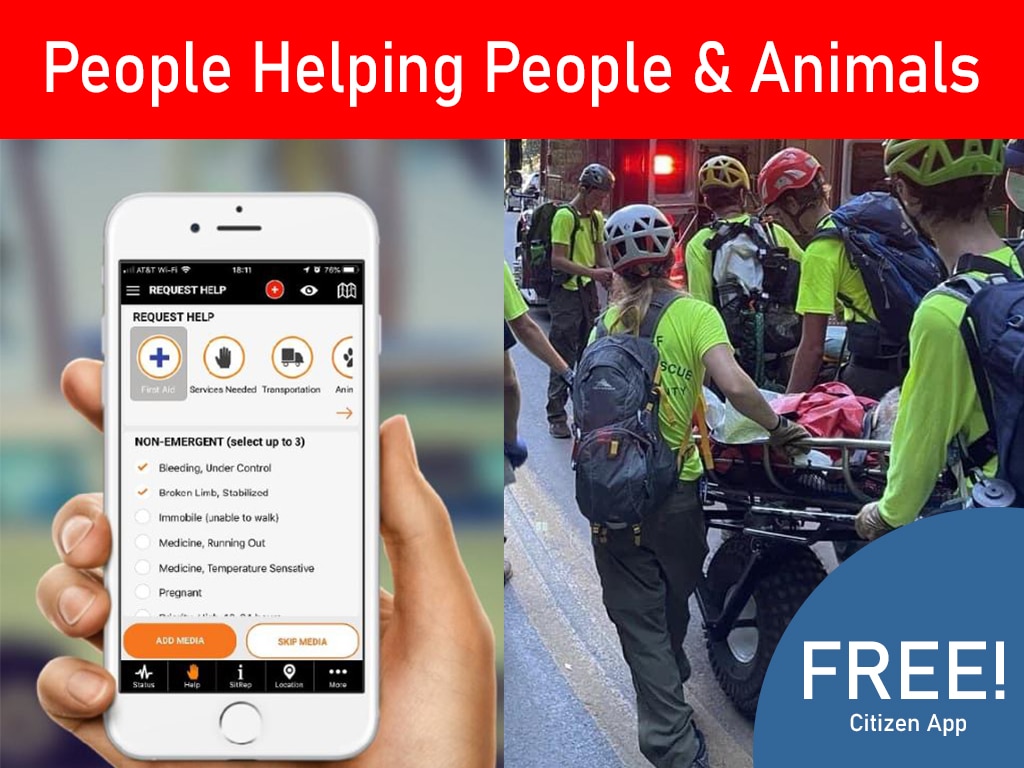
During an emergency, knowing what’s happening and where to go is critical for everyone. Technology bridges the gap between response organizations and the public. Mobile apps and real-time data platforms allow teams to send out instant alerts and updates, keeping the community informed and safe. This two-way street also empowers citizens to report incidents or needs directly from their phones. Instead of information getting siloed, everyone can see a more complete picture of the situation as it unfolds. This level of transparency helps organizations direct resources accurately and allows people to view a public map to understand what’s happening around them.
Managing Volunteers and Resources During a Crisis
A surge of people wanting to help is a wonderful thing in a disaster, but managing them can be chaotic without the right system. Technology brings much-needed order to this process. With the right tools, organizations can streamline volunteer coordination by tracking who is available, what skills they have, and where they’ve been assigned. This ensures that a trained medic isn’t accidentally put on sandwich duty while a logistics expert is stuck in a waiting room. It also helps manage physical resources, from blankets to bottled water, making sure supplies get to the people who need them without delay. This efficiency is key to maximizing the impact of every donation and every volunteer hour.
How PubSafe Empowers Organizations Like IES
Platforms like PubSafe are built to bring all these pieces together. For an organization like Interfaith Emergency Services, this means they can streamline their entire disaster response operation. The platform shows them how PubSafe works by providing tools for real-time incident reporting, volunteer assignments, and resource tracking in one place. When IES receives a call for help, they can log the need, dispatch a team, and communicate updates seamlessly. This integrated system allows them to coordinate with other local agencies and NGOs, ensuring that their efforts are amplified, not duplicated. It helps them focus on what they do best: providing compassionate and effective support to the community.
Related Articles
- Global Humanitarian Organizations: Top Impact & Relief Efforts | PubSafe
- Civilian Crisis Response: Empowering Volunteers in Emergencies | PubSafe
Frequently Asked Questions
Is help from Interfaith Emergency Services only for people of certain faiths? Not at all. While IES was founded by a coalition of different faith groups, its mission is to serve the entire Marion County community. Help is available to any resident facing hardship, regardless of their background or beliefs. The term “interfaith” reflects their history of collaboration, not a requirement for the people they assist.
What makes IES different from a typical food pantry or shelter? Think of IES as a complete support system rather than a single service. While they do provide immediate relief like food and shelter, their main goal is to help people achieve long-term stability. They connect all their services, from financial aid to health care and case management, to create a clear path for individuals and families to get back on their feet for good.
How does technology actually help an organization like IES during a crisis? In an emergency, coordination is everything. Technology provides a central hub where organizations like IES can manage volunteers, track incoming requests for aid, and share real-time information with other response teams. This prevents efforts from being duplicated and ensures that resources, whether it’s a specialized volunteer or a truckload of water, get to the right place as quickly as possible.
I want to help, but I don’t have a lot of money. What are the best ways to contribute? Your time and ability to organize are incredibly valuable. IES relies on volunteers for everything from sorting donations to assisting in their clinic. You could also organize a food or clothing drive at your workplace or with a local group. These community-led efforts provide a huge amount of the resources they distribute and raise awareness at the same time.
I don’t live in Marion County. How can I find an organization like IES in my own area? That’s a great question. Most communities have similar support networks. A good place to start is by searching online for terms like “community action agency,” “family resource center,” or “emergency assistance” along with your city or county name. You can also contact your local United Way or call the 211 information hotline, as they often keep a comprehensive list of local aid organizations.