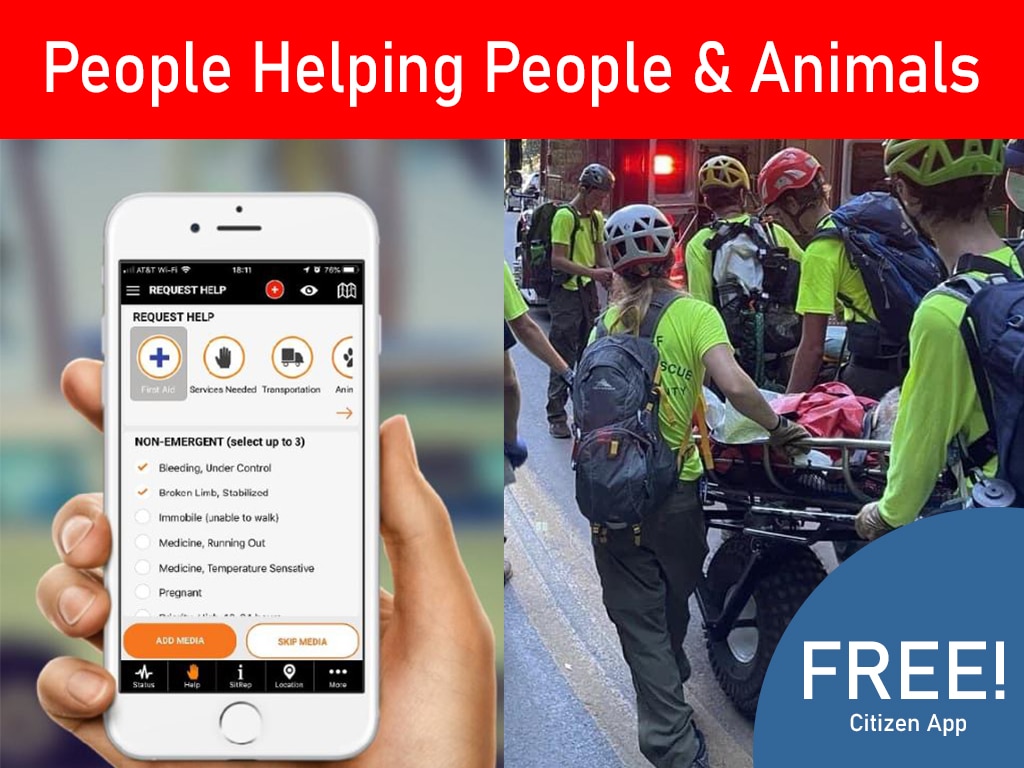
Emergency plans fail when neighborhood leaders cannot see who needs help. A shared app can turn scattered updates into coordinated action. It keeps readiness and response in one trusted place.
See how PubSafe helps communities coordinate emergency response.
An emergency preparedness app for neighborhood groups gives leaders one place to prepare, report incidents, share local alerts, and coordinate help. Unlike one-way alert tools, coordination apps let citizens send verified field reports, show leaders where needs and resources are located, and connect volunteers with responders when needed.
Neighborhood leaders need to know which features support daily planning and which ones actually matter in the field once conditions change. That starts with a clear standard for what an emergency preparedness app for neighborhood groups should do. The path begins with
What an emergency preparedness app for neighborhood groups should do
An emergency preparedness app for neighborhood groups should help residents prepare together, report local needs, and coordinate a safe response. One-way alerts tell people what happened. A coordination app also lets neighbors share useful updates, accept tasks, and show leaders what is happening across the area.
The app should support work before, during, and after an incident. Neighborhood leaders can use it to keep contact details current, plan roles, and check readiness. During a response, the same shared system can reduce scattered messages and give each volunteer a clear next action.
Readiness before an emergency
Preparedness starts with people, roles, and simple plans. A useful app lets leaders organize teams by location, skill, and availability. It should also help groups assign backups, share meeting points, and track training without relying on a private spreadsheet.
Training records matter because assigned roles should match real skills. For example, Community Emergency Response Team training covers fire safety, light search and rescue, team organization, and disaster medical operations. An app can help leaders see who is ready for each task and where more practice is needed.
From alerts to coordinated action
An alert answers one question: what happened? Bidirectional coordination answers several more. It shows who needs help, who can respond, which reports are confirmed, and which tasks remain open. That shared view helps a leader set priorities while volunteers focus on their assigned roles.
| Capability. | One-way alert tool. | Coordination app. | Why it matters. |
|---|---|---|---|
| Local updates. | Sends a notice. | Collects reports and status changes. | Shows current neighborhood needs. |
| Volunteer roles. | No task assignment. | Assigns owners and backups. | Limits gaps and repeated work. |
| Readiness. | Shares general guidance. | Tracks skills, plans, and availability. | Supports work before an incident. |
| Situational awareness. | Shows the sender’s message. | Builds a shared operating view. | Helps leaders set priorities. |
| Follow-through. | No task status. | Tracks open and completed work. | Keeps the response organized. |
These functions work best in one workflow. Guidance on organizing neighborhood response teams can help leaders define who receives reports, assigns work, and confirms task completion. Clear permissions also prevent every update from becoming a group-wide alert.
A shared view of neighborhood needs
Situational awareness should turn resident reports into a clear, current picture. Leaders need to sort reports by place, type, urgency, and status. Volunteers need enough context to act safely. They should not have to search long message threads for key details.
The core job is simple: connect readiness plans with real-time action. An connecting with local CERT teams should help residents report, leaders decide, and volunteers respond. It should also preserve task status. The next shift can then see what changed and what still needs attention.
How can neighborhood groups use an app to build readiness?
Neighborhood groups build readiness with an app by keeping contact details current, assigning clear roles, recording needs and useful skills, mapping resources, and practicing the plan. PubSafe can give leaders a shared operational view so preparation becomes a routine rather than a document that sits unused.
Installing an app is only the first step. Readiness grows when neighbors know their roles, keep useful information current, and practice working together. An emergency preparedness app for neighborhood groups can give that work one shared home.
Set up the group before an emergency
Start with a clear service area, such as a block, apartment complex, or homeowners association. For an apartment community emergency preparedness plan, adapt general neighborhood communication to building-level operations. Invite every household, then confirm who has joined and who may need another way to take part. Neighborhood networks matter because residents and communities are vital to an effective response after a major disaster.
- Enroll members and confirm contact details. Ask each person to add a current phone number, address, and preferred contact method. Set a regular reminder to check this information.
- Assign practical roles. Name a group coordinator, backup coordinator, communications lead, wellness-check lead, and supply lead. Match roles to skills, availability, and comfort level.
- Record needs and useful skills. Let members privately note mobility, language, medical, or communication needs. Also record useful training, such as first aid, radio use, or light search and rescue.
- Build a resource inventory. List shared tools, first-aid kits, generators, radios, accessible vehicles, and safe gathering places. Include each item’s location and the person who can provide access.
- Run a simple drill. Test a check-in, incident report, role assignment, and resource request. Practice during normal conditions so members can learn the app without emergency pressure.
- Review and update the plan. After each drill or real event, note gaps and assign fixes. Recheck roles, contacts, needs, supplies, and meeting points on a set schedule.
Make the plan usable for everyone
Access needs should shape the plan from the start. Ask how each member can receive updates and report their status. Plan options for people with limited mobility, hearing or vision loss, low digital comfort, or limited English.
Do not make the app the group’s only path to help. Pair it with phone trees, radio channels, door-to-door checks, or a known meeting point. This layered approach supports neighbors when phones, power, or data service fail.
Practice coordination, not just alerts
A useful drill tests two-way action. Leaders send an update, while members check in, report issues, and offer available resources. Groups exploring coordinating community emergency groups should also decide how volunteers receive tasks and report completion.
Connect the neighborhood plan with trained local partners where possible. The Ready.gov CERT guidance notes that CERT programs teach fire safety, team organization, light search and rescue, and disaster medical operations. Leaders can use those skill areas to shape drills without asking untrained neighbors to take unsafe actions.
Keep a short record after each exercise. Note missed check-ins, unclear roles, unavailable supplies, and access barriers. Update the shared plan while the details are fresh, then give every member the revised instructions.
Why local alerts and incident reporting must work together
Local alerts and incident reports work together because alerts provide verified instructions while field reports show how conditions and needs are changing. PubSafe supports this two-way information flow, helping neighborhood leaders replace scattered messages with a shared picture that guides safer, faster decisions.
An alert tells neighbors what is happening, where it is happening, and what action to take. Yet an alert alone cannot show what residents see after it goes out. Neighborhood leaders also need reports from the field to understand changing needs and guide volunteers.
A shared starting point
Local alerts should give the group one verified version of events. Each update needs a clear location, time, source, current status, and next action. That structure helps residents tell a new warning from an old message being shared again.
Leaders should assign a small team to approve alerts and post updates. Each alert can use simple labels such as reported, verified, active, resolved, or unconfirmed. The labels make uncertainty clear without hiding useful information.
Reports from the field
Bidirectional reporting lets residents send useful facts back to neighborhood leaders. A strong report includes the incident type, exact location, time observed, current risk, and help needed. Photos may add context, but a short written note should explain what they show.
An emergency preparedness app for neighborhood groups should route reports to the right leader instead of flooding every member. Leaders can then group duplicate reports, set a status, and assign trained volunteers when appropriate.
The reporting plan should also name who can view sensitive details and who can change an incident status. A clear role map reduces repeated work. It also helps the group protect personal information while giving responders the facts they need.
Training matters as much as the app. Ready.gov describes CERT training in fire safety, light search and rescue, team organization, and disaster medical operations. Those skills help volunteers understand their role and report conditions with care.
A rumor control process
Fast messages can spread errors just as fast as useful facts. Neighborhood groups need a set review process before a report becomes a broad alert. Leaders should compare reports, contact the original reporter, and mark details that remain unconfirmed.
- Keep the original report, source, and time in the incident record.
- Separate what a person observed from what they heard from someone else.
- Update the same incident record instead of starting a new message chain.
- Correct false details in the same channel where they first appeared.
Status updates should continue until the event is resolved or handed to public safety agencies. The app supports local awareness and volunteer coordination, but it does not replace 911. People should call 911 for immediate threats to life, fire, crime, or urgent medical needs.
Can preparedness apps connect citizens with local responders?
Preparedness apps can connect citizens with local responders when agencies or authorized groups participate and clear reporting procedures are established. PubSafe helps organize field reports and shared awareness, but it should complement official emergency channels and 911 rather than replace them.
Yes, but the connection works best when every group knows its role before an emergency. A neighborhood app can help residents share reports with team leaders, CERT members, NGOs, and approved response partners. It should support local coordination without implying that volunteers replace 911 or professional incident command.
A clear path from report to response
Residents often see blocked roads, damaged homes, or unmet needs before an outside team arrives. An emergency preparedness app for neighborhood groups can collect those reports in one place. Designated leaders can then review, sort, and route useful details to the right local contact.
Each group should set an escalation plan during routine planning. It can state which events require 911, which go to a team lead, and which can wait. Leaders can also use a guide to contact their local CERT team before a crisis starts.
CERT members can add trained support while staying within their assigned duties. The federal preparedness site describes CERT training in fire safety, light search and rescue, team organization, and disaster medical operations. Local agencies still decide how volunteer information enters their response process.
A shared view with firm boundaries
A common operating picture gives approved groups the same basic view of current needs and available help. It may show incident location, report status, assigned team, and recent updates. This shared view reduces duplicate work and helps leaders see where requests remain open.
Access should match each person’s job. A resident may submit a report and see public updates, while a coordinator may assign volunteers. Professional responders may receive selected reports through an agreed channel. Their agency must first accept that type of information.
That boundary matters because an app report is not the same as a verified dispatch record. Teams should label unconfirmed details, note who reviewed them, and preserve update times. A defined process for coordinating community emergency groups helps prevent informal messages from becoming unclear assignments.
Privacy before information sharing
Neighborhood groups should collect only the information needed to act. A report about a fallen tree may need a location and photo, not a resident’s medical history. Sensitive details should be limited to people with a clear operational need.
Leaders should explain what members can see, how reports may be shared, and when records are removed. Groups also need a backup plan for weak service or an unavailable app. Simple rules, practice drills, and named contacts make the digital bridge useful without weakening trust.
How to choose the right preparedness app for your neighborhood
Choose a preparedness app by testing whether residents can use it for the neighborhood’s real tasks. Test alerts, reports, volunteer assignments, data protection, and coordination with approved partners. PubSafe should be evaluated in a drill so leaders can confirm access, reliability, and workflow fit.
Choosing an emergency preparedness app for neighborhood groups starts with the work residents must do, not a long feature list. Write down the tasks your group handles during routine planning and an emergency. Include reporting hazards, checking on neighbors, assigning volunteers, and sharing updates.
Core communication and readiness tools
Look for true two-way communication. Leaders should be able to send updates, while residents can report needs, reply, and share useful details. The app should also show who received a message and help leaders sort urgent reports from routine ones.
Readiness tools should support contact lists, roles, plans, drills, and training records. These features help leaders prepare people before a crisis starts. They can also support members who join a Community Emergency Response Team, which teaches skills such as fire safety and team organization.
- Check whether incident reports can include a location, status, notes, and photos.
- Confirm leaders can assign tasks and see when volunteers accept or finish them.
- Ask whether reports and volunteer hours can be exported for reviews or grant records.
Access, reliability, and total cost
Review permissions before inviting the full neighborhood. Leaders may need control over group settings and reports, while residents need a simple way to join and participate. Make sure the app limits access to sensitive details and lets administrators remove old accounts.
Accessibility matters as much as features. Test the app on common phones, with larger text settings, and with residents who have different levels of technical skill. Ask how it works during weak service, how data is backed up, and where members can get help.
Compare the full cost, not just the starting price. Check fees for leaders, residents, extra groups, storage, training, and support. A low-cost tool may still be hard to sustain if the group cannot manage users or get prompt help.
A drill before adoption
Run a short neighborhood drill with a small test group before making a choice. Give residents sample tasks that match real needs, such as reporting a blocked road or requesting a wellness check. Include several people who have not used the app before.
During the drill, measure how quickly members join, send reports, receive updates, and complete assigned tasks. Review whether leaders can build a clear shared picture without using separate text threads. This test shows whether the app can support coordinating community emergency groups under pressure.
Afterward, ask participants what confused them and what slowed them down. Record missed messages, access problems, and support questions. Choose the app that performs reliably in the drill and fits your group’s skills, budget, and response plan.
Make the app part of your neighborhood readiness routine
An emergency preparedness app for neighborhood groups works best when people use it before a crisis. Build a light routine that keeps skills, contact details, and response roles fresh. The goal is steady practice, not another large program for volunteers to manage.
Explore PubSafe’s approach to turning neighborhood readiness into coordinated action.
Practice during blue-sky days
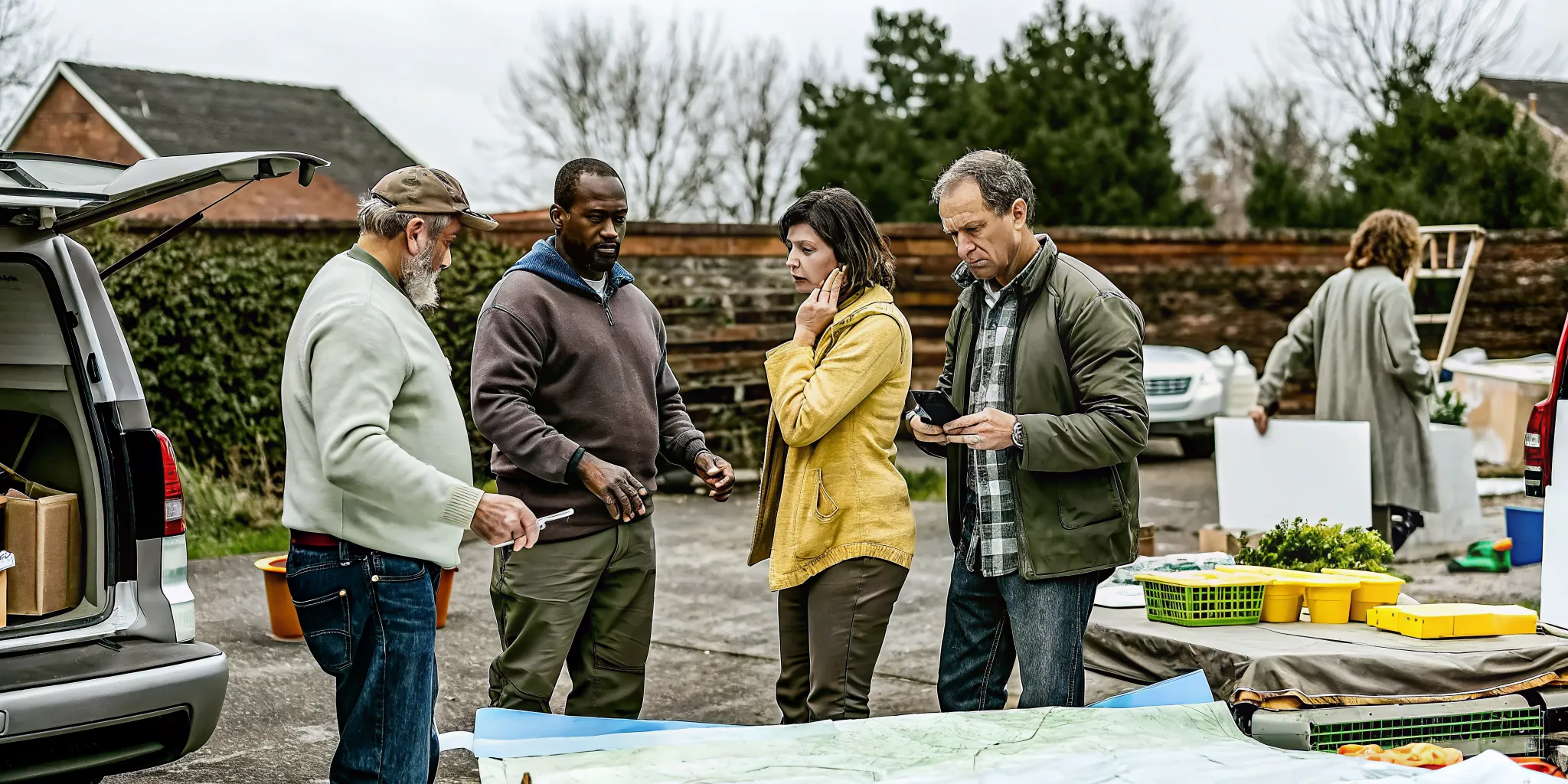
Use the app for simple tasks during normal weeks. Members can report a blocked road, share a meeting update, or check in after a storm watch. These low-pressure uses help people learn where tools are and how group messages work.
Run short drills on a set schedule, such as once each season. Pick one clear goal for each drill, then stop when the group has tested it. A drill might cover reporting an incident, assigning a volunteer, or checking on a nearby resident.
Connect practice to skills that residents can use in the field. The Community Emergency Response Team program trains people in fire safety, light search and rescue, team organization, and disaster medical operations. Neighborhood leaders can use those topics to shape realistic drill prompts.
Keep the member list useful
Set a simple monthly reminder for one leader to review the member list. Remove old accounts, confirm response roles, and ask members to update contact details. Also review any notes about skills or available supplies, while respecting the group’s privacy rules.
Give each new resident a short welcome process. Show them how to join, send a test check-in, and find the group’s basic response plan. Leaders building a wider team can also share PubSafe’s guide to neighborhood readiness apps and civilian response planning.
- Assign one person to welcome new members.
- Use a brief checklist instead of a long training session.
- Repeat the same test action for every new member.
- Review access when residents move away or change roles.
Review progress without extra paperwork
After each drill, hold a ten-minute review. Ask what worked, where people paused, and which detail was missing. Record only the next two or three fixes, then assign an owner and a due date.
Measure readiness with a small set of useful checks. Track how many members completed the drill, whether key roles were filled, and how quickly reports reached the right person. PubSafe’s Volunteer Management Software can also help groups track readiness and volunteer activity without separate records.
Keep the routine easy enough to repeat. If a drill creates hours of follow-up work, narrow its scope next time. Regular, focused practice gives neighborhood leaders a clearer view of gaps while keeping volunteers engaged.
How PubSafe supports neighborhood-led emergency coordination
PubSafe supports neighborhood-led emergency coordination by combining alerts, structured incident reports, maps, messaging, and volunteer management in one platform. It helps community groups maintain readiness during routine days and build a shared operating picture when an incident requires coordinated action.
Neighborhood response depends on people who know the area, its risks, and its residents. Federal guidance also encourages people to join a Community Emergency Response Team and learn basic disaster response skills. PubSafe gives these trained volunteers and local leaders a shared place to prepare, report needs, and organize action.
Readiness before an incident
Good coordination starts well before smoke, flooding, or severe weather reaches the neighborhood. Leaders can use PubSafe during routine operations to build teams and keep members ready. This steady use helps the group learn its process before an urgent event tests it.
A leader can organize volunteers around clear roles, then track readiness and volunteer hours in one platform. CERTs and small NGOs can use the same process without adopting a complex enterprise system. PubSafe’s guide to coordinating community emergency groups explains why shared tools matter when many people must act together.
- Define volunteer roles and areas of responsibility.
- Keep team participation and readiness visible.
- Track volunteer hours that may support grant reporting.
- Practice the same workflow used during an incident.
Reports that support shared awareness
A simple alert app mainly sends information outward. PubSafe supports bidirectional communication, so people can also report what they see and request help. Those reports give leaders a clearer view of conditions across the neighborhood.
This shared view helps a group sort needs and direct available volunteers. A report about a blocked road, damaged home, or resident needing support can guide the next action. Leaders can use incoming updates to adjust assignments as conditions change, rather than relying on a single early alert.
That local role matters because research on disaster resilience at the neighborhood level examines how neighborhood-based models can strengthen response capacity. PubSafe supports that model by connecting reports, people, and actions within one coordination flow.
From notification to coordinated action
For a neighborhood leader, awareness is only the first step. The group must confirm needs, decide who can respond, and keep track of changing conditions. PubSafe helps link those tasks instead of leaving reports, messages, and volunteer assignments in separate channels.
This approach also supports both daily operations and emergency response. Community groups can use the platform during calm periods, then carry the same team structure into a crisis. That continuity makes PubSafe more than an alert feed; it is a practical emergency preparedness app for neighborhood groups that need to act together.
- Residents and volunteers can send incident information back to the group.
- Leaders can use current reports to guide volunteer assignments.
- Teams can maintain a shared view as needs and conditions change.
Frequently Asked Questions
What apps help with emergency preparedness organization?
Useful options include local government alert apps, weather tools, first-aid guides, and bidirectional coordination platforms. Neighborhood leaders should combine official alerts with a shared tool for incident reports, volunteer assignments, and status updates. The American Red Cross mobile app collection also provides alerts and preparedness resources. Choose tools that residents can learn and test before an emergency.
Is there a free emergency preparedness app for community groups?
Yes, some emergency preparedness apps offer free access for individual residents or basic community use. Costs may increase when a group needs advanced administration, larger teams, reporting, or integrations. Before choosing an app, confirm which features remain free, whether every resident needs an account, and how pricing changes as participation grows. Test the app with a small group before adopting it neighborhood-wide.
Can emergency preparedness apps integrate with local first responders?
Some emergency preparedness apps can connect community reports with public safety organizations, CERT teams, or other authorized responders. Integration depends on local agency participation, supported data connections, and established response procedures. An app should complement 911 and official alert channels, not replace them. Neighborhood leaders should ask local agencies which platforms they monitor and how residents should submit urgent versus non-urgent reports.
How can neighborhood groups use technology to prepare for emergencies?
Neighborhood groups can use technology to maintain contact lists, map resources, assign volunteer roles, run drills, and share verified updates. Leaders should also document backup communication methods for power or network outages. The Seattle Office of Emergency Management notes that residents, neighborhoods, and communities are vital after a major disaster. Regular practice helps turn an app into a working response process.
What is the best way to coordinate neighborhood emergency planning using apps?
Start with a written neighborhood plan, then configure the app around clear roles, reporting rules, meeting points, and communication channels. Add residents in phases, record accessibility or support needs with consent, and run a tabletop exercise. Review what worked after each drill. App-based coordination is most reliable when every participant knows who verifies reports, assigns tasks, and contacts official responders.
Ready to strengthen your neighborhood response?
Waiting until an emergency exposes weak communication can leave leaders sorting roles, reports, and volunteer needs when every minute already matters. Starting now gives your group time to set expectations, invite participants, and practice a shared response process before pressure rises. That early work helps leaders build a clearer, more dependable path from a neighbor’s report to organized community action.
Ready to strengthen your neighborhood response? Learn how PubSafe works to see how the platform supports coordinated planning and action. Then contact your fellow leaders, choose a practical starting point, and set a date to begin preparing together. A small first step today can give your group more time to learn the process and improve it through regular practice.