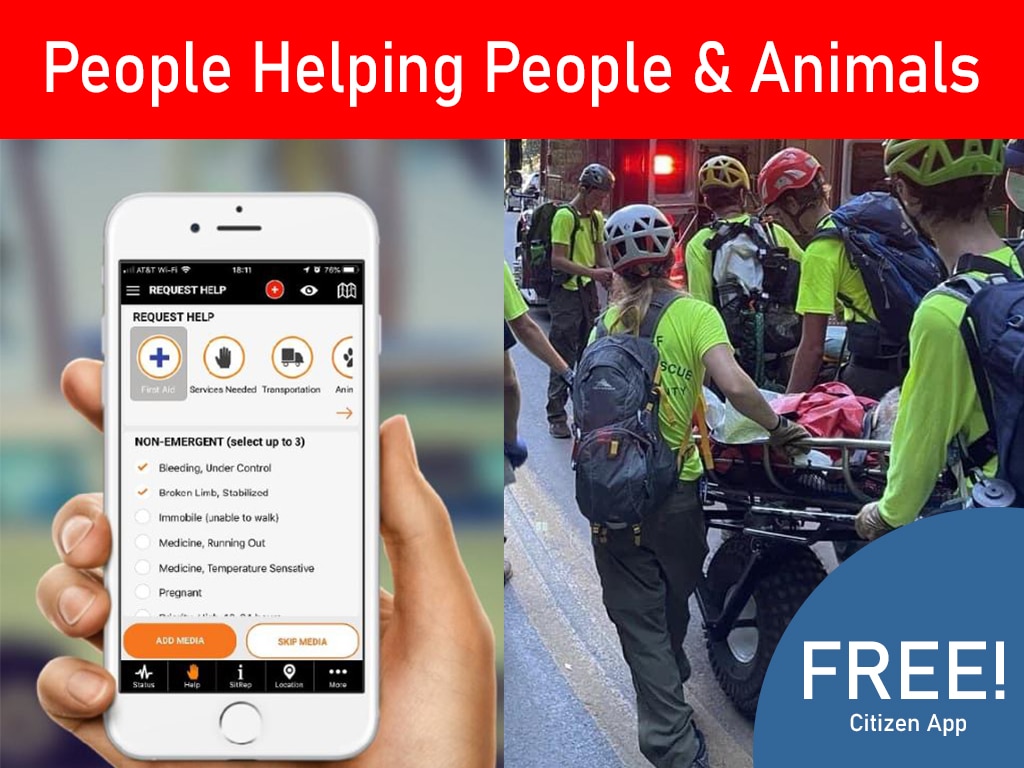
Volunteer spirit often fades when there is no crisis to solve in the local town. Without a plan for quiet times, your readiness will fade just when you need it most.
CERT team year-round engagement depends on a clear plan that keeps members active during quiet times. To keep a team ready, leaders must offer steady training and roles that give people a sense of purpose. Regular drills and practice are vital for keeping skills sharp during non-disaster times, as noted by Ready.gov. These tasks help build trust and ensure the group is ready to act fast when a real crisis starts. Using an online tool to track hours and share news also helps people feel part of the mission. By mixing online tasks with drills, you can build a strong group that stays ready all year. This steady approach makes sure your team is always prepared to help neighbors in need.
Schedule a tailored walkthrough of PubSafe’s team management platform for your CERT program today.
It is common for teams to lose focus when the skies are blue and there is no clear threat. Knowing Why CERT Team Engagement Drops Between Disasters is the first step toward building a more stable group. To fix this issue, you must look at the common traps that cause people to drift away. The path begins with
CERT Team Year-Round Engagement: Why CERT Team Engagement Drops Between Disasters
The Community Emergency Response Team (CERT) program has grown a lot since it started in 1993. Today, there are over 3,200 local CERT programs across the United States. These groups have more than 600,000 trained volunteers who help their neighbors when a crisis hits. But many teams face a big task called the “blue sky” problem. This happens when volunteer interest fades during times of peace and safety.
The mindset of urgency
Most people join a CERT team because they want to help during a crisis. When a fire or flood happens, the need to act is high. This creates a spike in new members and active help. But once the danger is gone, the sense of urgency often goes away too. Without a clear and pressing need, many volunteers stop coming to meetings or training events.
This drop in interest is common. We tend to focus on the problems right in front of us. When the skies are blue, it is hard to stay focused on a future threat. This “spike-and-crash” cycle can leave a team with very few active members when the next storm starts. Keeping a CERT team engaged year-round takes a plan that keeps members active even when things are calm.
The high cost of lost training
When a volunteer leaves, the team loses more than just a person. They lose the time and money spent on training that member. FEMA and other groups offer many tools for volunteer leaders to build strong programs. But if a team only gathers during a crisis, they have to re-learn skills while they are under stress. This can lead to mistakes or slow response times when every second counts.
Losing members also makes it hard to keep a solid list of people. Leaders must spend more time finding new people instead of leading the group. This work can be slow and hard. It takes weeks to train a new volunteer to be ready for the field. If a team stays active all year, they keep their skills sharp and their bonds strong.
Staying ready for gray skies
To stop the drop in interest, teams must move past the idea that they only exist for big storms. Year-round work gives members a sense of duty. This can include small, steady tasks that keep the team on a volunteer’s mind:
- Helping with local crowd control for parades.
- Setting up smoke alarm checks for seniors.
- Running monthly radio tests.
- Teaching safety skills at local schools.
Small tasks like these help build a habit of service. They also keep the team seen by the town. Using the right tools can also help. A good platform with team manager features makes it easy to track hours and share news. This helps leaders show the value of the team to local staff and grant groups. When volunteers feel like their work matters every day, they are more likely to stay. They will be ready to help when the “gray skies” return.
What Does a Year-Round CERT Training Calendar Look Like?
A year-round CERT training calendar mixes quarterly refresher drills with monthly skill-building sessions and seasonal exercises tied to local hazards. The best calendars rotate between basic skills like first aid and advanced topics like light search and rescue, keeping volunteers engaged and prepared throughout the year.
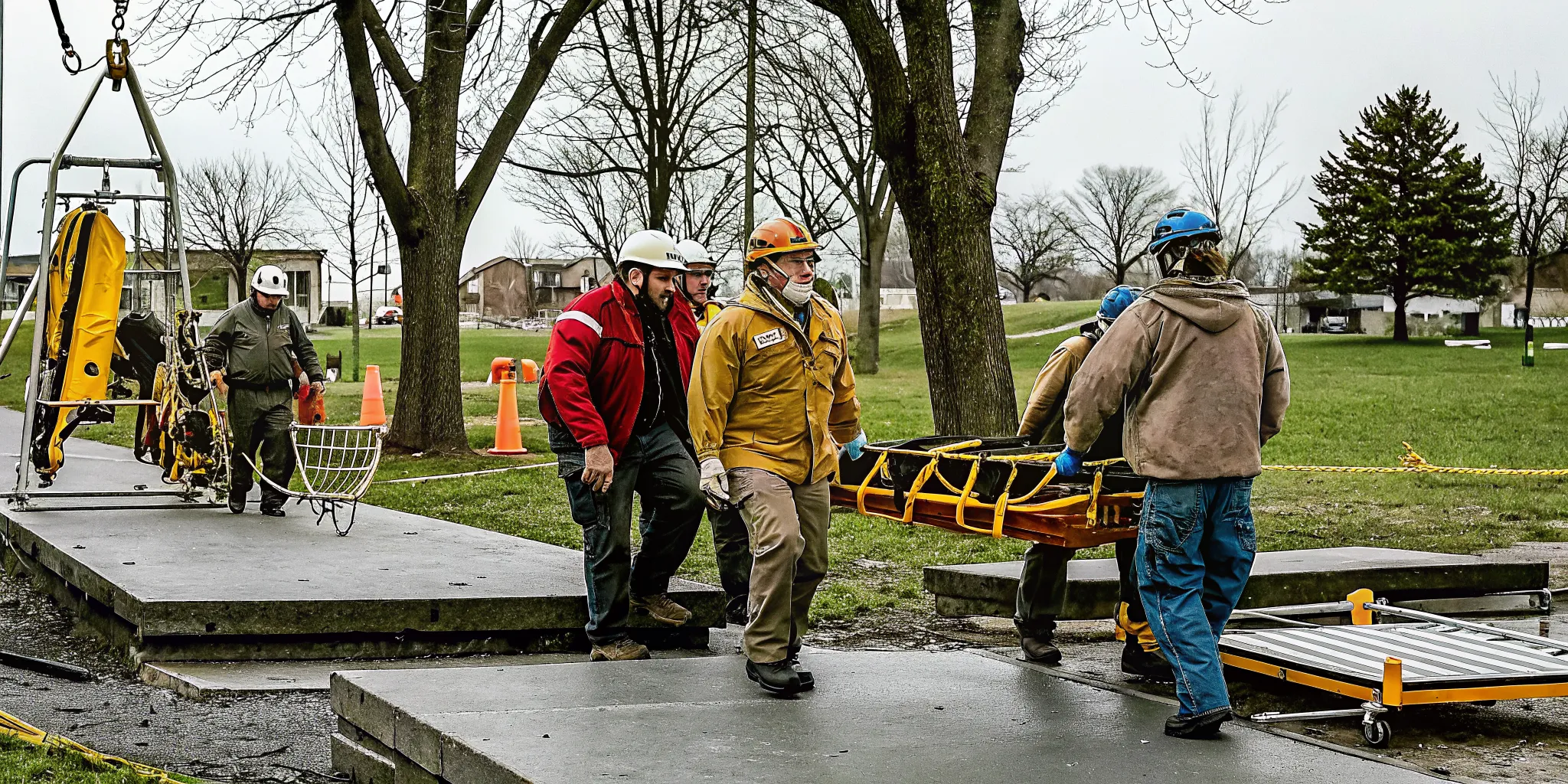
A busy calendar is the best way to help with CERT team year-round engagement. Without a clear plan, teams can lose their focus during quiet blue sky periods. Large programs like the Los Angeles Fire Department CERT show what is possible. They run about 70 courses per year to keep their people ready. Most local teams do not need that many classes. But a steady pace of events keeps the mission top-of-mind for everyone.
Start with a hazard assessment
Before you build your calendar, you must look at your area. Knowing which disasters are most likely to hit helps you pick the right skills to teach. A desert town may focus on heat and brush fires. A town by a river will need to know about flood prep. Doing this check ensures that your team is ready for real local threats. It also shows your team that their time is well spent on useful training.
Check with local fire and police leaders to find out which risks are highest. You can also look at past events in your county. This data helps you tailor your training to what the community really needs. When volunteers see that the training matches the risks they see every day, they are more likely to stay active.
Mix basic and advanced training
Keep your program fresh by moving past the basics. All members need to practice core skills like triage and fire safety. But doing the same things every month can get dull. You should add new topics to keep people interested. You can teach how to use mesh radios or how to help pets in a crisis. These new skills keep the team excited to come back and learn more.
A good rhythm for these sessions is once every three months. This quarterly pace is enough to keep skills sharp without causing burnout. It also gives you time to find guest speakers or local pros. Bringing in a nurse to teach wound care or a radio ham to talk about signals adds great value. These extra steps are key for keeping members engaged with continuous training.
Use digital and FEMA resources
Not all training has to happen in person. Many volunteers are busy with jobs and family. Offering digital options can help more people join in. You can host virtual team meetings to talk about plans or theory. This keeps the team connected even when they cannot meet at the fire station. Using a mix of online and in-person events is a smart way to get more people to stay involved.
FEMA also offers many free tools for team leaders. You can download guides for drills that test how your team works together. These drills help you find gaps in your plans before a real disaster hits. They also build trust among team members. When people work well as a group, they are more likely to stay with the program for a long time.
- Perform a hazard assessment. Meet with local emergency managers to find out which risks are most likely to hit your area soon.
- Plan quarterly workshops. Schedule one session every three months to cover core skills like light search and rescue or first aid.
- Offer advanced topics. Invite experts to teach specialized skills like radio use or mapping to keep the training fresh.
- Run mock drills. Use FEMA exercise guides to lead your team through a fake disaster to test their response skills.
- Use digital tools for meetings. Host some sessions online so busy people can stay involved without having to travel.
Using Community Outreach to Keep CERT Members Active
Community outreach keeps CERT members engaged by putting their training to use in real-world settings like safety fairs, school presentations, and neighborhood preparedness talks. These events give volunteers meaningful ways to contribute between disasters while building public awareness of the CERT program.
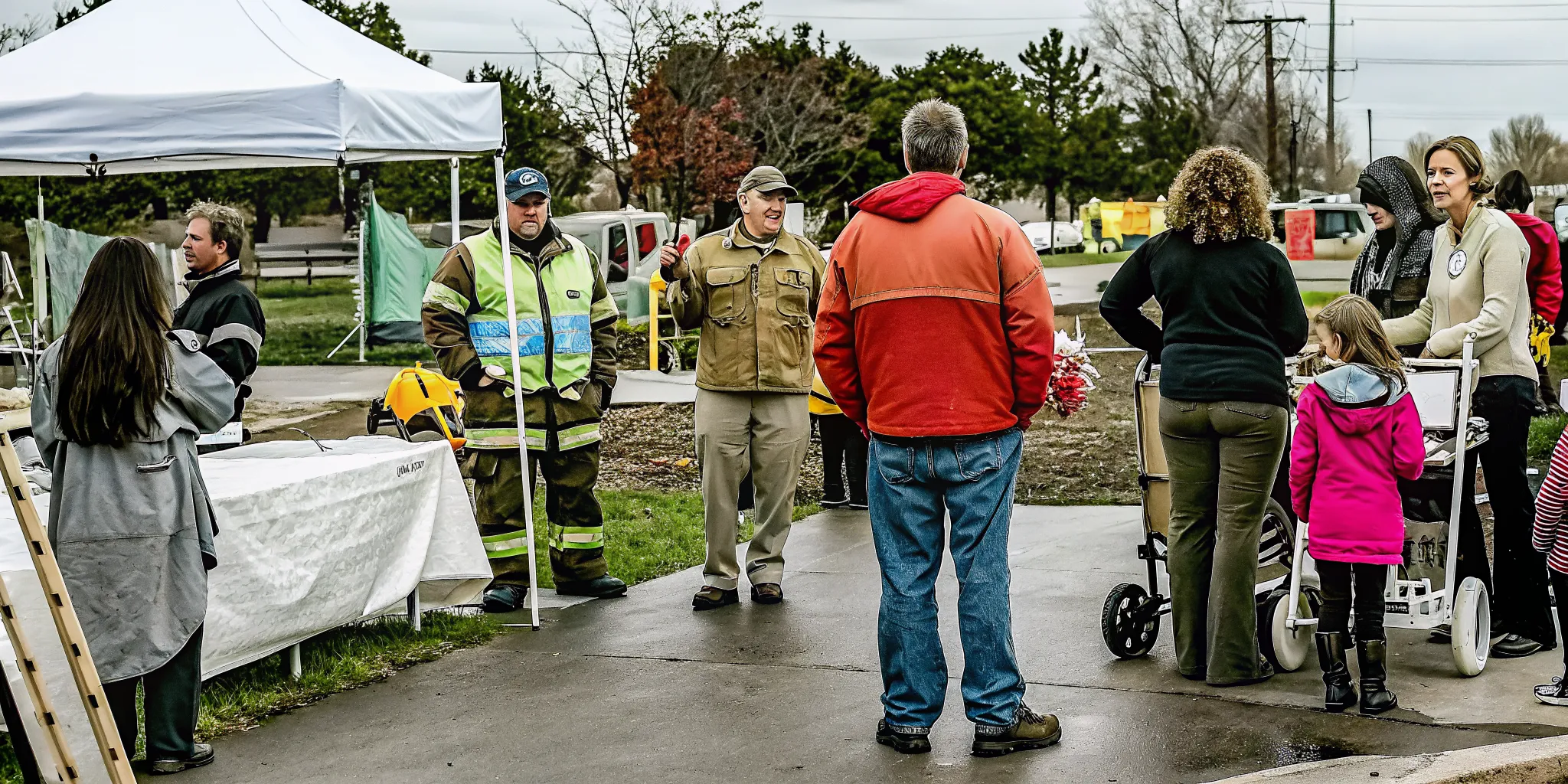
Community outreach is a great way to keep your team ready when there are no disasters. These tasks give your members something to do that does not take much time. By helping at local events, you can focus on building year-round team resilience without tiring out your staff. Outreach lets people stay in touch. It also keeps their skills sharp in a low-stress way. It fills the gaps between training days and real calls for help.
| Outreach Activity | Time Commitment | Best For | Frequency |
|---|---|---|---|
| Community safety fairs | 4-8 hours | Public visibility and recruitment | Quarterly |
| School preparedness talks | 1-2 hours | Youth education and parent engagement | Monthly |
| Neighborhood watch meetings | 1-2 hours | Building local relationships | Monthly |
| First-aid stations at local events | 3-6 hours | Skill practice and public service | Per event (seasonal) |
Staffing events and information tables
Working at booths during town fairs or safety days is a simple way for members to help. Volunteers can hand out flyers and talk to neighbors about being ready for storms or fires. This kind of work helps keep the program in the public eye. It also lets newer members practice talking about safety goals without the stress of a real emergency. They learn how to answer common questions and stand for the team with pride.
Community outreach tasks help keep skills fresh. They also ensure the program stays on the minds of local leaders. When members show up at events, they feel like they are still part of a mission. This sense of being needed is key for long-term help. It keeps the team ready for when the next big crisis hits.
Partnering with local safety groups
Your CERT team does not have to work alone to stay active. You can team up with groups like a neighborhood watch or local police. Working with others helps you reach more people in the area. It also makes your team a bigger part of the local safety net. These bonds are vital for sustained volunteer help and team success.
Joint drills or meetings with other groups keep things fresh for your members. It gives them a chance to meet other safety experts and learn new things. By sharing the load with other groups, you avoid giving your team too much work. This balance helps keep members from quitting because they feel too busy or tired. It also builds trust between groups that will need to work together during a real crisis.
Leading neighborhood safety talks
Giving short talks to local groups is another good outreach task. Members can teach small groups how to build a basic emergency kit or map out fire exits. These talks show that your team is a helpful resource for the whole town. This work keeps your members active and helps neighbors feel safer too. It is a win for everyone involved. It also makes the team a well-known part of the community.
Offering these small, easy roles helps people stay in the loop at their own pace. Not every volunteer can join a long drill every month. But most people can spare an hour to talk to a local club. By giving people useful roles that do not lead to burnout, you can keep your team full and ready for years. This steady work ensures the team is always top-of-mind for the public and the local leaders.
How Can You Track Participation and Recognize Top CERT Volunteers?
You can track participation and recognize top CERT volunteers by using a centralized volunteer management system that logs training hours, event attendance, and community outreach. Pair this with a structured recognition program that highlights top volunteers through awards, public acknowledgment, and leadership opportunities.
Keeping a CERT team active requires more than just training. Leaders must track who shows up and how often. This data helps you see who is still involved and who might be drifting away. Good records also help when you need to report hours for grants or local funding. By watching these trends, you can keep your group strong for the long term.
Tracking Participation for Better Oversight
You should keep clear records of every meeting and drill. When you log who shows up, you can see patterns in how your team works. If a member stops coming, you can reach out to them early. This helps you in maintaining effective team communication before a volunteer loses interest. Using software to track hours is much faster than using paper logs.
Tracking your team’s work also shows if your drills are useful. If many people skip a session, the topic might be too hard or not helpful. Regular check-ins with your roster ensure that every person stays ready for a real disaster. It is a key part of keeping members engaged with continuous training through the year. These logs turn your daily efforts into proof of community value.
Accurate records are also vital for the life of the program. Many local groups need to see high levels of work to keep giving you funds. When you can prove your team puts in the hours, you have a better chance of getting new gear. This data makes your CERT program look more expert to city leaders and donors.
Recognizing Top Volunteers to Boost Retention
People want to know their hard work matters to the community. A formal recognition program can help your team stay focused and happy. You might name a volunteer of the month or hold a big annual award event. Small gestures like a shout-out in a group chat or a certificate of thanks go a long way. These steps build a strong sense of pride within the whole group.
FEMA research shows that recognizing volunteer efforts is a top way to keep people in your program. When volunteers feel valued, they are more likely to stay active for many years. You can also set up an annual refresher course for the whole team. This keeps skills sharp and gives you a chance to celebrate milestones together.
Creating a Feedback Loop for Team Growth
Listen to what your volunteers have to say about the program. Ask for feedback after every major event or training session you hold. You can use simple surveys or open talks during your regular meetings. This helps you find and fix problems before they grow into big issues. When members see that you act on their ideas, they feel more ownership of the team.
A good feedback loop makes your CERT team stronger and more flexible. It shows that you value the time and effort your members give for free. By tracking data and praising good work, you create a culture of excellence. This approach ensures your team is ready when the community needs them most. It turns a group of people into a unified force that saves lives during a crisis.
Using Technology to Maintain CERT Team Momentum Year-Round
Technology maintains CERT team momentum year-round by centralizing volunteer rosters, automating training schedules, streamlining team communication, and simplifying hours tracking for grant reporting. Platforms like PubSafe give CERT leaders a single dashboard to manage every aspect of team engagement.
Keeping a Community Emergency Response Team (CERT) active during “blue sky” periods needs more than the occasional drill. Without a steady flow of tasks, volunteer interest can fade over time. Modern software helps leaders manage these gaps by turning daily tasks into chances for engagement. By using a central hub for team data, leaders can keep members connected to the mission every day of the year.
Centralize volunteer and roster management
One of the biggest hurdles for any CERT program is keeping a clean and active roster. Manual lists and spreadsheets often lead to missed messages or old contact info. A dedicated volunteer management software for CERTs and nonprofits allows members to update their own profiles and skills. This self-service approach keeps the data fresh and ensures that leaders can find the right people for specific roles when a need arises.
A central system also helps with the administrative side of team building. Managers can track tests and background checks in one place. This level of order shows volunteers that the program is professional and well-run. When people feel they are part of a tight ship, they are more likely to stay active for the long haul. Clear roles and easy sign-ups for tasks help members see where they fit in the team and maintain their focus during quiet times.
Streamline communication and training resources
Consistent talk is the key to a healthy team culture. Instead of relying on scattered emails or texts, teams can use a single platform to share news and training files. Using digital platforms for training and team meetings can improve participation, especially for busy volunteers. Having a central spot for manuals and videos means members can brush up on their skills whenever they have a free moment.
This “always-on” access to info helps bridge the gap between training courses. Leaders can send out regular updates or quick tips to keep the CERT program top-of-mind for everyone. The PubSafe platform acts as a resilient layer that ties together these different ways of talking. It ensures that critical alerts and daily news reach everyone through the apps they already use on their phones.
Automate hours tracking for grant reporting
Grant funding is often tied to how many hours volunteers put in. Tracking these hours by hand is a slow process that is prone to errors. With the right tools, coordinators can automate this work. The PubSafe disaster response platform features include the ability for leaders to track volunteer hours through a web portal. This data is vital for showing the value of the team to local leaders and grant makers.
Beyond the numbers, tracking hours is a way to recognize the hard work of the team. Publicly thanking members for their time helps them feel valued and keeps them connected to the mission. Regular reports can show how many courses or outreach events the team has finished. This record of success builds momentum and makes it easier to ask for the resources needed to keep the program growing year-round.
Frequently Asked Questions
How can we keep CERT members engaged year-round?
Keeping your team active requires a mix of training and social events. You should offer regular refresher courses to help members practice their skills. This helps them stay ready for real disasters. Adding fun social meetings or award ceremonies also builds a strong team culture. According to FEMA, recognizing volunteer work through awards and clear communication helps keep them connected to the mission.
What types of outreach activities can CERT teams participate in?
Teams can join local events like safety fairs or community festivals. These activities let members teach others about disaster kits and family plans. It keeps the program visible to the public while helping volunteers practice their public speaking. Outreach also builds a sense of pride in serving the community. You can also partner with neighborhood groups to reach more people.
Why is year-round participation important for CERT members?
Regular participation ensures that vital skills stay fresh when no emergencies are happening. Today, there are over 3,200 local CERT programs across the country. Without practice, volunteers may forget how to follow safety steps during a real crisis. Year-round work keeps the team structure strong. This makes it easier to organize a fast response when a disaster hits. Steady engagement builds the confidence needed to support professional responders.
How often should CERT teams attend outreach events?
Most successful programs aim for at least one small outreach task or meeting each month. This steady pace prevents burnout while keeping the team top-of-mind for members. You can vary the commitment level to fit different schedules. Some months might feature a large safety fair, while others only need a quick email update. Regular, low-pressure touchpoints help maintain long-term retention for your volunteers.
Ready to keep your CERT team mission-ready?
If you wait for a real crisis to test your team, you risk a slow and messy response. Letting your people drift away during quiet times makes it much harder to reach them when they are needed most. Being unready leads to mistakes and lost time when a real event hits your town. Setting up your team tools now keeps your group close and ready for any task. You will have a clear plan and a team that knows exactly how to work together. This small step today saves vital time when every second counts for your local area. It is much easier to keep your team active now than to try and find them once the power goes out. You can build a stronger bond within your group by starting your teamwork today.
Ready to help your team work better? Schedule a demo of PubSafe’s team management platform to start building a stronger group today.