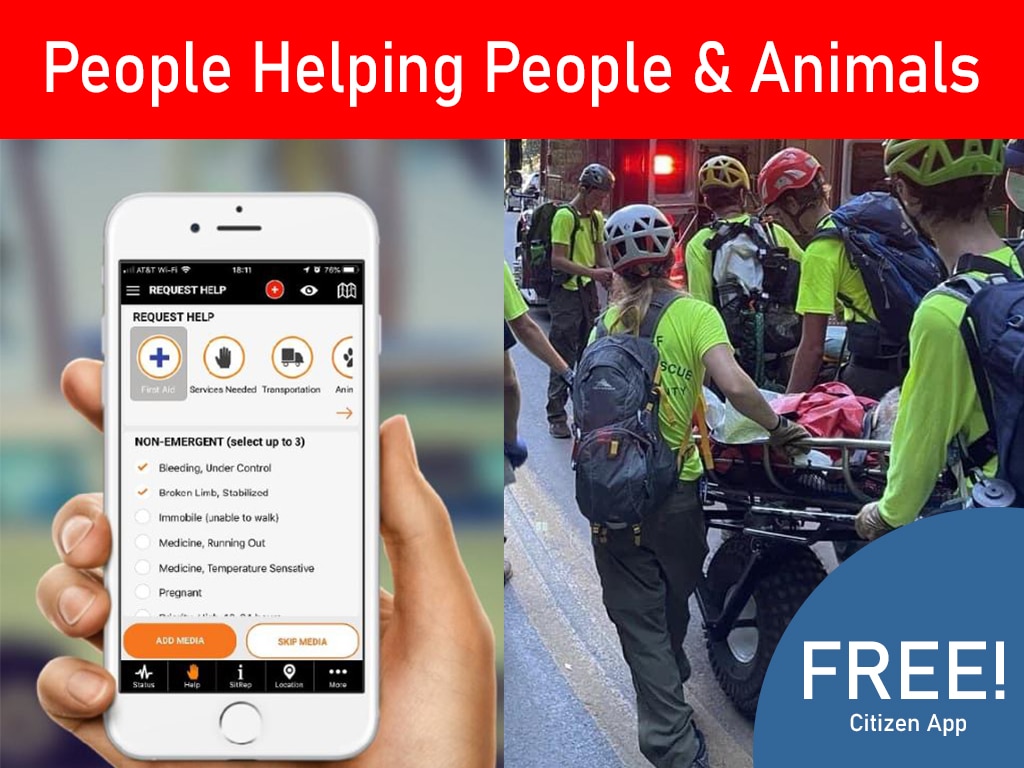
Your CERT team likely has a well-stocked physical toolkit with first aid supplies, safety gear, and other essential equipment. But what about your communication toolkit? In a crisis, the ability to share information is just as vital as any physical tool you carry. This toolkit isn’t just a single radio or app; it’s a layered system designed to withstand infrastructure failures. It’s about having a primary, secondary, and even tertiary way to connect when cell towers are down and power is out. In this guide, we’ll break down the essential CERT team communication tools for disaster response coordination, helping you assemble a versatile and reliable kit that ensures your message always gets through, no matter the circumstances.
Key Takeaways
- Create a layered communication strategy: Don’t rely on a single tool that can fail. Combine different technologies like radios, satellite phones, and mobile apps to create redundancies. This ensures your team stays connected even when power grids or cell networks go down.
- Make training a non-negotiable habit: Your tools are only as good as your team’s ability to use them under pressure. Regularly practice with all your equipment, run drills that simulate failures, and establish clear protocols before an event so that effective communication becomes second nature.
- Unify your response with a central platform: A digital tool like PubSafe acts as your team’s command center, giving everyone a shared, real-time view of the situation. This eliminates confusion by centralizing incident reports, volunteer assignments, and partner communications in one accessible place.
Why Communication Is Key for CERT Teams
When a disaster strikes, communication is the thread that holds your entire response together. It’s what allows your CERT team to coordinate actions, share critical updates, and ensure everyone’s safety. Without a clear and reliable communication plan, even the most dedicated volunteers can find their efforts falling short. Effective coordination isn’t just about having a plan; it’s about having the right tools to execute that plan when it matters most. From sharing incident reports to managing team assignments, every action hinges on the ability to communicate.
The high cost of a communication breakdown
During an emergency, every second counts. When communication channels fail, the consequences can be severe. Emergency teams need to share information quickly to keep people safe, but breakdowns lead to delayed response times, misallocated resources, and dangerous confusion on the ground. Without good tools, teams can’t effectively work together, track important events, or get help when they need it most. This creates information silos where one part of the team has no idea what the other is doing, making it impossible to build a complete picture of the situation and respond strategically. Effective team management becomes nearly impossible.
How the right tools shape better outcomes
On the flip side, having the right communication tools helps your team know what’s happening, make better choices, and work together smoothly. The best approach uses a mix of technologies, including two-way radios, satellite phones, and digital platforms. This layered strategy ensures that if one system goes down, you have backups ready to go. When your team has access to real-time information, you can adapt to changing conditions and deploy volunteers where they are needed most. Understanding how PubSafe works can show how a unified platform strengthens rescue operations, making your team more resilient and successful in its mission.
Your CERT Communication Toolkit
Having a well-stocked communication toolkit is non-negotiable for any CERT team. The key is understanding that no single tool is a silver bullet. Different disasters impact infrastructure in different ways, so your ability to communicate depends on having a mix of options. Let’s walk through the core tools you should have in your arsenal and what each one does best.
Two-way radios
Think of two-way radios as the dependable workhorses of your team’s communication plan. They are essential for coordinating on the ground, especially when cell towers are down or overloaded. Because they operate independently of cellular networks, they’re perfect for direct, team-to-team communication during power outages or in localized disaster zones. Keep in mind that their range is for shorter distances, and performance can be affected by things like dense buildings, hills, or severe weather. Even so, for keeping your immediate response team connected, they are an invaluable and reliable choice.
Satellite phones
When a disaster causes widespread infrastructure failure or your team is deployed to a remote area, a satellite phone becomes your most critical link to the outside world. Unlike cell phones that rely on ground-based towers, these devices connect directly to orbiting satellites, allowing you to make calls from almost anywhere on the planet. This makes them the ultimate backup when all other lines of communication have failed. For CERT teams operating in isolated locations or coordinating with regional or national agencies during a major event, having a satellite phone ensures you can always get the message through.
Mobile apps and emergency management platforms
Your smartphone is already a powerful device, but with the right app, it transforms into a mobile command center. Modern emergency management platforms give you a single place to coordinate your entire response. With a tool like PubSafe, your team can report incidents in real time, share updates on a public map, and manage volunteers from one dashboard. These platforms use the internet to connect your team not only with each other but also with other agencies and the public. This creates a shared, live view of the situation, helping everyone make smarter, faster decisions when it counts.
Landlines and internet-based tools
While they might seem a bit old-school, landline phones can be surprisingly reliable, at least until a power outage or physical damage to the lines occurs. Similarly, standard mobile phones are great for sending quick texts and alerts, but they depend entirely on cellular networks that can become congested or fail during an emergency. These everyday tools definitely have a role in your communication plan, but their vulnerabilities highlight a critical point: you can’t rely on just one thing. A strong communication strategy always includes multiple layers, ensuring you have a backup for your backup.
What to Look For in a CERT Communication Tool
Choosing the right communication tool for your CERT team goes beyond just picking something with a lot of features. You need a system that performs when everything else fails. The best tools are designed for the chaos of a real disaster, helping your team stay connected, informed, and effective. When evaluating your options, focus on these five essential qualities that can make or break a response effort. A platform that integrates these qualities helps you coordinate your response from the first alert to the final all-clear.
Reliability in tough conditions
When a disaster strikes, you can’t count on the power grid or cell towers. Your communication tools must be resilient enough to function in the worst-case scenarios. Emergency teams need to share information quickly to protect people and save lives, and a downed network shouldn’t stop that. Look for tools that offer offline capabilities or can operate on low-bandwidth connections. Your team’s ability to communicate shouldn’t depend on infrastructure that is vulnerable to the very disaster you’re responding to. A reliable tool ensures your lines of communication stay open, even when everything else goes dark.
Real-time updates and instant alerts
Situational awareness is everything during an emergency. Conditions on the ground can change in an instant, and your team needs information as it happens, not hours later. A tool that provides real-time updates and instant alerts allows your team to make faster, smarter decisions. This means you can redirect resources to a new hotspot, warn volunteers of an emerging danger, or update evacuation routes on the fly. Seeing live incident reports on a public map can give everyone, from command staff to field volunteers, a clear and immediate understanding of the operational landscape.
Interoperability with other systems
Your CERT team is a crucial part of a much larger response effort that includes fire departments, law enforcement, and NGOs. Your communication tool shouldn’t operate in a silo. Interoperability, or the ability for different systems and organizations to communicate with each other, is critical. Relying on a single, closed-off tool is risky. Instead, choose a platform that allows you to easily connect with partner organizations. This ensures that everyone involved in the response can share information seamlessly, preventing dangerous communication gaps between agencies and volunteer groups.
A single source of information
During a crisis, conflicting reports and outdated information can lead to confusion and wasted effort. That’s why having a single source of truth is so important. Your communication tool should serve as a central hub where everyone can find the latest incident details, resource locations, and team assignments. This creates a common operational picture, ensuring that every member of your team is working from the same playbook. When you can effectively manage your teams and information in one place, you reduce errors and make your entire operation more efficient.
Ease of use under pressure
In the middle of a high-stress emergency, no one has time to fumble with a complicated app or device. The tools you use must be intuitive and straightforward, allowing your team to communicate without thinking about the technology. A simple interface means volunteers can start reporting an incident or requesting assistance with minimal training. The right communication tools should reduce the cognitive load on your team, not add to it. When a tool is easy to use under pressure, your team can focus on what truly matters: the mission at hand.
How Tools Perform in Different Disasters
A hurricane doesn’t present the same communication challenges as an earthquake. The tools that work perfectly in one scenario might fail completely in another. That’s why it’s so important to understand how different disasters impact communication infrastructure. By matching your toolkit to the specific threat, you can build a more resilient and effective response plan. This isn’t about having one perfect tool; it’s about having the right combination of tools ready for whatever comes your way. A flexible approach ensures your team can adapt and maintain contact, no matter the circumstances.
High-wind and storm events (hurricanes, tornadoes)
Hurricanes and tornadoes bring destructive winds and rain, often leading to widespread power outages and damaged cell towers. In these situations, your team’s cell phones might become useless. This is where tools like two-way radios shine, offering reliable communication when other networks are down. Satellite phones also provide a crucial link to the outside world. Emergency teams need to communicate well and quickly to keep people safe, and having these backups is essential for saving lives. A robust platform that supports team management can help coordinate these varied tools effectively.
Infrastructure-damaging disasters (earthquakes, floods)
Earthquakes and major floods can wipe out physical infrastructure, including roads, bridges, and fiber optic cables. This can sever both cellular and internet connections for an extended period. Without good tools, teams can’t work together or get help when they need it most. Satellite phones become a lifeline in these scenarios. Mobile platforms that allow for offline data collection are also invaluable, letting teams continue reporting incidents and assessing damage even without a live connection. This data can then be synced once a connection is re-established, providing a clear picture of the situation.
Wildfires and other fast-moving emergencies
Wildfires move unpredictably, creating a dynamic and dangerous environment. Communication needs to be instant and geographically precise to track fire lines and coordinate evacuations. Using only one type of communication tool can be risky. The best approach is to use a mix of tools, including mobile apps with real-time mapping, two-way radios for ground crews, and internet-based platforms for a central command hub. This layered strategy ensures that information flows smoothly, allowing for effective volunteer coordination and rapid response to changing conditions on the ground.
Combine Your Tools for Better Coordination
Having the right tools is only half the battle. The real key to effective disaster response is knowing how to use them together. No single device or platform is foolproof, which is why a smart, integrated approach is so important. Think of it like building a safety net with multiple layers. If one layer fails, another is there to catch you. This strategy isn’t just about having backups; it’s about creating a flexible and resilient communication ecosystem where every piece has a purpose.
By combining different technologies, you create a system that can withstand the unpredictable nature of emergencies. For example, when cell towers are down, your team can pivot to two-way radios or a satellite messenger without missing a beat. Adopting a standardized framework like the Incident Command System (ICS) ensures everyone speaks the same language, while assigning specific tools to different roles keeps communication lines clear and efficient. A central hub, whether it’s a physical command post or a digital platform, ensures all team members are working from the same, up-to-date information. This integrated approach turns a simple collection of gadgets into a powerful, coordinated response machine.
Build a layered communication strategy
Relying on a single communication method is a recipe for failure. A power outage can knock out internet and landlines, while cell network congestion can make mobile phones useless. That’s why the most resilient CERT teams build a layered strategy. This means using a mix of different communication tools to ensure you can always get a message through.
Your primary layer might be a mobile app like PubSafe for real-time updates and reporting. Your secondary layer could be two-way radios for direct, off-grid team talk. A third layer might involve satellite phones for contacting outside agencies when all other networks are down. By having multiple, independent options, you create redundancies that keep your team connected no matter what the disaster throws at you.
Adopt the Incident Command System (ICS)
To work seamlessly with other first responders, your CERT team needs to speak their language. The Incident Command System (ICS) is the standardized management framework used by fire departments, police, and emergency medical services across the country. Adopting ICS organizes your team into a clear, functional structure with defined roles and responsibilities.
This shared framework is essential for effective communication. When your CERT Team Leader needs to coordinate with the local fire chief, both understand the chain of command and terminology. This eliminates confusion and streamlines the exchange of critical information, allowing for smoother collaboration. It ensures that when you integrate into a larger response effort, your team is an asset, not a complication.
Assign tools to specific roles
Within the ICS structure, not everyone needs to be on every communication channel. In fact, doing so can create unnecessary noise and confusion. A better approach is to assign specific tools to specific roles. For example, the Team Leader might be the only one with a satellite phone to communicate with the Emergency Operations Center. Section Chiefs might use a specific radio channel to coordinate between their groups, while individual team members use a mobile app for status updates.
This approach ensures information flows to the right people at the right time. It keeps field teams focused on their tasks without being distracted by high-level logistical chatter. With a platform that supports effective team management, you can easily organize your personnel and assign the communication assets that best fit their responsibilities, making your entire operation more efficient.
Establish a central communication hub
During a chaotic event, conflicting reports and outdated information can lead to critical mistakes. That’s why establishing a central communication hub, or a single source of truth, is so important. This hub is where all incoming information is collected, verified, and then distributed to team members. It ensures everyone is operating from the same playbook.
This hub can be a physical location, like a command post tent, or a digital platform. A tool like the PubSafe public map serves as a virtual command center, displaying incident reports, team locations, and resource needs in one place. By funneling all communications through a central point, you create clarity and consistency, allowing your team to make faster, more informed decisions when it matters most.
Keep backup systems on standby
Even the best-laid plans can fail, which is why backup systems are non-negotiable. Your primary communication tools should always have a backup, and that backup should have its own backup. If your team relies on smartphones, have portable power banks and solar chargers ready. If you use rechargeable radios, keep a supply of extra batteries on hand.
Beyond power, think about alternative communication methods. While landlines can be reliable, they are useless if the lines are cut. Satellite phones are an excellent backup for when terrestrial networks go down, especially in remote areas. The goal is to anticipate points of failure and have a solution ready to go. In an emergency, you don’t have time to troubleshoot; you only have time to switch to Plan B.
How Digital Platforms Transform Your Response
While radios and satellite phones are essential for maintaining a connection, digital platforms are what turn that connection into coordinated action. These tools act as a central nervous system for your entire operation, pulling together scattered information and people into a unified response effort. Instead of juggling multiple channels and dealing with fragmented updates, your team can operate from a single, shared picture of the situation on the ground. This shift from basic communication to true collaboration is where modern CERT teams can make the biggest impact, saving time, resources, and ultimately, lives.
Live incident reporting and awareness
During an emergency, a clear and current understanding of the situation is everything. Digital platforms allow any team member, or even the public, to report incidents from their phones. These reports can instantly populate a public map, giving everyone from command staff to field teams a real-time view of what’s happening and where. Instead of relying on delayed radio dispatches, your team sees new information as it comes in. This immediate awareness helps you identify emerging hotspots, verify needs, and direct resources with precision, ensuring you’re always responding to the most current reality on the ground.
Manage volunteers and teams
A surge of volunteers is a great resource, but only if they can be managed effectively. Digital platforms help you organize your response using established frameworks like the Incident Command System (ICS). You can create teams, assign leaders, and dispatch units to specific tasks or locations, all from a central dashboard. This structure clarifies roles and responsibilities, preventing confusion and duplicated effort. Effective volunteer coordination ensures that every person’s effort contributes directly to the mission, turning a crowd of helpers into an organized and efficient response force.
Connect with partners and the public
Disasters are a team sport, and no single organization can handle everything alone. A shared digital platform breaks down the communication barriers between CERT teams, NGOs, public safety agencies, and other stakeholders. When everyone is working from the same information, collaboration becomes seamless. You can easily share updates with partner organizations, request support, and deconflict operations to ensure you’re not duplicating efforts. This unified approach also makes it easier to push out clear, consistent information to the public, reducing panic and building trust when it matters most.
What Happens When CERT Teams Lack the Right Tools?
Having the right communication tools isn’t just a matter of convenience; it’s the backbone of an effective and safe disaster response. When CERT teams operate without adequate technology, the consequences can ripple through every aspect of the mission. Communication breakdowns create confusion and put both volunteers and the public at risk. Instead of a coordinated effort, the response can become a series of disjointed actions that fail to meet the community’s most urgent needs. Understanding these potential pitfalls is the first step toward building a more resilient and prepared team.
When you know what can go wrong, you can proactively put the systems in place to make sure it doesn’t. From delayed aid to inefficient volunteer deployment, the absence of proper tools creates critical vulnerabilities at a time when every second counts. A team might have the best training and the most dedicated members, but without a reliable way to share information, their efforts can be severely hampered. This is why investing in a solid communication infrastructure is one of the most important steps any CERT can take.
Delayed response and misallocated resources
Without a clear, real-time channel for communication, CERT teams can struggle to get an accurate picture of the situation on the ground. This leads directly to delays in response. Teams might be dispatched with insufficient personnel or supplies because the initial reports were incomplete. Worse, resources can be misallocated, with teams sent to lower-priority areas while critical needs elsewhere go unaddressed. When you can’t track events as they unfold or see where your people are, you’re always a step behind. Effective team management relies on having a constant flow of information, and without it, your team’s ability to provide timely assistance is severely compromised.
Breakdowns in volunteer coordination
Disasters often inspire an incredible outpouring of community support, with spontaneous volunteers ready to help. However, without the right tools, managing these volunteers becomes a logistical nightmare. CERT teams may find it impossible to effectively assign tasks, track progress, or ensure volunteer safety. This lack of coordination means valuable help goes unused, or worse, volunteers inadvertently create more confusion. A centralized platform for volunteer coordination allows team leaders to direct personnel efficiently, ensuring that everyone has a clear role and that their efforts contribute directly to the mission’s goals. Without it, collaboration breaks down, and operational efficiency plummets.
Gaps in damage assessment
Quickly and accurately assessing damage is fundamental to any disaster response. It determines where to send resources, what kind of help is needed, and how to prioritize actions. When CERT teams lack modern tools for reporting, they are forced to rely on slow, manual methods that create significant information gaps. A team might witness a critical event, like a collapsed bridge or a new fire, but have no way to instantly share that information with the command center and other units. This compromises the team’s ability to keep the community safe. Tools that allow for instant incident reporting from the field are essential for building a comprehensive operational picture and making life-saving decisions.
Failures between agencies
A disaster response is rarely a solo effort. It involves collaboration between CERTs, fire departments, law enforcement, and various NGOs. These different groups often rely on their own separate communication systems, creating silos of information. When these systems can’t talk to each other, interagency coordination fails. One agency might not know what the other is doing, leading to duplicated efforts or, more dangerously, critical oversights. Relying on a single type of communication is risky. A unified platform where different organizations can connect ensures that everyone is operating from the same playbook. This interoperability is key to a seamless, effective, and truly collaborative response effort.
Common Communication Mistakes to Avoid
Even the most well-equipped CERT team can falter if communication breaks down. It’s often not the tools themselves that fail, but the human processes around them. Understanding these common pitfalls is the first step to building a more resilient and effective response strategy. Avoiding these mistakes ensures your team can coordinate smoothly when every second counts, turning a chaotic situation into a controlled and effective operation.
Skipping training and drills
It’s one thing to have a communication plan on paper; it’s another to execute it under the stress of a real emergency. According to FEMA, CERT teams should run drills and exercises that are similar to real events that could happen in their community. Regular practice builds muscle memory, so using your communication tools becomes second nature. These drills are the perfect time to test your equipment, identify weak spots in your plan, and practice what happens when a primary tool fails. Don’t wait for a real disaster to discover a flaw in your strategy. Consistent training ensures every team member knows their role and can communicate clearly and confidently, no matter the situation.
Relying on a single tool
Putting all your faith in one communication method is a recipe for disaster. As one emergency response group notes, “Using only one type of communication tool can be risky.” If cell towers go down, your team’s smartphones become useless. If the power is out, internet-based platforms may be inaccessible. A resilient communication strategy involves layers. By combining tools like two-way radios, satellite phones, and a platform like PubSafe, you create redundancy. If one system fails, you can seamlessly switch to another. This approach ensures your team management stays connected to each other and to the command center, maintaining operational continuity even when infrastructure is compromised.
Sending inconsistent or outdated information
During an emergency, confusion is the enemy. When team members receive conflicting reports or work from old data, response efforts become disorganized and resources are wasted. This is why having a single source of truth is so critical. A centralized platform where all information is updated in real time prevents this chaos. When everyone from field volunteers to the command post can see the same live incident reports and resource status, decisions are faster and more accurate. This ensures your team can work together smoothly, allocating personnel and equipment where they are needed most without delay or duplication of effort.
Forgetting to communicate with the public
Your team’s communication responsibilities don’t end with internal coordination. As a CERT, you are a vital link to the community you serve. Keeping the public informed builds trust and empowers them to make safer decisions for themselves and their families. Use your channels, whether it’s social media or a platform with a public map, to share verified updates, safety instructions, and resource locations. This two-way communication also allows citizens to contribute valuable information. Encouraging residents to report what they see can provide your team with critical situational awareness, turning the public into an extension of your response network.
Best Practices for Disaster Communication
Having a great toolkit is one thing, but knowing how to use it under pressure is what makes a real difference. Effective disaster communication doesn’t happen by accident. It’s the result of careful planning, consistent practice, and a commitment to clear, reliable information sharing. By establishing strong habits before an emergency, your CERT team can operate with confidence when it matters most. Here are a few core practices to build into your team’s routine.
Define protocols before an event
When a crisis hits, there’s no time to figure out who should be talking to whom. That’s why your most important work happens long before the storm. Establish clear communication protocols that outline roles, responsibilities, and the primary channels for sharing information. Who is authorized to send alerts? How will team members report their status? What’s the process for escalating an issue? Answering these questions ahead of time ensures everyone is on the same page. Using a platform with built-in team management features can help you structure these roles and keep your command chain organized from the start, so your team can communicate well and quickly to keep people safe.
Train regularly on all your tools
The best communication tools are useless if your team doesn’t know how to use them. Make hands-on training a non-negotiable part of your team’s schedule. As experts note, CERT teams should train and practice regularly. This means going beyond a one-time demo. Run drills where every member uses every tool in your kit, from two-way radios to your mobile response app. The goal is to build muscle memory so that operating your tech feels second nature, even in a high-stress situation. You can start today by having your team install the free PubSafe app and get familiar with its features before you need them.
Simulate communication failures in drills
Your communication plan looks great on paper, but will it hold up when the power is out and cell towers are down? The only way to know for sure is to test it. During your training drills, intentionally simulate communication failures. Take your primary radio channel offline or block access to the internet for a period. These exercises force your team to pivot to backup systems and find creative solutions, building resilience and adaptability. Having the right communication tools helps teams know what’s happening and make better choices, and practicing for failure ensures those tools remain effective no matter what the disaster throws at you.
Encourage peer-to-peer communication
While a clear chain of command is essential, communication shouldn’t be limited to top-down directives. Empower your team members to communicate directly with each other. This peer-to-peer information sharing allows for faster problem-solving on the ground, as individuals can coordinate efforts without waiting for instructions. CERT members learn important life-saving skills, and trusting them to share information helps the entire team adapt more quickly to changing conditions. A platform that supports effective volunteer coordination can facilitate this by connecting team members in the field, allowing them to share updates and support each other directly.
Staying Ready Between Disasters
The work of a CERT team doesn’t end when the immediate danger passes. The quiet periods between events are your most valuable opportunities to prepare, refine your strategies, and strengthen your team. Effective disaster response is built on a foundation of consistent readiness. By focusing on equipment, partnerships, and learning, you ensure your team is prepared to act decisively and effectively when your community needs you most. These proactive steps transform your team from a reactive group into a prepared and resilient force.
Perform routine equipment checks and updates
Your communication tools are only useful if they work when you need them. That’s why routine equipment checks are non-negotiable. Schedule regular times to inspect all your gear, from radios and satellite phones to chargers and batteries. It’s also important to keep your software and digital platforms updated. A central place for resources, like a team management platform, should have current contact information and protocols. Think of it as a fire drill for your equipment. Catching a dead battery or an outdated contact list during a routine check prevents a critical failure during a real emergency.
Cross-train with partner organizations
During a disaster, you’ll be working alongside other agencies, from public safety to local NGOs. The time to build those relationships is before the crisis hits. CERT teams often use systems like the Incident Command System (ICS) to help them work well together with professional responders. Joint training exercises and drills allow different groups to understand each other’s capabilities and communication styles. This shared practice builds the trust and muscle memory needed for seamless collaboration under pressure. When different organizations are familiar with a shared platform, it makes coordinating a multi-agency response much simpler.
Document lessons learned after each response
After every drill or real-world deployment, your team should take time to discuss what went right and what could be improved. Documenting these lessons is essential for growth. An after-action report creates a formal record of your team’s experiences, helping you identify gaps in training, equipment, or procedures. This process isn’t about assigning blame; it’s about collective improvement to make future volunteer coordination more effective. These insights allow you to refine your protocols and ensure your team is even better prepared for the next event. Regular reporting also helps maintain accountability and demonstrates your team’s value to the community.
Related Articles
- Disaster Response Platform | Community‑Driven Emergency Coordination | PubSafe
- Volunteer Coordination During Emergencies: How Communities, NGOs, And Responders Work Together
Frequently Asked Questions
Why can’t our team just rely on our cell phones during an emergency? While cell phones are useful, they depend on cellular networks that can easily become overloaded or damaged during a disaster. When thousands of people try to make calls at once, or when cell towers lose power, your phone can become useless. A solid communication plan always includes backups like two-way radios for direct team talk and a digital platform that can work on low bandwidth, ensuring you can still coordinate when your primary phone service is down.
We have a small budget. What are the most essential communication tools to start with? If you’re just starting out, focus on the basics that don’t rely on public infrastructure. A good set of two-way radios for on-the-ground coordination is an excellent first investment. You can combine this with a free digital platform, like the PubSafe app, to begin organizing your team and practicing incident reporting. This gives you a reliable way to talk and a central place to coordinate, which you can build on as your team and budget grow.
What’s the first step our team should take to improve our communication strategy? Your most important first step is to gather your team and define your communication protocols before an emergency happens. Figure out who is responsible for what, establish your primary and backup communication channels, and clarify how information should be escalated up the chain of command. Once you have a plan written down, start practicing with regular drills. This ensures using your tools becomes second nature for everyone on the team.
How do we make sure our team can communicate with other agencies like the fire department? The best way to ensure smooth collaboration is to speak the same operational language. Most professional first responders use the Incident Command System (ICS) to organize their response efforts. When your CERT team adopts the ICS framework, you create a familiar structure with clear roles and a defined chain of command. This makes it much simpler to integrate with other agencies and share critical information without causing confusion.
Our team has radios and phones. Why would we need a digital platform too? Radios and phones are great for talking, but a digital platform is designed for coordinating. Think of it as your team’s central command center. It allows you to see live incident reports on a map, manage volunteer assignments, and share updates with partner organizations all from one place. This creates a single, shared view of the entire situation, helping your team leaders make smarter, faster decisions and deploy resources more effectively.