In the middle of a crisis, silence is the most terrifying sound. For teams on the ground, a radio that goes dead or a cell network that’s jammed isn’t just an inconvenience; it’s a critical failure that puts lives at risk. Information stops flowing, situational awareness vanishes, and coordinated action falls apart. These communication breakdowns are a recurring theme in after-action reports for major emergencies, highlighting a persistent vulnerability in our response systems. This is why improving first responder communication is not just a technical goal, but a fundamental requirement for public safety. This article will explore the common points of failure and show how a more integrated approach can build the resilient, reliable connections our heroes depend on.
Why PubSafe is a Game-Changer for First Responder Communication
In times of crisis and emergencies, the role of first responders is crucial. These dedicated individuals, including paramedics, firefighters, law enforcement officers, and emergency medical technicians (EMTs), are the frontline heroes who rush to the scene to save lives and ensure public safety. One of the key elements that significantly impact their effectiveness is seamless communication and coordination. In this blog post, we delve into how PubSafe, a cutting-edge mobile safety solution, plays a pivotal role in enhancing communication and coordination for first responders, thereby improving emergency response outcomes.
What Do First Responders Actually Do?
They are trained professionals who are tasked with providing immediate assistance during emergencies. Their roles encompass a wide range of responsibilities, including:
- Emergency Medical Care: EMTs and paramedics provide vital medical care to individuals in distress, stabilizing patients and transporting them to medical facilities for further treatment.
- Fire Suppression: Firefighters combat fires, perform rescues, and mitigate hazardous situations to protect lives and property.
- Law Enforcement: Police officers ensure public safety, enforce laws, conduct investigations, and respond to various emergencies, including accidents and criminal activities.
- Disaster Response: First responders play a critical role in disaster preparedness, response, and recovery efforts, offering support to communities affected by natural or man-made disasters.
The nature of their work demands swift and effective communication and coordination to optimize their response capabilities and ensure the safety and well-being of individuals in distress.
Why Clear Communication is Non-Negotiable for First Responders
Effective communication and coordination are vital components of successful emergency response operations. Here are key reasons why they are crucial for first responders:
- Timely Information Sharing: In emergency situations, every second counts. Timely information sharing enables them to assess the situation accurately, determine the resources required, and deploy them swiftly.
- Resource Optimization: Coordinated communication allows for the efficient allocation of resources such as personnel, vehicles, and equipment, ensuring that they are utilized effectively to address the needs of the situation.
- Enhanced Safety: Clear communication and coordination protocols enhance the safety by providing them with situational awareness, risk assessments, and support from fellow team members.
- Improved Decision-Making: Access to real-time data and collaborative platforms empowers them to make informed decisions quickly, adapting their strategies based on evolving circumstances.
- Streamlined Collaboration: Effective communication fosters seamless collaboration among different agencies and departments involved in emergency response, promoting a unified and coordinated approach.
Seconds Count: The Need for Real-Time Communication
Effective communication is one of the most critical components of successful emergency response. For first responders, every second counts, and the ability to share accurate information quickly can significantly impact outcomes. The PubSafe platform enhances communication by providing real-time tools that keep teams connected, informed, and aligned during emergencies.
Traditional communication methods often rely on fragmented systems that can lead to delays, miscommunication, or incomplete information. PubSafe addresses these challenges by offering a centralized platform where responders can receive live updates, share situational reports, and coordinate actions seamlessly. This ensures that all team members are working from the same information, reducing confusion and improving efficiency.
Real-time communication also improves situational awareness. Responders can see what is happening on the ground, understand evolving conditions, and adjust their actions accordingly. This dynamic flow of information allows teams to respond more effectively to changing circumstances and prioritize critical tasks.
Additionally, improved communication enhances collaboration between different agencies and organizations. When multiple teams are involved in a response effort, having a shared communication platform ensures that coordination remains smooth and effective.
By leveraging real-time communication tools, first responders can operate with greater confidence and precision. The result is faster response times, better coordination, and improved outcomes for the communities they serve.
The Tools First Responders Use to Communicate
When an emergency strikes, first responders rely on a specific set of tools to communicate clearly and coordinate their efforts. These tools range from traditional, time-tested hardware to modern digital platforms, each with its own strengths and weaknesses. The primary goal is to maintain a constant flow of information between dispatch, teams on the ground, and other agencies. This communication is broken down into several key types: dispatch communication, team-to-team coordination, crisis updates, hospital notifications, and requests for backup. Understanding the tools they use helps clarify why breakdowns can happen and how we can build more resilient systems for them.
Two-Way and CB Radios
For decades, two-way radios have been the backbone of first responder communication, and for good reason. They operate on dedicated frequencies, making them incredibly reliable even when cell towers and internet services go down during a major disaster. This dedicated network allows for direct, instant communication between team members and dispatchers without competing for public network bandwidth. However, they aren’t without limitations. Radio systems can have issues with interoperability, meaning agencies using different systems can’t always talk to each other. They are also limited by range and can be blocked by dense building materials, creating dangerous communication gaps.
Phones and Internet-Based Systems
Smartphones and internet-based systems have introduced powerful new capabilities for emergency response. They allow responders to share rich data like photos, videos, and maps, which provides far more context than a voice-only radio call. These systems are essential for modern coordination, but their reliance on public infrastructure is a significant vulnerability. During large-scale emergencies, cell networks can become overloaded or damaged, rendering these tools useless when they’re needed most. As Harris Communications notes, when these systems fail, it can cause critical delays in getting help, assessing the situation, and calling for backup.
Common Breakdowns in First Responder Communication
Despite having access to various tools, communication failures are consistently cited as a major problem in after-action reports for large-scale emergencies. These breakdowns aren’t just frustrating; they can delay response times, lead to inefficient resource allocation, and ultimately put both responders and the public at greater risk. The issues often stem from a combination of technological limitations, a lack of interoperability between different agencies, and the chaotic, unpredictable nature of disaster zones. When multiple agencies converge on a scene, each with its own protocols and radio systems, creating a unified command structure becomes a massive challenge.
Why Communication Fails During Major Crises
During major crises like hurricanes or wildfires, the very infrastructure that supports modern communication is often the first thing to fail. Widespread power outages and damaged cell towers can knock out internet and phone service across an entire region. This forces a total reliance on radio systems, which may not be equipped to handle the sheer volume of traffic or connect the dozens of mutual aid agencies arriving to help. This is why a platform that can integrate various communication methods and stakeholders is so important. PubSafe helps bridge these gaps by allowing different organizations, from government agencies to volunteer groups, to coordinate on a single platform, ensuring everyone has access to the same real-time information.
The Challenge of In-Building “Dead Zones”
Even with fully functional equipment, the physical environment can create significant barriers. Modern construction materials like concrete, metal, and low-emissivity glass are notorious for blocking radio signals. This creates dangerous “dead zones” inside large buildings, such as high-rises, hospitals, and shopping malls, where responders can lose contact with their command post and each other. According to the National Fire Protection Association (NFPA), these dead zones pose a serious threat to firefighter safety and the effectiveness of an emergency response operation inside a structure.
How ERCES and Public Safety DAS Help
To combat in-building dead zones, many jurisdictions now require Emergency Responder Communication Enhancement Systems (ERCES). These are essentially signal boosters installed inside large buildings to ensure radio signals can penetrate and provide clear coverage. Also known as Public Safety Distributed Antenna Systems (DAS), these systems capture the radio signal from outside, amplify it, and redistribute it throughout the building via a network of antennas. While this technology is a powerful solution for individual buildings, it highlights the broader need for a multi-layered communication strategy that doesn’t depend on a single tool.
The Different Layers of Emergency Communication
Emergency communication isn’t a single, monolithic process. It’s a complex web of interactions that happens at different stages and involves various groups of people. From the initial 911 call to the public safety announcements issued hours later, each layer has a distinct purpose and requires specific information to be shared effectively. A breakdown at any one of these layers can have a ripple effect, disrupting the entire response effort. A successful operation depends on ensuring that information flows smoothly and accurately from dispatchers to responders, between teams on the ground, to medical facilities, and out to the public.
Dispatch and Initial Response
Everything starts with the dispatcher. This is the central hub where emergency calls are received and units are sent out. The dispatcher’s ability to gather accurate information from a caller and relay it clearly to responders is the first critical link in the chain. As noted by NinthBrain, timely information sharing allows responders to accurately assess the situation before they even arrive, helping them determine what resources are needed and deploy them swiftly. This initial briefing sets the stage for the entire operation, and any misinformation or delays here can have serious consequences down the line.
On-Scene Team Coordination
Once responders arrive, the communication focus shifts to on-scene coordination. This involves firefighters, police, and EMS personnel working together, often under intense pressure. They need to share real-time updates on changing conditions, manage the allocation of personnel and equipment, and maintain situational awareness to keep everyone safe. This is where interoperability becomes crucial. When different agencies can’t communicate directly, it hampers collaboration. A unified platform like PubSafe provides a common operating picture, allowing diverse teams, including community volunteers, to coordinate their actions seamlessly and work as a single, cohesive unit.
Communicating with Hospitals and Requesting Backup
As the incident progresses, communication must extend beyond the immediate scene. Paramedics need to relay vital patient information to receiving hospitals so emergency room staff can prepare for incoming patients. This advance notice can dramatically improve patient outcomes. Simultaneously, the on-scene commander may need to request additional resources or specialized teams, such as hazardous materials units or search-and-rescue crews. This requires clear and efficient communication with external agencies and command centers to ensure backup arrives where and when it’s needed most.
Crisis Communication with the Public
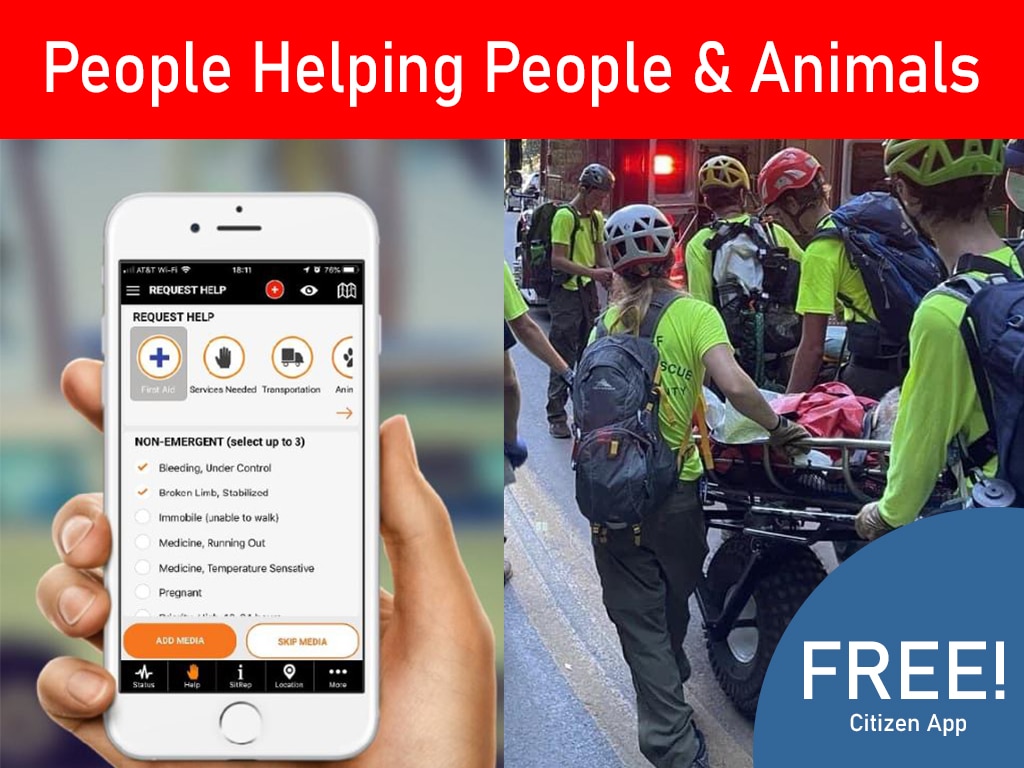
The final layer involves communicating with the public. Keeping citizens informed is essential for maintaining order and ensuring their safety. This includes issuing evacuation notices, shelter-in-place orders, and updates on the situation. In the past, this was done through emergency broadcasts, but now it involves social media, reverse 911 calls, and community-based platforms. Tools like the PubSafe public map empower citizens by giving them access to real-time incident reports and safety information, turning them from passive observers into active participants in community safety.
Building a More Resilient Communication Strategy
Given the complexities and potential points of failure, relying on a single communication method is no longer a viable strategy. A resilient approach requires a blend of different technologies, comprehensive planning, and well-trained personnel who can adapt to rapidly changing circumstances. The goal is to create a flexible and redundant system that ensures communication lines remain open, no matter what the disaster throws at you. This means thinking beyond just the primary tools and building contingency plans that account for worst-case scenarios, ensuring that every member of the response effort can stay connected.
Using a Mix of Communication Tools
The most effective communication strategies embrace a mix of tools. As one industry resource puts it, “The best approach is to use a mix of tools like cell phones, landlines, radios, and the internet.” This creates redundancy. If the cell network is down, teams can fall back on radios. If radio channels are overwhelmed, a mobile platform that can use Wi-Fi or satellite connections might be the answer. This multi-tool approach makes the entire communication network stronger and more adaptable. It ensures that even if one system fails, there are always alternative ways to relay critical information, which can make all the difference in a rescue operation.
Creating Plans for Different Scenarios
Technology is only as good as the plan behind it. Agencies need to develop clear, standardized communication plans for both daily operations and large-scale emergencies. These plans should outline who is responsible for communication, what channels should be used for specific types of information, and what the backup procedures are if the primary system fails. According to First Responder Communications, having these plans in place before an incident occurs ensures that everyone knows their role and can communicate effectively without confusion or delay. Regular drills and training exercises are essential to make sure these plans work in practice.
The Critical Role of Dispatchers
Finally, we can’t overlook the human element. Dispatchers are the calm, steady voice at the center of the chaos. Their ability to manage incoming information, prioritize resources, and maintain clear communication with units in the field is absolutely essential. As Harris Communications emphasizes, “Good communication is absolutely necessary for first responders to do their job well and save lives.” Investing in the training and technology that supports dispatchers is one of the most important steps an agency can take to improve its overall emergency response capability and ensure the safety of both its responders and the community.
How PubSafe Supports First Responders in the Field
PubSafe is revolutionizing the way they communicate and coordinate during emergencies. Through its innovative features and user-friendly interface, PubSafe offers a comprehensive solution to enhance emergency response capabilities. Here’s how PubSafe empowers first responders:
- Real-Time Incident Reporting: PubSafe enables them to report incidents and share critical information in real time, facilitating swift response and resource deployment.
- Live Map Integration: The live map feature provides a visual representation of incidents, resources, and team locations, enhancing situational awareness and coordination efforts.
- Community Communication: PubSafe serves as a platform for community engagement, allowing them to communicate with residents, provide updates, and gather essential information from the public.
- Resource Coordination: The platform facilitates seamless coordination of resources, including personnel, vehicles, medical supplies, and specialized equipment, optimizing response capabilities.
- Mobile Safety Solutions: PubSafe offers mobile safety solutions for field workers, ensuring their safety through features such as check-ins, alerts, and emergency response protocols.
First Responder Communication: The Stats You Need to Know
According to the National Fire Protection Association (NFPA), there were approximately 1,291,500 firefighters in the United States in 2020, responding to over 1.3 million fires. Additionally, the National Highway Traffic Safety Administration (NHTSA) reported that in 2020, there were 38,824 traffic fatalities in the U.S., highlighting the critical role of first responders in accident response and medical emergencies.
Furthermore, a study by the National Institute for Occupational Safety and Health (NIOSH) revealed that effective communication and coordination are key factors in reducing occupational hazards and enhancing the safety of first responders. By leveraging advanced technologies and platforms like PubSafe, agencies and organizations can significantly improve their emergency response capabilities and protect the well-being of first responders and the communities they serve.
Frequently Asked Questions
Why can’t first responders just rely on their two-way radios during a disaster? While two-way radios are incredibly reliable for direct communication, they have significant limitations during large-scale events. Different agencies often use incompatible radio systems, which means they can’t talk to each other. Radios also have a limited range and their signals can be blocked by concrete and steel in large buildings, creating dangerous dead zones where responders are cut off from their teams.
Our agency struggles to coordinate with other departments during a crisis. How does PubSafe help? PubSafe provides a common platform where multiple agencies can see the same real-time information. Instead of trying to patch together different radio networks, every organization, from law enforcement to volunteer groups, can coordinate through a single interface. This shared view ensures everyone is on the same page about incident locations, resource deployment, and team assignments, which reduces confusion and speeds up the response.
Can volunteer groups like CERT teams use PubSafe to work with official agencies? Yes, absolutely. This is one of the core strengths of the platform. PubSafe is designed to integrate credentialed volunteers and community organizations directly into the formal response structure. It allows incident commanders to manage and assign tasks to volunteer teams, ensuring their efforts are coordinated safely and effectively with official first responders on the scene.
How does PubSafe work if cell towers and internet services are down? No single tool works when all infrastructure fails, which is why a resilient strategy involves using a mix of technologies. PubSafe acts as a central hub for information. It can operate on any available network, including Wi-Fi or satellite connections, creating more opportunities to stay connected. By centralizing data, it ensures that as soon as any team member gets a connection, they receive the latest updates and their information is shared back to the entire team.
How does PubSafe use information from the public without overwhelming responders? The platform provides a structured way for citizens to contribute valuable information. Through the app, people can submit detailed incident reports, including photos and specific locations. This information is organized and presented on the live map, giving responders verified, on-the-ground intelligence. This turns public input into actionable data rather than just noise, all while keeping primary emergency channels clear for responder-to-responder communication.
Key Takeaways
- Recognize that communication systems will fail: In a major crisis, cell networks overload and radio signals hit dead zones. Acknowledging these vulnerabilities is the first step toward building a response plan that actually works under pressure.
- Layer your communication tools for resilience: Don’t rely on a single method. An effective strategy combines different tools like radios, phones, and internet-based platforms to create a redundant system that keeps information flowing even when one channel goes down.
- Unify your teams with a common platform: The biggest challenge is often coordinating different agencies and groups. A shared platform like PubSafe provides a single source of truth, allowing everyone from first responders to citizen volunteers to see the same information and work together seamlessly.