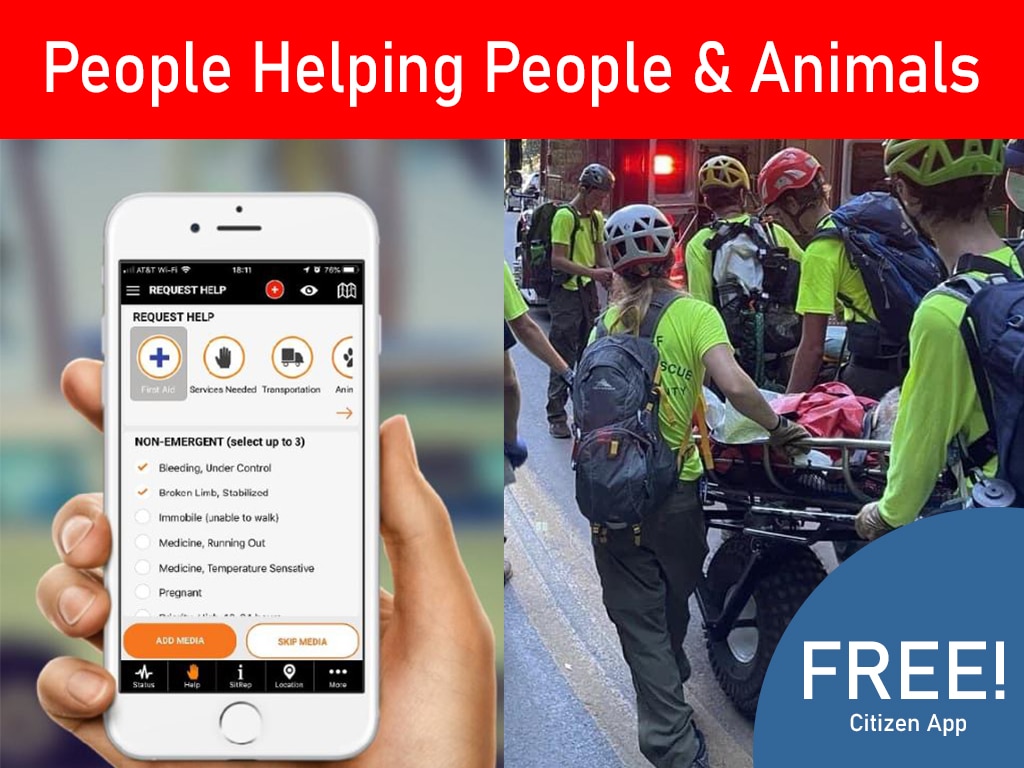
The passion of a CERT volunteer is a powerful force for good in any community. These are individuals who raise their hands to train and prepare for the worst-case scenarios. But how do you take that individual passion and channel it into a cohesive, impactful response force? The answer lies in organization. A well-organized team can accomplish far more than a group of individuals acting alone. This is where technology becomes a game-changer, providing the structure needed to deploy volunteers, share information, and assess needs in real time. This article explores how the best CERT organization software for community emergency response teams can amplify your team’s efforts, turning good intentions into life-saving actions and ensuring every volunteer’s contribution counts.
Key Takeaways
- Centralize your operations with the right software: Ditch the confusing phone trees and group chats. A dedicated platform gives your team a single source for real-time alerts, volunteer assignments, and incident reports, making your response faster and more effective.
- Prioritize usability for volunteers in the field: Your software is only effective if your team can use it under pressure. Look for a platform with a simple mobile app and offline capabilities so volunteers can easily report damage and receive updates, even with spotty service.
- Select a tool that unifies all stakeholders: Your CERT does not work in isolation. The best software connects your team with public safety agencies, NGOs, and citizens, creating a shared operational picture that ensures everyone is working together toward the same goal.
What Is CERT and Why Does Software Matter?
When a disaster strikes, the first few hours are critical. While professional first responders are the front line, community-based volunteers play an essential role in managing the immediate aftermath. This is where Community Emergency Response Teams (CERTs) come in, and the tools they use can make a world of difference in their ability to help. Modern software isn’t just a helpful accessory; it’s a core component of an effective, modern disaster response strategy, turning dedicated volunteers into a highly organized and impactful force.
The Role of CERT in Disaster Response
At its core, a CERT, or Community Emergency Response Team, is a group of trained volunteers prepared for local disasters. These teams are designed to help communities manage on their own when professional first responders are overwhelmed or can’t reach the area. After a major event, emergency services can be stretched thin, and CERTs fill a crucial gap.
By taking on essential responsibilities, CERT volunteers free up firefighters and paramedics to handle the most critical, life-threatening situations. Trained volunteers can perform light search and rescue, assess initial damage, provide basic medical aid, and help organize spontaneous volunteers at a disaster site. This makes the entire community response more efficient and effective.
Why the Right Software Is a Game-Changer
Because emergencies are unpredictable, a CERT’s effectiveness depends on speed and organization. This is where the right software becomes a true game-changer for team leaders and members. It moves teams beyond messy phone trees and fragmented group chats into a centralized, streamlined system for communication and action.
With a dedicated platform, you can send instant alerts to volunteers, share real-time updates on changing conditions, and assign tasks with clarity. This level of volunteer coordination ensures that everyone from team leaders to individual volunteers has the most current information. It transforms a potentially chaotic situation into a structured response, allowing your team to deploy resources, report incidents, and help your community faster and more safely.
What to Look for in CERT Software
Choosing the right software for your Community Emergency Response Team (CERT) is about more than just fancy features. It’s about finding a tool that genuinely supports your mission and makes your team’s job easier when every second counts. The best platforms are designed with the realities of disaster response in mind, helping you organize people, information, and resources without adding extra complexity. As you evaluate your options, think about how each feature will function in a real-world scenario. A clear, intuitive platform will empower your volunteers and streamline your operations, letting you focus on what truly matters: helping your community. Look for organization registration software that makes it easy to onboard new members.
Manage Volunteers and Schedules
Your volunteers are the heart of your CERT, and managing them effectively is your first priority. Look for software that simplifies volunteer organization from the start. You need a central place to track who is available, what their specific skills are (like basic medical aid or search and rescue), and when they’re scheduled for training or deployment. The right tool will let you easily see your team’s capacity at a glance and assign roles based on qualifications. This ensures you can quickly assemble the right people for the job. Good software helps you build a prepared and organized team, ready to act when needed. A platform with strong team management capabilities is essential for keeping everyone coordinated and ready to respond.
Report Incidents and Assess Damage in Real Time
Emergencies unfold quickly, and your team’s ability to respond depends on getting accurate information from the field. Your software should allow volunteers to report an incident and assess damage the moment they see it. This means features like mobile photo uploads, location tagging, and simple forms that can be filled out on a smartphone. When your entire team can see real-time updates on a shared map, you can prioritize areas that need immediate attention and avoid sending resources where they aren’t needed. This immediate flow of information is what transforms a group of volunteers into a coordinated and effective response force, helping your community recover faster.
Communicate with Alerts and Notifications
Clear and immediate communication is non-negotiable during an emergency. Your CERT software must have a reliable system for sending alerts and notifications to your team members. Whether you’re deploying volunteers to a specific location or sharing a critical safety update, the message needs to get through instantly. Look for a platform that offers multi-channel communication, like push notifications and emails, to ensure no one misses an important alert. This capability keeps your internal team aligned and can also be used to inform the public. Understanding how PubSafe works to connect different groups through a single platform shows how vital integrated communication is for a unified response.
Track Resources and Equipment
You can’t respond effectively if you don’t know what resources you have or where they are. The best CERT software helps you keep a detailed inventory of your equipment, from first aid kits and radios to safety vests and tools. Imagine needing to deploy a team and knowing instantly that you have enough supplies for everyone. This feature is also crucial for managing training materials, ensuring everything is accounted for before and after hands-on lessons. Following a standardized plan like the one from FEMA’s national CERT program requires having the right equipment ready for both training and real-world events, and good software makes that possible.
Oversee Training and Certifications
A well-prepared CERT is a well-trained one. Your software should help you manage the entire training lifecycle for your volunteers. This includes tracking who has completed required courses, when their certifications are due for renewal, and what additional skills they’ve acquired. Having this information in one accessible place ensures your team is always compliant and qualified for deployment. It also helps you identify training gaps so you can schedule future sessions accordingly. Effective volunteer coordination relies on knowing your team’s capabilities, and a good management system gives you the confidence that your members are ready for their roles.
Integrate with GIS and Existing Systems
Your CERT doesn’t operate in a vacuum. The software you choose should integrate smoothly with other essential systems, especially Geographic Information Systems (GIS). GIS integration allows you to visualize everything on a map, from incident reports and volunteer locations to the distribution of resources. This spatial awareness is critical for making smart, strategic decisions during a response. Seeing all the moving parts on a public map can help you identify patterns, predict needs, and direct your teams more efficiently. A platform that plays well with others ensures your data is more powerful and your response efforts are fully coordinated with the bigger picture.
Top CERT Software Platforms to Consider
Choosing the right software can feel like a huge task, but it doesn’t have to be. I’ve looked into some of the most effective platforms out there to help you find a great fit for your CERT organization. Each of these tools offers a unique set of features designed to make your team’s response efforts smoother and more coordinated. Whether your team is a small, community-focused group or a larger organization that coordinates with multiple public safety agencies, there’s a solution that can meet your specific needs.
The key is to understand what each platform does best. Some excel at real-time communication and volunteer management, while others offer powerful data analysis and reporting for large-scale incidents. This list covers a range of options, from comprehensive, all-in-one systems to more specialized tools focused on public alerts or resource tracking. As we go through them, think about your team’s primary goals, your budget, and how easily your volunteers can adopt a new system. Let’s walk through some of the top contenders to see which one might be the perfect match for you.
PubSafe
PubSafe is built from the ground up to improve communication and coordination for community response teams. Think of it as a central hub for your entire operation. It offers real-time alerts, straightforward incident reporting, and resource management tools that help your team respond more effectively when every second counts. What I really like is its user-friendly design, especially on mobile devices, which is essential for volunteers on the ground. The platform excels at connecting citizens, NGOs, and public safety, making team management seamless during an emergency. It’s a strong choice for teams that need a simple yet powerful way to stay connected and organized.
WebEOC
You’ve likely heard of WebEOC; it’s a widely recognized name in incident management, and for good reason. This comprehensive software allows teams to share critical information in real time, manage resources, and track incidents as they unfold. One of its standout features is the customizable dashboards. These allow your CERT team to visualize data in a way that makes sense for your specific situation, helping you make clear, informed decisions during a crisis. If your team handles complex incidents and needs deep, data-driven insights, the WebEOC platform is definitely worth a look.
Veoci
Veoci is a highly versatile platform that supports everything from initial planning to full-scale emergency response. It provides excellent tools for team collaboration, maintaining situational awareness, and allocating resources efficiently. Its mapping capabilities are particularly strong, allowing you to visualize assets and incidents geographically. Veoci also integrates with other systems, which can help streamline communication and ensure everyone is on the same page. For CERT teams that need a flexible solution to coordinate efforts across different tools and agencies, Veoci’s emergency management software offers a solid foundation for collaboration.
Rave Mobile Safety
If your CERT team’s top priority is keeping the public informed, Rave Mobile Safety is a platform you should consider. It specializes in enhancing public safety through powerful communication and alert systems. The software provides tools for mass notifications, incident management, and community engagement, which are perfect for getting the word out quickly and accurately. Using a platform like Rave Mobile Safety can be particularly useful for CERT teams focused on public information campaigns and ensuring community members are involved and aware during an emergency. It helps bridge the communication gap between your team and the people you serve.
DisasterLAN (DLAN)
For CERT teams that manage large-scale incidents, DisasterLAN (DLAN) offers a robust and comprehensive solution. This emergency management software is designed to support every phase of an incident, from initial response to long-term recovery efforts. It includes powerful tools for tracking resources, creating situation reports, and fostering collaboration among team members and external agencies. DisasterLAN is known for its ability to handle complex, large-scale events, making it a suitable choice for teams that need a heavy-duty system to manage a significant amount of information and coordinate a wide range of activities.
How to Compare CERT Software Platforms
Choosing the right software can feel like a huge decision, but breaking it down makes it manageable. When you’re looking at different platforms, it’s not just about which one has the longest feature list. It’s about finding the tool that truly fits your team’s workflow, budget, and mission. Think about how your volunteers will use it in the field and how it will help you coordinate with other agencies. A little research now will save you major headaches during a real emergency. By focusing on a few key areas, you can confidently select a platform that empowers your team to respond effectively when your community needs you most.
Compare Pricing and Overall Value
It’s easy to get sticker shock, but the price tag doesn’t tell the whole story. When you compare software, think about the total cost of ownership. Are there hidden fees for updates, support, or adding more users? Some platforms might seem cheap upfront but become expensive as your team grows.
Look for a pricing model that offers real value for your investment. For many CERT teams, a platform that offers a robust free tier can be a game-changer. For example, PubSafe allows individuals and organizations to use its core features for free, providing essential tools without straining your budget. This approach lets you get started immediately and ensures you’re only paying for advanced features if and when you need them.
Evaluate Ease of Use
During an emergency, the last thing you need is clunky, confusing software. The best platform is one your team can learn quickly without needing weeks of training. An intuitive interface is non-negotiable. As one TechRadar report points out, software should be user-friendly enough for team members to get comfortable with it right away.
When you’re testing a platform, ask yourself: Can a brand-new volunteer log in and immediately understand how to report an issue or check their assignment? If the answer is no, it might not be the right fit. Your software should reduce stress, not add to it. Look for clean dashboards, clear navigation, and straightforward workflows that make sense in high-pressure situations.
Check Mobile and Offline Capabilities
Emergencies don’t wait for a perfect internet connection. Your team will be out in the community, often in areas where cell service is spotty or non-existent. This is why mobile and offline capabilities are critical. As noted by Emergency Management Magazine, platforms with mobile apps and offline functionality allow users to access vital information anytime, anywhere.
Your CERT software should have a reliable mobile app that allows volunteers to report damage, upload photos, and receive alerts directly from their phones. The ability to cache maps and forms for offline use is a massive advantage. This ensures your team can continue to gather data and operate effectively, with information automatically syncing once a connection is restored.
Review Customer Support and Onboarding
Even the most intuitive software comes with a learning curve. Strong customer support and a clear onboarding process are essential for getting your team up and running smoothly. According to Software Advice, a comprehensive onboarding process is vital for making sure your team can use the software effectively from day one.
Before committing, find out what kind of support is offered. Is there a dedicated support team you can contact? Are there helpful resources like video tutorials, user guides, or a knowledge base? A smooth organization registration process and accessible training materials show that a company is invested in your success. Good support ensures that when you have a question, you’ll get a helpful answer quickly.
Free vs. Paid Software: Which Is Right for Your Team?
Deciding between free and paid software is one of the biggest hurdles for any CERT team. Your budget is likely tight, and “free” always sounds good. But the software you choose is the central nervous system for your response efforts, so this decision impacts everything from volunteer coordination to how effectively you can help your community during a crisis. The best choice isn’t about the price tag alone; it’s about finding a tool that matches your team’s current needs and can support you as you grow.
A free, general-purpose tool might work for basic administrative tasks, but it can create dangerous communication gaps during a real emergency. On the other hand, an expensive, feature-heavy platform might be overkill for a small team and drain precious resources. The key is to weigh the immediate costs against the long-term value and, most importantly, the tool’s ability to perform when it matters most. Think about your team’s size, the types of incidents you respond to, and your need to coordinate with other agencies. This will help you find the right balance between capability and cost.
What Free Platforms Can (and Can’t) Do
Free software is a great starting point for many CERT teams, especially for organizing internal tasks. You can use tools like shared drives or group chats to manage training schedules and basic documents. However, these platforms weren’t built for disaster response. During an emergency, you need specialized features that generic tools lack, like real-time incident mapping, damage assessment forms, and integrated alerts. Relying on a patchwork of free apps can lead to confusion and delays when seconds count. While some platforms offer a powerful free app for individuals and teams, many free solutions simply can’t provide the robust, centralized command center needed for effective field operations and inter-agency communication.
Hidden Costs to Watch for in Paid Solutions
When you’re looking at paid software, the initial price isn’t the whole story. It’s important to ask about the total cost of ownership to avoid surprises down the road. Some platforms have extra fees for adding more users, which can become a problem as your volunteer team grows. Other potential costs include charges for premium support, essential integrations, or advanced features that aren’t included in the basic package. Before you commit, ask for a detailed breakdown of all potential costs. Make sure you understand what’s included in your subscription and what might cost extra, so you can make a choice that truly fits your CERT team’s budget in the long run.
Plan for Scalability and Long-Term Value
Your CERT team will evolve. You’ll recruit more volunteers, take on more complex responsibilities, and build relationships with more community partners. The software you choose should be able to grow with you. A scalable platform allows you to easily add new users, manage larger incidents, and expand your capabilities without having to switch to a whole new system. Investing in a flexible solution for team management from the start saves you significant time and money later. It ensures your team can maintain operational continuity and build on its successes, rather than having to retrain everyone on a new tool every few years.
How to Prioritize Features When Choosing Software
Choosing the right software can feel like a huge task, but it doesn’t have to be. The best platform for your CERT isn’t necessarily the one with the most features; it’s the one with the right features for your team’s specific needs. Think of it as building a toolkit. You want to select tools that solve your most common problems and fit the way you work. By focusing on a few key priorities, you can cut through the noise and find a solution that truly supports your mission. Use the following points as a guide to help you evaluate your options and make a confident choice.
Your Team’s Size and Volunteer Capacity
The size of your team and the number of volunteers you manage will heavily influence your software needs. A small team might only need basic communication tools, while a larger organization requires robust features for volunteer coordination. Consider how you’ll manage a sudden influx of volunteers during a major disaster, when professional first responders are stretched thin. Your software should be able to scale with demand, helping you effectively deploy volunteers without getting bogged down by administrative tasks. Look for a platform that simplifies scheduling, communication, and task assignment, whether you’re managing a dozen people or a few hundred.
Coordination with Other Agencies
Your CERT doesn’t operate in a silo. Effective disaster response depends on seamless collaboration with local police, fire departments, and emergency management agencies. The right software should act as a bridge, not another barrier. When evaluating platforms, ask how they facilitate communication and data sharing with other organizations. You need a system that ensures your efforts support official response plans. A platform that offers a shared operational picture allows your team and other agencies to work from the same information, leading to a more coordinated and effective response. This level of team management is crucial for building trust and integrating your team into the larger community response framework.
Connection Between Citizens, NGOs, and Public Safety
The most powerful response efforts bring everyone together: citizens, volunteer groups, and public safety officials. Your software should be the central hub that connects these different stakeholders. Look for features that allow citizens to easily report incidents and request assistance, giving you real-time situational awareness. The platform should also make it simple for NGOs and CERTs to see where help is needed most. By creating a transparent flow of information, you empower everyone to contribute safely and effectively. This integrated approach is exactly how PubSafe works to create a unified network where every participant, from a concerned neighbor to a government agency, can play a part.
Budget and Accessibility
Let’s be practical: CERT budgets are often limited. You need to allocate funds for training, first aid kits, hard hats, and other essential supplies. Software shouldn’t consume your entire budget. Look for cost-effective solutions with transparent pricing, and be wary of hidden fees for extra users or features. Accessibility is just as important. The platform should be intuitive and easy for volunteers of all technical skill levels to use. A complicated system will only create frustration and slow down your response. A great way to test this is to see if you can install a free app and start using it immediately on your own phone.
Custom Workflows and Flexibility
Every CERT has its own established protocols for training, activation, and operations. A rigid, one-size-fits-all software solution can force you to change your methods, creating confusion during a crisis. Instead, look for a flexible platform that can adapt to your team’s unique workflows. The ideal software allows you to customize processes for incident reporting, resource requests, and damage assessments. This ensures the technology supports your procedures, not the other way around. When you complete your organization registration, the platform should give you the tools to configure the system to match how your team works best.
Common Mistakes to Avoid When Selecting Software
Choosing the right software is a huge decision. A little foresight goes a long way in avoiding a pick that doesn’t serve your team in the long run. By being aware of a few common pitfalls, you can select a platform that truly supports your volunteers and streamlines response efforts. Let’s walk through the most frequent mistakes so you can confidently avoid them.
Overlooking Usability for Volunteers
Your CERT team is made up of dedicated volunteers, not necessarily tech experts. A common misstep is choosing software that’s powerful but incredibly complex. In a high-stress emergency, no one has time to fumble with a confusing interface. The best tool is one that people will actually use. Look for a platform with an intuitive design that makes tasks like reporting an incident straightforward. Research confirms that software usability is critical for effectiveness during a crisis. When your volunteers can use the tool easily, they can focus on what matters: helping the community.
Ignoring Interoperability with Other Agencies
During an emergency, your CERT team is one piece of a much larger puzzle, working alongside fire departments, police, and NGOs. If your software can’t communicate with theirs, you create information silos that slow down the entire response. FEMA has highlighted that interoperable systems are essential for effective collaboration. When selecting software, ask how it integrates with other platforms. A system that allows for seamless team management and data sharing across different organizations ensures everyone is on the same page, which is exactly where you need to be when lives are on the line.
Underestimating the Need for Mobile Access
Emergency response doesn’t happen behind a desk. Your volunteers are out in the field, assessing damage and helping citizens. If your software is only accessible on a computer, it’s practically useless for your most active team members. A survey by the International Association of Emergency Managers found that mobile access significantly improves response times. Your team needs a platform with a robust mobile app that works in real-time. This allows them to report observations, receive updates, and view maps from anywhere. Make sure you choose a tool that empowers your team on the go, like PubSafe’s free mobile app.
Equip Your CERT Team for Success
For your Community Emergency Response Team (CERT) to operate at its best, you need to equip your volunteers with more than just hard hats and first aid kits. The right software is just as critical, acting as the digital backbone for your entire operation. It’s what turns a group of trained individuals into a coordinated, effective response force. Choosing the right platform helps streamline communication, manage training, and organize your team when every second counts.
A core part of any CERT program is training volunteers in the basic skills needed during a disaster, like fire safety, light search and rescue, and medical triage. The right software can help you track these certifications and ensure everyone on your team is prepared for their role. When an emergency happens, you need to know who has what skills and deploy them accordingly. A good platform gives you that visibility instantly, so you can get the right people to the right places without delay.
During a crisis, clear and rapid communication is everything. CERTs are an incredible asset to local governments and first responders, but only if they can be coordinated efficiently. This is where a dedicated platform truly shines. It allows you to streamline communication with real-time alerts, incident reports, and status updates, keeping your entire team on the same page. Instead of relying on messy group texts or phone trees, you have a central hub for all critical information.
Beyond in-the-moment communication, you also need a structured way of managing your team and its resources. A solid software solution helps you establish clear operational guidelines and organize volunteer information. By investing in a platform for managing your team, you empower your volunteers to respond more safely and effectively. It’s about giving them the support structure they need to make a real difference when their community is counting on them.
Related Articles
- Disaster Response Platform | Community‑Driven Emergency Coordination | PubSafe
- Best Incident Management Software for Disaster Response | PubSafe
- Innovative Disaster Case Management System – NGO, CERT, Disasters
- Disaster Response Platform for Teams & Communities | PubSafe
Frequently Asked Questions
My CERT team is small and has no budget. Is specialized software even an option for us? This is such a common and valid concern. The good news is that you absolutely have options. Many platforms understand the financial constraints of volunteer teams. Look for software that offers a robust free version for core functions. For example, PubSafe allows organizations to register and use essential tools without a subscription, so you can get your team organized right away. The goal is to find a tool that provides real value from day one, even if you’re not paying for premium features yet.
We manage okay with group texts and shared documents. Why should we switch? While those tools are great for casual planning, they can become chaotic during a real emergency. Imagine trying to track multiple incident reports in a fast-moving group chat or trying to find the right document in a shared folder when you have no internet. A dedicated platform provides a single, reliable source of information. It allows you to see incident reports on a map, send clear alerts to specific groups, and track resources in real time, which is something a patchwork of general apps just can’t handle when stress is high.
There are so many features to consider. What’s the most critical thing for a new team to focus on? It’s easy to get overwhelmed by long feature lists. My advice is to focus on the absolute fundamentals: communication and reporting. Can you instantly send an alert to your entire team or a specific group? Can a volunteer easily report an issue with a photo and location from their phone? If a platform does these two things exceptionally well, you have a solid foundation. You can always explore more advanced features like resource tracking or certification management later on.
How can I convince my less tech-savvy volunteers to adopt a new platform? This is a huge hurdle, and the solution lies in choosing the right software from the start. The platform should be so intuitive that it requires minimal training. When you’re testing options, ask yourself if a new volunteer could log in and figure it out in a few minutes. Look for a clean mobile app and a straightforward design. The software should make their job easier and safer, and if it does that, even the most hesitant members will see its value.
How does this software help us work better with official first responders and other agencies? This is one of the most important benefits. The right software breaks down communication barriers. Instead of being a separate group, your team becomes an integrated part of the larger response. A good platform creates a shared operational picture, allowing fire departments or emergency managers to see the incident reports your team is filing in real time. This helps them make better decisions and shows that your CERT is a professional, reliable partner in keeping the community safe.