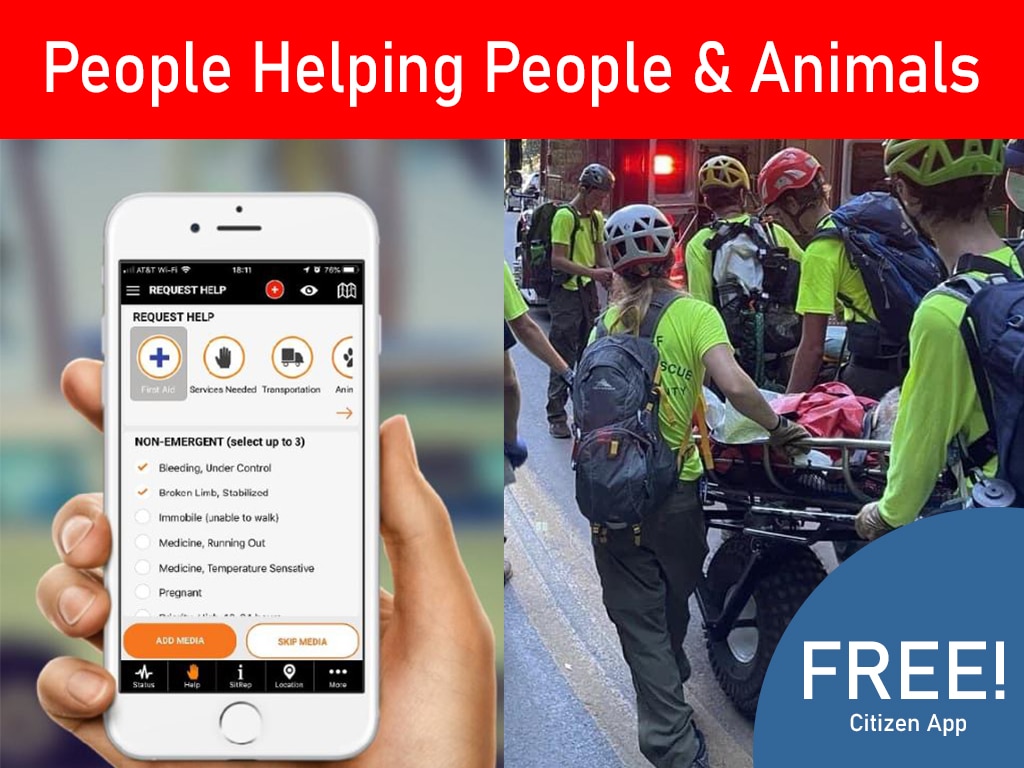
Natural disasters do not wait for rescue crews to reach every house on the block. Starting a local team gives your neighbors the skills they need to help during a storm. This guide shows you how to build a formal volunteer group using federal rules.
Thank you for reading this post, don't forget to install the free PubSafe mobile app and subscribe!
Schedule a free consultation to see how PubSafe helps CERT teams coordinate.
Learning how to start a CERT team takes eight steps set by FEMA. First you find a sponsor like a local fire department. They provide training and legal support. Then you can find volunteers, get gear, and learn to work with the Incident Command System alongside professional responders.
Starting a new rescue group can feel like a big job. But the steps are clear when you know what the program is all about. Before you begin, you need to know what a Community Emergency Response Team is and how the federal framework helps local groups get started.
How To Start A CERT Team: What Is a Community Emergency Response Team?
A Community Emergency Response Team (CERT) is a group of trained volunteers who help during local disasters. The program teaches everyday people how to get ready for hazards in their area. These teams link official alerts with real help on the ground. When you learn how to start a CERT team, you build a network of helpers who are ready when a crisis hits.
CERT is a FEMA program that trains people in basic disaster skills like fire safety, search and rescue, and medical triage. Teams help first responders by handling simple tasks during big events. This lets trained crews focus on life-saving work that needs more skill and gear.
Core mission and history
CERT began with the Los Angeles Fire Department in 1985. FEMA made it a national program in 1993 so every town could train volunteers the same way. Today over 600,000 trained CERT members across the US help police and fire crews during major events. This shared standard means professional responders know what CERT members can do.
Basic disaster skills
Volunteers take a full course on fire safety, light search and rescue, team setup, and disaster medical help. These skills let CERT members give aid before professional crews arrive. Teams usually have 20 to 200 members who stay ready with regular drills and training. This lets expert crews focus on hard jobs that need special tools and skills.
Support for first responders
CERT teams add extra power to city and county emergency services. They help with triage, volunteer check-in, and sharing news from the scene. Team leaders often use volunteer management software to track training and member status. Working with the Incident Command System helps CERT volunteers fit in with pro agencies. According to FEMA, this training gives people the tools to help safely while staying safe themselves.
What Are the First Steps to Start a CERT Program?
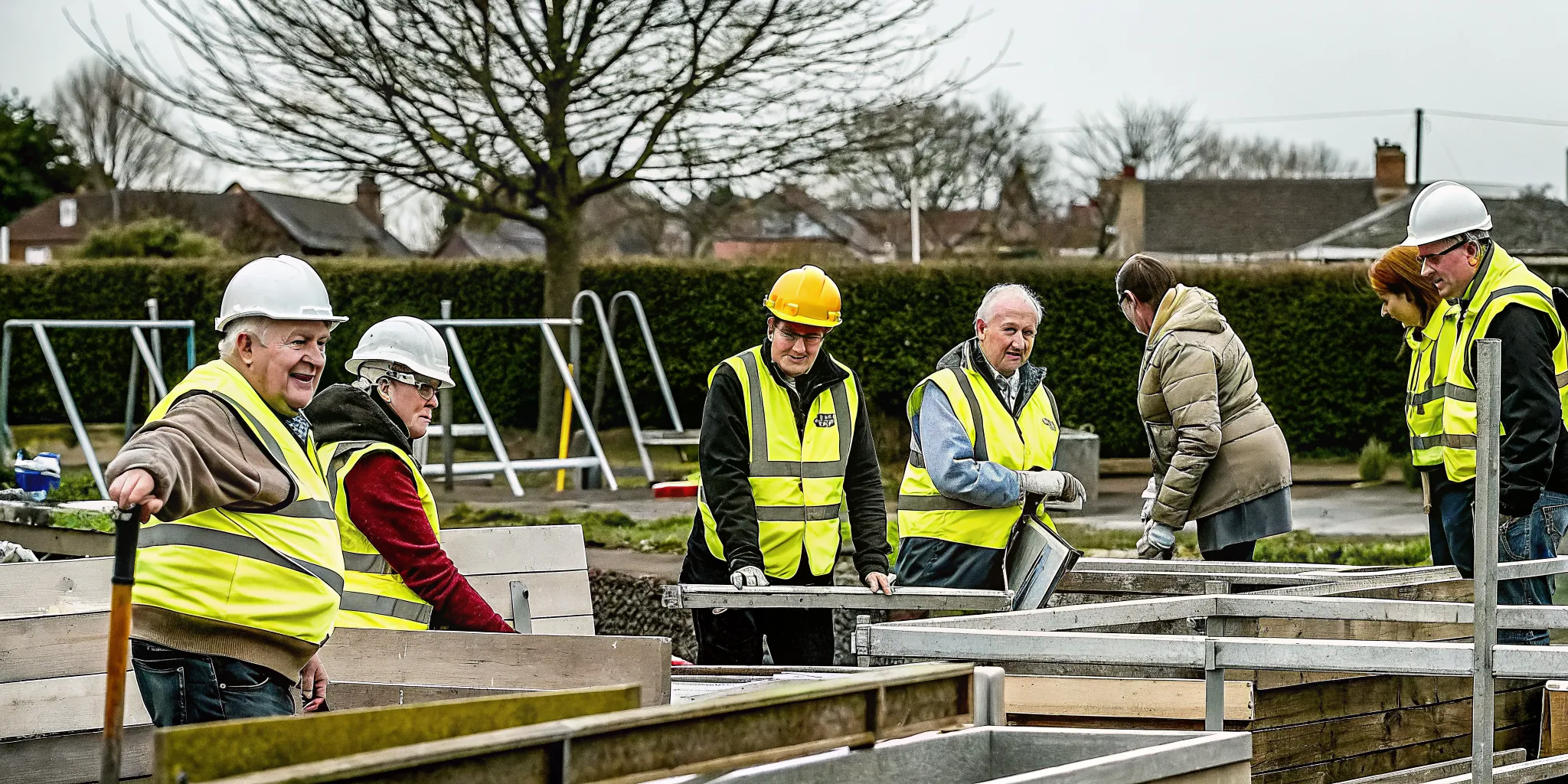
You cannot build a CERT team alone. The first part of learning how to start a CERT team is finding a sponsor who gives your team legal status and training support. Most teams work with a local fire department, police station, or emergency office.
The first step is to find a sponsor like a fire department or emergency management office. Your sponsor gives you legal authority, training space, and a link to professional responders. Without a sponsor your team cannot work during official emergencies.
Finding the right sponsor
A good sponsor gives you access to training space, gear storage, and direct contact with first responders. When you talk to potential sponsors, show them a clear plan for how your team will help. Tell them your team will handle simple tasks so fire and EMS crews can focus on life-saving work. Success often starts with working with local fire departments to set clear roles.
Engaging local leaders and stakeholders
You need more than just a sponsor. Build a list of local partners who care about safety. School boards, business groups, and neighborhood groups all have a stake in disaster readiness. Hold one-on-one meetings to gain support from local leaders. Bring a written plan that explains what your team will do and why it matters to the town.
Setting SMART program goals
Once you have a sponsor, set clear goals using the SMART method. Your goals should be specific, measurable, achievable, relevant, and time-bound. A good first goal might be to train 20 volunteers in six months. Setting SMART program goals helps you track your progress and show your sponsor the program is working.
- Find groups that might sponsor your team, like a fire department or city hall.
- Meet with local emergency managers to ask for official support.
- Write a short plan that lists your team’s mission and how it helps the town.
- Build a list of partners like school leaders and business groups.
- Create SMART goals for your first year to track training and readiness.
How Do You Fund and Equip a New CERT Team?
After you find a sponsor, you need a plan for funding and gear. Planning your budget is a key part of how to start a CERT team that lasts. You need money for training books, safety gear, medical supplies, and a meeting space. FEMA says planning ahead is vital in their CERT startup guide. Planning early keeps you from missing key gear when you get a call.
Most CERT teams get money from local government, grants, and donations from partner groups. Gear costs include PPE, medical kits, search tools, and radios. Buying gear in phases lets new teams grow as their budget grows.
Find local funding and support
Most CERT programs get help from their sponsor. Your sponsor may give you training space, safety gear, or a place to store equipment. You can also look for grants from the Community Development Block Grant program or local foundations. Many teams use fire department partnerships to share costs for big items like medical kits and radios. Donations of gear and volunteer time help you stretch your cash budget.
Budget for training and gear
Each CERT member needs a hard hat, safety vest, gloves, goggles, and an N95 mask. Training costs cover teacher guides, student books, and supplies for drills. You also need tools to track your members. Many teams struggle with paper lists that do not work during a real event. Using CERT administration and management software gives you digital member lists, training records, and deployment tracking without high costs. PubSafe offers these tools at prices that fit small team budgets.
Plan for equipment and facilities
Your team needs a safe place to store gear and hold training. Churches, schools, and community centers often let CERT teams use their space. Keep a clear list of what you have and what you still need. Work with nearby CERT teams to share big items like generators and lights. Planning ahead keeps your team ready while keeping costs low.
Step 3: Recruit and Train CERT Volunteers
Building a good team is the heart of how to start a CERT team. You need to find people who want to help and give them solid FEMA training. This step turns your idea into a real response team.
Look for volunteers aged 16 and older who can take 18-20 hours of FEMA basic training. The course covers disaster prep, fire safety, medical help, light search and rescue, and team work. A final drill with a mock disaster certifies volunteers for field work.
Recruit local volunteers
Cast a wide net to find a diverse group of volunteers. Most CERT members are 18 or older, but teens aged 16 and 17 can join with a parent’s okay. A team with different backgrounds and skills can serve a wider community. Be clear about the time commitment. Volunteers must attend class and take part in regular drills. Use a volunteer coordination platform for CERT to manage sign-ups, share training dates, and track progress. This software saves you from doing it all by hand.
The basic training path
FEMA’s CERT basic training is the core of the program. It gives all volunteers the same skills. Follow these steps to run your first class.
- Get the official FEMA training tools. These include teacher guides, slides, and student books from the FEMA CERT site.
- Plan for 18 to 20 hours of class time. Spread it across weekends or weeknights to fit busy schedules.
- Teach core lessons on disaster prep, fire safety, and medical help. These cover the skills that save lives in the first hours after a disaster.
- Add lessons on light search and rescue, team setup, and disaster psychology. These help the group work as a team, not just a crowd.
- Run a small test class first. This lets your teachers practice before the full group arrives.
- End with a full disaster drill. This lets students use their new skills in a realistic setting and builds trust.
Develop team leaders
After basic training, look for members who can take on more duties. Advanced classes through the Emergency Management Institute (EMI) train members to be teachers and program managers. Strong leaders keep the team active for years. Keep good records of each member’s training and skills. A CERT member skills tracking system helps you know who to call for each task. Some people are great at medical work. Others are better at radio or search. Knowing your team’s skills helps you act fast and stay safe.
Step 4: Equip Your CERT Team for the Field
When you learn how to start a CERT team, you need to think about gear. A well-equipped team works safely and helps more people. You do not need to buy everything at once. Build your gear list in phases as your budget grows.
Key CERT gear includes hard hat, safety vest, gloves, goggles, N95 mask, medical triage supplies, search tools, and two-way radios. Buy gear in phases as your budget allows. Look for federal grants and local donations to cut costs.
Personal protective equipment (PPE)
Every CERT member needs a full set of safety gear before they can go into the field. Hard hats protect against falling debris. Safety vests make sure people can see you. Gloves keep your hands safe when moving rubble. Goggles protect your eyes from dust and glass. N95 masks keep you from breathing in harmful dust. Each member should have a personal kit with these items. According to FEMA, good PPE is a must for CERT field work. A team with full gear works with more confidence and less risk.
Medical and rescue tools
Medical help is a core CERT job. Each team needs basic medical kits with bandages, splints, and triage tags. Triage tags let you sort injured people by how badly they are hurt. This helps EMS crews know who to treat first when they arrive. Search tools like pry bars, shovels, and rope round out your gear list. Store all gear in labeled bins so you can grab it fast. Check all gear every three months to make sure it still works and supplies have not expired.
Communications and admin supplies
Good communication is vital in the field. Two-way radios let team leaders give orders and ask for help. A megaphone helps with crowd control at big events. Solid emergency communication plans cover what to do when cell towers go down. Office supplies like clipboards, pens, ICS forms, and member lists help run the command post. These tools let you track where your people are and what they are doing. That helps keep everyone safe. Build your gear over time. Start with the most vital items and add more as funds allow.
Step 5: Structure Your Team and Integrate with ICS
As you learn how to start a CERT team, you need a clear chain of command. A good structure keeps your team working well under stress. Every volunteer must know their role before the first call comes in.
CERT teams use the Incident Command System (ICS) to work with professional response agencies. Key roles include Team Leader, Operations Chief, Planning Chief, Logistics Chief, and Finance Chief. Each leader manages three to seven people to keep the team safe and well organized.
Use the Incident Command System
The Incident Command System gives CERT teams a standard way to work with police, fire, and EMS. FEMA offers the IS-315: CERT and the Incident Command System course for volunteer teams. Using ICS lets pro responders focus on hard tasks while your team handles support jobs within the same system. An emergency management platform helps bridge CERT and professional responders by providing a shared operational picture. This shared setup removes confusion and speeds up response during multi-agency events.
Define key CERT roles
Most CERT teams have 20 to 200 members. To stay organized, give clear leadership roles to your best volunteers.
- Team Leader: Runs the whole team and talks to the local emergency office.
- Operations Chief: Manages field work like search and rescue and medical help.
- Planning Chief: Keeps logs, tracks resources, and writes action plans.
- Logistics Chief: Handles gear, supplies, food, and meeting spaces.
- Finance Chief: Tracks costs and volunteer hours for grants and records.
Leaders should take the CERT Program Manager course to learn how to guide a team. Setting these roles before a crisis means everyone can start work right away without confusion.
Follow span of control rules
Span of control is a simple rule. One leader should oversee three to seven people. Five is the best number for most tasks. This stops any leader from being overloaded during a big event. As your team grows, add more leaders to stay within this range. A CERT team management platform can show reporting lines in real time. This keeps the team safe and makes sure no one is left without a clear task or a leader to guide them.
Why Does Your CERT Team Need Technology?
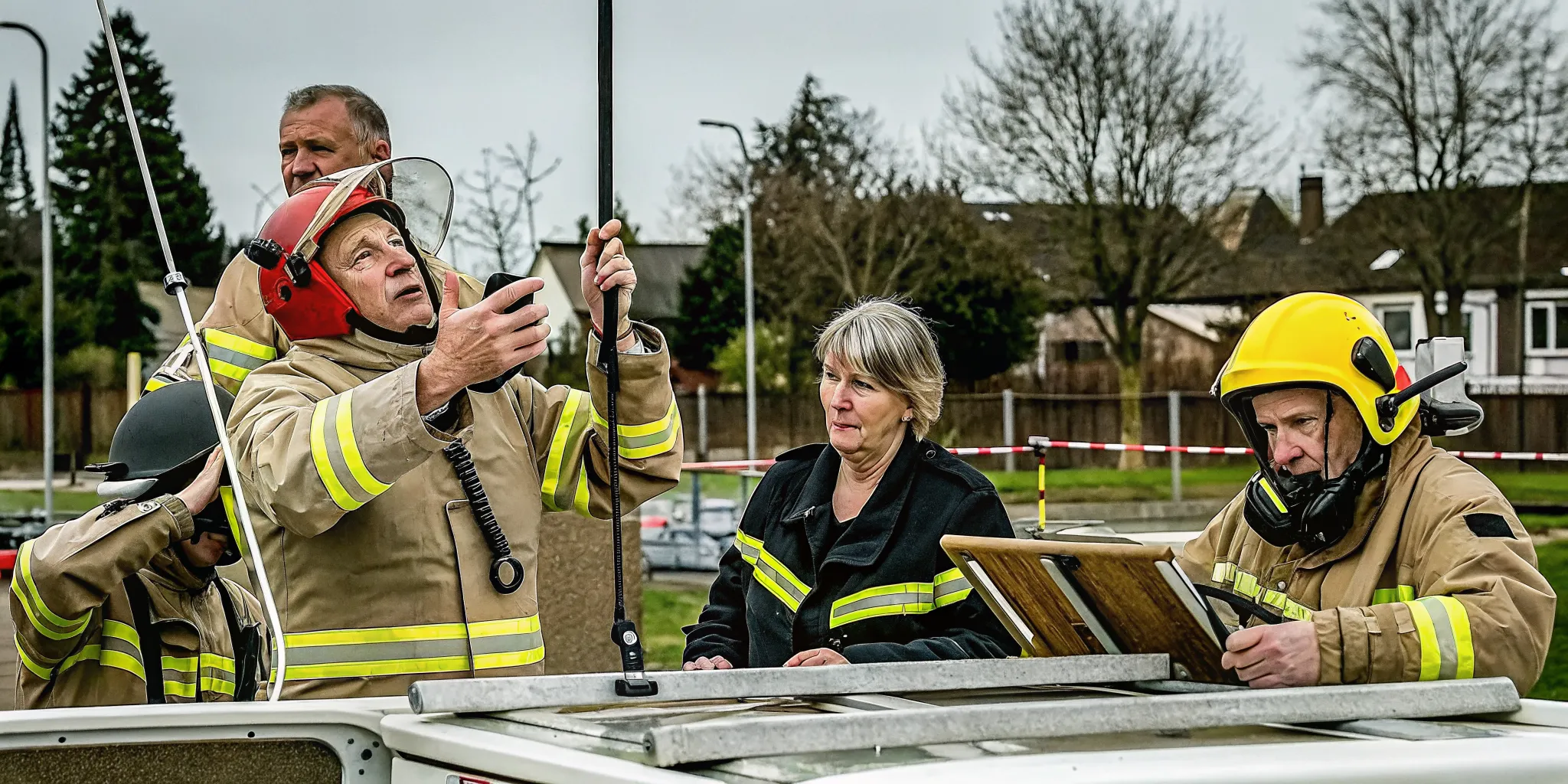
When you learn how to start a CERT team, you think about gear and training first. But how you manage your people is just as vital. Many new teams start with paper lists and phone trees. These work for small groups but fail during big disasters when real-time updates matter most.
Digital CERT tools replace paper sign-in sheets and phone trees with real-time member tracking, mass alerts, searchable skills lists, and auto-generated reports. A government emergency communication system extends these capabilities, helping CERT teams stay connected with local agencies during large-scale disasters. PubSafe works as a central hub that links radio, mesh networks, and satellite links so teams stay connected even when cell towers go down.
The limits of manual methods
Paper systems create dangerous gaps during active events. A leader needs to know which members are available, where they are, and what gear they brought without making many phone calls. Manual skills tracking is also slow. If you need someone with medical training, you cannot waste time flipping through papers. FEMA says teams should collect and study their data to get better over time. Paper after-action reviews are slow and prone to errors.
Digital tools for real-time response
A volunteer coordination platform for CERT gives incident commanders a clear picture of what is happening. Instead of calling each member one by one, you can send one alert to everyone at once. Live GPS tracking shows who has arrived, where they are, and what gear they have. These tools also keep searchable skills lists so you send the right person to each job.
| Feature | Manual methods | Digital tools |
|---|---|---|
| Team alerts | Phone trees call each person one at a time. | One message reaches everyone fast. |
| Location tracking | Members sign in on paper forms. | GPS shows where each person is. |
| Skills records | Browsing paper files takes too long. | Search by skill finds the right person in seconds. |
| Data accuracy | Stress leads to many manual errors. | Time stamps log entries without mistakes. |
| After-action reports | Writing up results takes many days. | Auto reports are ready in a few hours. |
Stay connected during outages
Communication is the hardest problem during big storms and quakes. Cell towers and the internet often fail when they are needed most. PubSafe works as a hub that ties together different ways to talk. It links two-way radios, mesh networks, and satellite links into one system. This means your team can still share information even when the local network is down. PubSafe acts as the central layer that keeps your team connected when other methods fail.
Big emergency tools often cost too much for small teams. But modern CERT software is now priced for volunteer groups. This means even new teams can use the same tech that pro agencies use. Using these tools turns a group of willing volunteers into a sharp response team.
Frequently Asked Questions
How do I become part of a CERT?
How do I become part of a CERT?
Find a local program in your area. Most teams are run by fire departments or emergency offices. Contact them to ask about upcoming training classes. According to FEMA, you must take the basic training course before you can help in the field. Many teams hold monthly drills to keep skills fresh.
Where do I find CERT Basic training?
Where do I find CERT Basic training?
Local emergency offices are the main source for CERT basic training. Check their websites or call for class dates. FEMA also has a national sign-up site where you can find programs near you. Some places offer the IS-317 online intro course before the hands-on training. The full course covers fire safety, medical triage, and search and rescue.
Who can volunteer for a CERT team?
Who can volunteer for a CERT team?
Most people who live or work in the area can join. You do not need past emergency training. According to FEMA, the program is for anyone who wants to help their community. Teams range from 20 to 200 members. You must be ready to take the FEMA basic training and join regular drills. Teams do best when they have members from many different backgrounds.
What are the duties of a CERT team?
What are the duties of a CERT team?
CERT teams help first responders during big emergencies by handling support tasks. This includes triage, light search and rescue, fire safety, volunteer check-in, and sharing news from the scene. According to PubSafe, teams also use digital tools for real-time updates and resource tracking. Members stay ready through monthly drills and full-scale community exercises.
Ready To Launch Your Community Emergency Response Team?
Building a CERT from scratch takes steady work over several months. But waiting until a disaster is already here is far worse. Every day your team is not ready is a gap in your town’s safety. The steps in this guide finding a sponsor, getting funding, training volunteers, buying gear, and setting up your team structure give you a clear path to being ready. Your neighbors count on the work you start today.