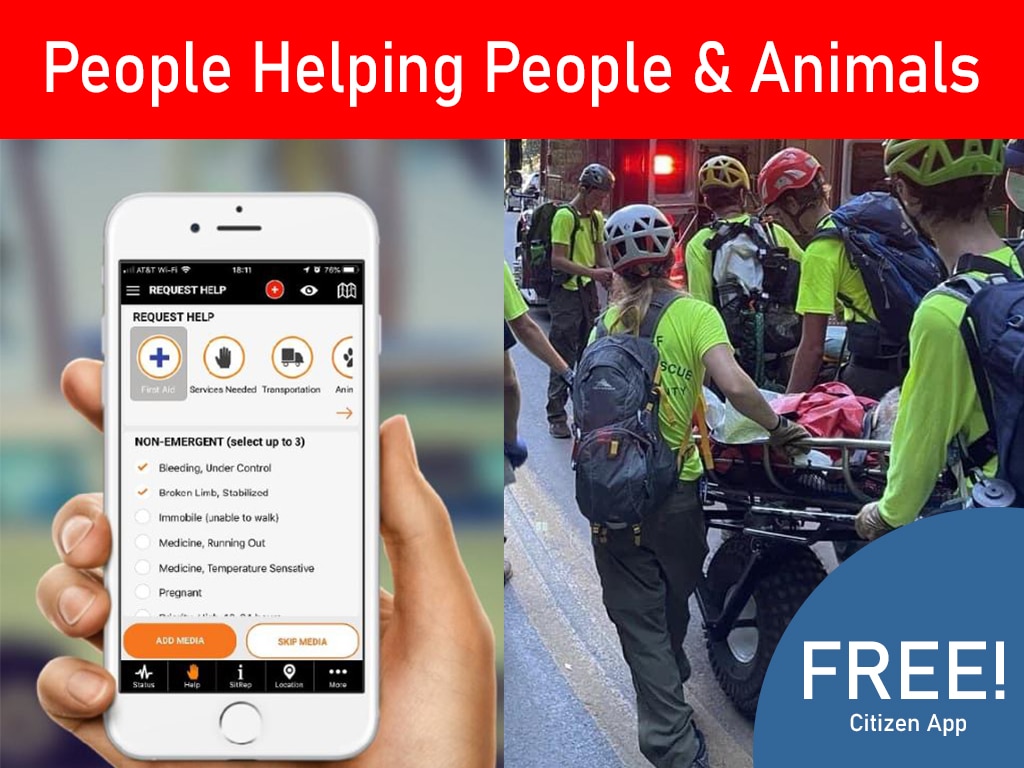
A resilient community is built on connection. It’s about neighbors helping neighbors and organizations working together toward a common goal. As a CERT leader, you know your team is a vital piece of this puzzle, but you also know you can’t operate in a silo. True preparedness requires a seamless flow of information between your volunteers, other response agencies, and the public you serve. This is the modern challenge of emergency management. The right CERT administration software for local preparedness organizations acts as the digital connective tissue for this network, creating a common operational picture that keeps everyone informed and aligned. This guide explores how these platforms break down communication barriers and help you build a more integrated, effective, and truly resilient community response system.
Key Takeaways
- Move beyond spreadsheets and group texts: Adopt a centralized software platform to manage volunteers, communicate clearly, and track incidents from one place. This creates a single source of truth that allows your team to respond faster and more effectively.
- Focus on essential, field-ready features: The best software is easy for every volunteer to use, especially on a mobile device. Prioritize core functions like real-time incident reporting, secure messaging, and simple volunteer check-ins over complex features you may not need.
- Plan your implementation for successful adoption: A new tool is only effective if your team uses it. Create a clear rollout plan that includes assessing your team’s needs, providing hands-on training before an emergency, and creating a system for ongoing feedback.
What is a CERT Team and Why Does it Matter?
When a disaster strikes, who are the first people on the scene? It’s not always a team of professionals. More often, it’s your neighbors and fellow community members. This is where a CERT, or Community Emergency Response Team, becomes so important. CERTs are organized groups of volunteers who receive special training to help their communities prepare for and respond to emergencies. They are a foundational part of a resilient community, acting as a vital bridge in the critical moments before professional help can arrive.
Think of a CERT as your community’s first line of defense. These volunteers are trained to be self-sufficient and to help others when a crisis overwhelms the usual emergency services. They are an essential piece of the puzzle in a coordinated response effort, working alongside public safety agencies and other organizations to keep people safe. Understanding how PubSafe works can show you how these teams fit into a larger, connected network of helpers. By empowering citizens with skills and a clear structure, CERTs ensure that when something goes wrong, there’s a plan in place and people ready to execute it. They represent the power of organized, prepared citizens who can take immediate action, making a tangible difference in the outcome of an emergency for themselves and those around them.
The Role of CERT in Community Response
The role of a CERT is to empower everyday people with the skills to make a real difference. The training focuses on practical, hands-on abilities that are crucial in an emergency. As the California Governor’s Office of Emergency Services explains, CERT members learn basic fire safety, light search and rescue techniques, team organization, and disaster medical operations.
This training is vital because in 95% of emergencies, the immediate help comes from bystanders or the victims themselves. CERT programs take this reality and build on it, giving those initial responders the confidence and know-how to act safely and effectively. They learn how to assess a situation, provide immediate assistance to victims, and organize other volunteers until professional responders arrive.
How CERTs Support Professional First Responders
CERTs are not designed to replace professional first responders like firefighters or paramedics. Instead, they act as a powerful support system. By handling immediate and less complex tasks, CERT volunteers free up professional emergency workers to focus on the most critical and hazardous jobs. This force multiplication makes the entire community response more efficient and effective.
For example, while professional teams handle a major fire or a complex rescue, a CERT might be managing a shelter for displaced residents, conducting preliminary damage assessments, or providing first aid for minor injuries. This division of labor is key. As FEMA notes, this support allows professionals to concentrate on more complex tasks during a disaster. With effective team management, CERTs can be directed to where they are needed most, ensuring a coordinated and streamlined effort.
The Challenges of Managing a CERT Team
As a CERT leader, you know your team is one of your community’s greatest assets. When a disaster strikes, your trained volunteers step up to fill the critical gap before professional responders can arrive. They handle essential tasks, allowing firefighters and paramedics to focus on the most life-threatening situations. But leading this incredible group of people comes with its own set of unique and demanding challenges. The very nature of an emergency, chaotic and unpredictable, can make managing your team feel like an impossible task.
Keeping everyone safe, informed, and effective requires more than just good intentions. It demands a solid operational framework. You have to coordinate volunteers who are scattered across an area, communicate vital information when normal channels are down, and handle a surprising amount of administrative work behind the scenes. Without the right tools, these logistical hurdles can slow down your response, create confusion, and put your dedicated volunteers at risk. Addressing these challenges head-on is the key to building a more resilient and effective CERT program. With the right support system, you can streamline your team management and focus on what truly matters: helping your community when it needs you most.
Tracking and Coordinating Volunteers
During an incident, one of your biggest jobs is getting the right people to the right place at the right time. But when you’re working with a team of volunteers, that’s easier said than done. You need to know who is available, what their specific skills and certifications are, and where they are located. Trying to manage this with phone trees, group texts, or spreadsheets is often chaotic and inefficient.
Without a centralized system, you risk sending an untrained volunteer to a complex task or having multiple people respond to the same need while other areas are ignored. Effective volunteer coordination ensures that every action is purposeful and every team member is accounted for, which is critical for both mission success and volunteer safety.
Communicating During an Incident
When a disaster hits, communication is one of the first things to fail. Cell towers get overloaded, power goes out, and internet access becomes unreliable. Yet, this is when clear, real-time communication is most critical. Your team needs a dependable way to share updates from the field, report new hazards, and request assistance. Relying on standard communication methods can leave your team disconnected and vulnerable.
In many emergencies, CERT members are the first to provide aid, often for up to 72 hours before professional help can reach everyone. A dedicated communication platform allows your team to share crucial details through a single channel, ensuring everyone sees the same information. This helps you maintain situational awareness and make informed decisions, like when to report an incident for broader visibility.
Managing Training and Reporting
The work of a CERT leader doesn’t stop when the incident is over. In fact, a significant amount of administrative work happens before and after an event. You need to track each volunteer’s training records, certifications, and renewal dates to ensure your team is prepared and compliant. Manually managing these records for an entire team can be time-consuming and prone to errors, making it difficult to know who is qualified for which roles.
After a response, you also need to compile reports on volunteer hours, actions taken, and resources used. This data is essential for after-action reviews, securing funding, and demonstrating your team’s impact. Streamlining this process through an official organization registration on a dedicated platform can free up your time to focus on training and readiness.
What is CERT Administration Software?
If you’ve ever tried to manage a CERT team using a mix of spreadsheets, group texts, and phone calls, you know how chaotic it can get. CERT administration software is a dedicated platform designed to bring order to that chaos. Think of it as a central hub for your entire team’s operations. It helps you organize volunteers, communicate during an incident, manage training schedules, and report on what’s happening in the field, all from one place. This kind of software is built to handle the specific challenges of emergency response, where clear communication and quick coordination are everything.
Instead of scrambling to find a volunteer’s phone number or trying to explain a location over a crackly line, you can use the software to see who is available, what skills they have, and where they are needed. It streamlines the administrative work so you can focus on the mission at hand: helping your community. A good platform provides a framework for disaster response that keeps your team connected and effective, whether you’re responding to a major disaster or supporting a local community event. It’s about moving beyond makeshift solutions to a professional, organized approach to volunteer management.
Key Features to Look For
When you start comparing software options, the long list of features can feel overwhelming. Let’s cut through the noise and focus on what truly matters. First and foremost, the software must have a user-friendly interface. If your volunteers can’t figure out how to use it quickly, they won’t use it, especially under stress. The best platforms are intuitive for everyone, regardless of their tech skills. Another critical feature is a customizable dashboard. During an emergency, you need to see the most important information at a glance. A good dashboard lets you prioritize what you see, like new incident reports or volunteer check-ins, giving you better situational awareness.
Volunteer and Training Management
Your volunteers are the heart of your CERT program, and managing them effectively is non-negotiable. Look for software that simplifies every aspect of volunteer and team management. This includes keeping an organized database of your members with their contact information, skills, and certifications. The software should also make it easy to track who is available and deployable at any given moment. Just as important is training management. A great tool will help you schedule training sessions, track attendance, and monitor when certifications are about to expire. This ensures your team is always prepared and that you can confidently coordinate volunteers who have the right skills for the job.
Incident Reporting and Resource Allocation
When an emergency hits, your team becomes the eyes and ears on the ground. Your software needs a strong system for incident reporting to capture what they’re seeing. This feature should allow volunteers to quickly and easily report an incident from their phones, complete with photos and location data. This information can then populate a live map, giving everyone a shared, real-time view of the situation. Equally important is resource allocation. The software should help you track your team’s equipment and personnel, showing you who and what has been assigned to each task. This prevents confusion, avoids duplicating efforts, and ensures your resources are deployed efficiently to where they are needed most.
Real-Time Communication Tools
Clear, immediate communication can make all the difference in an emergency. While group texts are familiar, they can quickly become disorganized and unreliable. Effective CERT software includes built-in, real-time communication tools designed for response teams. Look for features like secure, one-on-one and group messaging, which keeps conversations organized and private. Push notifications and alerts are also essential for sending out urgent information that everyone needs to see instantly. According to research, real-time communication is proven to enhance collaboration and improve outcomes during a crisis. These tools ensure your entire team stays connected and informed, allowing for a faster, more coordinated response.
Popular CERT Administration Software Options
Once you have a clear idea of your team’s needs, you can start exploring specific software options. Many platforms are available to help CERTs and other response organizations, but they each come with different strengths. Some focus heavily on communication, while others are built for detailed incident management. The key is to match the software’s features to your team’s most pressing challenges. Are you struggling to coordinate volunteers in the field? Is your biggest hurdle getting timely information to the public? Or do you need a robust system for tracking resources across multiple agencies?
Choosing the right software can feel like a big decision, but breaking it down makes it manageable. We’re going to walk through five popular options: PubSafe, WebEOC, Veoci, Rave Alert, and TeamReach. Each one serves a slightly different purpose, from comprehensive command center software to simple team communication apps. By understanding what makes each platform unique, you can better identify which one aligns with your operational style, budget, and technical capabilities. Think of this as a starting point for your research, helping you narrow down the field before you schedule any demos.
PubSafe
PubSafe is built around connecting everyone involved in a response, from government agencies and NGOs to individual citizen volunteers. Its platform focuses on creating a common operational picture where information flows seamlessly between different groups. Key features include real-time communication, volunteer coordination, and public incident reporting. As a platform designed for community engagement, PubSafe helps public safety agencies and CERTs work directly with the communities they serve. This makes it a strong choice for teams that want to integrate closely with the public and manage a wide range of stakeholders during an emergency.
WebEOC
WebEOC is a widely used incident management software that excels at organizing information during a crisis. Think of it as a digital command center. Its main strength lies in its customizable boards, which allow your team to track incidents, resources, and tasks in a way that makes sense for your specific operation. According to its developers, WebEOC is designed to support real-time information sharing and collaboration among emergency management agencies. This tool is ideal for CERTs that are part of a larger response structure and need a robust system for managing complex, data-heavy incidents from a central hub.
Veoci
Veoci is a comprehensive platform that supports the entire emergency management lifecycle, from initial planning and training to active response and post-incident recovery. It combines tools for incident management, resource allocation, and communication into a single, unified system. The goal of Veoci is to help organizations streamline their emergency operations and improve overall situational awareness. If your team is looking for an all-in-one solution that can handle day-to-day planning as well as crisis response, Veoci offers a powerful set of integrated tools to manage every phase of an emergency.
Rave Alert
If getting critical information out to your team and the community is your top priority, Rave Alert is a name you should know. This platform is a dedicated mass notification system designed for speed and reliability. It ensures that your alerts, updates, and instructions are delivered quickly across multiple channels, including text, email, and voice calls. The core mission of Rave Alert is to make sure the right information reaches the right people at the right time. For CERTs that need a simple, effective way to broadcast urgent messages, this tool provides a focused and powerful communication solution.
TeamReach
Sometimes, the simplest solution is the best one, especially for volunteer teams. TeamReach is a straightforward communication app designed to keep groups organized and connected. While not a full-blown emergency management suite, it offers essential features like group messaging, event scheduling for trainings or meetings, and a place to share important documents. The platform helps teams stay in sync, which is especially important during critical situations. If your CERT’s primary challenge is internal coordination and you need an easy-to-use tool that everyone can adopt quickly, TeamReach is a practical and accessible option.
How to Choose the Right CERT Administration Software
Selecting the right software for your CERT team is one of the most important decisions you’ll make. When a crisis hits, your ability to communicate and coordinate effectively depends heavily on the tools you have in place. The right platform can streamline everything from volunteer dispatch to incident reporting, helping your team respond faster and more efficiently. The wrong one can create confusion, slow down your operations, and become a source of frustration when every second counts.
Think of this software as the digital backbone of your emergency response efforts. It’s what connects your volunteers in the field to the command center and ensures everyone has the information they need to make smart decisions. As you evaluate your options, it’s helpful to move beyond flashy features and focus on the core functionalities that will truly support your team on the ground. We’ll walk through the most critical factors to consider so you can find a solution that fits your team’s needs, budget, and mission. A great platform provides robust team management capabilities that empower your entire organization.
Ease of Use for Volunteers and Admins
Your CERT team is likely composed of dedicated volunteers with a wide range of technical skills. The software you choose must be intuitive for everyone, not just the tech-savvy members. A complicated system with a steep learning curve will only create a barrier to adoption and could lead to critical delays during an emergency. Look for a platform with a clean, straightforward interface that makes it easy for volunteers to sign up, receive assignments, and report information from the field. For administrators, the software should simplify tasks like managing rosters, tracking certifications, and communicating with the team. The less time you spend on training, the more time you have for practical, hands-on readiness.
Real-Time Incident Reporting
During an emergency, the situation on the ground can change in an instant. Your team’s ability to share information in real time is crucial for maintaining situational awareness and making effective decisions. Your software should allow volunteers to instantly report an incident with photos, location data, and critical details directly from their mobile devices. This live feed of information gives the command center a clear operational picture, helping them identify emerging threats, allocate resources where they’re needed most, and keep professional first responders informed. Without real-time reporting, you’re always one step behind.
Mobile Access for Field Operations
CERT volunteers do their work out in the community, not behind a desk. This makes mobile accessibility a non-negotiable feature for any administration software. A powerful and reliable mobile app ensures your team stays connected and effective while on the move. Volunteers should be able to use their smartphones to access maps, receive push notifications with new assignments, communicate with their team leaders, and submit reports from anywhere. Before committing to a platform, test its mobile app thoroughly. If it’s clunky, slow, or lacks key features, it won’t serve your team well when they need it most. You can install the free PubSafe app to see how seamless mobile operations can be.
Integration with Existing Systems
Your CERT software doesn’t operate in a vacuum. It needs to work well with the other tools and systems your organization and local partner agencies use. Look for a platform that offers integrations with other emergency management software, GIS mapping tools, or mass notification systems. The ability to share data seamlessly between platforms is essential for creating a common operational picture and fostering effective collaboration with police, fire, and public works departments. Strong integration capabilities prevent information silos and ensure that everyone involved in the response is working from the same playbook.
Data Security and Privacy
As a CERT leader, you are responsible for protecting sensitive information. This includes the personal data of your volunteers as well as details about incidents affecting members of your community. Data security and privacy must be a top priority when choosing your software. Ensure the platform uses strong encryption to protect data both in transit and at rest. Review the company’s privacy policy to understand how your data is handled and stored. Choosing a secure platform is fundamental to building and maintaining trust with both your team members and the public you serve.
Scalability for Team Growth
Your CERT program may be small now, but it could expand significantly during a major disaster as more community members step up to volunteer. The software you choose should be able to scale with your needs. It must handle a sudden influx of new users without crashing or slowing down. A scalable platform ensures your operations can continue running smoothly, whether you’re managing a team of 20 or a spontaneous volunteer force of 200. When evaluating options, ask about user limits and performance under high-load conditions to ensure the system is reliable when the stakes are highest. Platforms that support easy organization registration can simplify the process of scaling up.
Cost and Licensing
Finally, you need to consider the budget. Software costs can vary widely, so it’s important to understand the full financial picture before you commit. Look beyond the initial price and consider the total cost of ownership, which includes subscription fees, per-user charges, implementation support, and any costs for add-on features. While free or low-cost options can be tempting, they may come with limitations on features, user numbers, or customer support. Your goal is to find a solution that offers the best value by meeting your team’s essential needs within a budget you can sustain long-term.
How CERT Software Improves Emergency Response
When you’re in the middle of an incident, every second counts. The right software doesn’t just organize your team; it fundamentally changes how you respond to a crisis. It moves you from reactive problem-solving to proactive, coordinated action. By centralizing information and automating key tasks, CERT software gives your team the clarity and efficiency needed to make a real difference when your community needs you most. It’s about working smarter, not just harder, so you can focus on the people who need your help.
Faster Coordination and Communication
During an emergency, a broken game of telephone can have serious consequences. Relying on group texts, radio calls, and phone trees can lead to missed messages and dangerous delays. CERT software cuts through the noise by creating a single source of truth. Everyone from team leads to volunteers in the field gets real-time updates on the same platform. According to FEMA, effective communication tools are critical for coordinating responses and making faster decisions. With a dedicated platform, you can instantly share incident reports, assign tasks, and ensure your entire team is operating with the most current information, turning chaos into coordinated effort.
Streamlined Volunteer Management
Managing a team of dedicated volunteers is rewarding, but tracking everyone with spreadsheets and clipboards is a recipe for headaches. CERT software simplifies this entire process. Imagine being able to see who is available, what their qualifications are, and where they are located, all with a few clicks. A report from the National Volunteer Organizations Active in Disaster highlights how software solutions help track volunteer availability, skills, and training records. This ensures you deploy the right people to the right tasks, making your team’s response faster and more effective. It also makes it easier for volunteers to sign up, check in, and feel like a valued part of the operation.
Better Training and Readiness Tracking
A CERT team’s strength lies in its preparation. But keeping track of who has completed which training, when certifications expire, and who is ready for deployment can be a huge administrative burden. CERT software automates this crucial task. The National Fire Protection Association (NFPA) emphasizes that ongoing training and readiness assessments are vital for an effective response. Good software can track certifications, log training hours, and even send automated reminders for renewals. This helps you maintain a consistently prepared and compliant team, so you can have full confidence that your volunteers are ready to act safely and effectively when called upon.
Data-Driven Performance Reports
After an incident is over, the work of improving for the next one begins. Gut feelings about what went well are helpful, but hard data is what drives real progress. CERT software automatically captures valuable information during a response, from deployment times to resource usage. The International Association of Emergency Managers (IAEM) notes that analyzing response data helps organizations identify trends and enhance future preparedness. These performance reports give you a clear, objective look at your team’s effectiveness. You can pinpoint bottlenecks, celebrate successes, and make informed decisions to refine your strategies, ensuring your team gets better with every response.
How to Implement New CERT Software
Choosing new software is just the first step. A successful rollout is what truly transforms your team’s operations. Bringing a new tool into your CERT program can feel like a massive undertaking, but you can set your team up for success by breaking the process down into a few key stages. A thoughtful implementation plan ensures everyone feels confident and prepared, turning a potentially disruptive change into a smooth and positive transition.
The goal isn’t just to introduce new technology; it’s to solve real problems and make your team more effective when it matters most. By focusing on your team’s needs, setting clear goals, and prioritizing training, you can make sure the software becomes an asset, not a hurdle. The following steps will guide you through a structured implementation process, helping you get the most out of your new CERT administration software from day one. This approach helps build buy-in from your volunteers and ensures the tool is ready for action before a crisis hits.
Assess Your Team’s Needs First
Before you can find the right solution, you need a crystal-clear picture of the problems you’re trying to solve. Start by talking to your team. What are the biggest frustrations for your volunteers in the field? What administrative headaches slow down your program managers? Maybe communication is scattered across different apps, or perhaps tracking volunteer hours and certifications is a manual nightmare.
Gathering this input is essential. Research from the National Institute of Standards and Technology confirms that a deep understanding of your team’s unique requirements is the foundation for improving operational efficiency. Create a simple survey or hold a meeting to identify your top three to five challenges. This initial assessment will become your roadmap for evaluating and implementing any new software.
Set Clear, Measurable Goals
Once you know your pain points, you can define what success will look like. Vague goals like “improve communication” are hard to measure. Instead, get specific. Your objectives should be clear and quantifiable so you can track your progress and see if the new software is actually making a difference. For example, you might aim to “reduce volunteer check-in time by 50% during drills” or “ensure all urgent alerts reach 100% of active members within five minutes.”
As FEMA’s guidance on emergency management suggests, setting specific objectives allows you to evaluate the software’s effectiveness and make informed adjustments. These goals will not only guide your implementation but also help you demonstrate the value of the new tool to your team and any stakeholders.
Integrate with Your Current Workflows
The most effective software is the kind that feels like a natural extension of how your team already operates. A tool that forces a complete overhaul of your processes is likely to meet resistance. When evaluating options, look for flexibility. Can the software adapt to your existing communication protocols or reporting structures? Does it simplify tasks without adding unnecessary complexity?
Studies show that software that complements current processes can significantly reduce friction and improve team performance. For example, a platform with flexible team management features allows you to organize volunteers in a way that mirrors your existing command structure. The easier it is for your team to fit the new tool into their daily habits, the faster they will adopt it.
Train Your Team Before a Crisis Hits
The middle of an emergency is the worst time to learn a new tool. Proactive and thorough training is non-negotiable for ensuring your team is ready. Don’t just send out a user manual and hope for the best. Schedule hands-on training sessions, run practice drills, and create simple, easy-to-access guides for common tasks. Make training a regular part of your team meetings so everyone stays sharp.
Leading organizations like the International Association of Emergency Managers (IAEM) stress that comprehensive training is critical for readiness. Encourage your volunteers to install the app on their phones and practice key functions, like reporting an incident or checking in for an event. This preparation builds muscle memory and confidence, ensuring the software is a powerful asset when you need it most.
Create a Feedback Loop for Improvement
Implementation doesn’t end the day you go live. It’s an ongoing process of refinement. From the start, establish a clear channel for your team to share feedback, report issues, and suggest improvements. This could be a dedicated email address, a channel in your communication app, or a regular agenda item in your team meetings. Actively listen to this input and use it to guide your efforts.
This feedback is invaluable. It helps you identify where additional training might be needed and highlights opportunities to refine your workflows. Best practices in emergency management emphasize that a continuous feedback loop ensures your tools and processes evolve to meet your team’s changing needs. This collaborative approach fosters a sense of ownership among volunteers and makes your entire program stronger.
Pricing and Scalability: What to Expect
Choosing the right software often comes down to budget, but it’s about more than just the price tag. It’s about finding a solution that fits your team’s current needs and can grow with you over time. Think of it as an investment in your team’s effectiveness and your community’s safety. The initial cost is just one piece of the puzzle; you also need to consider long-term value, potential hidden fees, and whether the software can adapt as your program expands.
A platform that seems like a bargain today might become a roadblock tomorrow if it can’t handle more volunteers or increased operational demands. On the other hand, overpaying for features you’ll never use isn’t a smart use of limited resources. The key is to find that sweet spot: a solution that provides the tools you need now while offering a clear, affordable path for future growth. This section will help you understand the common pricing structures and think strategically about scalability.
Understanding Tiered Pricing Models
Most CERT administration software uses a tiered pricing model, which is actually great for teams of all sizes. This structure allows you to select a plan based on your specific needs, like the number of volunteers or the features you require. This flexibility helps you manage costs effectively, ensuring you only pay for what you use. A small, new team doesn’t have to shoulder the same expense as a large, established regional program.
When you’re evaluating options, look closely at what each tier includes. Pay attention to the thresholds that would move you into a higher-priced plan. Is it based on user count, data storage, or access to advanced features? Understanding these triggers will help you forecast future expenses and avoid surprise bills as your team grows.
The Limits of Free and Low-Cost Options
For volunteer organizations, “free” is always an attractive price point. While some free tools can be useful for simple tasks, they often come with significant limitations for emergency management. These platforms may lack critical features, have no dedicated customer support, or present security vulnerabilities. The hidden costs of free software can become painfully obvious during a real incident when you can’t get the support you need or a key feature fails.
Many free tools are generic and not designed for the specific demands of disaster response. They might not offer real-time mapping, incident-specific communication channels, or secure data management. Before committing to a free solution, ask yourself if the trade-offs are worth the risk when your community’s safety is on the line.
Planning for Long-Term Growth
Your CERT program will hopefully grow, and your software needs to be ready to grow with it. A tool that works for 20 volunteers might be completely overwhelmed by 200. Scalability is about more than just adding users; it’s about the system’s ability to handle more data, more incidents, and more complex operations without slowing down. The importance of scalability in a software solution cannot be overstated, especially in a crisis.
When talking to vendors, ask about their plan for future growth. Do they offer regular updates and add new features? A provider that invests in its own platform is more likely to be a reliable long-term partner. Choosing a scalable solution from the start prevents the major headache and expense of having to switch systems down the road.
Make the Right Choice for Your CERT Program
Choosing the right software for your CERT program can feel like a big decision, but it doesn’t have to be complicated. The best place to start is by looking at what your team actually does. A Community Emergency Response Team (CERT) is built on volunteers trained in essential skills like fire safety, light search and rescue, and basic medical aid. Your software should be a direct reflection of these needs, making it easier for your team to do their jobs, not adding another layer of complexity. Think about your daily operations and what would genuinely make them smoother.
The ultimate goal of a CERT is to support professional emergency workers, allowing them to focus on the most critical tasks during a disaster. The right platform achieves this by simplifying your volunteer coordination. Look for software that helps you manage rosters, track availability, and deploy volunteers efficiently. When your team is organized, you become a much more powerful asset to your community’s first responders. Your software should be the backbone of that organization, working quietly in the background so your team can focus on the mission.
To ensure your team operates effectively, it’s also important that your software aligns with established organizational frameworks like the National Incident Management System (NIMS). This structure is key to integrating smoothly with other responding agencies. Additionally, consider how the software supports ongoing training. Since FEMA offers courses for CERT program managers and instructors, a platform that helps you track certifications and share training materials can be a huge advantage in keeping your team prepared and skilled.
Finally, let’s talk about cost. Most CERT programs run on lean budgets, and the basic CERT training course is often provided at no charge. Your administration software should respect that reality. You don’t need to break the bank to get powerful features. Look for budget-friendly or even free options that provide the essential tools for managing your team. The right choice is a platform that delivers real value and helps you serve your community without straining your resources.
Related Articles
- 4 Best Search And Rescue Dispatch Software (2026)
- Best Incident Management Software For Disaster Response Teams
- Volunteer Management Software for Nonprofits & CERTs | PubSafe
Frequently Asked Questions
My team is small and we use group texts and spreadsheets. Why should we switch to dedicated software? That’s a great question, and it’s a system that works for many teams, at least for a while. The main reason to switch is for reliability during an actual crisis. When things get chaotic, you need a single, secure place to see who is available, what their skills are, and where they are located. Dedicated software prevents the confusion of scattered texts and outdated spreadsheets, ensuring you can deploy the right person to the right place safely and without delay. It’s about having a system that works on a bad day, not just a good one.
There are so many features mentioned. What’s the most critical thing to look for in a CERT software? If you have to prioritize just one thing, focus on real-time communication and mobile access. Your volunteers do their work in the community, not behind a desk. They need a simple, reliable way to get assignments and report what they see directly from their phones. A platform that excels at connecting your team while they are on the move will have the biggest and most immediate impact on your effectiveness during an incident.
I’m worried my volunteers won’t want to learn a new app. How can I get them to actually use it? This is a common and very valid concern. The key is to show them how the software makes their volunteer work easier and safer, not more complicated. Introduce the tool during a regular meeting or a low-stress drill, not in the middle of a crisis. Start by having them practice one or two simple tasks, like checking in for an event or reporting a simulated hazard. When they see how it simplifies things and keeps them connected, they will be much more likely to embrace it when it really counts.
Our CERT program has a very small budget. Are there affordable options that are still effective? Absolutely. You don’t need to spend a fortune to get a powerful tool. Many platforms are designed for organizations like yours and offer tiered pricing. This allows you to start with a basic, affordable plan that covers your essential needs for communication and volunteer tracking. Instead of focusing only on the price tag, think about the value. A reliable system that saves you administrative time and improves your response is a smart investment, and it’s often more affordable than you might think.
This all seems overwhelming. What is the very first, most practical step I should take? Before you look at a single demo, just talk to your team. The best first step is to sit down with your volunteers and identify your biggest operational headaches. Make a simple list of the top three to five challenges you face, whether it’s tracking training hours, communicating during an event, or generating reports. That list will become your roadmap, helping you find a software solution that solves your actual problems instead of just adding more technology.