A house of worship may be a place of gathering on ordinary days and a source of shelter, information, and practical support when a community is under pressure. Fires, tornadoes, floods, hurricanes, earthquakes, and active threats can affect faith communities, often with little warning. That responsibility makes preparation more than a checklist. It requires a real plan grounded in the community’s own strengths and trusted relationships.
Why Faith-Based Emergency Preparedness Matters
Faith-based emergency preparedness means creating clear plans, reliable communication systems, and coordinated roles so leaders, volunteers, and congregants can act safely before, during, and after an incident. It turns trusted relationships into organized response capacity.
Houses of worship are more than gathering places. They are trusted community hubs where people build relationships and turn for support during difficult moments. That trust gives faith communities an important role before, during, and after a disaster.
Schedule a free consultation to see how PubSafe can support your preparedness work. Contact PubSafe or visit pubsafe.net to learn more.
Strong social connectedness helps communities prepare for and recover from hazards, and faith-based organizations are well positioned to build that connection. FEMA notes that faith-based and community organizations bring real capabilities to disaster planning, response, and recovery. A prepared congregation can use its trusted relationships, facilities, volunteers, and partnerships to support congregants and neighbors throughout the full disaster lifecycle. During the 2023 Hawaii wildfires, faith-based organizations served as spontaneous shelters and communication hubs when official channels were overwhelmed. In Texas, the Texas Division of Emergency Management partners formally with faith-based disaster relief networks to extend reach during large-scale events. A congregation that plans ahead can join that capacity network effectively.
Key takeaway: Faith communities occupy a unique position in local disaster resilience. Their trusted relationships, physical facilities, and volunteer networks give them capabilities that complement official emergency management. A written preparedness plan ensures that goodwill becomes organized, repeatable action rather than a scramble when warning time is short.
Essential Steps to Create a Faith-Based Emergency Plan
Incidents can occur with little warning, so a written plan gives leaders a shared response instead of leaving decisions to the moment. Effective faith-based emergency preparedness is a practical cycle of assessment, coordination, planning, and regular exercise.
- Assess hazards and vulnerabilities. Review risks relevant to your facility and location. Walk through entrances, exits, parking, utilities, and gathering spaces to identify weak points. Include hazards specific to your region such as wildfire zones, flood plains, or severe weather corridors.
- Appoint an emergency coordinator. Designate one safety team leader to own the planning process. The Los Angeles emergency preparedness program recommends this step for every congregation as the single point of accountability for plan maintenance.
- Identify leadership roles. Build a response team with defined responsibilities for evacuation, first aid, communications, and member support. Include alternates for every function so the plan survives absences.
- Inventory supplies. Check emergency kits, first-aid materials, flashlights, batteries, and essential documents. Ready Illinois recommends that houses of worship inventory supplies before a disaster rather than searching for equipment during one.
- Document response procedures. Write plain-language steps for sheltering, evacuation, reunification, and communications. Include accessible routes for members with disabilities and translation resources if your congregation includes non-English speakers.
- Exercise regularly. Test notification systems and evacuation routes to identify gaps before a real emergency. Schedule annual reviews and revise as conditions change. Consider drills that vary by scenario so members build familiarity with different response modes.
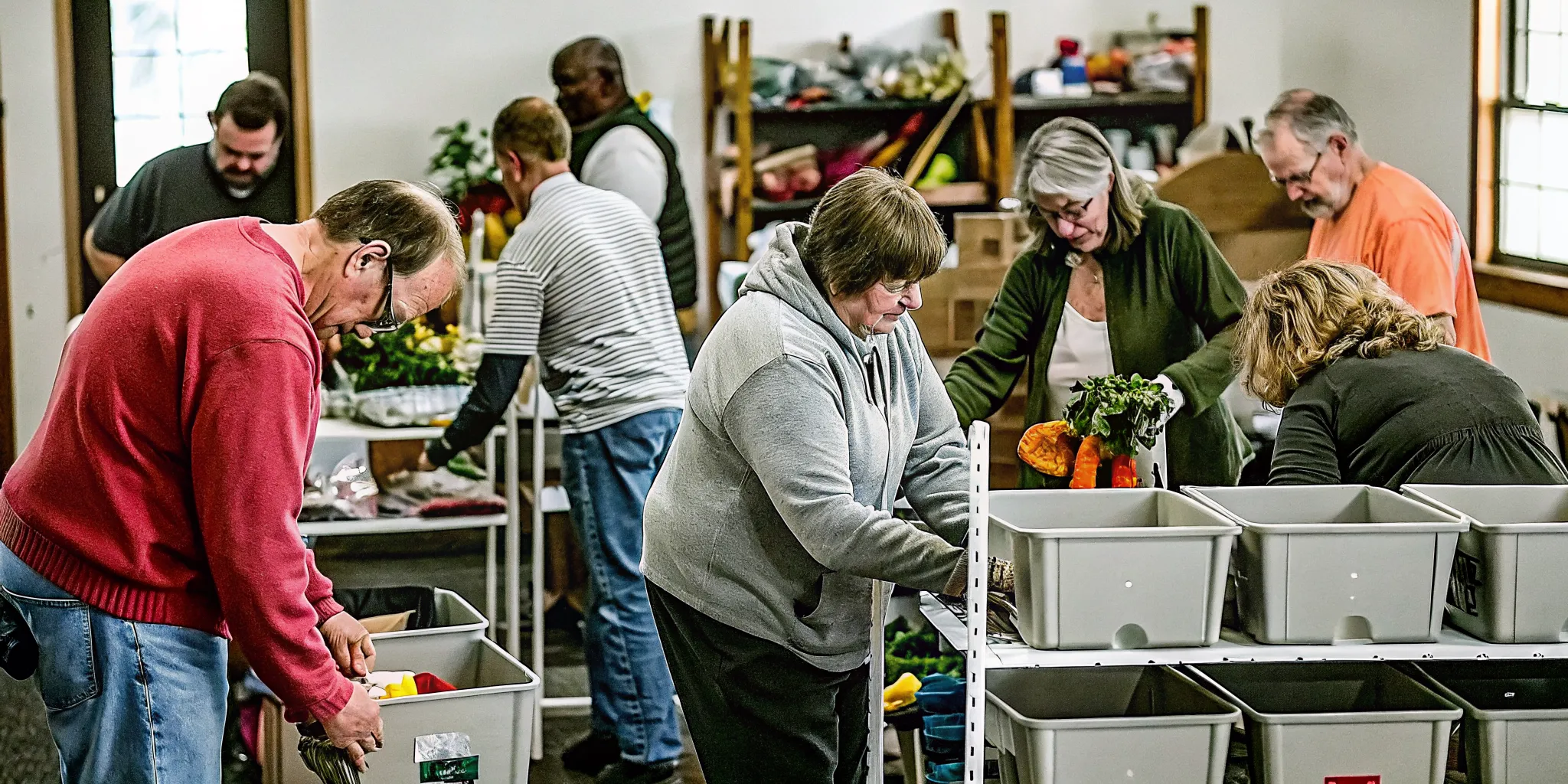
Key takeaway: A six-step cycle of hazard assessment, team building, supply inventory, written documentation, and regular exercise keeps your plan current and actionable. Each step builds on the last so no critical element is overlooked when the plan is activated for a real incident.
How Do You Build a Communication Plan for Congregation Safety?
A communication plan helps the right people receive the right instruction quickly. Start by creating a current contact list for congregants, staff, clergy, and emergency partners. Organize by role and location, and identify members who may need an alternate communication method such as text-to-speech devices or relay services.
Los Angeles emergency management recommends a phone tree as a practical foundation, especially for members who do not regularly use apps or email. Combine it with a digital notification system for text messages or app alerts. Digital tools distribute one consistent message rapidly, while the phone tree provides personal follow-up for those who may need clarification or reassurance.
The PubSafe emergency communication tools guide helps safety teams evaluate how different channels work together. Test each method regularly and confirm that messages reach intended recipients. Ready Illinois specifically advises faith-based organizations to regularly test notification systems and evacuation routes, not just at launch but on a recurring schedule as contact information changes.
Key takeaway: A layered communication strategy combines digital alerts for speed with a phone tree for personal reach. Regular testing of both channels ensures the system works when stress is highest. Keep contact information current through quarterly reviews so the directory reflects recent changes in membership and staffing.
What Safety and Security Steps Should Faith Facilities Take?
Effective safety planning begins with the building itself. Houses of worship face diverse hazards, so a single generic response plan is unlikely to address every risk. A thorough facility assessment creates a baseline that informs every other element of the preparedness plan.
Walk through the facility. Check entrances, exits, hallways, classrooms, utility spaces, and parking areas. The Los Angeles Emergency Management Department recommends regular facility walkthroughs to find vulnerabilities such as unlit parking lots, unlocked side doors, and overgrown sightlines that could conceal threats.
Plan evacuations around real needs. Account for members with limited mobility, sensory disabilities, or medical needs. Identify accessible exits and backup routes. Ready Illinois advises faith-based organizations to address disability needs in evacuation planning rather than assuming a single route works for everyone.
Manage access during large events. Decide which entrances will be open and who monitors them. Keep emergency exits clear and unobstructed from both sides. FEMA identifies access control as an important part of protecting congregants during services, especially when multiple buildings and outdoor areas are in use simultaneously.
Assess before reopening. After a disaster, confirm the facility is structurally safe before allowing members inside. Document damage with photos and follow official guidance from local building inspectors and emergency management authorities.
Key takeaway: Regular facility walkthroughs, accessible evacuation routes for all mobility levels, controlled access during gatherings, and a post-disaster structural assessment step reduce the risk that a building meant to provide safety becomes a source of additional danger.
How Can Volunteer Coordination Software Support Faith-Based Disaster Response?
Faith communities often rely on a mix of staff, congregants, partner organizations, and spontaneous volunteers. During an emergency, that network is valuable only when leaders can see what is happening and assign work without losing information across disconnected channels.
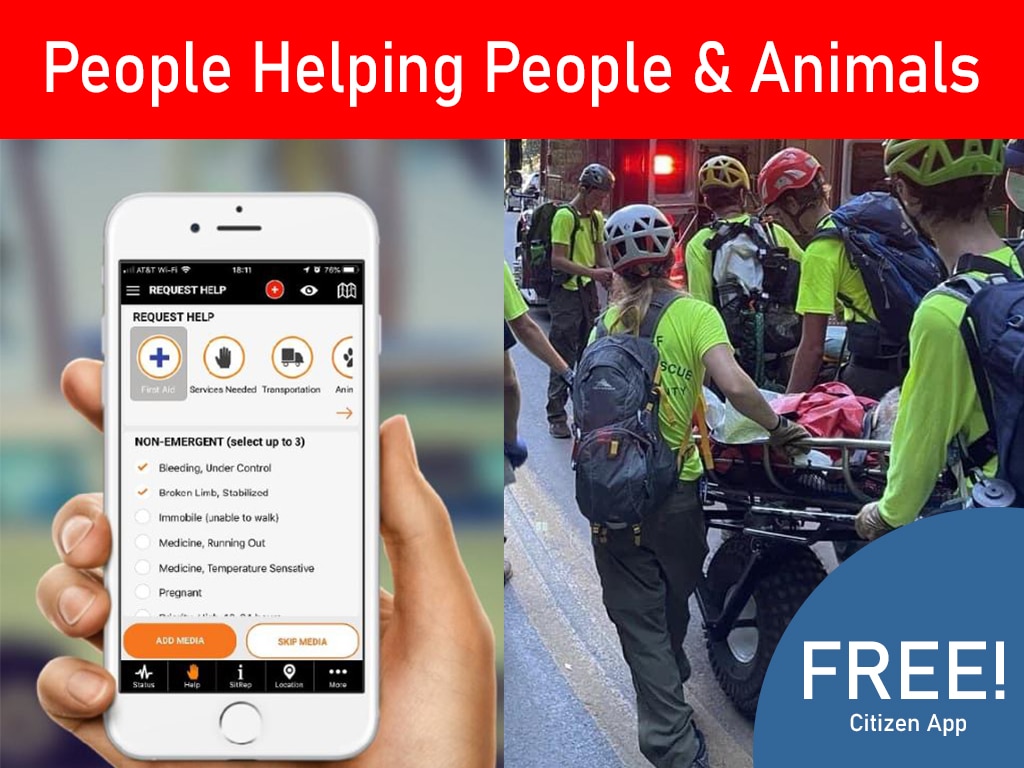
The PubSafe disaster response platform provides a shared coordination layer. Incident reporting gives volunteers a consistent way to record needs. Volunteer scheduling connects those reports to people who can respond by role, skill, or location. Real-time mapping adds geographic context so leaders understand where impacts are concentrated and direct resources accordingly. For organizations building a stronger response capability, managing volunteer credentials helps leaders know who is trained for specific responsibilities before assigning them.
Response does not end when immediate danger passes. Houses of worship may continue helping families for months. Digital volunteer management keeps contact active and makes it easier to schedule recurring work and record completed assignments. When funding or grant reporting is involved, tracking volunteer efforts for funding helps substantiate community service value for FEMA reimbursement or foundation grants.
Used alongside a practical faith-based emergency preparedness plan, software turns goodwill into organized, sustainable response. For more on deploying volunteers efficiently, see PubSafe’s volunteer coordination resources.
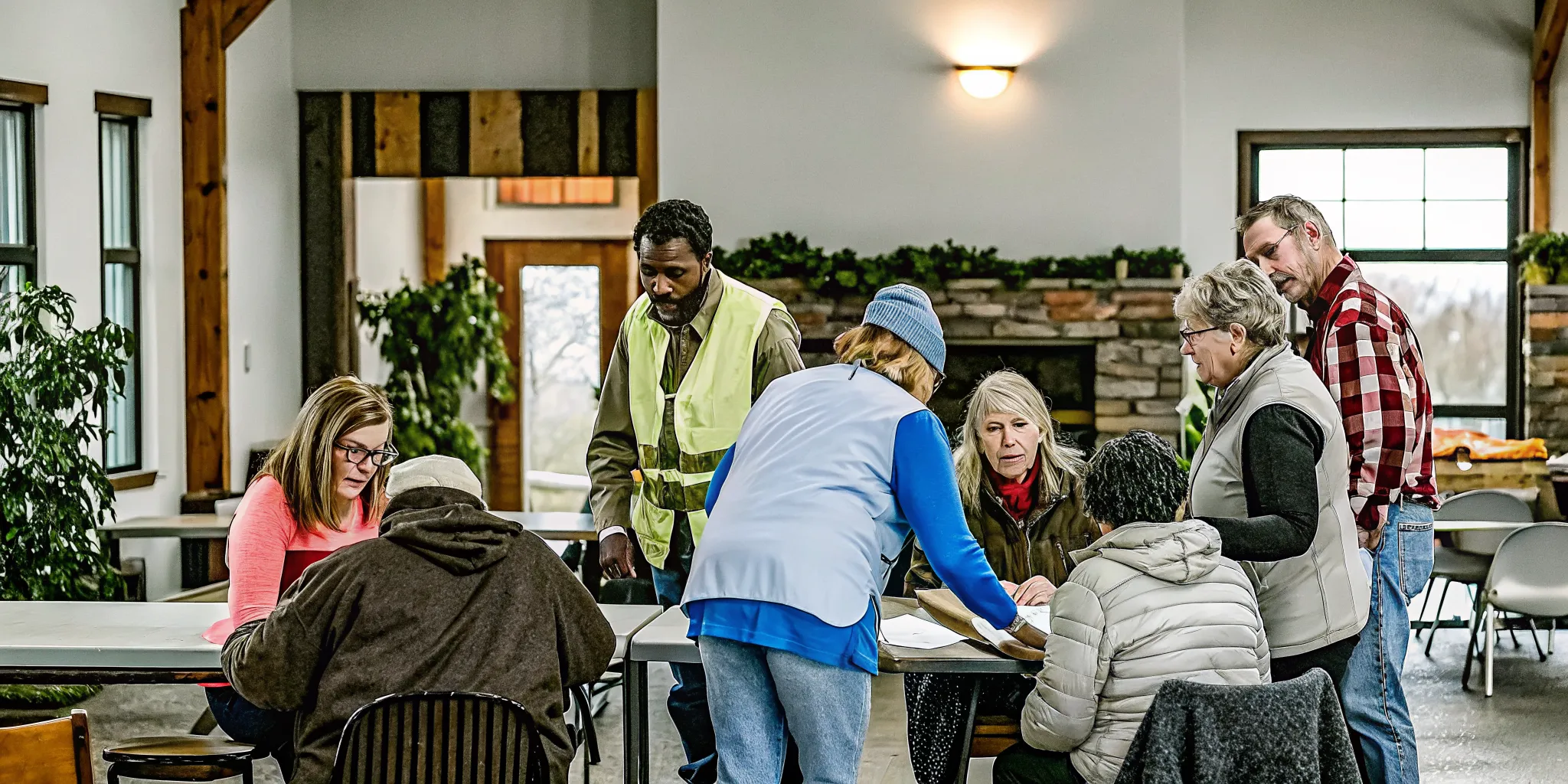
Key takeaway: Incident reporting, volunteer scheduling, credential tracking, and real-time mapping centralize information that otherwise scatters across separate tools. A shared platform turns a community’s willingness to help into organized, sustained response with verifiable records for grant reporting and continuous improvement.
Building a Culture of Readiness
A written plan is the foundation, but a prepared congregation embeds readiness into its routines. That means orienting new members on safety procedures, assigning emergency coordinator succession so the role is never vacant, and building relationships with local emergency management agencies before a crisis. When a faith community treats preparedness as an ongoing practice rather than a binder on a shelf, it becomes a genuine resilience asset for everyone in its reach.
Small investments in communication tools, supply management, and coordination software compound over time. Each drill, each updated contact list, and each trained volunteer raises the congregation’s effective response capacity. The communities that have weathered major disasters most effectively are often those that had trusted local institutions ready to act when official systems were strained.
Key takeaway: Preparedness is a continuous practice, not a one-time project. Orientation for new members, coordinator succession planning, and standing relationships with local emergency management turn a static plan into an active resilience capability that grows stronger over time.
Frequently Asked Questions
What hazards should a house of worship include in its emergency plan?
Plan for fires, tornadoes, floods, hurricanes, earthquakes, and active threats. Include evacuation routes, shelter locations, leadership roles, and reunification procedures. FEMA guidance for houses of worship provides additional context for hazard-specific planning steps that go beyond a generic template.
How often should a congregation test its emergency communication plan?
Test notification systems, contact lists, and phone trees at least quarterly. Each exercise should confirm that messages reach intended members and that contact information is current. Ready Illinois offers a practical reference for testing schedules tailored to faith-based organizations.
Can software support a house of worship during disaster response?
Yes. A digital platform centralizes incident reports, volunteer schedules, and real-time maps, helping leaders coordinate response from one place. PubSafe supports these functions for faith-based groups. Software reinforces a tested plan but does not replace training, facility readiness, or clear leadership roles.
Who should lead emergency planning at a faith-based organization?
A designated emergency coordinator with a backup successor who understands both the facility and the congregation’s needs. This person manages plan updates, coordinates training, and serves as the primary liaison with local emergency management.
How does volunteer credentialing improve disaster response?
Credentialing ensures that volunteers assigned to specific roles have the required training and background checks before they are deployed. It reduces liability, improves response quality, and helps faith-based organizations qualify for formal disaster-relief partnerships with local and state agencies.
Schedule a PubSafe Demo
A clear plan is easier to maintain when your team can coordinate information, people, and response in one place. Contact PubSafe to schedule a demo of PubSafe’s disaster response platform and see how it supports your faith-based emergency preparedness work.