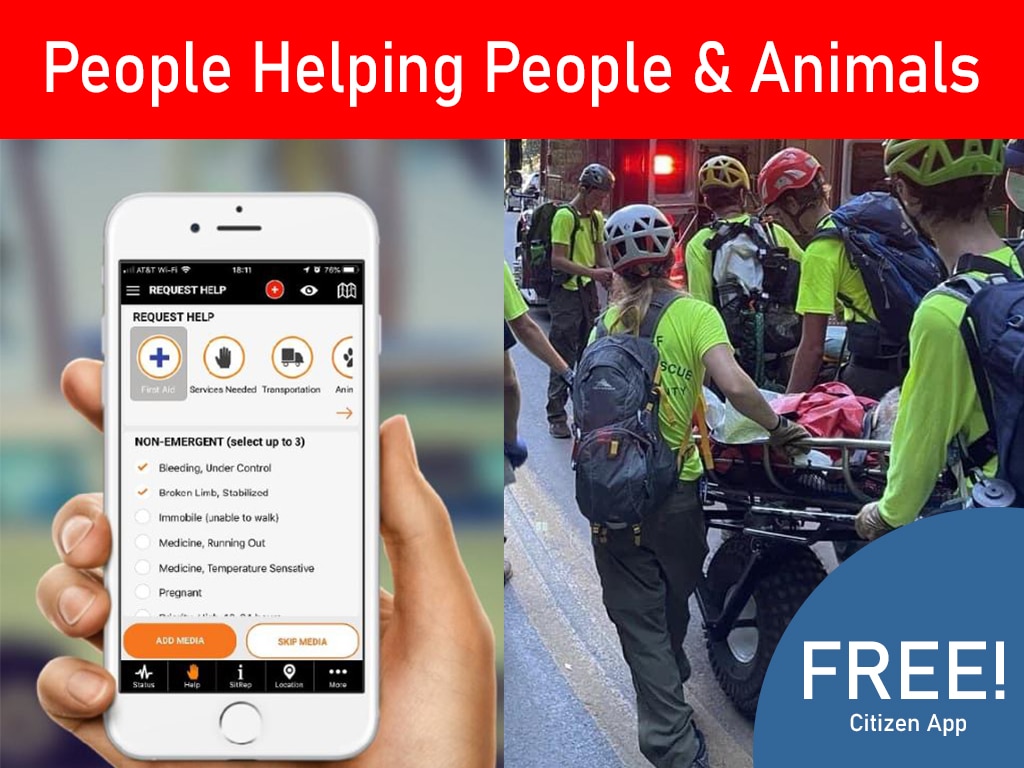
When an evacuation order is issued, animals create an immediate operational challenge. Residents may refuse to leave without their pets. Livestock owners need reliable information on access routes and shelter options. Animal welfare teams need to know where help is needed, which facilities have capacity, and whether a reported animal has already been assisted. Animal disaster response software gives emergency managers and animal-response partners a structured way to turn those moving details into coordinated action.
The goal is not simply to collect reports. It is to protect people and animals by giving the right team a current, accountable picture of needs across the community.
Why animal operations need a connected response system
Animal response often crosses organizational boundaries. Emergency management may coordinate the incident. Animal control may conduct field operations. Humane societies, veterinary partners, volunteer groups, agricultural extension offices, and shelters may each own part of the mission. Without a shared operating system, critical details get scattered across phone calls, email threads, paper forms, personal text messages, and separate spreadsheets.
That fragmentation causes avoidable delays. A volunteer may deploy without the right training. A field team may visit an address already assigned to another unit. A shelter may accept animals without an accurate record of the owner, intake condition, medication needs, or reunification status. Command staff may have no dependable way to answer a simple operational question: Where are the highest-priority animal needs right now?
A purpose-built platform organizes the work around the incident. It brings reports, people, tasks, records, locations, and communications into a shared environment that can be accessed securely by authorized personnel. That matters during fast-moving events, but it is equally valuable during blue-sky preparedness, when agencies can build records, define workflows, and verify readiness before conditions deteriorate.
What animal disaster response software should support
The right system should reflect the full animal-response mission, not treat it as an afterthought in a generic task board. Capabilities should support the transition from community reporting to verified action, then from field activity to documented outcomes.
Community reports that create actionable leads
Residents are often the first to see a loose animal, a flooded kennel, a stranded horse, a damaged barn, or a neighbor who cannot evacuate because of multiple pets. A citizen-facing reporting tool can capture the location, photos, contact information, description of the need, and urgency of the situation.
Those reports require review. Not every submission is accurate, current, or within the agency’s responsibility. Software should allow designated staff to triage incoming information, identify duplicates, assign a priority, and convert a verified report into a mission or work order. This preserves the value of local intelligence without sending field resources based on incomplete information.
Mapping that supports field decisions
Animal incidents are location-dependent. A live operational map helps coordinators see reports, assigned units, shelters, staging areas, road closures, flood zones, and other conditions in the same operational picture. A point on a map is more useful when it is connected to a record showing what was reported, who owns the follow-up, what resources are needed, and the current status.
Mapping is especially useful for identifying patterns. Multiple reports from one rural area may indicate a broader livestock-access problem. A cluster of pet-assistance requests near an evacuation zone may signal transportation barriers or an unmet public-information need. Mapping does not replace incident judgment, but it gives leadership stronger evidence for where to send resources first.
Volunteer, credential, and training management
Animal response can attract willing volunteers quickly. That support is valuable, but spontaneous help must be organized safely. Teams may need animal-handling experience, transport capability, personal protective equipment, vaccination records, background checks, radio access, or incident-specific training.
A connected system allows coordinators to maintain volunteer profiles and certifications before an incident, then match people to appropriate assignments when operations begin. It can also document check-in, deployment, hours, task completion, and demobilization. This protects volunteers, reduces supervisory uncertainty, and creates a defensible record of who performed each mission.
Shelter and reunification records
Sheltering operations require more than a count of animals on site. Staff need intake details, owner contact information, animal descriptions, medical or behavioral notes, custody information, photographs, identification numbers, and release documentation. These records must remain accessible to authorized staff across shifts without exposing sensitive personal information unnecessarily.
Reunification is where accurate records become personal. An animal may arrive at a temporary shelter without its owner, while the owner is at an evacuation center or staying with family outside the affected area. Searchable records, status updates, and controlled communications make it easier to connect families with their animals while maintaining verification procedures.
Build workflows around the mission, not the software
Agencies should not start by asking which feature list looks longest. Start with the operational handoffs that routinely create problems. A practical workflow may begin when a resident reports a need, continue through triage and assignment, document field action, and close only after the animal is sheltered, transported, treated, reunited, or otherwise accounted for.
For example, a report of pets left at an evacuated residence might be reviewed by an intake coordinator, assigned to an animal-control field unit, and displayed on the operational map. The field unit records arrival, photographs conditions if appropriate, updates the animal’s status, and creates an intake record if transport is required. Shelter staff can then see the incoming animal and, later, record reunification. Command can monitor open missions and aging requests without manually consolidating updates from multiple teams.
The workflow should vary by incident. Hurricane operations may prioritize evacuation assistance and shelter capacity. Wildfire operations may require rapid access verification, livestock movement coordination, and road-status awareness. Flooding may create repeated welfare checks as conditions change. The system should provide structure while allowing incident leaders to adapt categories, forms, assignments, and approval steps to the event.
Secure information handling is part of animal care
Animal missions often involve personal addresses, phone numbers, evacuation status, medical information, ownership disputes, and details about vulnerable residents. Treating this data casually can damage public trust and complicate the response.
Look for role-based access, controlled records, auditability, and cloud access that supports authorized teams operating from command posts, shelters, field locations, and partner agencies. A volunteer may need assignment details but not access to every resident record. A shelter supervisor may need intake information but not administrative control over incident-wide operations. Clear permissions help organizations share enough information to act while protecting the people they serve.
This is also where generic tools can fall short. A shared spreadsheet may be fast to create, but it rarely provides dependable permissions, real-time accountability, or a unified history of decisions. It may work for a small, short event. It becomes harder to manage when multiple shifts, agencies, and animal populations are involved.
Prepare animal-response data before the emergency
The best time to establish animal-response operations is before an evacuation order. Agencies can use preparedness periods to organize partner contacts, identify shelters and veterinary resources, record volunteer capabilities, create intake and field-assessment forms, and establish mission-status definitions.
They can also exercise the workflow. Run a tabletop scenario involving a damaged boarding facility, a neighborhood evacuation with residents who have pets, or a livestock trailer request along a closed roadway. Test who receives public reports, how they are validated, how field teams are dispatched, and who has authority to close a mission. Exercises often reveal that the challenge is not a lack of caring people. It is unclear ownership of information at the moment decisions need to be made.
PubSafe supports this connected operating model by bringing citizen reports, volunteer records, dispatch activity, work orders, alerts, and live mapping into one cloud-based response environment. For organizations responsible for People Helping People & Animals, the value is a clearer path from a community observation to a documented operational outcome.
Choose a system your partners will actually use
Adoption matters as much as capability. A platform should be understandable for dispatch staff under pressure, usable by field supervisors on mobile devices, and structured enough for command staff to maintain oversight. It should also support partner organizations without forcing every participant into the same role or level of access.
Ask how the system handles duplicate reports, assignment changes, offline or low-connectivity conditions, shelter intake, volunteer qualifications, and post-incident reporting. Request a demonstration built around an animal-response scenario rather than a generic presentation. The best fit depends on your jurisdiction, partner network, animal population, and the types of incidents you face most often.
When the next incident forces difficult choices, coordinated animal operations can help residents evacuate sooner, responders work with greater clarity, and families regain what they feared was lost. Build the process now so your community can act with care when every minute carries consequences.