We wouldn’t navigate a cross-country trip with a folded paper map anymore, so why would we manage a disaster response with spreadsheets and phone trees? The tools we use for everyday life have evolved, and so have the tools for emergency management. For CERT teams on the front lines, this shift is critical. Relying on outdated, manual processes creates bottlenecks and risks that are simply unacceptable in a crisis. This guide explores the next step in your team’s evolution: adopting community disaster response software for CERT coordinators. We’ll show you how these modern platforms deliver the speed and clarity needed for a truly effective response.
Key Takeaways
- Ditch outdated tools: Spreadsheets and phone trees are too slow and error-prone for a real crisis, leading to confusion and delayed responses when clarity is most needed.
- Adopt a central command center: The right software provides a single source of truth, connecting your volunteers, incident reports, and partner agencies on one emergency management platform for better situational awareness and decision-making.
- Choose strategically and practice often: Select software based on your team’s real-world needs, involve volunteers in the decision, and use the platform in regular drills to ensure everyone is proficient before an emergency.
What is CERT and What Does a Coordinator Do?
If you’re involved in community safety, you’ve likely heard of CERT. These teams are the backbone of neighborhood-level disaster response, and at the heart of every effective team is a dedicated coordinator. Understanding the program and the coordinator’s role is the first step in building a more resilient community. It helps clarify the challenges you face and why having the right tools is so important for success.
A Quick Look at the CERT Program
CERT stands for Community Emergency Response Team. It’s a national program that educates volunteers about disaster preparedness for the specific hazards that may impact their area. The goal is to train people in basic disaster response skills so they can help their communities when professional responders are not immediately available. Think of it as neighbors helping neighbors, but with some serious training behind them.
The CERT program teaches skills like fire safety, light search and rescue, team organization, and disaster medical operations. This training empowers citizens to take an active role in emergency situations. Instead of feeling helpless, CERT members have the knowledge to make a real difference, providing critical support until help arrives.
The Coordinator’s Role in Disaster Response
A CERT Coordinator is the central point of contact and the organizational leader for a local team. While CERT members provide the hands-on help, the coordinator ensures the team runs smoothly. Their responsibilities often include recruiting new members, organizing training sessions, and managing communications during drills and actual emergencies. They are the link between the volunteers and the local emergency management agency.
After a volunteer completes their initial training, they connect with their local CERT Coordinator to finish the hands-on portion and get integrated into the team. During an incident, the coordinator is crucial for effective volunteer coordination, directing members to where they are needed most and ensuring everyone operates safely. They help CERT members assist emergency services personnel, ultimately saving lives and protecting property.
Common Challenges Coordinators Face
In a major disaster, professional emergency services can quickly become overwhelmed. Statistics show that in most emergencies, the first person to offer aid is a bystander or another victim, not a first responder. This means community members may need to rely on each other for hours or even days before professional help can reach them. This gap is where CERT teams, and their coordinators, face their biggest test.
Coordinating a response under these conditions is incredibly difficult. You need to quickly assess the situation, deploy volunteers where they can be most effective, and maintain clear communication without reliable infrastructure. Knowing where help is needed most requires real-time information, which is why the ability to report an incident from the field is so critical for guiding your team’s efforts.
Why Manual Coordination Isn’t Enough
When a crisis hits, we often fall back on familiar tools. But the spreadsheets, phone trees, and group chats we use for everyday planning just can’t keep up with the fast-moving nature of a disaster. Relying on these manual methods can create bottlenecks and confusion right when clarity is most critical. For a CERT team to be truly effective, coordination needs to be as dynamic as the situation you’re facing.
The Limits of Spreadsheets and Phone Trees
Think about your master volunteer spreadsheet. The moment you save it, it’s already on its way to being outdated. As you receive new information about volunteer availability or assignments, you have to update it manually, creating version control nightmares. Phone trees are just as fragile; a single missed call or unanswered text can break the chain of communication, leaving part of your team in the dark. These manual processes are not only slow but also filled with opportunities for human error, leading to delays and mistakes that can have serious consequences during an emergency response.
The Risks of Poor Communication
In a disaster, clear and rapid communication is everything. When information isn’t shared effectively, teams can end up duplicating efforts, like sending two groups to the same address while another area gets no help at all. This kind of confusion wastes precious time and resources. Research on communication in emergency management shows that breakdowns often lead to a failure to meet the community’s most urgent needs. In the high-stress environment of a disaster, miscommunication isn’t just an inconvenience; it can directly impact the safety and well-being of both your volunteers and the people you’re trying to help.
How the Right Software Helps
This is where a dedicated disaster response platform changes the game. Instead of a static spreadsheet, you get a live, centralized system that everyone can access. It replaces unreliable phone trees with instant, targeted alerts that reach your entire team at once. The right software provides a single source of truth, giving you real-time data, better situational awareness, and a clear view of your operations. These tools automate routine tasks, reduce the risk of error, and ensure all stakeholders are on the same page. This allows you to see exactly how disaster response works when your team, other agencies, and citizen reports are all connected in one place.
What to Look For in Disaster Response Software
Choosing the right software is a big decision. When you’re in the middle of an emergency, your tools should make your job easier, not add another layer of complexity. The goal is to find a platform that acts as a central nervous system for your entire operation, connecting your team, your resources, and the community you’re serving. A powerful tool can transform a chaotic situation into a coordinated, effective response.
As you evaluate your options, focus on a few key capabilities that are non-negotiable for any serious CERT operation. These features are the building blocks of a resilient and prepared team. Look for a solution that handles the fundamentals flawlessly, from communicating with your team in real-time to managing the volunteers who make your work possible. Here are the essential features to prioritize in your search.
Real-Time Communication
During a crisis, information is everything, but it changes by the second. Phone trees and email chains are too slow and quickly become outdated. Your software needs to provide a single source of truth with instant communication tools. Look for features like secure group messaging, push alerts, and a live activity feed. This ensures every volunteer, whether they’re in the field or at the command post, has the most current information. Effective real-time communication means you can adapt quickly, reroute teams, and share critical safety updates without delay, keeping everyone on the same page when it matters most.
Volunteer and Team Management
Your volunteers are your greatest asset, but managing them can be a huge challenge. The right software moves you beyond clipboards and spreadsheets. It should give you a clear dashboard to manage your entire team, track certifications, and see who is available and deployable at a glance. When you can easily assign tasks and monitor progress, you ensure that the right people with the right skills are sent where they’re needed most. This level of organization is crucial for an effective response and is a core part of any good team management system that helps you maximize your impact.
Incident Reporting and Damage Assessment
To direct your response effectively, you need to see the full picture of what’s happening on the ground. Your software should empower your team members to act as your eyes and ears. Look for tools that allow volunteers to easily report an incident directly from their phones, complete with photos, notes, and precise GPS locations. This data can then be plotted on a shared map, giving you a live, comprehensive view of the situation. This allows you to identify hotspots, assess damage, and prioritize where to send resources, turning individual reports into actionable intelligence for your entire team.
Resource and Logistics Management
A disaster response can quickly stall without proper logistics. Tracking critical supplies like water, medical kits, and equipment is a massive undertaking. Your software should offer features for resource and logistics management, giving you a centralized inventory of what you have, where it is, and where it needs to go. This prevents critical shortages and ensures that your resources are deployed efficiently, not wasted or lost in the shuffle. A comprehensive disaster response platform integrates logistics directly into your operational workflow, connecting your people with the supplies they need to do their jobs.
Training and Preparedness Tools
The time to learn new software is not during a hurricane or a wildfire. A great platform should also be a great training tool. Look for software that allows you to run drills and preparedness exercises so your team can build confidence and familiarity with the system before an actual emergency. Using the platform for routine events and training helps build the muscle memory needed for a smooth response when stakes are high. You can start by getting your organization registered and running your team through simulated scenarios to identify and fix gaps in your plan before a real disaster strikes.
Top Disaster Response Software for CERT Teams
Choosing the right software for your CERT team can feel like a huge task. With so many options available, each promising to be the perfect solution, it’s easy to get overwhelmed. The truth is, the “best” software really depends on your team’s size, your community’s specific risks, and how you plan to work with other local agencies. Some platforms are designed for grassroots community collaboration, while others are built to serve large, government-run emergency operations centers. The key is to find a tool that matches your team’s workflow and goals.
To help you sort through the noise, I’ve put together a list of some of the top disaster response platforms that CERT coordinators are using. We’ll look at what makes each one unique, from its communication style to its management features. My goal is to give you a clear picture of what each platform offers so you can find the one that truly supports your volunteers and helps you build a more resilient community. Think of this as your starting point for finding a tool that will make your job easier and your team more effective when it matters most.
PubSafe
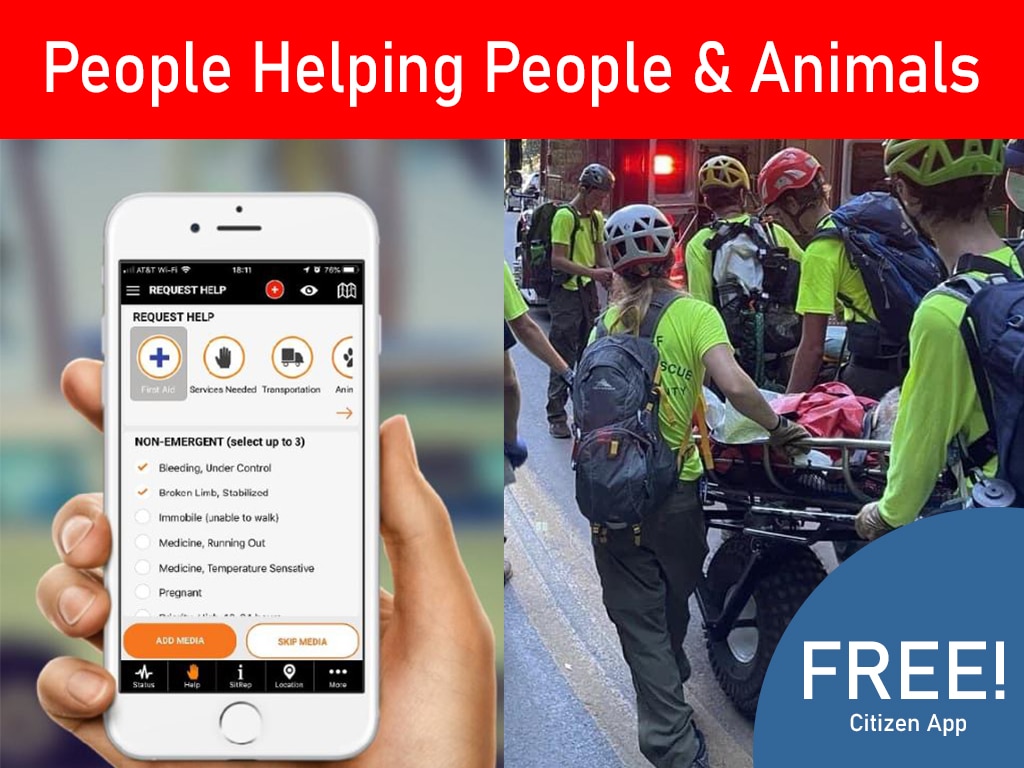
PubSafe is built from the ground up with community collaboration in mind. It excels at connecting CERT teams not just with their own volunteers, but also with citizens, NGOs, and public safety agencies on a single, shared platform. This makes it incredibly effective for creating real-time situational awareness for everyone involved. Volunteers can use the app for reporting an incident with photos and location data, which then appears on a public map. As a coordinator, you can use the team management features to assign tasks, track volunteer locations, and communicate directly with your members. It’s a great fit for teams that want to empower their community and work closely with a wide range of local partners.
WebEOC
WebEOC is a powerhouse in the world of emergency management and is often the standard for Emergency Operations Centers (EOCs) at the city or county level. Think of it as a digital command center. Its strength lies in its highly customizable boards that allow agencies to track everything from road closures and shelter capacity to resource requests and personnel assignments in one shared space. For a CERT coordinator, you might use WebEOC to feed information directly to your local EOC, ensuring your team’s on-the-ground efforts are visible to official response agencies. It’s an excellent tool for interoperability and is ideal for teams that are tightly integrated with government emergency services.
CrisisGo
If your focus is on preparedness and streamlined communication drills, CrisisGo is a strong contender. This platform helps you organize your emergency plans, checklists, and communication protocols all in one place. You can create and run drills to make sure every volunteer knows their role when a real event happens. During a crisis, it provides clear communication channels to keep everyone informed and on task. CrisisGo is particularly useful for CERTs that operate within specific organizations, like schools or large businesses, as it helps standardize safety procedures across the board. It’s a solid choice for building muscle memory and ensuring your team can respond quickly and effectively.
Rave Mobile Safety
Rave Mobile Safety is best known for its powerful mass notification system. If your primary challenge is getting critical information out to your volunteers and the public quickly, this platform delivers. It allows you to send alerts via text, email, and voice calls to specific groups or geographic areas. Beyond notifications, Rave also offers tools for incident management and safety profiles, where individuals can provide information that helps first responders in an emergency. For CERT teams, this is a fantastic way to manage communications at scale, ensuring that your safety messages, evacuation notices, and volunteer instructions are received by everyone who needs them.
How Software Improves CERT Team Coordination
As a CERT coordinator, you know that a successful response hinges on clear communication and organized action. While manual methods like phone trees and spreadsheets might work for small drills, they quickly fall apart in a real crisis. This is where disaster response software becomes a game-changer. It provides a single, reliable platform to manage your team, communicate with partners, and make sense of a chaotic situation. Instead of juggling multiple channels, you have one source of truth.
This shift from manual to digital coordination isn’t just about convenience; it’s about effectiveness. Research from the National Institute of Standards and Technology highlights that software tools significantly enhance situational awareness and make task assignments more efficient. When your team has the right information at the right time, they can respond faster and more effectively. A dedicated platform helps you see the full picture, from volunteer availability to incident reports, allowing you to direct your team’s efforts where they are needed most. For CERT teams working with multiple agencies, having a government emergency communication system ensures seamless coordination across organizations. This is how you build a more coordinated and resilient response effort from the ground up.
Streamline Task Delegation
During an emergency, confusion is the enemy. A centralized software platform helps you cut through the noise by making task delegation clear and simple. You can assign specific jobs to individual volunteers or teams, track their progress in real time, and adjust plans as the situation evolves. This means no more wondering if a critical task was completed or who is handling a specific assignment.
Everyone on your team can see their responsibilities, which allows them to focus on their work without second-guessing. This level of organization is crucial for effective volunteer coordination and ensures that every action your team takes is purposeful. With a clear view of all ongoing tasks, you can manage your team’s workload and prevent burnout while ensuring all critical needs are met.
Connect with Other Agencies and NGOs
Your CERT team is a vital piece of the community’s response puzzle, but you aren’t working in a vacuum. True success requires seamless collaboration with other groups, including public safety agencies, local government, and non-governmental organizations (NGOs). Software breaks down the communication barriers that often exist between different organizations. A shared platform allows for the real-time information sharing that is essential for a unified response.
When your CERT can instantly communicate with the local fire department or an NGO providing shelter, the entire response becomes more efficient. This integrated approach helps align resources and strategies, preventing duplicated efforts and filling gaps in service. By allowing different groups to register their organization on a single platform, you create a network that can work together to protect the community.
Keep Data Accurate and Actionable
In a disaster, good decisions depend on good data. Software gives you the tools to collect, manage, and analyze information from the field quickly and accurately. When volunteers can use a mobile app to report an incident with photos and GPS coordinates, you get a clear and immediate understanding of what’s happening on the ground. This data is far more reliable than secondhand reports passed through a chain of phone calls.
This capability turns raw information into actionable intelligence. You can visualize damage reports on a map, identify emerging hotspots, and direct resources with precision. According to the Journal of Homeland Security and Emergency Management, this rapid data processing ensures decision-makers have the insights they need during critical moments. It not only supports the immediate response but also provides valuable data for after-action reviews and future planning.
How to Choose the Right Software for Your Team
Selecting the right software for your CERT team isn’t just about picking the one with the most features. It’s about finding a tool that fits your team’s workflow, budget, and technical comfort level. The best platform will feel like a natural extension of your team, making coordination smoother and your response more effective. When you’re evaluating your options, it can feel overwhelming. I recommend focusing on four key areas to guide your decision and ensure you choose a solution that truly supports your mission. By looking at usability, integration, scalability, and overall cost, you can confidently pick a platform that will serve your community well, both now and in the future.
Ease of Use for Volunteers
Your volunteers are your greatest asset, and they come from all walks of life with varying levels of technical skill. The software you choose should empower them, not intimidate them. A complicated platform can lead to frustration, errors, and slower response times. Look for a solution with a clean, intuitive interface that makes it simple for anyone to report an incident, check their assignments, or communicate with the team. When software is easy to use, it significantly reduces training time and helps maintain high volunteer engagement. Your team members should be able to pick it up quickly, allowing them to focus on the mission instead of wrestling with technology.
Integration with Existing Systems
Your CERT team doesn’t operate in a vacuum. You likely coordinate with local fire departments, police, and other government or non-profit agencies. The right software should act as a bridge, not another silo. Before committing, find out if a platform can integrate with the systems your partners already use. Seamless integration is critical for sharing data and maintaining a common operating picture during an emergency. According to the National Institute of Standards and Technology (NIST), connected tools streamline communication and ensure everyone is working with the same real-time information. This prevents miscommunication and helps you deploy resources more effectively when every second counts.
Scalability for Different Scenarios
Emergencies are unpredictable. One day you might be managing a small team for a localized flood, and the next you could be coordinating a massive response to a hurricane. Your software needs to be flexible enough to handle both. A scalable platform can grow with your needs, whether you’re adding more volunteers or responding to a larger, more complex event. As FEMA suggests, solutions should adapt to the scope of the disaster. Choosing a scalable tool from the start means you won’t have to switch systems when the stakes get higher. It ensures you have a reliable platform that can perform under pressure, no matter the size of the incident.
Total Cost of Ownership
When you’re working with a tight budget, it’s tempting to just look at the initial price tag. However, it’s crucial to consider the total cost of ownership (TCO). This includes not only the upfront purchase or subscription fee but also any hidden costs for maintenance, training, data storage, and future upgrades. Some platforms may seem cheap at first but end up being more expensive in the long run. Ask vendors for a complete breakdown of all potential expenses. Understanding the full financial picture, a concept often highlighted by research firms like Gartner, helps you make a sustainable choice that won’t lead to budget surprises down the road.
Mistakes to Avoid When Choosing Software
Choosing the right software is a big decision, and it’s easy to feel overwhelmed by the options. As you compare platforms, watch out for a few common pitfalls that can trip up even the most experienced coordinators. Steering clear of these mistakes will help you select a tool that truly serves your team and community when it matters most. A little foresight now saves a lot of headaches later, ensuring your team is equipped for success instead of saddled with a system that doesn’t fit.
Forgetting to Involve Your Team
It’s tempting to have a small leadership group make the final software decision, but this approach often backfires. Your volunteers and team leaders are the ones who will use this tool in high-stress situations. If the software isn’t intuitive for them, they simply won’t use it. Research from the National Institute of Standards and Technology shows that engaging stakeholders early in the process leads to better alignment with user needs and a much higher chance of success. Before you sign any contracts, get feedback from a diverse group within your CERT organization. Their practical insights are more valuable than any sales pitch.
Ignoring Scalability and Integration
Your CERT team’s needs will change over time. You might handle a small community event one weekend and a large-scale disaster response the next. Your software needs to be flexible enough to handle both. A platform that can’t scale will hold you back as your team grows or as incidents evolve. Similarly, consider how the software will connect with systems used by local fire departments, police, and NGOs. According to FEMA, it’s critical that software can integrate seamlessly with existing systems to avoid communication gaps and operational silos. A connected system ensures everyone is working from the same playbook.
Prioritizing Price Over Functionality
Every organization has a budget, but letting price be the only deciding factor is a recipe for trouble. The cheapest option might save you money upfront, but it could cost you dearly during an actual emergency if it lacks essential features. The International Association of Emergency Managers warns that choosing a tool with inadequate features can undermine an effective response, creating more work and potential risks in the long run. Focus on value, not just cost. A platform with robust volunteer management, real-time reporting, and reliable communication is an investment in your community’s safety and resilience.
Underestimating Training Time
Even the most powerful software is useless if your team doesn’t know how to use it. A common mistake is assuming volunteers can learn a new system on the fly during a crisis. This rarely works. The National Emergency Management Agency highlights that underestimating the time needed for training can lead to poor user adoption and ineffective use of the tool. When you choose a platform, make sure you also create a plan for onboarding and regular training drills. The muscle memory your team builds during practice is what they’ll rely on when the pressure is on.
How to Know if Your Software is Working
Choosing and implementing new software is a big step, but the work doesn’t stop there. How do you know if your investment of time and resources is actually paying off? You can’t just assume the tool is working. You need a clear, consistent way to measure its impact on your team’s performance. Evaluating your software isn’t a one-time task; it’s an ongoing process of listening, testing, and analyzing. This helps you make sure your tech is a true asset during an emergency, not another complication. By regularly checking in on how the software performs, you can make smart adjustments, improve your team’s training, and ensure you’re getting the most out of your platform.
Gather Feedback from Your Team
Your volunteers and team leaders are the ones using the software in the field, so their insights are gold. They know what feels clunky, what’s a lifesaver, and what features are being ignored. Make it a habit to ask for their thoughts. You can do this through informal chats, short surveys after a drill, or dedicated feedback sessions. Research from NIST highlights that user feedback is essential for identifying usability issues. By creating a space for open conversation, you can catch small frustrations before they become major roadblocks during a real incident and get ideas for using your platform more effectively.
Track Performance During Drills
Disaster drills are the perfect low-stakes environment to pressure-test your software. As you plan your exercises, build in specific objectives to evaluate the tool’s performance. Can your team quickly report an incident from the field? How long does it take to push a notification to a specific group? FEMA emphasizes that conducting regular drills is the best way to evaluate your tools and capabilities. Tracking these metrics during a drill gives you concrete data on what’s working and where your team might need more training. This practice turns your drills into valuable opportunities for improving both your processes and your proficiency with the software.
Analyze Your Response After an Incident
After a real incident, the after-action review (AAR) is your most powerful learning tool. It’s easy to focus only on operational successes and failures, but you need to include a specific review of your technology. Did the software provide a clear and accurate picture of the situation? Did it streamline the process of reporting an incident or create confusion? The IFRC notes that after-action reviews are essential for understanding what worked and what didn’t. Digging into the software’s role will give you clear, actionable insights to refine your strategy, request new features, or adjust your training for the next event.
Getting Started with PubSafe
If you’ve decided PubSafe is the right fit for your team, getting set up is straightforward. The platform is designed to get you from registration to readiness quickly. Here are the key steps to get your CERT team fully operational on PubSafe, so you can focus on what matters most: preparing your community. By following these actions, you can build a solid foundation for communication and coordination, making your team more effective when an incident occurs.
Register Your Organization and Onboard Volunteers
Your first step is to register your organization on the platform. This creates your team’s central hub. Once your account is set up, you can start onboarding your members. Simply send invitations to your volunteers, which allows for a streamlined way to bring everyone into the system. This process ensures your roster is accurate and up-to-date before an emergency happens. Encourage your team members to install the free app on their phones so they can receive alerts, get assignments, and communicate in the field. A clean, simple onboarding process means less administrative work for you and a faster path to preparedness for your team.
Assign Roles and Manage Your Team
Once your volunteers are in the system, it’s time to organize your team. Effective disaster response depends on everyone knowing their specific tasks. Before an emergency strikes, use PubSafe’s team management features to assign roles and responsibilities. You can create specific groups based on skills, like medical, search and rescue, or communications. By clearly defining these roles ahead of time, you ensure that each volunteer understands their duties, which is vital for an efficient response. This clarity reduces confusion during a chaotic event and allows you to deploy your team with confidence, knowing that the right people are handling the right jobs.
Run Drills and Training Exercises
Preparedness isn’t a one-time task; it requires continuous practice. Use PubSafe to schedule, manage, and execute regular drills and training exercises for your team. You can create mock incidents on the platform, send out assignments, and have your team report back just as they would in a real event. Organizing drills through the software helps you assess your team’s readiness and identify any gaps in your response plan. It also helps volunteers become comfortable using the technology, so it feels like second nature during an actual emergency. This culture of continuous improvement is what turns a good team into a great one.
Use After-Action Reviews to Improve
After every drill or real-world response, the most important step is to review what happened. An After-Action Review (AAR) is a structured process for analyzing your team’s performance. PubSafe helps by keeping a record of all communications and actions taken during an event, giving you concrete data to discuss. This information is instrumental in identifying strengths and areas for improvement. Use these insights to refine your protocols, adjust team roles, and identify training needs. This feedback loop ensures your CERT team constantly evolves and becomes better prepared for future challenges, building a more resilient and effective response capability over time.
Build a More Resilient Community
As a CERT coordinator, your work goes far beyond just managing schedules and running drills. You’re at the heart of building a truly resilient community, one that can stand strong and recover faster when a disaster strikes. The Community Emergency Response Team (CERT) program is the foundation of this effort. By training volunteers in essential response skills, you empower them to handle immediate, less complex tasks. This frees up professional emergency workers to focus on the most critical and life-threatening situations, making the entire response more effective.
This training does more than just teach practical skills; it fosters what FEMA calls a “Culture of Preparedness.” It shifts the community mindset from reactive to proactive. When your neighbors are trained and ready, it builds a powerful sense of trust and social connection that is invaluable during a crisis. CERT members learn to make smart, informed decisions under pressure, always prioritizing their safety and the safety of those around them. This level of preparedness means your community isn’t just waiting for help to arrive; they are an active part of the solution from the very beginning.
The impact of a well-organized CERT team can even extend beyond your own town’s borders. During large-scale emergencies, your volunteers can be mobilized to provide mutual aid to neighboring communities, creating a robust network of support when it’s needed most. This is where modern tools become a game-changer. Integrating community disaster response software into your CERT initiatives amplifies your team’s effectiveness. It allows you to coordinate these efforts seamlessly, manage volunteers efficiently, and communicate clearly with everyone involved. By combining dedicated volunteers with the right technology, you can significantly enhance your team’s coordination and build a community that is truly prepared for anything.
Related Articles
- What Is A CERT Team & How To Contact Yours
- Volunteer Coordination During Emergencies: How Communities, NGOs, And Responders Work Together
- Civilian Crisis Response: Empowering Volunteers in Emergencies | PubSafe
Frequently Asked Questions
My CERT team is small and we get by with group chats and spreadsheets. Is dedicated software really necessary? I get it, simple tools feel familiar. But think about what happens when a real crisis hits. Group chats get noisy, and spreadsheets become outdated the second you save them. Dedicated software gives you a single, reliable place for everything. It ensures every volunteer gets the right information instantly, lets you see who is doing what in real time, and maps out incident reports so you can see the bigger picture. It’s less about the size of your team and more about being effective and organized when stress is high and every minute counts.
There are so many features. What’s the most important thing to look for in disaster response software? While every team has unique needs, the most critical capability is having a single, unified platform for communication and situational awareness. You want a tool that replaces scattered texts and emails with a central hub where everyone can see assignments, report incidents, and get updates. This creates a common operating picture, which is just a way of saying everyone is on the same page. This single source of truth is the foundation for every other feature, from managing volunteers to coordinating with other agencies.
How can I convince my volunteers, who have different tech skills, to actually use a new platform? This is a huge and valid concern. The key is to involve them from the start. Let a few team members test out your top choices and give you honest feedback. Once you’ve chosen a platform, make training a priority. Use the software for everything, not just emergencies. Run your regular meetings, plan community events, and conduct all your drills through the platform. When they see how it makes their jobs easier in low-stress situations, they’ll be much more confident using it when it really matters.
Can we use this software for anything besides a major disaster? Absolutely. In fact, you should. Using your platform for routine activities is the best way to build familiarity and keep your team engaged. You can use it to coordinate volunteers for community events, manage training schedules, or run preparedness drills. When the software becomes part of your team’s regular operations, it stops feeling like a special “emergency-only” tool. This makes your response much smoother when a real incident occurs because everyone already knows how to use it.
How does using a platform like PubSafe help my team work better with official first responders? This is one of the biggest benefits. Professional agencies are often overwhelmed during a major event. When your team uses a platform that can share information clearly and professionally, you become a much more valuable partner. Instead of adding to the radio chatter, you can provide organized, location-tagged incident reports and damage assessments. This gives official responders better situational awareness and helps them direct their own resources more effectively. It shows that your CERT is a capable, organized force multiplier, not just another group to manage.