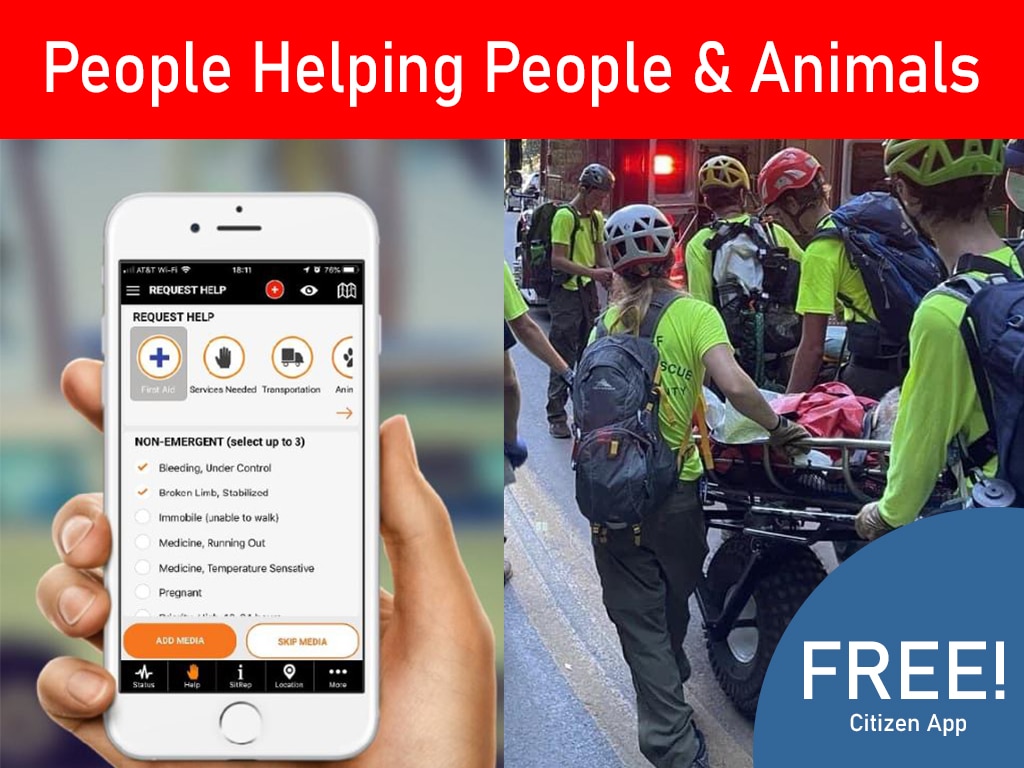
Why Community Driven Disaster Response Matters
When disaster strikes, official emergency services are often stretched thin. First responders do incredible work, but in the critical first minutes and hours, it is communities themselves that are already on the ground.
Thank you for reading this post, don't forget to install the free PubSafe mobile app and subscribe!
Neighbors check on neighbors. Volunteers clear debris. Local organizations mobilize supplies. Citizens share real-time information long before formal reports are filed.
This is why community driven disaster response is not just helpful—it is essential.
Disasters Start Local — and So Does the Response
Floods, fires, storms, power outages, and public safety incidents all begin at the local level. While national and regional agencies provide vital coordination and resources, local communities are always the true first responders.
Community members:
- Witness incidents as they happen
- Understand local terrain, vulnerabilities, and needs
- Can act immediately without waiting for deployment
- Provide situational awareness that no single agency can see alone
When communities are empowered to report, coordinate, and support one another, response becomes faster, more accurate, and more resilient.
The Limits of a Top-Down Emergency Model
Traditional disaster response systems are often designed around centralized command and control. While necessary, this approach has limitations during rapidly evolving events:
- Information bottlenecks delay decision-making
- Official reports may lag behind real-world conditions
- Agencies operate in silos
- Community insights are underutilized or lost
Without structured ways to capture citizen-reported information, valuable data remains scattered across phone calls, social media posts, and informal messages.
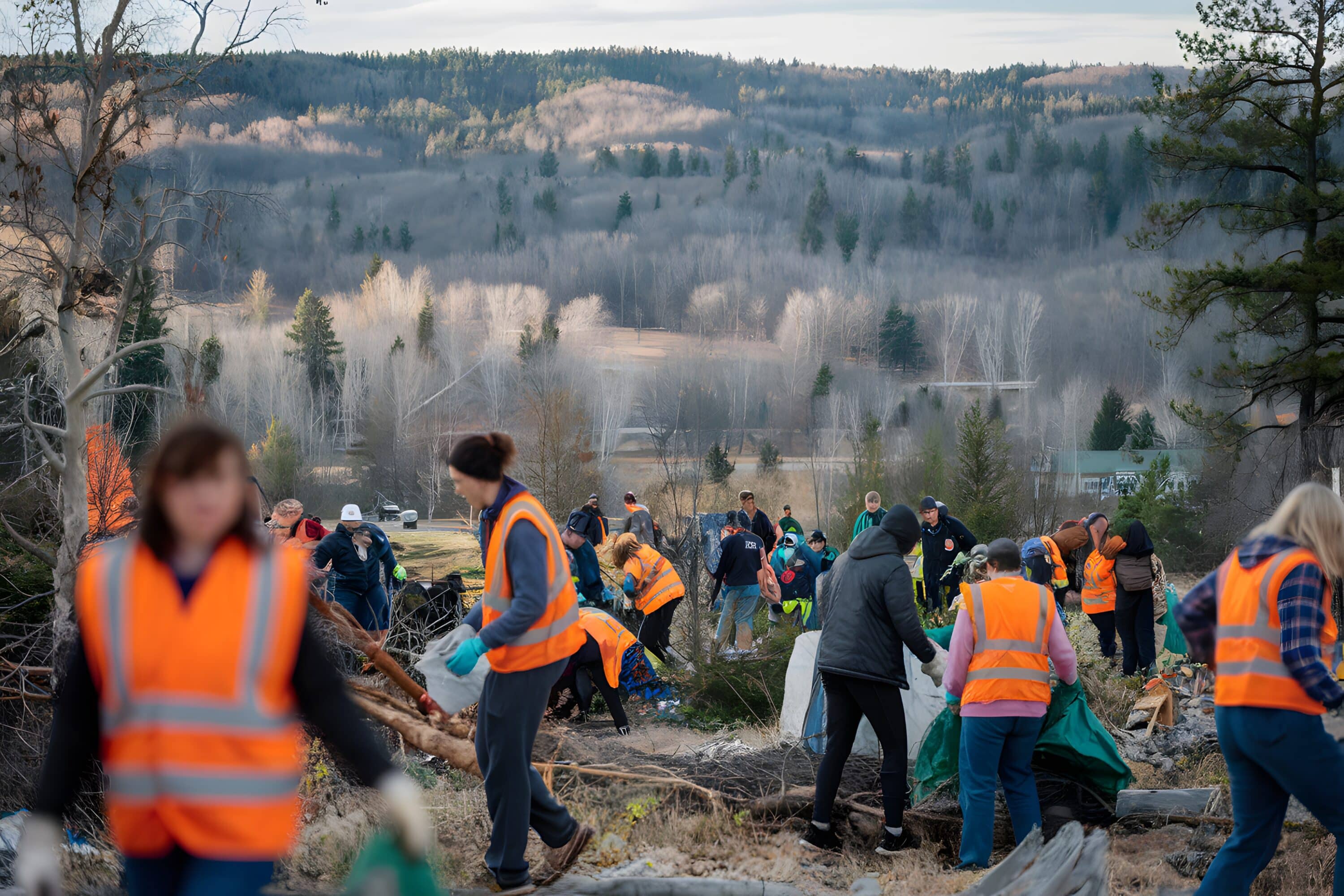
Community Driven Response Closes the Information Gap
Community driven disaster response bridges the gap between what’s happening on the ground and what decision-makers need to know.
When citizens can:
- Report incidents in real time
- Share photos, locations, and updates
- Flag emerging hazards
- Request help or offer assistance
Emergency managers gain a clearer, faster picture of evolving situations, enabling better coordination and smarter deployment of resources.
This isn’t about replacing emergency services—it’s about strengthening them with real-time community intelligence.
Building Trust Through Participation
Communities that are involved in their own safety are more resilient.
When people feel heard and empowered:
- Trust in public safety systems increases
- Compliance with guidance improves
- Panic and misinformation decrease
- Recovery efforts accelerate
Community participation turns disaster response from something that happens to people into something they are actively part of.
Technology as an Enabler, Not a Barrier
Modern disaster response requires modern tools—but those tools must be accessible, intuitive, and purpose-built for collaboration.
Effective community-driven platforms:
- Are easy for citizens to use under stress
- Provide structured, verified incident reporting
- Support coordination between NGOs, CERTs, and agencies
- Integrate with—not disrupt—existing workflows
This is where platforms like PubSafe play a critical role.
How PubSafe Supports Community-Driven Disaster Response
PubSafe is designed to empower communities while supporting official response efforts.
With PubSafe:
- Citizens can report incidents quickly and accurately
- Community organizations can coordinate volunteers and resources
- NGOs and CERTs gain shared situational awareness
- Agencies receive real-time, structured data to support decisions
PubSafe does not replace emergency dispatch systems or command centers. Instead, it acts as a community coordination layer, ensuring valuable local intelligence is captured, shared, and acted upon.
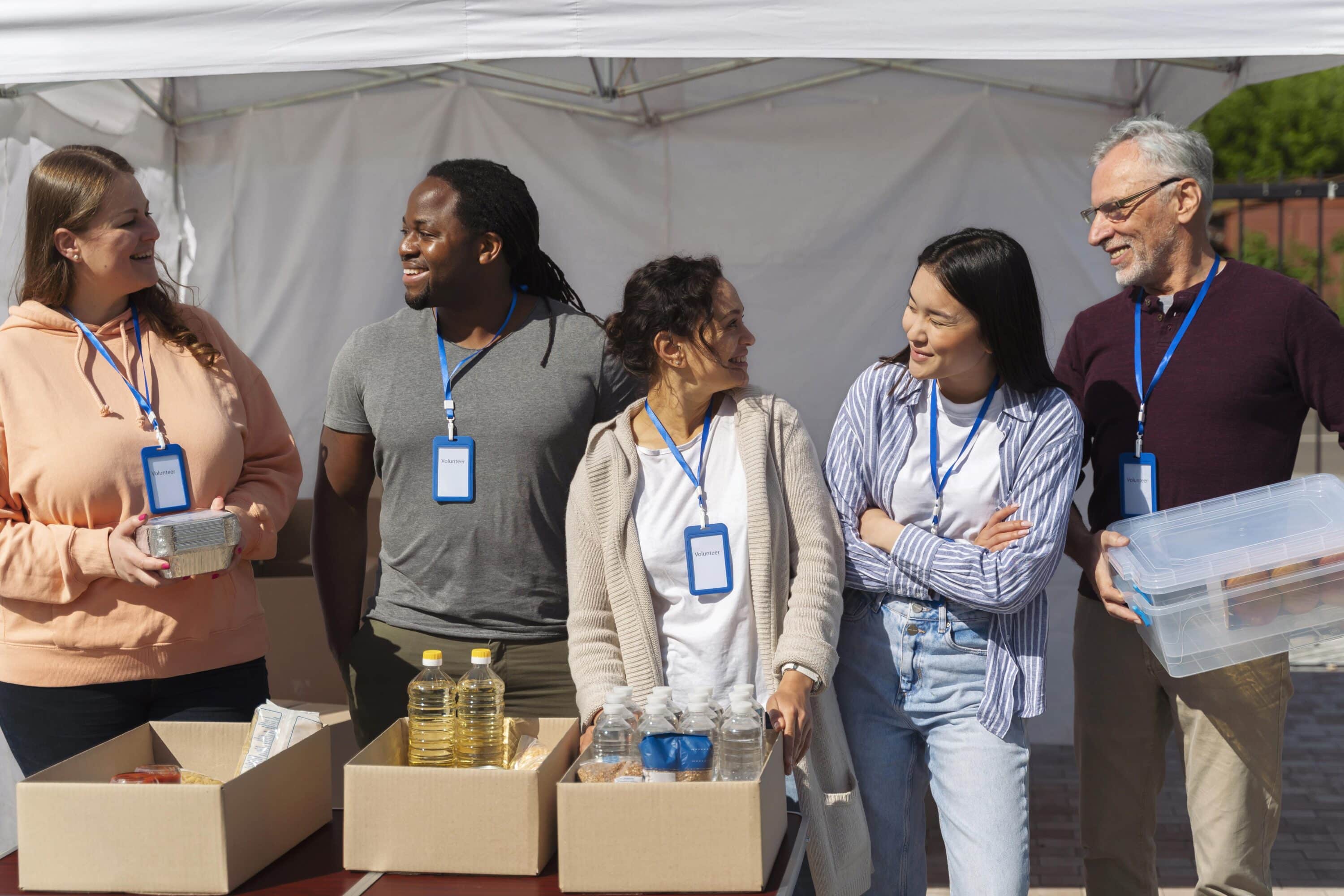
Stronger Communities Create Better Outcomes
Disasters are unpredictable—but preparedness and coordination are not.
Communities that invest in:
- Engagement before incidents occur
- Clear communication channels
- Shared situational awareness
- Collaboration across citizens, NGOs, and agencies
- Recover faster, suffer fewer losses, and emerge more resilient.
Community driven disaster response is not a trend—it is a necessity in a world of increasing climate risk, urbanization, and complex emergencies.
The Future of Public Safety Is Collaborative
The future of disaster response lies in collaboration, not hierarchy alone.
By empowering communities with the right tools and connecting them to official response efforts, we create a system that is:
- Faster
- Smarter
- More resilient
- More human
Because when communities are prepared and connected, everyone is safer.