When a disaster hits, communication is often the first casualty. Cell towers go down, power grids fail, and the systems we rely on are suddenly gone. For first responders, NGOs, and community volunteers, this communication blackout is the single greatest obstacle to a fast, effective response. Without a way to coordinate, teams are left working in the dark. This is where specialized disaster response communication tools become non-negotiable. They are the lifelines that keep information flowing when all other channels go silent. Let’s walk through the essential tools and best practices for building a strategy that truly holds up under pressure.
A complete communication toolkit should include a mass emergency notification system for urgent public alerts and coordinated responder updates.
Teams can also compare community alert system apps that keep residents informed before, during, and after local incidents.
Citizen-facing tools should make it easy to report a local emergency while giving responders useful location and context.
Key Takeaways
- Create a diverse communication toolkit: Don’t rely on a single tool when networks fail. A solid plan combines different technologies, like two-way radios for ground teams, satellite phones for remote contact, and mobile apps for public reporting, to keep your lines of communication open.
- Adopt a unified platform for coordination: Information silos are a major hurdle in a multi-agency response. A central platform gives everyone, from first responders to volunteer groups, a shared, real-time view of the situation, which eliminates confusion and streamlines teamwork.
- Prioritize planning and practice: Technology is just one piece of the puzzle; your team’s preparation is what truly matters. Establish clear protocols, run regular drills, and build relationships with partner organizations before a crisis hits to ensure everyone can communicate effectively under pressure.
What Are Disaster Response Communication Tools?
At their core, disaster response communication tools are the systems, devices, and platforms that keep people connected during a crisis. Think of them as the nervous system of an emergency response operation. They include everything from traditional two-way radios and satellite phones to modern mobile apps and social media platforms. The primary goal of these tools is to create a “common operating picture,” which is a straightforward way of saying they get everyone on the same page. When first responders, government agencies, NGOs, and community volunteers all have access to the same real-time information, they can coordinate their efforts seamlessly.
This shared awareness is what transforms a chaotic situation into a structured, effective response. It allows teams to deploy resources where they’re needed most, provide timely warnings to the public, and account for everyone’s safety. Without reliable communication, even the best-laid plans can fall apart. These tools are not just about sending messages; they are about building a resilient network that can withstand the pressures of a disaster, ensuring that information flows freely to those who need it most. From reporting an incident to coordinating a large-scale evacuation, these technologies are the lifeline that holds a response together.
Breaking Down the Core Technologies
The technologies behind disaster communication are diverse, designed to work in different scenarios. You have the classic hardware like two-way radios and satellite phones, which are essential when cellular networks go down. Then there are the digital tools that have changed the game. Social media platforms, for instance, have become powerful channels for sharing information and organizing community efforts. The most effective approach uses a mix of these technologies. Modern emergency response platforms are designed to be flexible, integrating various communication methods to ensure no one is left in the dark. This helps organizations optimize their resources and improve performance, even with limited personnel.
Why Communication Is a Lifeline in a Crisis
In any emergency, clear and timely communication is everything. It’s the lifeline that allows individuals, communities, and agencies to make critical safety decisions. When people have accurate information, they know when to evacuate, where to find shelter, and how to access essential resources like food and water. This flow of information works both ways. When citizens can report an incident from the ground, it gives responders a clearer picture of the situation. Providing public access to this data through tools like a real-time map also builds trust and accountability, empowering communities to participate in their own safety and recovery.
The Scale of Emergency Response
In any emergency, clear and timely communication is everything. It’s the lifeline that allows individuals, communities, and agencies to make critical safety decisions. When people have accurate information, they know when to evacuate, where to find shelter, and how to access essential resources like food and water. The scale of a response can be massive, involving not just professional first responders but also NGOs, CERT teams, and spontaneous volunteers. A unified platform is essential to connect these disparate groups, allowing them to share information and coordinate efforts without getting in each other’s way. This creates a powerful, collaborative network where everyone can contribute effectively to the safety and well-being of the community.
The Cost of Miscommunication
Without reliable communication, even the best-laid plans can fall apart. When information is siloed, delayed, or inaccurate, the consequences can be severe. Resources get sent to the wrong places, teams are left without clear instructions, and people in danger may not receive warnings in time. The cost isn’t just measured in wasted supplies or time; it’s measured in human lives. Building a resilient communication network is about more than just having the right hardware. It’s about creating a system where information flows freely to those who need it most. A centralized response platform ensures that every stakeholder, from command centers to volunteers on the ground, operates from the same real-time data, minimizing confusion and maximizing impact.
The Four Pillars of Emergency Management
Emergency management can feel like a massive, complex field, but it’s built on a simple and effective framework known as the four pillars. These pillars—Mitigation, Preparedness, Response, and Recovery—guide the actions of organizations and communities before, during, and after a disaster. Think of them as a complete cycle for building resilience. Each phase relies heavily on clear communication to be successful. Understanding these pillars helps clarify your role and shows how communication tools are essential at every stage of the process. Let’s break down what each one means in practice and how communication plays a vital part in all of them.
Mitigation and Prevention
Mitigation is all about taking action to prevent a disaster from happening or to lessen its impact if it does. This is the proactive phase where we identify risks and work to reduce them. For example, enforcing stronger building codes in an earthquake-prone area is a form of mitigation. Communication is key here for sharing data and raising awareness. By analyzing incident data from a public-facing map, communities can spot recurring problems, like localized flooding, and take steps to address the root cause. This pillar is about using information to make smarter, safer decisions for the long term.
Preparedness
Preparedness involves getting ready for an emergency before it strikes. This includes creating response plans, conducting drills, stockpiling supplies, and training your team. It’s about building the capacity to respond effectively when the time comes. For organizations, a huge part of preparedness is setting up your communication channels in advance. This is the time to get your team onto a unified platform, establish clear protocols for sharing information, and ensure everyone knows their role. Taking steps like completing your organization registration and setting up your teams ahead of time means you can act immediately when a crisis hits, without scrambling to get organized.
Response
Response is what most people think of when they hear “disaster management.” These are the actions taken during an emergency to save lives, protect property, and meet basic human needs. This phase is chaotic, fast-paced, and incredibly demanding. Effective communication is non-negotiable. Responders need real-time information to understand the situation, deploy assets, and coordinate tasks. This is where a robust communication tool becomes the central nervous system of the entire operation, enabling everything from real-time status updates to efficient volunteer coordination. The ability to share information seamlessly across agencies and with the public is what turns chaos into a coordinated, effective response.
Recovery
Recovery begins as the immediate threat subsides and continues long after. These are the actions taken to get a community back to normal, or ideally, to a more resilient state than before. This phase includes damage assessments, debris cleanup, rebuilding infrastructure, and providing ongoing support to affected individuals. Communication remains critical during recovery. It’s needed to coordinate volunteer efforts for cleanup, track the distribution of aid, and keep the community informed about progress and available resources. A consistent communication platform helps maintain momentum and ensures that the long, often difficult work of recovery stays organized and transparent.
Real-time vs. Asynchronous Communication
In any team effort, especially during a crisis, it’s important to use the right type of communication for the job. We can group communication tools into two main categories: real-time and asynchronous. Real-time communication is a live, back-and-forth conversation, like a phone call, video conference, or two-way radio transmission. It’s immediate and interactive, which is perfect for urgent decisions and time-sensitive coordination. When a situation is changing by the second, you need the ability to talk to your team instantly. The downside is that it can be disruptive and create a lot of noise if used for everything.
Asynchronous communication, on the other hand, doesn’t require an immediate response. Think of emails, text messages, or updates posted in a project management app. You send the information, and the recipient can view and respond to it when they have a moment. This is ideal for status updates, formal reports, and non-urgent requests. In a disaster response, this method is incredibly valuable for documenting actions and reducing the constant pressure of live communication. For example, reporting an incident through an app is an asynchronous task that provides vital information to the command center without interrupting a first responder’s immediate focus. A great communication strategy uses both, leveraging real-time tools for urgency and asynchronous tools for clarity and documentation.
The Must-Have Tools for Emergency Communication
When a crisis hits, you can’t rely on a single point of failure. That’s why building a diverse emergency communication toolkit is so important. Think of it like a home toolbox; you wouldn’t try to fix everything with just a hammer. The same principle applies here. Having a mix of technologies ensures you can stay connected with your team and community, no matter what the situation throws at you. A solid plan uses different tools for different scenarios, from localized power outages to widespread network failures, creating a resilient communication web that keeps information flowing when it matters most.
Two-Way Radios: Your Off-Grid Lifeline
When cell towers go down, old-school tech often becomes the most reliable option. Two-way radios and CB systems are essential for short-distance communication, allowing teams on the ground to coordinate without depending on a cellular network. They are your direct line for sharing critical updates, coordinating search efforts, or checking in on team members in a specific area. Because they don’t require a subscription and are relatively simple to use, they are a practical and cost-effective part of any emergency kit. Think of them as your go-to for keeping local operations running smoothly when your other systems are offline.
HAM Radios
For teams that need reliable, two-way communication over longer distances, HAM radios are a fantastic option. They typically have a range of about 20 miles, which is a huge advantage for coordinating efforts across a wide disaster area. While they are more of an investment than basic walkie-talkies, they offer far more functionality and are more portable than traditional police scanners. This makes them a go-to for dedicated response groups. You will need to get a license to operate one, which takes some study, but having the power to communicate when all other lines are dead is an invaluable capability for any serious team.
Police Scanner Radios
A police scanner radio is your ear to the ground during an emergency. These devices are designed for one purpose: to let you monitor emergency frequencies. This gives you a live feed of official communications, helping you understand the situation as it unfolds from the perspective of first responders. They’re portable, run on batteries, and are simple to operate. The crucial thing to remember is that scanners are a one-way tool. You can gather a ton of valuable intelligence, but you can’t transmit or respond. So, while they are fantastic for building situational awareness, they aren’t a solution for coordinating your own team’s actions.
Practical Limitations of Radios
As essential as radios are, it’s important to understand their limitations. Basic walkie-talkies are great for close-range chats, but their limited reach makes them impractical for a widespread response. CB radios offer more distance but operate in a closed system—you can only talk to other CB radios. This creates communication silos, making it incredibly difficult to coordinate with other agencies or volunteer groups that are likely using different equipment. This fragmentation is one of the biggest hurdles in a disaster, preventing a truly unified response. It underscores the need for a platform that can bridge these technological gaps and provide effective team management for everyone involved.
Mobile Phones: Can You Rely on Cellular Networks?
Your smartphone is undoubtedly a powerful communication device. It’s perfect for sending detailed text messages, alerts, and making direct calls over long distances when networks are operational. However, their biggest strength is also their biggest weakness: they are completely dependent on cellular signals. During a major disaster, networks can become congested with high call volumes or get damaged, rendering your phone useless for calls and data. While they are a crucial part of your daily and emergency communication strategy, it’s vital to have backup systems in place for when you inevitably lose signal.
Satellite Phones: For When All Else Fails
For situations where cellular and radio networks are completely out of the picture, satellite devices are a true lifeline. Satellite phones and messengers work by connecting directly to orbiting satellites, bypassing terrestrial infrastructure entirely. This makes them incredibly reliable in remote areas or during catastrophic events where local communication networks have been destroyed. While they can be more expensive, having a satellite device ensures your team can always call for help, transmit location data, or send critical messages to external command centers. They are the ultimate backup for maintaining a connection to the outside world.
Cost and Power Limitations
While satellite devices offer unparalleled reliability, they come with practical trade-offs. The initial purchase price and ongoing subscription plans can be a significant investment, especially for smaller volunteer organizations. Beyond the cost, every piece of electronic equipment, from a two-way radio to a satellite phone, is dependent on a power source. Batteries die, and charging options can be scarce when the power grid is down. This is why your communication plan must include power management—stocking up on extra batteries, investing in solar chargers, and knowing the battery life of each device. These limitations highlight the need for a diverse communication toolkit, ensuring you have low-tech or fully-charged options ready when high-tech devices fail.
Using Social Media for Real-Time Alerts
In recent years, social media has become a powerful tool for disaster response. Platforms like X (formerly Twitter) and Facebook are used by agencies to push out real-time alerts and updates to a broad audience quickly. They also empower communities to share information, report incidents, and organize volunteer efforts from the ground up. Digital platforms that show real-time incident data on a public map can provide situational awareness to everyone involved. This two-way flow of information helps create a more complete picture of what’s happening, allowing for a more coordinated and effective response.
Mobile Command Centers: Your Field HQ
Think of a mobile command center as your operational headquarters right in the heart of the action. These units offer a secure, climate-controlled environment where your team can gather to plan and coordinate the response away from the immediate chaos. They are essentially an office on wheels, equipped with essentials like power, lights, storage, and a conference space for strategy sessions. This controlled setting is vital for making sound decisions under pressure. It acts as the central nervous system for the operation, pulling in data from every communication tool you have. From this hub, leaders can assess the situation, allocate resources, and use a central platform to effectively manage teams in the field.
Ensuring Connectivity with Redundant Internet
The single most important feature of a mobile command center is its ability to stay online. Without a stable internet connection, it’s just a comfortable container in a disaster zone. This is why having redundant internet is an absolute must. These systems use advanced routers, often with roof-mounted antennas, that hold SIM cards from several different cell carriers. If one provider’s network fails, the router automatically switches to a working one, keeping you connected. This uninterrupted connectivity is what powers your digital response tools, letting you receive live incident reports from the public and coordinate volunteers seamlessly through the app.
Bringing It All Together With Integrated Systems
The most effective response efforts happen when all your tools work together. An integrated communication system acts as the central hub, connecting disparate teams and technologies onto a single platform. Instead of juggling radios, cell phones, and social media feeds separately, these systems provide a common operating picture for everyone. This allows for seamless team management and ensures that information from citizens, first responders, and agencies can be shared and acted upon in real time. By unifying communication, you reduce confusion, speed up decision-making, and enable true collaboration during a crisis.
How Communication Tools Perform Under Pressure
When a crisis hits, your communication tools are put to the ultimate test. The systems we rely on every day can become fragile or completely unavailable when we need them most. Understanding how these tools perform under stress is the first step to building a resilient communication plan. The biggest challenges usually come down to three things: keeping the network connected, finding a power source, and working within range limitations. Let’s break down what you can expect from your gear when the pressure is on.
The Challenge of Keeping Networks Online
In a disaster, the communication infrastructure itself is often one of the first casualties. Cell towers can be damaged by high winds or floods, and fiber optic lines can be cut by debris, leading to widespread outages. This is why relying on a single network is so risky. Technology plays an absolutely critical role in disaster management, but only if it stays online. Modern response platforms are often built with this challenge in mind, using multiple networks or cloud-based systems that aren’t tied to a single physical location. This redundancy helps ensure that even if local infrastructure fails, your team can still access critical information and coordinate its efforts through a platform like PubSafe.
How Do You Keep Your Devices Powered?
Even with a stable network, your devices are useless without electricity. A widespread power outage can last for days or even weeks after a major event, rendering everything from mobile phones to command center computers inoperable. This is the challenge of staying powered. Having a plan for backup power is non-negotiable. This can include generators for command posts, portable power banks for personal devices, and solar chargers for field teams. Emergency response technology is designed to be efficient, but it still needs a power source. Thinking through your energy needs ahead of time ensures your communication lines stay open when it matters most.
How Far Does Your Signal Really Reach?
Every communication tool has its limits. Two-way radios might only reach a few miles, while cellular coverage can be nonexistent in rural or remote areas. During a disaster, these existing gaps in coverage can become even worse. It’s important to know the realistic range of your equipment and plan accordingly. Recent advances in wireless communication are helping to close these gaps, but no single tool is perfect. This is where having a multi-layered communication strategy pays off. Using a combination of satellite phones for long-range contact, mobile apps for incident reporting in connected areas, and two-way radios for on-the-ground teams creates a more robust and reliable network.
The Biggest Communication Challenges for Responders
Even with the best intentions and a solid plan, communication during a disaster can be incredibly challenging. The very nature of an emergency creates an environment where normal systems fail and chaos can take over. Responders from different agencies, along with volunteers and citizens, often find themselves struggling to share critical information when it matters most. These hurdles aren’t just minor inconveniences; they can delay rescue efforts, misdirect resources, and put lives at risk. Understanding these common obstacles is the first step toward building a more resilient and effective communication strategy. From failing infrastructure to the overwhelming noise of misinformation, each challenge requires a specific approach to overcome it.
When Infrastructure Fails and Networks Go Down
In the immediate aftermath of a disaster, the physical infrastructure we rely on is often the first casualty. Hurricanes, floods, and earthquakes can topple cell towers and sever fiber optic cables, leading to widespread network outages. When this happens, standard tools like mobile phones and internet access become useless. Without a reliable way to communicate, teams can’t coordinate their efforts, track developing situations, or call for backup when needed. This is why having a plan B, like satellite phones or a unified platform that can operate in low-bandwidth environments, is so important for maintaining a lifeline to the outside world and ensuring team management continues smoothly.
Cutting Through the Noise of Misinformation
In a crisis, information spreads fast, but not all of it is accurate. Social media can be a powerful tool for sharing real-time updates, but it’s also a breeding ground for rumors and outdated reports. Responders are often flooded with a massive amount of data from various sources, making it difficult to distinguish credible intelligence from noise. Sifting through this information overload consumes valuable time and can lead to poor decision-making. To be effective, teams need a way to verify and centralize reports from the field, turning a chaotic stream of data into a clear, actionable map of the situation as it unfolds.
The Problem: When Your Tools Don’t Connect
One of the biggest technical challenges in a multi-agency response is a lack of interoperability. Fire departments, police, medical teams, and volunteer organizations often use different communication systems and software. When these systems can’t “talk” to each other, it creates information silos. A critical update from one team may never reach another, leading to duplicated efforts or dangerous gaps in awareness. This disconnect makes it nearly impossible to create a single, unified view of the emergency. A truly effective response requires a common platform where every organization can share data seamlessly, ensuring everyone is working with the same information.
Closing the Gaps in Training and Resources
Having the right technology is only half the battle. Without adequate funding and training, even the most advanced communication tools can fall short. Many organizations operate on tight budgets, which can limit their ability to purchase and maintain reliable equipment. Furthermore, staff and volunteers need regular training to use these tools effectively under the extreme stress of a disaster. When untrained individuals are brought into a response effort, they can inadvertently complicate communication channels. Effective volunteer coordination and consistent team training are essential for making sure everyone knows their role and can communicate clearly and efficiently.
How Technology Strengthens Emergency Communication
When a crisis hits, clear and reliable communication is the backbone of an effective response. Traditional methods often struggle under the strain of damaged infrastructure and overwhelming information. Technology is changing this reality by creating more resilient and intelligent communication systems. These advancements aren’t just about futuristic gadgets; they are practical tools that help teams coordinate better, make smarter decisions, and ultimately, keep communities safer.
Modern tech helps bridge the gaps between different agencies, volunteers, and the public. Instead of relying on separate, disconnected systems, responders can now use integrated platforms that provide a single, shared view of an emergency as it unfolds. From cloud-based software that centralizes data to mobile apps that turn every smartphone into a reporting tool, technology empowers a more unified and efficient response. By leveraging these tools, organizations can cut through the noise, allocate resources where they’re needed most, and ensure everyone is working from the same playbook. This shift allows teams to move faster, collaborate seamlessly, and adapt quickly to changing conditions on the ground.
Coordinating Your Team From the Cloud
One of the biggest challenges in a disaster is getting different organizations to work together. Cloud-based coordination platforms act as a central hub where everyone involved, from government agencies to local volunteer groups, can share information in real time. Instead of relying on fragmented radio calls or email chains, teams can access a single source of truth for incident reports, resource availability, and team locations. This shared awareness is critical for making fast, informed decisions and avoiding duplicated efforts. By using a centralized platform, response leaders can see the big picture and direct assets more effectively, ensuring help gets where it’s needed most.
Using AI to Get Real-Time Insights
During an emergency, responders are often flooded with information from countless sources. Artificial intelligence helps make sense of this data overload. AI algorithms can quickly analyze incident reports, social media posts, and sensor data to identify emerging hotspots and predict potential needs. This allows command centers to move from a reactive to a proactive stance. Rather than just responding to calls as they come in, teams can use AI-driven insights to anticipate where problems will arise next. This capability is crucial for a fast and safe emergency response, giving teams a clear, data-backed view of the entire operational area on a public map.
Mobile Apps That Streamline Reporting and Teamwork
Smartphones have become powerful tools for disaster response. Mobile apps put communication and reporting capabilities directly into the hands of responders and citizens. Anyone on the ground can report an incident with precise GPS coordinates and photos, providing invaluable situational awareness to command centers. For response teams, these apps streamline coordination by delivering assignments, tracking progress, and enabling secure messaging. This technology helps organizations do more with less, optimizing the deployment of volunteers and professional responders while improving overall performance and accountability. It’s a simple yet effective way to connect the field directly to the command post.
Specialized Software for Crisis Management
Beyond the essential hardware and general apps, a new class of specialized software is transforming how organizations handle crises. These tools are designed to tackle specific communication challenges, from filtering social media chatter to coordinating with the press. They help you move beyond simply reacting to events and start proactively managing the flow of information. Integrating these specialized platforms into your strategy can give your team a significant edge, helping you maintain control, clarity, and coordination when every second counts. Let’s look at a few key types of software that can make a real difference in your response efforts.
Social Media Listening Tools
Social media can be both a blessing and a curse during a disaster. While it’s a powerful way for agencies to share updates and for citizens to report incidents, it’s also a hotbed for rumors and misinformation. Social media listening tools help you cut through the noise. They monitor platforms like X (formerly Twitter) and Facebook for keywords related to the emergency, helping you identify credible reports, track public sentiment, and spot emerging issues before they escalate. This filtered intelligence is invaluable, as it can be fed directly into your operational planning and help you address some of the top challenges in disaster response, like countering false narratives.
Threat Intelligence and Alerting Platforms
When you need to get an official message out quickly and reliably, you can’t just post it on social media and hope for the best. This is where dedicated alerting platforms come in. These are specialized crisis communication tools that allow you to send targeted alerts to employees, volunteers, or the public via text, email, and voice calls. Unlike public social media, these systems give you control over who receives the message and provide confirmation that it was delivered. They are essential for issuing evacuation orders, sharing safety protocols, or providing status updates to your internal teams, ensuring your critical communications are received by the right people at the right time.
Media Relations Tools
During a crisis, the media will be looking for information, and it’s crucial that you manage that narrative. Media relations tools like Muck Rack help you organize your communication with journalists and news outlets. These platforms maintain vast databases of media contacts, allowing you to quickly build targeted press lists and send out official statements or press releases. They also help you track media coverage, so you can see what’s being reported about the situation and your organization’s response. By proactively engaging with the media, you can ensure that accurate, timely information reaches the public and helps build trust in your efforts.
Internal Knowledge Sharing Platforms
Effective external communication starts with a well-informed internal team. Internal knowledge sharing platforms act as a central library for your organization, giving every responder access to the latest operational plans, safety procedures, and contact lists. This is especially important when you’re working with volunteers or multiple agencies that need to get up to speed quickly. By ensuring everyone has access to the same information, you reduce confusion and empower your team to act decisively. This is a core component of effective team management, as it keeps everyone aligned and focused on the mission, even when conditions on the ground are changing rapidly.
What Can Next-Gen Wireless Do for Response Teams?
Advanced communication tools are only as reliable as the networks they run on. Recent advances in wireless technology, like 5G, are making these networks faster, more robust, and capable of handling much more data. This increased capacity is essential for supporting modern response efforts, which rely on high-resolution imagery, live video streams, and real-time data mapping. A stronger network means less lag and fewer dropped connections, even when the system is under heavy strain. This improved connectivity is vital for effective team management, ensuring that communication remains stable when it matters most.
How Social Media Is Changing Disaster Response
When a crisis hits, people instinctively turn to their phones, not just to call for help, but to connect and share information. Social media platforms have become unofficial command centers, transforming how we communicate during emergencies. For response organizations, these platforms are a double-edged sword. On one hand, they offer a powerful way to broadcast real-time alerts, monitor developing situations, and engage directly with the public. On the other, they can be a source of overwhelming noise and dangerous misinformation that can hinder rescue efforts and cause unnecessary panic.
The key is to see social media as one piece of a larger communication puzzle. It’s a tool for both passive information sharing, like posting evacuation routes, and active management, like gathering eyewitness reports. When integrated with a dedicated response platform, the raw, immediate power of social media can be harnessed and organized. This approach allows teams to filter through the chaos, verify reports, and coordinate efforts effectively. By understanding how PubSafe works, you can see how a structured system brings order to the valuable but often unstructured data that flows from social media during a disaster. It helps turn a firehose of information into a focused stream of actionable intelligence, which is critical when every second counts.
Sharing Real-Time Updates and Alerts
In the first moments of an emergency, clarity is everything. Social media allows official agencies to push out critical updates, warnings, and safety instructions instantly to a wide audience. A single post can inform thousands about shelter locations, road closures, or emerging threats. But this information flow isn’t just one-way. Citizens on the ground use these same channels to share what they’re seeing, creating a real-time, crowd-sourced picture of the situation. While this can be incredibly valuable, it’s essential to have a verified source of truth, like a public map, to confirm reports and provide a clear operational picture for everyone involved.
Engaging the Community and Coordinating Volunteers
Beyond official alerts, social media fosters a powerful sense of community during a crisis. It’s where neighbors check on each other, grassroots aid groups form, and offers of help find those in need. For response organizations, this digital groundswell is a massive resource. By monitoring community conversations, teams can identify unmet needs and direct resources more effectively. It’s also an incredible tool for volunteer coordination, allowing you to rally, organize, and deploy spontaneous volunteers who are eager to contribute. This direct line to the community helps build trust and makes response efforts a true collaborative partnership.
How to Fight Misinformation During a Crisis
The speed of social media is both its greatest strength and its biggest weakness. Rumors, outdated information, and deliberate disinformation can spread just as quickly as factual alerts, causing panic and complicating response efforts. This is why establishing trusted channels is so important. Your communication strategy must include actively correcting falsehoods and consistently directing people to verified sources. Using a structured system for reporting an incident helps create a reliable data stream, cutting through the noise of unverified social media posts and ensuring that response teams are acting on accurate, actionable intelligence.
How to Choose the Right Response Communication Tools
Selecting the right communication tools is one of the most critical decisions you’ll make in preparing for a disaster. The technology you choose will directly impact your team’s ability to coordinate, share information, and ultimately keep people safe. When the power is out and networks are down, you need a system you can count on. But with so many options available, how do you know which ones are right for your organization?
Instead of getting overwhelmed by features, focus on the core functions you need to perform during a crisis. Think about how your team operates and what challenges you’re most likely to face. The goal is to find tools that are not just powerful but also practical for your specific needs. A unified platform that brings different stakeholders together can often simplify this process, but it’s still important to evaluate your options based on a few key criteria. Let’s walk through the most important factors to consider.
Will Your Tools Work in Extreme Conditions?
When a disaster strikes, you can’t afford for your communication lines to go down. Reliability is the single most important quality to look for in any emergency tool. Your team needs to communicate in real time to manage resources and ensure responder safety, and that’s impossible without a dependable connection. Look for systems that can withstand harsh conditions, operate during power outages, and function even when cellular networks are congested or completely offline. Ask potential vendors about their system’s uptime record and what backup measures, like satellite or radio frequency options, are in place to keep you connected when primary networks fail.
Do Your Tools Work Well Together?
Effective disaster response requires a coordinated effort from multiple agencies, volunteer groups, and even citizens. If your communication tools can’t talk to each other, you create information silos that slow down response times and put people at risk. This ability for different systems to work together is called interoperability. When choosing your tools, prioritize platforms that allow for seamless team management and data sharing across organizations. A system that gives everyone, from first responders to NGOs, a shared view of the situation ensures that all parties are working with the same information and toward the same goals.
Balancing Cost with Long-Term Maintenance
Budget is always a factor, but the cheapest option isn’t always the most cost-effective. When evaluating tools, look beyond the initial price tag and consider the total cost of ownership. This includes subscription fees, hardware maintenance, software updates, and the cost of training your team. Modern response technology can help your organization do more with less by optimizing how you use resources. Investing in a comprehensive platform can often be more economical than juggling multiple single-purpose tools and their separate costs. If you’re part of a non-profit or government agency, you can register your organization to access platforms designed for your needs.
Can Your System Scale for Any Emergency?
Disasters are unpredictable. An incident that starts small can quickly escalate, and your communication system needs to be able to grow with it. Scalability means the tool can perform just as well during a large-scale event as it does during a minor one. Your system should be able to support a sudden increase in users, a larger geographic area, and a higher volume of data without slowing down. Look for flexible, cloud-based solutions that allow you to handle incidents of any size, ensuring your team can adapt quickly and make effective decisions no matter what the situation demands.
Look for These Essential Features
Once you’ve narrowed down your options based on reliability and interoperability, it’s time to examine the specific features that will make a tool truly effective in the field. The difference between a good tool and a great one often comes down to the details. These are the capabilities that streamline workflows, reduce confusion, and empower your team to act with confidence. A powerful platform should feel intuitive, even under pressure, and provide practical solutions to the real-world challenges of disaster response. Look for these essential features to ensure you’re choosing a system that will support your team when it matters most.
Notifications and Segmentation
During a crisis, not everyone needs to know everything. Blasting every update to all users creates “alert fatigue,” where people start ignoring important messages. A top-tier communication tool allows you to segment your audience and send targeted notifications. This means you can send specific instructions to a search and rescue team, a separate update to shelter volunteers, and a general safety alert to the public, all from the same platform. This targeted approach ensures that everyone receives only the information relevant to their role, which cuts down on confusion and helps people focus on their immediate tasks. This is a core part of how PubSafe works to break down information silos and ensure clear, effective communication across diverse teams.
Permissions and Security
In any response effort, you’re dealing with sensitive information, from the location of vulnerable individuals to the operational plans of your teams. A secure platform with role-based permissions is non-negotiable. This feature allows you to control who can view, add, or modify data based on their specific role in the operation. For example, a team leader might have the ability to assign tasks and view all incident reports, while a field volunteer may only see their specific assignments. This not only protects privacy and secures sensitive data but also prevents accidental changes to critical information. Proper team management relies on this structure to maintain a clear and trustworthy operational picture for everyone involved.
A Mobile App for Field Access
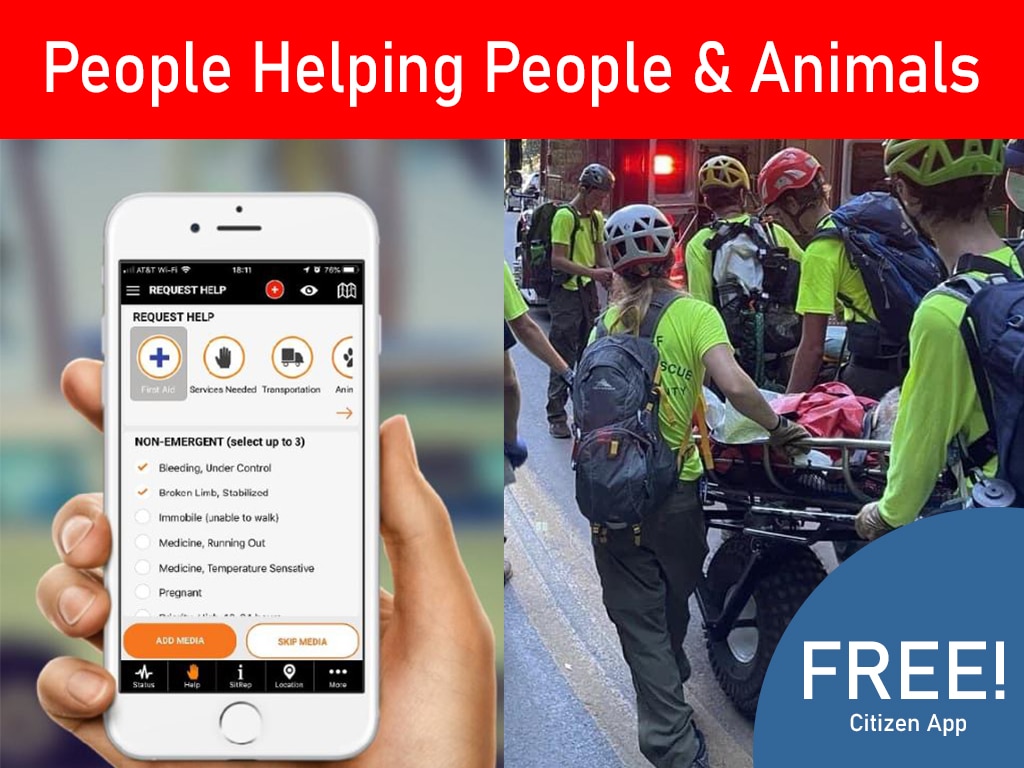
Emergency response doesn’t happen behind a desk. Your teams are on the move, and they need tools that can move with them. A robust mobile app is essential, turning every smartphone into a powerful communication and data-gathering device. With a mobile app, field personnel can receive tasks, communicate with their team, and report observations in real time, complete with photos and precise GPS coordinates. This capability also extends to the public, allowing citizens to install a free app and report incidents directly from their location. This direct line from the field to the command center provides unparalleled situational awareness and helps leaders make faster, more informed decisions.
Multi-language Support
Disasters don’t discriminate, and your communication shouldn’t either. In many communities, a significant portion of the population may not speak English as their first language. If your alerts and instructions are only in one language, you risk leaving a large part of your community uninformed and vulnerable. An effective communication tool must offer multi-language support to ensure that life-saving information is accessible to everyone. According to FEMA, reaching diverse communities is a critical component of equitable emergency management. This feature is vital for both public-facing messages and internal coordination, especially when working with multicultural volunteer groups, ensuring no one is left in the dark during a crisis.
Proven Strategies for Disaster Response Communication
Having the right communication tools is a great start, but the real key to success is having a solid strategy for using them. When a crisis hits, you won’t have time to figure out who to call or which channel to use. A well-defined plan ensures that every message is clear, timely, and reaches the right people. Effective disaster response relies on flexible communication systems that create a shared understanding of the situation for everyone involved. This common operating picture is what allows different teams and agencies to work together seamlessly, turning chaos into a coordinated effort.
Think of it like a sports team. The players don’t just show up on game day and hope for the best. They practice plays, understand their roles, and know how to communicate with each other under pressure. The same principle applies to disaster response. By establishing clear protocols, using multiple communication channels, training your team, and building relationships ahead of time, you create a resilient communication network that can withstand the chaos of an emergency. These practices transform a collection of individuals and tools into a coordinated and effective response force, ready to tackle any challenge.
Establish Clear Communication Protocols
In an emergency, confusion is the enemy. Clear communication protocols are your playbook for cutting through the noise. This means defining who is responsible for communicating what information, to whom, and through which channels. Establishing a clear chain of command prevents conflicting messages and ensures that critical updates are verified before being shared. Your protocols should outline procedures for everything from initial incident reports to resource requests and public safety alerts. By creating a standardized process, you help your team manage information efficiently, allowing for better decision-making when every second counts. Platforms with strong team management features can help you structure these communication flows before an incident occurs.
Adopt a Multi-Channel Strategy
Relying on a single communication method is a recipe for failure. Power outages can knock out cellular networks, and radio channels can become congested. That’s why a multi-channel strategy is essential. It’s best to use a mix of different communication tools, not just one. For example, you might use two-way radios for on-the-ground team coordination, a satellite phone for command-level communication, and a platform like PubSafe to share updates with multiple agencies and the public. This layered approach creates redundancy, ensuring that if one channel goes down, you have others to fall back on. This strategy keeps your team connected and your operations running smoothly, no matter what the disaster throws at you.
Test Your Equipment and Train Your Team
The best communication plan in the world is useless if your team doesn’t know how to execute it or if the equipment fails. Regular training and equipment checks are non-negotiable. Run drills that simulate various disaster scenarios to test your protocols and familiarize your team with their roles and tools. These exercises help identify weak points in your plan and build muscle memory, so responders can act decisively under pressure. Good communication tools are not just important; they are essential for saving lives. Make sure your team is prepared by encouraging them to install the app and practice reporting incidents and communicating within the platform before a real emergency strikes.
Move Beyond “Paper Plan Syndrome”
It’s a common trap for many organizations: you spend months creating a detailed emergency plan, print it out, and put it in a binder on a shelf. This is what I call “paper plan syndrome”—a strategy that looks great on paper but falls apart in a real crisis because it’s never been tested. When every second counts, you can’t afford to have your team fumbling through a document they haven’t looked at in a year. The only way to combat this is to make your plan a living, breathing part of your operations. This means running regular drills, simulating different scenarios, and building relationships with partner organizations before disaster strikes. Using a unified platform for team management helps turn that static plan into an active one, building the muscle memory your team needs to act decisively under pressure.
Build Relationships Before a Crisis Hits
Technology is a powerful tool, but disaster response is fundamentally human. Trust is the foundation of effective communication, and it’s something you have to build before a crisis hits. When emergency managers from different agencies and organizations already know and trust each other, sharing information becomes much easier during a high-stress event. Take the time to connect with neighboring jurisdictions, local NGOs, and community volunteer groups. Participate in joint training exercises and regional planning meetings. Using a shared platform can also help foster these connections, creating a network of responders who are ready to work together. This pre-established rapport is critical for effective volunteer coordination and inter-agency cooperation.
How to Build a Stronger Communication Network
Having the right tools is one thing, but building a resilient communication network is what truly makes a difference in a crisis. A strong network isn’t just about technology; it’s about connecting the right people at the right time and ensuring information flows freely and accurately. This involves breaking down silos between different organizations, actively engaging with the community you serve, and building a foundation of trust that holds up under pressure. When agencies, volunteers, and citizens can all communicate on a unified platform, response efforts become faster, smarter, and more effective. This collaborative approach creates a common operating picture, allowing everyone to work from the same set of facts.
Integrate Stakeholders and Coordinate Agencies
During an emergency, you have multiple teams on the ground: public safety, NGOs, volunteer groups, and government agencies. If they can’t communicate with each other, efforts get duplicated and resources are wasted. The key is to create a single, shared space where everyone can coordinate. Effective disaster response activities rely on flexible systems that provide a common operating picture for all involved. Using an integrated platform allows you to manage teams, assign tasks, and share real-time updates seamlessly. This ensures that the fire department knows what the local CERT team is doing, and NGOs can direct volunteers to where they’re needed most, creating a truly unified response.
Engage Your Community Through Technology
Your community is your greatest asset during a disaster. Technology now makes it easier than ever to engage citizens directly in response efforts. Instead of one-way alerts, you can create a two-way conversation. Mobile apps and social media platforms allow people to report incidents, request assistance, or even sign up to volunteer. This flow of information from the ground up is invaluable. By empowering citizens with tools to share what they’re seeing, you gain critical situational awareness. This approach transforms community members from passive recipients of aid into active partners in the response, which is essential for effective volunteer coordination during emergencies.
Establish Trust and Credibility From Day One
Communication tools are only effective if people trust the information they receive. In an era of rampant misinformation, establishing your organization as a credible source is non-negotiable. One of the best ways to build that trust is through transparency. When you provide citizens with direct access to data, like public incident maps and status updates, you foster accountability and help people make informed decisions about their safety. According to researchers at Berkeley ISG, this access can foster trust and promote accountability. Being a consistent, reliable voice across multiple channels, from official websites to social media, ensures your critical messages cut through the noise and reach the people who need them most.
What’s Next for Disaster Communication?
The future of disaster communication isn’t just about faster devices; it’s about creating a smarter, more connected ecosystem. As technology advances, our ability to share critical information during an emergency is becoming more resilient and intuitive. The next wave of tools will help us move from reacting to a crisis to anticipating needs and coordinating responses with incredible precision. These key developments are shaping the future of emergency communications.
A Look at Emerging Communication Tech
The next generation of communication tools is already taking shape, driven by powerful new technologies. Advances in wireless communication, like 5G networks, promise faster speeds and near-instant connections, which are essential for sharing high-definition video from drones or updating live incident maps without delay. At the same time, artificial intelligence (AI) is changing how we process information. AI can analyze data from multiple sources in real time, helping teams predict where resources will be needed most. These emerging technologies work together to create a more complete operational picture, allowing for quicker, more informed decisions when every second counts.
How Smart Infrastructure and IoT Will Help
Imagine a city where bridges, power grids, and water systems can report their own status during an earthquake. This is the promise of smart infrastructure and the Internet of Things (IoT). By embedding sensors into our environment, we can get instant, automated damage assessments. This data can flow directly into a central platform like PubSafe’s public map, providing a clear view of the operational landscape. When you integrate this information with reports from citizens and updates from social media, you get an incredibly detailed, real-time understanding of the situation. This level of integration helps teams allocate resources more effectively and restore services faster.
Related Articles
- Top Challenges In Disaster Response – Overcoming & Preparing
- Why Community Driven Disaster Response Matters | PubSafe
- Disaster Response Platform | Community‑Driven Emergency Coordination | PubSafe
- Natural Disasters – Citizen Public Safety Platform
- Flood Emergency Response And Preparedness
Frequently Asked Questions
What’s the most important communication tool for a small team or individual to have? It’s less about finding one single “best” tool and more about creating layers of communication. Your smartphone is obviously powerful, but you need a reliable backup for when cell networks fail. For a small team, a set of quality two-way radios is a smart, cost-effective investment for local coordination. For an individual, a simple battery-powered or hand-crank weather radio is essential for receiving official broadcasts when everything else is down.
Why is a unified platform better than just using radios and cell phones? Radios and phones are great for one-to-one or one-to-few conversations, but they often create information silos. A unified platform brings everyone, from first responders to volunteer groups, into the same digital space. This means a report from a citizen, a resource request from a CERT team, and a directive from the command center all appear in one place. It creates a shared, real-time map of the situation, which is nearly impossible to build when everyone is on a different, disconnected channel.
As a citizen, what’s the best way for me to report an emergency without adding to the ‘noise’? This is a fantastic question. The most helpful thing you can do is use official channels whenever possible. Many communities use dedicated apps or platforms, like PubSafe, for incident reporting. These systems feed information directly to responders in a structured, useful way. When you report through an official app, include clear and concise details: the exact location, the time, and what you see. This is far more effective than a vague social media post that can get lost or misinterpreted.
How can we keep our devices charged during a long power outage? Planning for power is just as critical as planning for communication. Your emergency toolkit should include multiple charging options for your devices. Portable power banks are great for keeping personal phones and tablets running. For a team or a command post, a small generator or a larger portable power station is a must. You should also consider solar chargers for teams in the field who will be away from a central power source for extended periods.
My organization already has a communication plan. How often should we review and test it? Having a plan is the first step, but it shouldn’t just sit on a shelf gathering dust. You should review your communication plan at least once a year and always after a real-world incident or a major training exercise. Technology changes, team members come and go, and you will always learn something new during a drill. Regular testing, even through simple tabletop exercises, ensures your plan stays relevant and that your team knows exactly what to do when it counts.