How Volunteers Save Lives Before First Responders Arrive
In any emergency, the first people on the scene are rarely professional responders. It’s usually ordinary citizens. Your neighbors. A passer-by. A trained volunteer. These are the people who take action in those critical minutes while sirens are still in the distance. Their quick thinking can make all the difference. This is why understanding how volunteers help before first responders arrive is so important. With the right volunteer coordination during emergencies, these everyday heroes can become an even more powerful force for good in their communities.
Time and again, volunteers save lives before first responders arrive, filling the critical gap between the moment an incident occurs and the moment professional help reaches the scene.
At PubSafe, we believe that empowering communities with the right tools, information, and coordination can dramatically improve outcomes during emergencies. Here’s how volunteers make that life-saving difference — and why community-driven response matters now more than ever.
What Happens in the Moments Before Help Arrives?
In emergencies, minutes matter. According to global emergency response research, survival rates drop significantly when aid is delayed — especially in cases involving trauma, fires, flooding, or medical emergencies.
This is where volunteers save lives before first responders arrive by:
-
Identifying incidents immediately
-
Alerting authorities faster
-
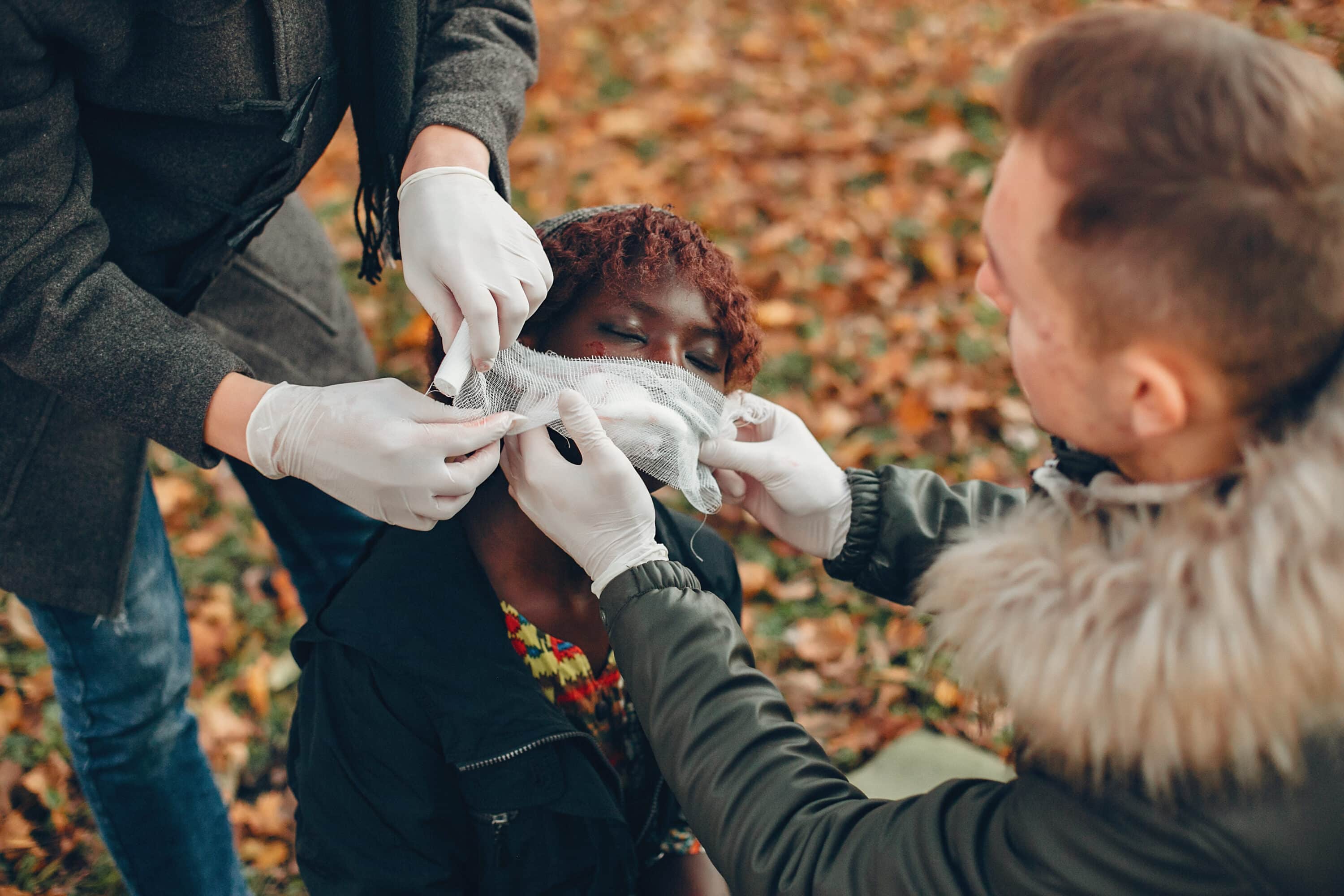
Providing basic assistance and first aid
-
Sharing real-time information from the scene with the community and EOCs
Without these early actions, responders often arrive with limited situational awareness — costing valuable time.
So, Who Are These Everyday Heroes?
When we talk about volunteers, we’re not only referring to formally trained teams. Volunteers can include:
-
Everyday citizens
-
Neighbors
-
Community Emergency Response Teams (CERTs)
-
NGO and faith-based volunteers
-
Neighborhood safety groups
-
Event marshals and stewards
-
Ordinary citizens who choose to act
In every case, volunteers save lives before first responders arrive simply by being present, informed, and connected.
Understanding Volunteer Motivation
To effectively coordinate and support these incredible individuals, we first need to understand what drives them. Motivation isn’t just a “nice to know”—it’s the engine that powers community response. When organizations grasp why people show up, they can create an environment that not only attracts volunteers but also keeps them coming back. It’s about recognizing that behind every act of service is a personal reason and a unique story. Understanding this human element is the key to building resilient, engaged, and effective volunteer teams that can truly make a difference when their communities need them most.
What Inspires People to Volunteer?
People volunteer for a whole host of reasons, but a common thread is a powerful desire to make a tangible impact. For many, it’s about a deep-seated need to help others, save lives, and contribute to the well-being of their local community. This altruistic drive is often sparked by personal experiences, like witnessing an emergency firsthand and feeling compelled to act. Beyond the call to serve, volunteering also offers a chance to learn new skills and gain valuable experience that can even open doors for future careers. It’s this unique blend of selflessness and self-development that inspires ordinary people to step up and become a part of something bigger than themselves.
The Challenges Volunteers Face
Of course, volunteering isn’t without its difficulties. The commitment can be demanding, often requiring volunteers to be on call and ready to drop everything at a moment’s notice, taking time away from family and personal life. In smaller groups, the weight of responsibility can feel especially heavy. Beyond the logistical strain, there are emotional and psychological hurdles. Volunteers may face fears about their performance in high-stakes situations, like administering CPR, worrying about causing injury or facing legal issues if things don’t go as planned. Acknowledging these very real challenges is the first step in providing the support system they need to continue their vital work.
What Keeps Volunteers Engaged?
So, what turns a one-time volunteer into a long-term team member? It comes down to creating a supportive and rewarding environment. A strong sense of community and belonging, guided by effective leadership, is absolutely crucial. Volunteers thrive when they feel like part of a cohesive team working toward a common goal. They also need to see the results of their efforts, so receiving feedback on outcomes and getting recognition from their organization and the public makes a huge difference. Finally, giving them a voice in decision-making and providing access to support for traumatic experiences shows they are valued not just for what they do, but for who they are. This is how you build a sustainable volunteer force.
How Volunteers Save Lives Before First Responders Arrive
1. Spotting and Reporting Emergencies Faster
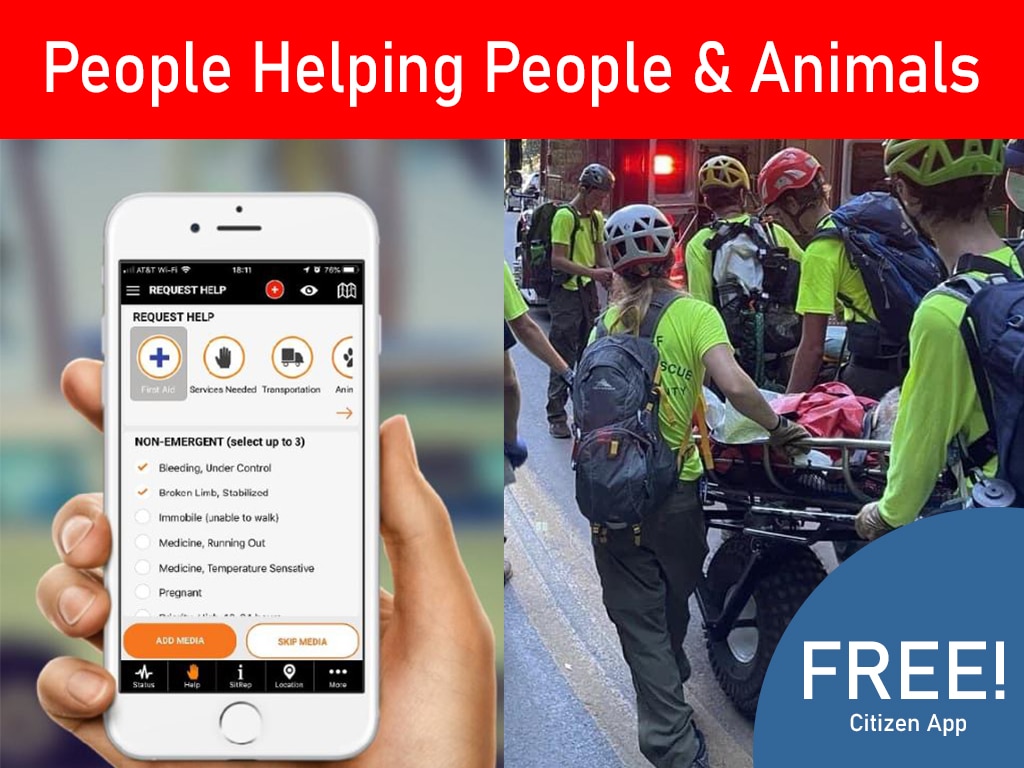
Volunteers are often the first to witness an emergency. Using tools like the PubSafe app, they can report incidents in seconds — providing location data, photos, videos, and descriptions.
This early visibility ensures that volunteers save lives before first responders arrive by accelerating dispatch and reducing confusion.
2. Giving First Responders a Clearer Picture
Accurate, real-time information helps responders prepare before they arrive.
When volunteers share updates — such as road closures, fire spread, injured persons, or hazards — emergency services can deploy the right resources faster. This coordination is another key reason volunteers save lives before first responders arrive.
3. Providing Immediate On-Scene Assistance
While volunteers are not a replacement for professionals, basic actions save lives:
-
Administering first aid
-
Helping evacuate vulnerable people
-
Warning others of danger
-
Controlling crowds or traffic
These early interventions stabilize situations and reduce risk until trained responders take over.
The Three C’s of an Emergency: Check, Call, Care
To act effectively without becoming overwhelmed, it helps to remember a simple, powerful framework. These three steps guide your actions in the critical first moments of an incident.
- Check: Before you do anything else, check the scene and the surrounding area for any immediate dangers. Your safety comes first—you can’t help anyone if you become a victim, too. Look for hazards like traffic, fire, or unstable structures before approaching.
- Call: Next, call for professional help. Dial 911 and provide clear, calm information. In addition to calling authorities, you can report the incident through the PubSafe app to alert nearby volunteer teams and give first responders a real-time view of the situation before they even arrive.
- Care: Provide care to the best of your ability until professionals take over. This doesn’t mean you need to be a medical expert. It can be as simple as applying pressure to a wound, comforting someone in shock, or performing basic first aid if you are trained.
The Three P’s of First Aid: Preserve, Prevent, Promote
When you’re providing that on-the-ground care, your actions are driven by the three core objectives of first aid. This framework helps you prioritize what needs to be done to protect the injured person.
- Preserve Life: This is the most critical goal. Your immediate actions should focus on sustaining life, whether that means performing CPR, using an AED, or taking steps to stop severe bleeding.
- Prevent Deterioration: Once immediate life threats are managed, your goal is to keep the person’s condition from getting worse. This could involve keeping them warm to prevent shock, immobilizing an injury, or moving them to a safer position.
- Promote Recovery: Finally, focus on helping the recovery process begin. This is often about providing comfort and reassurance. Speaking calmly, offering a blanket, and helping the person feel safe can have a significant positive impact on their physical and emotional state.
4. Organizing an Effective Community Response
Large-scale emergencies overwhelm centralized systems. Volunteers help distribute the response load by:
-
Supporting shelters
-
Delivering supplies
-
Relaying verified information
Through organized platforms, volunteers save lives before first responders arrive by ensuring communities are not waiting helplessly for assistance.

How Volunteers and Professionals Work Together
It’s important to be clear: volunteer action does not replace professional emergency services.
Instead, volunteers save lives before first responders arrive by strengthening the response chain:
-
Faster alerts
-
Better intelligence
-
Safer scenes
-
Stronger community resilience
When responders arrive, they step into a more informed, controlled environment — improving outcomes for everyone involved.
Engaging Bystanders with the SCAN Protocol
When an emergency strikes, most people have a powerful instinct to help, but without clear direction, good intentions can add to the chaos. The SCAN protocol gives first responders a simple framework to safely and effectively manage this impulse. It’s a tool for quickly assessing the scene and assigning simple, low-risk tasks to bystanders who are eager to assist. By channeling the natural willingness of volunteers into organized action, responders can gain better control of the scene and get faster help to victims. This might involve asking someone to guide uninjured people to a safe location or to relay messages to other responders, turning onlookers into a valuable part of the immediate response effort and ultimately saving more lives.
The Unseen Toll: Mental Health in Emergency Response
While a coordinated response improves outcomes, it’s also crucial to acknowledge the human cost for those on the front lines. Emergency responders—both professional and volunteer—repeatedly face traumatic situations that take a significant mental and emotional toll. This isn’t about one bad day on the job; it’s the cumulative weight of hundreds of difficult days. Each incident, from a car accident to a large-scale disaster, leaves a mark. This unseen burden affects not only their well-being but also their ability to serve the community effectively over the long term. When we talk about a sustainable response effort, we have to include the sustainability of the responders themselves. Ignoring the psychological impact of their work is like sending them into the field without the right physical gear—it leaves them vulnerable. Understanding these challenges is the first step toward building a truly resilient response system, one that cares for its caregivers as much as the people they are sworn to protect. The stress is immense, and without proper support, it can lead to serious consequences for the individuals who dedicate their lives to helping others. Let’s look at what they face and what real support looks like.
Understanding First Responder Exhaustion Syndrome (FRES)
The unique pressures of emergency work can lead to a condition known as First Responder Exhaustion Syndrome, or FRES. This isn’t just feeling tired; it’s a state of chronic burnout resulting from constant exposure to high-stress incidents and traumatic events. The unpredictability of the job means responders are always on high alert, which wears down their mental defenses over time. FRES often includes symptoms of PTSD, anxiety, and deep-seated exhaustion that can impact every aspect of a person’s life. Recognizing FRES is vital because it validates the very real psychological injuries that responders sustain while performing their duties, paving the way for more targeted and effective support.
The Importance of Mental Health Support
Given these risks, robust mental health support is non-negotiable. Yet, many responders feel the services available are inadequate, with studies showing that a significant number of personnel are dissatisfied with the mental health support from their employers. This gap is dangerous, as occupational stress is directly linked to a higher risk of anxiety, depression, and other conditions. Effective support goes beyond just offering help after a crisis; it involves creating programs that build resilience and teach coping strategies. A well-organized response, facilitated by tools that streamline team management and communication, can also reduce the cognitive load on responders, helping to mitigate some of the chaos that contributes to burnout and mental fatigue.
Stories from the Field: Volunteer Impact in Action
Across the world, community volunteers have:
-
Reported fires before alarms were triggered
-
Rescued trapped individuals during floods
-
Guided responders through blocked or unsafe routes
-
Provided first aid during mass events
-
Coordinated evacuations during storms
In each case, volunteers save lives before first responders arrive by acting decisively and collaboratively.
How to Build a More Resilient Community
Prepared communities respond better to crises. When citizens know how to report incidents, understand their role, and have access to shared tools, everyone benefits.
PubSafe supports this by enabling:
-
Citizen incident reporting
-
Volunteer coordination
-
NGO and agency collaboration
-
Community-driven disaster response
Together, we create safer, more resilient communities where volunteers save lives before first responders arrive — every day.
The 5 P’s of Emergency Preparedness
Knowing that volunteers are critical is one thing, but being ready to act is another. So, how can you and your community prepare to make a real difference? A simple way to remember the fundamentals is with the “5 P’s”: Plan, Participate, Protect, Prepare, and Practice. This framework isn’t just a checklist; it’s a mindset that turns good intentions into confident, life-saving actions when every second counts. It ensures that when an emergency happens, you’re not just a bystander—you’re a capable part of the solution, ready to help before professionals even arrive.
- Plan: Create a clear plan for your household and community. Know your evacuation routes, establish meeting points, and decide how you’ll communicate if networks are down.
- Participate: Emergency response is a team sport. Get involved with local groups like a CERT team or neighborhood watch. Effective volunteer coordination is the backbone of a resilient community.
- Protect: Learn essential skills to protect yourself and others. Taking classes in first aid, CPR, or “Stop the Bleed” equips you to provide immediate care when it matters most.
- Prepare: Assemble emergency kits for your home and vehicle. Include water, food, a first-aid kit, a flashlight, and any personal necessities. Stay informed by signing up for local alerts.
- Practice: A plan is only useful if you practice it. Run drills with your family or community group to ensure everyone knows their role and can act confidently during a real crisis.
Ready to Help? Here’s How to Get Involved
You don’t need to be a professional responder to make a difference.
By joining a community safety group, volunteering with local organizations, or simply using the PubSafe platform responsibly, you become part of a life-saving network.
Because when emergencies happen, volunteers save lives before first responders arrive — and your actions could be the reason someone survives.
Frequently Asked Questions
I want to help in an emergency, but I don’t have any medical training. What can I actually do? You don’t need to be a medical expert to make a life-saving difference. Some of the most critical actions involve no medical skill at all. You can be the first to report the incident accurately using a tool like PubSafe, which gives professional responders a head start. You can also help by guiding others away from danger, providing comfort to someone in shock, or simply securing the scene to prevent further accidents. Your presence and clear thinking are powerful assets.
How does using an app like PubSafe help more than just calling 911? Calling 911 is always the essential first step for dispatching professional help. Using an app like PubSafe complements that call by creating a real-time information network. While a 911 call tells responders where to go, the app can show them what they’re going into. You can share photos, videos, and specific details (like a blocked road or the number of people involved) that give responders critical situational awareness before they even arrive. It also alerts nearby community members and volunteer teams who can provide immediate support.
What’s the single most important thing to remember if I’m the first person at an emergency scene? Before you do anything else, check the scene for your own safety. You can’t help anyone if you get hurt, too. Look for immediate dangers like traffic, fire, or unstable structures. Once you’ve confirmed it’s safe to approach, your next steps are to call for professional help and then provide whatever care you can. Remembering to prioritize your own safety first ensures you can be an effective helper instead of another person in need of rescue.
The article mentions the challenges and stress volunteers face. How can I avoid burnout? That’s a great question, because taking care of yourself is key to being able to help others long-term. The best way to prevent burnout is to set clear boundaries. Know your limits, both physically and emotionally, and don’t be afraid to say no or take a step back. It’s also vital to connect with your team. Sharing experiences with fellow volunteers creates a strong support system. Acknowledging the emotional toll is not a weakness; it’s a necessary part of doing this important work sustainably.
Besides downloading the app, what’s a good first step to becoming a more prepared community member? A fantastic first step is to get basic training. Look for local classes in First Aid or CPR offered by organizations like the American Red Cross. These courses give you the confidence and skills to act effectively when it matters most. Another great step is to simply make a plan with your family. Discuss what you would do in different emergencies, where you would meet, and how you would communicate. Preparation starts at home.
Key Takeaways
- Volunteers are the true first responders: In the critical minutes before professional help arrives, simple actions like reporting an incident, sharing clear information, and providing basic first aid can dramatically change the outcome of an emergency.
- Effective help requires a framework: Good intentions are not enough during a crisis. Using simple, memorable guides like the “Three C’s” (Check, Call, Care) and coordination platforms helps turn willing bystanders into an organized and effective part of the solution.
- Community resilience starts with personal readiness: You can become a capable part of your community’s response network by taking proactive steps. This includes creating a family plan, learning essential skills like first aid, and knowing how to use reporting tools before a crisis occurs.
Related Articles
- Volunteer Coordination During Emergencies: How Communities, NGOs, And Responders Work Together
- Volunteer Coordination in Emergencies: Strategies & Real-Time Response | PubSafe
- Civilian Crisis Response: Empowering Volunteers in Emergencies | PubSafe
- How Volunteers Save Lives Before First Responders Arrive | Community Disaster Response