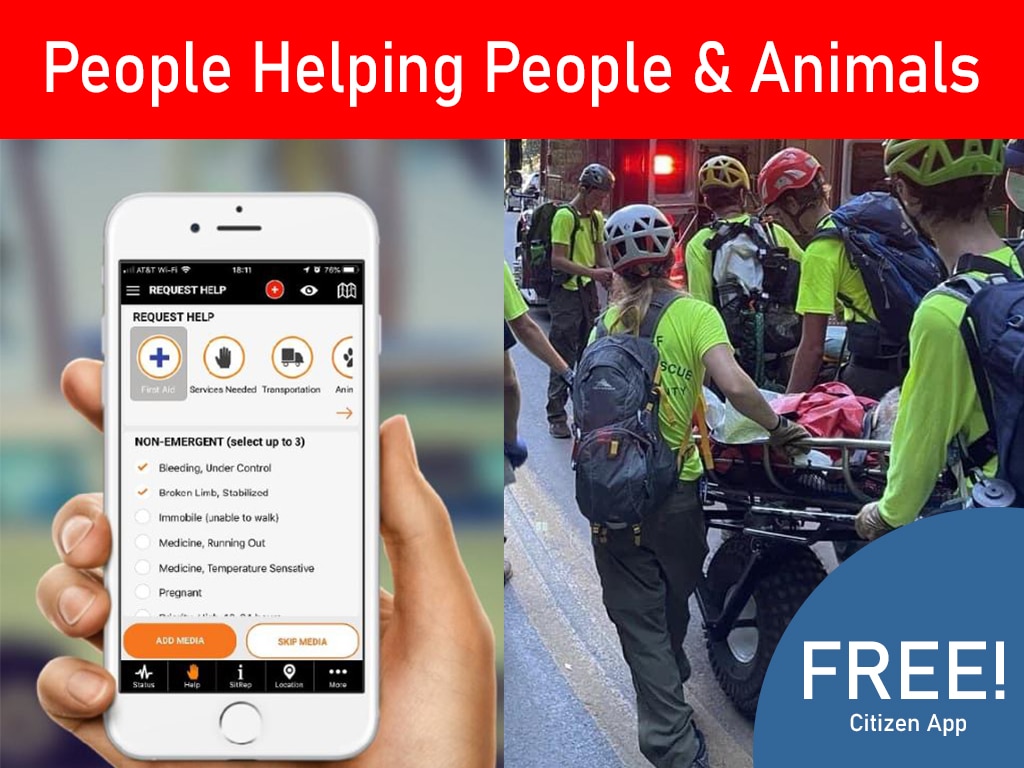
Natural disasters are increasing in rate and impact, placing a heavy burden on standard relief networks. Companies now play a vital role in providing the help and resources needed to support local areas.
While most businesses want to help during a crisis, few have the tools to act fast without chaos. Building a formal structure allows your group to do the most good while protecting its people. Understanding the business case is the first step for any CSR manager.
Why Your Company Needs a Corporate Disaster Response Program
A corporate disaster response program is a structured plan that allows a business to organize employee volunteers and resources for crisis relief efforts. This plan moves beyond cash gifts by creating teams that can use skills like planning, medical aid, or debris removal to help areas recover. Good plans focus on safety and work with known groups like the Red Cross, which responds to over 60,000 disasters each year. By using dedicated software for real-time contact and volunteer tracking, companies can ensure their efforts are both safe and clear. These plans provide critical support during “gray sky” crisis events while building company culture. A well-managed plan turns social duty goals into a real, life-saving tool.
Starting a corporate disaster response program is one of the most impactful CSR moves your company can make this year.
Disasters happen fast and can hit any business. Having a clear plan for your team is no longer just a nice goal. It is a vital part of staying strong in a changing world. A corporate disaster response program gives your firm the tools to help when people need it most. It also keeps your staff safe and helps your local area bounce back from a crisis.
Strength in a Growing Market
The field of emergency management is growing at a fast pace. Experts say the market for this type of software is set to rise from $2.8 billion today to $7.6 billion by 2033. This means the market will grow by about 12% each year. Learning how PubSafe works can help your firm set up these tools now. Investing in this tech helps your firm handle “gray skies” or emergency times with more ease. It also shows you are a leader in your field who is ready for any challenge.
Meeting New Employee Wants
Workers today look for more than just a paycheck. They want to work for a brand that does good and cares about its impact. Most people feel more loyal to a firm that has strong values and a clear mission. Major firms like Microsoft lead the way in this area. Since 2015, Microsoft has given over $1 billion in cash and goods to help after a crisis. Their team members have also logged more than 500,000 hours of service. A good program helps you keep your best people and attracts new talent.
Supporting Large Scale Relief Work
Big crises are becoming more common across the globe. The Red Cross responds to over 60,000 disasters every year in the United States alone. These range from small home fires to big floods and storms.
Groups like these need the private sector to step up and help. There are also over 2,800 Community Emergency Response Teams (CERT) that help across the country. These teams have up to 560,000 trained people who work to save lives. Working with groups like FEMA through your program makes the whole community safer.
Planning ahead is the best way to make a real impact. If you wait until a storm hits to start, you will be too late. A clear plan lets you move fast and put your tools where they can do the most good. This active approach saves time and helps more people in need. It also gives your team a sense of pride and purpose during hard times.
How to Structure CSR Volunteer Deployment for Disaster Relief
A strong corporate disaster response program needs a clear and simple plan. Without a solid structure, staff efforts may go to waste during a crisis. Companies should build a plan that uses their best assets. This means using their people and their unique skills to help those in need. A good plan helps a business act fast and do the most good for the local area. It also helps staff feel proud of where they work.
Build pre-trained response teams
Many top firms now create teams of staff who are ready to help before a disaster hits. These teams get training on how to stay safe and work with local groups. For example, Microsoft has seen its staff give over 500,000 volunteer hours since 2015.
Companies often use a mix of pre-trained teams and gift matches to boost their impact. By setting up these teams early, a business can act fast when a storm or fire occurs. Pre-trained staff know their roles. This helps them work better with local groups on the ground.
Using volunteer management software can help track these teams and their skills. It makes sure that everyone is ready for the next big event.
Focus on skill-based volunteer work
The best programs match what staff do best with what people need on the ground. This is known as skill-based volunteer work. Firms like YourCause suggest teaming up with groups such as the Red Cross to find these needs. Leading programs find that pairing staff skills with disaster needs makes the biggest impact. This approach also makes work more vital for the staff. When people use their work talents to help others, they feel a deeper link to the company goal. It turns a daily job into a way to save lives and help a city heal.
Partner with local NGOs and CERT teams
Working with local groups is vital for a good response. Firms should not try to work alone. Instead, they should join forces with groups like local Community Emergency Response Teams (CERT). These groups know the area and the specific needs of the people who live there. Teamwork with local NGOs is a key part of any good plan. FEMA notes that working with the private sector is a core part of good disaster response. Partners like Team Rubicon have sent over 100,000 volunteers to hundreds of missions since 2010. These links make sure that help gets to where it is needed most without any delay. Working with known partners reduces risk and helps the help arrive much faster.
| Approach | Cost per Year | Volunteer Tracking | Real-Time Comms | Best For |
|---|---|---|---|---|
| Self-managed (spreadsheets) | $0 (staff time only) | Manual | No | Small teams, rare events |
| Enterprise platforms (Everbridge, WebEOC) | $10,000-$150,000+ | Yes | Yes | Large orgs with big budgets |
| Volunteer-only tools (VolunteerHub, POINT) | $600-$2,400 | Yes | No | General nonprofit ops only |
| PubSafe | $60/user/year | Automated | Yes (two-way) | CSR programs and CERT teams |
Coordinating with Local NGOs and CERT Teams
A strong corporate disaster response program works best when it builds ties with local groups. You should not wait for a crisis to start these links. Working with local groups and Community Emergency Response Teams (CERT) helps you move fast when a disaster hits. These teams know their towns and can guide your staff to where help is needed most. Working with local NGOs and CERT teams is a key part of any fast response.
The Role of CERT Programs
CERT programs are a key part of local safety. There are more than 2,800 CERT programs in the US alone. These teams include between 140,000 and 560,000 helpers. When you link your firm with a local CERT, you gain access to trained people who know how to stay safe. They can help your staff find the best way to serve during a crisis. This link keeps your team safe while they help the area.
To find these groups, you can look at city web pages. Most towns keep a list of approved groups that respond to fires or floods. You should reach out to the CERT lead in your area. They can tell you what skills your staff should learn to be of the most help.
Building Early Partnerships
Experts say you must build these ties ahead of time. YourCause advice shows that planning with other groups helps you see a bigger impact. It is hard to find the right partners while a storm is raging. By setting up plans now, you ensure your team is ready to act the moment a call for help goes out. This early work is vital for coordinating volunteers during emergencies safely.
Strong ties also mean better trust. Local leaders will be more likely to let your team help if they know you already. You can offer your office space for meetings or help with local drills. These steps help your firm become a trusted part of the local safety net before a disaster happens.
Vetting and State Alignment
Your team needs to work with groups that follow set rules. It is helpful to match your work with the rules used by state teams. You can learn how to partner with large groups through the FEMA website. This site shows how the state works with private groups to save lives. Vetting your partners ensures that your aid goes to the right places and stays within the law.
Check the past of any group you plan to join. You should look for these key items:
- A clear mission that matches your goals.
- Proof of past success in local aid.
- Active ties with state safety groups.
- Valid tax and legal status.
A well-vetted partner will help your firm avoid risks and reach its goals for good work. This ensures your aid is used in the best way it can.
Tracking Volunteer Hours for CSR and ESG Reporting
A modern corporate disaster response program needs clear data to show its value. Companies today do not just want to help; they need to prove the impact of their work. Good data helps managers track how well their teams perform during a crisis. It also turns volunteer effort into a clear metric for business reports. Without a plan to track this data, a program may struggle to show its worth to the board.
Hour tracking for ESG metrics
Most large firms now use Environmental, Social, and Governance (ESG) scores to measure their success. Tracking volunteer hours is a key part of this process. It provides the hard numbers needed for volunteer management software FAQ pages and CSR impact reports. Using these tools helps firms track:
- Total employee hours given to relief work
- Number of disaster sites served
- Skills shared with local groups
- Value of in-kind social support
When a company can show exactly how many hours its staff worked, it builds trust with people and the public. This data is the spine of any good social program. Brands can show they take their social duties seriously through clear logs.
Data for grant requests and impact reports
Many relief groups and programs rely on grants to keep running. These grants often need proof of “in-kind” matches from volunteers. Federal groups like FEMA use these hours to check the value of given tools during a disaster. Without good logs, a program might lose out on vital funds that support future work. This can stop a team from being able to help when it is needed most.
Easy logs make it simple to build impact reports for leaders and givers. These reports show where tools went and who received help. They also show the scale of the response in a way that numbers alone cannot. Having this data ready allows a group to move fast when new funds appear. It creates a record of success that helps win more support in the future.
Automated hour tracking with PubSafe
Tracking hours by hand is slow and has many risks. It takes time away from the mission and slows down the reporting cycle. PubSafe solves this by tracking volunteer hours automatically for CSR and grant reports. This tool ensures that every minute of service is logged and ready for review. It removes the stress of paperwork for teams in the field.
The platform makes it simple to manage large teams across many sites. For just $60 per user each year, firms get a full set of tools to manage and log their work. This is a small price compared to other tools that cost much more. Good coordinating volunteers during emergencies ensures that the focus stays on helping people while the software handles the data.
Ensuring Responder Safety and Readiness
Keeping teams safe is the most vital part of any corporate disaster response program. Before you send staff into a crisis zone, you must make sure they have the right tools and training. Prep is not just about having gear. It is about having a clear plan that keeps every person in sight. When teams feel safe, they can focus on the work at hand and help those in need.
How does training help teams?
Training is the best way to build a team that is ready to act fast. When workers know their roles, they are more likely to step up and help. Clear tasks reduce stress during a big storm.
Well-trained teams are much more likely to join in when help is needed. In fact, when staff can help in a real way, they tend to stay with the firm longer. This work also helps the firm brand look better to the public. By giving staff the skills they need, you show that their safety is a top goal for the firm.
When teams are ready, they feel more sure of themselves. This faith leads to better results for the people you serve.
Real-time sight for safe work
To keep teams safe, you need to see what is going on in real time. A strong disaster response platform gives you a full view of the field. You can set tasks and check on staff with one easy app. This stops people from going into zones that are not safe.
PubSafe lets teams talk back and forth so no one is left alone in a crisis. This level of sight keeps all on the same page. It helps them work as one unit while they help others in need. You can see where each person is at all times. Real-time tracking also helps you spot issues before they become big problems. If a team member stops moving or goes off course, you will know right away.
Key safety features include:
- Real-time GPS tracking for each team member.
- Two-way talk to report risks as they happen.
- Quick task updates to keep teams out of danger.
Coordination with local teams
Working with local groups is another key part of safety. There are many Community Emergency Response Team (CERT) programs in the U.S. today. These teams have deep knowledge of their areas. By joining forces, your firm can reach more people without doing the same work twice.
FEMA notes that firms should build bonds with local groups before a storm hits. Using a tool like PubSafe helps these groups work as one. It gives every team a way to track their time and see where help is needed most. This makes the whole response faster and much safer for each one involved in the work.
Sharing data with local groups makes sure that no one is left behind. It also stops teams from getting in each other’s way during a busy response.
Frequently Asked Questions
What is the difference between CSR and corporate disaster response?
Corporate social responsibility is a broad term for all company giving. It covers things like green goals and local charity work. A corporate disaster response program is one part of that work. It focuses on fast help when a crisis hits, like a flood or a fire. These programs often use volunteer management software to lead teams and send help where it is needed most.
How do you track employee volunteer hours for disaster relief?
Tracking hours helps companies show the impact of their giving. Many firms use tools to log when and where staff help out. This data is vital for reports and tax filings. According to PubSafe, smart tools can track hours in real time during a crisis. This ends the need for paper logs and makes sure all work is logged. It also helps managers see which teams are active and where more help is needed.
What are the four pillars of disaster risk reduction?
The four pillars are mitigation, preparedness, response, and recovery. Mitigation means taking steps to stop a disaster before it starts. Preparedness involves training teams and making plans. Response is the work done during the event to save lives. Recovery is the long process of rebuilding. A disaster response platform helps with all four stages by keeping teams in touch and sharing data. This clear way of working makes help faster and more useful.
How much does disaster response software cost?
The cost of these tools can vary a lot. Large systems may cost between $10,000 and $150,000 each year. These high prices can be hard for many firms to pay. However, more low cost options now exist for many teams. For example, PubSafe pricing starts at just $60 per user each year. This makes it easier for many companies to build a program that keeps their staff safe and helpful during a crisis.
Ready to build your corporate disaster response program?
If you wait for a disaster to strike before you have a plan, your team will lack the tools they need to help those in danger.
By setting up your program now, you save time when it counts most and make sure your help gets to the right spots. A clear plan keeps your team safe and lets you track your work so you can show the real value of your aid. See how our tools help teams on our how PubSafe works page.
Do not wait for the next storm to show that your team is not ready to help your town.
Ready to build? Request our pricing to build your corporate disaster response program.