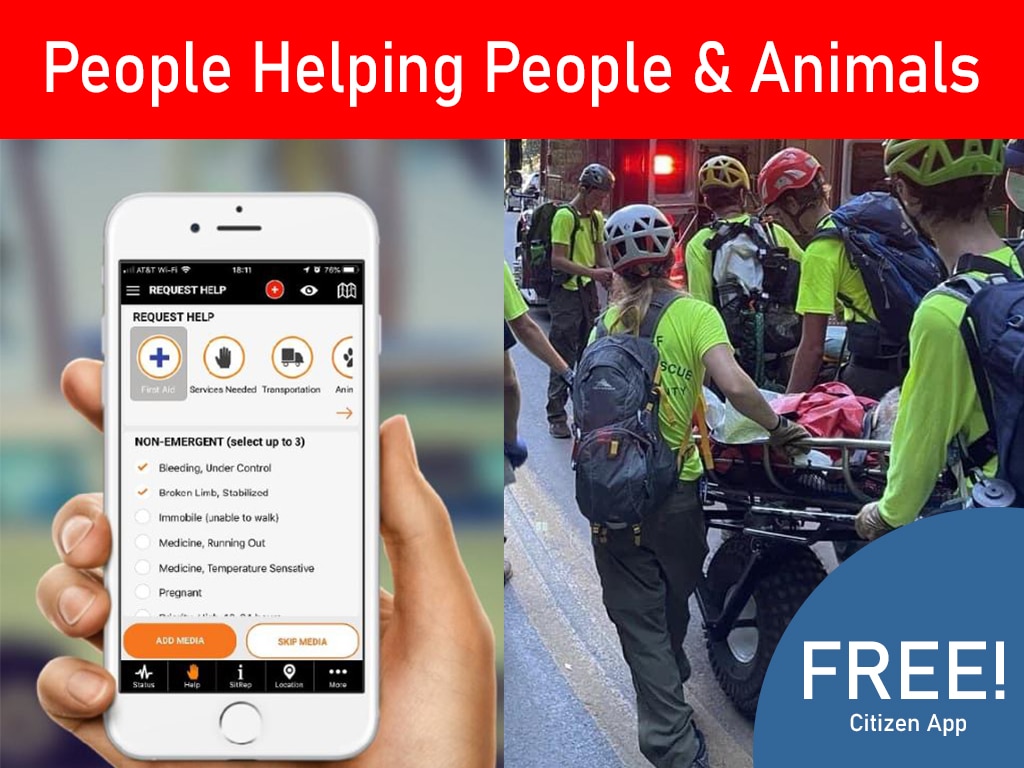
The core principles of the Incident Command System have been the bedrock of effective emergency management for decades, providing a proven structure for responding to crises. But today, this time-tested framework is more powerful than ever thanks to modern technology. Digital tools transform how we apply ICS, replacing paper maps and radio chatter with real-time data and instant communication. Platforms like PubSafe are built to support the Incident Command System, allowing teams to share information, track resources, and coordinate actions from a single, shared interface. This fusion of a solid framework with smart technology creates a faster, safer, and more efficient response for everyone involved.
Key Takeaways
- ICS provides a universal playbook for emergencies: It standardizes roles and communication, allowing different groups like government agencies and citizen volunteers to coordinate effectively on incidents of any size, from a local parade to a major hurricane.
- Clear roles and responsibilities are central to the system: ICS uses a defined command structure and core principles, such as Unity of Command, to eliminate confusion, improve safety, and ensure everyone is accountable for their part in the response.
- You can apply ICS principles with training and technology: Start with free FEMA courses to learn the fundamentals. Then, use platforms like PubSafe to put that knowledge into action with tools for real-time reporting, team management, and resource coordination.
What Is the Incident Command System (ICS)?
If you’ve ever been part of an emergency response, you know that clear communication can make or break the entire operation. The Incident Command System, or ICS, is the framework that makes this clarity possible. Think of it as a universal playbook for managing emergencies, ensuring everyone from local volunteers to federal agencies can work together without stepping on each other’s toes. It provides a standardized structure for command, control, and coordination, which is essential when lives and property are on the line. Whether the incident is a small house fire or a massive hurricane, ICS provides the organizational tools needed to mount an effective and efficient response.
How ICS Began
The need for a unified system became painfully clear back in the 1970s. After a series of devastating California wildfires, studies showed that response failures were often due to poor management, not a lack of resources. Before ICS, different agencies would show up to a scene with their own terminology and command structures, which led to confusion and conflicting orders. ICS was created to fix this by establishing one consistent system for everyone. Decades later, after the 9/11 attacks, the U.S. government made ICS a core part of the National Incident Management System (NIMS), requiring its use for agencies to receive federal emergency funding.
Why ICS Matters Today
Today, ICS remains the gold standard for emergency management. It’s a standardized, scalable management framework that allows completely different teams to work together seamlessly during a crisis. This means a local fire department, a team of NGO volunteers, and a state agency can all use a common organizational structure, speak the same language, and work toward shared goals. The system provides a clear chain of command and ensures every critical function is covered, from on-the-ground operations to logistics and planning. The primary objectives are always to stabilize the incident, protect people and the environment, and restore normal operations as safely and quickly as possible.
The Guiding Principles of ICS
At its heart, the Incident Command System is built on a set of guiding principles that bring order to the most chaotic situations. Think of these principles not as rigid rules, but as the foundational logic that allows diverse teams to function as a single, effective unit. They are the reason why a local CERT team, a national NGO, and a public safety agency can show up to the same event and immediately know how to work together.
These principles ensure clear communication, create logical management structures, and maintain accountability from top to bottom. By establishing a common operational framework, ICS makes sure everyone is speaking the same language and working toward the same goals. This shared understanding is what shows you how PubSafe works to facilitate, connecting different organizations and volunteers into a cohesive response effort. Whether you’re managing a small community event or a large-scale disaster, these principles provide the stability and scalability needed to get the job done safely and efficiently.
Unity of Command
In an emergency, conflicting orders can create confusion and risk. The principle of Unity of Command solves this by ensuring every individual has only one designated supervisor they report to. As the official guidance states, “Unity of Command ensures that every individual involved in an incident reports to only one supervisor.” This creates a clear chain of command, so you always know who you’re getting instructions from and who you’re accountable to.
For volunteers and responders on the ground, this means you won’t be pulled in different directions by multiple leaders. For supervisors, it clarifies who they are responsible for. This structure is essential for effective team management and helps prevent tasks from falling through the cracks during a critical response.
Common Terminology
When people from different agencies, organizations, and backgrounds come together, they often bring their own jargon and acronyms. The principle of Common Terminology eliminates this potential for misunderstanding. It requires all participating groups to use standardized, plain-language terms for personnel, equipment, and facilities. This is vital because, as experts note, “Common Terminology is essential for effective communication among various agencies and organizations.”
Instead of using agency-specific codes, everyone uses shared titles like “Incident Commander” or “Staging Area.” This ensures that when a request for resources is made, everyone understands exactly what is needed. This clarity is especially important for smooth volunteer coordination, allowing citizen responders to integrate seamlessly with professional teams.
Management by Objectives
An effective response is one that is focused and goal-oriented. The principle of Management by Objectives establishes a clear process for setting priorities and directing the response effort. It all starts with the Incident Commander, who develops specific, measurable, and achievable objectives for the incident. This approach “helps to focus efforts and resources on the most critical tasks, ensuring that the incident response is effective and efficient.”
Every action, strategy, and tactic that follows is designed to help meet those overarching goals. This top-down approach ensures that everyone’s work is aligned and contributes directly to resolving the incident. It moves the team from simply reacting to proactively managing the situation, which is critical when you’re reporting an incident and need a clear plan of action.
Flexible and Modular Structure
No two incidents are the same, and the response structure needs to reflect that. The Flexible and Modular Structure of ICS allows the command organization to expand and contract based on the incident’s size, scope, and complexity. For a small, contained event, the structure might be very simple. For a major disaster, it can grow to include hundreds of personnel across multiple divisions.
The key is that you only activate the functions and positions that are actually needed. This scalability “enables a scalable response that can grow or shrink as needed,” preventing the response from becoming bogged down by unnecessary bureaucracy. This adaptability is a core feature of any modern disaster response platform, which must be able to support incidents of any scale.
Manageable Span of Control
To be effective, no supervisor should be tasked with managing more people than they can handle. The principle of Manageable Span of Control addresses this by limiting the number of subordinates any one person oversees. The guideline suggests that “one supervisor should ideally manage between 3 and 7 subordinates, with 5 being the optimal number.” This ensures that supervisors can give their team members adequate attention, direction, and support.
By keeping the supervisor-to-subordinate ratio low, the system prevents leaders from becoming overwhelmed and improves safety and accountability. This principle is fundamental to building a sound organizational structure, whether you are a formal agency or a new volunteer group completing your organization registration to help your community.
The 5 Core Functions of ICS
To keep chaos at bay during an emergency, the Incident Command System is organized around five core functions. Think of them as the essential departments of a pop-up company created to manage a crisis. Each function has a distinct role, ensuring that every critical task, from on-the-ground action to tracking expenses, is covered. This structure is the secret to ICS’s flexibility; for a small incident, one person might handle multiple functions, while in a massive disaster, each function expands into a full-fledged section with its own team.
The five functions are Command, Operations, Planning, Logistics, and Finance/Administration. Command sets the direction, Operations carries out the plan, Planning gathers the intel, Logistics provides the supplies, and Finance/Administration keeps track of the costs. Together, they create a comprehensive management system that allows teams to respond efficiently and effectively. Understanding how PubSafe works can show you how technology helps integrate these functions for a seamless response, connecting everyone from the Incident Commander to volunteers in the field. This clear division of labor prevents tasks from being duplicated or, worse, missed entirely.
Command
The Command function is the nerve center of the entire incident response. At the top is the Incident Commander (IC), who has overall responsibility for managing the event. Their job is to assess the situation, establish clear objectives, and set the priorities for everyone involved. Essentially, the IC defines what a successful outcome looks like and outlines the broad strategies to get there. This creates a single, authoritative voice, which is critical for preventing confusion and conflicting orders on the ground. In larger incidents, the IC is supported by a Command Staff who handle public information, safety, and interagency liaison duties, allowing the IC to focus on the big picture.
Operations
If Command is the brain, Operations is the muscle. This function is where the tactical, hands-on work of the response happens. Led by the Operations Section Chief, this team is responsible for carrying out the strategies laid out in the Incident Action Plan (IAP). This includes all the front-line activities, such as search and rescue, firefighting, medical aid, and debris removal. The Operations section organizes and directs all the resources in the field, from personnel to equipment, to directly address the problem. Effective volunteer coordination during emergencies is a perfect example of a key Operations task, ensuring that every person helping is used effectively.
Planning
The Planning function acts as the intelligence hub for the incident. This team is responsible for collecting, evaluating, and sharing all information related to the response. They track the status of resources, document the situation as it evolves, and prepare the official Incident Action Plan (IAP) for each operational period. By constantly gathering data, they help predict the incident’s likely course and prepare for future needs. This ensures that the Incident Commander and other leaders are making decisions based on the most accurate and timely information available. Citizens can contribute directly to this effort by reporting an incident through apps like PubSafe, providing valuable on-the-ground data.
Logistics
No response can succeed without supplies, and that’s where the Logistics function comes in. This team is responsible for providing all the resources and services needed to support the incident response. Their job is to find, order, and distribute everything from food, water, and shelter for responders to specialized equipment, fuel, and communication systems. They handle transportation, set up facilities, and manage medical support for personnel. In short, Logistics makes sure the Operations team has everything it needs to do its job safely and effectively. Without a strong Logistics section, even the most well-thought-out plan will quickly fall apart.
Finance/Administration
While it may not be the most visible function, Finance and Administration is essential for accountability and long-term recovery. This section tracks all the financial aspects of the incident, including personnel time, equipment costs, and procurement contracts. They handle any potential injury or damage claims and ensure all paperwork is in order. This meticulous record-keeping is crucial, especially when an organization needs to seek reimbursement from state or federal agencies after a disaster. By managing the money and paperwork, the Finance/Admin section allows the other functions to focus on their immediate response duties. Proper organization registration is the first step for groups to ensure they can track their own resources and costs effectively.
Who Does What in ICS?
In any emergency, knowing who is responsible for what is critical. The Incident Command System creates a clear organizational chart so that every person has a defined role. This structure prevents confusion and ensures that all essential tasks are covered, from frontline action to behind-the-scenes support. Think of it as a pre-built team structure ready to be activated at a moment’s notice. At the top is a single leader, supported by staff who manage key functions and provide critical information. Let’s break down who does what.
The Incident Commander (IC)
The Incident Commander, or IC, is the person in charge of the entire response. They have the ultimate authority and responsibility for managing the incident from start to finish. The IC assesses the situation, sets the objectives, and makes sure the team has the resources to get the job done. Their main goal is to maintain a clear view of the whole emergency, directing teams and coordinating with other groups as needed. This single point of command prevents conflicting orders and keeps the response focused and efficient. The IC is the core of effective team management during a crisis.
General Staff and Section Chiefs
The Incident Commander doesn’t do everything alone. They delegate major responsibilities to the General Staff, who are the chiefs of four key sections: Operations, Planning, Logistics, and Finance/Administration.
- Operations: The Operations Section Chief manages all the hands-on tactical work. These are the “doers” on the ground directly addressing the emergency.
- Planning: The Planning Section Chief collects and analyzes information to develop the Incident Action Plan (IAP). They are the “thinkers” who track resources and anticipate future needs.
- Logistics: The Logistics Section Chief is responsible for getting all the necessary supplies, facilities, and personnel. They are the “getters” who support the entire response effort.
- Finance/Administration: This section handles all money-related matters, including tracking costs, processing claims, and managing contracts.
Key Support Roles
To help the IC maintain focus on the big picture, a Command Staff provides direct support. These key roles handle specific, critical functions. The Public Information Officer (PIO) acts as the single source of information for the public and media, ensuring all communications are clear and consistent. The Safety Officer monitors the entire operation with one goal: keeping everyone safe. They have the authority to stop any activity they consider too risky. Finally, the Liaison Officer is the main point of contact for other agencies and organizations, like NGOs or CERT teams. This role streamlines interagency coordination and keeps communication flowing smoothly, often relying on data from incident reporting to keep everyone informed.
Is ICS Only for Major Disasters?
It’s easy to associate the Incident Command System with massive, headline-grabbing events like hurricanes, widespread floods, or wildfires. While ICS is absolutely essential for managing those large-scale disasters, its use isn’t limited to them. In fact, thinking of ICS as a “big disasters only” tool is one of the biggest misunderstandings about the system.
The truth is, ICS is a flexible framework designed for any incident that requires a coordinated response, regardless of its size or complexity. The same principles that guide a multi-agency response to a natural disaster can be applied to manage planned events like parades, concerts, and marathons. It’s also used for smaller, more localized emergencies, such as a hazardous material spill, a multi-car pile-up on the highway, or even a search and rescue operation for a lost hiker. The system’s real strength lies in its adaptability, providing a standardized structure that can be scaled up or down to meet the specific needs of any situation.
How ICS Scales for Any Incident
One of the core principles of ICS is its modular and scalable structure. Think of it like building with LEGOs; you only use the pieces you need to build something that fits the job perfectly. For a small, straightforward incident, the entire command and general staff might be managed by a single person, the Incident Commander. They might handle all the planning, logistics, and financial tracking themselves because the scope of the response is limited.
As an incident grows in size or complexity, the ICS structure expands with it. The Incident Commander can delegate responsibilities by activating different sections, like Operations, Planning, or Logistics. Each section can then be built out with additional personnel as needed. This scalability ensures that the response always matches the incident’s demands without creating unnecessary bureaucracy or leaving critical gaps. It’s an efficient approach that helps organize resources effectively, whether you’re dealing with a minor local issue or a major regional crisis.
Clearing Up Common ICS Myths
The myth that ICS is too complicated for small events often stems from a misunderstanding of its purpose. ICS wasn’t created to add layers of bureaucracy; it was designed to eliminate confusion. Before its development, different agencies often arrived at an emergency scene with their own unique command structures and terminology. This created chaos, hampered communication, and slowed down the response when seconds mattered most.
ICS solves this by providing a common operational language and structure that everyone can use. When a local fire department, a state police unit, and a volunteer CERT team all show up to an incident, they can immediately integrate into a single, cohesive organization because they all understand the ICS playbook. This standardization ensures clear leadership and seamless coordination, allowing diverse teams to work together efficiently. It’s this shared framework that makes collaborative response possible for any incident, not just the big ones.
Who Uses the Incident Command System?
You might think the Incident Command System is just for firefighters and federal agencies, but its reach is much broader. Because ICS is designed to be flexible, it’s used by a wide range of groups and even individuals. It creates a common operational language that allows everyone, from a local volunteer to a state official, to work together toward a shared goal. This system is what makes a coordinated, multi-agency response possible. When everyone understands their role and how to communicate, the entire emergency response becomes more effective and a lot less chaotic. Let’s look at who puts these principles into practice.
Public Safety and Government Agencies
At its core, the Incident Command System is the standard for public safety and government agencies. It’s a standardized approach that allows for efficient coordination during emergencies, ensuring different departments and jurisdictions can work together seamlessly. Whether it’s a natural disaster like a hurricane or a man-made crisis like a hazardous material spill, ICS provides the clear structure needed for command and control. This versatility is why it’s an essential tool for public safety agencies at all levels, from local police and fire departments to state and federal emergency management teams. It helps them manage resources, assign tasks, and maintain a clear picture of the situation as it unfolds.
NGOs and CERT Teams
The ICS framework isn’t just for government bodies. Its flexible and scalable design makes it perfect for non-governmental organizations (NGOs) and Community Emergency Response Teams (CERT). These groups are often on the ground providing critical support, from running shelters to distributing supplies. By adopting ICS, they can easily integrate their efforts with the official response structure. This ensures their valuable work is coordinated with government agencies, preventing duplicated efforts and filling critical gaps. When your organization registers and operates within this shared system, you become a recognized and effective part of the larger disaster response and recovery mission.
Everyday Citizens and Volunteers
You don’t need to be part of a formal team to find value in ICS. For everyday citizens and volunteers, understanding the basics of ICS is incredibly empowering. When you know the principles and structure, you can contribute to an emergency response in a way that is both helpful and safe. FEMA training in ICS prepares you to assist effectively in a crisis, whether you’re helping at a local shelter or reporting damage in your neighborhood. This knowledge helps you understand where you fit in and how to communicate clearly with official responders. It transforms willing helpers into an organized, effective force for good, which is key for successful volunteer coordination.
Where ICS Fits in Emergency Management
ICS doesn’t operate in a vacuum. It’s a fundamental component of a much larger national strategy for handling emergencies. Think of it as the standardized operating system that allows different responders and agencies to work together smoothly during a crisis. Before ICS became widespread, multi-agency responses were often chaotic. Different organizations had their own procedures, terminology, and command structures, which led to confusion and inefficiency when it mattered most. ICS was designed to fix that by providing a common framework that everyone can use, from local volunteer teams to federal agencies.
This system is the practical, on-the-ground application of broader emergency management principles. It provides the structure for everything from managing resources and personnel to setting clear objectives and ensuring responder safety. When you see a coordinated response to a hurricane, wildfire, or flood, you’re seeing ICS in action. It’s what allows a local CERT team to effectively support a state-level agency, or an NGO to integrate its relief efforts with government operations. By understanding where ICS fits into the bigger picture, you can see how it transforms a collection of separate efforts into a unified, effective response.
ICS and NIMS: What’s the Connection?
If ICS is the operating system, the National Incident Management System (NIMS) is the nationwide policy that requires everyone to use it. Following the events of September 11, 2001, it became clear that a consistent, nationwide approach to incident management was essential. As a result, the U.S. government established NIMS to provide a comprehensive framework for emergency response. A key part of this framework is the mandatory adoption of ICS.
This connection is crucial because it standardizes emergency management across all levels of government. To qualify for federal preparedness grants and assistance, state, local, and tribal agencies must be NIMS compliant, which means they must use ICS. This ensures that when a disaster strikes, teams from different jurisdictions and disciplines can integrate seamlessly, speaking the same language and operating under a familiar structure.
How Unified Command Brings Teams Together
Large-scale incidents rarely involve just one agency. Think of a major flood that requires firefighters, law enforcement, public works, and multiple NGOs. This is where Unified Command, a core feature of ICS, comes into play. Instead of appointing a single Incident Commander, Unified Command allows leaders from all major responding agencies to share command responsibilities. They work together from a single command post to establish common objectives and strategies.
This collaborative approach ensures every agency has a voice in the decision-making process while maintaining its own authority and accountability. It prevents the confusion of competing orders and helps align all efforts toward the same goals. This structure is what makes true team management possible during complex events, especially when supported by technology that provides a shared operational picture for everyone involved.
Solving Interagency Coordination Challenges
One of the biggest hurdles in any large-scale response is getting different organizations to work together. Historically, agencies operated in silos with their own unique terminology, radio frequencies, and operational plans. This created significant friction and delays. ICS was specifically designed to break down these barriers by establishing a common framework that everyone can use. It provides a standard organizational structure, clear roles and responsibilities, and plain-language communication protocols.
This means a volunteer from an NGO can understand the command structure at a government-run shelter, or a fire crew from another state can immediately integrate into local operations. By standardizing the “how” of a response, ICS allows teams to focus on the “what”: saving lives and stabilizing the incident. It ensures that personnel, equipment, and communications are all integrated into one cohesive effort, showing exactly how PubSafe works to support this goal.
How Does ICS Improve Emergency Response?
ICS isn’t just a system of charts and titles; it’s a practical framework that makes a real difference when disaster strikes. By bringing order to the chaos of an emergency, it helps teams work together more smoothly and safely. This structured approach leads to better outcomes for everyone involved, from the first responders on the ground to the community members they’re helping. Let’s look at two of the biggest ways ICS transforms emergency response for the better.
Better Coordination, Accountability, and Resources
Think of ICS as a shared playbook for every group responding to an incident. When different agencies, like fire departments, police, and NGOs, all use the same management structure, they can collaborate without confusion. This common framework ensures that everyone understands their role and how it fits into the larger effort. It cuts down on duplicated tasks and wasted resources, which means help gets to where it’s needed faster. With a clear chain of command, accountability is built right in, so every team knows what they are responsible for. This level of organization is exactly what effective team management looks like during a crisis.
Keeping Responders and the Public Safe
One of the most important benefits of ICS is its focus on safety. The system is designed to protect both responders and the public by creating a predictable environment. A core principle is that every person reports to only one supervisor. This simple rule prevents conflicting orders and ensures everyone receives clear, consistent direction, which is critical in high-stakes situations. The Incident Commander oversees the entire operation, maintaining situational awareness and making strategic decisions to keep everyone safe. This centralized command allows citizens to contribute safely, too. When you report an incident through a platform like PubSafe, that information goes directly to the command structure, helping them build a complete picture without putting you at risk.
How Technology Strengthens ICS
The principles of the Incident Command System are solid, but the tools we use to apply them have changed dramatically. Technology gives the proven structure of ICS a serious upgrade, helping teams communicate faster, make smarter decisions, and manage resources more effectively. Think about the difference between relying on paper maps and crackly radio calls versus having a live, interactive map on every team member’s device. The old way worked, but it was slow and prone to information getting lost in translation. Today, digital platforms give everyone a clear, shared view of an incident as it unfolds.
This shift is all about speed and accuracy. When information moves instantly from the field to the command post, leaders can adapt their plans on the fly. It closes the gap between what’s happening on the ground and the decisions being made, which is critical in a fast-moving crisis. Platforms like PubSafe are built specifically for this, integrating all the moving parts of a response into one system. This allows everyone, from agency leaders to citizen volunteers, to work from the same playbook. The result is a more coordinated, efficient, and ultimately safer response for everyone involved.
Real-Time Communication and Reporting
Effective communication is the backbone of any successful response, and technology makes it instant and reliable. In the past, information moved slowly, often creating dangerous delays. Now, mobile apps and cloud-based platforms allow for real-time data sharing among all personnel. A firefighter on the front line of a wildfire or a volunteer assessing flood damage can report an incident with photos and location data directly from their phone. This information immediately appears on a shared map, giving the Incident Commander and Section Chiefs a live view of the situation. This immediate feedback loop enhances situational awareness and helps leaders make informed decisions without waiting for updates to travel up the chain of command.
Smarter Volunteer and Damage Assessment
Technology also transforms how we handle two of the most complex parts of a disaster: assessing damage and managing volunteers. With geospatial tools, responders can create detailed visual representations of affected areas, layering information to see which neighborhoods are hit hardest and where critical infrastructure is down. This helps prioritize where to send resources first. At the same time, dedicated volunteer management systems replace chaotic paper sign-ups with streamlined digital workflows. Platforms like PubSafe help organizations with team management, allowing them to assign tasks based on skills and availability and track progress in real time. This ensures that the right people are in the right place, doing the right work, which makes the entire operation more efficient.
Get Started with ICS Training
Understanding the Incident Command System is one thing, but being able to use it effectively during a crisis is another. The good news is that there are plenty of resources available to get you and your team up to speed. Formal training ensures everyone shares a common foundation, which is critical when an incident occurs and every second counts. Think of it as learning the playbook before the big game. When everyone knows their role and how the system works, the entire response effort becomes more efficient. Let’s walk through where you can begin your training and how to put that knowledge into action.
Essential ICS Courses to Take
The best place to start your ICS journey is with the free online courses offered by FEMA. These self-paced classes are the gold standard for ICS education and are recognized nationwide. They provide the essential knowledge needed to function within an incident response.
Consider these four courses your foundational training:
- IS-100.C: Introduction to the Incident Command System: This is your starting point. It gives you a complete overview of the system’s history, principles, and organizational structure.
- IS-200.C: Basic Incident Command System for Initial Response: Building on IS-100, this course is for personnel who are likely to assume a supervisory position within ICS.
- IS-700.B: An Introduction to the National Incident Management System (NIMS): This course explains how ICS fits into the larger national framework for emergency management.
- IS-800.D: National Response Framework, An Introduction: Here, you’ll learn how the nation responds to all types of disasters and emergencies.
You can find and take these courses through FEMA’s training portal.
Who Should Get ICS Certified?
You might think ICS training is just for firefighters and police officers, but its reach is much broader. Because ICS is designed to be a universal system for managing incidents, certification is valuable for anyone who might play a role in a response. This includes emergency responders, public works staff, healthcare professionals, and government officials. It’s also incredibly beneficial for leaders and members of non-governmental organizations (NGOs) and Community Emergency Response Teams (CERT). When volunteer organizations are ICS-trained, they can integrate seamlessly with official agencies, leading to a more unified and powerful response. If your role involves coordinating with others during an emergency, getting certified will help you speak the same language.
Put ICS into Practice with PubSafe
Training gives you the knowledge, but tools help you apply it. This is where PubSafe comes in. Our platform is built to support the principles of ICS, turning theory into real-world action. Instead of relying on whiteboards and paper forms, you can manage your entire operation from a single, shared interface. PubSafe facilitates the core functions of ICS by enabling real-time communication, clear incident reporting, and efficient resource allocation. You can establish a command structure, assign roles, and track team progress, all within the app. This digital approach to team management ensures that every member, from the Incident Commander to volunteers in the field, has access to the same information.
Related Articles
- What Is A CERT Team & How To Contact Yours
- Volunteer Coordination During Emergencies: How Communities, NGOs, And Responders Work Together
- Top Challenges In Disaster Response – Overcoming & Preparing
- Best Incident Management Software for Disaster Response | PubSafe
Frequently Asked Questions
Why should I learn about ICS if I’m not a first responder? Understanding the basics of the Incident Command System is valuable for anyone who wants to help their community during an emergency. When you know the structure and terminology, you can integrate into a response effort safely and effectively. It helps you understand who is in charge and how to communicate your observations or needs clearly. This knowledge transforms you from a well-meaning bystander into an organized and helpful resource for professional teams.
What’s the real difference between ICS and NIMS? Think of it this way: the National Incident Management System (NIMS) is the nationwide policy that says all response agencies must work together using a common framework. The Incident Command System (ICS) is that actual framework. NIMS is the rulebook that establishes the standard, while ICS is the specific playbook teams use on the ground to manage an incident, ensuring everyone is on the same page.
Is ICS too complicated for small incidents or planned events? Not at all. This is a common misconception. The strength of ICS is its flexibility. For a small event, like a local parade or a minor traffic incident, one person might serve as the Incident Commander and handle all the functions. As an incident grows, you simply activate more roles and sections as needed. You only use the parts of the system you need, which prevents unnecessary complexity while still providing a clear structure.
What is the single biggest advantage of using ICS? The greatest benefit of ICS is that it creates a common operational language. It allows people from different agencies, volunteer groups, and even different states to come together during a crisis and function as a single, coordinated team almost instantly. This shared understanding eliminates confusion, improves safety, and ensures that everyone is working toward the same objectives, which is critical when lives are on the line.
How does a platform like PubSafe support the ICS structure? A platform like PubSafe provides the digital tools to put ICS principles into action. It helps create the real-time communication and shared awareness that are essential for effective command. Instead of relying on radios and paper maps, teams can use the app to report information, track resources, and see a live map of the incident. This gives the Incident Commander and Section Chiefs the clear, instant picture they need to make smart decisions and manage their teams effectively.