Have you ever felt a powerful urge to help but weren’t sure where to start? Non-governmental organizations (NGOs) exist to channel that desire into focused, effective action. These mission-driven groups are on the front lines of change, advocating for human rights, protecting our planet, and providing aid during emergencies. Understanding how they work is the first step toward getting involved and making a real difference. In this guide, we’ll explain what NGOs do, what sets the best ones apart, and share several ngo examples to inspire you with their incredible work.
Key Takeaways
- NGOs fill critical gaps in society: These non-governmental organizations are independent, mission-driven groups that step in where governments or for-profit businesses cannot. They tackle a vast range of issues, from humanitarian aid and human rights to environmental protection, operating on both local and global scales.
- Coordination is essential for effective aid: The most successful disaster responses occur when NGOs, public safety agencies, and citizens work in sync. Using a shared platform for real-time communication and volunteer management prevents duplicated efforts and ensures resources are deployed efficiently.
- You have multiple ways to make an impact: Supporting an NGO’s mission goes beyond just donating money. You can also volunteer your unique skills, advocate for causes you believe in, or use response platforms to become an active part of your community’s safety network.
What is an NGO?
So, what exactly is an NGO? The term stands for Non-Governmental Organization, and it’s a group created by private citizens or organizations, completely separate from any government. Most NGOs are non-profit, which means their main goal isn’t to make money. Instead, their entire focus is on tackling social issues and making a positive impact on the world.
These organizations are vital parts of what’s known as civil society. They can operate on a small, local level or have a massive international presence, addressing everything from humanitarian crises and human rights to environmental protection. Because they are independent, they have the flexibility to respond to needs quickly and advocate for change. This is especially critical during emergencies, where effective coordination is key. Platforms that allow different groups to work together are essential, helping NGOs manage their teams and collaborate with public safety agencies and citizen volunteers. This unique structure allows NGOs to become powerful and trusted forces for good in communities everywhere.
NGOs vs. Non-Profits
It’s easy to get these two terms mixed up, but the distinction is pretty straightforward. Think of it this way: all NGOs are a type of non-profit, but not all non-profits are NGOs.
A non-profit organization (NPO) is any group that operates for a purpose other than generating profit. This is a broad category that can include your local community theater, a neighborhood sports league, or a church. An NGO, on the other hand, usually tackles broader social or political issues. They often work on a larger scale, sometimes across countries, focusing on things like large-scale aid, policy change, or human rights advocacy. While both are mission-driven, NGOs typically have a wider scope and a focus on systemic change or humanitarian work.
NGOs vs. Government Agencies
While NGOs operate independently from the government, they often work in the same spaces. The key difference is that NGOs are designed to fill the gaps that governments or for-profit businesses might miss. They step in to address issues that may be overlooked or not fully managed by official bodies, giving a voice to communities and holding leaders accountable.
This doesn’t mean they work in isolation. In fact, some of the most effective responses happen when NGOs and government agencies collaborate. During a natural disaster, for instance, an NGO might work alongside a federal agency to distribute aid. However, the NGO maintains its independence, making its own decisions and managing its own resources. This unique relationship allows them to be both a partner and an independent advocate, ensuring community needs are met from multiple angles. This is why volunteer coordination between different types of organizations is so critical.
Where NGOs Make Their Mark
Non-governmental organizations work across a huge range of fields, but their impact is often most visible in a few key areas. From providing immediate aid after a disaster to creating long-term programs for education and environmental protection, these groups fill critical gaps and drive progress where it’s needed most. They operate on local, national, and international levels, proving that a focused mission can create a ripple effect of positive change. Here are some of the primary sectors where NGOs are making a significant difference.
Health and Humanitarian Aid
NGOs are often on the front lines, delivering vital medical assistance and humanitarian aid where it’s needed most. Take Médecins Sans Frontières (Doctors Without Borders), which provides emergency medical care in conflict zones and disaster-stricken areas. Similarly, the International Medical Corps focuses on healthcare training and relief efforts, while Direct Relief supplies medical resources to communities affected by poverty or emergencies. These organizations are some of the biggest NGOs in the world, ensuring vulnerable people get the care they deserve, no matter the circumstances. Their work is a powerful testament to the impact of direct, compassionate action in times of crisis.
Education and Economic Empowerment
Beyond immediate relief, many NGOs focus on creating lasting change through education and economic empowerment. BRAC, for example, uses a powerful combination of microfinance, education, and health programs to help communities lift themselves out of poverty. Save the Children works to ensure kids have access to quality education and a healthy start in life, while CARE fights global poverty by empowering women and girls through economic opportunities. These efforts show how multifaceted support can help individuals and communities build sustainable futures, creating a foundation for long-term stability and growth.
Environmental Protection
With our planet facing critical challenges, environmental NGOs are leading the charge for a more sustainable future. Greenpeace is famous for its bold campaigns to address climate change and protect our oceans and forests. The World Wildlife Fund (WWF) also works on a global scale to protect endangered species and their habitats, finding solutions that allow both people and nature to thrive. These non-governmental organizations are essential advocates, pushing for policies and actions that protect our planet for generations to come. They remind us that environmental health is deeply connected to human well-being.
Human Rights and Social Justice
At their core, many NGOs are driven by a mission to defend human rights and promote social justice for all. Amnesty International is a powerful voice for the voiceless, campaigning to end human rights abuses around the world. Likewise, Human Rights Watch conducts deep investigations and uses its research to hold governments and powerful institutions accountable for their actions. By shining a light on injustice and mobilizing public pressure, these groups work tirelessly to ensure that fundamental rights are protected everywhere, fighting for a world where everyone is treated with dignity and respect.
Disaster Response and Emergency Coordination
When disaster strikes, NGOs are often the first on the ground, providing immediate support and a lifeline to affected communities. The Red Cross and Red Crescent movement is a prime example, known globally for its disaster relief efforts and emergency medical care during natural disasters and conflicts. The International Rescue Committee (IRC) specializes in helping refugees and individuals whose lives have been shattered by crisis, offering them the resources to rebuild. Their work highlights the absolute necessity of clear communication and resource management in an emergency. Effective volunteer coordination between different groups can mean the difference between a chaotic response and a life-saving one.
25 Inspiring NGOs Changing the World
When disaster strikes or a crisis unfolds, non-governmental organizations (NGOs) are often the first on the ground, providing critical aid and support. These groups work tirelessly across the globe on everything from humanitarian relief and healthcare to environmental protection and human rights. Their dedication and innovative approaches offer a powerful reminder of what we can achieve when we work together. From global networks with thousands of staff to specialized teams tackling specific problems, the NGO landscape is vast and varied. What unites them is a commitment to a cause, operating independently from government control to serve communities in need.
They fill critical gaps, advocate for the voiceless, and drive progress on some of the world’s most complex challenges. Whether they are delivering medical supplies to a war-torn region, building sustainable housing, or developing technology to coordinate emergency response, these organizations translate compassion into action. Their work often happens far from the spotlight, powered by dedicated staff, volunteers, and donors who believe in a better world. The following list highlights just a fraction of the incredible work being done, showcasing organizations that inspire us with their impact and resilience. Here are 25 inspiring NGOs making a tangible difference every single day.
1. PubSafe (Disaster Response and Emergency Coordination)
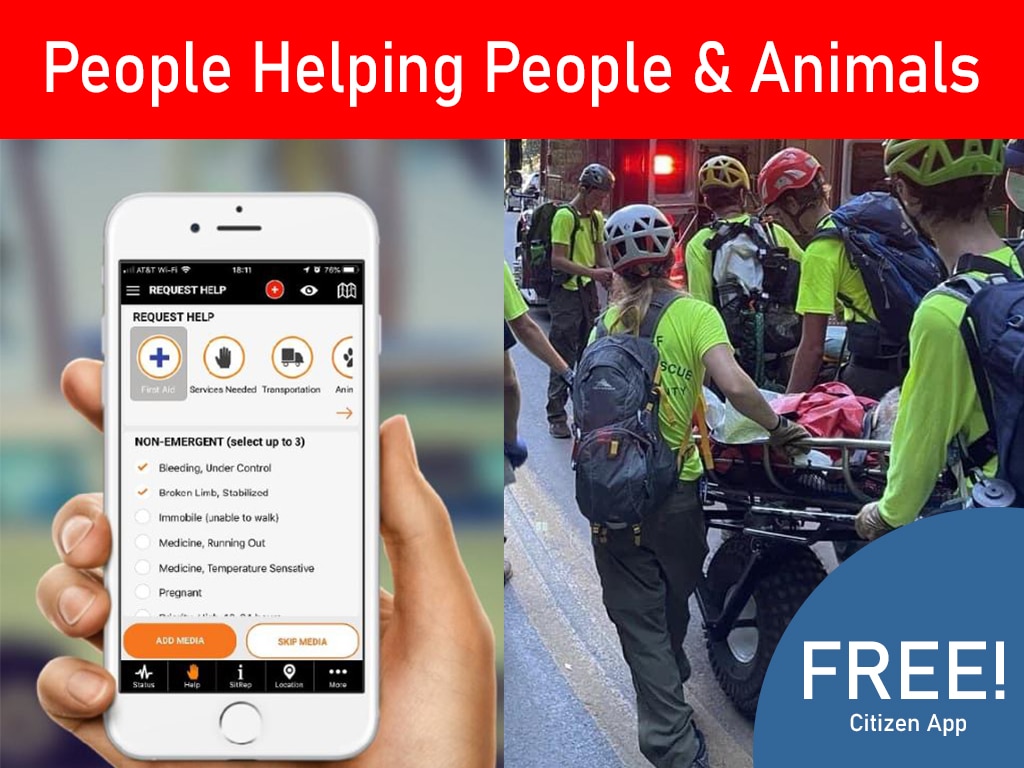
PubSafe is dedicated to enhancing disaster response by connecting communities in real time. When a crisis hits, communication is everything. PubSafe’s disaster response platform bridges the gap between citizens, volunteer teams like CERT, NGOs, and public safety agencies. Individuals can report an incident or a need for help directly through the free app, while organizations can manage teams, coordinate volunteers, and see a live map of what’s happening on the ground. This integrated system ensures that resources get to where they are needed most, making response efforts faster and more effective for everyone involved.
2. Doctors Without Borders / Médecins Sans Frontières (Emergency Medical Aid)
Known for their unwavering commitment, Doctors Without Borders (Médecins Sans Frontières or MSF) provides lifesaving medical care in the world’s most challenging environments. As they state, MSF “provides medical help in war zones, disaster areas, and places with many diseases.” Working independently of political or religious agendas, their teams of doctors, nurses, and other professionals perform emergency surgery, run nutrition programs, and combat epidemics like Ebola and cholera. They are often the only source of healthcare for people caught in conflict or displaced by disaster, bringing hope and healing to those who need it most.
3. International Federation of Red Cross and Red Crescent Societies (Disaster Response)
The International Federation of Red Cross and Red Crescent Societies (IFRC) is the world’s largest humanitarian network. The IFRC “focuses on disaster relief and emergency health care,” mobilizing tens of thousands of volunteers to respond to everything from floods and earthquakes to health crises. Their strength lies in their local presence; National Societies in nearly every country are staffed by community members who understand the local context. This allows them to provide immediate, culturally sensitive aid and work on long-term preparedness, helping communities build resilience before disaster strikes.
4. Direct Relief (Emergency Medical Resources)
Direct Relief works to equip doctors and nurses with the resources they need to save lives. This organization “provides health-focused humanitarian aid, especially during disasters,” by sending prescription medications, medical supplies, and financial aid to locally run healthcare facilities in hard-hit areas. They are known for their efficiency and transparency, ensuring that donations are used to deliver the maximum benefit. By supporting existing health systems, Direct Relief helps communities manage emergencies and maintain care for their most vulnerable residents long after the immediate crisis has passed.
5. Mercy Corps (Disaster Relief and Economic Development)
Mercy Corps believes that even in the midst of crisis, a better world is possible. This global team “works in areas affected by conflict and disaster, focusing on economic development and disaster relief.” They go beyond providing immediate aid by helping communities rebuild in ways that create long-term stability. This includes everything from providing cash assistance so families can purchase what they need most, to helping farmers plant new crops and small business owners reopen their doors. Their goal is to help people not just survive, but thrive.
6. International Rescue Committee (Refugee and Crisis Relief)
For those whose lives have been shattered by conflict and disaster, the International Rescue Committee (IRC) offers a path from harm to home. The IRC “helps refugees and people affected by wars and disasters, focusing on safety, health, education, and especially help for women and girls.” They provide immediate support in crisis zones, including clean water, shelter, and healthcare. They also work to resettle refugees in new countries, providing the tools and resources they need to rebuild their lives with dignity and purpose.
7. UNHCR (Refugee Protection)
The Office of the United Nations High Commissioner for Refugees, or UNHCR, is the UN’s dedicated agency for refugees. Mandated by the international community, “The UNHCR is dedicated to protecting refugees and displaced persons, ensuring their rights and well-being.” This global organization works to safeguard the rights and safety of people forced to flee their homes due to violence, conflict, or persecution. They provide critical assistance like shelter, food, and water, and work to find long-term solutions, whether that’s helping refugees return home safely, integrate into their host country, or resettle elsewhere.
8. Save the Children (Children’s Rights and Welfare)
Save the Children is committed to ensuring every child has the chance to reach their full potential. The organization “focuses on child health, education, and protection, working in over 120 countries.” In emergencies, they are on the ground providing food, medical care, and safe spaces for children. Beyond crisis response, they run long-term programs in education, health, and nutrition, and advocate for policies that protect children’s rights. Their work ensures that children not only survive but also have the support they need to learn and grow into healthy, capable adults.
9. World Vision (Child Welfare and Development)
World Vision is a global Christian humanitarian organization dedicated to helping children, families, and their communities overcome poverty and injustice. As a leading child-focused NGO, “World Vision is a Christian organization focused on child welfare, education, and clean water, working in over 100 countries.” Through their popular child sponsorship programs and community development projects, they address the root causes of poverty. Their work includes providing access to clean water, improving education, and ensuring families have sustainable sources of food and income.
10. Oxfam International (Poverty Alleviation and Social Justice)
Oxfam is a global confederation of organizations working together to end the injustice of poverty. “Oxfam works to fight poverty and inequality, focusing on clean water, fairness for women, and humanitarian aid.” They provide life-saving assistance in crises and run long-term development projects that empower communities to lift themselves out of poverty. A key part of their work is advocacy; they campaign to change the policies and practices that keep people poor, pushing for fair trade, climate justice, and gender equality on a global scale.
11. CARE International (Poverty and Humanitarian Aid)
CARE International places a special focus on working alongside women and girls to fight global poverty. They operate on the principle that you cannot overcome poverty until all people have equal rights and opportunities. “CARE International fights global poverty and provides humanitarian aid, with a focus on women and girls.” By empowering women to earn an income, improve their health, and send their children to school, CARE creates a ripple effect that benefits entire communities. Their work spans from emergency response to long-term projects in health, education, and economic development.
12. BRAC (Poverty Reduction and Education)
What started as a small relief effort in Bangladesh has grown into one of the most effective development organizations in the world. “BRAC is the largest NGO in the world by the number of people it employs, focusing on community development, education, and microfinance.” They are known for creating scalable, evidence-based programs that tackle poverty from multiple angles. Their initiatives include providing microloans to entrepreneurs, running schools for children in remote areas, and training community health workers to deliver essential care.
13. Heifer International (Sustainable Agriculture and Self-Reliance)
Heifer International’s mission is to end hunger and poverty in a sustainable way. The organization “focuses on sustainable agriculture and self-reliance, helping communities develop through livestock and training.” They provide families with livestock, such as a cow or a flock of chickens, along with training in how to care for them. A core part of their model is “Passing on the Gift,” where each family agrees to pass on the first female offspring of their animal to another family in need, creating a chain of support and investment within the community.
14. Habitat for Humanity (Affordable Housing)
Habitat for Humanity believes that everyone deserves a safe and decent place to live. This well-known NGO “works to provide affordable housing and improve living conditions for families in need.” They partner with families to help them build or improve a place they can call home. Future homeowners put in hundreds of hours of their own labor, known as “sweat equity,” working alongside volunteers to build their houses. This collaborative model helps create not just homes, but also stronger, more stable communities.
15. ActionAid (Women’s Rights and Poverty)
ActionAid is a global federation working for a world free from poverty and injustice. A core belief guiding their work is that “ActionAid works to end poverty and promote women’s rights, focusing on social justice and empowerment.” They use a human rights-based approach, helping people understand their rights and build the power to claim them from their own governments. This includes everything from supporting women’s leadership in rural communities to campaigning for fair tax policies that can fund public services like schools and hospitals.
16. Partners in Health (Community-Based Healthcare)
Partners in Health (PIH) is on a mission to make healthcare a human right for all. “Partners in Health provides community-based healthcare and works to improve health systems in impoverished areas.” They work in some of the world’s poorest regions, building hospitals and clinics, training local healthcare workers, and providing high-quality care for free. PIH’s model is built on long-term partnerships and solidarity, not short-term charity. They stay and work with communities to build strong, resilient health systems that can serve everyone.
17. PATH (Global Health Innovation)
PATH is a global team of innovators working to accelerate health equity. Instead of just delivering aid, “PATH focuses on global health innovation, developing and implementing solutions to health challenges worldwide.” They are a unique force in public health, working with partners to develop and scale up transformative solutions, including vaccines, drugs, diagnostics, and medical devices. From creating a new meningitis vaccine for Africa to introducing simple water filters that save lives, PATH’s work ensures that life-saving innovations reach those who need them most.
18. The Global Fund (HIV, Tuberculosis, and Malaria)
The Global Fund is a massive financing partnership designed to defeat three of the world’s deadliest infectious diseases. “The Global Fund is dedicated to fighting HIV, tuberculosis, and malaria, providing funding and support for health programs.” It operates not as a direct implementer but as a financing mechanism, raising billions of dollars and investing it in locally run programs in countries with the greatest need. This model has saved tens of millions of lives and has dramatically reduced the burden of these epidemics worldwide.
19. Water.org (Clean Water Access)
Co-founded by Matt Damon and Gary White, Water.org is changing how the world tackles the water crisis. While many organizations drill wells, “Water.org focuses on providing access to clean water and sanitation, empowering communities to improve their health and livelihoods.” They do this through smart, affordable financing solutions. By providing small loans to families who need to install a tap or a toilet, they empower people to get the access they need, faster. This market-based approach has helped millions of people gain control over their health and futures.
20. Room to Read (Literacy and Girls’ Education)
Room to Read is creating a world where all children can pursue a quality education. The organization “focuses on literacy and gender equality in education, working to improve educational opportunities for girls.” They work in collaboration with local communities and governments to develop literacy skills and a habit of reading among primary school children. They also run a Girls’ Education Program that supports girls to complete secondary school with the life skills they need to succeed in school and beyond.
21. Amnesty International (Human Rights)
Amnesty International is a global movement of people fighting for human rights. “Amnesty International campaigns for human rights protections globally, focusing on issues like torture and the death penalty.” Through detailed research and determined campaigning, they expose human rights abuses wherever they happen. From writing letters to organizing protests, their members and supporters put pressure on governments and other powerful groups to uphold international law. They are a powerful voice for justice, freedom, and human dignity.
22. Human Rights Watch (Human Rights Advocacy)
Human Rights Watch is an independent organization that defends the rights of people worldwide. Like Amnesty, they are a leading voice in the human rights movement. “Human Rights Watch conducts research and advocacy on human rights issues, working to hold governments accountable.” Their team of experts, including lawyers and journalists, investigates abuses on the ground and produces detailed reports. They then use this evidence to generate extensive media coverage and pressure governments and international bodies to reform laws and hold abusers accountable.
23. World Wildlife Fund (Environmental Conservation)
With its iconic panda logo, the World Wildlife Fund (WWF) is one of the most recognizable conservation organizations in the world. “The World Wildlife Fund focuses on environmental conservation and sustainability, working to protect endangered species and habitats.” Their work is incredibly broad, spanning from protecting individual species like tigers and elephants to conserving vast ecosystems like the Amazon rainforest and the world’s oceans. They work with local communities, businesses, and governments to find science-based solutions that benefit both people and nature.
24. Greenpeace (Environmental Advocacy)
Greenpeace is known for its bold and non-violent approach to environmental activism. This global organization “campaigns for environmental protection and sustainability, focusing on issues like climate change and deforestation.” From confronting whaling ships on the high seas to exposing illegal logging, Greenpeace uses direct action and creative communication to bring urgent environmental issues to the public’s attention. They are fiercely independent, refusing funding from corporations or governments to ensure their advocacy remains unbiased and uncompromising.
25. Wildlife Conservation Society (Biodiversity Protection)
The Wildlife Conservation Society (WCS) has a simple mission: to save wildlife and wild places worldwide. “The Wildlife Conservation Society works to protect biodiversity and conserve wildlife habitats around the world.” They do this through science, conservation action, education, and by managing the world’s largest system of urban wildlife parks, including the famous Bronx Zoo. Their scientists are on the ground in nearly 60 countries, gathering the data needed to protect species and their habitats, and working with local partners to implement effective conservation strategies.
What Sets the Best NGOs Apart?
With so many organizations doing incredible work, you might wonder what separates the good from the truly great. While every NGO on our list is making a significant impact, the most effective ones often share a few key characteristics. They don’t just respond to problems; they build frameworks for lasting change. These organizations are defined by their clarity, creativity, and commitment, allowing them to turn donations and volunteer hours into measurable, real-world results. Understanding these traits can help you identify which organizations to support and what makes for a truly successful humanitarian effort.
A Clear, Focused Mission
The most successful NGOs operate with a crystal-clear purpose. They know exactly who they serve and what they aim to achieve. This focused mission acts as their guiding star, informing every project, partnership, and decision. Because most are non-profit organizations, their success isn’t measured in dollars, but in impact. A specific mission prevents them from spreading their resources too thin and helps them communicate their value to donors, volunteers, and the communities they support. It’s the foundation upon which everything else is built, ensuring that every action taken is a step toward their ultimate goal.
Innovative Solutions to Complex Problems
The world’s biggest challenges, from poverty to climate change, rarely have simple answers. The best NGOs know this, and they aren’t afraid to think outside the box. Instead of relying on old methods, they pioneer creative and sustainable solutions. This often involves working with large international bodies like the United Nations to help achieve ambitious global goals. Whether it’s using mobile technology to deliver healthcare in remote areas or developing new models for community-led conservation, innovation is key. This forward-thinking approach allows them to create more effective and scalable change that addresses the root causes of an issue, not just its symptoms.
Strong Global and Local Partnerships
No single organization can solve a global crisis alone. The most impactful NGOs are masters of collaboration. They understand the power of building strong networks that connect governments, local community leaders, businesses, and other non-profits. These partnerships are vital for pooling resources, sharing knowledge, and ensuring that aid reaches the people who need it most. By working at both the global and local levels, they can amplify their impact and give a voice to underserved communities. Platforms that facilitate organization registration and inter-agency communication are crucial for building these life-saving networks before a disaster even strikes.
A Commitment to Long-Term Impact
While immediate aid during a crisis is essential, leading NGOs also have their eyes on the future. They are committed to creating lasting, sustainable change that empowers communities to thrive on their own. This means moving beyond short-term relief to focus on long-term development. These operational NGOs run projects that build local capacity, such as providing education, job training, or access to clean water and healthcare. By investing in people and infrastructure, they help create a foundation for self-sufficiency and resilience, ensuring their positive impact continues for years to come.
Resilience and Effectiveness in a Crisis
When disaster strikes, the best NGOs are ready to act. They are built to be resilient, with the ability to operate effectively in the most challenging and chaotic environments. Their work in humanitarian aid and global health requires them to be adaptable, organized, and quick to respond. This effectiveness comes from having clear protocols, well-trained teams, and robust systems for communication and logistics. In an emergency, every second counts, and the ability to coordinate volunteers and deploy resources efficiently can mean the difference between life and death. This is where streamlined volunteer coordination becomes absolutely critical for a successful response.
How NGOs Can Coordinate Better During Disasters
When a disaster strikes, the desire to help is immediate and powerful. NGOs are often first on the scene, bringing critical resources and skilled volunteers. However, the chaos of a crisis can easily lead to duplicated efforts, wasted resources, and critical gaps in aid. The difference between an effective response and a disorganized one often comes down to one thing: coordination. To truly make a difference, NGOs need to move beyond siloed operations and embrace a more connected approach.
This doesn’t require a massive overhaul of your mission. It’s about implementing smarter processes and leveraging the right tools to work more efficiently with others. By focusing on real-time communication, streamlined volunteer management, and seamless integration with citizens, CERT teams, and public safety agencies, you can amplify your impact. This shift allows your organization to become part of a larger, more resilient response network. It ensures that your valuable resources are deployed strategically, your teams are managed effectively, and your efforts contribute to a cohesive, community-wide recovery. The goal is to work together so that aid reaches those who need it most, quickly and efficiently.
Communicate and Deploy Resources in Real-Time
In a crisis, information that’s even a few hours old can be dangerously out of date. The ability to share data and communicate instantly is a game-changer for disaster response. Using technology like mobile apps allows teams on the ground to report needs as they see them, from medical supply shortages to infrastructure damage. This flow of real-time information enables leadership to make quick, informed decisions and deploy resources precisely where they are needed most. It closes the gap between the field and the command center, ensuring a faster, more targeted response that saves time, resources, and lives.
Streamline Volunteer and Team Coordination
After a disaster, many good-hearted people want to volunteer, but managing this influx can be overwhelming. A disorganized approach can leave volunteers feeling frustrated and underutilized. The solution is to streamline your process with a centralized system for volunteer coordination. By establishing clear roles, registering volunteers, and tracking assignments in one place, you can match the right skills to the right tasks. This not only improves efficiency but also enhances safety by ensuring everyone is accounted for. A well-organized system turns a crowd of willing helpers into an effective, coordinated team ready to make a real impact.
Integrate Citizens, CERT Teams, and Public Safety Agencies
No single organization can handle a disaster alone. The most effective responses happen when NGOs, public safety agencies, CERT teams, and even citizens work together. Breaking down the communication silos between these groups is essential. When everyone shares a common operational picture, it creates a more resilient and comprehensive response framework. This integration allows NGOs to see what official agencies are doing, leverage the local knowledge of CERT teams, and respond to needs reported by citizens. By becoming part of a connected ecosystem, your organization can register to play a vital role in a unified, community-wide effort.
How You Can Get Involved
Feeling inspired by the incredible work these NGOs are doing? It’s natural to wonder how you can be a part of the solution. The good news is, there are many ways to contribute, whether you have time, money, or specific skills to offer. Every action, big or small, can create a ripple effect of positive change. Here are a few powerful ways you can get involved and support the causes that matter most to you.
Donate
Financial support is the lifeblood for many NGOs, allowing them to plan, respond, and sustain their operations. Your donation can help purchase medical supplies, provide food and shelter after a disaster, or fund long-term development projects. Many NGOs are registered as 501(c)(3) organizations, a status that requires them to operate for charitable or scientific purposes. As GrantStation explains, this often means your donation is tax-deductible, and it ensures the organization itself is exempt from federal income taxes. This allows more of your money to go directly to the cause, making even a small contribution a significant part of an organization’s ability to serve its community.
Volunteer Your Time and Skills
If you have more time than money to give, your skills are an invaluable asset. NGOs depend on a dedicated workforce of volunteers to accomplish their goals. You could be doing anything from administrative support in an office to hands-on fieldwork during an emergency response. As Human Rights Careers points out, volunteering is also a fantastic way to gain experience and connect with people who share your passion. Whether you’re a web developer, a project manager, a medical professional, or just someone with a strong desire to help, there’s an organization out there that can use your unique talents to make a difference.
Advocate and Raise Awareness
You don’t need to be on the front lines to have a major impact. Using your voice is a powerful form of support. Advocacy NGOs work to influence public opinion and change laws to protect human rights or the environment. You can join their efforts by sharing information on social media, signing petitions, contacting your elected officials, or simply talking to your friends and family about the issues you care about. By raising awareness, you help build a groundswell of support that can lead to real, lasting change. Your voice helps amplify the message of organizations working tirelessly for a better world.
Use Platforms That Connect You to Response Efforts
In a crisis, getting the right help to the right place quickly is everything. Technology now plays a crucial role in making that happen. Platforms like PubSafe are designed to connect citizens, trained volunteers, and official agencies in real time, creating a coordinated response effort. You can use these tools to report an incident, find volunteer opportunities, or simply stay informed. Many organizations focus on specific needs like medical aid or refugee support, and these platforms help channel resources effectively. By downloading and using a response app, you become an active part of your community’s safety net, ready to help when it matters most.
Related Articles
- NGO Disaster Response: Key Challenges & Solutions | PubSafe
- Volunteer Coordination During Emergencies: How Communities, NGOs, And Responders Work Together
- Volunteer Coordination in Emergencies: Strategies & Real-Time Response | PubSafe
Frequently Asked Questions
What’s the simplest way to understand the difference between an NGO and a non-profit? Think of it like this: non-profit is a very broad category for any organization that isn’t focused on making money, which could include a local arts club or a sports league. An NGO is a specific type of non-profit that usually concentrates on larger social, humanitarian, or political issues. So, while almost all NGOs are non-profits, not every non-profit has the wider, often international, scope of an NGO.
If NGOs aren’t making a profit, how do they pay for their work? NGOs run on the generosity and support of others. Their funding typically comes from a mix of sources, including donations from individuals, grants from foundations, and sometimes financial support from governments or international bodies. Because their mission is their main priority, they rely on this funding to cover operational costs, pay their staff, and deliver aid and services directly to the communities they serve.
I want to volunteer, but the idea of finding the right NGO feels overwhelming. What’s a good first step? A great way to start is by thinking about the causes that matter most to you personally. Is it environmental protection, animal welfare, or helping people after a disaster? Once you have a focus, you can search for organizations working in that area. Look at their websites, read about their recent projects, and see if their mission resonates with you. This helps you find a role where your time and skills will feel most meaningful.
Why is coordination so critical for NGOs during a disaster? In a crisis, a lack of coordination can lead to major problems, like multiple groups delivering the same supplies to one area while another area gets nothing. When NGOs, public safety agencies, and volunteers can communicate and share information in real time, the entire response becomes more effective. It ensures that resources are sent exactly where they are needed, prevents duplicated efforts, and helps everyone work together as a single, unified team.
Can I still help in an emergency even if I’m not affiliated with an official organization? Absolutely. Your actions as an individual can make a huge difference. One of the most valuable things you can do is provide clear, accurate information. Using a platform like the PubSafe app to report a need for help or a dangerous situation provides critical, real-time data to response teams on the ground. This helps official organizations direct their efforts more effectively and ensures that aid reaches the people who need it most.