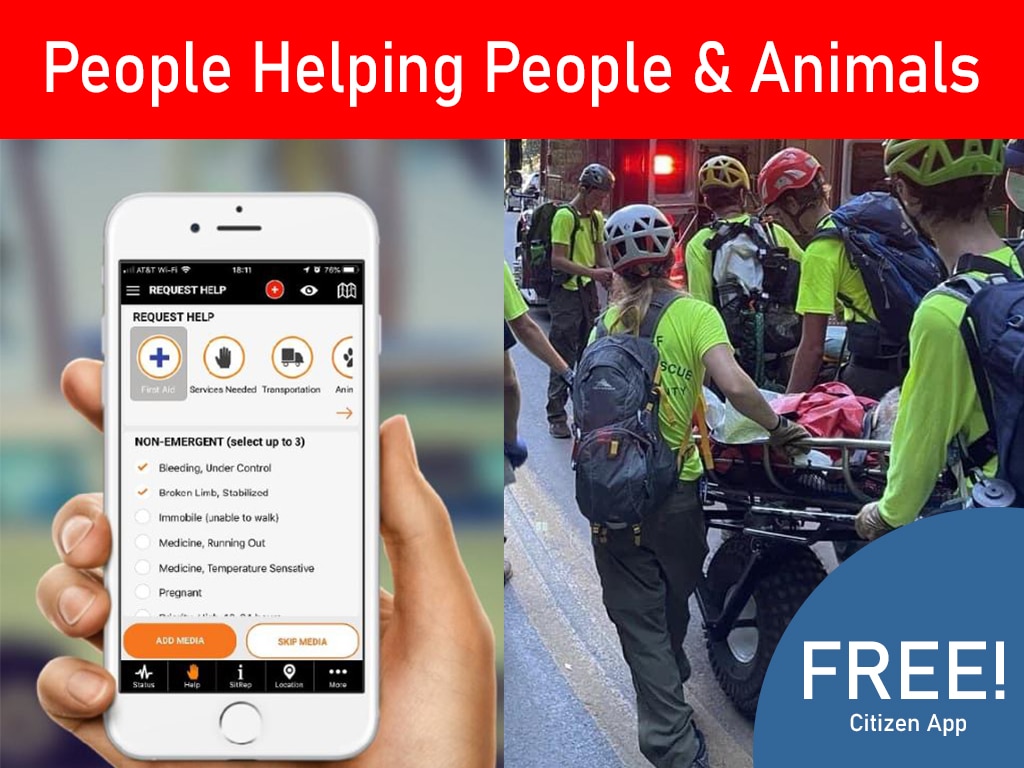
A state of emergency is more than just a government announcement; it’s a call to action for the entire community. While it gives officials the authority to manage a crisis, a successful response depends on everyone working together. From first responders and public agencies to NGOs, CERT teams, and individual citizens, coordination is key. This declaration signals that the situation requires extraordinary measures and activates a broader network of support. This guide will walk you through what a state of emergency means, how it affects you, and how you can play a constructive role in keeping your community safe and resilient.
Key Takeaways
- A State of Emergency Is a Temporary Measure: It’s a formal declaration that lets the government use special powers to respond quickly to a crisis, like a natural disaster or public health threat. The goal is to cut through red tape to protect lives and restore order.
- Emergency Powers Require Accountability: The government gains significant authority to enforce curfews, control resources, and restrict movement. Because these powers can be overused, the role of NGOs and community groups in monitoring government actions and protecting individual rights becomes essential.
- Your Preparation and Participation Matter: Get ready before a crisis by creating a plan and identifying trusted information sources. During an emergency, follow official guidance, use tools like PubSafe to report incidents accurately, and volunteer safely through organized groups to help your community effectively.
What Is a State of Emergency?
You’ve likely heard the term “state of emergency” on the news, often in relation to a major storm or public crisis. But what does it actually mean when a government makes this declaration? In simple terms, a
The core purpose is to safeguard lives, property, and order. While these powers are significant, they are also meant to be temporary and specific to the crisis at hand. Understanding how this works is the first step in knowing how to prepare and respond when your community is affected.
How It’s Different from Business as Usual
Under normal circumstances, government actions follow a deliberate, often lengthy, process. A state of emergency changes that. It’s declared for serious situations like natural disasters, widespread public health crises, or major civil unrest. The key difference is speed and authority. This declaration gives the government the ability to make immediate decisions and issue orders without going through the usual legislative channels.
This might include actions like ordering evacuations, setting curfews, or redirecting resources to where they’re needed most. In some cases, a state of emergency can also mean temporarily limiting certain individual freedoms, like the right to travel or gather in large groups, to ensure the safety of the entire community.
Who Has the Power to Declare One?
The authority to declare a state of emergency isn’t universal; it depends entirely on a country’s specific laws and constitution. In some nations, only the head of state or federal government can make the call. In others, like the United States and Canada, governors, provincial premiers, and even mayors have the power to declare emergencies for their specific jurisdictions. This layered approach allows for a more localized and rapid response.
Because different levels of government can be involved, clear communication is essential. Effective team management between federal agencies, local first responders, and community organizations becomes the backbone of a successful response, ensuring everyone is working together instead of at cross-purposes.
Why Is a State of Emergency Declared?
A state of emergency is a serious measure governments take when a crisis becomes too large or complex for normal response procedures. Think of it as a formal announcement that an event has overwhelmed local resources and requires a coordinated, high-level intervention. The main goal is always to protect public safety, restore order, and get critical help to people who need it. These declarations aren’t made lightly. They are triggered by specific, severe events that threaten the well-being of a community, a region, or an entire nation.
Declaring a state of emergency is a signal that the situation requires extraordinary measures. It allows officials to cut through typical red tape, access emergency funds, and deploy personnel and resources where they are needed most. For community organizations, NGOs, and even individual citizens, this declaration is a call to action. It confirms the severity of the event and activates a broader network of support. Understanding the specific reasons behind these declarations can help you know what to expect and how you can contribute to the response effort safely and effectively.
Natural Disasters and Extreme Weather
This is one of the most common reasons for declaring a state of emergency. When events like hurricanes, wildfires, floods, or earthquakes strike, the declaration acts as a green light for a massive, coordinated response. It allows the government to quickly mobilize resources, deploy emergency personnel, and access special funding that might otherwise be tied up. For communities on the ground, this means faster help arrives. It also empowers citizens to report an incident and provide real-time information that helps first responders understand the scope of the damage and prioritize their efforts.
Public Health Crises
Governments may also declare a state of emergency when facing a widespread public health crisis, like a pandemic or a severe epidemic. This declaration gives health officials the authority they need to act swiftly to protect the population. These actions can include enforcing quarantines, setting up temporary medical facilities, and managing the distribution of essential supplies like vaccines and medicine. The primary goal is to contain the threat, provide necessary medical care to those affected, and prevent the crisis from escalating further and overwhelming the healthcare system.
Civil Unrest and Instability
In situations involving significant civil unrest, protests, or riots that threaten public safety, a state of emergency might be declared. This step is taken when authorities believe it’s necessary to restore order and prevent widespread violence or property damage. The declaration can grant law enforcement temporary powers, such as imposing curfews or restricting access to certain areas. The intent is to de-escalate the situation and ensure the safety of both the public and emergency responders until stability can be restored through peaceful means.
National Security Threats
A state of emergency can also be a response to direct threats against a country’s security, such as an armed conflict, war, or a significant terrorist attack. This declaration gives the government the power to mobilize the military, secure national borders, and take other necessary actions to defend the nation. It centralizes command and control, allowing for a rapid and unified response to protect the country and its citizens from immediate danger. This is typically reserved for the most severe threats, where the integrity of the nation itself is at stake, and often involves collaboration with community and non-governmental groups through formal organization registration.
What Powers Does This Give the Government?
When a state of emergency is declared, it’s not just a formal announcement. It’s a green light for the government to use special powers that aren’t available during normal times. Think of it as a temporary toolkit designed to manage a crisis quickly and protect public safety. These powers are broad and can impact daily life, but they are put in place with the goal of getting help to communities and restoring order as efficiently as possible. Understanding these powers helps you know what to expect and how to respond effectively when an emergency hits your area.
Passing Emergency Laws and Orders
During a state of emergency, the usual, often slow, process of making laws gets put on the fast track. The government can issue emergency orders that have the immediate force of law. This might mean setting a city-wide curfew to keep streets clear for first responders, closing non-essential businesses to slow a public health crisis, or ordering mandatory evacuations from a flood zone. These orders are designed to be decisive actions that protect lives and property. While they can feel restrictive, they are a key part of a coordinated response, allowing authorities to manage a chaotic situation with clear, enforceable rules.
Deploying Military and Law Enforcement
One of the most visible changes during a state of emergency is an increased presence of law enforcement and, in some cases, the military. The government gains the authority to deploy these forces to support emergency operations. This doesn’t automatically mean martial law, which is a more extreme measure. More often, it means the National Guard is called in to help with evacuations, deliver supplies, or secure critical infrastructure like hospitals and power plants. Their role is to support civilian authorities and provide resources that local agencies might lack, ensuring a more robust disaster response platform.
Controlling Resources and Supplies
In a crisis, essential goods can become scarce. A state of emergency gives the government the power to manage and control critical resources to ensure they are distributed fairly. This can involve directing the supply of fuel, food, water, and medical equipment. It also allows them to stop price gouging and purchase necessary supplies without going through the usual lengthy bidding processes. The main goal is to prevent hoarding and make sure that aid and essential items get to the people and places that need them most, from hospitals to community shelters.
Changing Normal Legal Rules
This is often the most concerning part for many people. During a state of emergency, some of our normal rights and legal procedures can be temporarily limited. Depending on the severity of the crisis, this could mean restrictions on your freedom of movement or the right to gather in large groups. For example, authorities might set up checkpoints or block access to certain areas. It’s important to remember that these measures are supposed to be temporary and directly related to managing the emergency. Organizations closely monitor these situations to ensure these powers aren’t overused and that our fundamental civil liberties are protected.
How States of Emergency Are Declared Globally
While the term “state of emergency” sounds universal, the process for declaring one varies significantly from country to country. These differences in laws and procedures shape how governments respond to crises and what citizens can expect. Understanding how these declarations work where you live is a key part of being prepared. Let’s look at how a few different nations handle this critical process.
In the United States
In the United States, a state of emergency is a formal declaration that gives the government special powers to manage a crisis and protect public safety. This can be declared at the federal level by the President, or at the state level by a governor. Mayors can often declare local emergencies as well. These declarations are the trigger that allows agencies to access special funding, deploy resources like the National Guard, and implement emergency plans to keep people safe.
In Canada
Canada uses the federal Emergencies Act, which replaced the older War Measures Act, to handle national crises. This law was notably used in 2022 in response to the “Freedom Convoy” protests. Just like in the U.S., Canadian provinces, territories, and municipalities also have their own legislation. This allows them to declare local emergencies for situations like floods or wildfires, enabling a more focused and rapid response without involving the entire country.
In Europe
There is no single approach across Europe; instead, each country has its own laws. For example, France has several types of emergency powers that can be used by the President or the government. These have been activated during events like major riots and terrorist attacks. This variety means that if you live or work in Europe, it’s important to understand the specific rules for your country, as the triggers and government powers can be quite different from one nation to the next.
In India
In India, the President holds the power to declare a national state of emergency. This is a significant action that can allow the central government to suspend many constitutional rights of its citizens. A well-known historical example occurred in 1975, when a state of emergency was declared that permitted the Prime Minister to rule by decree. This highlights how emergency powers, while designed for safety, can also have profound impacts on civil liberties.
How a State of Emergency Affects Your Rights
When a state of emergency is declared, the government gains special powers to manage the crisis. The goal is always to protect people and restore order, but it’s important to understand how these temporary powers can impact your daily life and personal freedoms. A state of emergency is a serious measure that allows the government to take actions it normally couldn’t. While these changes are meant to be temporary, they can feel unsettling. Knowing what to expect can help you feel more prepared and less anxious. The key is to remember that these measures are designed to keep the community safe during a critical event, from a hurricane to a public health crisis.
Limits on Travel and Gatherings
One of the first things you might notice during a state of emergency is new rules about where you can go and who you can see. To prevent further harm or spread of danger, authorities might issue curfews, set up roadblocks, or close certain areas to the public. They can also ban large public gatherings, like festivals or protests, to maintain safety and order. These restrictions aren’t meant to be punitive; they are put in place to manage the emergency effectively. For example, keeping roads clear helps first responders get to where they are needed most. You can often find real-time information about closed roads or restricted zones on a public map to help you stay safe.
Changes to Your Civil Liberties
Depending on how serious the situation is, some of your usual rights and freedoms might be temporarily suspended. This is a significant step and is typically reserved for the most severe crises. For instance, legal procedures that are normally guaranteed could be altered or delayed to help the justice system cope with the emergency. This could mean changes to how long someone can be detained or adjustments to court proceedings. While these measures are intended to be temporary, they highlight the delicate balance between public safety and individual rights. It’s a reminder that the framework of our society can shift when faced with an overwhelming threat.
What It Means for Your Privacy
In an emergency, authorities may use increased surveillance to monitor the situation and ensure public safety. This can raise valid concerns about personal privacy. While democracies use these powers to handle genuine crises, it’s true that some authoritarian regimes have used states of emergency to suppress human rights and control their citizens. Even in a democracy, there’s an ongoing conversation about how to balance security needs with the right to privacy. The focus should be on using technology for its intended purpose, like reporting an incident to get help, rather than for broad, unchecked surveillance.
Common Myths About Your Rights
A common myth is that all your rights disappear the moment a state of emergency is declared. This isn’t true. These powers are not a blank check for the government to do whatever it wants. The measures taken should be proportional to the crisis and are meant to be temporary. However, some experts worry that these special powers can be misused, potentially leading to the erosion of civil rights, especially for vulnerable groups. It’s crucial to remember that accountability still matters. Community organizations and NGOs play a vital role in monitoring the government’s actions and ensuring that any restrictions on rights are necessary, legal, and temporary.
The Dangers of Unchecked Emergency Powers
While emergency powers are designed to protect us during a crisis, they also represent a significant shift in the balance of power between the government and its citizens. Granting authorities the ability to bypass normal procedures is a serious step, and it comes with inherent risks. History has shown that these powers, intended to be temporary, can sometimes be misused, leading to consequences that last long after the immediate threat has passed.
This is why community vigilance is so important. When a state of emergency is declared, it’s not the time to disengage. Instead, it’s a critical moment for citizens, NGOs, and community groups to pay close attention. Understanding the potential dangers helps everyone ensure that emergency measures remain focused on public safety without unnecessarily compromising our rights. Platforms that facilitate real-time emergency coordination among citizens and independent groups can play a key role in maintaining transparency and accountability when official channels are strained.
The Potential for Government Overreach
One of the most significant risks of a state of emergency is the potential for government overreach. While democracies typically use these powers for genuine crises, some governments have used them to justify long-term control and suppress human rights. A state of emergency can provide a legal framework for actions that would be unacceptable in normal times. What starts as a temporary measure to manage a disaster can be extended, sometimes indefinitely, to silence dissent or consolidate power. This is why clear sunset clauses and independent oversight are crucial components of any emergency declaration.
Weakening Democratic Processes
Emergency powers often allow governments to make decisions and implement laws without the usual legislative debate and public input. While speed can be essential in a crisis, bypassing these democratic processes can be dangerous. Some experts worry that these special powers can lead to the erosion of civil and political rights, particularly for marginalized groups. When decisions are made behind closed doors, they may not reflect the community’s best interests. This is where organized community groups and NGOs become vital, ensuring that diverse voices are still heard and that emergency actions are fair and equitable. By registering your organization, you can better coordinate with others to advocate for your community.
Losing Public Trust and Accountability
When people feel that emergency powers are being used unfairly, it erodes their trust in public institutions. This loss of faith can have long-lasting effects, making it harder for authorities to manage future crises. If citizens don’t trust official guidance, they are less likely to follow it, which can put everyone at greater risk. In extreme cases, these powers have been used to suppress political opposition or even attempt to overthrow governments. Building trust requires transparency, which is why tools that allow citizens to report an incident directly and share information openly are so valuable. They create a layer of public accountability that helps keep everyone honest.
How NGOs and Community Groups Protect Our Rights
When a state of emergency is declared, it can feel like the balance of power has shifted entirely to the government. While authorities gain new powers to manage the crisis, it’s crucial to have checks in place to prevent overreach. This is where non-governmental organizations (NGOs) and community groups become so important. They act as dedicated watchdogs, advocates, and support systems, ensuring that individual rights and civil liberties remain protected even in the most challenging times. These organizations are on the ground, working to keep authorities accountable and support the people most affected. Platforms that facilitate emergency coordination between citizens, NGOs, and official responders are essential for making this work effective, creating a network of support when it’s needed most.
Watching for and Reporting Violations
One of the most critical roles for NGOs during an emergency is to monitor the situation on the ground. They act as the eyes and ears for the public and the international community, carefully documenting any potential rights violations. According to Human Rights Watch, this work is essential for holding power to account. These groups gather testimonies, collect evidence, and compile reports that shine a light on abuses that might otherwise go unnoticed. This vigilance creates a record of events and puts pressure on authorities to act responsibly. By ensuring that violations are seen and heard, they take the first step toward justice and accountability for affected individuals and communities.
Offering Legal Help and Support
Facing a legal battle can be intimidating and expensive, especially when you’re up against government actions during an emergency. Fortunately, many organizations step in to provide free or low-cost legal assistance to those whose rights may have been violated. Groups like the ACLU have a long history of defending civil liberties by offering legal representation and advice to people facing unjust treatment. This support is a lifeline for individuals who lack the resources or knowledge to defend themselves. It helps level the playing field and ensures that everyone has a chance to have their case heard and their rights defended in court.
Raising Public Awareness
Knowledge is power, and community groups are experts at getting vital information into the hands of the public. They launch awareness campaigns using social media, local events, and outreach programs to educate people about their rights during a state of emergency. As Amnesty International points out, these campaigns are key to mobilizing communities and making sure people know what their rights are and how to protect them. When you understand your rights, you are better equipped to identify when they are being infringed upon and are more confident in speaking up. This collective awareness builds a powerful community-wide defense against potential injustice.
Holding Leaders Accountable on a Global Stage
Sometimes, holding leaders accountable requires taking the fight to the international level. NGOs are skilled at advocating for human rights on the world stage, bringing cases of government overreach to bodies like the United Nations. This global advocacy applies a different kind of pressure, as most governments are sensitive to their international reputation and legal obligations. The International Federation for Human Rights (FIDH) explains that by presenting evidence in international forums, NGOs can compel governments to adhere to human rights standards they’ve agreed to. This ensures that accountability doesn’t just stop at a country’s borders, adding another important layer of protection for our rights.
How Long Does a State of Emergency Last?
When a state of emergency is declared, it’s natural to wonder how long it will stick around. The good news is that these declarations are not meant to be permanent. They are temporary measures designed to give authorities the flexibility they need to handle a crisis effectively. The specific duration can vary depending on the location and the nature of the event, but an initial declaration often lasts for a set period, such as 30, 60, or up to 90 days. This timeframe gives response teams, from government agencies to community volunteers, a critical window to act decisively without being hindered by typical bureaucratic delays.
Understanding the potential length of an emergency is crucial for planning. For organizations, it influences resource allocation and how you manage volunteer coordination over weeks or even months. For individuals and families, knowing this helps you prepare for a sustained period of disruption, ensuring you have enough supplies and a solid communication plan. The goal is always to resolve the crisis and return to normal as safely and quickly as possible. While the declaration is active, you can use tools like a public map to monitor real-time conditions and stay aware of what’s happening in your area. This visibility helps everyone, from first responders to concerned citizens, make better, more informed decisions.
How They Are Renewed or Extended
If a crisis continues beyond the initial declaration period, a state of emergency can be renewed or extended. This isn’t an automatic process. Typically, lawmakers or the declaring authority must review the ongoing situation and formally decide if an extension is necessary. For example, after a severe winter storm, a governor might declare a state of emergency that can later be extended by lawmakers if conditions don’t improve. These extensions are usually granted for specific lengths of time, such as an additional 60 days, allowing for continued, focused response efforts until the community is back on its feet.
What Ends a State of Emergency?
A state of emergency officially ends when the government authority who declared it determines the crisis has been resolved. The declaration is then formally terminated, and any special powers or rules are lifted. The purpose of a state of emergency is to allow the government to make decisions more quickly than usual, bypassing standard procedures to protect public safety. This can mean temporarily suspending certain rights, like freedom of movement, to keep people safe. Once the immediate danger has passed and stability is restored, the government will end the declaration, signaling a return to normal legal and social functions.
How to Prepare Before a State of Emergency Is Declared
When you hear the words “state of emergency,” it’s easy to feel a surge of anxiety. But the truth is, the best time to act is long before an official declaration is made. Taking proactive steps can make a world of difference for your safety and peace of mind. Preparation isn’t just about stocking up on supplies; it’s about having a clear plan, knowing where to get reliable information, and using the right tools to stay connected with your community. By getting ready ahead of time, you put yourself in the best possible position to handle whatever comes your way.
Build Your Personal and Community Emergency Plan
First things first: you need a plan. This is your roadmap for how you and your loved ones will respond when an emergency hits. Start by outlining the basics, like establishing multiple meeting points, creating a list of emergency contacts (including some out-of-state), and mapping out evacuation routes. The Florida Disaster website offers excellent resources to help you create a personal plan, covering everything from hurricanes to wildfires.
Beyond your own household, think about your wider community. How will you connect with neighbors, local volunteer groups, or CERT teams? This is where a community-level plan becomes invaluable. For organizations, platforms that assist with team management can be a game-changer, allowing you to coordinate efforts and communicate effectively when it matters most.
Stay Informed with Trusted Sources
During a crisis, misinformation can spread as fast as the emergency itself. It’s critical to rely on official and trusted sources for updates. Your local and state government websites are your best bet for accurate information. For example, the Governor’s office often uses its official website as a central hub for sharing emergency news and action plans directly with the public.
Bookmark these sites on your phone and computer. Also, follow your local emergency management agency, police, and fire departments on social media, but always double-check critical information on their official websites. Avoid relying on rumors or unverified posts shared by friends. Sticking to verified sources ensures you’re acting on facts, not fear, which is key to making smart decisions under pressure.
Use Real-Time Tools to Get Ready
In an emergency, information is power, and real-time updates are essential. Many state agencies, like the Florida Division of Emergency Management, offer email newsletters and alerts to keep you in the loop. Signing up for these is a simple, effective way to get critical information sent directly to you.
You can also take your preparedness a step further by using dedicated apps. Tools like PubSafe are designed for this exact purpose. You can install the free app to receive alerts, view incidents on a public map, and connect with response teams in your area. These tools bridge the gap between official announcements and what’s happening on the ground, empowering you to report what you see and get help to where it’s needed most.
What to Do During a State of Emergency
When a state of emergency is declared, it’s easy to feel overwhelmed or unsure of what to do next. The key is to focus on what you can control. Your actions can protect you and your family, provide critical information to first responders, and support your community’s recovery. Instead of waiting passively, you can take clear, constructive steps to help yourself and those around you. This is the time to shift from uncertainty to action by focusing on three key areas: following official instructions, reporting what you see, and helping your community in a safe and organized way.
Follow Official Guidance
Your first and most important step is to follow the directives from local and state authorities. These aren’t arbitrary rules; they are put in place to protect public safety and ensure emergency services can operate effectively. For example, an evacuation order is designed to get you out of harm’s way, while a shelter-in-place order is meant to keep you safe from an external threat. Officials may suspend tolls to speed up evacuations or close roads to keep them clear for first responders. The best way to help is to listen. Make sure you stay informed through official channels, like your state’s emergency management website or local news broadcasts, to get accurate, up-to-date information.
Report Incidents and Damage Accurately
Your eyes on the ground are invaluable to emergency managers. When you see something, like a downed power line, a blocked road, or a flooded area, reporting it helps officials build a complete picture of the situation. This allows them to prioritize needs and deploy resources where they are most needed. Using a tool like PubSafe for reporting an incident ensures your information gets to the right people in real time. Be as specific as possible: provide the exact location, describe what you see, and include photos if it’s safe to do so. This data helps create a live, interactive view of the disaster area, which is critical for a swift and effective response.
Support Your Community and Volunteer Safely
The desire to help your neighbors is a powerful and positive impulse during a crisis. However, it’s vital to do so safely and effectively. Uncoordinated efforts can sometimes hinder professional rescue operations or put volunteers at risk. The best way to contribute is by working with established organizations. Community Emergency Response Teams (CERT), NGOs, and other local groups are trained to manage volunteers without creating additional burdens on first responders. These organizations understand the principles of volunteer coordination and can place you where you can make the biggest difference, whether it’s at a shelter, a distribution center, or helping with community clean-up efforts.
Related Articles
- Emergency Communication For Local Government | PubSafe
- Emergencies & Community Response: How PubSafe Supports 911 Calls
- How Local Governments Can Improve Emergency Response
- PubSafe Can Be Used For Emergencies But Call 911 First
Frequently Asked Questions
What’s the most important thing I should do when a state of emergency is declared? Your top priority should be to listen to and follow instructions from official sources, like your state or local emergency management agency. These directives, such as evacuation orders or curfews, are put in place to protect you and to keep roads clear for first responders. Staying informed through trusted channels helps you make safe decisions and ensures you aren’t acting on rumors or misinformation.
Does a state of emergency mean the military is taking over? This is a common misconception. While a state of emergency can authorize the deployment of the National Guard, their role is almost always to support civilian authorities, not replace them. You might see them helping with supply distribution, transportation, or securing critical infrastructure. This is very different from martial law, which is an extreme and rare measure where military law replaces civilian government.
I want to help my community, but how can I do it safely? It’s natural to want to help, but the most effective way to do so is by connecting with an established organization. Uncoordinated volunteers can sometimes accidentally interfere with professional rescue operations. Look for local groups like a Community Emergency Response Team (CERT) or registered NGOs that are trained to manage response efforts. They can place you where your help is needed most without creating additional risks.
Will I lose all my personal rights during an emergency? No, a state of emergency does not erase your fundamental rights. However, the government does gain the temporary power to limit certain freedoms, such as your ability to travel or gather in large groups, for the sake of public safety. These measures are legally required to be temporary and directly related to managing the crisis. Community and legal organizations often monitor these situations closely to ensure the powers are not misused.
How long should I expect a state of emergency to last? These declarations are not permanent. They are typically issued for a specific period, such as 30 or 60 days, to address the immediate crisis. If the situation has not been resolved by the end of that period, officials must formally review the circumstances and decide whether to grant an extension. The state of emergency is officially over when the declaring authority determines the danger has passed and formally terminates it.