The Emergency Alert System is essentially a giant megaphone. It’s incredibly effective at broadcasting a single, urgent message to a wide audience, whether it’s for a severe weather event or a civil danger. But a megaphone only works in one direction. It can’t listen for replies, gather on-the-ground details, or connect people who need help with those who can provide it. In a real crisis, that two-way communication is everything. This is where community-led efforts become so important. This guide breaks down the mechanics of our national alert system and then dives into how modern tools help fill the communication gap, turning a one-way warning into a collaborative, life-saving conversation.
Key Takeaways
- Alerts Reach You in Different Ways: Official warnings come through two main channels: the Emergency Alert System (EAS) on TV and radio for broad messages, and Wireless Emergency Alerts (WEA) on your phone for targeted, location-specific notices.
- The EAS Is a Starting Point, Not the Final Word: The system is a powerful one-way broadcast for major threats, but it has limitations like potential delays or false alarms. Use its alerts as your cue to take action, but look to other sources for detailed, ongoing updates.
- Your Safety Comes First, Then Community Coordination: When you get an alert, immediately follow its safety instructions. Once you are secure, the focus can shift to community response, where platforms that connect neighbors and official teams are essential for organizing help.
What is the Emergency Alert System (EAS)?
You’ve probably heard it before: that jarring, high-pitched tone on your TV or radio, followed by a robotic voice announcing a test or a real emergency. That’s the Emergency Alert System (EAS) in action. The EAS is a national public warning system that allows government officials to transmit emergency messages to the public through broadcast television, cable, satellite, and radio stations. It’s a critical one-way communication tool designed to get vital information out quickly when it matters most.
While the EAS is a powerful tool for broadcasting alerts, a complete emergency response requires real-time coordination among everyone involved. This is where community disaster response platforms help fill the gap, enabling citizens, volunteers, and official agencies to share information and work together after an alert is issued.
A Quick History: From CONELRAD to Today’s EAS
The roots of the EAS trace back to the Cold War with a system called CONELRAD (Control of Electronic Radiation). At the time, there was a real fear that enemy bombers could use the signals from American radio stations to navigate their way to targets. CONELRAD was designed to create a system where essential information could be broadcast without giving away locations. This system eventually evolved into the Emergency Broadcast System (EBS), which many of us remember from our childhoods. Then, in 1997, the EBS was replaced by the more modern Emergency Alert System we use today, creating a more streamlined and effective national warning tool.
Who Manages the EAS? (FEMA, FCC, and NOAA)
The EAS isn’t run by a single entity but is a partnership between three key federal agencies. The Federal Emergency Management Agency (FEMA) is responsible for the overall system, providing guidance and handling national-level alerts. The Federal Communications Commission (FCC) sets the rules and technical standards for the broadcasters who participate in the system. Finally, the National Oceanic and Atmospheric Administration (NOAA) and its National Weather Service are responsible for issuing the vast majority of alerts, which are primarily for severe weather events like tornadoes, hurricanes, and flash floods. Together, these agencies ensure the system remains a reliable source for emergency alerts.
How IPAWS Fits into Modern Alerts
While the EAS is a core component of our national warning infrastructure, it’s powered by a more comprehensive, modern system called the Integrated Public Alert and Warning System (IPAWS). Think of IPAWS as the engine that sends alerts to multiple destinations at once. When an authorized federal, state, or local agency decides to issue a warning, they use the IPAWS architecture to send it out. This single message can simultaneously trigger EAS alerts on TV and radio, Wireless Emergency Alerts (WEA) on your cellphone, and notifications on other digital platforms. This integrated approach ensures that critical warnings reach as many people as possible through various channels.
How the Emergency Alert System Works
The Emergency Alert System (EAS) might seem like a simple interruption on your TV or radio, but it’s a complex network designed to get critical information to you quickly. It operates on a cascade principle, where a message starts at the national level and flows down to local broadcasters. This structure ensures that alerts from authorized officials, like the President or your state governor, can reach communities across the country. Let’s break down exactly how this system functions behind the scenes.
How an Alert Reaches You
When an authorized official decides to issue a warning, they send it into the Emergency Alert System. This message travels through a dedicated network to broadcasters in the affected area. The EAS allows government officials to send these emergency messages to the public through TV (including cable and satellite) and radio (AM, FM, and satellite). Your local stations are required to receive and broadcast these alerts, which is why you’ll see them interrupt your favorite show or song with that familiar, urgent message. It’s a direct line from emergency managers to you.
PEP Stations: The System’s Backbone
The entire system relies on a network of highly resilient radio stations. Across the country, 77 special stations, known as Primary Entry Point (PEP) stations, form the backbone of the EAS. These aren’t your average radio stations; they are hardened with extra backup equipment and generators to ensure they can stay on the air even during a major disaster. This resilience is crucial because PEP stations are the primary source for broadcasting presidential messages to the entire nation, ensuring the highest level of government can communicate during a crisis. Local organizations can also build their own resilient networks to coordinate on the ground.
What is SAME (Specific Area Message Encoding)?
The reason an alert for a tornado in a neighboring county doesn’t always appear on your screen is thanks to a technology called Specific Area Message Encoding, or SAME. Think of it as a digital address for emergencies. The SAME code is a digital signal that tells receiving equipment who sent the alert, what kind of emergency it is, which specific areas are affected (down to the county level), and how long the alert is expected to last. This technology allows for targeted alerts, preventing alert fatigue and ensuring you only receive warnings relevant to your immediate location.
That Blaring Tone: What It Means
You know that jarring, screeching sound that plays at the beginning of an alert? That’s not just an attention-grabber; it’s the SAME code being transmitted. The EAS uses this unique digital tone at the start and end of every message. Your radio or TV decodes that sound to display the text of the alert on your screen. So, while it might be unpleasant, that beeping sound is actually the system delivering vital data about the emergency. It’s a stark contrast to modern platforms where you can quietly report an incident with just a few taps on your phone.
EAS vs. WEA: What’s the Difference?
You’ve probably experienced both: the jarring tone that interrupts your favorite TV show and the loud alert that makes your phone buzz unexpectedly. Both are designed to get your attention, but the Emergency Alert System (EAS) and Wireless Emergency Alerts (WEA) are two distinct systems. Understanding how each one works helps you know what to expect and how to react when an emergency strikes your area. While they have the same goal of keeping you safe, they reach you in different ways and provide slightly different information. Let’s break down the key distinctions between them.
How Each System Delivers Alerts
The main difference between the two systems is the technology they use to reach you. The Emergency Alert System (EAS) is a national warning system that broadcasts messages through traditional media channels. Think television (including cable and satellite), as well as AM, FM, and satellite radio. It’s designed to interrupt whatever you’re watching or listening to with critical information.
On the other hand, Wireless Emergency Alerts (WEAs) are sent directly to your mobile phone. They look like text messages but have a unique sound and vibration pattern that repeats twice, making them hard to ignore. This system uses cell towers to send alerts to all phones in a specific geographic area, so you don’t need to sign up to receive them.
Message Content and Format
When you receive an alert, its format depends on the system. An EAS message is made of four parts: a digital code with alert details (the SAME header), that loud, attention-grabbing tone, a spoken announcement explaining the emergency, and a digital marker to signal the end of the message. It’s a structured broadcast meant for radio and TV.
WEAs are much shorter and more direct. These concise messages are sent to your phone by officials from various agencies, including state and local safety officials, the National Weather Service, and the National Center for Missing and Exploited Children. Because they are text-based and limited in characters, they get straight to the point, telling you the type of alert, the location affected, and what action to take.
What Emergencies Does Each System Cover?
While there’s some overlap, each system is used for slightly different scenarios. The EAS was originally created to allow the President to address the entire nation during a major crisis, though it has never been used for that purpose. Instead, it’s most commonly used for local and regional emergencies. The system covers over 80 different alert types, from severe weather like tornadoes and flash floods to AMBER alerts.
WEAs are also used for weather, AMBER alerts, and presidential alerts, but they are especially effective for location-specific warnings. For example, they provide life-saving information tailored to people in a precise area, ensuring residents get timely alerts about emergencies that directly affect them, like an evacuation order for a specific neighborhood. This makes them a critical tool for delivering targeted alerts during fast-moving events.
What Triggers an EAS Alert?
The Emergency Alert System isn’t just for one type of crisis. It’s a versatile tool designed to warn the public about a range of immediate dangers. While the blaring tone can be jarring, it’s a signal to pay close attention because a serious event is happening or about to happen nearby. The triggers for these alerts fall into a few key categories, from dangerous weather to civil emergencies. Understanding what these triggers are can help you react quickly and appropriately. The system is designed to cast a wide net, delivering critical information through television and radio.
After the initial alert goes out, the real work of community response begins. This is where neighbors, volunteers, and official teams connect to share updates, report damage, and request assistance. An alert tells you what is happening, but it doesn’t always tell you how to get help or where to offer it. This is the gap that community-focused technology fills. Platforms like PubSafe are built for this exact moment, helping everyone organize their response in a coordinated way. Let’s look at the main reasons you might receive an EAS alert so you know what to expect and how to prepare for what comes next.
Severe Weather Warnings
This is by far the most common reason you’ll encounter an EAS alert. The system is a critical tool for the National Weather Service to issue local and regional warnings for life-threatening weather. These alerts give you precious time to find shelter and protect yourself and your family. Common triggers include tornado warnings, flash flood watches, severe thunderstorms, and hurricane advisories. The goal of these weather-related alerts is to get specific, timely information to everyone in the path of danger, helping to prevent injuries and save lives when every second counts.
Civil and National Dangers
Beyond weather, the EAS is also activated for serious civil emergencies and threats to national security. These alerts are less frequent but cover significant events like terrorist threats, chemical spills, or other major industrial accidents that pose a risk to public safety. In the event of a nationwide crisis, the system has a unique function that allows the President of the United States to address the entire country at once. This ensures that in a moment of true national emergency, there is a direct and reliable way to communicate critical instructions and information to the public.
AMBER Alerts for Missing Persons
You’ve likely seen an AMBER Alert flash across your screen. The EAS is the primary system used to issue these urgent bulletins when a child is believed to have been abducted. The criteria for issuing an AMBER Alert are very specific to ensure the system is used effectively. When activated, the alert provides details about the missing child and any known information about the suspect or their vehicle. By rapidly broadcasting this information to the public across a specific geographic area, the AMBER Alert program helps turn millions of citizens into eyes and ears for law enforcement, increasing the chances of a safe recovery.
What Are Broadcasters Required to Do?
When an emergency alert interrupts your favorite show, it’s not just a courtesy from the TV station. Broadcasters, including TV, radio, and cable companies, are legally required to be part of the Emergency Alert System. The Federal Communications Commission (FCC) sets specific rules they must follow to ensure this critical safety network is always ready to go. These requirements are the backbone of the system, making sure that a warning can travel from a national authority to your living room in minutes.
While the EAS is designed for mass notification, the real work of response happens on the ground. After an alert is issued, communities need tools for effective volunteer coordination to manage the aftermath. The broadcaster’s job is to deliver the warning; it’s up to first responders, organizations, and prepared citizens to take action. Understanding the role broadcasters play helps clarify how official alerts fit into the larger picture of community-led disaster response.
Monitor for Alerts
You can think of the EAS as a digital chain of communication, and every broadcaster is a link in that chain. All TV and radio stations, along with cable companies, must have specialized equipment that can receive and send EAS messages. To create a resilient and overlapping network, they are also required to actively monitor at least two other broadcast sources for incoming alerts. This redundancy ensures that if one station misses a message, another will catch it and pass it along. It’s a simple but effective strategy that makes the entire system more reliable and prevents a single point of failure from breaking the chain.
Transmit Presidential Alerts
Not all alerts are created equal in the eyes of the FCC. If the President of the United States issues a National Emergency Message, every broadcaster must transmit it immediately. This is the one type of alert that is absolutely mandatory, designed for use in only the most severe nationwide crises. For other alerts, such as AMBER Alerts for missing children or severe weather warnings, broadcasters have some discretion. However, most choose to relay these messages as a vital public service. Their participation helps local and state authorities get time-sensitive information out to the people who need it most.
Participate in Regular Tests
If you’ve ever been startled by a loud tone followed by “this is a test,” you’ve seen part of the required maintenance in action. Broadcasters must conduct regular tests to make sure their equipment is working correctly. According to the Emergency Alert System framework, short, automated tests happen every week, usually just sending the digital header and end-of-message codes. Once a month, a more involved test is conducted, often in coordination with state emergency agencies or the National Weather Service. These drills are like a fire drill for the system, ensuring everything runs smoothly before a real emergency strikes.
The Consequences of Non-Compliance
The distinct, jarring tones of an EAS alert are reserved exclusively for emergencies for a very good reason. The FCC strictly forbids using the EAS tones or even simulations of them in advertisements, TV shows, or movies. This rule is in place to protect the integrity of the system and prevent “alert fatigue,” where the public becomes desensitized to the sound and might ignore a real warning. Violating this rule is taken very seriously, and the FCC has issued significant fines to companies and individuals who have misused the tones. It’s a crucial measure to ensure that when you hear that sound, you pay attention.
Key Challenges for the EAS
While the Emergency Alert System is a vital part of our national safety net, it isn’t perfect. The system faces several significant hurdles that can affect its reliability and the public’s trust in its messages. Recognizing these challenges is key to understanding where the gaps are and how communities can work together to fill them. From technical vulnerabilities to the simple problem of human error, these issues highlight the need for a multi-layered approach to emergency communication.
Maintaining Public Trust After False Alarms
Nothing erodes public confidence faster than a false alarm. When people receive a terrifying alert that turns out to be a mistake, they may be less likely to take the next one seriously. The infamous false missile alert in Hawaii is a stark reminder of the panic and confusion this can cause. These incidents are often traced back to human error, software coding mistakes, or system tests gone wrong. The Emergency Alert System has faced significant public scrutiny after these events, as each false alarm chips away at the system’s authority and effectiveness during a real crisis. Rebuilding and maintaining that trust is a constant challenge for officials.
Protecting the System from Hacks
Like any digital network, the EAS is a target for hackers. Security researchers have pointed out vulnerabilities that could allow bad actors to send out fake alerts. In some cases, broadcast stations have been hacked because they failed to change default passwords or keep their system software updated. This has led to bizarre and disruptive fake alerts, including warnings of a “zombie apocalypse.” While it might sound like a prank, these breaches are a serious threat. They can cause widespread panic, create distrust in the system, and desensitize the public to real emergency messages, making it harder for legitimate alerts to cut through the noise.
Reaching Everyone in the Community
In a world saturated with information, the EAS has to compete for attention. During a major event, many people turn to 24-hour news channels or social media feeds for more detailed and continuous updates. These outlets can often provide more context and faster coverage than the brief, intermittent messages from the EAS. This can lead to the system being underutilized, especially during national crises. This information gap is where modern tools can make a difference, enabling real-time volunteer coordination and communication that complements the initial alert and helps organize the immediate, on-the-ground response.
Overcoming Outdated Technology
The EAS was designed decades ago, and in some ways, it still relies on technology from that era. This can be a major problem during rapidly evolving disasters. For example, a tornado can change direction in minutes, but the alert system may not be agile enough to update its warnings just as quickly. This reliance on older broadcast infrastructure can create dangerous delays when every second counts. In contrast, modern platforms that use a live public map can show incident reports in real time, giving communities the immediate situational awareness that older, daisy-chained systems sometimes lack.
How the EAS is Evolving
The Emergency Alert System isn’t a relic of the past. It’s constantly being updated to keep up with new technology and address past shortcomings. These changes are driven by new laws, tech advancements, and a commitment to making the system more reliable for everyone. The goal is to create a faster, more accurate, and more trustworthy network for public safety. Let’s look at some of the key ways the EAS is moving forward.
New Laws and Regulations (The READI Act)
One of the most significant recent updates comes from the READI Act. Passed in 2020, this law is all about modernizing the EAS to make it more effective in our connected world. A major goal is to improve how alerts are delivered, especially to our phones. The act requires FEMA to ensure wireless alerts can be sent and even explores sending alerts through internet streaming services. It also makes it easier for the public to report false alerts, which helps build trust and accountability. It’s a practical step toward a more responsive and reliable national alert network.
Exploring Next-Generation Alerting
Beyond new laws, the technology behind the alerts is getting a major upgrade. The big player here is the Integrated Public Alert and Warning System, or IPAWS. Think of IPAWS as the central, internet-based hub that connects different alert platforms. It can send a single message out through the EAS, Wireless Emergency Alerts (WEA) on cell phones, and other digital platforms. This integrated approach means alerts can be more detailed, with higher-quality audio and clearer text. It’s part of a larger shift toward systems that facilitate real-time emergency coordination between different groups.
Building a More Reliable System
Trust is everything when it comes to emergency alerts. After a false missile alert in Hawaii caused widespread panic, officials took a hard look at how to prevent that from happening again. In response, the FCC made important changes to make the system more robust. For example, they now allow for “live code” tests, which simulate real emergencies to ensure the system works under pressure. The list of covered emergencies has also grown to over 80, including everything from AMBER alerts to hurricane warnings. This focus on reliability ensures that when an alert goes out, people take it seriously and can report incidents accurately.
What to Do When You Get an Alert
That sudden, loud tone cutting through your radio or making your phone buzz can be jarring. But an emergency alert isn’t a reason to panic; it’s a signal to act. Knowing what to do in those first few moments can make a significant difference for your safety and the safety of those around you. The key is to have a clear, simple process in mind. It starts with understanding what the alert is telling you, taking the right immediate steps, and having a communication plan ready to go for your family.
Know Your Alert Types
First, it helps to know where the message is coming from. You’ll generally encounter two main types of alerts. The Emergency Alert System (EAS) is the national system that delivers warnings through television and radio broadcasts. While the President can use it to address the entire country, it’s most often used by state and local authorities for regional emergencies like severe weather.
The other common alert is the Wireless Emergency Alert (WEA), which is a text-like message sent directly to your mobile phone. These are geographically targeted, so you’ll only receive one if you’re in an area affected by a specific danger. Local officials send these alerts to provide critical, life-saving information right in the palm of your hand.
Take Immediate Action
When an alert comes through, read or listen to it carefully. The message itself is your most important guide. It will tell you the nature of the emergency and the specific action you need to take, whether that’s to evacuate, take shelter, or stay off the roads. Don’t hesitate or second-guess the instructions. Even a few seconds of warning can give you the time you need to get to a safer location.
Once you and your immediate family are safe, you can seek more information. You can check local news or use community platforms to see what’s happening nearby. For example, checking a public map with real-time incident reports can give you a clearer picture of the situation on the ground without putting yourself at risk.
Create Your Family’s Communication Plan
The best time to prepare for an emergency is before it happens. A simple family communication plan ensures everyone knows what to do, even if you get separated. Start by designating two meeting places: one right outside your home for sudden emergencies like a fire, and another outside your neighborhood in case you can’t return home. Also, choose an out-of-state friend or relative as a central point of contact for everyone to check in with.
It’s also important to talk with your family, including children, about what these alerts mean and the steps to follow. A prepared household is a calmer household. This planning extends to your community, too. Knowing how your neighbors and local response teams coordinate can build a stronger, more resilient network when it matters most.
Going Beyond the Alert: The Role of Community
Official alerts are a critical first step, but they are just that: a first step. True community resilience is built on what happens next. When neighbors, local organizations, and first responders can connect and share information, they create a safety net that goes far beyond a simple notification. This on-the-ground network is what helps people get the specific, immediate assistance they need. It’s about turning a broadcasted warning into coordinated, effective action. By working together, communities can address localized needs, share vital resources, and ensure that no one is left to face a crisis alone. This collaborative spirit is the key to a faster, more effective response.
Filling the Gaps Left by Official Alerts
While the Emergency Alert System is great for broadcasting widespread warnings, it can’t always provide the hyper-local details a neighborhood needs. This is where community-driven efforts shine. Local organizations and neighborhood groups can fill in the blanks, offering real-time updates and support that are tailored to specific streets and communities.
Members of a community have invaluable local knowledge. They know which neighbors might need extra help, what roads are prone to flooding, and where to find resources. This understanding is vital for reaching people who might miss official alerts due to language barriers, disabilities, or lack of access to technology. By mobilizing quickly, these groups ensure that assistance gets to those who need it most, creating a more inclusive and effective emergency response.
Coordinating in Real Time
Effective emergency response hinges on clear, real-time communication. When a crisis hits, the ability for community members, local agencies, and first responders to talk to each other instantly makes a world of difference. This constant flow of information improves situational awareness for everyone involved, helping to direct resources where they are most needed. Without it, efforts can be disorganized and inefficient, wasting precious time.
Technology is a powerful tool for bridging the communication gap between official alerts and community needs. Community apps, group texts, and social media platforms allow for a more coordinated response by enabling people to share updates and organize efforts on the fly. When everyone has access to the same information at the same time, a community can move from simply reacting to an alert to proactively managing the situation together.
How PubSafe Unites Neighbors, Responders, and Organizations
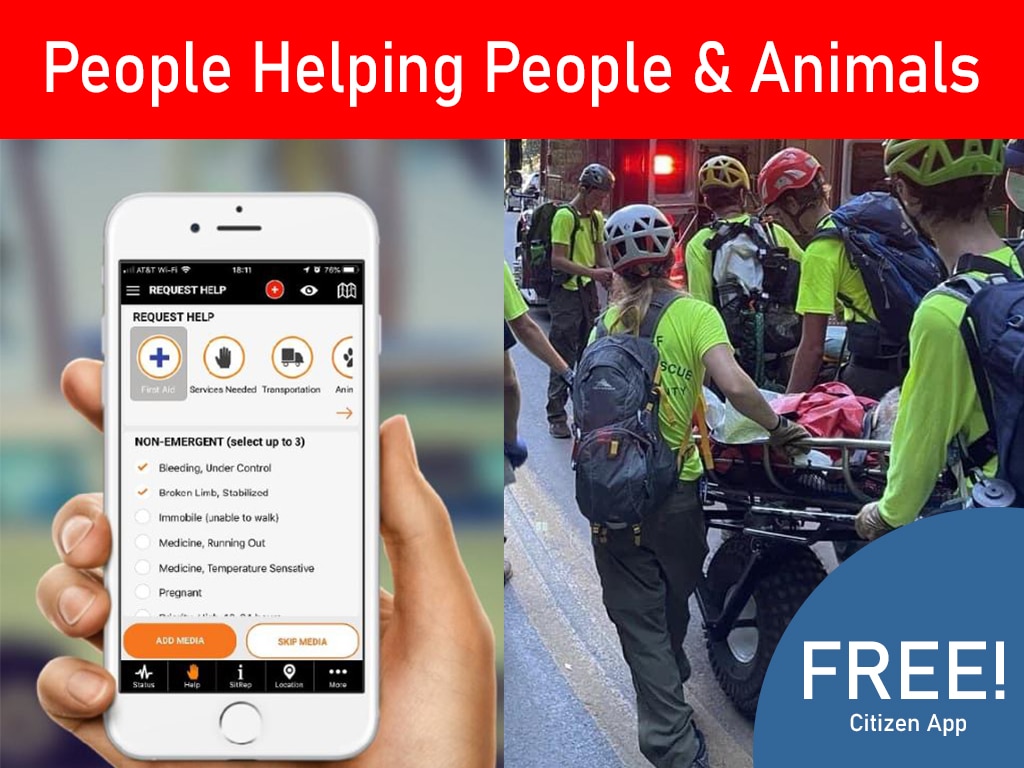
This is exactly why PubSafe was created. Our platform is designed with a community-centric approach to enhance resilience by connecting everyone, from individual citizens to first responders and local organizations. We provide the tools for sharing information and resources, empowering communities to take proactive measures during an emergency. You can see how PubSafe works to bring all these moving parts together on one map.
Through our app, users can report incidents, request assistance, and share critical information in real time. This fosters a collaborative environment that strengthens overall community safety. Whether you’re a citizen wanting to help your neighbors or part of a CERT team, you can use PubSafe to coordinate your efforts. We encourage NGOs and other groups to complete their organization registration to become a verified part of the public safety network.
Related Articles
- IPAWS, Provided By FEMA Is Our National Alerting System
- Reliable Emergency Alert System For Communities
- Emergency Alert System for Communities: Fast, Accurate, Trusted | PubSafe
Frequently Asked Questions
What’s the difference between the alert on my TV and the one on my phone? The alert you see interrupting a TV show is part of the Emergency Alert System (EAS), which broadcasts messages through television and radio stations. The alert you get on your phone is a Wireless Emergency Alert (WEA). WEAs are more geographically precise, using cell towers to send a text-like message to every phone in a specific danger zone, while the EAS sends a broader message to all viewers or listeners of a particular station.
Why do I sometimes get alerts that don’t seem relevant to my exact location? This usually happens with EAS alerts on your TV or radio. The system uses a technology called SAME to target alerts to specific counties or regions. If you live near a county line, you might receive a warning intended for your neighbors. This is one reason why the system is evolving, as newer technologies like WEAs on your phone can target warnings much more precisely, sometimes down to the neighborhood level.
Can I turn off these emergency alerts? You cannot opt out of receiving national alerts issued by the President. For other alerts sent to your phone, like weather or AMBER alerts, you can typically disable them in your device’s settings, though it is highly recommended you keep them active for your safety. You cannot opt out of EAS alerts on TV and radio, as they are part of the broadcast signal itself.
Are these alerts secure, or could they be faked? This is a valid concern. While the system has had vulnerabilities and rare instances of false alarms or hacks have occurred, federal agencies are constantly working to make it more secure. Broadcasters must follow strict rules, and new laws are focused on improving the system’s reliability. The goal is to maintain public trust so that when you receive a real alert, you know it’s legitimate.
An alert just told me to take shelter. What should I do after that? First and foremost, follow the instructions in the alert immediately. Your safety is the top priority. Once you are in a secure place, you can seek more detailed information. This is where community response platforms come in. You can use an app like PubSafe to check a live map for incident reports from your neighbors, see what roads are blocked, or find out where local response teams are staging. This helps you understand the situation beyond the initial warning.