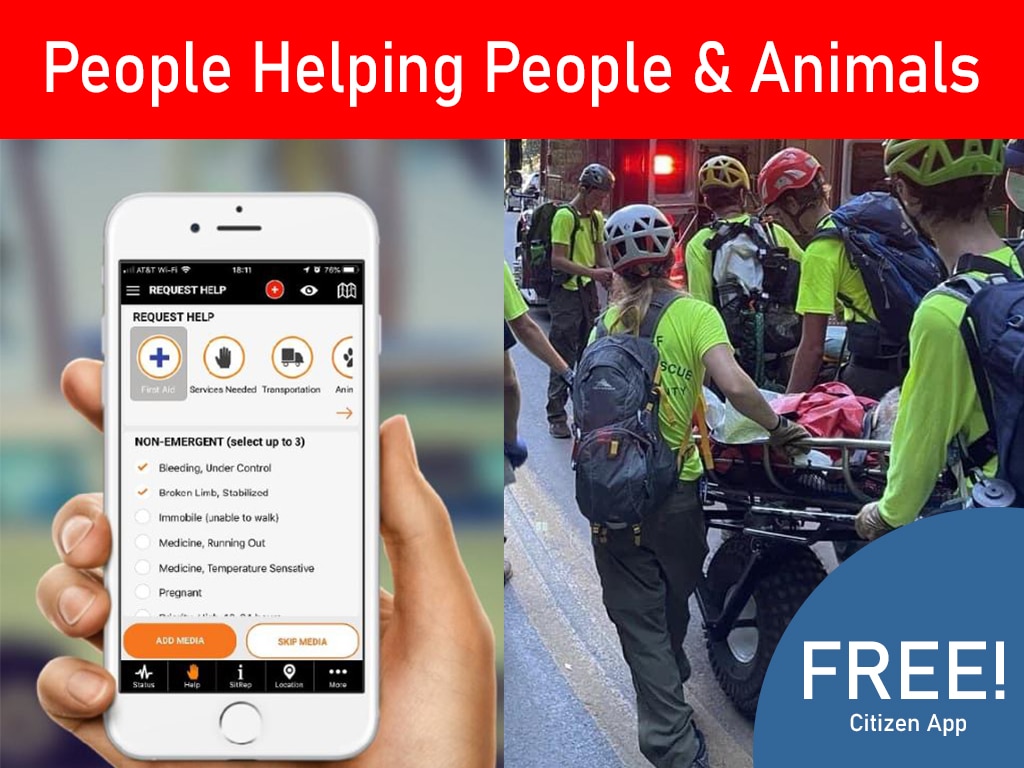
Behind every news story of disaster relief is a complex logistical operation. While we see the supplies being delivered, we don’t always see the intricate network that makes it happen. At the heart of this network are NGOs. So, what is the meaning of ngos in this context? They are the independent, fast-moving engines that power modern humanitarian aid, connecting resources and volunteers with communities in need. They operate where governments may be overwhelmed, navigating immense challenges to provide life-saving support. This guide pulls back the curtain to show you how these essential organizations work, from funding and coordination to how technology is helping them save more lives.
Key Takeaways
- NGOs are independent problem solvers: They are mission-driven organizations that operate outside of government to tackle specific social issues, from providing on-the-ground disaster relief to advocating for long-term policy changes.
- Coordination is the key to effective response: The success of any relief effort depends on seamless teamwork between NGOs, public safety agencies, and the community. Using a shared platform for communication and resource management prevents duplicated efforts and saves lives.
- You can actively contribute to community resilience: Individuals can make a significant impact by volunteering, reporting incidents to provide real-time information, and using technology to connect with response organizations and ensure aid gets where it’s needed most.
What Exactly Is an NGO?
You’ve probably heard the term NGO, especially in conversations about disaster relief, human rights, or environmental protection. But what does it actually mean? At its heart, an NGO, or Non-Governmental Organization, is a group that works independently from any government to address social or political issues. These organizations are the backbone of many community efforts, filling gaps that governments or for-profit companies might not. They are mission-driven, focusing on specific causes and mobilizing people and resources to make a tangible difference. Whether they’re providing on-the-ground aid after a hurricane or advocating for policy changes, NGOs play a vital role in civil society.
Defining an NGO’s Core Traits
So, what makes an organization an NGO? The name itself gives us the biggest clue: they are non-governmental. This means that while they may partner with or receive funding from government bodies, they are not part of the government structure. They operate with their own missions and governance. Most NGOs are also nonprofit groups, meaning any surplus money they generate is reinvested back into their cause rather than being distributed to owners or shareholders. This structure allows them to stay focused on their primary goal, whether it’s providing clean water, protecting wildlife, or coordinating volunteers during an emergency.
NGOs vs. Government vs. For-Profits: What’s the Difference?
It helps to think about what an NGO isn’t. The term Non-governmental organization was first used by the United Nations to distinguish between governmental bodies and private organizations. Unlike government agencies, which are responsible for public administration and services, NGOs are private entities focused on specific causes. And unlike for-profit businesses, whose main goal is to make money for their owners, an NGO’s success is measured by its impact. Their funding often comes from a mix of private donations, membership fees, and grants, which allows them to pursue missions that may not be profitable but are essential for community well-being.
Exploring the Different Types of NGOs
Not all NGOs are created equal. They come in different shapes and sizes, each with a unique mission and approach. Understanding these differences helps you see the full picture of how they contribute to society and where you might fit in. Generally, we can group them into a few main categories based on what they do and how they do it. Think of it as a team where everyone has a specific, vital role to play. Some are on the front lines providing direct aid, while others work behind the scenes to change policies and raise awareness. Each type is essential to creating a strong, resilient, and supportive global community.
Operational NGOs: The “Doers”
Think of operational NGOs as the “boots on the ground.” These are the organizations you see on the front lines of a crisis, directly implementing projects and delivering aid. Their work is hands-on, focusing on providing essentials like food, clean water, shelter, medical care, and education to communities in need. When a disaster strikes, operational NGOs are often among the first to respond, working tirelessly to support affected people. Their entire focus is on direct action and service delivery, making them a critical part of any emergency response effort. Effective volunteer coordination is the lifeblood of these groups, allowing them to mobilize quickly and efficiently.
Advocacy NGOs: The “Voices”
While operational NGOs are the “doers,” advocacy NGOs are the “voices.” Their main goal is to influence public policy and bring about systemic change. Instead of delivering direct aid, they work to raise awareness about important issues, from human rights and environmental protection to social justice. They act as a megaphone for communities, lobbying governments, running public campaigns, and pushing for new laws and practices. By shaping public opinion and holding decision-makers accountable, these non-governmental organizations work to address the root causes of problems, creating a ripple effect that can lead to lasting, large-scale change.
Charitable NGOs: The “Givers”
Charitable NGOs are focused on providing assistance, often through a top-down approach where they distribute resources to those in need. Their primary mission is to alleviate poverty and improve living conditions by offering financial support, food, and other forms of aid. While their work can overlap with operational NGOs, the emphasis is often on the act of giving and philanthropy. These organizations play an essential role in filling immediate gaps, especially in communities that lack access to basic resources. They are the safety net that catches people during hard times and provides the support needed for long-term development and stability.
Professional NGOs: The “Experts”
This category is a bit different. Professional NGOs are made up of members who share a specific expertise or interest, like doctors, lawyers, artists, or environmental scientists. These groups use their collective knowledge to advance their field, promote specific causes, and provide specialized services. For example, a group of engineers might form an NGO to help communities build sustainable infrastructure, while an association of journalists might work to protect press freedom. These Nongovernmental Organizations (NGOs) serve as hubs for collaboration, training, and knowledge-sharing among experts dedicated to making a difference.
The Impact of NGOs on Society
NGOs are much more than just organizations; they are powerful forces for change, operating in nearly every corner of the globe. Their work touches millions of lives, often in ways we don’t see every day. From rushing into disaster zones to patiently building stronger communities from the ground up, the impact of NGOs is both deep and wide-ranging. They fill critical gaps left by governments and for-profit companies, driven by a mission to serve, protect, and empower. Let’s look at some of the most significant ways these groups shape our world for the better.
Providing Humanitarian Aid and Disaster Response
When a crisis hits, whether it’s a hurricane, wildfire, or flood, NGOs are often the first on the scene. They can move with a speed and flexibility that larger government bodies sometimes can’t match, delivering life-saving aid like food, clean water, shelter, and medical care directly to those in need. This rapid response is crucial in the immediate aftermath of a disaster. Effective volunteer coordination during emergencies is the backbone of these efforts, allowing NGOs to mobilize people and resources efficiently. They act as a vital lifeline, providing immediate relief and setting the stage for long-term recovery when communities are at their most vulnerable.
Driving Social Change and Protecting Human Rights
Beyond immediate aid, many NGOs dedicate themselves to tackling systemic issues and protecting our fundamental rights. They are the advocates who speak up for the voiceless, pushing for policy changes and holding powerful institutions accountable. By raising public awareness about human rights abuses, environmental degradation, and social injustice, they can build momentum for significant reform. History shows us the incredible power of this work; Nongovernmental Organizations have been instrumental in monumental achievements, from helping to end apartheid in South Africa to establishing international bans on landmines. Their persistence changes not just laws, but hearts and minds.
Building Communities and Fostering Education
An NGO’s impact is also measured in the quiet, steady work of community building. These organizations invest in long-term projects that help people become more self-reliant and resilient. This can look like building a new school in a remote village, setting up a local health clinic, or providing job training and microloans to aspiring entrepreneurs. The goal is to create sustainable change from within. By focusing on foundational pillars like education, health, and economic opportunity, NGOs empower communities to thrive on their own terms. This grassroots development is essential for creating a more equitable and stable world for everyone.
Protecting Our Environment for a Sustainable Future
Many NGOs are on the front lines of the fight to protect our planet. They work tirelessly to address some of the most pressing environmental challenges of our time, from climate change and deforestation to pollution and the loss of biodiversity. These organizations conduct scientific research, lead conservation projects, and advocate for stronger environmental protections at local, national, and international levels. Their work is critical for achieving global sustainability goals, like those outlined by the United Nations. By championing a healthier planet, these NGOs are not just protecting nature; they are securing a livable future for generations to come.
Influencing Policy and Leading Research
NGOs are often key players in shaping public policy and informing public debate. They conduct and publish research, providing valuable data and expert analysis on a wide range of social, economic, and environmental issues. This information is then used to educate the public, lobby government officials, and advocate for evidence-based solutions. Through strategic communication and public campaigns, they can shift public opinion and create the political will needed for change. This “behind-the-scenes” work is a powerful way for NGOs to influence government policies and contribute to solving complex problems, acting as a bridge between citizens and the halls of power.
How Do NGOs Get Funding?
Running an NGO takes more than just passion; it requires a solid financial foundation to pay staff, cover operational costs, and carry out life-saving missions. Since they don’t sell products for profit, NGOs rely on a variety of funding streams to support their work. Understanding these sources is key to appreciating how these organizations function and maintain their operations, especially during critical events like natural disasters. Let’s walk through the most common ways NGOs secure the funds they need to make a difference.
Securing Grants from Governments and Foundations
One of the primary ways NGOs get funding is through grants. These are financial awards given by governments (at the local, state, or federal level), corporations, or private foundations. The best part about grants is that they don’t have to be paid back. They can provide substantial sums of money that allow an NGO to launch a new program, expand its services, or invest in essential equipment. However, the process is highly competitive. It involves a lot of research to find the right opportunities and significant effort to write compelling grant proposals that stand out from the crowd.
Raising Funds Through Donations and Memberships
Individual contributions are the lifeblood of many NGOs. This can happen through large-scale fundraising campaigns, like online donation drives, charity galas, or community festivals. These efforts not only bring in money but also help spread the word about the NGO’s cause and build a supportive community. Some organizations also use a membership model, where supporters pay a recurring fee. In exchange, members might receive special benefits like newsletters or exclusive updates, while the NGO gets a predictable source of income to help with long-term planning and budgeting for its programs.
How Funding Sources Affect an NGO’s Independence
Where an NGO gets its money matters. Relying too heavily on a single source, especially government funding, can sometimes create challenges and potentially influence an organization’s priorities or independence. To avoid this, most successful NGOs work hard to diversify their funding. By combining grants, individual donations, and membership fees, they create a more stable financial base. This diversity gives them the freedom and flexibility to stay true to their mission without being overly dependent on one entity’s agenda. For NGOs focused on disaster response, this independence allows them to act quickly and effectively, which is why joining a collaborative network through organization registration can help them maximize their impact.
NGOs vs. Nonprofits: Is There a Difference?
You’ve probably heard the terms “NGO” and “nonprofit” used almost interchangeably, and it’s easy to see why. They share a lot of common ground, but there are a few key differences that are helpful to understand. The simplest way to think about it is this: all NGOs are nonprofits, but not all nonprofits are NGOs.
Let’s break that down. A nonprofit is any organization that uses its surplus revenue to achieve its mission rather than distributing it as profit to owners. This is a broad legal and tax designation that includes everything from your local community theater and animal shelter to a massive international aid organization. Their primary focus is on a specific cause, not on making money.
An NGO, or Non-Governmental Organization, is a specific type of nonprofit. The defining trait is right in the name: it’s an organization that operates independently from the government. While an NGO might receive government funding, its decisions and operations are not controlled by government bodies. This independence is a core part of the role an NGO plays in civil society, allowing it to work in areas where government presence might be limited or complicated. The term “NGO” is also typically used for groups that work on a larger, often international, scale, tackling issues like global poverty or coordinating disaster relief across borders.
So, while both are mission-driven, the main distinction comes down to an NGO’s formal independence from government and its often global focus. For those of us in disaster response, this means an NGO partner often brings cross-border experience and resources, while a local nonprofit provides deep community roots and knowledge. Both are absolutely vital for effective coordination.
Common Challenges for NGOs in Disaster Response
While NGOs are powerful forces for good, their work, especially during a crisis, is filled with significant hurdles. Responding to a disaster isn’t as simple as showing up with supplies. It requires working through a complex web of logistical, financial, and safety challenges, all under immense pressure. Understanding these obstacles is the first step toward creating more resilient and effective response systems for everyone involved.
Coordinating with Local Authorities
One of the biggest challenges for NGOs is syncing up with all the other players on the field. During a disaster, you have local, state, and federal agencies, international groups, and other NGOs all working in the same area. While collaboration is crucial, it can be tough to establish clear lines of communication. Without a shared operational picture, efforts can be duplicated, and critical gaps in aid can be missed. This is where a unified platform for team management becomes so important, allowing different organizations to see what others are doing and coordinate their actions in real time.
Overcoming Resource and Funding Gaps
Disaster response is incredibly expensive, and for most NGOs, securing adequate and timely funding is a constant struggle. Operations require money for everything: medical supplies, food, shelter, transportation, and staff salaries. NGOs rely on a mix of grants, private donations, and fundraising campaigns to fuel their work. However, these funding sources can be unpredictable. When a large-scale disaster strikes, the need for resources explodes overnight, often outpacing an organization’s available funds. This financial uncertainty can limit an NGO’s ability to scale its operations and provide aid to everyone who needs it.
Managing On-the-Ground Logistics
Imagine trying to deliver life-saving supplies when roads are washed out, power is down, and communication networks are offline. This is the reality of on-the-ground logistics in a disaster zone. Getting the right resources to the right people at the right time is a monumental puzzle. It involves everything from sourcing and warehousing supplies to managing vehicle fleets and directing volunteers. Effective volunteer coordination is especially critical, as passionate citizens are often the first to help. Without a solid logistical plan and the tools to adapt it on the fly, even the best-funded efforts can fall short.
Ensuring Staff and Volunteer Safety
An NGO’s greatest asset is its people, and protecting them in a hazardous environment is a top priority. Responders often work long, grueling hours under intense emotional and psychological pressure. They also face physical dangers, from navigating unstable structures after an earthquake to working in areas with active conflict. Ensuring team members have the information they need to stay safe is non-negotiable. Real-time updates on risks, safe zones, and incident locations are vital. Using a public map with live data can give teams the situational awareness they need to make smart decisions and avoid unnecessary risks while carrying out their mission.
How NGOs Coordinate for Effective Disaster Response
When a disaster strikes, a fast response is critical, but a coordinated one is what truly saves lives and rebuilds communities. NGOs don’t just show up and hope for the best; their effectiveness comes from strategic collaboration. By working with local communities, public safety agencies, and other partners, they can direct resources precisely where they’re needed most. This teamwork ensures that every action, from immediate aid to long-term recovery, is part of a larger, more impactful effort.
Leveraging Local Knowledge for Rapid Action
One of the biggest strengths of an NGO is its ability to connect directly with the people on the ground. Instead of making assumptions from afar, effective NGOs listen to community members who have invaluable local knowledge. These residents know the back roads, the most vulnerable families, and the specific resources that are immediately available or desperately needed. By tapping into this expertise, NGOs can act quickly and deliver aid that is genuinely helpful. This community-centered approach ensures that money and volunteers are mobilized to address the real-time needs of those affected, making the response both rapid and relevant.
Partnering with Public Safety and CERT Teams
NGOs rarely work in a vacuum. The most successful disaster response efforts happen when they partner with official agencies like public safety departments and volunteer groups like Community Emergency Response Teams (CERT). While government bodies can sometimes be slowed by bureaucracy, NGOs are often more agile and can fill critical gaps. This collaboration creates a powerful, multi-layered response system. PubSafe’s platform is built for this kind of teamwork, offering powerful team management tools that allow different organizations to coordinate their actions seamlessly, preventing duplicated efforts and ensuring everyone is working toward the same goal.
Establishing Clear Lines of Communication
In the chaos of a disaster, clear and reliable communication is everything. It’s the thread that connects volunteers, supplies, and people in need. NGOs work hard to establish these communication lines with local authorities and community leaders to keep information flowing smoothly. This prevents dangerous rumors and ensures that everyone has access to accurate updates. When everyone is on the same page, aid gets to the right place, volunteers understand their assignments, and affected populations can make informed decisions to stay safe. Understanding how PubSafe works shows how technology can centralize information and make this process much more efficient.
Supporting Long-Term Community Recovery
An NGO’s work doesn’t stop when the immediate danger has passed. True recovery is a long-term process, and NGOs are often there for the entire journey. They play a vital role in helping communities rebuild and become more resilient for the future. This support goes far beyond initial relief efforts and can include projects like rebuilding schools and homes, providing job training to restore livelihoods, and offering mental health services to help people process trauma. By investing in these long-term projects, NGOs help communities not just get back on their feet, but become stronger and more self-reliant than before.
Using Technology to Strengthen NGO Disaster Response
Sharing Real-Time Data for Situational Awareness
During a disaster, information is everything. Outdated or inaccurate reports can lead to wasted time and resources. Technology changes this by providing a live, on-the-ground view of a crisis as it unfolds. Mobile apps and Geographic Information Systems (GIS) are key tools that help enhance situational awareness for response teams. When citizens can report an incident like a flooded road or fallen power line directly from their phones, that data can instantly appear on a shared map. This gives NGOs a real-time understanding of where help is needed most, allowing them to make faster, more informed decisions that can save lives and protect communities. It’s about turning chaotic information into a clear, actionable picture.
Streamlining Volunteer and Resource Management
Getting the right people and supplies to the right place is a huge logistical challenge in any disaster. Technology offers a powerful solution for managing this complexity. Instead of relying on spreadsheets and phone trees, NGOs can use dedicated platforms to handle volunteer coordination and resource tracking. These systems help organizations register volunteers, assign tasks, and monitor progress in real time. This ensures that skilled volunteers are deployed effectively and that critical resources like food, water, and medical supplies are distributed efficiently. By using technology to coordinate their efforts, NGOs can reduce administrative burdens and focus more of their energy on direct, hands-on assistance.
Connecting Citizens, NGOs, and Government Agencies
An effective disaster response requires seamless teamwork between everyone involved, from individual citizens to official agencies. Historically, these groups often worked in silos, but technology is breaking down those walls. Digital platforms now facilitate communication and collaboration among all stakeholders, creating a more unified and powerful response network. For example, a platform like PubSafe shows how
How You Can Partner with NGOs for Greater Impact
NGOs are powerful, but their impact is magnified when they work hand-in-hand with the communities they serve. If you’re inspired by the work NGOs do, you don’t have to be a passive supporter. There are concrete, actionable ways you can partner with them to create a stronger, more resilient community, especially during a crisis. Your skills, your observations, and your willingness to connect can become powerful tools for change. It’s about moving from bystander to active participant. Here are a few ways you can get started and collaborate directly with NGOs for greater impact.
Finding Volunteer Opportunities
NGOs, especially those in disaster response, rely on people who are willing to roll up their sleeves. Your time and skills are some of the most valuable resources you can offer. The National Council of Nonprofits points out that volunteering is a fantastic way to gain experience and make a tangible difference. Whether you’re helping with on-the-ground logistics, providing administrative support, or offering specialized professional skills, your contribution helps these organizations extend their reach. It’s a symbiotic relationship where you help an NGO achieve its mission while connecting with your community in a meaningful way.
Reporting Incidents to Share Critical Information
During an emergency, information is everything. NGOs need timely and accurate data to know where to send aid and what resources are most needed. As the United Nations has noted, local communities are often the first to witness and respond to a crisis. By reporting what you see, like a blocked road, a localized flood, or a community in need of supplies, you provide the critical on-the-ground intelligence that NGOs depend on. This simple act helps them respond proactively, ensuring help gets where it’s needed most, faster. You can learn exactly how to report an incident using tools designed for this purpose.
Using Tech Like PubSafe to Connect and Collaborate
Technology is a powerful bridge between individuals, communities, and the NGOs trying to help them. Platforms that facilitate real-time communication and information sharing are changing the game for disaster response. As highlighted by the Stanford Social Innovation Review, technology can significantly enhance the capacity of NGOs to respond to crises effectively. This is where a platform like PubSafe becomes essential. It creates a common operational picture where citizens can report issues, volunteers can be coordinated, and NGOs can collaborate directly with public safety agencies. By using a unified system, everyone works with the same information, which streamlines efforts and saves precious time. NGOs can register their organization to become part of this connected response network.
Related Articles
- NGO Disaster Response: Key Challenges & Solutions | PubSafe
- NGO Disaster Response Faces Extraordinary Challenges
- NGO Technology for Disaster Response & Team Management | PubSafe
- NGO Technology Improves Operational Efficiency
Frequently Asked Questions
What’s the real difference between an NGO and a nonprofit? Think of “nonprofit” as a broad category and “NGO” as a specific type within it. A nonprofit is any organization that reinvests its income into its mission instead of giving it to owners. This includes your local animal shelter or community arts center. An NGO is a particular kind of nonprofit defined by its independence from direct government control. The term is often used for groups that work on social, humanitarian, or environmental issues, frequently on a national or international level.
I want to help after a disaster. Is it better to donate money or supplies? This is a great question, and while the instinct to give physical items is generous, donating money is almost always more effective. Financial contributions give NGOs on the ground the flexibility to purchase exactly what is needed most at that moment, from specific medical supplies to fresh food. It also allows them to buy from local vendors, which helps support the affected community’s economy during a difficult time and avoids the massive logistical challenge of transporting and sorting donated goods.
Why is coordination between different response groups so difficult during an emergency? In the immediate aftermath of a disaster, the environment is often chaotic. Multiple organizations, from local CERT teams to large international NGOs and government agencies, rush in to help. Each group may have its own communication methods, priorities, and operational plans. Without a central, shared platform to see who is doing what and where, it’s easy for efforts to be duplicated in one neighborhood while another is completely overlooked. This is why establishing clear, real-time communication is one of the most critical and challenging parts of an effective response.
If an NGO takes government grants, is it still truly ‘non-governmental’? Yes, it is. The “non-governmental” part of the name refers to an organization’s governance and operational independence, not necessarily its funding sources. While an NGO might receive a government grant for a specific project, it is not part of the government structure and its overall mission is not directed by government officials. To protect this independence, most well-run NGOs work to secure funding from a wide variety of sources, including private donations and foundations, so they are not reliant on any single entity.
Besides volunteering, how can I support an NGO’s work from my own community? Your eyes and ears on the ground are incredibly valuable. During a crisis, one of the most powerful things you can do is share timely and accurate information. Reporting issues like a blocked road, a downed power line, or a specific community need gives response teams the real-time data they need to direct resources effectively. Using a platform designed for this purpose allows you to become a trusted source of information, helping NGOs make faster, smarter decisions that save time and lives.