The image of an NGO often involves volunteers handing out supplies from the back of a truck. While that’s still a vital part of their work, the answer to “what is an NGO today?” is evolving. Technology is transforming how these organizations operate, making them faster, smarter, and more coordinated than ever before. From real-time communication platforms to data-driven damage assessments, modern tools are amplifying their impact. This article will cover the fundamentals of these mission-driven groups and explore how technology is helping them overcome traditional challenges, ensuring that aid gets where it’s needed most during a crisis.
Key Takeaways
- NGOs fill critical gaps in communities: Because they are independent of government and not driven by profit, NGOs can respond flexibly to a wide range of needs, from advocating for policy changes to providing immediate disaster relief.
- Good intentions require good coordination: An NGO’s success during a crisis depends on overcoming major challenges like funding gaps and communication silos; structured collaboration with other responders is essential to maximize their impact.
- Technology is the bridge to better collaboration: A unified platform connects citizens, NGOs, and public safety agencies in real time, making it possible to manage volunteers, share critical information, and get resources where they are needed most.
What Is an NGO?
You’ve probably heard the term NGO, which stands for Non-Governmental Organization. At its core, an NGO is a group of people who come together to work on a specific mission without being part of a government. Think of them as mission-driven organizations focused on making a difference in areas like human rights, environmental protection, or disaster relief. The term became widely used after the United Nations was formed in 1945 to distinguish independent citizen groups from government bodies. These organizations are the backbone of many community efforts, filling gaps that governments and for-profit companies don’t or can’t. They operate on local, national, and even global scales, driven by a passion for public good rather than financial gain. From local food banks to international aid agencies, NGOs are on the ground, turning compassion into action. They are often the first to respond in an emergency and the last to leave, helping communities rebuild long after the headlines have faded. Understanding what makes them unique is the first step to seeing just how vital their work is, especially during a crisis.
NGOs vs. Government Agencies
The most important distinction is right in the name: non-governmental. NGOs are independent of government control. While an NGO might receive funding from a government, its decisions, operations, and mission remain separate. This independence allows them to work impartially and often more flexibly than official agencies. The United Nations defines an NGO as a voluntary, non-profit group of citizens working toward a common public good. This freedom lets them advocate for policies or serve communities in ways that government bodies, bound by bureaucracy and political pressures, sometimes cannot. They can act as watchdogs, service providers, or advocates, all from an independent standpoint.
NGOs vs. For-Profit Businesses
Unlike a typical business that aims to generate profit for its owners or shareholders, an NGO is mission-focused. While they absolutely need funding to operate, any surplus revenue is reinvested back into the organization to further its social, environmental, or political goals. Their success isn’t measured by a bottom line, but by their impact. According to Harvard Law School, these groups are defined by their dedication to a cause. This fundamental difference in purpose shapes everything they do, from how they raise money to how they measure success.
Defining Characteristics of an NGO
So, what truly defines an NGO? It comes down to a few key traits. First, they are value-driven, focusing on issues like social justice, environmental protection, or humanitarian aid. Second, they are independent and non-profit, as we’ve discussed. Finally, their work can be categorized by its orientation (what they do) and its level of operation (where they work). An NGO might focus on advocacy, disaster response, or community development. It could be a small, local group helping a single neighborhood or a massive international organization responding to global crises. To manage these varied efforts, they rely on effective team management to coordinate volunteers and deliver aid efficiently.
What Do NGOs Actually Do?
When you hear the term NGO, you might picture volunteers handing out supplies after a hurricane. While that’s a huge part of what they do, their work is much broader and more complex. NGOs are involved in everything from shaping national policy to building local schools. They operate independently of governments, filling critical gaps and addressing needs that might otherwise be overlooked. Their core mission is to serve the public good, and they accomplish this through a variety of functions that support communities before, during, and long after a crisis.
These organizations are the versatile problem-solvers of the civil sector. One day, an NGO might be in a capital city presenting research to lawmakers, and the next, its team could be on the ground in a remote village setting up a mobile health clinic. This flexibility allows them to adapt to the specific needs of a community. They are not just responders; they are advocates, developers, and educators. Whether they are pushing for systemic change, providing immediate disaster relief, investing in local infrastructure, or running training programs, their work is always centered on empowering people and building more resilient societies. Understanding these different roles is key to appreciating the full impact NGOs have around the world and how they contribute to a safer, more equitable planet.
Advocating for Change
Many NGOs focus on creating long-term, systemic change. Instead of just treating the symptoms of a problem, they work to address the root causes. They do this by advocating for new policies and laws that protect vulnerable populations and the environment. You’ll often find them at the forefront of campaigns to raise awareness about issues like human rights, public health, and climate change. By conducting research, lobbying governments, and mobilizing public support, these organizations push for a better, more equitable future for everyone. Their advocacy ensures that important issues stay on the public agenda and that governments are held accountable.
Responding to Disasters
During an emergency, NGOs are often the first boots on the ground. Because they are independent and agile, they can respond to natural disasters and humanitarian crises with incredible speed, sometimes arriving even before larger government agencies. They provide immediate, life-saving aid like food, clean water, shelter, and medical care to people in need. This rapid response is crucial in the first few hours and days of a crisis. Success in these situations often comes down to effective volunteer coordination, ensuring that the right people with the right skills are in the right place to make the biggest impact.
Developing Communities
Beyond immediate disaster relief, many NGOs are committed to long-term community development. Their goal is to help communities become stronger and more self-sufficient. This work can take many forms, from building schools and health clinics to providing agricultural training and creating small business loan programs. By investing in local infrastructure and skills, NGOs empower residents to build a more resilient future for themselves. This development work is foundational, as it helps communities better withstand and recover from future crises, reducing their reliance on outside aid over time.
Providing Education and Training
Education is a powerful tool for change, and it’s a key focus for many NGOs. They run programs that range from basic literacy classes for children and adults to specialized job skills training. This work helps individuals improve their economic prospects and participate more fully in their communities. Furthermore, NGOs often provide training to other local groups and leaders, teaching them how to be more effective in their own work. By sharing knowledge and resources, they help build a strong network of capable organizations. You can see this in action when NGOs register their organization on platforms that help them manage their teams and respond more efficiently.
The Different Types of NGOs
Not all NGOs are created equal. The term covers a huge variety of organizations, each with a unique purpose and scope. Understanding these differences is key, especially in a crisis where you need to know who does what. The simplest way to categorize NGOs is by looking at their mission (what they do) and their scale of operation (where they do it). This helps clarify their role in everything from local community projects to international disaster response.
NGOs by Mission: Environmental, Humanitarian, and Advocacy
An NGO’s mission is its reason for being. This focus guides all of its activities and determines the kind of support it provides. Humanitarian groups are often the first ones that come to mind during a disaster. They focus on saving lives and easing suffering by providing food, water, shelter, and medical care. Environmental NGOs work to protect the natural world through conservation efforts and sustainability projects. Advocacy NGOs are focused on influencing policy and defending human rights. They work on social and political issues, speaking up for communities and pushing for systemic change. While their work might seem less direct in a crisis, their efforts are vital for long-term recovery and justice.
NGOs by Scale: Local, National, and International
You can also group NGOs by their geographic reach. Local, or community-based, organizations operate in a specific neighborhood or town. They have deep roots and an intimate understanding of the local needs and culture, which is invaluable during an emergency. National NGOs operate within the borders of a single country, tackling issues on a wider scale. Then you have international NGOs, which work across multiple countries and often have massive resources and global recognition. The United Nations, which helped popularize the term NGO, defines them as voluntary groups that can operate at the local, national, or international level. Each scale offers unique advantages, and effective disaster response often involves coordination between all three.
How NGOs Are Funded and Structured
To understand how NGOs operate so effectively, especially during a crisis, it helps to look behind the curtain at their internal structure. How do they keep the lights on, and who makes up their teams? The answers reveal a flexible and mission-driven model that allows them to adapt to challenging situations. Unlike for-profit companies, an NGO’s success isn’t measured in revenue, but in impact. This fundamental difference shapes everything from how they raise money to how they build their teams on the ground. Their structure is built for resilience and purpose, which is why they can step in and provide aid when communities need it most.
Where the Money Comes From
NGOs run on a diverse mix of funding sources that allow them to pursue their missions. The most common source is direct donations from individuals and private foundations who believe in their cause. Many also rely on membership fees or revenue from selling goods and services related to their work. Some NGOs receive government grants for specific projects, which can be a significant source of support. While this partnership is often beneficial, most organizations are careful to maintain their independence, ensuring their actions and advocacy are never compromised. This financial autonomy is what allows them to remain trusted, neutral players in complex situations.
How an NGO Team Is Built
The heart of any NGO is its people. Teams are often a dynamic blend of paid staff and passionate volunteers. Some organizations are run almost entirely by volunteers, while larger international NGOs may have a mix of local employees and specialized staff from around the world. People who work for NGOs are typically driven by a strong commitment to the mission, not by the promise of a huge paycheck. This shared purpose creates a resilient and dedicated workforce. Managing these diverse teams, especially during a chaotic event, is a major operational challenge. That’s why effective volunteer coordination is essential for any NGO looking to make a real impact when it matters most.
Examples of NGOs Making a Difference
From global giants to local grassroots groups, NGOs are on the front lines making a tangible impact every day. While their missions, scales, and methods vary, they all share a commitment to creating positive change. Understanding how different organizations operate can give you a clearer picture of the vital role they play in society, especially during a crisis. These examples highlight the diverse ways NGOs contribute, from providing immediate medical aid and food to empowering communities and advocating for long-term policy shifts. Each one demonstrates a unique approach to solving some of the world’s most pressing problems, proving that organized, mission-driven efforts can truly change lives.
PubSafe
Many of the most effective NGOs work by empowering communities from the ground up. As one source notes, “NGOs often work closely with local communities to understand their specific needs. They mobilize communities to help people learn how to speak up for their rights and interests.” This is where a platform like PubSafe comes in. While not a traditional NGO itself, PubSafe provides the digital infrastructure that allows NGOs, CERT teams, and citizens to collaborate seamlessly. By facilitating organization registration and real-time communication, it helps these groups mobilize volunteers and respond to community needs faster and more effectively than ever before. It’s a perfect example of how technology can amplify the impact of community-focused work.
Doctors Without Borders (Médecins Sans Frontières)
When a crisis hits, speed is everything. Doctors Without Borders (MSF) is a world-renowned example of an NGO built for rapid response. As Candid Learning explains, “During emergencies like natural disasters, NGOs are often the first to help… They can act quickly when big government groups might be slower.” MSF embodies this principle by sending medical teams to conflict zones, natural disaster sites, and areas with disease outbreaks. These volunteer doctors, nurses, and other professionals provide urgent medical care to people who would otherwise go without. Their independence and neutrality allow them to operate in some of the most challenging environments on earth, saving lives where help is needed most.
International Federation of Red Cross and Red Crescent Societies (IFRC)
Some NGOs have such a long and storied history that they have fundamentally shaped global policy. The IFRC is a prime example. It’s the world’s largest humanitarian network, with millions of volunteers in nearly every country. As Harvard Law School points out, long-standing NGOs have helped achieve monumental changes, including “creating international laws like the ban on landmines.” The IFRC has been central to developing international humanitarian law, including the Geneva Conventions. Its work goes far beyond disaster response, encompassing everything from community health initiatives to promoting peace and human dignity worldwide.
Oxfam
NGOs often tackle complex, interconnected issues that go beyond immediate relief. Oxfam is a global confederation of organizations working to end the injustices that cause poverty. Their work aligns with the idea that NGOs focus on a wide range of issues, with goals that include “helping people in need (like children, women, and refugees), promoting human rights, and working for social fairness.” Oxfam campaigns for fair trade, advocates for women’s rights, pushes for climate justice, and responds to humanitarian crises. By addressing the root causes of inequality, Oxfam aims to create lasting solutions that empower communities to build better futures for themselves.
World Food Programme (WFP)
Providing basic necessities is a core function of many humanitarian NGOs. The World Food Programme, a United Nations agency, is the largest organization focused on this mission. It perfectly illustrates how “NGOs play a big role in helping people, especially after natural disasters or other problems. They provide essential goods and services.” The WFP delivers food assistance to millions of people each year who are victims of war, civil conflict, and natural disasters. Beyond emergency aid, it also works on long-term projects to improve nutrition and build community resilience against future food shortages, ensuring that people not only survive crises but also have the chance to thrive.
The Role of NGOs in Disaster Response
When a crisis hits, every second counts. While government agencies mobilize, non-governmental organizations (NGOs) are often on the front lines, filling critical gaps with speed and precision. Their unique structure allows them to operate with an agility that larger institutions can’t always match. From providing immediate relief to helping communities rebuild stronger than before, NGOs play an indispensable part in the disaster response ecosystem. They are the connectors, the helpers, and the advocates who work tirelessly on the ground, turning chaos into coordinated action and bringing hope to those who need it most.
Mobilizing Fast Support
During an emergency, NGOs are often the first to arrive with life-saving aid. Because they are independent of government bureaucracy, they can move quickly to deliver essentials like food, clean water, shelter, and medical care to people in need. This rapid deployment is crucial in the immediate aftermath of a disaster, when official help might still be hours or days away. By having teams ready to go, NGOs can significantly reduce the impact of a crisis. With real-time tools, they can see where the need is greatest by letting citizens report an incident directly, ensuring that support gets to the right place at the right time and making every moment count.
Using Local Expertise
Effective disaster response isn’t one-size-fits-all. NGOs excel at this because they often have deep roots in the communities they serve. They work closely with local leaders and residents to understand the specific needs, cultural context, and logistical challenges of an area. This local knowledge is invaluable; it ensures that aid is not only delivered but is also appropriate and effective. By empowering local teams and volunteers, NGOs build trust and create a more collaborative response effort. This approach is central to successful volunteer coordination, as it combines organized support with on-the-ground intelligence from the people who know their community best, ensuring a response that truly serves the affected population.
Aiding Long-Term Recovery
An NGO’s work doesn’t stop when the immediate danger has passed. True recovery is a marathon, not a sprint, and these organizations are committed to helping communities rebuild for the long term. Their support extends to projects that restore normalcy and build resilience, such as reconstructing schools, improving healthcare facilities, and offering job training to create new opportunities. According to research from Candid, this long-term engagement is vital for helping communities become self-reliant and sustainable. By focusing on sustainable development, NGOs ensure that people are not just surviving but are on a path to thrive again after a crisis, creating a stronger foundation for the future.
Preparing Communities for Future Crises
The best way to handle a disaster is to be ready for it. NGOs play a key role in proactive preparation, working to strengthen communities before a crisis ever strikes. This involves everything from running disaster preparedness drills to advocating for policies that address the root causes of vulnerability, like poverty and climate change. Many NGOs align their work with global frameworks like the United Nations’ Sustainable Development Goals to build a more equitable and resilient world. By helping communities prepare, NGOs reduce the potential impact of future emergencies. Getting your organization set up on a unified platform ahead of time is a great first step, and you can start with a simple organization registration.
Common Challenges for NGOs in Disaster Response
While NGOs are often the first on the ground and the last to leave, their work is filled with significant hurdles. These organizations operate in high-stakes environments where resources are scarce and the needs are overwhelming. Understanding these common challenges is the first step toward building more resilient and effective response efforts for everyone involved. From securing funds to coordinating teams, the obstacles are real, but so are the opportunities to improve how we help communities in crisis.
Unstable Funding and Limited Resources
Most NGOs run on a tight budget, piecing together funds from a mix of sources like private donations, grants, and sometimes government support. This financial reality can be unpredictable. A sudden drop in donations or a change in grant priorities can leave an organization struggling to maintain its operations. This is especially true for those that rely on non-governmental organization funding, which can fluctuate based on economic conditions and public interest. This instability makes it difficult to invest in essential resources, from vehicles and communication equipment to training programs, creating a constant challenge to be prepared for the next disaster.
Gaps in Coordination
In the rush to respond to a crisis, it’s easy for wires to get crossed. Multiple NGOs and government agencies often arrive in the same disaster zone, but without a shared operational picture, their efforts can overlap or leave critical gaps. One neighborhood might receive aid from three different groups, while another gets none at all. This lack of coordination isn’t due to a lack of effort; it’s often the result of siloed communication channels. Without a central platform for team management, organizations can struggle to share information, track resources, and work together effectively, ultimately slowing down the delivery of aid to people who desperately need it.
Finding and Keeping Volunteers
Volunteers are the lifeblood of many NGOs, bringing passion and essential skills to disaster response efforts. However, finding and retaining these dedicated individuals is a persistent challenge. The work is often physically and emotionally draining, involving long hours in difficult conditions. Volunteer burnout is a serious issue, and many well-intentioned people may not return after a particularly tough deployment. Effective volunteer coordination is about more than just assigning tasks; it’s about providing support, managing schedules to prevent exhaustion, and showing volunteers the tangible impact of their hard work to keep them engaged for the long haul.
Measuring and Proving Impact
How do you measure hope or the impact of a warm meal? For NGOs, answering this question is crucial for securing future funding. Donors and grantmakers want to see that their contributions are making a real difference. Yet, in the chaos of a disaster zone, stopping to collect data can feel like a distraction from the immediate life-saving work. The challenge lies in finding simple ways to document activities and outcomes without slowing down the response. Tools that make it easy to report an incident or track resource distribution can help capture this vital information, turning field data into powerful stories of impact.
How NGOs and Governments Can Work Better Together
When a crisis hits, collaboration between NGOs and government agencies isn’t just a nice idea; it’s essential for an effective response. These groups often work in the same space but with different resources, structures, and priorities. When they can find common ground and work in sync, they save more lives and help communities recover faster. But this partnership doesn’t happen by accident. It requires intentional effort to build trust, share information, and coordinate actions. By focusing on a few key areas, NGOs and governments can create a powerful, unified force for good.
Establish Clear Communication
Effective disaster response hinges on clear, consistent communication. When everyone knows who is doing what, where, and when, efforts are amplified instead of duplicated. According to the UN, strong humanitarian coordination depends on both parties understanding each other’s roles and capabilities. This means setting up regular meetings and shared communication channels long before a disaster strikes. Using a unified platform where teams can share real-time updates, like the PubSafe public map, ensures that everyone from a local volunteer to a state official is working from the same playbook. This transparency builds trust and allows teams to adapt quickly as a situation evolves on the ground.
Form Official Partnerships
While informal collaboration is good, formalizing partnerships takes your collective response to the next level. Creating official agreements helps structure your collaboration, define shared goals, and streamline joint planning. The International Federation of Red Cross and Red Crescent Societies (IFRC) notes that these partnerships in humanitarian action lead to more predictable and effective crisis responses. A formal memorandum of understanding (MOU) can outline how resources will be shared, who will lead certain activities, and how information will flow between organizations. This groundwork makes it much easier to mobilize together when every second counts and can also strengthen applications for funding and grants.
Pool Resources and Assets
Neither government agencies nor NGOs have unlimited resources. By pooling assets, you can achieve far more than you could alone. This is about more than just money; it includes sharing personnel, equipment, vehicles, and technology. The World Bank highlights that such collaborative approaches lead to more efficient use of assets and reduce wasteful duplication. For example, an NGO might have a network of trained volunteers ready to deploy, while a government agency has access to heavy machinery or shelters. A shared platform for team management can provide a clear inventory of available resources, helping coordinators deploy the right assets to the right places with maximum impact.
Align on Policy and Advocacy
Beyond the immediate response, NGOs and governments can create lasting change by aligning their policy and advocacy efforts. When both groups advocate for similar policies, they present a united front that is much more influential. A report from the Overseas Development Institute (ODI) points out that this advocacy and policy alignment can amplify their voices and shape decision-making more effectively. This could mean jointly pushing for stronger building codes in earthquake-prone areas or better early-warning systems for floods. By working together on the big picture, you can help build more resilient communities and create sustainable solutions that reduce the impact of future crises.
How Tech Is Changing Disaster Response for NGOs
Technology isn’t just about convenience anymore; it’s a lifeline during a crisis. For NGOs on the front lines of disaster response, the right tech tools can mean the difference between chaos and a coordinated, effective effort. From hurricanes to wildfires, technology is reshaping how organizations prepare for, respond to, and recover from emergencies. It helps teams communicate clearly, manage volunteers efficiently, and get a true picture of the situation on the ground, ensuring that help gets where it’s needed most, faster than ever before.
Real-Time Coordination Platforms
When a disaster strikes, communication breakdowns can be just as damaging as the event itself. Real-time coordination platforms have become essential tools for NGOs, acting as a digital command center. These systems allow organizations to collect incident reports from the field, share updates instantly, and see the big picture as it develops. This seamless flow of information ensures that NGOs, government agencies, and community teams can work together effectively, preventing duplicated efforts and filling critical gaps in the response. Instead of relying on scattered phone calls and emails, teams can operate from a single source of truth.
Better Volunteer and Incident Management
An outpouring of support is a beautiful thing, but managing volunteers during a crisis can be overwhelming. Technology has transformed this process, making it easier for NGOs to handle everything from recruitment to deployment. Modern platforms help organizations register volunteers, assign tasks based on skills and availability, and track their activities in real time. This structured approach to volunteer coordination ensures that every person’s contribution is maximized and that safety protocols are followed. It also allows NGOs to manage incidents more effectively, allocating the right people to the right places at the right time.
Data-Driven Damage Assessments
Guesswork has no place in a disaster zone. NGOs are increasingly using technology to conduct data-driven damage assessments, giving them a clear and accurate understanding of a crisis’s impact. By using tools like geographic information systems (GIS), drone footage, and satellite imagery, response teams can map the extent of damage and identify the most vulnerable areas. This approach allows for a much more precise allocation of resources, from food and water to medical supplies. Using data to improve disaster response helps organizations move beyond reacting and start proactively addressing the most urgent needs on the ground.
Community-Powered Response
The people most affected by a disaster are often the first to respond. Technology is helping NGOs harness this local expertise by facilitating community-powered responses. Platforms that allow citizens to share information and organize support at a grassroots level are invaluable. When community members can easily report an incident or a need, it provides responders with crucial, on-the-ground intelligence. This approach not only empowers affected communities to take an active role in their own recovery but also ensures that NGO interventions are guided by local insights and priorities, making the entire response more effective and sustainable.
How PubSafe Helps NGOs Respond Faster
When a disaster strikes, the biggest challenge for any NGO is cutting through the chaos to deliver help where it’s needed most. Traditional methods of communication can be slow and fragmented, leading to delays that have real-world consequences. Technology can bridge these gaps, and that’s exactly what PubSafe was designed to do. Our platform gives NGOs the tools to manage incidents, coordinate teams, and communicate with other responders, all in one place. By bringing everyone onto a shared platform, we help you make faster, smarter decisions when every second counts.
Coordinate with Everyone in Real Time
During a crisis, your team needs a single source of truth. PubSafe provides a centralized platform where you can communicate and coordinate with local authorities, volunteers, and other organizations instantly. Instead of relying on messy email chains or phone trees, everyone can see the same information at the same time. This real-time view is critical for making quick decisions and allocating resources effectively. You can see incoming incident reports on a public map, assign tasks, and track progress without missing a beat. This shared awareness ensures that your response is swift, organized, and directed where it can make the biggest impact.
Simplify Volunteer Management
Your volunteers are your greatest asset, but managing them during an emergency can be overwhelming. PubSafe streamlines the entire process of volunteer coordination, from recruitment to deployment. Our platform helps you track volunteer availability, skills, and certifications so you can mobilize the right people for the right tasks. You can create teams, assign leaders, and communicate updates directly within the app. This level of organization means you can get skilled volunteers into the field faster and ensure that no offer of help goes to waste. It’s all about making your team management more efficient so you can focus on the mission.
Connect Citizens, NGOs, and Public Safety on One Platform
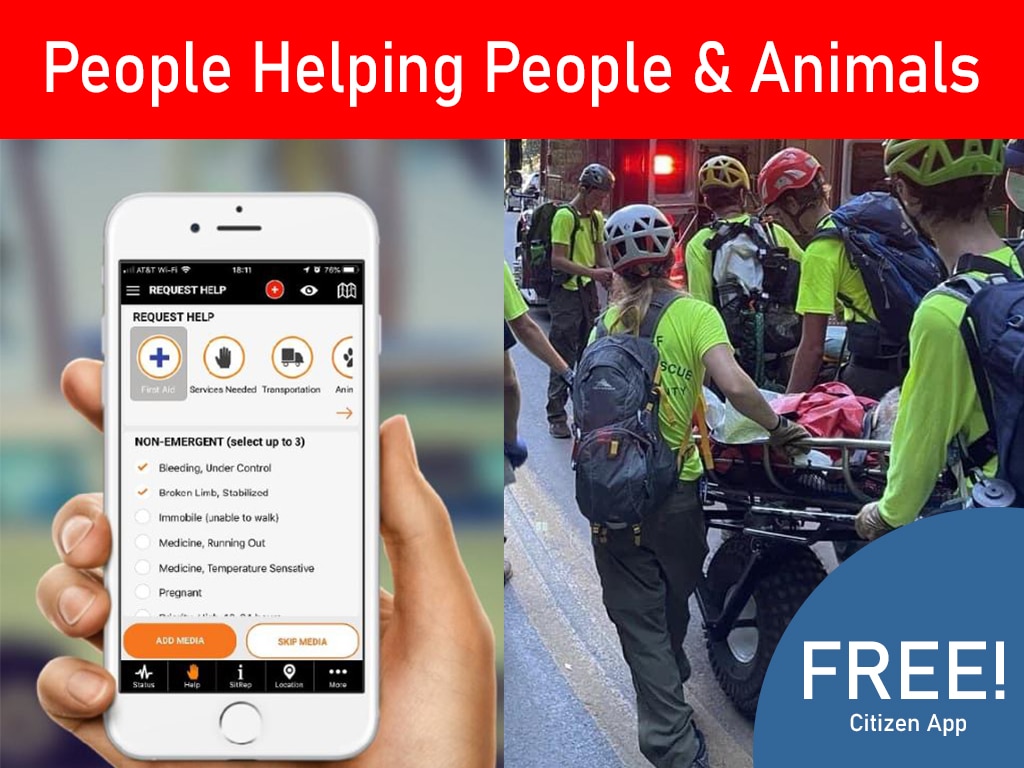
A truly effective response involves the entire community. PubSafe acts as a bridge, connecting citizens, NGOs, and public safety agencies on a single, unified platform. When citizens use the app for reporting an incident, that information becomes immediately available to registered organizations like yours. This direct line of communication provides invaluable, on-the-ground intelligence that you can act on. By breaking down the silos that typically separate different groups, PubSafe fosters collaboration and ensures information flows seamlessly. This connected approach strengthens community resilience and allows for a more cohesive and powerful response to any crisis.
Related Articles
- NGO Disaster Response Faces Extraordinary Challenges
- NGO Technology Improves Operational Efficiency
- NGO Disaster Response Coordination During Natural Disasters
- NGO Disaster Response Coordination Solutions for Natural Disasters | PubSafe
- NGO Disaster Response: Key Challenges & Solutions | PubSafe
Frequently Asked Questions
What’s the real difference between an NGO and a charity? This is a great question because the terms are often used interchangeably. Think of “NGO” as a broad category and “charity” as a more specific type of NGO. While most charities are NGOs, not all NGOs are charities. An NGO is any non-profit, non-governmental group with a specific mission. This can include advocacy groups that lobby for policy changes or community organizations focused on development. A charity, on the other hand, is typically focused on providing direct relief and support to those in need, often through fundraising and aid distribution.
I want to volunteer during a disaster. Should I just go to the affected area? While the impulse to help immediately is admirable, showing up unannounced can sometimes create more challenges for organized response teams. The most effective way to help is by connecting with an established NGO first. These organizations have systems in place to manage volunteers, ensuring your skills are used where they are needed most and that you have the support and direction to work safely. This prevents overwhelming the local infrastructure and ensures a coordinated, effective response.
How can a small, local NGO effectively coordinate with larger groups during a crisis? Coordination is key, and technology is the best way to bridge the gap between groups of different sizes. The most important step is to get on a shared communication platform where local, national, and government teams can all see the same real-time information. This allows a small organization with deep local knowledge to share critical updates and receive support from larger groups with more resources. Formalizing partnerships before a disaster also helps establish clear roles and communication channels.
My organization isn’t focused on disaster relief. Can we still be considered an NGO? Absolutely. The world of NGOs is incredibly diverse. While disaster relief organizations are highly visible, many NGOs focus on other critical areas like environmental protection, human rights advocacy, long-term community development, or public education. If your group is a non-profit, independent from the government, and working toward a specific social mission, then you are an NGO. The common thread is a commitment to public good, not a specific type of work.
How does technology actually help an NGO on the ground during an emergency? In a chaotic situation, technology brings clarity and order. Instead of relying on scattered phone calls, a response platform allows a team leader to see a live map of reported incidents, available volunteers, and deployed resources all in one place. It helps you assign tasks to the right people based on their skills and location, track their progress, and communicate updates to everyone instantly. This means aid gets delivered faster, volunteers are managed more efficiently, and your team can make smarter, data-driven decisions when it matters most.