Incident Management Software for Nonprofits: What to Look For
Incident management software for nonprofits has to do more than record tickets or store contact information. When a storm, search effort, sheltering operation, food distribution, or long-haul recovery project starts moving, your team needs a way to see what is happening, know where volunteers are, assign work, document outcomes, and keep people safe without forcing everyone into a complicated system.
Thank you for reading this post, don't forget to install the free PubSafe mobile app and subscribe!
Need a practical platform for nonprofit response work? See how PubSafe supports NGOs, faith-based organizations, and CERT teams.
Many nonprofit leaders start their search with familiar tools. A spreadsheet tracks volunteers. A group chat handles updates. A form collects requests for help. A CRM stores donor and client records. Those tools may work during normal operations, but they break down when incidents involve location, field teams, time-sensitive decisions, and multiple organizations. The right platform should bring incident reporting, volunteer coordination, mapping, communication, and documentation into one response workflow.
This guide explains what nonprofits should look for before choosing incident management software. It focuses on the realities that matter most for NGOs, faith-based organizations, CERT teams, mutual aid groups, and community response organizations: cost, volunteer workflows, mapping, mobile reporting, and year-round usability.
What Is Incident Management Software for Nonprofits?
Incident management software for nonprofits is a system that helps organizations receive reports, coordinate people, assign work, track field activity, communicate with responders, and document results during both routine operations and emergencies.
For a nonprofit, an incident may be a disaster relief request, a welfare check, a missing person lead, a shelter support need, a debris removal assignment, a supply delivery, an animal rescue request, or a public safety concern reported by a community member. The common thread is that the work is time-sensitive, people are in the field, and the organization needs accountability from intake to completion.
That makes nonprofit incident management different from standard case management or customer support software. A case management tool may store notes about a person or household. A help desk may track tickets. Incident management software has to connect the work to people, places, status, dispatch, and live communication.
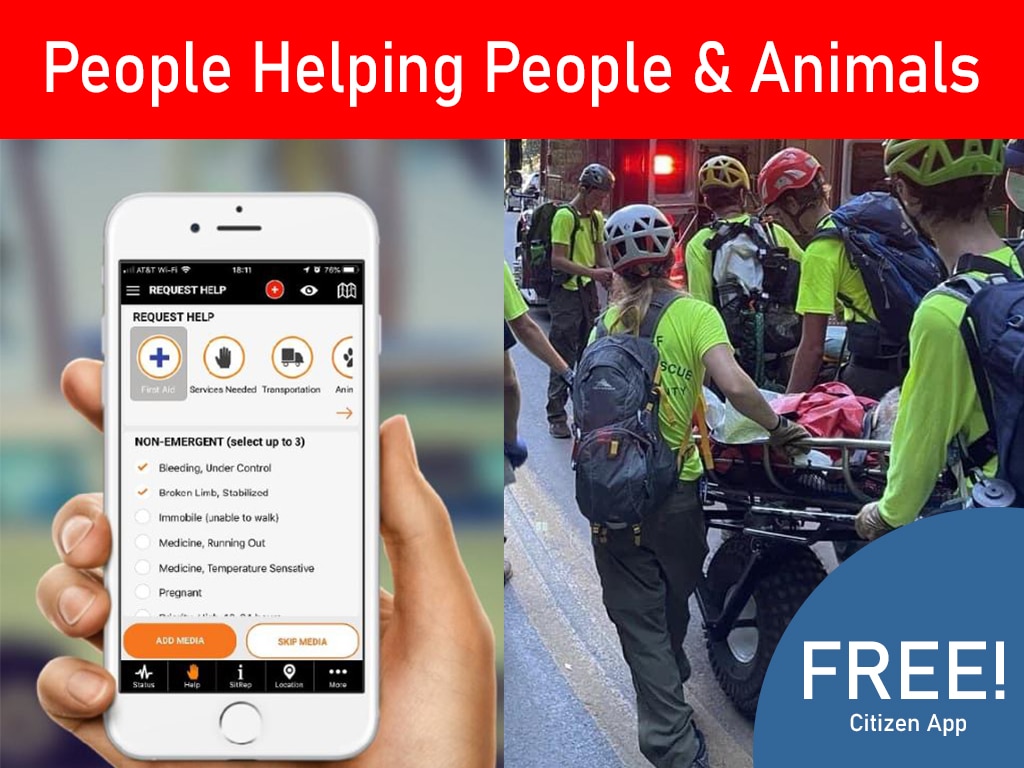
PubSafe was built around that gap. The platform combines a mobile app, organization portal, public map, incident reporting, team management, and field coordination so nonprofit responders can manage work before, during, and after disasters. For a broader look at the platform, see PubSafe’s disaster response platform.
Start With the Nonprofit Workflow, Not the Feature List
Software comparisons often start with long feature grids. Nonprofits should start with the actual response workflow instead. A platform is only useful if it supports the way volunteers, staff, and partner agencies operate under pressure.
A practical workflow usually includes these steps:
- A citizen, volunteer, dispatcher, or partner organization reports an incident or need.
- The organization reviews the report and decides whether action is required.
- A coordinator identifies available responders near the location.
- The task is assigned, accepted, updated, and completed.
- The team documents what happened, who responded, how long it took, and what resources were used.
- Leadership reviews the data for accountability, grants, donor reporting, training, and future planning.
If the software cannot support that full chain, the organization ends up patching gaps with texts, calls, email, spreadsheets, and memory. That increases confusion and makes after-action reporting harder.
Cost Should Fit Volunteer-Based Organizations
Cost is one of the biggest barriers for nonprofit emergency management technology. Many platforms are priced for government agencies or enterprise operations, not volunteer-heavy organizations with seasonal needs and uncertain funding.
When evaluating pricing, look beyond the monthly subscription. Ask how the pricing model behaves when your roster grows, when a disaster brings temporary volunteers, or when the platform sits mostly unused during quieter months.
Nonprofits should ask these questions:
- Does the organization pay for every possible volunteer, or only active users?
- Can volunteers access the mobile app without creating a large organizational expense?
- Is there a free or low-cost path for citizens and occasional responders?
- Are core coordination features included, or locked behind add-ons?
- Can the software support both small teams and larger response operations?
PubSafe’s model is designed to reduce budget friction for NGOs, CERT teams, and community groups. Organizations can register through the PubSafe platform, and individuals can use the mobile app based on their role and needs. That structure helps organizations avoid the traditional problem of buying expensive seats for people who may only be active during certain operations. Review current options on the PubSafe pricing page.
Volunteer Workflows Must Be Simple in the Field
Volunteer response work is not the same as employee task management. Volunteers may have different training levels, availability windows, devices, and comfort with technology. Some may be highly experienced responders. Others may be community members who want to help during a specific event.
Good incident management software should make volunteer participation easier, not harder. It should support fast onboarding, clear roles, team organization, and simple status updates. If volunteers need a long training session before they can report an incident, accept an assignment, or update their status, adoption will suffer.
For nonprofit teams, look for:
- Mobile access for field responders.
- Team creation and member management.
- Role-based participation, such as citizen and responder modes.
- Mission-ready or availability status.
- Simple assignment acceptance and completion updates.
- Volunteer hour tracking for grant and impact reporting.
- Communication tools that reduce one-off calls and scattered texts.
PubSafe includes team management and responder workflows through the mobile app and organization portal. Teams can support everyday preparedness as well as urgent deployments. Learn more about volunteer management software for nonprofits and CERTs.
Mapping Is Essential for Incident Management
Nonprofit incidents are usually tied to place. A family needs supplies at a specific address. A road is blocked. A volunteer is near a request for help. A neighborhood needs wellness checks. A shelter needs support. A public report needs verification.
Without mapping, coordinators are forced to ask the same questions repeatedly: Where is this happening? Who is nearby? Who is available? Has another team already responded? What areas are still uncovered?
Incident management software should include map-based awareness so coordinators can make faster decisions. Useful mapping capabilities include:
- Viewing reported incidents and needs by location.
- Seeing available responders or organization members on a map when location sharing is approved.
- Filtering by role, team, status, or assignment.
- Selecting an area to message a person, neighborhood, or group.
- Monitoring field conditions that may affect responder safety.
- Supporting public information when appropriate.
Mapping is not just a visual feature. It changes how work gets assigned. A dispatcher can match needs to nearby responders, reduce duplicated effort, and avoid sending volunteers into unsafe or already-covered areas.
Want map-based coordination for real response work? Explore the PubSafe public map and see how location awareness supports community response.
Mobile Reporting Should Work for Citizens and Responders
Incidents often begin outside the office. A citizen sees damage. A volunteer finds a blocked road. A responder arrives at a scene and needs to update the team. If reporting depends on a web portal that only administrators use, the organization loses valuable field intelligence.
Mobile reporting lets information move from the field to coordinators quickly. For nonprofits, the best systems make reporting simple enough for public participation while still giving organizations the structure they need to manage the response.
Look for mobile reporting that supports:
- Incident submission from the field.
- Location-aware reports.
- Photos or supporting details when needed.
- Status updates as work progresses.
- Responder availability and role changes.
- Notifications or alerts tied to relevant activity.
PubSafe allows users to report incidents through the app, helping organizations collect real-time information from citizens and responders. For a step-by-step overview, see how to report an incident with PubSafe.
Year-Round Usability Matters More Than Disaster-Only Features
A common mistake is buying software only for the worst day of the year. If the platform is not used during normal operations, volunteers will not be comfortable with it when a major incident happens.
Nonprofits should choose incident management software that works during blue sky and gray sky operations. Blue sky use keeps the roster current, helps teams practice workflows, and creates habits before a disaster. Gray sky use brings the same system into emergency response.
Year-round use cases may include:
- Volunteer onboarding and team organization.
- Training exercises and drills.
- Community event support.
- Preparedness outreach.
- Routine welfare checks or assistance requests.
- Volunteer hour tracking.
- Internal messaging and roster updates.
- After-action documentation.
This is where many nonprofit tools fail. A disaster-only platform can become stale between incidents. A year-round platform keeps people engaged and makes emergency workflows feel familiar when pressure rises.
Reporting and Documentation Should Support Funding and Accountability
Nonprofits do not only need to complete the work. They also need to prove what happened. Donors, grant makers, partner agencies, board members, and community stakeholders may all need evidence of activity and impact.
Incident management software should help capture response data as part of the workflow, not as a separate administrative burden after the fact. Useful reporting fields may include incident type, location, status, responder activity, volunteer hours, completion notes, photos, and exported summaries.
Strong documentation helps nonprofits answer questions such as:
- How many requests were received?
- How many were completed?
- Which teams or volunteers participated?
- How many hours were contributed?
- Which neighborhoods or service areas had the greatest need?
- What resources were used?
- Where were there delays, gaps, or duplications?
These details matter for operational learning and future funding. A tool that saves a few minutes during dispatch but fails to document the work may create a larger problem later.
Communication Needs to Reduce Noise, Not Add More
During a response, communication overload can become its own incident. Group texts, social media messages, radio traffic, emails, and calls all compete for attention. The right software should help coordinators send the right information to the right people.
Nonprofits should look for communication tools that are connected to teams, roles, locations, and assignments. A coordinator may need to message only responders in a certain area, only members of a specific team, or only people connected to an active mission. Broad blasts have their place, but targeted communication is often safer and more efficient.
Map-based messaging is especially useful because it lets an organization communicate by geography, not just by contact list. That can help when a weather threat, road closure, supply need, or safety update affects only one neighborhood or operating area.
How to Evaluate Incident Management Software for Nonprofits
Before committing to a platform, build a short evaluation process around real scenarios. Do not rely only on screenshots or a vendor demo. Test whether the software can support the incidents your organization actually handles.
Use this checklist:
- Scenario fit: Can the platform handle your most common requests for help, assignments, and field updates?
- Volunteer adoption: Can a new volunteer understand the mobile workflow quickly?
- Mapping: Can coordinators see incidents, responders, and operating areas clearly?
- Mobile reporting: Can citizens or responders submit useful information from the field?
- Cost: Does pricing work for volunteers, seasonal activation, and growth?
- Documentation: Can the organization export or review the data needed for grants, donors, and after-action reports?
- Year-round value: Will the team use the platform between disasters?
- Interoperability: Does it complement existing public safety and nonprofit workflows instead of trying to replace everything?
- Support and training: Can your team get started without a long technical rollout?
If possible, run a tabletop exercise. Create a sample incident, assign a responder, update the status, message the team, and review the documentation afterward. The exercise will reveal more than a feature list.
Common Red Flags to Avoid
Some software looks impressive but creates problems for nonprofit response teams. Watch for these red flags:
- Per-seat pricing that discourages volunteer participation. If every occasional volunteer creates a high cost, the platform may limit the exact network you need during a surge.
- No mobile-first field workflow. If reporting and updates only work well from a desktop, field intelligence will lag.
- No practical mapping. Location is central to response work. A list of incidents is not enough.
- Complex setup for simple tasks. Volunteers should not need advanced technical training to participate.
- Poor documentation exports. If data is trapped in the system, grant reporting and after-action review become harder.
- Disaster-only design. If the tool has no everyday use, adoption may be weak when it matters most.
- One-way communication only. Alerts are useful, but incident management requires updates from the field back to the organization.
Ready to compare your needs against a purpose-built nonprofit response platform? Register your organization with PubSafe and start building a more coordinated response workflow.
Where PubSafe Fits
PubSafe is built for community-powered response. It connects citizens, volunteers, NGOs, CERT teams, and public safety organizations through a mobile app and web portal. Instead of treating the public as passive alert recipients, PubSafe helps turn field observations and volunteer availability into actionable information.
For nonprofits, the platform is strongest where incident management overlaps with volunteer coordination. Teams can organize members, receive and manage reports, view activity on maps, communicate with responders, and support documentation. That makes PubSafe useful for disaster response, long-haul recovery, daily operations, preparedness work, and community assistance programs.
PubSafe also supports the reality that nonprofits rarely operate alone. Disasters involve citizens, volunteer groups, government agencies, NGOs, and informal responders. A platform that improves shared awareness without replacing existing command structures can help organizations respond faster while respecting established roles.
The Bottom Line
The best incident management software for nonprofits is not simply the tool with the longest feature list. It is the platform that helps your organization move from report to response with less confusion, better visibility, safer coordination, and clearer documentation.
Before choosing a system, focus on the essentials: cost that fits volunteer organizations, workflows that field teams will actually use, mapping that supports faster decisions, mobile reporting that captures information early, and year-round value that keeps the team ready.
When those pieces work together, incident management software becomes more than an administrative tool. It becomes the operating layer that helps nonprofits turn community action into coordinated response.
To see how this works in practice, visit How PubSafe Works or install the free PubSafe mobile app.