It’s easy to have misconceptions about a system that interrupts our favorite shows with loud beeps and a robotic voice. But knowing the truth about the Emergency Alert System helps everyone, from community volunteers to emergency managers, prepare more effectively. Is it true that the presidential alert is never used? Can the system be hacked? We’ll clear up a few common myths so you can better understand its strengths and limitations. When we understand the tools we have, we can use them better and see where we need to fill in the gaps with community-driven solutions that provide verified, on-the-ground information when you need it most.
Key Takeaways
- Treat the EAS as one tool, not your only one: The Emergency Alert System is essential for broadcasting warnings on TV and radio, but it has known issues like false alarms and coverage gaps. Supplementing it with other information sources is crucial for your safety.
- Understand the difference between broadcast and mobile alerts: The EAS interrupts TV and radio, while Wireless Emergency Alerts (WEA) go to your phone. Knowing how both systems work helps you understand why you might get one alert but not another, especially since your media habits (like streaming) can affect what you receive.
- Fill information gaps with community action: Official alerts can be slow or miss people, so local involvement is critical. Using community platforms like PubSafe, joining local teams, and ensuring alerts are accessible helps create a faster, more reliable information network for everyone.
What Is the Emergency Alert System (EAS)?
You’ve probably heard it before: that jarring, unmistakable tone that cuts into your TV show or radio program, followed by a message about an emergency. That’s the Emergency Alert System (EAS) at work. It’s a national public warning system designed to let government officials share urgent information with the public quickly.
The EAS uses broadcast, cable, and satellite TV, along with AM/FM and satellite radio, to get the word out. Think of it as a nationwide megaphone for critical alerts. While the EAS is a powerful tool for broadcasting warnings, it’s just one piece of the puzzle. Modern tools and community platforms are also essential for coordinating the on-the-ground response that happens after an alert is issued.
From Broadcasts to Alerts: The EAS Evolution
The EAS isn’t the first system of its kind. It was officially established in 1997, replacing the older Emergency Broadcast System (EBS) that many of us remember from Cold War-era drills. While the technology has been updated, the core mission remains the same: to provide a reliable way to issue warnings. It’s important to distinguish the EAS from the alerts you get on your phone. Those are typically Wireless Emergency Alerts (WEA), which are sent directly to mobile devices. Both the EAS and WEA are part of a larger, more comprehensive framework called the Integrated Public Alert and Warning System (IPAWS), which aims to ensure alerts can reach everyone through multiple channels.
What Is the Main Goal of the EAS?
The primary, and perhaps most dramatic, purpose of the EAS is to give the President of the United States a way to speak to the entire nation within minutes during a national emergency. However, in a fascinating twist, this has never actually happened. In today’s 24/7 news cycle, major events are covered instantly by news channels, making a full broadcast takeover by the President less critical than it might have been in the past. While the presidential alert capability is always ready, the EAS is used far more frequently for local and state-level emergencies, like severe weather or child abduction (AMBER) alerts, which have a more immediate impact on our daily lives.
Who Runs the EAS? (FEMA, FCC, and NOAA)
A system this important requires a team effort. The EAS is managed through a partnership between three key federal agencies. The Federal Emergency Management Agency (FEMA) is in charge of the overall system, providing guidance and managing the national-level infrastructure. The Federal Communications Commission (FCC) sets the rules and technical standards for the broadcasters, cable operators, and satellite companies that are required to participate in the system. Finally, the National Oceanic and Atmospheric Administration (NOAA), primarily through the National Weather Service, is responsible for issuing most of the weather-related alerts you hear, from tornado warnings to flash flood watches. Together, these agencies ensure the system is ready to go when needed.
How Does the EAS Send an Alert?
When an emergency happens, getting the right information out quickly is critical. The Emergency Alert System (EAS) uses a layered process to make this happen. It’s not as simple as someone flipping a switch; it’s a coordinated chain of events designed for speed and reliability. An authorized official, like someone from the National Weather Service or a state emergency manager, first creates the alert message. This message is then sent through a specific distribution network.
This network relies on a few key pieces of technology working together. Special codes ensure the alert only goes to the affected areas, preventing widespread panic or confusion. A network of highly resilient radio stations stands ready to broadcast messages even if other infrastructure fails. And modern systems help push these alerts out across multiple platforms, from your TV to your radio. Understanding how PubSafe works can also show you how modern platforms connect different groups during a crisis, much like how the EAS connects different broadcast systems. Let’s break down exactly how an alert makes its way from the source to you.
Targeting Alerts with SAME Codes
Have you ever wondered why a severe thunderstorm warning for a neighboring county doesn’t set off the alert on your TV? The answer is a technology called Specific Area Message Encoding, or SAME. Think of a SAME code as a digital address for an emergency alert. This code tells the system exactly who sent the alert, what kind of emergency it is (like a tornado or flood), which specific counties are affected, and how long the warning is active.
This targeting is incredibly important. By sending alerts only to the people who need them, the system avoids causing unnecessary alarm and reduces “alert fatigue,” where people start ignoring warnings because they receive too many irrelevant ones. The SAME code ensures that the message is precise and relevant to your specific location.
The Role of Primary Entry Point (PEP) Stations
To make sure a national emergency message can always get through, the EAS has a powerful backbone: the Primary Entry Point (PEP) station network. There are 77 of these special radio stations strategically located across the United States. What makes them special is their resilience. PEP stations are built with extra backup equipment, hardened facilities, and reliable power sources, like generators, so they can stay on the air even during a major, widespread disaster that knocks out other communication systems. They are the primary source for broadcasting presidential alerts to the entire country, ensuring the message gets out no matter what.
Modernizing Alerts with IPAWS
The way we receive information has changed, and the alert system has changed with it. The Integrated Public Alert and Warning System (IPAWS) is FEMA’s modern platform for sending warnings to the public. It acts as a central hub, allowing officials to write one message and push it out to multiple communication channels at once. This includes the traditional EAS for TV and radio, Wireless Emergency Alerts (WEA) that go to your cell phone, NOAA weather radios, and even digital road signs. IPAWS uses internet-based technology, which allows for higher-quality audio and more detailed text messages, making alerts clearer and more effective than ever before.
How Alerts Take Over Your TV and Radio
That jarring, high-pitched tone followed by a robotic voice is a sound most of us know. This is the final, and most familiar, step of the EAS process. When a local radio or TV station receives an EAS message with a SAME code for its broadcast area, its equipment automatically interrupts the regular programming to air the alert. This is why a show you’re watching can suddenly be replaced by a scrolling text banner and an audio message. This system is designed to be impossible to ignore. The message can include full text that scrolls across the screen, audio files, and can even be sent in multiple languages to reach as many people as possible.
When Will You Get an EAS Alert?
That jarring tone from your TV or radio is designed to get your attention for a good reason. The Emergency Alert System (EAS) isn’t just for one kind of crisis; it’s a versatile tool used by authorities to warn you about a variety of immediate dangers. Understanding when and why you might receive an alert can help you react quickly and appropriately. The alerts you receive are typically for events happening in your specific area, ranging from severe weather to civil emergencies. Let’s walk through the most common situations that trigger an EAS message.
Severe Weather Warnings
You’re most likely to hear an EAS alert when severe weather is heading your way. This is the system’s most frequent use. Local and regional authorities use it to warn the public about imminent threats like tornadoes, flash floods, and hurricanes. The goal is to give you and your family enough time to get to safety, secure your property, or evacuate if necessary. These alerts are geographically targeted, so you’ll only receive them if your area is in the path of the storm. The information comes directly from bodies like the National Weather Service, ensuring you get timely and accurate updates when every second counts.
AMBER Alerts for Child Safety
The EAS also plays a critical role in protecting our most vulnerable. When law enforcement believes a child has been abducted and is in imminent danger, the system is used to issue an AMBER Alert. These alerts interrupt broadcasting to share vital information, such as a description of the child, the suspect, or a vehicle. The purpose is to instantly mobilize the entire community, turning millions of people into eyes and ears for law enforcement. By getting the details out quickly and widely, AMBER Alerts leverage the power of the public to help bring a missing child home safely.
Local Dangers and Hazmat Incidents
Beyond weather and abductions, the EAS is a vital communication tool for other urgent local dangers. This can include events like a hazardous materials spill, a major fire with widespread impact, or a request for the public to shelter in place. These alerts are issued by local or state authorities to provide specific, actionable instructions to keep you safe. For example, an alert might direct you to close your windows and turn off air conditioning systems during a chemical leak. Following these directives is essential for your safety and helps first responders manage the situation effectively. The Emergency Alert System is designed to handle these specific, localized threats.
National and Presidential Alerts
One of the most important functions of the EAS is its ability to connect the White House to the entire country during a major national crisis. This feature allows the President to address the nation within minutes of a declared emergency. These alerts are reserved for only the most extreme circumstances, like a coordinated attack or another catastrophic event. Unlike local alerts, you cannot opt out of receiving a presidential alert on your mobile phone. This ensures that in a moment of true national peril, the government has a reliable way to communicate critical information directly to every American.
How Do EAS Alerts Reach You?
The Emergency Alert System uses a network of broadcasters to get critical information to you when it matters most. It’s designed to be hard to miss, breaking into the TV shows and music you’re enjoying. This system relies on a partnership between government agencies and media outlets to ensure that when a serious threat emerges, the message gets through. From your car radio to the TV in your living room, the EAS is built into our media infrastructure. But how exactly does that jarring tone and scrolling message make its way to your screen or speakers? It happens through a few key pathways.
On Your TV and Radio
This is the classic method you’re probably most familiar with. The Emergency Alert System is a national warning system that gives officials a direct line to the public through television and radio. This includes regular broadcast channels, as well as AM, FM, and satellite radio stations. When an alert is activated, it triggers special equipment at these broadcast facilities. You’ll hear a distinct, often startling, audio tone followed by the emergency message. This system ensures that even if you’re just listening to music or watching a show, you can receive critical, life-saving information.
Through Satellite and Cable
If you have a cable or satellite subscription, you’re also connected to the EAS network. These providers are required to pass along emergency alerts. An EAS message can interrupt any channel you’re watching, replacing the regular programming with the alert information. According to FEMA, these messages can include full text that scrolls across your screen and audio recordings. The system is also capable of delivering alerts in multiple languages, helping to ensure the warnings are accessible to more people within a community. This wide distribution is key to making sure alerts cover a large area effectively.
Why Cord-Cutters Might Miss Alerts
With more people watching streaming services instead of traditional TV, there’s a growing concern that many might miss these critical alerts. If you’re binge-watching a show on a streaming app, an EAS alert won’t interrupt your program. This creates a potential information gap. The Wireless Emergency Alerts (WEA) system helps by sending notifications directly to your phone. However, it highlights the need for a multi-layered approach to staying informed. Community-based platforms also play a vital role by allowing citizens to share and view real-time incident reports, which you can see on the PubSafe public map, ensuring everyone has access to information during an emergency.
EAS vs. WEA: What’s the Difference?
You’ve probably seen both types of alerts, but what sets them apart? The Emergency Alert System (EAS) is the national system that interrupts programming on television and radio. Think of that jarring sound followed by a message scrolling across your TV screen. Wireless Emergency Alerts (WEA), on the other hand, are the text-like messages sent directly to your mobile phone.
While they use different channels, both EAS and WEA are part of a unified national system called the Integrated Public Alert and Warning System (IPAWS). This framework ensures that government officials can send critical information to the public during an emergency. The EAS is a collaborative effort managed by the Federal Emergency Management Agency (FEMA), the Federal Communications Commission (FCC), and the National Oceanic and Atmospheric Administration (NOAA). Its primary job is to broadcast alerts over large geographic areas using traditional media.
How WEA Pinpoints Your Location
It can feel a little strange when your phone buzzes with an alert for your specific area, but the system isn’t tracking your every move. When a Wireless Emergency Alert is issued, it’s broadcasted by cell towers in the affected zone to every phone connected to them. The system doesn’t know your personal identity or your phone’s exact GPS coordinates; it just sends a blanket message to all devices in range. These alerts are designed to be impossible to miss, using a unique sound and vibration that repeats twice to signal an emergency.
Beyond Weather: Other WEA Messages
While many people associate WEA with tornado or flash flood warnings, the system is used for several types of critical messages. There are three main categories of alerts you might receive. The first is Imminent Threat Alerts, which warn of serious dangers to life and property. The second is AMBER Alerts, which are crucial for providing information about missing children. The final type is Presidential Alerts, which are reserved for national emergencies and cannot be disabled by users. The National Weather Service also uses WEA to send targeted warnings for events like tsunamis, tornadoes, and hurricanes.
Why You Might Get a WEA Instead of an EAS Alert
Have you ever received a WEA while a friend right next to you didn’t? This happens because WEA messages are tied to cell towers. If you are connected to a tower within the designated alert area, you will get the message, even if you are technically just outside the immediate danger zone. This is especially common in rural areas where a single tower covers a much larger territory. WEA messages are intentionally brief to grab your attention quickly. They work alongside other alert systems, like local community texts or apps, which can provide the more detailed information you need to take action.
Can You Always Trust the EAS?
The Emergency Alert System is a critical piece of our national safety infrastructure, but it’s not perfect. While it has saved countless lives by delivering urgent warnings, the system has known vulnerabilities and gaps that can affect its reliability. Understanding these limitations is the first step toward building a more resilient personal and community safety plan. Issues like false alarms, cybersecurity threats, and coverage gaps mean we can’t rely on the EAS as our only source of information during a crisis. By being aware of these potential points of failure, you can supplement official alerts with other tools and resources to ensure you and your community stay informed when it matters most.
The Problem with False Alarms
Imagine waking up to an alert on your phone warning of an inbound ballistic missile. That terrifying scenario became a reality for people in Hawaii in 2018, all due to a false alarm caused by human error during a system test. False alarms can happen for several reasons, including technical glitches, coding mistakes, or simple human error. While they are rare, their impact can be immense, causing widespread panic, confusion, and a gradual erosion of public trust in the Emergency Alert System. When people start to doubt the validity of alerts, they may not react with the urgency required during a real emergency, which is a dangerous outcome for everyone.
Hacking and Cybersecurity Risks
Like any technology, the EAS is vulnerable to cyber threats. In several documented cases, hackers have managed to breach broadcast systems and send out fake alerts. One of the most infamous examples involved pranksters broadcasting warnings of a “zombie apocalypse” after gaining access to EAS equipment. These breaches often happen because of simple security oversights, like failing to change default passwords or not keeping software updated. While these incidents might seem amusing after the fact, they expose a serious flaw. A malicious actor could potentially use this same access to spread dangerous misinformation or cause chaos during a genuine crisis, highlighting the need for constant vigilance in securing our alert infrastructure.
Why Some People Don’t Get Alerts
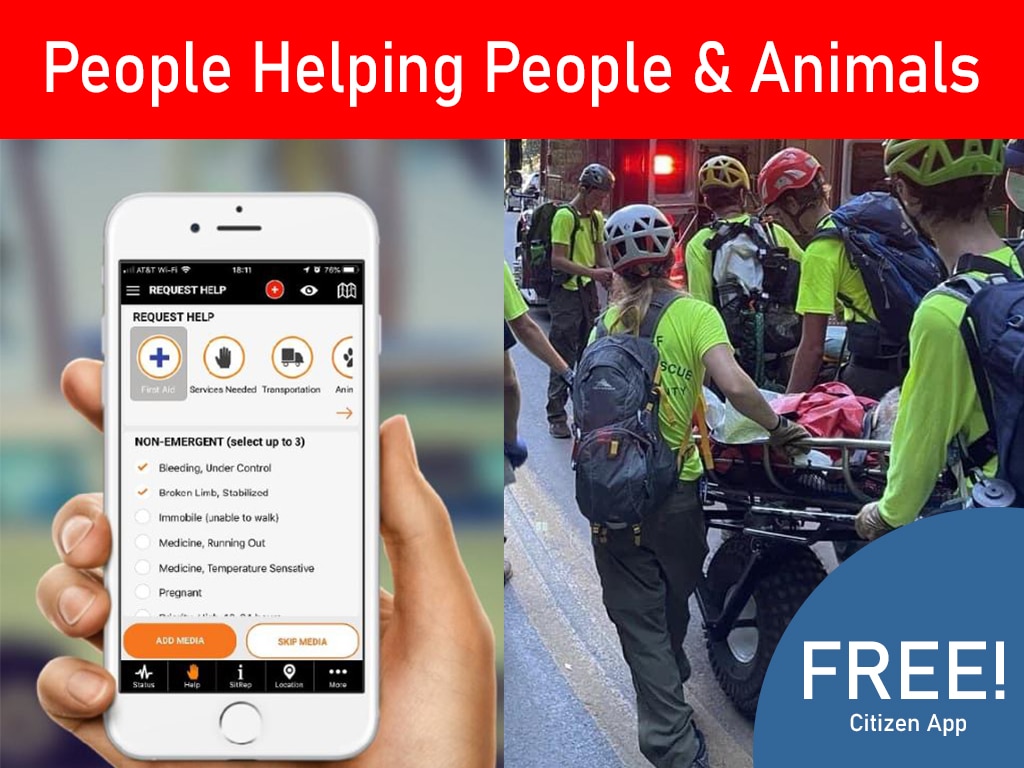
As more households cut the cord on traditional cable and broadcast television, a significant gap in EAS coverage has emerged. The system was originally designed to interrupt TV and radio signals, so if you primarily use streaming services, you might miss these critical alerts. While the Wireless Emergency Alerts (WEA) system helps by sending notifications directly to mobile phones, it isn’t a foolproof solution. Not everyone has a WEA-capable phone or reliable cell service, especially during a disaster. This is why having multiple ways to receive information is so important. Using a community-based app like PubSafe ensures you can get and share real-time updates, even if you miss the official broadcast. You can install the free app to add another layer to your safety plan.
National vs. Local: The Activation Gap
You might be surprised to learn that the EAS is rarely activated for nationwide emergencies. In most large-scale events, 24/7 news channels and online media provide a continuous flow of information, often making a formal presidential alert redundant. The system is more frequently used for local and regional threats, like severe weather or AMBER Alerts. However, even at the local level, there can be an “activation gap.” Local news outlets can sometimes report on a developing situation faster and with more detail than it takes to officially trigger an EAS message. This gap between an event happening and an official alert being sent is where community intelligence becomes vital. Platforms that show real-time incident reports on a public map can fill this void, providing immediate, on-the-ground awareness.
Debunking Common EAS Myths
It’s easy to have misconceptions about a system that interrupts our favorite shows with loud beeps. Let’s clear up a few common myths about the EAS so you can better understand its strengths and limitations. Knowing the truth helps everyone, from community volunteers to emergency managers, prepare more effectively. When we understand the tools we have, we can use them better and see where we need to fill in the gaps with community-driven solutions.
Myth: “The Presidential Alert Is Never Used”
This one is technically true, but it’s a bit misleading. The system for a presidential alert does exist, allowing the President to address the entire nation during a major crisis. However, it has never actually been used for a real emergency. Why? In most situations, major news channels provide immediate, wall-to-wall coverage of national events. By the time a formal alert could be sent, you’re likely already seeing the information on TV or your phone. The capability is part of the Emergency Alert System as a final backstop, but it’s not the go-to method for presidential communication during a crisis.
Myth: “EAS Alerts Are Always Accurate”
This is a dangerous assumption. While the EAS is a vital tool, it’s not perfect. There have been several high-profile false alarms caused by human error, software glitches, or mistakes during testing. The most famous example is the 2018 false missile alert in Hawaii, which caused widespread panic. These incidents show that the system can fail. This is why having a way to verify information from the ground up is so important. When official channels make a mistake, community-powered platforms allow people to report an incident in real time, helping everyone get a clearer picture of what’s actually happening.
Myth: “The EAS Can’t Be Hacked”
Unfortunately, no system is completely hack-proof, and the EAS is no exception. There have been documented cases where hackers gained access to EAS equipment and broadcasted fake alerts. Sometimes this happens because a broadcast station failed to change a default password or update its software. These vulnerabilities have led to bizarre fake messages, including warnings of a “zombie apocalypse.” It’s a funny example of a serious problem. It highlights the need for secure, modern platforms for volunteer coordination and response, ensuring that the information your team receives is verified and trustworthy.
How Is the EAS Kept Ready?
The Emergency Alert System isn’t a “set it and forget it” tool. For it to work when we need it most, it requires constant maintenance and practice. Think of it like a community fire drill; you run through the steps so that if a real fire breaks out, everyone knows exactly what to do. The EAS is kept in a state of readiness through a consistent schedule of tests that identify weak spots before they can cause problems during an actual emergency. These regular check-ups, combined with ongoing technological upgrades, ensure the system can be relied on to deliver critical information when every second counts.
Understanding EAS Tests
If you’ve ever been startled by a loud, buzzing tone on your TV or radio, you’ve likely experienced an EAS test. These are not random interruptions, but scheduled procedures to make sure the system is working correctly. Broadcasters conduct Required Weekly Tests (RWTs), which usually only transmit the header and end-of-message tones. Once a month, you’ll see a longer Required Monthly Test (RMT), often relayed by state emergency agencies or the National Weather Service. Finally, the federal government coordinates a nationwide test annually to check the entire system’s health, ensuring the Emergency Alert System is prepared for a large-scale event.
Why Testing Is Crucial for Safety
These tests aren’t just for show; they serve a critical purpose. They confirm the system can deliver alerts quickly and accurately when it matters most. During a real emergency, whether it’s a fast-moving tornado or a national security threat, there is no time to troubleshoot technical glitches. Regular testing verifies that the alert pathways are clear and that all the equipment is functioning as expected. After each test, reports are filed to highlight any issues that were found. This feedback loop allows technicians and officials to make necessary improvements, strengthening the system’s reliability over time.
How Tech Is Making the EAS Better
The EAS is also evolving with the help of modern technology. A major upgrade is the Integrated Public Alert and Warning System (IPAWS), which acts as a modern hub for emergency messaging. IPAWS allows authorized officials to write a single message and send it across multiple platforms at once, including the traditional EAS on TV and radio, Wireless Emergency Alerts (WEA) on cell phones, and other digital channels. This integrated approach makes alerts more resilient and helps them reach more people, wherever they are. The READI Act, passed in 2020, is also pushing for key improvements, like making it easier to report false alerts.
How Your Community Can Improve Emergency Alerts
While national systems like the EAS provide a critical framework, true resilience is built at the local level. When a community takes ownership of its communication strategy, it can create a more effective, inclusive, and rapid response network. Here are a few key ways your community can strengthen its emergency alert system.
Reaching Everyone: Accessibility and Multilingual Alerts
For an alert to be effective, it has to reach every single person in the community. This means thinking about accessibility from the start. Federal guidelines require that alerts be accessible to people with disabilities, so including visual formats like text messages and captions is non-negotiable. In a diverse community, language barriers can also prevent people from getting critical information. Providing alerts in multiple languages is essential for clear understanding and making sure everyone can follow safety instructions. When people receive information in a language they understand, they are much more likely to take the right actions to stay safe.
The Power of Local Teams and Organizations
Official alerts are important, but information often spreads fastest through trusted local networks. Community-based organizations, neighborhood groups, and faith-based institutions can be powerful partners for emergency managers. These groups already have established relationships and communication channels with residents. By collaborating with them, agencies can ensure that alerts are not only received but also trusted and acted upon. This grassroots approach helps bridge the gap between government agencies and the public, creating a more robust and reliable information network. Effective volunteer coordination is a huge part of this process.
Filling the Gaps with PubSafe
Technology can help connect all these moving parts. A platform like PubSafe is designed to close the communication gaps that often appear during a crisis. It allows local governments, NGOs, and CERT teams to send real-time alerts and updates directly to residents and coordinate their own personnel. By using a unified system, organizations can manage volunteers, share critical incident reports, and ensure information flows seamlessly between official responders and the public. When you register your organization, you gain the tools to create a more connected and informed community, making sure no one is left in the dark when it matters most.
Related Articles
- IPAWS, Provided By FEMA Is Our National Alerting System
- Reliable Emergency Alert System For Communities
- Emergency Alert System for Communities: Fast, Accurate, Trusted | PubSafe
Frequently Asked Questions
What’s the real difference between the alert on my TV and the one on my phone? The alert that interrupts your TV or radio show is from the Emergency Alert System (EAS). Think of it as a message sent over broadcast airwaves. The text-like alert that makes your phone buzz with a unique sound is a Wireless Emergency Alert (WEA). It’s sent out by cell towers to all mobile devices in a specific area. While they use different technologies to reach you, both systems are part of a larger national framework designed to get critical information to the public.
Why do I sometimes get alerts that seem to be for a neighboring town? This usually happens for one of two reasons, depending on the type of alert. For TV and radio alerts, the system uses codes that target specific counties, so you might be on the edge of an affected zone. For the alerts on your phone, the message is broadcast from cell towers in the danger area. If your phone is connected to one of those towers, you will get the alert, even if you are technically just outside the immediate warning zone.
Can I really trust these alerts? I’ve heard about false alarms. That’s a fair question. While the EAS is a powerful and life-saving tool, it is not perfect. False alarms have happened due to human error or technical glitches, and the system is not immune to hacking. It’s best to treat official alerts as a critical first warning. If an alert seems unusual, try to verify the information through another source, like a local news outlet or a community reporting platform. Having multiple ways to get information is always a smart strategy.
If I only use streaming services, will I still get emergency alerts? You will not receive the traditional EAS alerts that interrupt broadcast and cable TV if you are watching a show on a streaming app. This is a known gap in the system. However, you should still receive Wireless Emergency Alerts (WEA) on your phone, which helps cover that blind spot. This is why it’s so important to have several ways to stay informed, including community-based apps that can provide real-time updates directly from your area.
Is the EAS ever used for anything besides weather and AMBER Alerts? Yes, absolutely. While severe weather and AMBER Alerts are its most frequent uses, the system is also activated for other urgent local dangers. This can include things like hazardous material spills, dam failures, or orders to shelter in place. The system also has a national function that allows the President to address the entire country, but this has never been used for a real emergency, largely because 24/7 news coverage typically reports on national events instantly.