It’s easy to feel powerless when a major crisis unfolds. A formal Pennsylvania state of emergency can feel like something that happens to you, leaving you waiting for instructions. But modern technology is changing that dynamic, giving you the tools to be an active participant in your own safety. While the declaration allows the government to manage the response, it also highlights the importance of community-level information. Knowing which roads are closed, where to find a shelter, or how to report a hazard in real time is critical. This is about more than just receiving alerts; it’s about having access to a shared, live picture of the situation on the ground.
Key Takeaways
- It’s a formal call for backup: A state of emergency is an official tool the governor uses to bring in state-level support, like PEMA and the National Guard, when a crisis becomes too large for local teams to handle alone.
- It activates resources and potential restrictions: The declaration allows the government to deploy aid, set up shelters, and manage the situation with measures like road closures, so it is important to follow official instructions.
- Your role is to stay aware and informed: Pay close attention to official alerts from state and local agencies; using a community response app can also provide real-time updates and let you report hazards, helping keep everyone safe.
What Is a Pennsylvania State of Emergency?
When you hear that Pennsylvania is in a “state of emergency,” it can sound alarming. But what does it actually mean? Think of it as an official announcement that a situation has become too big for local teams to handle on their own. It’s a formal step that allows the state government to step in with more resources, support, and coordination. This declaration is a critical tool for managing large-scale events, from severe snowstorms to public health crises. Understanding how it works can help you know what to expect and how to stay safe when a disaster strikes your community.
The Legal Basis: Title 35
In Pennsylvania, the rules for declaring a state of emergency are laid out in a law known as Title 35. This legal framework gives the government the authority to act when a disaster has happened or is about to happen. The core idea is simple: a declaration is made when an event is so severe that it requires state aid to help local communities. This could be for anything from preventing damage to alleviating suffering. It’s the official trigger that says, “We need more help,” allowing the state to mobilize its full range of resources to protect people and property when they are most vulnerable.
Who Has the Authority to Declare One?
The authority to declare a statewide emergency in Pennsylvania rests with the Governor. Based on the powers granted by Title 35, the Governor can issue official emergency proclamations in response to various threats. These aren’t limited to just natural disasters like floods or tornadoes; they can also cover public health issues, major infrastructure failures, or security threats. When the Governor makes this declaration, it signals to all state agencies that it’s time to activate their emergency plans and coordinate a response. This centralized decision-making ensures a swift and organized effort across the entire state government.
State vs. Local Declarations
Often, a local town or county will declare its own state of emergency first. This is the initial step when an incident, like a localized flood or fire, starts to strain local police, fire, and emergency medical services. However, if the situation grows beyond their capacity, a state-level declaration becomes necessary. This means the problem is too widespread or severe for local responders to manage alone. It’s the official call for state-level backup. Effective team management between local, state, and non-governmental organizations becomes crucial at this point to ensure resources are deployed efficiently and without confusion.
What a Declaration Does (and Doesn’t) Mean
A state of emergency declaration primarily serves one major purpose: it empowers state agencies to act quickly. This allows the Governor to deploy resources like the National Guard, distribute essential supplies like food and fuel, and coordinate with groups like the Red Cross. However, it’s important to know what it doesn’t do. The declaration itself is not an automatic order for citizens. It doesn’t create a curfew or restrict travel on its own. Instead, it’s an administrative tool to get help where it’s needed. Any specific instructions for the public will be issued separately through official alerts. You can also report an incident through the PubSafe app to provide real-time information to response teams.
What Triggers a State of Emergency?
A state of emergency isn’t a term to be taken lightly. It’s declared when a situation becomes too large or complex for local authorities to handle on their own. Think of it as a call for backup, allowing the state to mobilize resources, cut through red tape, and get help where it’s needed most. These triggers aren’t limited to a single type of crisis; they can range from natural disasters that sweep through a region to man-made events that disrupt entire communities. Understanding what prompts these declarations can help you recognize the seriousness of a situation and know when to pay close attention to official guidance.
Natural Disasters and Severe Weather
Pennsylvania is no stranger to severe weather, from flooding and hurricanes to heavy snowstorms. When a storm or natural event is powerful enough to overwhelm local response capabilities, the governor can issue a declaration. The state’s emergency proclamations show this is a common reason for a state of emergency. This action is crucial for deploying state resources, like the National Guard, and coordinating a large-scale response to protect people and property. It’s the official step that allows for a unified effort to manage the crisis, from evacuations to recovery operations.
Public Health Crises
Sometimes, the emergency isn’t something you can see, like a storm, but an invisible threat like a virus. A public health crisis, such as the COVID-19 pandemic, can trigger a state of emergency to protect the community. This declaration gives health officials the authority to implement necessary measures, allocate funding for medical supplies, and streamline the response to contain the spread of disease. It’s about ensuring that the healthcare system isn’t overwhelmed and that everyone has access to the care and information they need to stay safe during a widespread health event.
Infrastructure Failures and Civil Unrest
Our daily lives depend on stable infrastructure, so when a major bridge collapses or a power grid fails, it can create a localized crisis. Events like the I-95 bridge collapse in Philadelphia prompted an emergency declaration to speed up repairs and manage the traffic nightmare that followed. Similarly, while peaceful protest is a right, situations involving civil unrest that threaten public safety can also lead to a declaration. In these cases, the focus is on restoring order and ensuring the safety of the community. Being able to report an incident you witness helps officials get a clear picture of what’s happening on the ground.
How Long Does a Declaration Last?
A state of emergency is not permanent. It’s a temporary measure designed to address a specific, immediate threat. According to emergency management officials, the declaration lasts only as long as it is needed. The governor has the authority to end it once the situation has stabilized and the state’s enhanced assistance is no longer required. The goal is always to return to a state of normalcy as quickly and safely as possible. The end of the declaration is a positive sign that the worst of the crisis has passed and the recovery phase can fully begin.
What a State of Emergency Means for You
When you hear that a state of emergency has been declared, it’s natural to feel a bit of anxiety. But understanding what it actually means can help you feel more prepared and less stressed. A declaration isn’t about causing panic; it’s a formal process that allows the government to organize a faster, more effective response to a crisis. It’s a signal that your community is getting the backup it needs. For you, this can change everything from your daily commute to your access to essential resources.
Changes in Government Authority
Think of a state of emergency declaration as the government giving itself a green light to act swiftly. It allows the governor to mobilize state-level agencies, like the Pennsylvania Emergency Management Agency (PEMA) and the National Guard, to support local first responders. This isn’t about taking over; it’s about providing backup when a disaster is too large for local police, fire, and emergency crews to handle on their own. This unified approach ensures that resources are deployed efficiently, and different organizations can work together seamlessly. Effective team management during a crisis is key to keeping everyone safe.
Travel Restrictions and Daily Life
A declaration doesn’t automatically mean a statewide lockdown. Its main purpose is to give authorities the flexibility to manage the situation as it develops. This might include closing certain roads, issuing evacuation orders for unsafe areas, or setting curfews to protect public safety. You will be notified of any restrictions through official channels like emergency alerts and news outlets. It’s important to stay informed and follow the guidance of local officials. Using a tool with a public map can also give you real-time information on road closures and other hazards, helping you stay out of harm’s way.
Accessing Resources and Financial Aid
One of the most important functions of a state of emergency is that it allows the government to bring in critical resources. This can include setting up temporary shelters, distributing food and water, and deploying specialized search and rescue teams. It’s the mechanism that gets aid flowing to the communities that need it most. This is also the time when community and non-governmental organizations play a vital role. Proper volunteer coordination ensures that people who want to help can do so effectively, supporting the official response and helping neighbors in need.
What It Means for Your Insurance
A state of emergency can also have financial implications. While the declaration itself doesn’t directly trigger insurance payouts, it’s a critical first step. It helps establish the timeline and severity of the event, which is important for your claims. Furthermore, a state declaration is often required before a federal disaster can be declared. A federal declaration can make additional aid available, such as unemployment assistance if you can’t work. As you recover, it’s crucial to document any damage. You can even use an app to report an incident, which creates a record that can be useful for both responders and your insurance provider.
How Pennsylvania Coordinates Its Emergency Response
When an emergency is declared, a massive, coordinated effort kicks into gear behind the scenes. It’s not just one agency flipping a switch; it’s a network of state and local teams working together to keep people safe. Here’s a look at how that complex response system works in Pennsylvania.
The Role of PEMA
At the heart of the state’s disaster strategy is the Pennsylvania Emergency Management Agency, or PEMA. Think of PEMA as the central command center responsible for coordinating the entire state’s response during a crisis. The agency works directly with county and municipal emergency managers to ensure a unified effort, from deploying resources to managing communications. PEMA’s authority and actions are guided by the governor’s official emergency proclamations, which outline the scope and nature of the state’s response. Their goal is to make sure that when disaster strikes, help is organized, efficient, and gets to where it’s needed most, creating a seamless link between state-level decisions and local-level action.
How State and Local Teams Work Together
A successful emergency response is a team sport. It involves a close partnership between multiple state agencies, including PEMA, PennDOT for managing roads, the State Police, and even the PA National Guard. This collaboration ensures that every angle of the crisis is covered, from clearing debris off highways to conducting search and rescue missions. For this to work, clear communication is essential. Platforms that support effective team management are critical for connecting government agencies with NGOs, CERT teams, and community volunteers on the ground. This integration allows different organizations to share information and coordinate their efforts without getting in each other’s way, making the overall response faster and more effective.
Using Real-Time Tools to Stay Safe
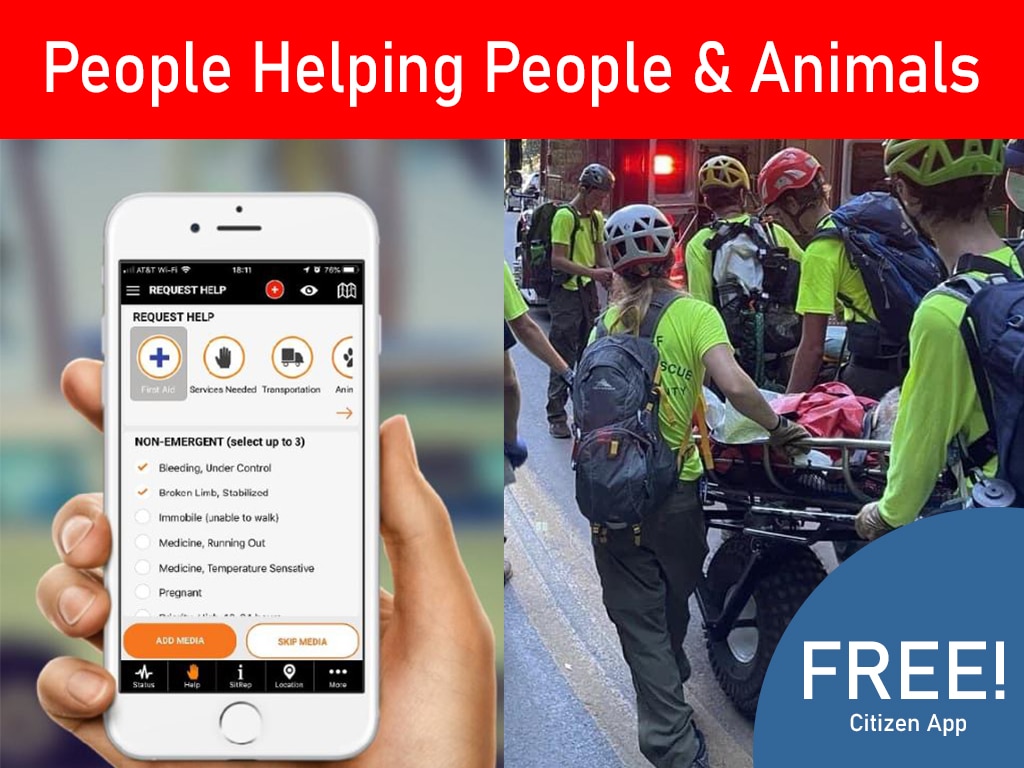
Timely information can make all the difference in an emergency. Pennsylvania uses its Emergency Management Network to send out critical alerts, but technology now allows for a much more dynamic flow of information. Instead of just receiving one-way alerts, you can be part of the solution. With modern tools, you can report incidents like downed power lines or flooded roads directly from your phone. This information can then be shared on a public map in real time, giving both residents and first responders a live view of what’s happening. This two-way communication helps everyone make safer decisions and allows emergency teams to direct resources to the most critical areas with greater accuracy.
How to Stay Informed During an Emergency
Staying aware is your best line of defense. Pennsylvania’s Emergency Alert System broadcasts messages through text and audio, often originating from the National Weather Service or other government agencies. While these alerts are a great starting point, you can get even more detailed, location-specific information. Consider adding a dedicated response app to your phone. For instance, you can install the free PubSafe app to receive real-time updates from your community and local organizations. Having multiple sources of information ensures you won’t miss a critical warning and can see a more complete picture of the situation as it develops around you, helping you and your family stay safe.
Related Articles
- PubSafe Can Be Used For Emergencies But Call 911 First
- Emergencies & Community Response: How PubSafe Supports 911 Calls
- Emergency Communication For Local Government | PubSafe
- Emergency Communication Solutions for Local Government | PubSafe
- Emergency Management Organizations. View Multiple
Frequently Asked Questions
Does a state of emergency automatically mean there’s a curfew or travel ban? Not at all. The declaration itself is mainly an administrative step that allows the state government to mobilize resources and coordinate a response more quickly. Think of it as an internal green light for state agencies. Any specific public instructions, like curfews or road closures, will be issued as separate, direct orders from officials if they become necessary for public safety.
What’s the real difference between a local and a state declaration of emergency? A local declaration is the first step, usually made by a mayor or county official when an incident is straining their own police, fire, and emergency services. If the situation grows too large or complex for that town or county to handle alone, they request state assistance. A statewide declaration is the governor’s response to that call, signaling that the problem requires the full backing and resources of the state government.
How can I find out what’s happening in my specific area during an emergency? Your best strategy is to use multiple sources. Pay attention to official alerts sent to your phone and local news broadcasts. For a more detailed view, consider using an app that provides a real-time public map. These tools often allow you and your neighbors to report hazards like downed trees or flooding, giving everyone a more accurate, up-to-the-minute picture of the conditions in your immediate community.
How long will a state of emergency last? A state of emergency is always temporary and is meant to address an active crisis. It remains in effect only for as long as the enhanced, state-level coordination is needed to protect the public and manage the situation. Once the immediate threat has passed and the response can be handled at a more local level again, the governor will officially end the declaration.
What is the government actually doing during a state of emergency? The declaration empowers state agencies, led by the Pennsylvania Emergency Management Agency (PEMA), to take decisive action. This includes deploying personnel like the National Guard, distributing essential supplies such as food and water, clearing roads, and coordinating with non-governmental organizations. Essentially, it creates a unified command structure to ensure that help and resources get to the people who need them in an organized and efficient way.