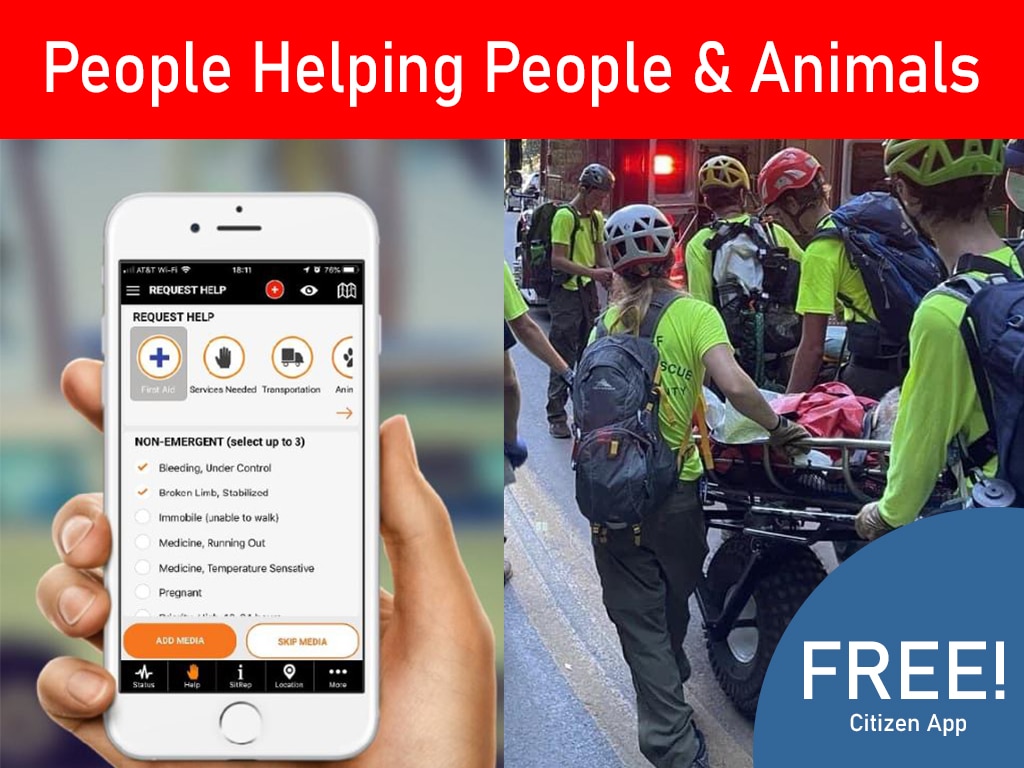
How do you prove your team’s value to stakeholders, justify grant funding, or recruit new members with compelling data? Quantifying the impact of a volunteer team can feel impossible when your records are scattered across paper forms and different digital files. You know the work you do is vital, but telling that story with hard numbers is a different challenge. A specialized platform changes this. By centralizing data on volunteer hours, incident responses, and training completions, an emergency preparedness CRM for CERT volunteer organizations gives you the tools to measure your impact accurately, creating powerful reports that demonstrate your team’s indispensable role in community safety.
Key Takeaways
- A CRM is your team’s single source of truth: Move beyond chaotic spreadsheets and group texts by using a specialized platform as your central command center. It organizes all volunteer data, skills, and availability, allowing for faster, more coordinated deployment during an emergency.
- Focus on features that support real-world response: The best platform has tools built specifically for emergency scenarios. Prioritize essentials like real-time incident reporting, detailed volunteer profiles with certification tracking, and a secure mobile app that your team can use easily in the field.
- Successful adoption requires a clear plan: Choosing a tool is just the beginning; you need a strategy for implementation. Assess your team’s specific needs first, provide hands-on training, and run practice drills on the platform to build confidence before a real disaster strikes.
What is a CRM, and Why Should Your CERT Team Care?
When you hear “CRM,” you probably think of sales teams and corporate jargon. But a Customer Relationship Management system is simply a tool for managing relationships and information. For a Community Emergency Response Team (CERT), your “customers” are your volunteers, community members, and partner agencies. A CRM gives you a central command center to organize contacts, coordinate efforts, and communicate effectively when it matters most. Instead of juggling spreadsheets, paper forms, and endless email chains, you can use a single platform to see who is available, what skills they have, and where they are needed.
Think of it as your team’s digital binder, but smarter. It’s a technology that helps you manage interactions and data in one organized place. This shift from scattered information to a unified system is critical for moving faster and making better decisions during an emergency. It allows you to spend less time on administrative headaches and more time on what your community actually needs from you: a swift, coordinated response. By adopting this approach, your CERT team can operate with the same efficiency as a well-run organization, ensuring no volunteer is overlooked and no critical detail is lost.
How CRMs Work for Emergency Response
For a CERT team, a CRM acts as a single source of truth. It’s a centralized database where you can track volunteer information, from contact details and certifications to special skills like first aid or search and rescue. When an incident occurs, you no longer have to dig through files to find who is qualified and available. Instead, you can quickly filter your list and deploy the right people to the right places. This kind of organized volunteer management is essential for an effective response. A good system also helps you manage schedules for training, drills, and community events, ensuring your team is always prepared and engaged.
Volunteer Management vs. Sales Pipelines
It’s true that CRMs were born in the sales world to guide customers through a “pipeline” from prospect to buyer. You can apply the exact same principle to your volunteer journey. Think about it: you recruit a new member (a lead), guide them through orientation and training (nurturing), and deploy them during an incident (a conversion). A CRM helps you track each volunteer’s progress, understand their needs, and keep them engaged for the long term. The core function of managing relationships is universal, whether you’re selling a product or building a life-saving team. It’s all about fostering connection and ensuring no one falls through the cracks.
Debunking Common CRM Myths
One of the biggest myths holding teams back is that CRMs are too complex and expensive for a volunteer group. Many people believe these systems are only for large corporations with big budgets. The reality is that modern CRMs are incredibly flexible. Many platforms are scalable to fit the needs of any organization, regardless of size. You don’t need a massive team or an IT department to get started. In fact, many specialized platforms are designed specifically for groups like yours, offering user-friendly interfaces and affordable pricing that make powerful coordination tools accessible to everyone.
Why Generic Tools Don’t Work for CERT Teams
If your team is using a mix of spreadsheets, group chats, and generic volunteer sign-up forms, you’re not alone. Many CERT teams start this way, patching together tools to get the job done. While this approach might work for planning a simple community event, it quickly falls apart under the pressure of a real emergency. Generic software simply isn’t built for the fast-paced, high-stakes environment of disaster response. These tools lack the specific functions needed to manage a dynamic situation where every second counts, from tracking volunteer skills to mapping incident locations in real time.
During a critical event, you don’t have time to fight with software that wasn’t designed for your workflow. You need a system that supports your team, not one that creates more obstacles. Relying on standard tools for a specialized job like emergency response is like trying to fit a square peg in a round hole. It often leads to communication breakdowns, disorganized efforts, and missed opportunities to help your community when it needs you most. A dedicated platform ensures your team can focus on the mission, not on managing clunky software that slows you down.
Where Standard Volunteer Software Falls Short
Most volunteer management software is designed for non-profits organizing fundraisers or scheduling museum docents. These tools are great for simple tasks but lack the features required for emergency scenarios. They don’t account for the rapid response workflows and urgent communication needs of a CERT team. According to the Federal Emergency Management Agency (FEMA), effective, real-time communication is essential during a crisis, yet many generic tools don’t offer the instant alerts and status updates your team requires to coordinate efficiently. When you need to deploy volunteers to a specific location or share critical updates, a standard email blast or sign-up sheet just won’t cut it.
The Coordination Challenges Your Team Faces
Emergency response is incredibly complex. Your CERT team may need to coordinate with local fire departments, police, and other NGOs, all while managing your own volunteers in the field. Generic tools often operate in a vacuum, creating information silos that prevent seamless collaboration. This fragmentation can lead to dangerous gaps in your response effort. A specialized platform for team management breaks down these barriers. Instead of juggling multiple systems, your team can operate from a single, unified hub, ensuring everyone has access to the same information. This prevents miscommunication and helps you deploy resources where they are needed most.
Benefits of a Specialized CRM for CERT Teams
Adopting a specialized CRM is about more than just getting organized; it’s about fundamentally improving your team’s ability to respond when it matters most. Moving away from scattered spreadsheets and frantic group texts to a centralized platform brings clear, tangible benefits. A purpose-built CRM transforms how you manage people, communicate during a crisis, track vital data, and ultimately, prove your team’s value to the community.
Simplify Volunteer Management
Juggling volunteer availability, skills, and contact information across different documents is a recipe for confusion. A specialized CRM provides a single, reliable place for all your volunteer data. You can quickly see who is available, what their qualifications are, and how to contact them. This streamlined approach to volunteer coordination means you can spend less time on administrative tasks and more time on effective deployment. When an incident occurs, you can instantly identify and mobilize the right people with the right skills, without digging through emails or making dozens of phone calls. It’s about having a clear, real-time picture of your most valuable asset: your team.
Improve Team and Leadership Communication
During an emergency, clear communication can be the difference between an effective response and a chaotic one. A specialized CRM acts as a central communication hub, ensuring every team member and leader receives timely, accurate information. Instead of relying on unreliable group chats or phone trees, you can send targeted alerts and updates directly through the platform. As FEMA notes, a well-coordinated Community Emergency Response Team allows professional responders to focus on the most severe tasks. A CRM facilitates this level of coordination by keeping everyone on the same page, reducing misinformation, and creating a unified operational picture for leadership to make critical decisions.
Track Training and Incident Data Effectively
Is everyone’s first aid certification up to date? Who has completed traffic control training? A specialized CRM answers these questions in seconds. It allows you to track each volunteer’s training history, certifications, and renewal dates, ensuring your team is both compliant and prepared. Beyond training, the platform serves as an official record for all team activities. You can log volunteer hours and document every detail when reporting an incident, from the initial call to the final resolution. This creates a comprehensive database of your team’s experience and capabilities, which is essential for planning future training and improving response protocols.
Measure Your Impact
How do you show stakeholders the incredible value your CERT team provides? A CRM gives you the data to tell that story. By tracking metrics like volunteer hours, number of incidents responded to, and properties assessed, you can quantify your team’s contribution to community safety. This data is powerful. It can be used to create compelling reports for grant applications, justify budget requests, and recruit new members. Platforms like PubSafe even allow you to visualize this data on a public map, offering a transparent and immediate look at your team’s impact. Measuring your efforts isn’t just about looking back; it’s about building a stronger, more resilient team for the future.
Must-Have Features for a CERT CRM
When you start looking for a CERT CRM, the sheer number of features can feel overwhelming. It’s tough to know what’s a genuine asset versus what’s just a flashy add-on. To help you focus on what truly matters, let’s walk through the essential, non-negotiable features your team’s platform needs to have. These are the capabilities that will directly support your mission, streamline your operations, and keep your team safe and effective when your community needs you most.
Volunteer Profiles, Skills, and Roles
During an emergency, you don’t have time to sift through spreadsheets to find a volunteer with first-aid training. Your CRM should function as a smart database, giving you detailed volunteer profiles at your fingertips. This means you can quickly search for specific skills, certifications, and availability to assign the right person to the right task. The National Volunteer Organizations Active in Disaster emphasizes that a comprehensive database of volunteer skills is crucial for an effective response. A good platform makes team management intuitive, so you can build and deploy your teams with confidence.
Incident Reporting and Damage Assessment
Your eyes and ears on the ground are your most valuable asset. An effective CRM must allow your team to report incidents and assess damage directly from the field. This creates a real-time flow of information that is critical for situational awareness and resource allocation. According to FEMA, accurate disaster response and recovery data is essential for coordinating efforts and understanding a disaster’s impact. With a streamlined system for reporting an incident, your team can capture photos, GPS locations, and notes that paint a clear picture for command staff and partner agencies.
Real-Time Alerts and Communication
Clear communication can make or break an emergency response. A dedicated CERT CRM should include real-time alerts and messaging to keep everyone on the same page. Instead of relying on scattered group texts or email chains, you can send targeted updates to specific teams or broadcast alerts to your entire volunteer roster. The International Association of Emergency Managers notes that strong emergency management communication strategies significantly improve coordination. This feature ensures that critical information, from deployment orders to safety warnings, is delivered instantly, which helps everyone operate more efficiently.
Training and Certification Tracking
Is your team ready to respond? A great CRM helps you answer that question with a firm “yes.” It should include features for tracking volunteer training records and certifications, from basic CERT courses to specialized credentials like CPR or HAM radio operation. This isn’t just about paperwork; it’s about readiness and compliance. The National Fire Protection Association highlights that ongoing training and certification tracking ensures volunteers are qualified and prepared. This helps you identify training gaps, schedule refresher courses, and confidently deploy personnel knowing they meet all necessary requirements.
Integration with Other Response Systems
Your CERT team doesn’t operate in a vacuum. You work alongside fire departments, law enforcement, and other NGOs. A CRM that can integrate with other systems is a powerful force multiplier. This interoperability prevents information silos and promotes a unified response. The National Institute of Standards and Technology points out that interoperability in emergency response enhances collaboration and resource sharing. When your platform can seamlessly share data with local, state, and federal systems, you create a more cohesive and effective operational picture for everyone involved. This is key to successful volunteer coordination.
Data Security and Privacy
Your volunteers and the public entrust you with sensitive information. Protecting that data is a fundamental responsibility. Any CRM you consider must have robust security measures to safeguard personal details, incident reports, and internal communications. The Cybersecurity and Infrastructure Security Agency (CISA) states that following data security best practices is critical for maintaining trust within your team and the community. Look for features like secure login protocols, data encryption, and clear privacy policies. This ensures that your platform is not only effective but also trustworthy and responsible.
What an Ideal CERT Platform Looks Like
A Unified Hub: The PubSafe Approach
When an emergency hits, the last thing you want is to juggle multiple apps, radio channels, and text threads. An ideal CERT platform cuts through the chaos by acting as a single, unified hub for everyone involved. Think of it as a digital command center where information flows freely and in real time. According to the National Association of Counties, this kind of unified platform is crucial for sharing information during a crisis. Instead of teams operating in silos, everyone from leadership to volunteers on the ground can see the same picture. This shared awareness helps streamline operations and ensures that your team can make faster, more informed decisions when every second counts. This is exactly how PubSafe works to bring all your response efforts into one place.
Connecting Citizens, Teams, and Agencies
Effective disaster response isn’t just about coordinating your internal team; it’s about building a bridge between your organization, government agencies, and the community you serve. The best platforms facilitate this connection, turning one-way communication into a collaborative dialogue. Research from the Journal of Emergency Management highlights that integrating citizen engagement tools fosters trust and teamwork between the community and response teams. When people can easily report an incident they see, they become an active part of the solution. This two-way street keeps your team informed of developing situations while allowing you to push out critical updates, building a stronger, more resilient community that feels heard and protected.
From Volunteer Management to Incident Reporting
A truly effective platform is more than just a communication tool; it’s a comprehensive system that supports every facet of your CERT operations. The Federal Emergency Management Agency (FEMA) notes that a system with features for volunteer tracking, training, and incident reporting is essential for an effective response. An ideal platform should let you manage everything from a single dashboard. This includes tracking volunteer availability and certifications, logging incidents as they’re reported, and assessing damage in the field. Having all these functions integrated means less administrative work during a crisis and more time focused on the mission. It simplifies everything from initial volunteer coordination to post-incident reporting, making your team more efficient from start to finish.
How to Choose the Right CRM for Your Team
Selecting the right platform for your CERT team isn’t about finding the one with the most features; it’s about finding the one with the right features for you. Making a smart choice comes down to thinking through your team’s unique needs, how your members will actually use the tool, and where you see your organization heading in the future. Let’s walk through the three key areas to focus on so you can feel confident in your decision.
Assess Your Team’s Needs
Before you even start looking at different platforms, take a step back and look at your team. How do you operate right now? Getting a clear picture of your current workflow, including its strengths and weaknesses, is the most important first step. Think about how your team communicates during a drill, tracks volunteer hours, and handles incident reporting. What are the biggest headaches you face?
Create a simple checklist of must-have features versus nice-to-haves. Do you need a system that tracks specific skills and certifications? Is real-time mapping a priority? Understanding what you truly need will help you cut through the noise and focus on a tool that solves your actual problems, rather than one that just looks impressive.
Prioritize a User-Friendly Interface
A powerful tool is useless if no one on your team can figure out how to use it, especially under pressure. During an emergency, you need a system that is intuitive and straightforward. Your volunteers come from all walks of life, and not everyone is a tech wizard. A simple, clean interface drastically reduces training time and makes it more likely that your team will actually adopt the platform.
When you’re evaluating options, look for a clean dashboard and easy navigation. Can you find key information in just a few clicks? Since your team will be in the field, a functional and easy-to-use mobile app is non-negotiable. You can even install a free app to test its usability firsthand. Remember, if the platform feels clunky, it will be abandoned when it matters most.
Consider Cost, Scale, and Long-Term Goals
It’s easy to focus on the initial price tag, but it’s more important to consider the long-term value. Think about where your CERT team will be in one, three, or even five years. Will your team grow? Do you plan to collaborate with other local organizations? You need a platform that can grow with you, not one you’ll outgrow in a year.
Look for a solution that offers flexibility. A system that allows you to start small and add features or users as your needs evolve is ideal. This foresight prevents the disruption of switching systems down the road. Choosing a platform that supports organization registration and inter-agency communication sets you up for successful collaboration and expansion from day one.
A 5-Step Plan for CRM Implementation
Bringing a new tool into your CERT team’s operations can feel like a huge undertaking, but it doesn’t have to be overwhelming. A specialized CRM is designed to make your life easier, not harder. The key is to approach the rollout with a clear, simple plan. A structured approach ensures everyone is on the same page, minimizes disruption, and helps your team get the most out of the new system right from the start. Think of it as building a foundation before putting up the walls. By following a few logical steps, you can smoothly transition your team to a platform that will truly support your mission.
This five-step plan will guide you through the process, from understanding your current needs to making sure your new system grows with you. We’ll cover everything from mapping out how you work now to running practice drills on the new platform. Each step is designed to be practical and actionable, helping you avoid common pitfalls and build confidence in the new system. Adopting a platform like PubSafe is about more than just new software; it’s about improving how you coordinate, communicate, and respond. Let’s walk through how to make your CRM implementation a success for your entire team.
Step 1: Map Your Current Workflow
Before you can improve your process, you need to know exactly what it is. Take some time to map out your team’s current workflow for everything from volunteer intake to incident reporting. Where do communications break down? What tasks take up the most time? Identifying these gaps and pain points is a crucial first step. This exercise isn’t about criticism; it’s about clarity. A clear map of your existing methods helps you see exactly where a CRM can help. This understanding is essential for a successful CRM implementation, as it ensures the new system is configured to solve your team’s real-world challenges, not just add another layer of technology.
Step 2: Train Your Volunteers Early
A powerful tool is useless if no one knows how to use it. Your volunteers are the heart of your CERT team, so getting them comfortable with the new CRM is non-negotiable. Start the training process early, even before the system is fully rolled out. This gives everyone a chance to ask questions and get familiar with the interface in a low-pressure environment. Early engagement also builds a sense of ownership and excitement. The goal of training isn’t just to show them which buttons to click; it’s to demonstrate how this new platform will make their roles easier and their efforts more impactful during an emergency.
Step 3: Integrate with Existing Tools
Your new CRM shouldn’t be an isolated island. For it to be truly effective, it needs to connect with the other tools your team already relies on. Think about your communication apps, mapping software, or any other systems you use. A good emergency preparedness platform will allow for seamless integration, creating a central hub for all your operations. This prevents your team from having to jump between different programs and manually enter the same data multiple times. By connecting your tools, you create a more efficient, streamlined workflow where information flows freely, which is absolutely critical when every second counts.
Step 4: Run Drills on the Platform
You wouldn’t go into an emergency without practicing your response, and the same principle applies to your technology. Once your team has some basic training, it’s time to run drills on the platform. Create realistic scenarios that require volunteers to use the CRM to report incidents, communicate updates, and log their activities. These practice drills are invaluable for building muscle memory and uncovering any practical issues before a real disaster strikes. It’s the best way to ensure that when an actual emergency happens, using the platform is second nature for everyone on your team.
Step 5: Gather Feedback and Improve
Launching your new CRM is the beginning, not the end. Once your team starts using the platform, make it a priority to gather their feedback. What’s working well? What’s confusing or clunky? Create a simple way for volunteers and leaders to share their thoughts. This continuous loop of user feedback is essential for making sure the system evolves with your team’s needs. It allows you to make small adjustments and improvements over time, ensuring your CRM remains a valuable asset for your CERT operations long after the initial rollout.
Common CRM Adoption Mistakes to Avoid
Adopting a new platform is a big step, and while it offers huge benefits, there are a few common hurdles that can trip teams up. Being aware of these potential mistakes is the first step to avoiding them. Let’s walk through the most frequent issues so you can set your team up for a smooth and successful transition, ensuring your new tool becomes an asset, not a headache.
Skipping the Needs Assessment
It’s tempting to jump straight to picking a tool, but one of the biggest CRM implementation mistakes is failing to conduct a thorough needs assessment. If you don’t have a clear picture of your team’s specific challenges and goals, you could end up with a system that doesn’t fit your workflow. Before you even look at software, talk to your team. What are your biggest communication bottlenecks during an incident? How do you currently track volunteer skills and availability? What information do you need to capture during a damage assessment? Answering these questions first ensures you choose a platform that actually solves your problems instead of creating new ones.
Underestimating Training Time
Even the most user-friendly platform has a learning curve. A common misstep is assuming your volunteers will just “figure it out” without dedicated training. As experts note, proper training is essential for user adoption. Without it, your team will likely revert to old, familiar methods when an emergency strikes, which is exactly when you need the new system most. Plan for training from the very beginning. Schedule sessions, create simple how-to guides, and run practice drills on the platform. Investing this time upfront ensures that when a real event happens, everyone knows exactly what to do and can use the tool with confidence.
Forgetting to Maintain the System
A CRM is not a “set it and forget it” tool. Once it’s up and running, it requires regular care. Neglecting system updates and data cleanup can lead to slow performance, bad information, and even security risks. Think of CRM maintenance like any other critical equipment check. You need a routine for archiving old incident data, updating volunteer contact information and certifications, and ensuring the software itself is up to date. For a CERT team, outdated information can be a major liability. Having the wrong phone number or an incorrect skill listed for a volunteer can cause critical delays during a response, so consistent upkeep is non-negotiable.
Overlooking Data Security and Privacy
Your CRM will hold a lot of sensitive information, from your volunteers’ personal contact details to reports on vulnerable community members. Overlooking data security in CRM systems is a serious error that can damage trust and expose your organization to risk. You are the custodian of this data, and protecting it is part of your responsibility to the community. When choosing a platform, ask pointed questions about its security features, such as data encryption, access controls, and compliance with privacy regulations. Building a response system on a foundation of security helps maintain the trust of both your volunteers and the people you serve.
Prepare Your CERT Team with the Right Platform
Your CERT team is built on a foundation of dedicated volunteers ready to step up when your community needs them most. But passion and training alone can feel chaotic without the right structure. Relying on group texts, spreadsheets, and email chains during an emergency is a recipe for confusion, leading to missed messages and slow response times. This is where a dedicated emergency preparedness platform becomes your team’s most valuable asset.
Think of it as your digital command center. A strong platform helps you manage the core functions that make a CERT team effective. You can track who has completed basic disaster response training in skills like fire safety or search and rescue, ensuring you deploy the right people to the right tasks. It moves beyond a simple checklist, allowing you to see your team’s readiness at a glance, map skills to specific needs, and quickly identify gaps that need to be filled before a disaster strikes. This organized approach means your volunteers can confidently handle crucial responsibilities, allowing professional responders to focus on the most complex and dangerous parts of an incident.
A specialized platform also streamlines your entire volunteer management process. Instead of scrambling to find contact information or manually creating schedules, you have a central hub to communicate alerts, assign roles, and coordinate efforts in real time. Platforms like PubSafe are designed specifically for this. They connect everyone, from individual citizens reporting an issue to the CERT members responding on the ground and the agencies overseeing the operation. By centralizing volunteer coordination, you create a more resilient, effective, and prepared team ready to face any challenge. This shift from scattered tools to a unified system is what transforms a group of volunteers into a powerful response force.
A CERT CRM is more valuable when it connects roster and onboarding records: CERT team roster and scheduling, and CERT volunteer onboarding software.
Related Articles
- What Is A CERT Team & How To Contact Yours
- Volunteer Management Software for Nonprofits & CERTs | PubSafe
- Civilian Crisis Response: Empowering Volunteers in Emergencies | PubSafe
Frequently Asked Questions
“CRM” sounds like a corporate sales tool. How does that apply to a volunteer emergency response team? That’s a common first thought, but it’s helpful to think of a CRM as a “Community Relationship Management” tool. Instead of customers, you’re managing relationships with your volunteers, community members, and partner agencies. It’s a central place to keep track of everyone’s contact information, skills, and availability, so you can coordinate your efforts without juggling spreadsheets and paper files.
Our team is small and has a tight budget. Are these platforms too expensive or complicated for us? Not at all. The idea that these systems are only for large corporations is a myth. Many modern platforms are designed to be affordable and scalable, meaning they can grow with your team. The best ones have user-friendly interfaces that don’t require an IT expert to manage, so you can get started quickly and focus on your mission, not on complex software.
We get by with group chats and spreadsheets. Why do we need to switch to a dedicated platform? While those tools can work for planning a meeting, they often create confusion during a real emergency. Information gets lost in chat threads, and spreadsheets become outdated quickly. A dedicated platform provides a single source of truth, ensuring everyone has access to the same real-time information. This prevents communication breakdowns and helps you respond faster and more effectively when every second counts.
How can a platform like this help with communication during a real emergency? It acts as a central command center for all your communications. Instead of relying on messy group texts where important messages get buried, you can send targeted alerts to specific teams or broadcast updates to everyone at once. This ensures that critical information, like deployment orders or safety warnings, is delivered instantly and clearly, keeping your entire team coordinated.
What’s the first step to getting our team on board with a new system? The best first step is to simply talk to your team and map out how you work right now. Before you even look at any software, identify your biggest challenges and communication gaps. Understanding what problems you need to solve will help you choose a platform that truly fits your needs and makes it much easier to show your volunteers how the new tool will make their jobs easier.