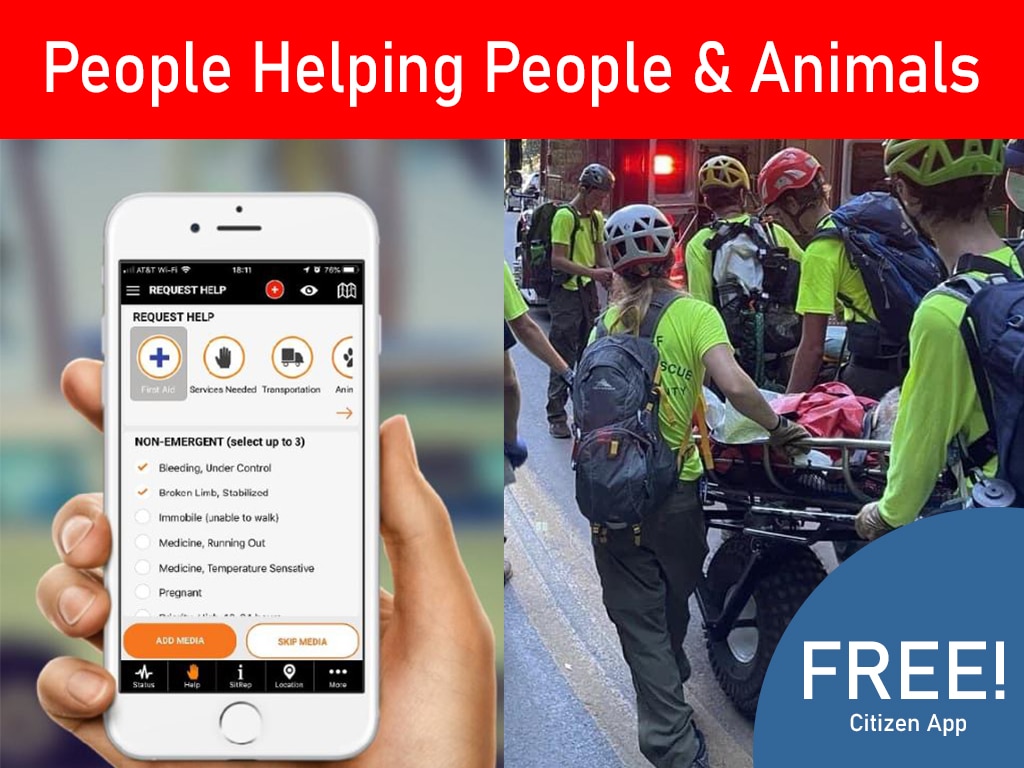
In any large-scale emergency, success hinges on collaboration. CERT teams, NGOs, and public safety agencies all play crucial roles, but they often operate in separate silos. This can lead to duplicated efforts and critical gaps in the response. The key to a truly effective operation is a shared, real-time view of the situation on the ground. A unified platform allows everyone, from a citizen reporting an incident to a team leader deploying volunteers, to work from the same information. By implementing the right CERT digital tools for emergency preparedness management, you can break down these communication barriers and create a seamless network that ensures help gets where it’s needed, faster.
Key Takeaways
- Modernize Your Response: Your CERT training provides crucial hands-on skills; pairing them with digital tools for communication and coordination is what transforms your team into a fast, effective, and organized force.
- Train with Your Tech: Don’t wait for an emergency to learn your digital tools. Make them a core part of every training drill so that using them becomes second nature, building the confidence your team needs to act decisively under pressure.
- Select the Right Tools for the Job: The best technology for your team is simple, reliable, and works for everyone, regardless of their tech comfort level. Prioritize user-friendly platforms with offline capabilities to ensure your tools are a help, not a hindrance, when it matters most.
What Is CERT and Why Does It Matter?
If you’ve ever wondered how you can help your community during an emergency, the answer might be CERT. CERT stands for Community Emergency Response Team, a program backed by the Federal Emergency Management Agency (FEMA). It’s designed to train everyday people like you and me in basic disaster response skills. Think of it as a way to empower neighbors to help neighbors.
The core idea is simple but powerful: when a major disaster strikes, professional responders can be overwhelmed. CERT volunteers step in to handle immediate needs, providing crucial support until professional help is available or to assist them on the scene. This organized, trained response makes communities more resilient and saves lives. It’s about being prepared, not scared, and knowing you have the skills to make a real difference when it matters most.
How CERT Volunteers Support Community Response
CERT volunteers are the helping hands that bridge the gap in the critical hours after a disaster. They are trained to handle a wide range of tasks, which frees up professional responders to focus on the most complex and life-threatening situations. When an emergency hits their neighborhood, trained volunteers can self-activate and begin assessing damage, putting out small fires, and providing basic first aid.
Their skills also include light search and rescue, organizing other volunteers, and helping with triage to sort injured individuals by priority. This immediate, on-the-ground support is vital for effective volunteer coordination during emergencies, ensuring that help gets to where it’s needed quickly and efficiently.
How CERT Teams Collaborate with Professionals and NGOs
CERT teams don’t operate in a vacuum. They are an official part of a community’s emergency response plan. Local government agencies, such as fire departments, police, or emergency management offices, typically sponsor and manage the CERT programs in their area. These agencies provide the training, resources, and structure needed for the teams to function effectively and safely.
This collaboration is key. It ensures that CERT volunteers are working in concert with professional responders and non-governmental organizations (NGOs). By having a formal organization registration and integration, teams can communicate and coordinate seamlessly, preventing duplicated efforts and filling response gaps. This partnership turns a group of trained volunteers into a powerful, cohesive force for community safety.
Why Modern Emergency Management Needs Digital Tools
While hands-on skills are the foundation of CERT training, the nature of emergency response has evolved. Large-scale disasters, like the ones managed by the California Governor’s Office of Emergency Services (Cal OES), show us that coordination across vast areas requires more than just boots on the ground. It requires real-time information and seamless communication. This is where digital tools become essential.
Modern tools allow teams to report incidents instantly, map damage, track resources, and communicate with every member, no matter where they are. This technology transforms a team’s ability to respond quickly and effectively. Understanding how PubSafe works can give you a clearer picture of how these digital platforms connect citizens, CERTs, and agencies into a single, coordinated network.
Essential Digital Tools for CERT Teams
When you think of a CERT kit, you probably picture hard hats, gloves, and first aid supplies. While that gear is absolutely essential, today’s most effective teams also have a digital toolkit. Using the right technology helps your team communicate clearly, gather accurate information, and coordinate your response efforts without missing a beat. When every second counts, you can’t afford to be held back by manual processes or scattered communication.
Digital tools transform how teams operate during a crisis. Instead of relying on radio chains or paper maps alone, you can use apps to send instant group alerts, software to log damage reports with photos, and platforms to manage dozens of volunteers at once. These tools aren’t just for tech-savvy members; many are designed to be simple and intuitive for everyone. By integrating a few key digital solutions into your workflow, you can make your team’s response faster, smarter, and more organized. This allows you to focus on what truly matters: helping your community when it needs you most.
Apps for Communication and Coordination
Clear and immediate communication is the foundation of any successful emergency response. During an incident, your team needs a reliable way to share updates, confirm locations, and coordinate tasks in real time. While radios have their place, mobile apps like GroupMe or Slack offer a flexible and familiar way to keep everyone connected. These platforms allow you to create dedicated channels for different teams or tasks, share photos from the field, and ensure every member receives the same information simultaneously. According to FEMA, using mobile apps can significantly improve how teams communicate, keeping everyone informed and engaged when it matters most. This direct line of contact helps eliminate confusion and enables quicker decision-making on the ground.
Online Training and Simulation Tools
Preparedness is an ongoing effort, and keeping your team’s skills sharp is crucial. Online training platforms give your volunteers the flexibility to learn at their own pace and on their own schedule. Resources like FEMA’s Emergency Management Institute (EMI) and even courses on platforms like Coursera offer valuable modules on everything from disaster psychology to incident command systems. As the National Fire Protection Association points out, online training can be tailored to fit the specific needs of your team. Interactive simulations and virtual exercises help members practice their skills in a low-stakes environment, building the confidence they need to act decisively during a real emergency. This continuous learning ensures your team is always ready to respond effectively.
Software for Incident Reporting and Damage Assessment
When your team is in the field, you’re gathering critical information that shapes the entire response effort. Using dedicated software for incident reporting and damage assessment, such as WebEOC or Crisis Track, ensures this data is captured accurately and consistently. Instead of scribbling notes on a pad, team members can use a phone or tablet to log incident details, upload photos, and geotag locations. This creates a standardized, real-time record that can be shared instantly with your Emergency Operations Center (EOC). Accurate reporting is vital for allocating resources where they’re needed most and for creating thorough documentation for after-action reviews and future planning, a practice supported by guidelines from the National Institute of Standards and Technology.
Real-Time Mapping for Situational Awareness
Understanding the “big picture” during an emergency is critical for effective deployment. Real-time mapping tools give your team the situational awareness needed to make strategic decisions. Platforms using GIS (Geographic Information Systems) or even familiar tools like Google Maps can visualize incident locations, track team movements, and highlight affected areas. This visual information helps you identify safe routes, pinpoint critical infrastructure, and direct resources efficiently. According to the U.S. Geological Survey, real-time mapping is a powerful asset that supports quick, informed decision-making during a disaster. By seeing the entire operational area at a glance, team leaders can deploy volunteers more effectively and ensure everyone stays safe.
Volunteer Management Systems
Your volunteers are your greatest asset, but coordinating them during a chaotic event can be a major challenge. Volunteer management systems like VolunteerLocal or SignUpGenius are designed to simplify this process. These platforms help you manage schedules, track certifications, communicate assignments, and monitor volunteer availability all in one place. Instead of juggling spreadsheets and phone trees, you can quickly mobilize the right people with the right skills for the job. As organizations like the National Voluntary Organizations Active in Disaster emphasize, effective volunteer management is key to maximizing your community’s response efforts. A streamlined system ensures no volunteer’s time is wasted and that your team operates as a cohesive, organized force.
What Are the Benefits of Using Digital Tools?
Switching to digital tools isn’t just about modernizing your CERT team’s toolkit; it’s about fundamentally improving how you respond to emergencies. When a crisis hits, efficiency and accuracy save lives. Digital platforms replace cumbersome paperwork and disjointed communication with a streamlined, real-time system. This shift allows your team to coordinate more effectively, manage resources with greater precision, and ultimately provide better support to your community when it’s needed most. By embracing these tools, you can amplify your team’s impact and ensure you’re prepared for whatever comes next.
Achieve Faster, Clearer Communication
During an emergency, clear and rapid communication is your most valuable asset. Digital tools replace the static of traditional radios and disjointed phone calls with instant, organized messaging. This allows CERT volunteers to handle crucial tasks efficiently, freeing up professional responders for more complex situations. Imagine being able to send a single message to your entire team, share location pins, and receive real-time status updates without tying up communication lines. This level of coordination ensures that information flows quickly and accurately, helping your team make smarter decisions when every second counts.
Streamline Data Collection and Resource Management
CERT training teaches you how to care for your community during an emergency, and a big part of that is managing resources. Digital tools transform this process from a logistical headache into a streamlined operation. Instead of relying on paper forms and clipboards, you can use an app to track supplies, log volunteer skills, and monitor needs in real-time. This means you can instantly see what resources are available and where they are most needed. Platforms like PubSafe offer powerful team management features that give you a clear, up-to-the-minute picture of your assets and personnel.
Enhance Documentation and Reporting
Your team’s goal is to do “the most good for the most people as quickly as possible,” and proper documentation helps you prove it. Digital tools make it simple to create a clear, time-stamped record of every action taken during a response. This information is invaluable for after-action reports, which help you analyze your performance and identify areas for improvement. Accurate digital records also provide the data needed to justify funding requests and demonstrate your team’s impact to stakeholders. The ability for volunteers to report an incident directly from their phones ensures that critical data is captured from the moment it happens.
Increase Community Engagement and Participation
Emergency preparedness is a shared responsibility, and digital tools can help you build a stronger, more engaged community. By providing accessible platforms for information and communication, you can lower the barrier for new volunteers to get involved. A public-facing map or a simple registration portal can make your CERT program more visible and approachable. When community members feel connected and informed, they are more likely to participate in training and volunteer their time. This creates a wider network of prepared citizens and strengthens your community’s overall resilience.
Scale Your Efforts Across Large Volunteer Networks
As your CERT program grows, coordinating a large network of volunteers becomes a significant challenge. Digital platforms are designed to solve this problem. Local government agencies often sponsor CERT programs, and a centralized system is essential for managing these extensive networks. With the right tool, you can easily organize volunteers into teams, assign tasks based on skills or location, and track progress across a wide geographic area. This allows you to scale your response efforts effectively, ensuring that even with hundreds of volunteers, your operation remains organized and efficient through effective volunteer coordination.
How to Effectively Implement Digital Tools
Having the right digital tools is a great first step, but the real work lies in weaving them into your team’s operations. A powerful app is only useful if everyone knows how to use it confidently under pressure. To get there, you need a clear plan for introducing, practicing, and managing these new resources. Without a solid implementation strategy, even the best software can create more confusion than clarity during a crisis. These steps will help you make sure your team is ready to put your digital tools to work when it matters most.
Integrate Tools into Your Training Programs
Make your digital tools a standard part of every training session. It’s not enough to just talk about a new app; your team needs to get their hands on it and use it. Run mock scenarios where volunteers practice reporting incidents, requesting resources, or communicating updates through the platform. The goal is to build muscle memory so that using the technology becomes second nature. FEMA’s Emergency Management Institute offers great examples of how to structure these exercises. When your team is familiar with the digital workflow, they can act quickly and decisively during a real emergency.
Run Drills Using Digital Tools
Drills are where your training gets put to the test. It’s one thing to use a tool in a quiet classroom, but it’s another to use it during a fast-paced, simulated disaster. Design drills that specifically challenge your digital processes. Can your team successfully map a hazard zone in real-time? Can they efficiently dispatch volunteers to a specific location using the app? These exercises are invaluable for revealing gaps in your strategy and showing where your team might need more practice. This kind of emergency preparedness helps you fine-tune both your tools and your team’s response capabilities before a crisis hits.
Assign Team Roles and Access Levels
Structure is your best friend in an emergency. You can avoid a lot of chaos by clearly defining roles and permissions within your digital platforms before an incident occurs. Decide who is responsible for updating the incident map, who can send out team-wide alerts, and who is focused on data entry. Good team management software allows you to assign these roles and access levels, ensuring that people only see the information relevant to their job. This streamlines communication, prevents accidental data changes, and lets everyone focus on their specific tasks without getting overwhelmed.
Create a Peer Mentoring System for New Tech
Every team has a mix of tech-savvy members and those who are a bit more hesitant with new tools. Use this to your advantage by creating a peer mentoring system. Pair experienced users with newer volunteers who might need a little extra guidance. A mentor can provide one-on-one support, answer questions in a low-pressure setting, and help build a teammate’s confidence. This approach not only gets everyone up to speed faster but also fosters a collaborative spirit and strengthens your team’s overall skill set. It’s a simple yet powerful way to improve volunteer coordination and ensure no one gets left behind.
Train Your Team to Use Digital Tools Confidently
Adopting new technology is only the first step. To be truly effective, your CERT team needs to feel comfortable and confident using digital tools, especially under the stress of an emergency. Consistent training transforms a powerful app from a confusing novelty into a reliable asset. When every member knows how to report an incident, communicate status, and find information quickly, your team can respond faster and more effectively. The goal is to make using these tools second nature, so your team can focus on what matters most: helping people.
Develop Onboarding Materials and Guides
Your volunteers come from all walks of life with varying levels of tech experience. Create simple, accessible onboarding materials to get everyone on the same page. Think one-page quick-start guides, checklists for key tasks, and short video tutorials. Since many CERT programs are sponsored by local government agencies, you can work with them to standardize these materials. The best guides avoid jargon and use visuals to show exactly where to tap and what to expect. For example, platforms like PubSafe offer clear instructions that walk users through core functions, which you can use as a model for your own team-specific documents.
Host Workshops and Regular Digital Exercises
Practice makes proficient. Integrate digital tools directly into your regular drills and exercises. Instead of just talking through a scenario, have your team use their apps to report mock incidents, request resources, and communicate updates. This hands-on experience builds muscle memory, which is critical in a high-stress situation. The core of CERT training is preparing people to act when an emergency strikes, and these digital drills are a modern extension of that principle. Running these exercises helps identify potential issues, whether it’s a confusing feature or a gap in your team’s understanding, in a low-stakes environment where you can pause and teach.
Offer Certifications for Digital Tool Proficiency
A little recognition can go a long way in motivating volunteers and ensuring a standard level of competence. Consider creating a simple certification for digital tool proficiency. This confirms that a volunteer has demonstrated they can perform essential tasks on the platform, reinforcing the CERT goal of “doing the most good for the most people as quickly as possible.” You could create different tiers, like “Basic User” for incident reporting and a “Team Lead” level for those who can manage team roles and coordinate assignments. This gives volunteers a clear goal to work toward and gives leaders confidence in their team’s capabilities.
Use Feedback to Close Skill Gaps
After every drill or real-world deployment, make time to gather feedback on how the digital tools performed. Ask your team what was easy, what was confusing, and what could be improved. This feedback is invaluable for refining your training process and identifying recurring skill gaps. It also empowers your volunteers, showing them their experience matters. This continuous improvement loop is key to effective volunteer coordination and ensures your team is always ready to help when professional responders are not immediately available.
How to Choose the Right Digital Tools for Your Team
With so many apps and platforms available, picking the right digital tools for your CERT team can feel overwhelming. The shiniest new tech isn’t always the best fit. The goal is to find tools that genuinely support your team’s mission, streamline your workflow, and make your response efforts more effective. A thoughtful selection process focuses on your team’s unique needs, the environment you operate in, and the people you serve. Let’s walk through the key factors to consider.
Prioritize Ease of Use for All Volunteers
Your team is made up of dedicated people from all walks of life, each with a different level of comfort with technology. A tool is only useful if everyone can pick it up quickly without a steep learning curve. If a platform is clunky or confusing, it creates a barrier to participation and can cause frustration during a high-stress event. Look for intuitive interfaces, clear instructions, and a simple design. As the National Volunteer Fire Council points out, the usability of technology is a critical factor in making sure volunteers can effectively use the tools they’re given. Your tech should empower every single member, not just the most tech-savvy ones.
Ensure It Works with Existing Systems
A new digital tool shouldn’t create more work. Instead, it should fit seamlessly into your team’s current processes. Before committing to a platform, consider how it will interact with the systems you already rely on for communication, reporting, or volunteer management. The last thing you want is a collection of disconnected apps that don’t share information, forcing you to enter the same data multiple times. According to FEMA, new tools should complement and enhance existing emergency management systems to create a unified and cohesive response. The right tool will act as a bridge, not another silo, making your overall operation smoother and more efficient.
Check for Offline Functionality and Reliability
Emergencies are unpredictable, and you can’t assume you’ll always have a stable internet connection or power. When infrastructure is compromised, your digital tools need to keep working. This is where offline functionality becomes non-negotiable. Can your team still access maps, view assignments, or fill out damage assessment forms without a cell signal? A reliable tool will sync data automatically once a connection is restored. The International Federation of Red Cross and Red Crescent Societies notes that access to offline capabilities is what allows volunteers to continue operating effectively when communication networks fail. Don’t let a downed network bring your response to a halt.
Look for Ways to Evaluate Tool Effectiveness
Choosing a tool is just the first step. To ensure it’s truly serving your team, you need a way to measure its impact. Does the tool actually make communication faster? Does it help you manage resources more effectively? Build evaluation into your team’s routine. After a drill or a real-world deployment, gather feedback from your volunteers. What worked well? What was frustrating? The National Institute of Standards and Technology (NIST) suggests that establishing metrics for evaluation can help organizations measure the impact of their digital tools. This feedback loop is essential for continuous improvement and ensures your technology investment continues to pay off in the long run.
Coordinate in Real-Time with Volunteers, NGOs, and Public Safety
During an emergency, every second counts. Effective coordination is what separates a chaotic response from a life-saving one. As a CERT volunteer, you know your role is to handle immediate tasks in your community, which frees up professional responders for more complex incidents. You might even “self-activate” to start helping in your own neighborhood right after a disaster strikes. But how do you connect with your team, let leaders know what you’re doing, and get the support you need? This is where digital tools become indispensable, turning a group of well-meaning individuals into a cohesive response force.
A unified platform allows CERT teams, NGOs, and public safety agencies to communicate and share information in real time. Instead of relying on fragmented radio channels or group texts, everyone can see the same map, the same incident reports, and the same resource requests. This shared situational awareness ensures that efforts aren’t duplicated and that help is sent where it’s needed most. When your team can coordinate volunteer efforts seamlessly with other groups, you create a more powerful and efficient response network. A platform like PubSafe shows how this works by connecting everyone from individual citizens to government agencies in a single, easy-to-use system.
Manage Resources and Deployment During an Incident
Your CERT training teaches you how to take care of yourself, your family, and your neighbors during an emergency. A key part of putting that training into action is managing your team’s resources effectively. Digital tools give team leaders a bird’s-eye view of who is available, what equipment they have, and where they are located. This allows for smart, strategic deployment. For instance, a leader can quickly assign a team with search-and-rescue skills to a damaged building or direct volunteers with supplies to a makeshift shelter. This level of organization ensures that your team’s skills and resources make the biggest impact possible during a critical event.
Close Gaps Between Citizens, Teams, and Agencies
CERT programs are often sponsored by local government agencies, like fire and police departments, creating a natural link between community volunteers and professional responders. However, communication gaps can still exist, especially between citizens on the ground and the official response effort. Digital tools bridge these divides. With a platform like PubSafe, a citizen can report an incident directly from their phone, complete with photos and a precise location. Your CERT team can then see and verify that report, take initial action, and relay critical information to first responders. This creates a smooth flow of information from the public to your team and onward to agencies, ensuring everyone is working with the most current data.
Track Volunteer Availability, Skills, and Status
Every CERT volunteer brings a unique set of skills to the table. While FEMA provides a standard training curriculum, many volunteers have additional certifications in areas like first aid, logistics, or amateur radio. Keeping track of these qualifications on paper is nearly impossible during a crisis. A digital team management system allows you to log each volunteer’s skills, availability, and current status. Need to find someone with medical training near a specific location? A few taps can give you a list. This not only helps you assign the right person to the right task but also allows you to monitor volunteer well-being by tracking who is active and who might need a rest.
Where to Find CERT Training and Digital Tools
Getting the right training is your first step, and finding the right digital tools is what makes that training effective in the field. Luckily, there are fantastic resources available, many of them free, to get you and your team ready for action. Here’s where you can find the training and technology you need to make a real difference in your community.
FEMA and Government-Backed Platforms
The Community Emergency Response Team program is nationally supported by the Federal Emergency Management Agency (FEMA), making it the best place to start. FEMA provides the standardized curriculum and materials that ensure CERT training is consistent and reliable across the country. On their website, you can find a wealth of information, including course outlines and independent study programs. Think of it as the foundational library for all things CERT. By starting with the official FEMA resources, you can be confident you’re getting the most current and comprehensive information directly from the source that oversees the entire national program.
American Red Cross and Emergency Management Institute
For those looking to take on leadership roles, FEMA’s Emergency Management Institute (EMI) offers free courses for CERT program managers and instructors. These programs help ensure high-quality training is available in every community. Beyond CERT-specific training, it’s a great idea to round out your skills with courses from the American Red Cross. They are the go-to for essential certifications like First Aid, CPR, and AED. Having these skills is invaluable during an emergency. You can easily find a class in your area to get hands-on practice that will build your confidence and your ability to respond when it matters most.
National CERT Association and Local Agencies
The heart of CERT is local. Your community’s program is likely sponsored by a local government agency, such as your fire department, police department, or emergency management office. The best way to get involved is to check their websites or give them a call. You can also connect with the broader CERT community through the National CERT Association. They offer resources, program information, and a network of fellow volunteers who are passionate about preparedness. This is a great way to find a nearby team, share best practices, and feel connected to the larger national movement of community responders.
PubSafe: A Free Platform for CERT Teams
Once your team is trained, you need a way to coordinate your efforts. This is where a powerful digital tool becomes essential. PubSafe offers a free platform designed specifically for teams like yours. While CERT training gives you the hands-on skills, PubSafe provides the technology to communicate, manage volunteers, and report incidents in real time. You can use it to see where help is needed on a public map, track team member status, and share critical information with public safety agencies and NGOs. Getting your team set up is simple. You can complete your organization registration and start building a more connected and effective response network today.
Start Building a More Prepared Community
Creating a resilient community can feel like a huge task, but it really starts with small, practical steps. True preparedness is a shared responsibility, a partnership between local agencies and the people they serve. It begins when neighbors decide to look out for one another and learn how to respond effectively when a crisis hits. By taking the initiative, you can build a network of support that strengthens your entire community from the ground up.
The foundation of this network is education. When you and your neighbors participate in programs like the Community Emergency Response Team, you gain the skills to take care of yourselves, your families, and those around you during the critical hours after a disaster. This training empowers volunteers to handle immediate needs, which frees up professional responders to manage the most complex and life-threatening situations. This collaboration is what makes a community truly prepared to face any challenge.
Modern preparedness also relies on having the right technology to connect everyone. A simple, accessible platform can close the communication gaps between citizens, volunteer teams, and official agencies. Using a tool like PubSafe allows you to coordinate efforts in real-time, manage volunteers, and share critical information when it matters most. You can start today by encouraging your team to install the free app and explore how a unified digital platform can transform your community’s response capabilities.
Digital tools are most useful when they connect the full CERT operating cycle: CERT operational readiness software, CERT resource and logistics management tools, and CERT volunteer coordination platform.
Related Articles
- Why Community Driven Disaster Response Matters | PubSafe
- Disaster Response Platform | Community‑Driven Emergency Coordination | PubSafe
- What Is A CERT Team & How To Contact Yours
- Civilian Crisis Response: Empowering Volunteers in Emergencies | PubSafe
Frequently Asked Questions
Our CERT team has used radios and paper forms for years. Why should we switch to digital tools? Think of digital tools not as a replacement, but as a way to make your existing skills more powerful. While radios are great for one-to-one communication, a digital platform allows your entire team to see the same information at the same time. This means less confusion, faster updates, and better coordination. It helps you manage volunteers and track incidents on a larger scale, so you can do the most good for the most people without getting overwhelmed by logistics.
What’s the best first step for a team that isn’t very tech-savvy? Start small and focus on one specific need. Don’t try to adopt a dozen new apps at once. Maybe begin with a simple group messaging app for instant communication. Use it during your next training drill to get everyone comfortable with it in a low-stress environment. The key is to build confidence by integrating one tool at a time and making it a regular part of your practice sessions.
We’re a volunteer team with a very small budget. Are these digital tools expensive? That’s a common concern, but you’ll be happy to know that many of the most effective tools are free. While some complex software is designed for large government agencies, many platforms are built specifically for volunteer groups like yours. Comprehensive systems like PubSafe, as well as many communication and organizational apps, are available at no cost because their goal is to support community preparedness.
What happens if the internet and cell service go down during a disaster? This is a critical question, and it’s why you should always look for tools with offline functionality. A well-designed response app allows you to continue entering damage reports, viewing maps, and accessing important documents on your device even without a connection. The app will store the information you gather and then automatically sync it with the main system once your service is restored, ensuring no data is lost.
I’m not on a CERT team, but I want to help. Can I use these kinds of platforms? Absolutely. Modern emergency response is about connecting everyone in the community. Many platforms, including PubSafe, allow individual citizens to report incidents like blocked roads or downed power lines directly from their phones. This information can then be seen by CERT teams, NGOs, and public safety agencies, giving them a real-time picture of what’s happening on the ground. It’s a simple but powerful way to contribute to your community’s safety.