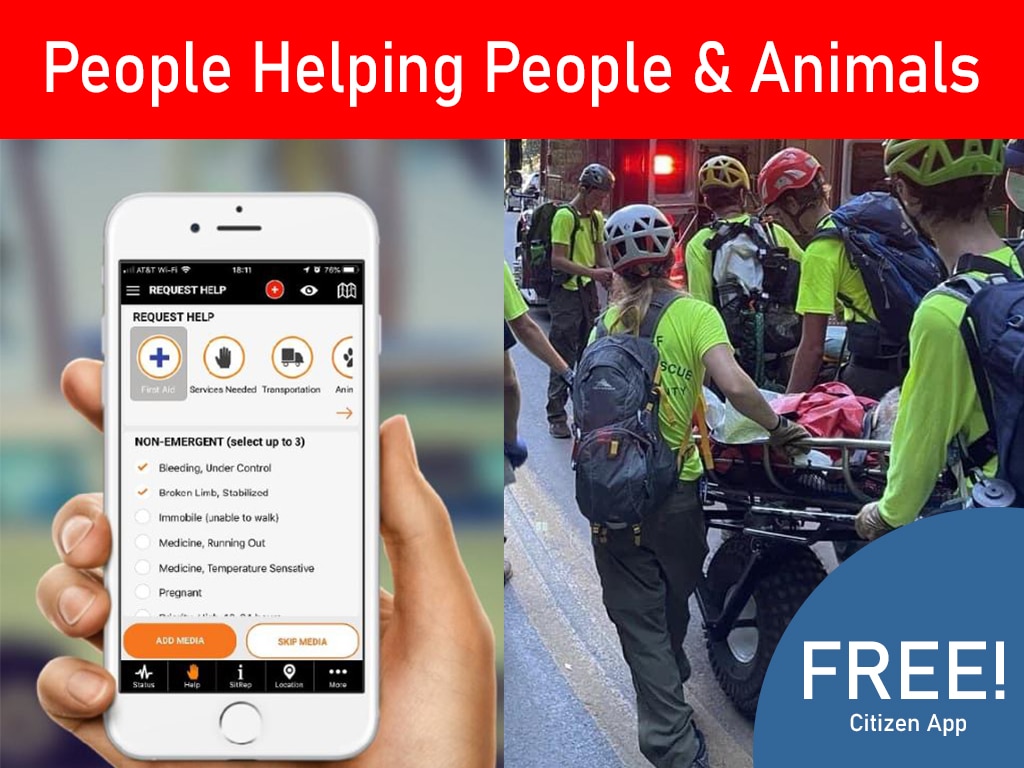
Every CERT member knows the importance of a well-stocked go-bag. It’s your personal kit, filled with the essentials you need to be self-sufficient and ready to help. But what about your team’s digital go-bag? In a crisis, communication and information are just as vital as bandages and flashlights. Relying on everyday apps like group chats and email simply doesn’t cut it when lives are on the line. You need tools specifically designed for the unique challenges of a disaster. This is where volunteer emergency response software for civilian preparedness teams comes in. Think of it as the digital command center that keeps your team connected, informed, and organized, even when networks are down. This article will help you pack your digital go-bag with the right tools.
Key Takeaways
- Pair consistent training with the right tech: A prepared CERT needs both skilled volunteers and smart technology. Use software to manage communication and track incidents, which allows your team to put their training into organized, effective action when it counts.
- Prioritize features that solve real problems: When choosing software, look for tools that directly address your team’s biggest challenges. Key features should include real-time communication, simple volunteer and skill management, and offline access for reporting, ensuring your team can operate effectively in any situation.
- Onboard your team with a clear plan: Successfully adopting new software is about supporting your volunteers. Create a straightforward onboarding process, use peer mentoring, and develop quick-reference guides to make sure every member feels confident using the new tools under pressure.
What is a Community Emergency Response Team (CERT)?
Have you ever watched news coverage of a disaster and wished you could do something to help your community? That’s exactly what a Community Emergency Response Team, or CERT, is all about. It’s a program that gives everyday people the chance to learn basic disaster response skills. Think of it as a way to become a capable, helping hand in your own neighborhood when professional responders are stretched thin.
The Community Emergency Response Team program, managed by FEMA, trains volunteers in skills like fire safety, light search and rescue, and disaster medical operations. The goal isn’t to replace professional firefighters or paramedics. Instead, it’s to equip you to handle immediate needs and manage emergencies until help arrives. By joining a CERT, you become a vital part of your community’s safety net, ready to step up and make a real difference when it matters most. It’s an incredible way to build resilience right where you live.
How CERTs Work
CERTs aren’t just a random group of well-meaning neighbors. They are organized teams, typically sponsored by local government agencies like your city’s fire department or emergency management office. These agencies provide the training and help manage the team. To ensure everyone is on the same page during a crisis, CERTs use the Incident Command System (ICS). This is the same standardized framework that professional responders use, which allows for seamless collaboration between volunteers and agencies. This structure ensures that efforts are coordinated, resources are managed effectively, and everyone is working toward the same goal safely.
What Do CERT Volunteers Do?
During an emergency, CERT volunteers are the first line of response in their immediate area. They can “self-activate” to check on neighbors, especially if communication lines are down and professional help is delayed. Their training prepares them to handle a variety of critical tasks. This includes assessing damage to buildings, providing basic first aid and triage to the injured, putting out small fires, and turning off utilities to prevent further hazards. By taking care of these initial tasks, CERT members free up professional emergency services to focus on the most complex and life-threatening situations, making the overall response much more effective.
Why CERTs Need the Right Tools
Passion and training are the heart of any CERT, but to operate efficiently, teams need the right tools. In a chaotic disaster scenario, clear communication and organization are everything. Relying on group texts and phone calls can lead to confusion and missed information. Modern CERTs need technology that supports effective volunteer coordination. This includes tools for managing volunteer availability, reporting incidents from the field, and sharing real-time updates with the entire team and partner agencies. Having a centralized platform ensures that everyone has access to the same information, from damage assessments to resource requests, turning a dedicated group of volunteers into a truly coordinated force.
Key Features for CERT Software
Choosing the right software for your CERT isn’t just about adding another tool; it’s about fundamentally improving how your team operates. The best platforms act as a central nervous system for your entire operation, connecting volunteers to each other and to the community you serve. When you’re looking at different options, it’s easy to get lost in a long list of features. But a few key capabilities truly make a difference when a disaster strikes.
Effective software helps you communicate in real time, manage your volunteers’ unique skills, and gather critical information from the field. It should also serve as a reliable resource hub and, most importantly, work even when the power goes out. Think of it as the digital equivalent of a well-stocked go-bag. Having these features in place before an emergency means you can spend less time wrestling with logistics and more time making a real impact. Let’s look at the essential features your CERT software should have.
Real-Time Communication
During an emergency, information is everything. The ability to communicate instantly and reliably is the most critical feature of any response software. This goes beyond simple group texts. Look for a platform that allows for real-time updates, location sharing, and status reports that can be seen by your entire team and even coordinated with local agencies. This creates a shared operational picture, so everyone knows what’s happening, where it’s happening, and who is responding. Good communication tools break down silos, ensuring that a volunteer who spots a hazard can instantly alert team leaders and nearby members, creating a faster, more coordinated response.
Volunteer and Skill Management
Your volunteers are your greatest asset, but managing them effectively during a crisis can be a challenge. Modern software can help you maintain a detailed database of your team members, including their certifications, special skills (like medical training or language abilities), and availability. When an incident occurs, you can quickly identify and dispatch the right people for the job. This is a huge step up from messy spreadsheets or phone trees. With strong volunteer coordination tools, you can ensure tasks are assigned efficiently, track who is active in the field, and manage your team with confidence.
Incident and Damage Reporting
CERT volunteers are the eyes and ears on the ground after a disaster. Software that allows for easy incident and damage reporting is a game-changer. Team members should be able to use their smartphones to submit reports with photos, notes, and precise GPS locations. This information can then populate a live map, giving team leaders a clear view of blocked roads, damaged buildings, or areas needing medical attention. This capability allows you to report an incident directly from the field, which helps prioritize response efforts and provides crucial data to professional first responders, helping them direct their resources where they are needed most.
Centralized Training and Resources
Keeping everyone on the same page with training and protocols is essential for a cohesive response. The right software can act as a digital library for all your team’s important documents. You can store training manuals, emergency plans, contact lists, and standard operating procedures in one central, easily accessible location. This ensures that every volunteer, from a new recruit to a seasoned veteran, has access to the most current information. Centralizing resources means no more searching through old emails or binders for a critical piece of information; everything your team needs to know is right at their fingertips.
Offline Access
Disasters don’t wait for a good internet connection. In fact, they often knock out power and communication networks entirely. That’s why offline access is a non-negotiable feature for any emergency response software. Your team should be able to access maps, view resources, and fill out incident reports even without a cell or Wi-Fi signal. The app can then store this data securely on the device and automatically sync it to the cloud once a connection is re-established. This ensures your team can continue to operate effectively and that no critical data is lost during a communications blackout.
Integration with Local Agencies
CERTs are most effective when they function as a seamless extension of local emergency services. The best software facilitates this partnership by allowing for integration with police, fire, and emergency management agencies. When your CERT can share data directly with official responders, it creates a more unified and efficient response effort. This means the damage assessments your team conducts can immediately inform the decisions of the incident commander. Look for a platform that supports organization registration, allowing different groups to connect and collaborate, ensuring your team’s valuable work gets to the people who need it most.
Top Emergency Response Software for CERTs
Choosing the right software is a key step in preparing your CERT for action. The right platform streamlines everything from sending alerts to managing volunteers, letting you focus on helping your community. While many options exist, they are not all the same. Some excel at mass notifications, while others are built for detailed incident tracking. To help you find the perfect fit, here are a few of the top emergency response software options popular with CERTs.
PubSafe
PubSafe is designed with community at its core, making it a fantastic tool for CERTs focused on public engagement. It provides a unified platform where you can coordinate with volunteers, communicate with citizens, and manage your team’s response in one place. Features like real-time alerts and simple incident reporting help you gather crucial information from the ground as it happens. The platform makes it easier to mobilize your team efficiently, giving you a clear view of who is doing what and where they are needed most. This focus on connecting everyone helps create a more coordinated and effective emergency response.
CrisisGo
CrisisGo offers a comprehensive platform that puts safety and communication front and center. It’s a great choice for CERTs that want to manage their entire emergency lifecycle, from planning to response. With CrisisGo, you can create and digitize your emergency plans, run drills to test your team’s readiness, and communicate with everyone in real-time when an incident occurs. Its mobile-first design and user-friendly interface mean that your volunteers can easily access critical information and updates from their phones. This accessibility helps streamline your efforts and ensures everyone on your team stays informed and connected.
Everbridge
When getting the message out quickly is your top priority, Everbridge is a powerful option. It’s known as a robust emergency notification system that excels at managing critical communications during a crisis. For CERTs, this means you can send mass notifications to your team and the public across multiple channels, ensuring your alerts are seen. Beyond just sending messages, the platform includes tools for incident management and improving situational awareness. Everbridge is built to make sure the right information reaches the right people as fast as possible, which can be a game-changer when every second counts.
WebEOC
If your CERT needs a highly flexible and collaborative tool, WebEOC is worth a look. This incident management software acts as a shared virtual space where your entire team can work together. It allows you to track incidents as they unfold, manage resources effectively, and share critical information in real-time. One of its biggest strengths is its customizability; you can tailor the platform to fit your team’s specific workflows. For CERTs that are part of a larger response effort, WebEOC provides a common operating picture that keeps all stakeholders aligned and working efficiently.
Using Software to Improve Disaster Training
Effective disaster response doesn’t happen by accident; it’s the result of consistent, high-quality training. While we often think of emergency response software as a tool for active incidents, its role in preparing your team is just as critical. Using a platform for training helps bridge the gap between learning in a classroom and acting in a real crisis. It transforms abstract concepts into muscle memory, ensuring your volunteers are confident and prepared when their community needs them most.
Think of it as a digital training ground. Instead of just talking about communication protocols, you can practice them. Instead of just listing volunteer skills on a spreadsheet, you can see them in an active roster. This approach allows you to build a stronger, more cohesive team. By integrating software into your training regimen, you can run more realistic drills, keep essential resources organized, and maintain a clear picture of your team’s capabilities. This preparation is what allows a Community Emergency Response Team (CERT) to function smoothly under pressure.
Run Realistic Drills and Simulations
The best way to prepare for an emergency is to practice. Software allows you to move beyond tabletop exercises and run drills that feel incredibly real. You can create mock incident reports, send out simulated alerts, and have volunteers respond just as they would in a real event. For example, you can use a platform’s reporting feature to have team members practice submitting damage assessments from the field. This hands-on practice helps everyone get comfortable with the tools, so using them during a high-stress situation feels second nature. It also lets you test your workflows and identify any weak spots in your plan before it’s too late.
Centralize Training Materials
Is your team’s training manual saved on someone’s desktop? Are your safety protocols buried in an old email thread? Software can solve this by creating a central hub for all your essential documents. You can upload instructor guides, volunteer handbooks, hazard-specific presentations, and contact lists into one secure, accessible location. This ensures every volunteer, from a brand-new recruit to a seasoned veteran, is working from the same playbook. Centralizing your resources through a team management platform means less time searching for information and more time preparing for what matters.
Track Volunteer Skills and Readiness
Your volunteers are your greatest asset, and each one brings a unique set of skills to the table. One person might be a registered nurse, while another might be fluent in multiple languages or have a commercial driver’s license. Software makes it easy to track these qualifications. By maintaining a dynamic database of volunteer skills, you can quickly identify the right person for any given task during a drill or a real emergency. This is a core part of effective volunteer coordination. It also helps you spot training gaps. If you notice no one on your team has a specific certification, you know exactly what to focus on in your next training session.
Common Myths About CERT Software
Adopting new technology can feel like a big step, and it’s natural to have questions or concerns. When it comes to software for Community Emergency Response Teams, a few common myths often come up. Let’s clear the air and look at how these tools are really designed to support your team’s mission. The right software isn’t meant to add complexity; it’s there to streamline your efforts so you can focus on what matters most: helping your community.
“It’s only for large organizations.”
It’s easy to assume that sophisticated coordination software is only for large, city-level agencies with big budgets. The reality is that these tools are incredibly scalable. CERT programs are active in communities of all sizes, with over 3,200 local programs across the country. Modern software is built with this in mind, offering features that are just as valuable for a small neighborhood team as they are for a state-wide operation. The goal is to provide a platform that grows with you, helping you manage five volunteers or five hundred with the same level of efficiency.
“It’s too complex for volunteers.”
Another common worry is that the software will be too complicated for volunteers who have varying levels of tech experience. But CERT software is designed for its users: community members who need to act fast in a crisis. The focus of CERT training is on practical, hands-on skills, and the technology is built to support that. With intuitive interfaces and clear functions for things like reporting an incident, these apps let volunteers concentrate on the task at hand, not on figuring out a complicated program.
“It replaces human connection.”
During an emergency, human connection is everything. The fear that technology might create distance between responders and the people they’re helping is understandable. However, the purpose of CERT software is the exact opposite. The entire CERT model is built on the idea of people helping their families and neighbors. A platform like PubSafe enhances those community bonds by making volunteer coordination seamless. It ensures that when one volunteer identifies a need, the whole team knows about it, allowing you to direct help where it’s needed most and strengthen your collective impact.
“It’s too expensive for our team.”
Budget is a real constraint for most volunteer teams, and the idea of adding a software subscription can seem daunting. The good news is that many developers in this space understand the financial realities of volunteer organizations. Just as CERT training is often provided for free by local first responders, many software platforms offer free or low-cost options. For example, you can install the PubSafe app for free, and there are affordable plans for organizations that need advanced team management features, making powerful tools accessible to everyone.
How to Successfully Adopt New Software
Bringing new technology into your CERT’s workflow can feel like a huge undertaking, but it doesn’t have to be. The key isn’t just picking the right software; it’s about how you introduce it to your team. A thoughtful rollout makes all the difference and ensures the tool actually helps when it matters most. With a few simple strategies, you can get your entire team of volunteers comfortable, confident, and ready to use new software effectively during a crisis.
Create a Clear Onboarding Plan
The first step to success is a well-structured onboarding plan. When every second counts, you need your team to be confident with their tools. A clear process ensures everyone understands the software’s purpose and how to use its core features from day one. Start by outlining the essential functions your team needs to know, then create a step-by-step training schedule. A solid onboarding process not only gets everyone up to speed but also improves overall team performance and engagement. This initial investment of time pays off by building a strong foundation for every volunteer.
Encourage Peer Mentoring
No one knows your team’s challenges better than your team itself. Encouraging peer mentoring is a fantastic way to build confidence and create a supportive learning environment. Pair volunteers who are more tech-savvy with those who might need a little extra help. This approach feels less like a top-down mandate and more like a collaborative effort. These informal mentoring relationships can lead to better performance and a stronger sense of teamwork. It allows members to ask questions freely and share tips in a low-pressure setting, which is perfect for a volunteer-based organization like a CERT.
Develop Quick-Reference Guides
In the middle of an emergency, nobody has time to search through a dense user manual. That’s why creating simple, one-page quick-reference guides is so important. These “cheat sheets” should cover the most critical tasks your team will perform with the software, like reporting an incident, checking a map, or communicating with the group. Use clear headings, screenshots, and bullet points to make the information easy to scan. Distribute these guides digitally and as laminated printouts that volunteers can keep in their go-bags. This ensures they have the essential instructions right at their fingertips, even in stressful situations.
Schedule Regular Training and Feedback
Adopting new software isn’t a one-and-done event; it’s an ongoing process. Regular training sessions help keep skills sharp and introduce volunteers to more advanced features over time. These don’t have to be long, formal meetings. You can incorporate short software drills into your regular CERT meetings or exercises. It’s also vital to create a feedback loop. Ask your team what’s working and what’s not. This culture of ongoing training and feedback ensures the software continues to meet your team’s needs and that every member feels heard and supported.
Choosing the Right App for Your CERT
With so many options available, picking the right software for your team can feel like a big decision. The best app is one that fits your team’s specific situation, budget, and technical comfort level. Think of it as another piece of essential gear; it needs to be reliable, easy to use in a crisis, and effective at its job. By focusing on a few key areas, you can confidently select a platform that supports your volunteers and amplifies your team’s impact in the community. Let’s walk through what to look for.
Assess Your Team’s Needs
Before you even look at an app, look at your team. What are your biggest operational challenges? Do you struggle with getting the word out during an event, or is tracking who has what skills the main issue? Your team might include retired nurses, former military personnel, or teachers, all with unique abilities. The right software should help you manage your team and easily identify who is available and qualified for a specific task. Make a list of your must-have features versus your nice-to-haves. This simple step will give you a clear scorecard for evaluating different options.
Prioritize a User-Friendly Interface
Your CERT is made up of volunteers who have varying levels of comfort with technology. A complicated app with a steep learning curve will create frustration and might not get used when it matters most. Look for a clean design and intuitive controls. Can a new volunteer figure out how to report an issue without a lengthy tutorial? The sign-up process should be straightforward, and communication tools should be simple to use. The goal is to find an app that is easy for everyone to download and operate, so they can focus on the response, not the technology.
Check for Agency Integration
CERTs rarely work in a vacuum. You are a vital link in a larger chain of response that includes fire departments, police, and local emergency management offices. Your software should reflect that. A platform that allows for seamless coordination with official agencies is invaluable. Does the app allow you to share reports or receive updates from your sponsoring organization? A tool that connects everyone on a single platform breaks down communication silos, ensuring that your team’s efforts are seen and effectively integrated into the broader emergency response.
Evaluate Cost and Accessibility
Budget is a practical and important consideration for any volunteer organization. Many CERT programs operate with limited funding, so expensive software subscriptions can be a non-starter. Look for platforms with transparent pricing. Some offer free versions for individual volunteers or affordable tiers for organizations. Remember that accessibility isn’t just about cost. The software should work on the devices your team already has, like their smartphones. A free app for individual volunteers can remove a major barrier to adoption and ensure your entire team can get on board without any personal expense.
Prepare Your CERT for Any Challenge
Getting your Community Emergency Response Team ready for a crisis is about more than just checking boxes. It’s an ongoing commitment to building a team that is confident, capable, and connected. The foundation of this readiness is consistent training. When your volunteers are well-practiced in everything from basic first aid to light search and rescue, they can act decisively and safely. This allows professional first responders to focus on the most critical tasks, knowing your team has things under control. FEMA provides a standard training program that ensures every member shares the same core knowledge and skills, which is essential for working together seamlessly.
Of course, training is only half the battle. The real test comes when you have to put those skills into action during a chaotic event. This is where the right technology becomes your team’s most valuable asset. A platform designed for emergency response helps you manage every aspect of your operation, from volunteer coordination to real-time incident tracking. Instead of relying on messy phone trees or group chats, you can instantly deploy members based on their skills and location, share critical updates, and map out response efforts. This level of organization ensures you’re making the most of every volunteer’s time and talent.
A truly prepared CERT also understands the unique challenges of its community. Take the time to identify the most likely threats in your area, whether it’s wildfires, floods, or winter storms, and tailor your training and response plans accordingly. The right software can also help you engage with the public, allowing citizens to report incidents directly and stay informed. By integrating your team’s efforts with the community you serve, you create a more resilient and collaborative environment for everyone. By combining dedicated training with smart, user-friendly technology, you can build a CERT that is ready to stand strong and make a real difference when it matters most.
Related Articles
- What Is A CERT Team & How To Contact Yours
- Disaster Response Platform | Community‑Driven Emergency Coordination | PubSafe
- Effective Hurricane Response Strategies For CERTs And NGOs
- Disaster Response Platform for Teams & Communities | PubSafe
Frequently Asked Questions
Our CERT has no budget. Are there any good free options available? Absolutely. This is a very common and practical concern for volunteer teams. Many software developers in the emergency response space understand this and offer free or very affordable options. For instance, an individual volunteer can often download and use an app like PubSafe for free to connect with their community. For the team as a whole, some platforms provide a free tier with essential features, with the option to upgrade to a paid plan for more advanced team management tools if and when your budget allows.
What’s the difference between using a dedicated app and just using a group text or social media group? While group chats are great for everyday conversation, they can create confusion during a crisis. Information gets buried quickly in a long, scrolling thread, and it’s nearly impossible to track tasks or see the big picture. A dedicated response app provides structure. It allows you to report incidents with GPS data that populates a live map, manage volunteer assignments so everyone knows their role, and keep all your important documents in one place. It turns chaotic chatter into organized, actionable information.
How can we convince our less tech-savvy volunteers to use a new app? This is a common hurdle, and the key is to approach it with patience and a good plan. Start by choosing software with a simple, clean interface. Then, instead of a formal, top-down training, try pairing members for peer mentoring. A volunteer is often more comfortable learning from a teammate. Creating simple, one-page “cheat sheets” with screenshots for the most common tasks also helps. When people see that the tool makes their role safer and more effective, they are much more likely to get on board.
Can this software really work if cell service and Wi-Fi are down? Yes, and this is one of the most critical features to look for. Disasters often disrupt communication networks, so any worthwhile response software must have offline capabilities. This means you can still access downloaded maps, view your team’s protocols, and fill out damage assessment forms directly on your phone without a signal. The app saves all the information you gather and then automatically syncs it to the main system as soon as your device finds a connection.
I’m just a single volunteer, not a team leader. How does this software benefit me? This kind of software is designed to make your job as a volunteer easier and safer. Instead of waiting for a phone call or trying to figure out where you’re needed, the app gives you a direct line to your team. You can receive clear assignments, see real-time updates on a map, and easily report what you are seeing in the field. It provides the clarity and coordination you need to make your contribution count, ensuring your efforts are part of a larger, more effective team response.