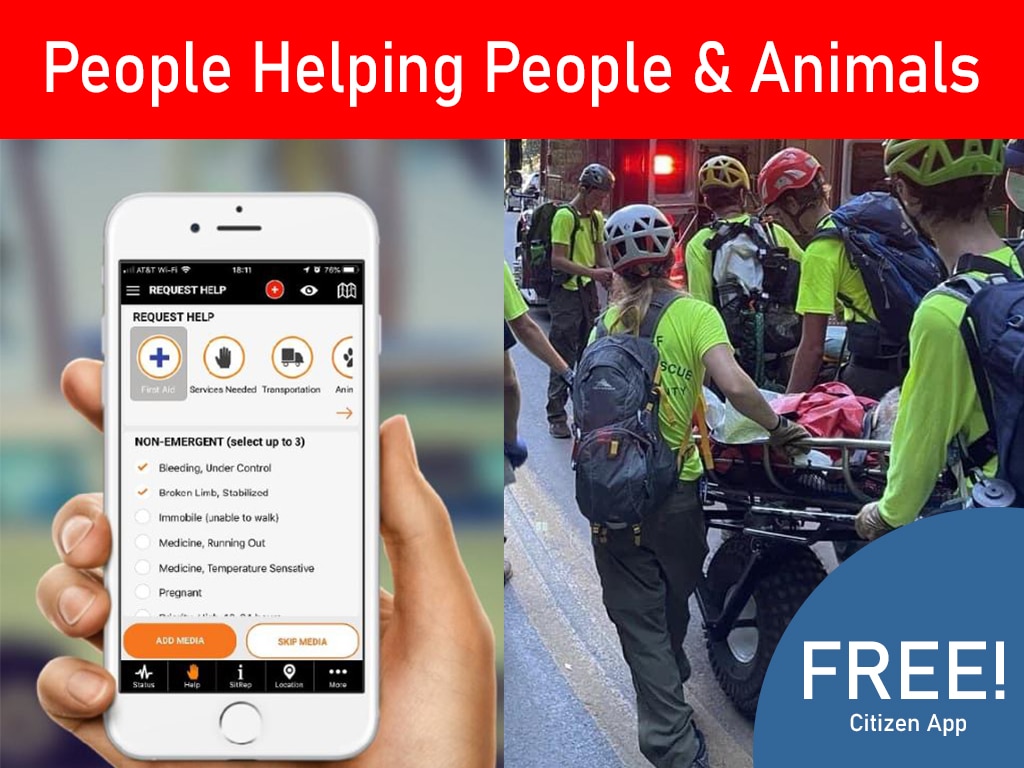
The moment a tropical storm gets a name, the clock starts ticking for your response team. Questions immediately surface: Are our volunteer rosters up to date? Is our equipment staged correctly? How will we communicate if cell towers go down? These logistical hurdles can quickly become overwhelming, distracting from the core mission of helping people. Developing robust hurricane response strategies is the key to answering these questions before they become critical problems in the field. This guide offers a practical framework for CERTs and NGOs to organize their teams, manage field operations, and maintain situational awareness, ensuring you can act with clarity and purpose when your community needs you most.
Hurricane Response Strategies for CERTs and NGOs
Strengthen Preparedness, Improve Coordination, and Accelerate Recovery With PubSafe Get Free Org AccountSchedule Web DemoHurricane response strategies must go beyond checklists and weather alerts. CERT teams and NGOs need tools that help them prepare early, coordinate in real time, and recover faster when infrastructure is damaged and communication breaks down. PubSafe gives community responders the platform they need to operate confidently before, during, and after major storms.
PubSafe is the only global team‑management and field‑coordination platform built specifically for volunteers, NGOs, and CERT team operations. Whether you’re activating volunteers, tracking resources, or managing field operations, PubSafe helps you stay connected when it matters most.
Preparedness: Build Stronger Hurricane Response Strategies Before Landfall
Effective hurricane response starts long before the storm arrives. PubSafe helps CERTs and NGOs:
-
Organize teams, roles, and response zones
-
Pre‑stage equipment and resources
-
Share preparedness checklists and training materials
-
Conduct drills and track readiness
-
Maintain situational awareness with integrated weather and alert feeds
When your teams know their assignments and communication channels are already in place, you reduce confusion and accelerate your initial response. Teams should also define how they will coordinate volunteers during a hurricane before landfall.
? Start preparing smarter — activate your free PubSafe trial today.
Coordination: Maintain Communication and Control During the Storm
When hurricanes disrupt power, cell towers, and transportation routes, traditional communication tools fail. PubSafe keeps your teams connected through:
-
Real‑time location tracking for teams, vehicles, and volunteers
-
Field check‑ins and safety status updates
-
Task assignments and mission tracking
-
Incident reporting with photos, GPS, and timestamps
-
Two‑way communication across teams and partner organizations
These capabilities allow CERTs and NGOs to make faster, safer decisions—even when conditions are changing by the minute.
? See how PubSafe improves field coordination — try it free.
Recovery: Accelerate Cleanup, Relief, and Long‑Term Support
After the storm, response shifts to recovery. PubSafe supports your operations by helping you:
-
Prioritize damage assessments
-
Track volunteer hours and resource usage
-
Coordinate debris removal and community assistance
-
Document activities for reporting and reimbursement
-
Maintain operational continuity for weeks or months
With centralized data and real‑time visibility, your organization can deliver more effective recovery support and demonstrate impact to donors, partners, and communities.
? Streamline your recovery operations — start your free trial.
Start Your Free PubSafe Trial Today
Strengthen your hurricane response strategies with a platform designed for real‑world field operations. Equip your team with the tools they need to prepare, coordinate, and recover faster.
The Foundations of Emergency Management
When we talk about managing a crisis like a hurricane, it’s not just about the moment the storm makes landfall. True emergency management is a continuous cycle with distinct phases, each one building on the last. Understanding this cycle helps organizations like CERTs and NGOs structure their efforts for maximum impact. It’s a framework that moves from long-term planning to immediate action and, finally, to rebuilding. By breaking down the process, teams can assign resources more effectively and ensure no critical step is overlooked. This structured approach is the bedrock of any successful disaster response strategy, turning chaotic situations into manageable operations.
This cycle isn’t just a theoretical model; it’s a practical guide for saving lives and protecting communities. A dedicated hurricane response platform can keep teams aligned across each phase. Each phase presents unique challenges and requires a different mindset and set of tools. For community-based organizations, mastering this cycle means being able to pivot quickly from distributing preparedness checklists one week to coordinating rescue missions the next. It’s about building a resilient operation that can withstand the pressures of a disaster. A deep understanding of these foundations allows your team to anticipate needs, communicate clearly, and work seamlessly with other agencies, creating a more cohesive and powerful response when your community needs it most.
The Five Phases of Emergency Management
The emergency management cycle is traditionally broken down into five key phases: prevention, mitigation, preparedness, response, and recovery. While some phases, like response and recovery, get the most attention, the earlier stages are where you can make the biggest difference in reducing a storm’s impact. Think of it as a loop, where the lessons learned during recovery feed back into prevention and mitigation for the next event. For CERTs and NGOs, aligning your hurricane response strategies with these five phases ensures a comprehensive approach that addresses risks before, during, and after a storm, ultimately creating a safer, more resilient community.
Prevention
Prevention aims to stop a disaster from happening in the first place. While we can’t prevent a hurricane from forming, this phase applies to human-caused hazards that could worsen the situation. For example, prevention includes enforcing building codes to prevent structural failures or managing hazardous materials to avoid chemical spills during a flood. It’s about identifying and eliminating potential threats before they can add another layer of crisis to an already dangerous event. For response teams, this might involve community education on securing potential projectiles, like patio furniture or loose construction materials, that could become deadly in high winds.
Mitigation
Mitigation focuses on reducing the severity and impact of a disaster that cannot be prevented. If prevention is about stopping the event, mitigation is about lessening its blow. This includes actions like elevating homes in flood-prone areas, reinforcing roofs to withstand high winds, or planting mangroves to reduce coastal erosion and storm surge. For NGOs and CERTs, mitigation efforts often involve community projects and advocacy. You might help residents install storm shutters or work with local governments to improve drainage systems, all with the goal of minimizing damage and making the recovery process quicker and less costly.
Preparedness
This is where your team’s planning truly shines. Preparedness involves all the actions taken before a storm to ensure you’re ready to respond effectively. This is the time to organize teams, define roles, and pre-stage vital equipment and resources. Effective hurricane response starts long before the storm arrives. Using a platform like PubSafe helps CERTs and NGOs manage their teams, share preparedness checklists, conduct drills, and track readiness. When your teams know their assignments and communication channels are established, you reduce confusion and can launch your initial response much faster once the storm is imminent.
Response
The response phase includes actions taken immediately before, during, and directly after a disaster. The primary goals are to save lives, reduce property damage, and ease suffering. This is the most intense phase, involving evacuations, search and rescue operations, and providing emergency shelter, food, and water. Real-time coordination is critical, especially when traditional communication lines are down. This is where having a reliable system to report incidents, track field teams, and manage tasks becomes essential for maintaining operational control and ensuring the safety of both volunteers and the public.
Recovery
Once the immediate threat has passed, the focus shifts to recovery. This phase is about restoring the community to a sense of normalcy, a process that can take weeks, months, or even years. PubSafe supports long-term recovery operations by helping you prioritize damage assessments, track volunteer hours, coordinate debris removal, and document all activities for reporting and reimbursement. Centralizing this data allows your organization to deliver more effective aid, demonstrate your impact to stakeholders, and maintain operational continuity throughout the lengthy and complex recovery process.
Beyond Traditional Models: Building Community Resilience
While the five phases provide a solid framework, modern emergency management also emphasizes community resilience. This means creating a community that can not only withstand a disaster but also bounce back stronger. It’s about fostering connections between citizens, volunteer groups, NGOs, and official agencies so that everyone can work together. True resilience is built on a network of trust and shared information. When individuals can use an app to report their status or request help, and organizations can see that information on a shared map, the entire response becomes more efficient and people-focused.
This collaborative approach breaks down the silos that can hamper disaster response. Instead of separate groups working on the same problems without communicating, a unified platform allows for seamless coordination. For example, a citizen can report a downed tree blocking a road, a local CERT team can be dispatched to assess it, and a municipal crew can be assigned to clear it—all visible to the emergency operations center. This level of integration, which is at the core of what PubSafe provides, empowers communities to leverage their collective strength, ensuring that help gets where it’s needed faster.
Understanding Hurricane Threats and Alerts
To prepare for a hurricane, you first need to understand the language of the storm. Meteorologists and emergency officials use specific terms to describe a hurricane’s intensity and potential threats, and knowing what they mean is crucial for making timely and safe decisions. From the different categories that signal wind strength to the critical distinction between a “watch” and a “warning,” this terminology is your first line of defense. It helps you gauge the risk to your area and take appropriate action, whether that means securing your property or evacuating. For response organizations, a clear understanding of these terms ensures your entire team is on the same page and can communicate risks accurately to the community.
Decoding Hurricane Categories: The Saffir-Simpson Scale
The Saffir-Simpson Hurricane Wind Scale is the standard tool for measuring a hurricane’s intensity. It classifies storms into five categories based on their sustained wind speeds. This scale is designed to give a clear estimate of the potential property damage. A Category 1 storm has winds of 74-95 mph and is expected to produce some damage, while a Category 5 storm, with winds of 157 mph or higher, will cause catastrophic damage. It’s important to remember that the scale only accounts for wind and doesn’t factor in other deadly hazards like storm surge, flooding, and tornadoes, which can cause devastating impacts regardless of the storm’s category.
Key Weather Terminology Explained
Beyond the five categories, you’ll hear a lot of other terms as a storm approaches. Weather reports will track a storm’s development, issue watches and warnings, and predict the height of the storm surge. Each piece of information is a clue to help you prepare. Knowing the difference between a tropical depression and a tropical storm, for instance, tells you whether the system is strengthening or weakening. Understanding these key terms will help you follow the storm’s progress and make informed decisions for your team and your family, ensuring you’re not caught off guard by changing conditions.
Watch vs. Warning
This is one of the most important distinctions to understand. A Hurricane or Tropical Storm Watch means that storm conditions are possible in your area. When a watch is issued, it’s time to review your preparedness plan, stock up on supplies, and get ready to act. A Hurricane or Tropical Storm Warning is more serious. It means that storm conditions are expected, typically within 36 hours. When a warning is issued, you should be in the process of completing your storm preparations and be ready to evacuate if local officials give the order.
Storm Development Stages
Hurricanes don’t appear out of nowhere; they grow in stages. It starts as a Tropical Depression, an organized system of clouds and thunderstorms with a defined circulation and maximum sustained winds of 38 mph or less. Once those winds reach 39 mph, it becomes a Tropical Storm and is given a name. At this point, the storm is becoming more organized and dangerous. If the sustained winds increase to 74 mph or higher, the storm is officially classified as a Hurricane, representing a significant threat to life and property.
The Danger of Storm Surge
Storm surge is often the greatest threat from a hurricane. It is an abnormal rise in seawater level generated by a storm, over and above the predicted astronomical tides. This wall of water is pushed toward the shore by the force of the winds moving cyclonically around the storm. The surge can cause extreme flooding in coastal areas, and its height is influenced by the storm’s intensity, speed, size, and the slope of the ocean floor. It can destroy buildings, wash away roads, and is a primary cause of hurricane-related fatalities.
Actionable Preparedness Strategies
Once you understand the threats, it’s time to take action. Solid preparedness is what separates a well-managed response from a chaotic one. This means having more than just a plan; it means having the right supplies, a secure location, and a clear strategy for what to do when the storm hits. For individuals and families, this involves creating an emergency kit and protecting your home. For organizations like CERTs and NGOs, it involves detailed operational planning, from communication protocols to evacuation routes. These practical steps, taken well before a storm is on the horizon, are the most effective way to protect lives and property.
Assembling an Emergency Supply Kit
Every household and response team should have a well-stocked emergency supply kit. This kit should contain enough food, water, and other essentials to last for at least 72 hours, though a week’s worth is even better. Key items include non-perishable food, one gallon of water per person per day, a flashlight, extra batteries, a first-aid kit, a hand-crank or battery-powered radio, and any necessary medications. Don’t forget important documents, cash, and a local map. For response teams, your kit should also include personal protective equipment (PPE), team communication devices, and any specialized tools needed for your mission.
How to Secure a Home or Building
Protecting your property is a critical step in minimizing storm damage. Start by covering all windows with permanent storm shutters or 5/8” marine plywood. Bring all loose outdoor items inside, including patio furniture, trash cans, and decorations, as these can become dangerous projectiles in high winds. It’s also important to secure all doors, including your garage door, which is often the most vulnerable point of a house. Finally, trim any damaged or weak tree branches that could fall on your home. Taking these steps can significantly reduce the risk of structural damage during a hurricane.
Developing a Clear Evacuation Plan
Your evacuation plan is your roadmap to safety. It should be established long before a storm is threatening and practiced regularly. The plan needs to be clear and communicated to every member of your family or team. It should include multiple evacuation routes in case some roads are blocked, a designated meeting place, and a communication plan for how to stay in touch if you get separated. For organizations, the plan must also cover the evacuation of facilities, the securing of assets, and the protocol for deploying teams to safer staging areas from which they can respond after the storm passes.
Key Components of an Evacuation Plan
A comprehensive evacuation plan should clearly define several key elements. It needs to state the conditions that will trigger the evacuation, who is in charge of making the call, and what emergency functions need to be performed before leaving. The plan must detail specific evacuation routes and exits and include procedures for how to account for all personnel. Finally, it should specify what equipment or supplies staff members need to take with them. Having these components clearly documented ensures that everyone knows their role and can act quickly and decisively when an evacuation order is given.
Knowing When to Evacuate
The most important rule of evacuation is to always leave if local officials tell you to. They have access to the most current information about the storm’s track and potential impacts, including storm surge, which may not be obvious from your location. Don’t wait until the last minute, as roads will become congested and weather conditions will deteriorate. If you live in a designated evacuation zone, a mobile home, or a high-rise building, you should plan to evacuate even if it’s not mandatory. Your safety is the top priority.
Safety Protocols: During and After the Storm
When the hurricane arrives, your focus must shift entirely to safety. Whether you have evacuated or are sheltering in place, there are specific protocols to follow that can protect you and your team from harm. The storm itself is a dynamic and dangerous event, with high winds, heavy rain, and the potential for tornadoes. But the dangers don’t end when the winds die down. The post-storm environment is often just as hazardous, with threats like downed power lines, contaminated floodwaters, and unstable structures. Adhering to strict safety measures during and after the storm is essential for preventing injuries and fatalities.
How to Shelter in Place Effectively
If you are unable to evacuate, your survival depends on sheltering in place correctly. This means staying indoors and away from all windows, skylights, and glass doors, as flying debris can easily shatter them. The safest location is an interior room, closet, or hallway on the lowest level of the building. If you have a designated “wind-safe room” built to withstand hurricane-force winds, go there. Keep your emergency supply kit and radio with you so you can stay informed about the storm’s progress. It’s crucial to remain in your safe spot until authorities announce that the storm has completely passed.
Important Actions While Sheltering
While sheltering, stay tuned to your NOAA weather radio for the latest updates. Avoid using candles for light; opt for flashlights instead to prevent fire hazards. If the power goes out, keep your refrigerator and freezer doors closed as much as possible to preserve food. If your home begins to flood, turn off the electricity at the main breaker if you can do so safely. Never go outside during the storm, even if it seems to calm down temporarily. Your goal is to remain protected within the most secure part of your shelter until you receive the official all-clear.
Understanding the “Eye of the Storm”
A unique feature of a strong hurricane is the “eye,” a calm, often sunny area at the center of the storm. If the eye passes over your location, the winds will die down, and it might seem like the storm is over. This is a deceptive and dangerous lull. The winds on the back side of the eye are just as strong as the front and will return suddenly from the opposite direction. Never venture outside during the eye of the storm. Use this brief period to check for injuries and make emergency repairs if necessary, but be prepared to take shelter again immediately.
Critical Safety Measures After the Storm Passes
After the storm, a new set of dangers emerges. Do not leave your shelter until officials have confirmed it is safe. When you do go outside, be extremely cautious. Watch out for downed power lines and treat every wire as if it is live. Avoid walking or driving through floodwaters, which can be contaminated with sewage, chemicals, and debris, and may also hide electrical hazards or washouts. Stay away from damaged buildings, and do not return to your home until it has been inspected for structural integrity. Your safety remains the top priority in the storm’s aftermath.
Resources and Regulations for Response Organizations
For CERTs, NGOs, and other response organizations, operating in a post-hurricane environment is governed by specific resources and regulations designed to ensure a safe and effective response. Federal programs provide tools and support for planning, while workplace safety standards dictate how your teams must operate, especially in hazardous conditions. Understanding these frameworks is not just about compliance; it’s about protecting your volunteers and staff while maximizing your ability to help the community. Familiarizing your organization with these resources is a key part of professionalizing your disaster response efforts and integrating smoothly with the broader emergency management system.
Federal Support: The National Hurricane Program (NHP)
The National Hurricane Program (NHP) is a critical resource for emergency managers at all levels, from federal to local. Administered by FEMA, the NHP provides data, tools, and technical assistance to help communities prepare for and respond to hurricanes. The program supports evacuation and response planning by offering models that predict storm surge and other hazards. For response organizations, the NHP is a valuable source of information and guidance, helping to ensure that your local efforts are aligned with state and federal strategies and based on the best available science.
Essential Tools for Planning and Response
The NHP provides access to several key tools. Hurricane Evacuation Studies (HES) help officials determine clearance times and identify populations at risk, which is vital for making timely evacuation decisions. The SLOSH (Sea, Lake, and Overland Surges from Hurricanes) model provides detailed storm surge mapping to identify vulnerable areas. By using these federally supported tools, your organization can better understand the specific risks your community faces and develop more targeted and effective hurricane response strategies, from public education campaigns to operational deployment plans.
Ensuring Worker Safety During Recovery
The recovery phase presents significant risks for response and cleanup workers. Hazards can range from contaminated floodwaters and mold to structural instability and electrical dangers. Employers and volunteer organizations have a responsibility to protect their teams. This includes providing the proper personal protective equipment (PPE), ensuring teams are trained to recognize and avoid hazards, and establishing clear safety protocols for all recovery operations. Worker safety must be a top priority to prevent injuries that would not only harm your team members but also divert resources from the recovery effort.
Understanding OSHA’s HAZWOPER Standard
For teams involved in cleanup operations, it’s crucial to be aware of OSHA’s Hazardous Waste Operations and Emergency Response (HAZWOPER) standard. This regulation applies to any workers who are exposed to hazardous substances during emergency response. Employers must follow the HAZWOPER standard, which includes requirements for specific training, medical surveillance, and the use of proper PPE. Even for volunteer organizations, understanding and applying the principles of HAZWOPER is a best practice for ensuring the safety of anyone working in potentially contaminated environments after a hurricane.
? Get Started Free — No Credit Card Required
article text
Frequently Asked Questions
How is PubSafe different from just using group chats or radios for team coordination? While group chats and radios are useful, they often create information silos. PubSafe provides a single, shared view of the operation for everyone. Instead of trying to describe a location over a radio, a team member can drop a pin on a map with photos. Instead of scrolling through a chaotic text thread, a manager can assign specific tasks and see their status in real time. It brings all that scattered communication into one organized and visual platform.
Can our organization use PubSafe for events other than hurricanes? Absolutely. While this guide focuses on hurricane response, the platform is designed for any situation that requires field coordination. You can use it to manage teams during floods, wildfires, search and rescue missions, or even for non-emergency events like festivals or parades. It’s a versatile tool for managing people and resources in any dynamic environment.
How does the platform work if cell service and power are out? This is a critical question for any disaster response tool. PubSafe is designed to function in low-connectivity environments. The mobile app can cache map data and allow users to continue creating reports, adding photos, and logging their activity offline. As soon as a device finds a connection, even a weak one, it automatically syncs that data to the platform, ensuring no information is lost.
Is it difficult to get all of our volunteers set up and trained on the platform? We designed the platform with volunteers in mind, so the process is very straightforward. As an organization, you can easily invite members to join your team. The mobile app is intuitive for most smartphone users, and the core functions like checking in, reporting an incident, and viewing tasks are simple to learn. The goal is to reduce your administrative burden, not add to it.
How does PubSafe help with the long-term recovery phase after a storm? Recovery is often a marathon, not a sprint, and documentation is key. PubSafe helps by creating a detailed, time-stamped record of all your activities. When your teams conduct damage assessments, the photos and notes are automatically geotagged and saved. You can also track volunteer hours and resource deployment, which is incredibly valuable for creating after-action reports and applying for grants or FEMA reimbursement.
Key Takeaways
- Build your response plan before the storm forms: A successful response depends on early preparation. Organize your teams, define clear roles, and establish communication channels well in advance so you can act with confidence instead of confusion.
- Understand the language of the storm: Knowing the difference between a hurricane watch and a warning, along with the Saffir-Simpson scale, helps your team accurately assess risk and make critical, time-sensitive decisions for your community.
- Prioritize safety during and after the hurricane: The danger doesn’t end when the wind stops. The post-storm environment presents unique hazards like floodwaters and downed power lines, making post-storm safety protocols just as important as sheltering during the event.