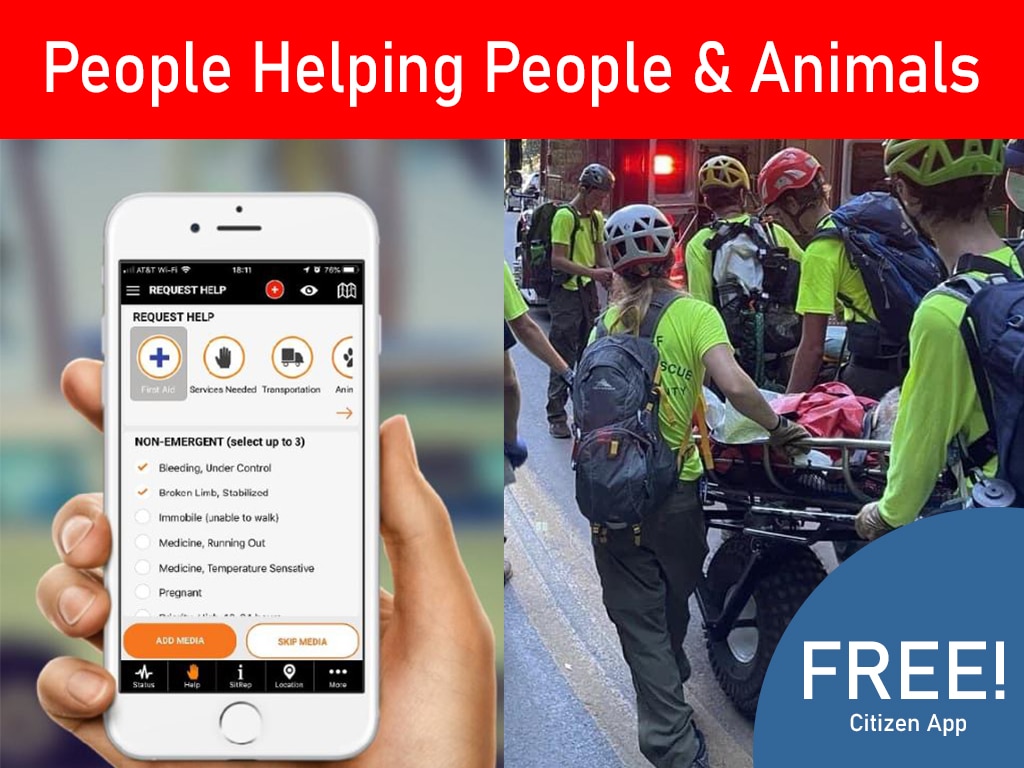
What if you could see your entire team’s status on a live map, send instant alerts to volunteers with specific medical certifications, and track every piece of equipment from a single dashboard? This level of coordination isn’t a far-off dream; it’s the standard for modern emergency response. A robust community emergency response team member management platform provides these capabilities and more. It integrates member profiles, real-time communication, and incident reporting into one intuitive system. This article explores the key features that transform how your team prepares for, responds to, and recovers from any crisis that comes your way.
Key Takeaways
- Replace spreadsheets with a digital command center: Manual methods create delays and errors during an emergency; a dedicated platform provides a single, reliable hub for your member roster, certifications, and communications.
- A good platform simplifies essential tasks: Look for a system that handles core functions like real-time communication, incident reporting, and volunteer availability, allowing you to manage daily operations and crisis response from one place.
- Prioritize tools that connect everyone: The most effective platforms integrate with public safety agencies and the community, creating a truly coordinated response where information flows freely between your team, officials, and the public.
What is a Community Emergency Response Team (CERT)?
Have you ever wondered who steps in during an emergency before the first responders arrive? That’s often the role of a Community Emergency Response Team (CERT). It’s a program that educates volunteers on disaster preparedness for hazards that may impact their area. Think of CERT members as your highly-trained neighbors, ready to help themselves, their families, and their community in the critical moments following a disaster. They are trained to be self-sufficient and provide immediate assistance, bridging the gap until professional help can get to the scene.
The core idea is that after a major event, emergency services can be overwhelmed. CERTs provide a crucial first wave of support, handling immediate needs and creating a more organized environment for when professional help arrives. These teams are not a replacement for professional responders, but an essential extension of them. By equipping community members with basic response skills, the CERT program helps build a culture of preparedness from the ground up. This empowers everyday people to make a real difference when it matters most, turning concerned citizens into capable assets for community resilience.
Key roles and responsibilities
CERT volunteers are trained to be a crucial support system for professional emergency services. Their responsibilities allow firefighters and police to concentrate on more complex and dangerous tasks. A CERT member’s training covers a wide range of practical skills, including basic fire safety, light search and rescue, and immediate medical aid. A key part of their role is also organizing volunteers who may show up at a disaster site wanting to help but lacking direction. By handling these essential initial tasks, CERT members create a more organized and effective response environment, ensuring that professional resources are used where they are needed most.
Why member management is crucial
When a disaster strikes, chaos is the enemy. To be effective, a CERT needs a clear and organized system for managing its members. You need to know who is available, what their certifications are, and how to contact them instantly. This is where effective team management becomes non-negotiable. Without it, you have a group of skilled individuals who can’t be deployed efficiently. A solid management system ensures you can send out mass alerts, track volunteer status, and direct people to where they are needed most. This organization allows your volunteers to confidently use their skills to help their community, knowing they are part of a coordinated and effective effort.
How to Build Your CERT Program
Building a Community Emergency Response Team from the ground up might seem like a huge undertaking, but it’s a straightforward process when you break it down into manageable steps. A successful CERT program is built on three pillars: a strong volunteer base, a clear organizational structure, and a commitment to proper training. By focusing on these core areas, you can create a resilient and effective team that’s ready to serve your community when it matters most. Whether you’re starting a new team or looking to strengthen an existing one, these foundational steps will guide you toward building a program that makes a real difference.
Recruit and onboard volunteers
Your team is only as strong as its members, so recruitment is your first priority. Reach out to community hubs like schools, local businesses, and faith-based groups to find passionate volunteers. When you connect with potential members, be clear about the time commitment and responsibilities involved. This transparency builds trust from day one. Consider creating a Teen CERT program to engage younger residents and build a pipeline of future leaders. As new people join, a streamlined onboarding process is key. Using a platform for team management helps you organize volunteer information and communicate expectations efficiently, ensuring everyone feels prepared and valued from the start.
Define your team structure and roles
A CERT program operates best with a clear structure, usually under a local sponsoring agency like a fire department, police department, or emergency management office. This partnership provides legitimacy, resources, and a direct line to official response efforts. Before an emergency happens, it’s vital to define roles and establish a chain of command. Who is the team leader? Who manages logistics or communications? Answering these questions ahead of time prevents confusion during a crisis. The first step is often registering your organization with a central platform, which helps formalize your structure and makes it easier to coordinate with public safety agencies and other community groups when you need to.
Track training and certifications
Proper training is what transforms a group of willing volunteers into a capable response team. CERT training typically follows a nationally recognized curriculum from FEMA, covering topics like fire safety, light search and rescue, and disaster medical operations. This training is often delivered by your local sponsoring agency. Just as important as providing training is tracking it. You need an accurate, up-to-date record of who is certified in what skills. This allows you to deploy the right people to the right tasks during an incident. Relying on spreadsheets can be messy and slow. Digital tools are essential for effective volunteer coordination, letting you instantly see who is qualified and available to respond.
Key Features of a CERT Management Platform
When you’re looking for a platform to manage your CERT program, it helps to have a checklist of essential features. The right software doesn’t just replace your spreadsheets; it creates a central hub that makes every aspect of team management simpler and more effective. A great platform gives you the tools to handle everything from member onboarding to post-incident analysis. Think of it as a digital command center that keeps your team organized, informed, and ready to act.
These features work together to build a stronger, more resilient team. When your member data is clean, your communication is clear, and your resources are tracked, you can focus on what really matters: helping your community. A platform like PubSafe integrates these capabilities to provide a complete solution for disaster response. Let’s look at the key features you should expect from a quality CERT management platform.
Member registration and profiles
A solid CERT platform starts with a strong foundation: its member database. This feature lets you move beyond messy paperwork and create a single, secure place for all volunteer information. New members can register themselves, and you can easily manage their profiles, which should include contact details, skills, and availability. Having this data organized and accessible is critical for effective team coordination. When you need to find a volunteer with a specific skill or who lives in a certain area, a digital profile system lets you do it in seconds, not hours.
Training and certification tracking
Knowing your team is properly trained is a matter of safety and effectiveness. A management platform should help you track every member’s training history and certifications. This ensures everyone is qualified for their assigned roles during an emergency. Instead of manually checking expiration dates, the system can automatically track when recertifications are due and send reminders to your volunteers. This feature helps you maintain a high standard of readiness and easily prove your team’s qualifications, which is essential for working with official agencies. You can find more information on standard CERT training on Ready.gov.
Real-time communication tools
During an emergency, clear and immediate communication can save lives. A CERT management platform should have built-in communication tools like secure messaging, alerts, and notifications. This allows you to instantly send updates to your entire team or target specific groups based on their role or location. Unlike chaotic group texts or phone trees, a dedicated system ensures messages are delivered and acknowledged. This keeps everyone on the same page, improves situational awareness, and allows your team to respond as a coordinated unit.
Incident reporting and damage assessment
Your volunteers are your eyes and ears on the ground. A management platform should empower them with tools to report what they see in real time. Using a mobile app, a member can quickly report an incident, like a blocked road or a damaged building, and include photos and exact GPS coordinates. This information flows directly to your command center, creating a live map of the situation as it develops. This allows team leaders to make faster, more informed decisions about where to deploy resources and personnel.
Resource and equipment tracking
Knowing what equipment you have and where it is can make or break a response effort. A good platform includes inventory management features to track your team’s assets, from first aid kits and radios to generators and vehicles. You can monitor equipment availability, see who has what, and schedule maintenance to ensure everything is in working order. When an incident occurs, you won’t waste precious time searching for critical supplies. This level of organization ensures your team has the tools they need when they need them most.
Reporting and performance analytics
After every drill or deployment, there are lessons to be learned. A CERT management platform with reporting and analytics tools helps you see what worked and where you can improve. You can review data on response times, volunteer participation, and how resources were used. These insights aren’t for pointing fingers; they’re for identifying preparedness gaps and strengthening your team’s performance. By analyzing this data, you can refine your training programs and operational plans, making your team more effective for the next event.
Managing Your Team: Digital vs. Traditional Methods
When you’re building a CERT program, your first instinct might be to grab what’s familiar: a spreadsheet for your member roster, a clipboard for event sign-ins, and a group chat for communication. These tools can work when you’re just starting out, but as your team grows and the situations you face become more complex, you’ll quickly find the seams start to show. In emergency response, efficiency and accuracy aren’t just nice-to-haves; they can make a critical difference. Let’s look at the reality of sticking with old-school methods versus making the switch to a dedicated digital platform for team management.
The limits of spreadsheets and paper
We’ve all relied on spreadsheets and paper forms at some point. They’re accessible and seem simple enough. However, this approach becomes a major liability in a fast-moving emergency. Manual data entry is a recipe for mistakes, which can have serious consequences. Plus, these static documents make teamwork incredibly difficult. When your volunteer coordinator has one version of the roster and a team lead in the field has another, confusion is inevitable. Research shows that teams using digital collaboration tools can improve their productivity significantly. Relying on outdated methods just doesn’t support the dynamic, collaborative nature of effective disaster response, where every second counts.
Why your team should go digital
Switching to a digital platform is about making your operation more effective, secure, and responsive. Digital tools streamline everything from onboarding to incident reporting, leading to major productivity gains. In an emergency, the ability to share real-time data is a game-changer, allowing you to deploy resources faster and keep everyone on the same page. It’s also crucial for protecting your team’s sensitive information. A dedicated platform offers security features that a simple spreadsheet can’t match. Implementing proper digital security measures can drastically reduce the risk of a data breach. By going digital, you give your team the modern tools they need to coordinate effectively and serve your community safely.
How a Management Platform Improves Coordination
When an emergency strikes, coordinated action is everything. A scattered response leads to wasted time, duplicated efforts, and, ultimately, puts people at risk. This is where a CERT management platform becomes indispensable. It acts as your team’s central nervous system, ensuring information flows smoothly so everyone can work together effectively. Think of it as the digital command center that replaces messy phone trees, confusing email chains, and chaotic group chats that often fail under pressure. A dedicated platform streamlines communication and resource management, giving you a single source of truth that everyone can access. This allows your team to move from a state of reactive chaos to a clear, unified response, making every action more impactful. By centralizing incident updates, cross-agency communication, and volunteer tracking, you can significantly improve your team’s efficiency and effectiveness on the ground when it matters most. It’s about giving your team the tools they need to make smart decisions quickly, deploy resources intelligently, and keep the community safe.
Get real-time incident updates
During an incident, the situation can change in a heartbeat. A management platform gives your team access to live information as it happens, which is critical for making smart, timely decisions. Instead of waiting for a call or email, your members can see new reports and status changes on a shared map or dashboard. According to the National CERT Association, these real-time communication tools are essential for maintaining situational awareness. This ensures everyone from leadership to field volunteers understands the evolving landscape and can adjust their response plans accordingly, keeping your team safe and effective. You can see how this works by viewing PubSafe’s Public Map, which shows live incident reports.
Communicate across agencies and with the public
Emergencies rarely involve just one organization. Your CERT team often works alongside fire departments, police, NGOs, and other agencies. A management platform breaks down communication barriers, creating a unified channel for everyone involved. As FEMA notes, integrated communication systems are vital for sharing information seamlessly between different response organizations. This prevents crucial details from getting lost in translation and ensures all stakeholders are operating with the same information. This is exactly how PubSafe works, by connecting citizens, volunteer groups, and official agencies on a single platform to enable a truly coordinated effort.
Track volunteer availability and deployment
Knowing who is available and what skills they have is a constant challenge for any CERT leader. A management platform replaces clunky spreadsheets and phone calls with a dynamic system for tracking your most valuable asset: your people. You can see who has checked in, what their qualifications are, and where they’ve been assigned. This allows you to deploy the right people to the right places quickly. A study on volunteer management in disaster response highlights how a centralized platform helps leaders mobilize resources where they are needed most. This level of organization is key for effective volunteer coordination and ensures you’re making the most of every volunteer’s time and talent.
How to Manage Your CERT Program Day-to-Day
Running a successful CERT program involves much more than just showing up during a crisis. The real work happens in the day-to-day management that keeps your team prepared, organized, and ready to act. This ongoing effort is the foundation of your team’s effectiveness when your community needs you most. Think of it as a continuous cycle of planning, training, and refining your operations. When you handle these daily tasks well, your team can respond with confidence and skill.
Effective day-to-day management boils down to three key areas: scheduling regular drills, keeping your member data current, and proactively identifying where your team can improve. These might sound like administrative tasks, but they are critical for operational readiness. Neglecting them can lead to confusion and inefficiency during an actual emergency. Fortunately, you don’t have to rely on scattered spreadsheets and paper files. A dedicated platform for team management simplifies these responsibilities, giving you more time to focus on leadership and community engagement. By centralizing your operations, you create a single source of truth that empowers your entire team.
Schedule drills and training
An emergency is the worst time to discover your team doesn’t work well together. Consistent training is what turns a group of volunteers into a coordinated response unit. Regular drills and exercises are essential for keeping skills sharp and building the trust necessary for high-stakes situations. These don’t always have to be large-scale events; they can range from tabletop exercises that test your communication plans to hands-on drills for search and rescue or first aid. As FEMA emphasizes, these opportunities allow volunteers to practice their skills and improve emergency plans. A management platform can help you schedule these events, send automated reminders, and track attendance, ensuring everyone stays current.
Keep member data up to date
In an emergency, you need the right information at your fingertips. An outdated phone number, an incorrect address, or an expired certification can create critical delays. Your member roster isn’t a static document; it’s a living database. People move, get new certifications, and change their availability. Relying on a spreadsheet that only one person can update is a recipe for failure. A digital management platform solves this by giving every member a profile they can update themselves. This ensures you always have accurate contact information, skill sets, and certification statuses. It’s the first step in building a reliable system for your entire team through a simple organization registration.
Find and fill preparedness gaps
A truly prepared CERT program is one that understands its own strengths and weaknesses. It’s not enough to just have a list of volunteers; you need to know if you have the right skills and resources to meet your community’s specific needs. Start by asking strategic questions. What are the most likely hazards in your area, like floods or wildfires? Do you have enough members with medical training? Are your volunteers spread evenly across your community, or are there coverage gaps? A management platform helps you answer these questions by mapping out volunteer locations and skills. This visual data makes it easy to spot where you need to focus your recruitment or training efforts, helping you build a more resilient and effective team.
How to Choose a CERT Management Platform
Picking the right management platform for your CERT is a big decision. It’s the digital headquarters for your entire operation, and the tool your team will rely on during a crisis. The right software can make your team more efficient, coordinated, and effective, while the wrong one can create confusion and frustration when you can least afford it. So, how do you find the perfect fit? It’s not about finding the platform with the most features. It’s about focusing on the core functions that truly support your team’s mission on the ground.
When you start comparing options, think about four key areas: scalability, ease of use, integration, and security. Does the platform have the flexibility to grow with your team? Is it simple enough for every volunteer to use with confidence? Can it connect with other agencies to create a unified response? And does it protect your team’s sensitive data? Answering these questions will help you cut through the noise and identify a platform that serves as a solid foundation for your CERT program, both today and in the future. Think of it as choosing a partner for your team, one that needs to be reliable, helpful, and trustworthy in the most critical moments.
Scalability for growing teams
Your CERT program might start with a dozen dedicated volunteers, but your numbers can quickly multiply as community awareness grows or a major incident occurs. Your management platform needs to be ready for that growth. A system’s scalability is its ability to handle an increasing workload without a drop in performance. Imagine signing up a hundred new volunteers during a flood response only to have your system crash. A scalable platform seamlessly supports more users, data, and activity. It ensures your digital tools are an asset during a large-scale event, not another problem to solve. Look for a platform that is built to accommodate growth from the start.
Ease of use for all members
Your volunteers are your program’s backbone, and they come from all walks of life with varying levels of technical skill. A complicated platform can be a major barrier to participation. That’s why ease of use is non-negotiable. During an emergency, no one has time to struggle with confusing software. Your platform should be intuitive from the moment a volunteer logs in. Key tasks like reporting an incident, checking a schedule, or updating availability should be straightforward. A user-friendly interface encourages adoption, ensures data is entered correctly, and empowers every member to contribute effectively without needing extensive technical training.
Integration with public safety systems
Your CERT doesn’t operate in a vacuum. You are a crucial part of a larger emergency response ecosystem that includes fire departments, police, and public health agencies. A platform that can communicate with other systems is essential for true coordination. Effective integrating technology allows for the seamless flow of information between your team and official agencies. This means incident reports from your volunteers can appear on a dispatcher’s map, and your team can receive official updates in real time. This interoperability eliminates information silos, reduces response times, and ensures everyone is working from a common operating picture.
Data security and access controls
As a CERT leader, you are responsible for protecting sensitive information. This includes your volunteers’ personal details and confidential data from incident reports, such as the locations of vulnerable residents. A breach could damage your team’s reputation and erode community trust. Therefore, your platform must have strong security features. This starts with effective access control, which ensures users can only see the information relevant to their role. Look for features like secure logins, data encryption, and the ability to set custom permissions. Protecting your data is just as important as protecting your community.
Common Myths About Digital CERT Management
Switching from familiar methods to a new digital platform can feel like a big step, and it’s natural to have some reservations. You might worry about the cost, whether your team will adapt, or if you’ll lose that personal touch you’ve worked so hard to build. These are valid concerns, but they are often based on misconceptions about modern management tools. Let’s clear up a few common myths about taking your CERT program digital. The reality is that the right platform is designed to solve these exact problems, making your team more connected and effective, not less.
“It’s too expensive for a volunteer team.”
The idea that digital management tools are a major budget drain is one of the most persistent myths, but it’s largely a thing of the past. Many platforms are built specifically for the financial realities of volunteer groups. For instance, PubSafe offers a powerful and free platform for organizations, understanding that resources are often limited. According to the National Volunteer Fire Council, many software solutions provide tiered pricing or even free versions for non-profits. This flexibility means you can get your organization registered and access powerful coordination features without a hefty price tag, allowing you to put your funds where they matter most: supporting your community.
“Our volunteers won’t use new tech.”
It’s easy to assume that volunteers, especially those who have been with the team for a while, might resist learning a new system. However, experience often shows the opposite. Volunteers are dedicated people who want to make a real impact, and they appreciate tools that help them do that more effectively. A study on volunteer trends found that volunteers are often more comfortable with technology than organizations expect. When a platform is intuitive and clearly helps streamline volunteer coordination, most team members are eager to adopt it. Good training and a user-friendly interface, like the one you’ll find with the PubSafe app, make the transition smooth for everyone.
“It feels less personal than our current system.”
Can a digital platform truly replace the camaraderie of face-to-face meetings and paper sign-up sheets? You might be surprised. While it seems counterintuitive, a digital platform can actually strengthen team bonds. Instead of creating distance, these tools can foster a sense of community by giving everyone a central place to connect, share updates, and support each other, even when they aren’t physically together. Research shows that digital tools can create a shared space for collaboration that enhances relationships. A platform that shows how PubSafe works to connect citizens, volunteers, and agencies in real time ultimately builds a more cohesive and communicative team environment.
Top Platforms for CERT Member Management
Choosing the right digital tool can make a world of difference in how effectively your CERT team operates. The good news is there are several great platforms out there, each with its own strengths. Finding the best fit depends on your team’s size, specific needs, and how you plan to coordinate with other local agencies and the public. Let’s walk through some of the top options available so you can see what might work for your program.
PubSafe
PubSafe is a comprehensive platform built to connect everyone involved in a disaster, from individual citizens to official response teams. It’s designed for real-time coordination, allowing your CERT members to manage incidents, track resources, and communicate seamlessly. What makes it stand out is its focus on community-wide collaboration. Volunteers can register with your organization, report issues directly through the app, and share updates that appear on a public map. This creates a powerful link between your team and the community you serve, giving you a clearer picture of what’s happening on the ground. Its user-friendly mobile app ensures your team can stay connected and effective, no matter where they are deployed.
WebEOC
WebEOC is a well-established emergency management software used by many public safety agencies. It’s known for providing excellent real-time situational awareness, which helps your team track incidents and manage resources effectively. Think of it as a central hub where all critical information flows during an emergency. One of its biggest advantages is its customizability. You can tailor the platform to fit your CERT program’s specific workflows and operational needs. This flexibility is a major plus for teams that have unique processes or need to integrate with existing systems used by local government partners. It’s a robust solution for managing complex incidents from a central command post.
Veoci
Veoci is a cloud-based platform that helps with every phase of emergency management, from planning and training to real-time response. For CERT teams, this means you can use it to run drills and prepare for events long before a crisis hits. When an incident does occur, its collaborative tools allow team members to share information, assign tasks, and coordinate their actions efficiently. Because it’s built for collaboration, Veoci helps break down communication silos, ensuring everyone on your team has access to the same information at the same time. This is incredibly helpful for maintaining a unified response and making sure nothing falls through the cracks during a chaotic event.
Rave Mobile Safety
If your top priority is fast and reliable communication, Rave Mobile Safety is a platform to consider. Its strength lies in its suite of mobile-first communication tools, designed to get critical information to your team instantly. The platform excels at sending emergency notifications and alerts, which is vital for keeping your volunteers safe and informed when they are out in the field. Beyond just alerts, it also includes features for incident management and community engagement. For CERT teams that are highly mobile and spread out across a large area, Rave’s focus on getting the right message to the right person at the right time can be a game-changer for effective coordination.
How PubSafe Helps Your CERT Team Succeed
When an emergency hits, the last thing your CERT team needs is a confusing mess of phone calls, texts, and radio chatter. Success depends on clear, unified communication, and that’s where PubSafe steps in. The platform acts as a central hub, connecting every member of your team in real time. Instead of chasing down updates, everyone has access to the same information at the same time. This shared awareness is a core part of how PubSafe works and allows your team to coordinate actions, make faster decisions, and respond as a cohesive unit. It’s a simple change that makes a massive difference when every second counts.
Beyond just communication, PubSafe simplifies the complex logistics of team management. You can see which volunteers are available, what certifications they hold, and where they’ve been deployed. This makes assigning tasks based on skill and location incredibly efficient. The platform also helps you track vital resources and equipment, so you always know what you have and where it is. No more guessing if a specific tool is at the command post or out in the field. This level of organization ensures your team can get the right people and the right gear to the right place without delay.
PubSafe also transforms how your team gathers information from the ground. Members can report an incident with photos and location data directly through the app, creating a live, detailed picture of the situation as it unfolds. What’s more, PubSafe connects your team directly with the community you serve. Citizens can also report issues, request assistance, and see public safety information on the map. This two-way flow of information not only helps you identify needs faster but also builds trust and empowers residents to be active participants in their own safety. By streamlining these critical functions, PubSafe lets your team focus on what you do best: helping people.
Related Articles
- What Is A CERT Team & How To Contact Yours
- Disaster Response Platform | Community‑Driven Emergency Coordination | PubSafe
- Disaster Response Platform for Teams & Communities | PubSafe
Frequently Asked Questions
We’re a small CERT team just starting out. Do we really need a digital platform, or can we just use spreadsheets? That’s a great question, and it’s smart to think about your needs from the beginning. While spreadsheets can work for a handful of people, they often create more problems as you grow. Starting with a dedicated platform like PubSafe establishes a solid, scalable foundation for your team. It helps you organize member information, track training, and communicate professionally from day one, which is much easier than trying to switch systems when you’re already busy.
How do we convince our volunteers who aren’t great with technology to use a new app? The key is to focus on how the tool makes their role easier and safer. A good platform isn’t about complicated tech; it’s about clear communication. When you show volunteers that an app gives them instant access to assignments, maps, and safety alerts without confusing phone calls, they usually see the benefit. Choose a platform with a simple, user-friendly design and hold a brief training session to walk everyone through the basic functions. When people feel confident, they are more likely to embrace it.
Is a management platform only useful during a disaster? Not at all. In fact, its greatest value often comes from how it helps you manage your team day-to-day. You can use the platform to schedule drills, send reminders about training events, track certification expiration dates, and keep all your member contact information in one up-to-date place. This ongoing organization is what ensures your team is truly ready and cohesive when an actual emergency occurs.
How does a platform like PubSafe help us coordinate with official agencies like our local fire department? This is one of the most important functions of a good management platform. Instead of operating in a separate silo, a platform like PubSafe creates a shared space for communication. Your team’s incident reports can be seen by official dispatchers, and your leaders can receive verified information directly from public safety. This integration ensures everyone is working from the same map, which reduces confusion and helps professional responders direct your team’s efforts more effectively.
We’re a volunteer team with a very limited budget. Are these platforms affordable? This is a common and completely valid concern. The good news is that many modern platforms are designed with volunteer organizations in mind. You don’t need a huge budget to get powerful management tools. Some platforms, including PubSafe, offer free versions specifically for CERTs and other community organizations. This allows you to access essential features for team management, communication, and incident reporting without the financial strain.