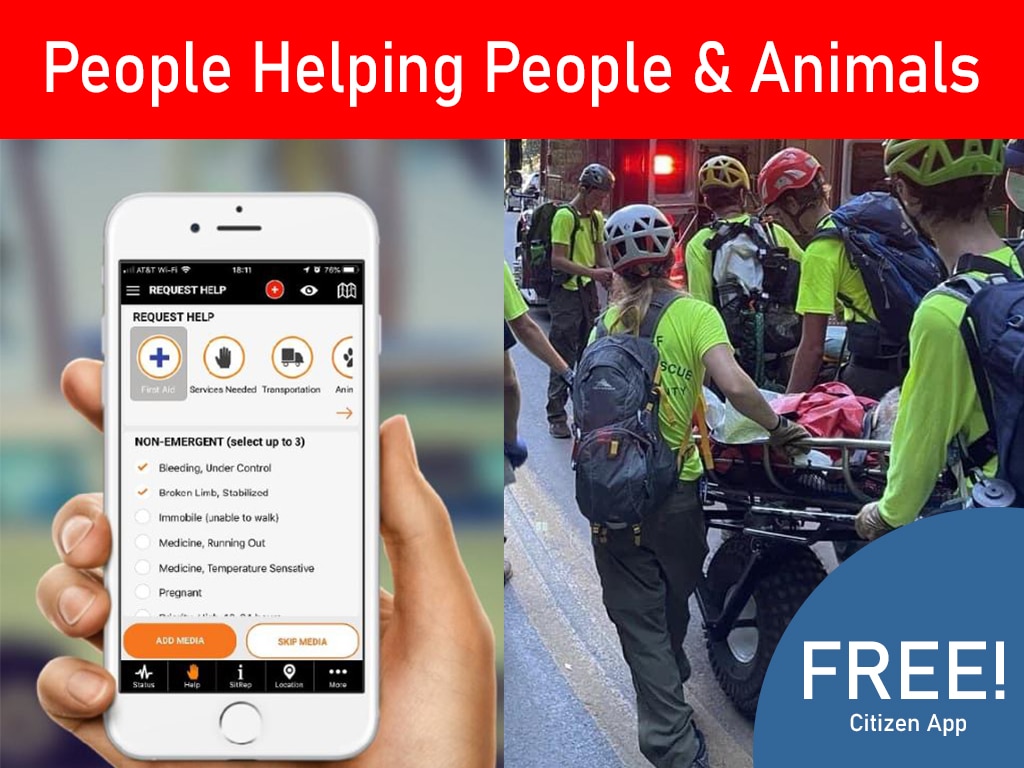
A mass text alert can start a response, but it cannot manage a disaster. Local teams often fail because they cannot track their field members during a crisis.
A CERT coordination platform is a digital tool that helps community teams manage volunteers and assets during a crisis. While alert systems only send out one-way texts, a true platform allows for two-way talk and live tracking of every team member. These systems serve as a central hub where leaders can see field reports, map hazards, and check member status from one screen. According to FEMA, there are now over 3,200 local programs with 600,000 trained volunteers who need these tools to work safely (CivicPlus). By using a single brain, teams avoid doing the same work twice and can find gaps in their coverage fast. This layer turns helpers into a structured force that saves lives.
What Are Emergency Alert Systems?
Emergency Alert Systems (EAS) are tools that send life-saving info to the public during a crisis. These systems use radio, TV, and cell phones to reach as many people as they can. Most alerts come from the Integrated Public Alert and Warning System (IPAWS) or Wireless Emergency Alerts (WEA). While these tools are great for warning citizens of a flood or storm, they mostly work one way. They tell people what is happening, but they do not help teams manage the work that follows.
How Broadcast Alerts Work
The main goal of a broadcast alert is to send a clear message to a large group at once. These systems use automated workflows to speed up the process. This helps leaders reach thousands of people in seconds. Many mass alert tools use cloud-based tech to stay steady at scale during big events. But for groups on the ground, a simple text message is just the start of the job. It does not provide the real-time data needed to lead a team.
The Scale of Volunteer Response
Today, the U.S. has a massive network of trained people ready to help during crises. There are now over 3,200 local CERT programs across the country. These groups have more than 600,000 trained volunteers in all 50 states. These people are trained to support public safety teams when local help is thin. Because there are so many volunteers, simple alerts are not enough to keep everyone on the same page. These teams need a way to track spots and share tasks in the field.
Why Alerts Are Not Coordination
One-way alerts lack the features needed for complex group work. A broadcast can tell a volunteer to report for duty, but it cannot track who is on the scene. It also cannot show where help is needed most. This is why teams move toward a CERT coordination platform to manage their work. Full platforms allow for two-way talk and task sharing. This helps groups avoid doing the same work twice and saves time.
Public health experts also see the value in unified tools. Many groups now use cloud-based systems to manage emergency response in real time across many states. These tools combine data sources so everyone sees the same facts. For a local team, this shared view is key to a safe and fast response. Without it, volunteers may miss key updates or work in silos. Moving from simple alerts to a full coordination layer helps teams work as one unit.
What Is a CERT Coordination Platform?
A CERT coordination platform is a web tool built to help teams manage their work during a crisis. These systems go far beyond simple apps that just send out news. They act as a central hub where leaders can track team members, view live maps, and manage tasks. A CERT coordination platform gives small and mid-sized teams the power to stay ready when things get chaotic.
It helps ensure that every volunteer knows their role and has the right data to stay safe while they help others. In the past, teams relied on radios and paper maps to stay in touch. Modern platforms solve these issues by giving every member access to the same live data through their phone or tablet. This means that everyone has the most fresh facts at all times.
Moving Beyond One-Way Alerts
Many groups rely on one-way alerts to send out warnings or updates. While these messages are good for reaching the public, they do not support a real response effort. A true platform supports two-way talk. This allows field teams to send status updates and damage reports back to the command post. Leaders then use this data to make smart choices.
The CDC notes that coordination platforms are vital because they allow for data sharing and teamwork during complex events. Without this two-way flow, groups often struggle to know what is really going on. Having a clear flow of facts helps teams work with more speed and less risk.
Core Tools for Team Response
Good platforms provide a set of tools to handle the hard parts of a disaster. This includes incident management and volunteer tracking. These systems let leaders see which members are on the clock and what skills they have. This helps in sending the right people to help with fixed needs. The software also handles resource use so that tools and gear go where they are needed most.
Using coordinated team platforms lets NGOs and local teams move away from slow paper logs. This shift to web tools saves time and reduces errors during high-stress moments. Teams can also use real-time mapping to show exactly where incidents are taking place. Volunteers can drop pins on a map to mark fire hazards, blocked roads, or people who need help.
The Value of a Unified Layer
A unified layer for response acts as a “central brain” for the entire team. It links different data sources into one clear view for everyone to see. This stops team members from doing the same tasks twice and helps them work as one unit. PubSafe offers these tools to help teams track field locations and report incidents as they find them.
For many groups, managing a large number of volunteers is a big challenge. PubSafe solves this by offering a portal where teams can manage their members and track hours. Using a common system ensures that no one is left in the dark. It builds trust and makes the entire response effort much more useful. This leads to a safer community for everyone involved.
Emergency Alert Systems vs. Coordination Platforms: Key Differences
Emergency alert systems like FEMA’s IPAWS are great for reaching many people fast. They tell the public about a threat but do not help teams work together. A full CERT coordination platform does more than just send a text. It helps a team manage every part of a disaster response from start to finish.
Why one-way alerts are not enough
Most alert tools use a one-way path. They send a blast message to phones or radios to warn people. This is helpful for the public but it leaves responders in the dark. These tools lack the features needed to manage a complex incident where many groups must talk to each other. Without a two-way link, leaders cannot see where their volunteers are or what they need. Tools like Wireless Emergency Alerts (WEA) are best for big warnings, but they do not help with the work that comes next.
Alerts only notify. They do not track who is on the scene or who is safe. In a real crisis, teams need to share facts fast to stay safe. A one-way system creates silos of data that can slow down a response. When seconds count, having a clear view of the whole team is vital. This is why many groups are moving away from simple texts toward more full tools.
Features of a CERT coordination platform
A special CERT coordination platform builds a bridge between the alert and the action. It lets leaders track volunteer skills, see real-time maps, and share data safely. While an alert says “help is needed,” this platform shows who is helping and where. Using coordinated team platforms keeps everyone on the same page. It stops teams from doing the same work twice and helps them solve problems faster.
These platforms also help with “blue sky” days. You can use them to track training and check gear before a storm hits. This keeps your team ready for any event. During a disaster, the same tool lets you log hours and track costs for later reports. This saves time and makes it easier to get help from the government later. Having one place for all your team’s needs makes the work much easier for everyone.
| Feature | Alert Systems | Coordination Platforms |
|---|---|---|
| Primary Goal | Notify the public | Manage the response |
| Message Flow | One-way broadcast | Two-way data exchange |
| Incident Mapping | Not included | Real-time field view |
| Team Tracking | None | Logs volunteer status |
| Data Access | Siloed messages | Unified information |
Picking the best tool for your mission
Choosing a tool depends on your team’s size and budget. Small groups often lack the funds for big, pricey systems. A good CERT coordination platform should be easy to use and grow as your team grows. It must also keep data safe during a crisis. Using coordination software platforms gives your team the power of a pro system at a much lower cost.
By using a unified system, teams can spend less time on manual tasks and more time on their core mission. It helps you focus on saving lives rather than cleaning up data. These tools are built to scale, so they work for a small town or a big city. Making the switch from simple alerts to a full platform is a big step for any team. It ensures you have the right tools to meet any test that comes your way.
Why CERTs Need Both Alerts and Coordination Tools
Community emergency response teams (CERTs) must handle high-stress events with speed and care. Many people think a simple alert system is enough to manage a crisis. But alerts and coordination tools serve very different goals in a disaster. To see the gap, think of a fire in a building. The fire alarm tells everyone that there is a danger. It is loud, fast, and reaches everyone at once. But the alarm does not put out the fire. The fire response requires a team that knows where to go, what tools to bring, and how to work together.
Alert systems as the warning signal
An alert system acts as your team’s fire alarm. Its main job is to send a mass message to all volunteers at the same time. These tools are great for speed. They use text, email, and voice calls to make sure people see the news. In a sudden event, getting a fast signal to 600,000 volunteers across more than 3,200 programs is vital for public safety. But once the signal goes out, the alert system has done its part. It is a one-way tool built for mass reach, not for the complex work that comes next.
The response engine for coordination
If the alert is the alarm, the coordination tool is the response engine. A coordination platform helps leaders manage the actual work of the team. While alerts tell people to show up, coordination tools tell them what to do. These platforms show which volunteers are on site and what skills they have. This is a key part of the resilient coordination layer that helps teams stay ready when local networks fail. Unlike simple alerts, these platforms allow for real-time data sharing and team tasks.
Unifying the team response
One-way tools often lack the features needed to manage a multi-step response. The Centers for Disease Control and Prevention notes that complex responses need close teamwork and shared data. Without a unified system, teams often waste time on manual tasks or extra work. A CERT coordination platform replaces siloed data with one view of the scene. This helps leaders make better choices and keeps every volunteer on the same page.
A strong team needs both a signal and a plan. Using only an alert system leaves a gap in how you manage your people. Using only a coordination tool could mean your team starts too slowly. When you use both, you create a full system for disaster response integrated with your emergency management platform. The alert brings your team together, and the coordination tool keeps them moving safely. This dual approach helps teams limit errors and save lives. By using coordinated team platforms, CERT leaders can turn a group of volunteers into a single response force.
The Hidden Cost of Relying on Alerts Alone
Alerts tell your team that a crisis has started. They are a great first step, but they are often a one-way street. A simple text or email does not tell you where your volunteers are or what they are doing. This creates a big gap between knowing about an event and acting on it. Without a CERT coordination platform, your group may waste time and miss key tasks.
The Risk of Siloed Systems
Many teams operate outside of a formal command structure. This can lead to a messy response where groups share facts in pieces. Research shows that this lack of a unified plan causes teams to do the same work twice. Shared tools help to replace siloed systems with a unified platform for shared data. This approach saves time and keeps your team from doing the same tasks twice by using a centralized government communication system.
When data is siloed, it is hard to make good choices. One group may clear a road while another group tries to send a truck down that same path. Without a way to share facts in real time, these groups stay in the dark. A central hub for your team ensures that everyone has the same facts at the same time. This turns a group of people into a single, strong unit.
Gaps in Field Sight and Safety
When you only use alerts, you cannot track your volunteers in the field. You do not know who is safe or who needs help. A full CERT coordination platform lets you assign tasks and see progress in real time. This builds a common operating picture that simple alerts just cannot provide.
Tracking your people is a key part of team safety. If a storm shifts or a fire grows, you need to know where every member is right now. Alerts cannot tell you if a volunteer is in a danger zone. A coordination tool also helps you track volunteer hours and skills. This data is vital for getting funds and for keeping your team ready for the next big call.
Teams that rely only on alerts often face these issues:
- No way to track volunteer hours or where they are.
- It is hard to give out roles or tasks.
- Data that clashes from many sources.
- No central place to store a record of the event.
- Broken sharing of data with partners.
One-way systems lack the tools needed to manage a complex response. To save lives, you need to be able to talk back and forth. You need to know that your message was heard and that the task is being done. Moving past simple alerts is the only way to build a truly ready team.
How PubSafe Bridges the Gap Between Alerts and Action
Emergency alerts tell you something is happening. They do not help you manage what happens next. Once an alert goes out, teams must act. They need to know who is on site and where help is needed most. This is why a unified system matters.
Moving from alerts to organized response
One-way alerts do not show damage on a map or let volunteers report back to leaders. This creates a gap. Teams get the alert but feel lost about what to do next. PubSafe fills this gap as a coordination platform where groups share data in real time. Leaders see live reports and track incidents as they happen. With a central hub, teams avoid doing the same task twice. PubSafe gathers field facts on one screen so you always know where your people are and what they are doing.
The value of a CERT coordination platform
CERT volunteers train to help their neighbors. During a major event, these groups must stay organized. A CERT coordination platform gives teams the tools to stay ready and work as one unit. It includes real-time mapping and team tracking. You can report a downed power line or blocked road, and every member sees it. The software also tracks volunteer hours for grant reporting later.
A unified system means volunteers do not need five apps to stay in touch. Everything lives in one spot. New members jump in and help right away. When everyone uses the same tool, the team works better.
Budget-friendly tools for local groups
Many local teams have 50 to 500 members and cannot afford $10,000+ enterprise tools. PubSafe offers a team portal for just $99 per year. Leaders can set up tasks, check on members with one click, and manage everything from a phone or computer. See all features at how it works. When the system is simple, your team focuses on helping the community instead of paperwork.
How to Choose the Right Communication Stack for Your CERT Team
Choosing tools for your team is a big job. A good stack helps you share facts and act together during a crisis. To build the best system, start with your team size and current tools.
Define your team needs
Start with your group size. Most teams have 50 to 500 people. Know their skills and locations to find gaps. Most alerts only send news one way — good to start a response but not enough to lead one. A CERT coordination platform fills these gaps. Per the CDC, unified platforms save time by stopping duplicate work.
Research and link your tools
Once you know your needs, look for a system that fits your budget. Platforms should track locations, show task status, and work with your existing alerts. Look for tools that give enterprise power at a reasonable price. The best stack joins alerts and team work into one path. This helps you move fast and stops people from working in silos.
Set up and test the stack
Training is as important as the software. Make sure everyone knows how to report status and find tasks. Run drills to find weak spots. Regular tests help you fix workflows before a real crisis hits. A strong system keeps growing and getting better over time.
- Assess your team size and needs. Look at how many people you have and what tools they need to stay safe and work well.
- Evaluate alert system coverage. Check if your current system only sends alerts or if it also helps you lead a response.
- Identify team work gaps. Find the places where facts get lost or where people do the same work twice.
- Research platform options. Look for a CERT coordination platform that fits your budget and has the features you need.
- Link alerts and team work. Connect your tools so that every alert leads right into a clear plan for action.
- Train your team on both systems. Make sure every person knows how to use the alerts and the team tools.
- Test and refine often. Run drills to find problems and fix them before a real crisis happens.
Frequently Asked Questions
How does a CERT coordination platform differ from public alert apps?
Public alert apps mostly send one-way data to many people at once. A CERT coordination platform goes much further by helping people talk and share facts. It helps teams work together in real time and handle field tasks. While alerts tell people about a threat, a platform helps groups plan their work. This single layer stops data from being hidden and helps members help their neighbors much faster during a major crisis.
What tools are needed to manage CERT volunteers effectively?
Managing volunteers needs tools for tracking skills, field spots, and event status. According to CivicPlus, there are over 600,000 trained CERT volunteers in the U.S. who need clear help. Teams need a central hub to give out tasks and watch progress. Modern software swaps old paper lists for cloud dashboards. These systems make sure that every helper knows their role and has the right data to keep their community safe.
Why is a coordination platform essential for emergency management?
Shared data systems are vital because they combine many sets of facts in real time. This lets leaders make better choices across city lines. The CDC says that unified platforms save time by letting groups share tools instead of building their own. Without a central hub, data is often hard to find or share. A shared tool makes it easier for partners to work together during an outbreak or a storm.
How does CERT software integrate with local emergency warning infrastructure?
Most field software uses smart paths and easy links to speed up response times. These systems can join with existing alert tools to make sure messages stay the same. According to Everbridge, mass alert systems should support secure work and include safety controls. By linking with local sirens or apps, a team can get the first warning. Then, they use their own tool to handle the hard work on the ground.
Ready to improve your CERT team coordination and keep your community safe?
Waiting until a crisis strikes to fix your tools is a big risk that leads to bad delays and keeps your team in the dark. Without a strong setup, you may lose the chance to share facts or save lives when cell networks fail or alert systems do not work. By setting up a platform today, you ensure your team stays ready and you can learn more on our operational readiness platform page. Starting now gives you the time to train and get set before the next major crisis hits your town and puts people in danger.
Ready to help your neighbors? Contact PubSafe today to schedule a demo of PubSafe for your CERT team so you can start protecting your local community and saving lives right away.