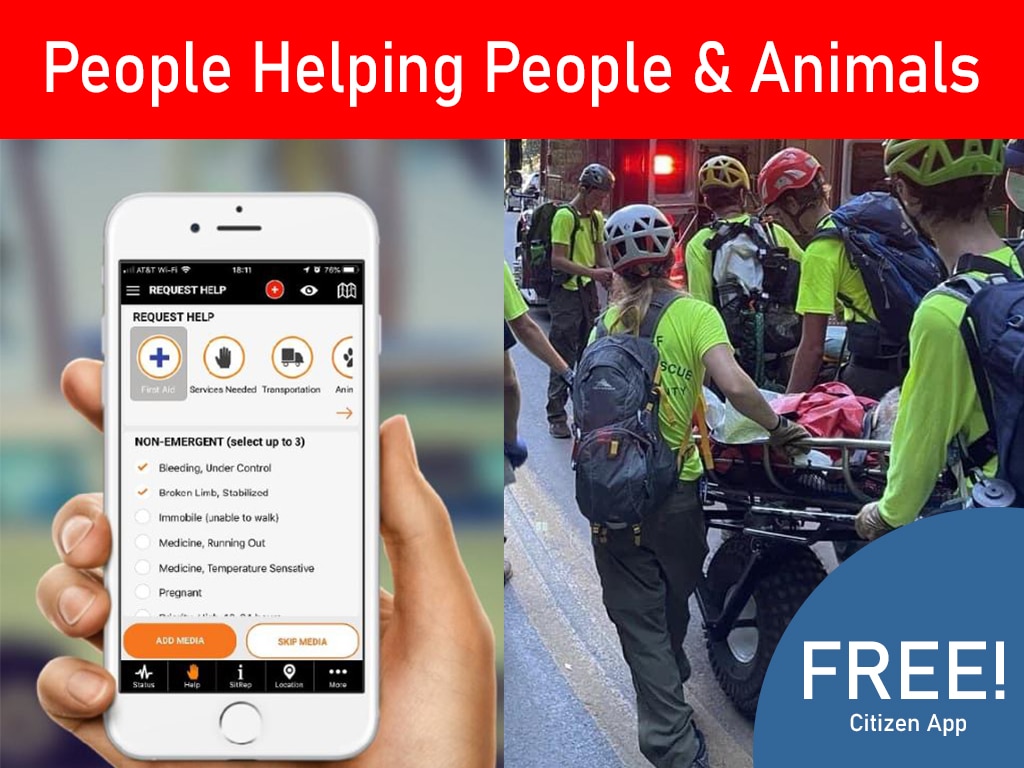
Community disaster response teams can lose valuable time when volunteer rosters live in spreadsheets. Requests arrive through scattered group texts, and coordinators cannot see who is available, trained, or closest to an incident. A stronger system brings people, tasks, locations, and updates into one operational view without forcing a volunteer CERT to operate like a large government emergency operations center.
Ready to replace fragmented coordination with a clearer response workflow? See how PubSafe supports CERT coordination.
The right platform starts with the realities of community response: limited staff, changing volunteer availability, and the need to coordinate reliably under pressure. That makes dedicated software an operational foundation, not another channel for broadcasting alerts.
Why Community Disaster Response Teams Need Dedicated Software
The best software for community disaster response organizations connects volunteer management, incident coordination, mapping, and resilient communications in one practical hub. PubSafe helps community teams turn incoming requests into coordinated action, even when normal communication channels are disrupted.
Volunteer community disaster response teams rarely begin with a complex technology stack. A spreadsheet tracks members, a group text shares updates, and email handles follow-up. That approach can work for a small exercise, but it becomes fragile when several neighborhoods, agencies, nonprofits, faith-based teams, and residents need to coordinate at once. Disaster response is a team sport, and the work depends on collaboration across organizations rather than isolated actions.
A dedicated coordination platform gives everyone a shared operating picture before confusion slows the response.
Spreadsheets are useful for basic lists, but they do not show who is available. Which request has been assigned, what resources are moving, or what changed five minutes ago. Group texts create a different problem: important information is scattered across threads, replies are missed, and the person coordinating the response has to reconstruct the situation manually. As the number of volunteers and incidents grows, these tools become a source of delay instead of a support system.
Software built for Community Emergency Response Teams (CERTs), local NGOs, and similar organizations brings those tasks into one place. Instead of forcing coordinators to switch between disconnected channels, a unified platform can provide a real-time source of truth for member information, requests, assignments, updates, and reports. That does not replace radio, mesh, satellite, or other communication methods. It gives the team a resilient coordination layer that helps connect those channels and keep work organized when conditions are changing.
The difference is especially important for teams that rely on volunteers. People may join at different times, have different training, and operate from different locations. A shared system makes responsibilities visible and helps leaders coordinate action without depending on one person’s phone, memory, or private spreadsheet. It also creates a record that can support handoffs and after-action review.
Choosing emergency preparedness software for CERT programs is therefore less about adding another alerting app and more about building dependable team operations. The right system reduces fragmentation so volunteers can spend more time responding and less time searching for information.
What Makes the Best Software for Community Disaster Response Organizations?
The right platform should help a community team move from scattered updates to coordinated action. Look for software that connects people, assignments, information, and resources in one operational view, while remaining usable by trained volunteers and partner organizations.
Member and Volunteer Management
Start with the people who make response possible. The system should maintain current member profiles, roles, skills, availability, credentials, and contact details. It should also support targeted communication and task assignment, so coordinators can match a qualified volunteer to a request instead of broadcasting the same message to everyone.
For a Community Emergency Response Team, this turns the platform into a practical digital playbook. PubSafe describes CERT software as a way to centralize communication, volunteer management, and resource deployment in one place. The key test is whether the system helps leaders understand who is ready, who is available, and what each person has been assigned to do.
Incident Coordination
Evaluate whether the software supports the full incident lifecycle, not just alerts. Useful capabilities include logging incidents, documenting requests, assigning owners, tracking status, recording actions, and preserving an after-action history. Strong platforms support mitigation, preparedness, response, and recovery as connected phases rather than separate activities. That lifecycle model is used in emergency management software such as Noggin Emergency (source).
Interoperability matters as well. NIMS and ICS terminology, roles, workflows, and reporting structures can make coordination easier when volunteers work alongside public safety agencies or NGOs. Look for configurable workflows that respect those standards without forcing a small community organization into an unnecessarily complex enterprise process.
Mapping and Situational Awareness
GIS mapping should help coordinators see where incidents, requests, volunteers, shelters, hazards, and resources are located. The goal is not a decorative map. It is a shared operational picture that supports prioritization and safer deployment. Ask whether users can update locations in the field, filter map layers, and connect a map item to the underlying incident or assignment.
Finally, assess resilience. A response platform should have a clear plan for low-bandwidth or disrupted connectivity, including how teams coordinate when cellular service is unreliable. Ideally, it complements radio, mesh, and satellite tools rather than assuming one channel will always work.
How the Leading Disaster Response Platforms Compare
For a Community Emergency Response Team (CERT) or volunteer NGO, the right platform is not necessarily the one with the longest feature list. It is the one your team can afford, learn, and use during a fast-moving incident.
| Platform | Best for | Key strength |
|---|---|---|
| Esri Disaster Response Program | Teams that need advanced GIS support | Mapping and GIS assistance backed by more than 25 years of disaster-response support |
| D4H | Large, established emergency organizations | Incident management used by more than 100,000 responders across hundreds of organizations daily |
| Noggin | All-hazards emergency management programs | Incident lifecycle management with NIMS/ICS, AIIMS, and GIS support |
| FEMA Resource Inventory System (RIS) | Organizations that need a centralized resource inventory | Free, secure, cloud-hosted resource tracking with a basic NIMS resource-typing calculator, but no relationships between organizations |
| PubSafe | Community teams, volunteer CERT programs, and grassroots groups | Affordable coordination for members, incidents, tasks, and resources |
Enterprise platforms can be excellent choices for agencies with dedicated budgets, GIS specialists, formal command structures, and complex procurement requirements. Those capabilities can also make the total cost and implementation burden difficult for a neighborhood team, faith-based NGO, or volunteer-led Community Emergency Response Team. A platform designed around enterprise operations may be more than a small group needs.
PubSafe is built for the gap between public alerts and real-world volunteer action. It gives community teams a shared place to manage members, coordinate assignments, and maintain operational information without forcing them into an enterprise-scale system. That makes it a practical option when the priority is consistent adoption across volunteers, not buying every available feature. See this community preparedness software guide for a closer look at the coordination model.
The best platform is the one that matches your team’s scale, operating model, and budget. Compare administrative complexity alongside features, especially if volunteers will use the system during stressful, low-frequency events.
How to Get Your Team Actually Using the Software
Adoption is not a software problem alone. Volunteer teams use a system consistently when it helps them complete familiar work, fits their training rhythm, and gives coordinators a clear way to improve operations.
Make the platform part of the team’s routine
- Start with hands-on training around real tasks. Skip a feature-by-feature tour. Have volunteers check in, review an assignment, report a status, and record a resource or request inside the platform. Use scenarios that match your Community Emergency Response Team’s actual responsibilities, so each person leaves knowing what to do when an incident begins.
- Use the software during regular drills. A drill should exercise more than response skills. Use it to test the full information flow: who receives an assignment, who acknowledges it, where updates are recorded, and how coordinators see the current situation. FEMA describes the CERT goal as educating volunteers about local hazards and training them in basic response skills. A digital workflow should reinforce that training, not sit apart from it. Hands-on training, drills, and feedback turn the platform into part of readiness.
- Build a volunteer feedback loop. After every exercise, ask what was clear, what slowed people down, and what information they could not find. Keep the review short, assign an owner to each improvement, and make the next drill a chance to test the change. True readiness grows through repeated practice and feedback, not a one-time rollout.
- Connect usage to credentialing and funding. Treat completed training, roles, and drill participation as part of volunteer development. A clear record can support conversations about readiness and program capacity, while the volunteer credentialing guide can help structure that process. When you are preparing a budget or grant narrative, use the CERT program funding guide to connect software adoption with measurable training and coordination needs.
Offline Resilience: Coordinating When Cellular Networks Fail
Disasters can disrupt cellular service just when a community response team needs to exchange assignments, location updates, and requests for help. That makes connectivity resilience an operational requirement, not a technical bonus. A response team needs a way to keep people aligned across whatever channels remain available.
One coordination layer across multiple channels
Radio, mesh networks, satellite devices, and other offline communication tools each have a role during an outage. The challenge is preventing those channels from becoming isolated pockets of information. The best approach is to connect those tools through a resilient coordination layer that gives the team one operational view.
PubSafe is positioned to unify mesh, radio, satellite, and other offline channels with the broader work of managing members, incidents, assignments, and resources. That does not mean replacing the communication equipment volunteers already trust. It means giving coordinators a central place to organize what comes in from those channels and share the next action with the right people.
For example, a volunteer may report a blocked road over radio while another team sends a request through a satellite device. Coordinators can use the shared operating picture to connect those updates to an incident, assign a nearby team, and track whether the request has been addressed. Bidirectional coordination matters because teams need to receive field information, respond with direction, and confirm outcomes.
A unified platform also reduces the risk of relying on scattered texts, spreadsheets, and verbal handoffs. Preparedness software can bring agencies, NGOs, Community Emergency Response Teams, and citizen volunteers into one source of real-time information. For flood operations in particular, teams can also review these flood response coordination tools when planning communication paths and assignments.
Offline capability should be tested before an emergency. Include radio checks, satellite failover, mesh-network exercises, and handoff procedures in regular drills. The goal is not simply to stay connected. It is to keep decisions, responsibilities, and status visible when normal infrastructure is unavailable.
Frequently Asked Questions
What is disaster response software?
Disaster response software gives a response organization one place to coordinate incidents, people, resources, communications, and status updates. Instead of relying on disconnected spreadsheets, group texts, and email threads, teams can organize requests, assign work, track progress, and maintain a shared operational picture during changing conditions.
What are the essential features of community disaster response software?
Look for volunteer and member management, incident and task coordination, resource tracking, GIS mapping, reporting, and communication workflows. For community teams, offline resilience also matters. The platform should support operations when internet access is limited and connect with the radio, mesh, satellite, or other tools the team already uses.
How does disaster response software improve coordination for Community Emergency Response Teams?
It helps coordinators match requests with qualified volunteers, share assignments, track assets, and document what has happened. That creates bidirectional coordination: volunteers can report conditions and needs back to coordinators, while leaders can send timely instructions and updates to the people handling the work.
Why is real-time situational awareness important during a disaster?
Conditions can change quickly, so leaders need current information about incidents, requests, available people, and active assignments. A shared operational view helps coordinators identify priorities, avoid duplicate effort, and direct limited resources where they are most useful.
How do GIS mapping tools enhance emergency response efforts?
GIS mapping adds geographic context to incident and resource information. Teams can visualize where requests, hazards, volunteers, and assets are located, then use that context to plan coverage and monitor incident progress. Mapping is most useful when it is connected to team workflows rather than treated as a separate display.
Ready to coordinate your community response more effectively?
A walkthrough can help your team see how PubSafe supports clearer coordination across members, incidents, and field activity. Request a walkthrough of the PubSafe coordination platform by reaching out through the PubSafe contact page. We can discuss your organization’s current response workflow and where a more connected approach may fit.