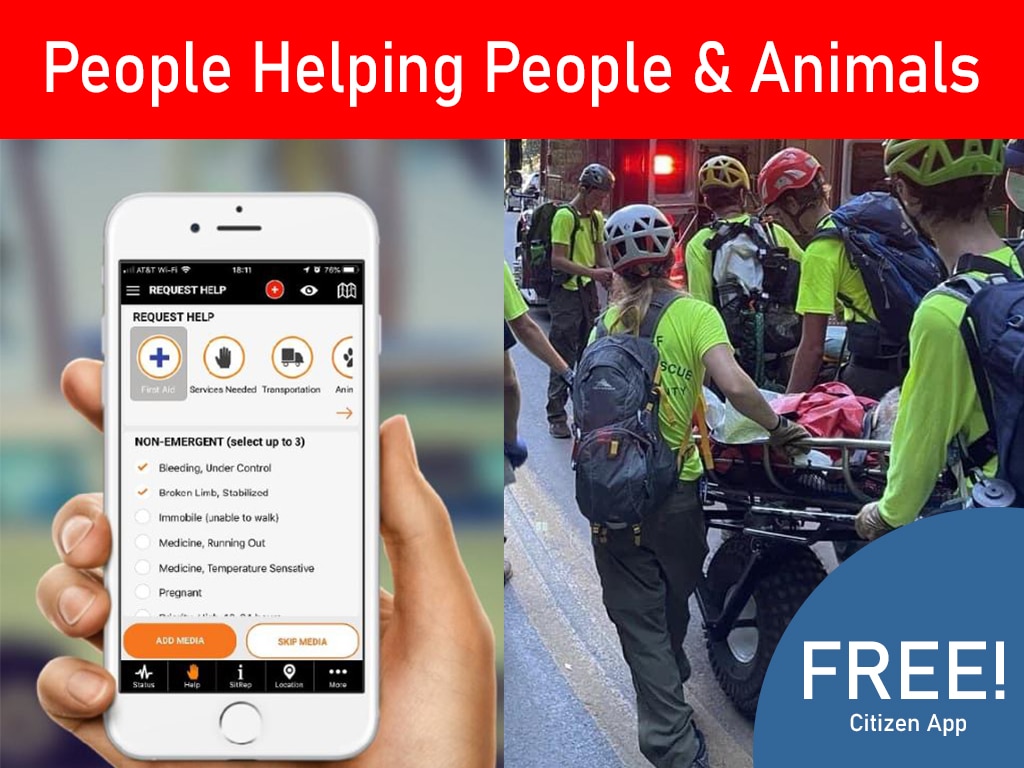
When a disaster strikes, your CERT team is the first line of defense. But managing the response with paper maps, group texts, and radio chatter can feel like trying to direct an orchestra in a hurricane. Information gets lost, volunteers are hard to track, and precious time is wasted trying to piece together a clear picture of the situation. This is where dedicated CERT command and coordination software for disaster response changes the game. It replaces the chaos with a clear, shared view of the entire incident, allowing your team to act faster and more effectively when every second counts. This guide will walk you through the essential features to look for and how the right platform can transform your team’s ability to protect your community.
Key Takeaways
- Replace chaos with clarity: Ditch the confusing phone trees and paper maps. A dedicated software platform acts as a single source of truth, giving every team member a real-time view of the incident so you can make faster, more coordinated decisions.
- Prioritize mission-critical tools: Your software should directly support your team’s core functions. Look for essential features like real-time mapping for situational awareness, simple incident reporting from the field, and straightforward volunteer management.
- Train with your tech before a crisis: The best way to ensure your team is ready is to practice. Integrate your software into regular training drills to build the confidence and muscle memory needed to use the tools effectively when it matters most.
What is a CERT Team?
CERT stands for Community Emergency Response Team. It’s a program that trains volunteers from the community in essential disaster response skills. Think of it as a way for neighbors to help neighbors in an organized and safe manner when an emergency strikes. These teams are a crucial part of a community’s resilience, preparing ordinary citizens to take action when professional responders are delayed or overwhelmed.
The core idea behind the Community Emergency Response Team (CERT) program is to build a bridge between a disaster event and the arrival of professional help. Volunteers learn about disaster preparedness for various hazards and receive hands-on training in skills like fire safety, light search and rescue, and disaster medical operations. By empowering individuals with this knowledge, CERTs create a more prepared and self-sufficient community, ready to face challenges together. This organized volunteer effort is exactly what platforms like PubSafe are designed to support, connecting trained citizens with the broader emergency response network.
What CERT volunteers do during a disaster
When a disaster hits, CERT volunteers are trained to spring into action. They often “self-activate” in their own neighborhoods, becoming the first line of support before professional help arrives. Their tasks are incredibly practical and focus on immediate needs. This can include assessing damage to homes, putting out small fires with an extinguisher, turning off gas lines to prevent further danger, and performing light search and rescue operations.
They also provide crucial medical assistance, like basic first aid and triage, which involves sorting the injured based on the urgency of their needs. By handling these essential but less complex jobs, CERT volunteers make a huge impact. Their work allows professional firefighters and paramedics to focus their efforts on the most severe and life-threatening situations, making the entire response more effective. This is where effective volunteer coordination becomes critical.
How CERT teams work with first responders
CERT teams are designed to be a force multiplier for professional first responders, not a replacement. Their role is to support and extend the capabilities of firefighters, police, and emergency medical services during a large-scale incident. By taking on tasks that match their training, CERT volunteers free up professionals to tackle the most technically demanding and dangerous aspects of the response.
Imagine a major flood or earthquake. While professional rescue teams focus on collapsed structures or swift water rescues, CERT members can manage a shelter, conduct wellness checks on residents, or direct traffic away from hazardous areas. This partnership ensures that resources are used efficiently and that the community receives help on multiple fronts simultaneously. Platforms that allow for shared situational awareness are key to making this collaboration seamless, ensuring everyone from a CERT volunteer to an incident commander is working with the same information. This is a core function of the PubSafe disaster response platform.
The limits of traditional coordination
In the critical moments after a disaster, the first people to offer help are almost always those who are already there: neighbors, bystanders, and the victims themselves. Statistics show this is true for about 95% of all emergencies. The reality is that after a major event, it can take 72 hours or even longer for professional emergency services to reach every affected area. This gap is where traditional coordination methods can fall short.
During this crucial window, communities are largely on their own. This is precisely why CERTs exist, to provide organized, life-sustaining support until professional help is available. They fill the void by providing immediate assistance and relaying critical information about conditions on the ground. Using a tool like a public map can help bridge this gap, giving both citizens and responding agencies a real-time view of reported incidents, needs, and available resources, turning chaos into coordinated action.
Must-Have Features for CERT Software
When you’re choosing software for your CERT team, you need more than just a digital phone tree. The right platform should act as your command center, giving you the tools to manage an incident from start to finish. The goal is to find a system with a core set of features that supports every aspect of your team’s operations, from tracking volunteers in the field to sharing critical updates with public safety partners. These features aren’t just nice to have; they are essential for a safe, efficient, and effective response. Think of it as the digital foundation that allows your team to perform at its best when your community needs you most. A well-equipped platform ensures that every action is coordinated, every resource is accounted for, and every team member is on the same page.
Real-time mapping and situational awareness
During an emergency, having a clear and shared view of the situation is critical. Real-time mapping gives your team powerful situational awareness by plotting incidents, resources, and volunteer locations on a single map. This common operational picture helps everyone, from command staff to field teams, understand the crisis as it develops. You can instantly see where help is needed most, identify safe routes, and track the progress of your response teams. A public map allows you to visualize the entire event, making it easier to make smart, coordinated decisions when every second counts.
Incident and damage tracking
A key role for CERTs is to be the eyes and ears of first responders. Effective software allows volunteers to easily report what they see, including downed power lines, flooded roads, or damaged buildings. Centralizing this information creates an organized log of all incidents, which helps command staff prioritize tasks and allocate resources effectively. This digital record is also invaluable for post-incident analysis and reporting to partner agencies. The ability for any team member to begin reporting an incident from their phone streamlines the entire process, ensuring no detail is lost and help is dispatched efficiently.
Volunteer management and tracking
Your volunteers are your greatest asset, and keeping them organized and safe is your top priority. Modern CERT software simplifies the complexities of volunteer management. It allows you to register volunteers, track their certifications and skills, and assign them to appropriate tasks. During an incident, you can see who is checked in, where they are deployed, and monitor their status. This ensures accountability and helps you make sure every volunteer is safe and accounted for. Good volunteer coordination tools are the backbone of a well-run CERT operation, allowing you to effectively manage your team.
Resource management and deployment
Beyond people, you also need to manage physical resources like first aid supplies, equipment, and vehicles. CERT software should provide a clear inventory of what you have and where it is. As the situation evolves, you can track the deployment of these assets in real-time, ensuring they get to the right place at the right time. This prevents critical supplies from being misplaced or underutilized. A comprehensive disaster response platform that includes resource management helps you maintain control over your logistics, which is crucial for sustaining a prolonged response effort.
Alerts and notifications
Clear and rapid communication can save lives. Your software must have a robust system for sending alerts and notifications to your team. Instead of relying on messy group texts or phone calls, you can send targeted messages to specific teams or broadcast an alert to all volunteers at once. These notifications can be delivered through app push notifications, text messages, or email, ensuring the message gets through. This feature is essential for sharing urgent information, issuing new assignments, or sending out a call for more volunteers, keeping your entire team synchronized and informed.
Integration with other emergency systems
CERT teams are one piece of a much larger emergency response puzzle. The best software helps you connect with the other pieces. It should facilitate seamless communication and data sharing between your team, citizens, NGOs, and official public safety agencies. This integration breaks down information silos and creates a unified response effort. When everyone is working from the same playbook, you reduce confusion and improve overall effectiveness. Understanding how PubSafe works shows the power of a platform designed to connect every stakeholder in a community’s safety net.
How Software Improves CERT Communication
When an emergency strikes, clear and fast communication is everything. Traditional methods like phone trees, radio chains, and runners can quickly become overwhelmed, leading to confusion and delays. This is where dedicated software comes in, transforming how CERT teams operate. By using a single platform, teams can move from a state of organized chaos to one of coordinated, effective response. It’s about getting the right information to the right people at the right time, so you can make better decisions and ultimately provide more effective help to your community.
Software acts as a digital command center, giving everyone from team leaders to volunteers in the field a shared, real-time view of the situation. This eliminates the guesswork and information silos that can hinder a response. Instead of juggling multiple communication channels, everything is unified in one place. This shift allows your team to focus less on managing information and more on the mission at hand: helping people.
Centralize information for faster decisions
During a disaster, information flies in from every direction: citizen reports, team member updates, and requests from first responders. Trying to manage this through texts, emails, and spreadsheets is a recipe for missed details and slow decisions. Software solves this by creating a single source of truth. It gathers all incoming data, like incident reports and damage assessments, and organizes it into an easy-to-understand format.
A platform like PubSafe brings everything together on a public map, giving command staff a clear, visual overview of the entire operational area. Instead of spending precious time piecing together scattered reports, leaders can see what’s happening at a glance. This allows them to identify critical needs, spot emerging patterns, and deploy resources with confidence. When all the information is in one place, your team can make faster, smarter decisions that save time and protect lives.
Streamline coordination between teams
CERT teams rarely work in a vacuum. You’re often coordinating with professional first responders, other volunteer groups, and NGOs. Without a shared communication system, this can lead to duplicated efforts or, worse, critical gaps in the response. Software breaks down these barriers by creating a common operational picture that all participating groups can access.
This shared space allows different teams to see each other’s locations, share updates in real time, and communicate needs without clogging up radio channels. For example, one team can mark a road as blocked, and every other user on the platform will see it instantly. This level of volunteer coordination ensures that everyone is working from the same playbook. It fosters true collaboration, making the entire response effort more efficient and cohesive.
Scale your response for any incident size
Emergencies are unpredictable. One day you might be responding to a single-family house fire, and the next you could be dealing with a city-wide flood. Your communication tools need to be flexible enough to handle any scenario. Software provides the scalability that traditional methods lack. It can effectively manage a small team of five volunteers for a local event just as easily as it can support hundreds of responders spread across a large region.
A robust platform is designed to handle a massive influx of data and users without slowing down. As an incident grows, you can easily add more volunteers, create new teams, and expand your operational area on the map. This flexibility means you can build a response that matches the size and complexity of the incident. You’re not limited by the technology; you’re empowered by it to scale your efforts as needed.
Analyze performance to improve future response
Once the immediate danger has passed, the work of a CERT team isn’t over. A crucial part of emergency management is learning from every incident to improve future performance. Software makes this process much easier by automatically creating a digital record of the entire response. Every message sent, every location tracked, and every task completed is logged and time-stamped.
This data provides an objective and detailed account of what happened, which is invaluable for conducting after-action reviews. You can easily see your team’s response times, identify communication bottlenecks, and evaluate the effectiveness of your strategies. This analysis helps you refine your emergency plans, update your training protocols, and ensure your team is even more prepared for the next event. It turns every response into a powerful learning opportunity.
Why Use Software Over Traditional Methods?
If your CERT team still relies on paper maps, phone trees, and whiteboards, you know how chaotic things can get during an incident. Information gets lost, communication breaks down, and response times suffer. While these methods have been the standard for years, modern software offers a much more effective way to manage emergencies. By moving your command and coordination to a dedicated platform, you can transform your team’s ability to respond quickly and efficiently when your community needs you most. It’s about working smarter, not just harder, during a crisis.
Gain better situational awareness
During an emergency, knowing what is happening, where it’s happening, and who is involved is critical. Traditional methods often leave you piecing together a puzzle from radio chatter and outdated maps. CERT software changes this by providing a live, comprehensive view of the entire situation. Instead of a static paper map, you get a dynamic display showing incident reports, volunteer locations, and resource statuses in real time. This allows your command staff to visualize events as they unfold and make faster, more informed decisions. It’s the difference between guessing where your help is needed most and knowing for sure.
Manage volunteers and resources more efficiently
Coordinating people and equipment is one of the biggest logistical challenges in any disaster response. Who is available? What are their skills? Where is the staging area? Keeping track of this on a spreadsheet or clipboard is a recipe for confusion. A proper software platform gives you a complete system for team management. You can instantly see which volunteers have checked in, what qualifications they have, and where they’ve been assigned. This same system can track your vital equipment, from first aid kits to communication gear, ensuring your resources are deployed effectively instead of being misplaced or underutilized during a critical moment.
Close communication gaps
When information is scattered across text messages, emails, and radio calls, it’s easy for wires to get crossed. A key person might miss a critical update, leading to delays or mistakes in the field. Software solves this by creating a single, centralized hub for all communication. Everyone, from the incident commander to the newest volunteer, is working from the same playbook. This unified approach ensures that all team members have access to the same information, which drastically reduces confusion and improves response times. When you centralize your operations, you create a clear channel for communication that keeps your entire team in sync.
Train and prepare for real events
The best time to figure out your emergency plan is before a disaster strikes. Software is an invaluable tool for training and preparedness drills. Instead of just talking through a scenario, your team can run realistic simulations using the same platform they would in a real event. This helps everyone practice their roles, test communication workflows, and identify weaknesses in your plan. This hands-on preparation aligns with the core CERT training philosophy of being ready to do the most good for the most people. By integrating a tool into your drills, you build the muscle memory your team needs to perform confidently when it counts.
What to Look for in CERT Software
Choosing the right software for your CERT team is a big decision. The tool you select will become the backbone of your operations during an emergency, so it needs to be reliable, functional, and easy for everyone to use. While many platforms offer a range of features, the best ones focus on clear communication and simple, effective coordination. When you’re evaluating your options, think about the entire lifecycle of an incident, from the first report to the final assessment.
The goal is to find a platform that simplifies the chaos, not one that adds another layer of complexity. Look for software that feels intuitive and directly supports your team’s core functions: assessing damage, managing volunteers, and sharing critical information with first responders and the community. The right tool will empower your team to act quickly and decisively when it matters most. It should feel less like a piece of technology and more like a dependable partner in your mission to keep your community safe.
Connects citizens, NGOs, and public safety
A disaster response involves many moving parts. Citizens report issues, CERT teams assess damage, and public safety agencies direct the official response. The most effective software acts as a central hub, bringing all these groups together. When everyone is working from the same information, you eliminate dangerous communication gaps and delays. A unified platform ensures that a damage report from a citizen is instantly visible to a CERT volunteer in the field, whose assessment can then be seen by emergency managers. This shared awareness allows for a faster, more coordinated effort from every level of the response.
Mobile access for volunteers in the field
Your volunteers are your eyes and ears on the ground, and they won’t be sitting behind a desk. Any software you choose must have a robust and user-friendly mobile app. Volunteers need to be able to receive assignments, report observations, upload photos of damage, and communicate their status directly from their smartphones. This real-time flow of information from the field to the command post is what allows you to build an accurate picture of the situation as it unfolds. Without solid mobile access, your team will be slowed down by radio check-ins and manual data entry, losing precious time in a crisis.
Easy to use for everyone
In an emergency, no one has time to struggle with complicated software. The platform you choose should be intuitive enough for any volunteer to pick up and use with minimal training. Look for a clean interface, clear instructions, and straightforward processes for common tasks like reporting an incident. Remember, your team is made up of people with diverse backgrounds and technical skills. A system that is easy for everyone to use ensures that technology helps your mission instead of hindering it. The focus should always be on the task at hand, not on figuring out how to use the tool.
Scales to your team’s size and budget
Your CERT team’s needs can change from one incident to the next. You might need to manage a small team for a localized event one day and coordinate hundreds of volunteers across a wide area the next. Your software should be flexible enough to scale with the situation. It should also fit your budget. Many CERTs operate with limited funding, so look for platforms that offer affordable or free options for community organizations. The ability to register your organization and add members easily allows you to adapt the tool to your team’s specific size and structure without breaking the bank.
Get Your CERT Team Started with PubSafe
Ready to see how software can transform your CERT team’s coordination? Getting started with PubSafe is a straightforward process designed to get your team up and running quickly. You can think of it in three main phases: setting up your team, using the platform for daily operations and emergency events, and weaving the software into your team’s overall preparedness strategy. This approach ensures everyone is comfortable with the tools before a crisis hits, making your response more effective when it counts.
The platform is built to support your team from the initial registration all the way through to post-incident analysis. By following these steps, you can build a more connected, aware, and resilient CERT team. Let’s walk through how your team can begin using the PubSafe platform to its full potential.
Register your organization and onboard volunteers
The first step is to create a digital home for your team. PubSafe makes it easy to register your organization and create a profile for your CERT group. From there, you can begin onboarding your volunteers. This isn’t just about adding names to a list; it’s a crucial process that ensures every team member is familiar with the platform’s functions. A smooth onboarding means that when an emergency happens, your volunteers already know how to communicate, report issues, and find their assignments within the app. This initial setup is key to mobilizing your team quickly and efficiently.
Use PubSafe for reporting and resource deployment
Once your team is set up, you can start using PubSafe for real-time operations. During an event, CERT members can use the app to efficiently report incidents, from downed trees to localized flooding. This information instantly appears on a shared map, giving everyone a clear picture of the situation as it develops. With this shared awareness, team leaders can deploy resources and assign tasks with confidence, knowing that everyone is working from the same information. This capability is essential for effective coordination and allows your team to act swiftly and make a bigger impact. You can even see how to report an incident before you get started.
Integrate PubSafe into your preparedness plan
Effective disaster response begins long before an event occurs. Integrating PubSafe into your emergency preparedness plan can dramatically improve your team’s readiness. Use the platform during training exercises and drills to simulate real-world scenarios. This allows your team to practice their response strategies and get comfortable with the software in a low-stress environment. By making PubSafe a core part of your training, you ensure your team is not only equipped with the right tools but also has the muscle memory to use them effectively. This proactive approach is fundamental to strong volunteer coordination when it matters most.
Related Articles
- Disaster Response Platform | Community‑Driven Emergency Coordination | PubSafe
- 4 Best Search And Rescue Dispatch Software (2026)
- Best Incident Management Software for Disaster Response | PubSafe
Frequently Asked Questions
Is this kind of software difficult for our volunteers to learn? That’s a very common and valid concern. The best platforms are designed with simplicity in mind, knowing that users have varying levels of technical comfort. Look for software with a clean mobile app that feels intuitive. The key is to make the software a part of your regular training drills. By having your team practice reporting incidents and communicating through the app in a low-stress environment, everyone can build the confidence and muscle memory needed to use it effectively during a real emergency.
Our CERT team has a very small budget. Can we afford a platform like this? Many software providers, including PubSafe, understand that community and volunteer organizations operate with limited funds. You’ll find that there are often free or very affordable plans designed specifically for groups like CERTs and other non-profits. Think of it less as an expense and more as an investment in your team’s safety and effectiveness. The right platform saves time and prevents mistakes, which is invaluable when a crisis hits.
How is this different from just using a group chat or a social media group? While group chats are useful for casual conversation, they can create confusion during an emergency. A dedicated CERT platform is built for response. Instead of a single, messy thread of messages, you get a structured system. It provides a shared map for real-time situational awareness, a formal way to log incidents and damage, and tools to track volunteer assignments and locations. It turns scattered chatter into organized, actionable information that a team leader can use to make critical decisions.
Will using software like this replace our two-way radios? Not at all, it actually works alongside them. Think of radios and software as two different tools for two different jobs. Radios are perfect for quick, voice-to-voice commands, especially in areas where cell service might be unreliable. Software excels at sharing detailed data, like photos of damage, precise map coordinates, and written reports that need to be documented. Using both gives your team a more resilient and comprehensive communication strategy.
Can individual citizens use this platform, or is it only for organized teams? One of the biggest strengths of a platform like PubSafe is that it connects everyone. While your CERT team will use the organizational features for team management and coordination, individual citizens can also download the app. This allows them to report issues they see in their neighborhood, which then appear on the same map your team is using. It creates a powerful information bridge between the community and the responders, ensuring help gets directed where it’s needed most.