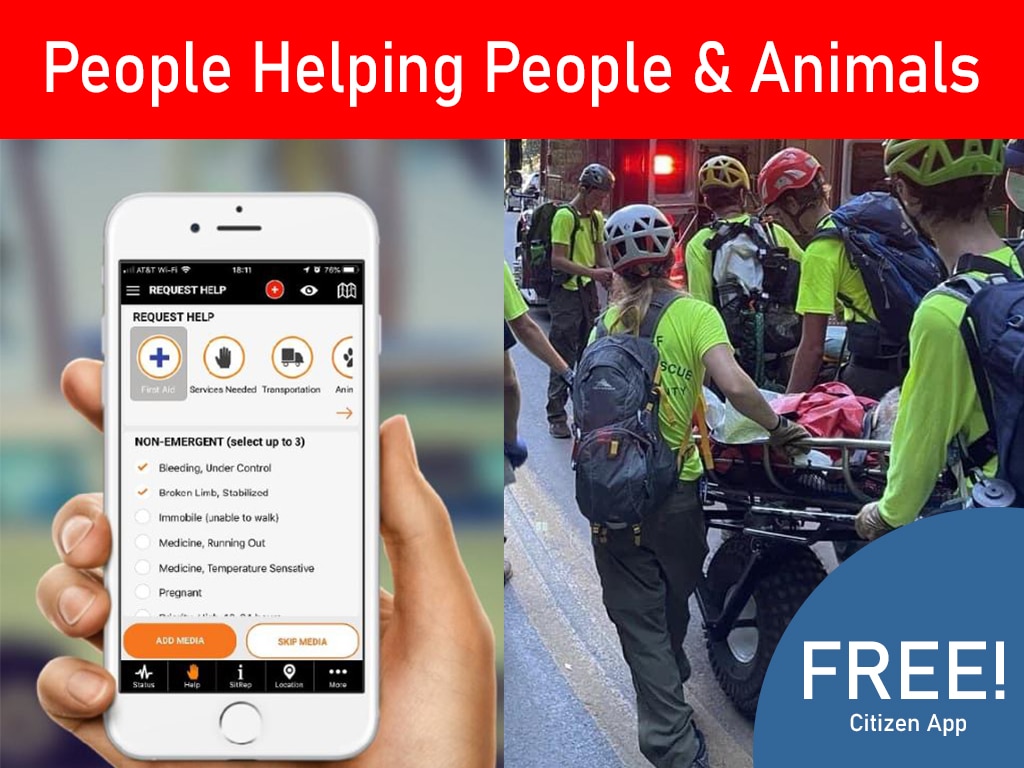
Think of your CERT team as a highly skilled orchestra, with each volunteer playing a crucial part. During a crisis, you need them to perform in perfect harmony. But without a conductor to guide them, you risk a performance filled with missed cues and confusion. Spreadsheets and group texts are like trying to lead with whispered directions from the back of the hall. To create a powerful, unified response, you need a clear conductor’s score that everyone can follow. The right emergency response team scheduling software for CERT organizations acts as that conductor, coordinating every section of your team to ensure a seamless and effective performance when the stakes are highest.
Key Takeaways
- Choose a Tool Built for Emergencies: Generic business software isn’t built for the chaos of a disaster. Select a platform specifically designed for emergency response to effectively manage your team’s dynamic availability, skills, and field communications, replacing inefficient spreadsheets and phone trees.
- Prioritize Core Crisis Features: Your software must support your team in the field with a reliable mobile app, instant availability and skills tracking, and unified communication channels. These features create a single source of truth for faster, more coordinated deployments.
- Plan Your Rollout Carefully: A great tool is useless without a solid implementation plan. Ensure success by getting your team’s buy-in early, providing thorough training, and running practice drills before a real crisis hits to make sure everyone is confident and prepared.
What is a CERT Team and Why is Scheduling Critical?
Having a team of dedicated volunteers ready to help is a huge asset during an emergency. But a team on paper is different from a team on the ground. To be effective, your Community Emergency Response Team (CERT) needs to be organized, mobilized, and deployed with precision. This is where scheduling becomes more than just a logistical task; it becomes a critical component of your entire disaster response strategy. Without a solid plan for who goes where and when, even the most well-intentioned efforts can fall short when your community needs them most.
Understand the Role of CERT Volunteers
So, what exactly is a CERT? The Community Emergency Response Team program educates volunteers about disaster preparedness for the hazards that may impact their area. It trains them in basic disaster response skills, including fire safety, light search and rescue, team organization, and disaster medical operations.
Think of CERT volunteers as a force multiplier for professional responders. By handling immediate and essential tasks, they free up firefighters, paramedics, and police to focus on more complex and hazardous situations. They are the helping hands that can check on neighbors, manage a volunteer reception center, or assist with damage assessment. Their presence ensures a more comprehensive and efficient response, bridging the gap until professional help arrives or while those services are stretched thin.
The Risks of Ineffective Scheduling
When a disaster strikes, every second counts. Ineffective scheduling creates chaos and delays, wasting your most valuable resource: your trained volunteers. If you can’t quickly identify who is available, what their skills are, and where they are located, you can’t deploy them effectively. This can lead to a slower, less coordinated response, leaving people and property at greater risk. With natural disasters becoming more frequent, a lack of preparation is a gamble you can’t afford to take.
Poor scheduling also impacts your team’s morale and readiness. When volunteers feel their time is being wasted or their skills are underutilized, they can become disengaged. Without a clear system, volunteer coordination during emergencies can break down, making it difficult to manage everything from spontaneous volunteers to ongoing training exercises. A reliable scheduling system ensures your team is ready to act decisively when called upon.
Common Scheduling Challenges for CERT Teams
Managing a volunteer CERT team isn’t like scheduling shifts at a coffee shop. You’re dealing with dedicated individuals who are juggling their own lives while standing ready to help their community. This creates a unique set of scheduling hurdles that can impact your team’s effectiveness when every second counts. Understanding these challenges is the first step toward finding a software solution that truly supports your mission, instead of adding another layer of complexity. From tracking who’s available right now to making sure the right skills are deployed to the right place, the stakes are incredibly high.
Volunteer Availability and Commitment
Your volunteers have jobs, families, and personal commitments. Knowing who is available to respond at a moment’s notice is a constant challenge. During the critical first 72 hours of a disaster, when official help may not have arrived, your team is the first line of support. Relying on phone trees or messy group texts to gauge availability is slow and inefficient. You need a clear, real-time picture of who can be deployed. The core problem is moving from a reactive scramble to a proactive state of readiness, which requires a system built for dynamic volunteer coordination. This ensures you can mobilize your team without delay when your community needs you most.
Diverse Skill Sets and Training Levels
A strong CERT team is made up of people with a wide range of abilities, from medical first aid and search and rescue to logistics and communications. The challenge lies in tracking these diverse skill sets and training certifications effectively. When an incident occurs, you don’t have time to dig through spreadsheets to find a volunteer with a specific qualification. Assigning a task to someone without the proper training can be ineffective and dangerous. Effective team management software allows you to maintain an updated database of skills, so you can quickly identify and deploy the right person for the job, ensuring a safe and efficient response.
Mobilizing a Geographically Scattered Team
CERT volunteers are spread throughout the community, not stationed in a central office. This geographic distribution is a strength, but it also presents a logistical puzzle. When a disaster strikes, how do you efficiently mobilize the closest and most relevant team members? How do you direct them to a staging area or incident location without causing confusion or delays? You need a way to visualize where your team members are in relation to an incident. Using a shared public map for situational awareness helps you coordinate a scattered team, ensuring everyone can respond to the correct location and work together as a cohesive unit.
Volunteer Turnover and Team Continuity
Volunteer turnover is a natural part of any community organization. People move, their life circumstances change, and they may step back from their CERT duties. This churn makes it difficult to maintain team continuity and readiness. Without a consistent system, institutional knowledge is lost every time a seasoned volunteer leaves. The challenge is to create a stable structure that can onboard new members smoothly while retaining experienced ones. A streamlined organization registration process and a central platform for communication and training can help build a resilient team that is prepared for the long haul, ensuring your CERT program remains effective year after year.
Must-Have Features for CERT Scheduling Software
When you’re looking for scheduling software, it’s easy to get overwhelmed by options. But for a CERT team, the stakes are higher than for a typical business. You aren’t just scheduling shifts; you’re coordinating a lifeline for your community. The right software is more than a calendar, it’s a command center that keeps your team safe, informed, and effective when every second counts. Choosing a platform with features designed for the chaos of an emergency, not the predictability of an office, is one of the most important decisions you’ll make. Let’s walk through the essential features your team needs to thrive.
Track Volunteer Availability and Skills
Your volunteers are your greatest asset, but you can only deploy them effectively if you know who is available and what they can do. Look for software that lets you maintain a detailed database of your team members. This should include their contact information, specific certifications (like first aid or search and rescue), and any specialized equipment they can access. A great platform allows volunteers to update their own availability in real time, so you have an accurate picture of your response capacity at any given moment. This is the foundation of smart team management and ensures you send the right person to the right task.
Send Real-Time Alerts and Notifications
During an emergency, information changes rapidly. A simple email that gets buried in an inbox just won’t cut it. Your software must have the ability to send instant alerts through multiple channels, like push notifications and SMS texts. This ensures that urgent messages, such as deployment orders, safety warnings, or schedule changes, reach your team immediately, wherever they are. Effective volunteer coordination during emergencies depends on this rapid flow of information, cutting through the noise to deliver critical updates that can protect both your team and the public.
Integrated Communication Channels
To avoid confusion and keep everyone on the same page, your scheduling software should serve as a central hub for all team communications. Instead of juggling emails, text threads, and social media groups, look for a tool with integrated communication channels. This means you can send a message from one place and have it reach team members via their preferred method, whether it’s an in-app message, an email, or a text. This creates a single source of truth, ensuring that every volunteer receives the same information at the same time. Understanding how PubSafe works shows how a unified platform can streamline these interactions.
Mobile Access for Responders in the Field
CERT volunteers are rarely sitting at a desk during a response. They are out in the community, often in areas with limited resources. Your scheduling software must be mobile-first, with a user-friendly app that works reliably on smartphones and tablets. Responders need to be able to access maps with incident locations, report observations, communicate with their team, and view task assignments directly from their mobile devices. A powerful mobile app puts critical information and tools into the hands of your team in the field. You can see how this works by exploring the features available when you install the free PubSafe app.
Manage Resources and Track Deployment
Effective disaster response is about managing more than just people; it’s also about managing equipment and supplies. Your software should help you track your inventory, from first aid kits and radios to generators and vehicles. When you deploy a team, you should also be able to assign resources to them and monitor their status. This logistical oversight ensures your teams are properly equipped for their tasks, prevents shortages of critical supplies, and helps you maintain accountability for all your assets. This level of organization is a key component of successful team and resource deployment.
Report on Team Activity and Participation
After the immediate crisis has passed, the work of a CERT leader is far from over. You need to be able to report on your team’s activities for after-action reviews, grant applications, and stakeholder briefings. Choose software that automatically logs volunteer hours, training participation, and response activities. These reports not only demonstrate your team’s value and impact but also help you identify areas for improvement in your training and operations. Tracking how your team is reporting an incident and responding provides invaluable data for future planning.
Seamless Platform Integration
Your CERT team doesn’t operate in a vacuum. You are part of a larger network of emergency services, government agencies, and non-profits. The best software will integrate smoothly with the other systems used in your community’s response ecosystem. This could mean sharing data with a city’s emergency operations center or connecting with platforms used by neighboring response teams. This interoperability prevents information silos and promotes a more coordinated, efficient response. The first step for any group is organization registration, which connects your team to this wider network of responders.
How the Right Software Improves Volunteer Engagement
Keeping your CERT volunteers active and motivated is one of the most important, and sometimes challenging, parts of leading a team. When people feel like their time is respected and their contribution matters, they stick around. The right software does more than just organize schedules; it creates an environment where volunteers feel connected, valued, and empowered to help. By removing administrative friction, you can focus less on logistics and more on your people and the mission at hand.
Good technology makes it easy for volunteers to participate on their own terms, which is key to retaining them for the long haul. It provides a clear, consistent channel for communication and a way to see the direct impact of their work. When your team members can easily sign up for a shift, access training materials, and see how their efforts fit into the bigger picture, their engagement naturally deepens. This creates a stronger, more resilient team that’s ready to act when your community needs it most.
Offer Flexible and Simple Scheduling
Your volunteers are juggling jobs, families, and personal commitments. A rigid or confusing scheduling process is a quick way to lose them. Instead of relying on messy email chains or phone trees, a dedicated platform can streamline scheduling and make it incredibly simple for volunteers to get involved. Technology with online forms and availability management allows your team members to sign up for training or deployment shifts that fit their lives. This flexibility shows you respect their time, which can significantly improve participation. When someone can pull out their phone and manage their availability in a few taps, they are far more likely to stay committed.
Recognize and Reward Volunteer Efforts
Everyone wants to feel like their work is appreciated. For volunteers who give their time freely, recognition is crucial for morale and retention. The right software helps you track volunteer hours, training completions, and event participation automatically. This data gives you a clear picture of who your most active members are, making it easy to acknowledge their contributions. You can use this information to create a simple awards system, give shout-outs in team communications, or offer spots in advanced training sessions. This kind of volunteer coordination fosters a strong sense of community and encourages everyone to remain active and engaged.
Create a Central Hub for Information
When information is scattered across different emails, text threads, and social media groups, it’s easy for volunteers to feel lost or out of the loop. A centralized platform solves this by creating a single source of truth for your entire team. This is where you can post schedules, share training resources, outline team goals, and communicate updates. By establishing a central hub, you ensure every member has access to the same information at the same time. This clarity is vital for effective emergency response and helps volunteers feel more connected and prepared. A platform that shows how it all works together keeps your team unified and ready for action.
How PubSafe Unifies CERT Team Scheduling
Instead of juggling multiple tools for scheduling, communication, and tracking, what if you had one platform that did it all? That’s the idea behind PubSafe. It’s designed to be more than just a scheduling tool; it’s a complete command center that brings all your CERT operations together. By integrating volunteer management, incident reporting, and real-time communication, PubSafe helps your team work as a cohesive unit, especially when it matters most. This unified approach simplifies coordination so you can focus on the response itself.
Real-Time Volunteer and Team Management
Knowing who is ready and able to respond is one of the biggest hurdles in an emergency. PubSafe gives you a clear, real-time view of your entire team. You can easily manage your volunteers, tracking their availability, specific skills, and certifications all in one place. This means when an incident occurs, you can stop scrolling through spreadsheets and quickly assemble the most qualified people for the job. The platform’s intuitive design helps you build and deploy teams efficiently, ensuring the right help gets where it’s needed without delay. It’s about having confidence in your roster at a moment’s notice.
Seamless Incident Reporting and Coordination
Clear, fast information is critical during a crisis. PubSafe streamlines how your team documents events as they unfold. Members in the field can use the app for reporting an incident directly, providing immediate details that enhance situational awareness for the entire team. This flow of information improves coordination and helps leadership make better-informed decisions. Rather than relying on fragmented radio calls or text messages, your team has a single, reliable channel to share updates. This creates a common operating picture, reducing confusion and speeding up your response time from the initial report to the final resolution.
A Public Map for Situational Awareness
Effective response isn’t just about what your team is doing; it’s also about keeping the community informed. PubSafe’s public map feature provides a visual overview of the situation for both your responders and the public. Your organization can share real-time information about incidents, hazards, and available resources like shelters or aid stations. For your team, this map helps visualize the operational area and allocate resources more effectively. For citizens, it offers crucial information that can help them stay safe. This transparency builds trust and turns your CERT team into a vital source of community information during an emergency.
Direct Communication with All Stakeholders
When every second counts, you can’t afford communication breakdowns. PubSafe provides direct and reliable communication channels to connect every person involved in the response. The platform’s integrated messaging and alert system ensures that team members, volunteers, and even external partners are on the same page. You can send instant updates to specific groups or your entire organization, making sure critical information reaches the right people without getting lost. This is central to how PubSafe works to create a connected and coordinated response effort. It eliminates the need to switch between different apps and keeps your team’s communication secure and focused.
Common Pitfalls When Choosing Scheduling Software
Choosing the right software can feel overwhelming, but knowing what to avoid makes the process much easier. Many CERT teams run into the same issues when they pick a tool that isn’t designed for the unique pressures of emergency response. A standard scheduling app might work for a coffee shop, but it will likely fall short when you’re coordinating a response to a flood or wildfire. By steering clear of these common mistakes, you can find a platform that truly supports your team when it matters most. Let’s walk through the four biggest pitfalls to watch out for.
Tools Built for Business, Not Emergencies
It’s tempting to grab a popular scheduling tool you’ve heard of, but most are built for corporate settings, not crisis management. These business-focused apps lack the specific features CERT teams need, like tracking certifications, managing on-call rotations, and sending mass alerts. Using the wrong tool can create confusion when clarity is essential. The National Association of State Emergency Medical Services Officials found that software not tailored for emergency management can lead to critical inefficiencies. You need a system that understands the language of response, not just the 9-to-5 workday. A purpose-built platform like PubSafe is designed with these specific needs in mind from the ground up.
Poor Integration with Your Current Systems
Your scheduling software shouldn’t be an island. If it doesn’t connect with your other communication and reporting tools, you create information silos that can be dangerous in an emergency. When team members have to jump between different apps to get a complete picture, response times slow down. Research in the International Journal of Emergency Services confirms that poorly integrated systems can cause significant delays in response times. Look for a platform that offers seamless integration, allowing data to flow freely between scheduling, communication, and incident reporting. This creates a single source of truth for your entire team.
Limited Mobile Access and Real-Time Updates
Emergencies don’t happen in an office. Your volunteers are in the field, relying on their mobile devices for information. If your scheduling software doesn’t have a robust mobile app, your team is at a disadvantage. They need to receive real-time alerts, update their status, and access incident details on the go. According to FEMA, limited mobile access can prevent teams from adapting quickly to changing conditions. Ensure any tool you consider provides a fully functional mobile experience that keeps everyone in sync, no matter where they are. This is a non-negotiable feature for effective field operations.
Software That Can’t Scale with Your Needs
Your CERT team’s needs can change in an instant. You might have a small group of core volunteers for daily operations but need to mobilize hundreds during a large-scale disaster. Your software must be able to handle that surge. The National Fire Protection Association notes that software that cannot scale effectively may restrict your organization’s ability to respond to major incidents. Choosing a rigid system can create bottlenecks just when you need to be most agile. Look for a flexible platform that can grow with your team and handle both small-scale events and widespread emergencies without breaking a sweat.
How to Measure Your Software’s Impact
Once you’ve chosen your software, the work isn’t over. The next step is to make sure it’s actually making a difference for your team and your community. Measuring the impact of your new tool helps you see what’s working, what isn’t, and how you can better support your volunteers. Think of it less as a test and more as a check-in to confirm your investment of time and resources is paying off when it matters most. The right data will show you if your team is becoming more coordinated, responsive, and effective.
Key Metrics to Monitor
Numbers can tell a powerful story about your team’s performance. Instead of guessing if the new software is helping, you can track a few key metrics to see its true impact. Start by looking at your team’s response time. How quickly are volunteers able to mobilize after an alert is sent? A good platform should shorten this window, getting help on the ground faster.
Another important metric is volunteer availability. With the right tool, you should have a much clearer, real-time picture of who is ready and able to respond at any given moment. Finally, look at participation rates for both drills and real emergencies. When scheduling and communication are simplified, you’ll often see more volunteers actively participating, which is a great sign that your new system is working for them. Effective team management software makes tracking these metrics straightforward.
Gauge Team Buy-In with Adoption Rates
A state-of-the-art platform is only effective if your team actually uses it. That’s why it’s so important to gauge buy-in from your volunteers. High adoption rates are a strong signal that your team finds the software easy to use and genuinely helpful. A simple way to check this is by looking at user logins. Are your team members accessing the platform regularly, or are they forgetting it exists? A tool with a simple, free app can make it much easier for volunteers to stay engaged.
You can also go straight to the source and ask for opinions. Short, simple surveys can give you a wealth of information about user satisfaction. Ask your volunteers what they like, what frustrates them, and what could be better. This not only gives you actionable feedback but also shows your team that their experience matters.
Collect Volunteer Feedback for Improvements
Your volunteers are the ones using the software in the field, so their feedback is one of your most valuable resources for improvement. Create opportunities for them to share their thoughts, both good and bad. Regular, informal feedback sessions can be a great way to start conversations and build a sense of shared ownership over your team’s processes. These discussions can uncover small issues before they become big problems.
It’s also smart to offer an anonymous feedback channel, like a simple online form. Some people are more comfortable giving honest criticism when their name isn’t attached, and this can lead to incredibly useful insights. By creating a continuous feedback loop, you can refine your processes and ensure your software is truly supporting your volunteer coordination efforts. This approach helps everyone feel more invested and empowered.
A Simple Plan for Implementing Your New Software
Choosing the right software is a huge step, but the work doesn’t stop there. A thoughtful implementation plan is what turns a great tool into a life-saving asset. You can’t just hand your team a new app and expect them to use it flawlessly during a high-stress event. The key is to be proactive and methodical. By getting your team involved early, providing thorough training, and testing the system before you need it, you set everyone up for success. This simple, four-step approach will help you integrate your new software smoothly and effectively.
Get Your Team on Board from the Start
Your team is more likely to embrace a new tool if they understand the “why” behind it. Start by clearly communicating how the new software will make their roles easier, safer, and more impactful. Hold a team meeting to introduce the platform, walk them through its key benefits, and answer their questions. You can also use your website and social media channels to share the news. When you bring people into the process from the beginning, you build trust and enthusiasm. A platform with strong team management features can help you organize everyone from day one, making the transition feel organized and intentional.
Train Your Team Before a Crisis Hits
The middle of an emergency is the worst possible time to learn a new system. Just as CERTs complete basic training before a disaster, they need dedicated training on any new technology. Schedule hands-on sessions where volunteers can practice using the software’s main functions. Have them create profiles, join teams, and explore the interface in a low-pressure environment. You can use the software provider’s own tutorials and guides to build your curriculum. The goal is to make using the software second nature, so when a real event occurs, the focus stays on the response, not the tool.
Run Drills to Test Your New System
Practice makes perfect, especially in emergency response. Once your team is comfortable with the software, it’s time to put it to the test with realistic drills. Simulate a local disaster scenario that your community might face, like a flood or a severe storm. Have your team use the software to practice reporting an incident, communicating updates, and coordinating tasks. These exercises are invaluable for identifying any gaps in your workflow or technical issues with the system. Running drills helps build muscle memory and ensures your team can operate as a cohesive unit when it counts.
Address Security, Compliance, and Costs
As you roll out your new software, don’t forget the administrative details. Ensure the platform is secure and protects your volunteers’ personal information. If your team is officially recognized by FEMA, make sure your new processes align with their guidelines. Many modern platforms are designed with this in mind, offering features like secure online forms for volunteer sign-ups. Cost is also a major factor for many organizations. Look for tools that offer affordable or free plans for non-profits and public safety groups. For example, PubSafe offers a free organization registration to help teams get started without a financial barrier.
Find the Right Scheduling Tool for Your CERT Team
Choosing the right scheduling software for your CERT team can feel like a big decision, but it doesn’t have to be overwhelming. The key is to look past the flashy marketing and focus on what your team truly needs to operate effectively during a crisis. The right tool is more than just a digital calendar; it’s a critical piece of your response infrastructure that ensures the right people with the right skills are ready to act when your community needs them most.
Think of it this way: your scheduling software is the central nervous system for your volunteer operations. It needs to be reliable, fast, and intuitive. Many generic business scheduling tools just aren’t built for the dynamic and urgent nature of emergency response. They lack the specific features required to manage volunteers, track qualifications, and communicate in real time. To make the best choice, you need to evaluate potential software based on a few core principles: its essential features, its ability to integrate with your communication channels, and its capacity to support your team for years to come.
Prioritize Features That Matter in a Crisis
When an emergency hits, you don’t have time to sort through complicated menus or work around software limitations. Your scheduling tool must be built for speed and clarity. Look for features that directly address the chaos of a real-world response. This includes real-time availability tracking, so you know instantly who can be deployed. It’s also vital to have skills-based scheduling, allowing you to filter volunteers by qualifications like first aid certification or search and rescue training. Automated alerts and notifications are non-negotiable for mobilizing your team quickly. Since your responders will be in the field, robust mobile access is essential, so make sure any tool you consider has a user-friendly app for volunteers to use on their phones.
Look for Seamless Communication and Integration
A scheduling tool that operates in a silo is a recipe for confusion. Your team likely already uses a mix of communication methods, from text messages to emails. The right software should meet them where they are, integrating smoothly with these channels to ensure no one misses a critical update. Instead of adding another app that your volunteers have to remember to check, find a platform that unifies scheduling and communication. This creates a single source of truth for your entire operation. An integrated system shows how scheduling works as part of a larger ecosystem, connecting volunteer availability directly to incident reports and resource requests for a truly coordinated response.
Consider Usability and Scalability for the Long Haul
The most feature-rich software in the world is useless if your volunteers find it too complicated to use. A steep learning curve can discourage adoption and create frustration, which is the last thing you need when building a strong team. Prioritize a clean, intuitive interface that volunteers of all tech-comfort levels can learn quickly. Beyond initial usability, think about the future. Your team will evolve; members will come and go, and your operational needs may change. Choose a platform that offers flexible team management and can easily scale with you, whether you’re adding ten new volunteers or expanding your operational area. This foresight ensures your chosen tool remains an asset, not a hindrance, as your organization grows.
Related Articles
- 4 Best Search And Rescue Dispatch Software (2026)
- Volunteer Coordination During Emergencies: How Communities, NGOs, And Responders Work Together
- Volunteer Management Software for Nonprofits & CERTs | PubSafe
Frequently Asked Questions
We currently use group texts and spreadsheets to manage our team. Why isn’t that good enough? While those tools are familiar, they often create more problems than they solve during an actual emergency. Information gets buried in long text threads, spreadsheets become outdated the moment they are saved, and you have no single source of truth. A dedicated platform ensures that when a crisis hits, you have an accurate, real-time view of who is available, what their skills are, and how to contact them instantly, all in one place. It replaces chaos with clarity when you need it most.
My volunteers have varying levels of tech skills. How can I get them to adopt a new platform? This is a really common and valid concern. The key is to choose a platform with a simple, intuitive design and to introduce it gradually. Start with hands-on training sessions in a low-stress environment, not during an emergency. Have your team practice basic tasks like updating their availability or responding to a drill notification. When they see how the tool makes their role easier and helps them stay safer, even the most hesitant members will see the value.
What’s the single most important feature to look for in CERT scheduling software? It’s less about a single feature and more about how two critical features work together: real-time availability and integrated communication. Knowing who is available to respond is only half the battle; you also need the ability to send them an instant, reliable alert that cuts through the noise. A platform that combines these two functions ensures you can mobilize the right people with a single action, dramatically shortening your response time.
Our CERT team is a non-profit with a very limited budget. Are there affordable options available? Absolutely. Many software developers in the public safety space understand that volunteer organizations operate on tight budgets. When you’re looking for a tool, be sure to seek out platforms specifically designed for emergency response or non-profits. Many, including PubSafe, offer free or significantly discounted plans for organizations like yours, removing the financial barrier to getting the professional tools you need.
How does a unified platform help with more than just scheduling shifts? That’s where the real power is. Scheduling is just the starting point. When your scheduling system is integrated with incident reporting, resource tracking, and a live operational map, you gain complete situational awareness. You can see an incident report come in, instantly identify and deploy the closest available team, assign them the necessary equipment, and monitor the entire response from a single dashboard. It connects your people to the mission.