When a disaster overloads cell towers or knocks out internet service, the first failure is often not a device. It is the shared picture of what is happening, who needs help, and which team can respond. Radios, mesh devices, satellite links, and mobile communications may still provide individual channels, but disconnected channels can leave emergency managers, nonprofits, CERTs, and residents working from different information.
An emergency communication network outage backup should combine multiple communication methods with a clear coordination process. PubSafe serves as the coordination hub that helps organizations connect alerts, incident reports, volunteer activity. And situational awareness across the tools available to them, while the underlying radio, mesh, satellite, or internet connection remains responsible for carrying the data.
That distinction matters. PubSafe is not a replacement for physical network infrastructure, and its current platform requires internet connectivity. Resilience comes from planning the alternate paths before an outage, then using one coordination layer to reduce confusion when those paths are needed. Start by understanding why conventional emergency communication becomes unreliable in the first place.
What happens to emergency communication when cellular and internet networks go down?
When a disaster disrupts cellular and internet service, the problem is larger than a few missed calls. A network-wide outage can silence the tools that emergency teams use to send alerts, report conditions, assign volunteers, and coordinate with partner organizations. Cellular towers may become overloaded as people try to call and message at the same time. Even when the towers are operating, the wider network may not have enough capacity for every request to connect.
Internet-based services face a related dependency. Broadband-enabled telephone services typically stop working during an electric outage unless they have a battery or another backup power source, according to Ready.gov. Communication systems also require a continuous power load to remain operational during network outages. A charged phone or laptop cannot solve a failure somewhere upstream, such as a powered-off network device, damaged line, or unavailable provider.
This is why a cloud dashboard, email list, or group messaging app should not be treated as a resilient emergency channel by default. These tools may be valuable during normal operations, but they depend on the same power, connectivity, and service providers that an incident may disrupt. If every organization uses the same connection path, a single failure can separate an emergency operations center from field teams. Nonprofits, CERT volunteers, and residents at the moment coordination matters most.
Why a single backup channel is not enough
A practical emergency communication network outage backup plan starts by identifying what fails when the primary network fails. Organizations should document their communication systems, providers, restoration contacts, and backup modes of communication. That continuity work is more useful than simply buying extra devices without deciding how those devices will be used.
The objective is not to replace every cellular or internet service. It is to build layers. Radio, satellite links, mobile communication assets, and other alternate paths can help maintain contact when ordinary connectivity is unavailable. FEMA describes interoperable communications as essential for coordination among government agencies, private-sector partners, and nongovernmental organizations. The same principle applies locally: teams need agreed procedures for sharing information across different tools and organizations.
Reviewing common emergency communication system mistakes can reveal gaps such as untested contact lists, unclear ownership, and no defined handoff when the primary channel fails. Resilience comes from planned alternatives and practiced coordination, not from assuming the default network will be available.
Why your backup plan needs more than a backup battery
A battery can keep a router, phone, or communications device powered. But it cannot restore a failed cellular tower, damaged fiber route, overloaded broadband network, or unavailable service provider. Power continuity and network continuity are different problems. A resilient emergency communication network outage backup plan addresses both.
Power keeps equipment available
Communications equipment has an ongoing energy requirement even when no one is actively placing a call or sending a message. Ready.gov notes that communication systems require a continuous 24-hour quiescent load to remain operational during network outages. Broadband-enabled telephone services also typically stop working during an electric outage unless they have a battery or another backup power source.
That makes batteries, generators, and power checks essential. Teams should know which devices need power, how long each backup can support them, and who is responsible for testing or replacing batteries. A powered device is still valuable when the local network is available but the building has lost electricity.
Network redundancy keeps a path open
Backup power only supports the connection already in front of you. If that connection depends on a failed provider, damaged infrastructure, or a congested local network, a fully charged battery may simply keep an unusable device running. The second layer is network redundancy: more than one way to move critical information.
That layer may include satellite links, radio systems, mesh networking, mobile communications assets, or other low-bandwidth options selected for the organization and its geography. Ready.gov specifically identifies satellite links designed as secondary wide-area network connections as a way to improve disaster recovery. FEMA likewise provides operational voice, video, and data support through dedicated emergency communications assets during disasters.
The practical goal is not to replace every existing system. It is to decide which messages must get through, which tool can carry each message, and how responders will coordinate when the primary path fails. A coordination platform can help organize incident reports, volunteers, and situational awareness across those channels, but it should not be confused with the physical network itself.
Radio, mesh, and satellite: building an offline communication toolkit
No single tool replaces a working cellular or internet connection in every emergency. A resilient setup layers options so a local team can still exchange short messages, coordinate resources, and restore wider-area contact when one path fails. The right mix depends on terrain, power availability, licensing, trained operators, and the distance between participating organizations.
Think in layers, not replacements. Radio can support nearby teams, mesh can pass messages across participating devices, satellite can provide a wide-area path. And mobile communications assets can bring voice, video, and data support into a disaster zone. FEMA describes interoperability among federal, state, tribal, territorial, and local entities as an essential disaster-response objective. See this guide to emergency communications interoperability before selecting equipment.
| Tool | Reach | Power needs | Relative cost | Reliability considerations |
|---|---|---|---|---|
| Radio | Local to regional, depending on equipment, terrain, and repeaters | Low to moderate; requires charged units and supporting infrastructure where used | Low to moderate | Useful for fast local coordination, but depends on range, channel discipline, and trained users |
| Mesh network | Local area that expands as participating nodes are available | Low per device, with total demand rising as more nodes operate | Low to moderate | Can keep local messages moving without a central tower, but coverage depends on node density and placement |
| Satellite | Wide area, including locations beyond terrestrial network coverage | Moderate to high; terminals need power and a usable view of the sky | Moderate to high | Strong network redundancy, but equipment, subscriptions, weather, and setup affect availability |
| Mobile communications assets | Deployable coverage and operational support where teams need it | High; vehicles and field systems require fuel or substantial power | High or agency-dependent | Valuable for major incidents; deployment time, logistics, and interagency coordination matter |
Satellite links are specifically identified by Ready.gov as a secondary wide-area network backup that can improve disaster recovery. FEMA also maintains mobile communications capabilities that support responders with operational voice, video, and data. These options work best when their limitations are documented in advance, including who activates them, who can use them, and how information moves back into the incident-management process.
How do communities and responders coordinate when networks fail?
When cellular and internet service fails, an effective response depends on more than finding a replacement signal. Emergency operations centers (EOCs), local government departments, NGOs, and CERT teams must still share priorities, report changing conditions, and direct people and resources to the right place. That requires a common operating picture and agreed methods for moving information between organizations.
Interoperability is the starting point. FEMA identifies interoperable communications as essential for coordination among federal, state, tribal, territorial, and local governments, as well as private-sector and nongovernmental partners. In practice, that means teams should not operate as isolated groups simply because they use different radios, mobile devices, satellite links, or field systems. Their tools need a shared coordination process, clear ownership, and defined escalation paths.
Connect every team to the same operational picture
An EOC may set priorities and coordinate public resources, while an NGO distributes supplies and a CERT team conducts neighborhood assessments. Each group sees a different part of the incident. Without a way to share those observations, decision-makers may receive incomplete reports, duplicate assignments, or delayed requests for assistance.
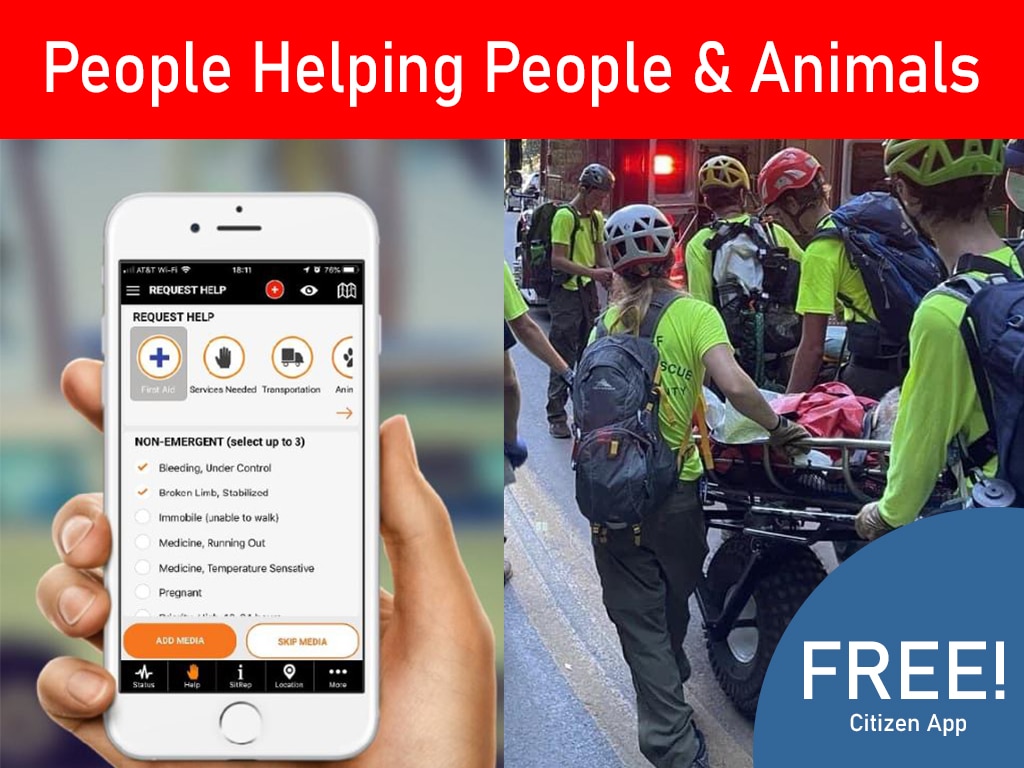
PubSafe is designed as a unifying coordination layer for public safety organizations, NGOs, CERT teams, and citizens. It bridges emergency alerts with bi-directional coordination, including incident reporting, volunteer coordination, and situational awareness. A field report can inform the coordination center, while the center can send an updated assignment or request for support back to the appropriate team. This two-way flow is more useful than one-directional alerts when conditions change rapidly.
Local agencies can also pair this approach with incident management for local government practices, such as assigning decision authority, defining response roles, and maintaining communication procedures before an incident occurs.
Use resilient channels without creating separate silos
A practical emergency communication network outage backup should connect available channels rather than assume one technology will work everywhere. Radio may support local voice communication. Mesh devices can help teams exchange information across a nearby area. Satellite or mobile communications assets may provide wider reach when ordinary infrastructure is unavailable. FEMA describes mobile communications assets as supporting voice, video, and data for responders and mission partners during disasters.
The coordination layer should record what each team knows, what it needs, and who is responsible for the next action. PubSafe currently relies on existing internet connectivity, so it should not be described as a replacement for the physical network. Its value is in helping organizations coordinate consistently when their approved connectivity tools are available. And in giving them a shared structure for integrating those tools into a broader continuity plan.
Turn offline tools into one resilient coordination layer
Radio, mesh devices, satellite links, and low-bandwidth messaging each solve a different connectivity problem. They become far more useful when teams agree on how those channels feed one operational picture. The goal of an emergency communication network outage backup is not to make every device identical. It is to give EOCs, NGOs, CERT teams, and field volunteers a shared way to report, prioritize, and act.
- Inventory every available channel. List the radios, satellite services, mesh nodes, mobile communication assets, and low-bandwidth tools your organization can actually access. Record who operates each system, its practical range, its power needs, and what type of information it can carry. FEMA describes operational communications support in terms of voice, video, and data, so identify which channels support each mission need rather than treating every tool as interchangeable. This inventory should also include restoration contacts and backup modes, as recommended in continuity communications planning.
- Assign each channel a defined role. Use radio for short, immediate field updates when appropriate. Use satellite connectivity for critical wide-area links. Use mesh or low-bandwidth messaging for local relays and concise status reports. Establish a fallback order for alerts, welfare checks, resource requests, and incident reports. A mass notification system can support outbound alerts, but it should sit within a broader process that captures responses and routes them to the right team.
- Bring reports into one coordination hub. Standardize the minimum information every report must include: location, time, situation, immediate need, source, and confidence level. Then route those updates into a shared coordination workflow so leaders do not have to reconcile separate radio logs, text threads, and spreadsheets manually. PubSafe is designed as a disaster response platform that bridges alerts with incident reporting, volunteer coordination, and situational awareness. It currently relies on available connectivity, so position it as the unifying layer around these tools, not as a replacement for the physical network.
- Test the workflow in blue skies. Run routine exercises while conditions are normal. Send a simulated report through each channel, confirm who receives it, and verify that the handoff from field teams to coordinators is clear. PubSafe’s blue-skies and gray-skies operating model supports consistency between daily coordination and emergency response. A SaaS, user-pays approach can also reduce upfront infrastructure barriers for resource-constrained organizations, but the workflow still depends on realistic drills and defined responsibilities.
- Review it across the full lifecycle. After every exercise or incident, document failures, update contact assignments, and refine escalation rules. The system should support preparedness, mitigation, response, and recovery, not only the moment when networks fail. That all-hazard view turns a collection of emergency communication tools into a repeatable coordination capability.
Making emergency communication network outage backup part of your plan
A resilient communication plan is more than a list of technologies. It defines who makes decisions, which functions must continue, how people will be reached, and what happens when the primary network is unavailable. Start by organizing a dedicated continuity team with representatives from the EOC, public safety agencies, NGOs, CERTs, and other essential partners. Ready.gov recommends organizing a business continuity team and testing the plan against different disruption scenarios.
Assign ownership before an outage, not during one. Write down the person responsible for activating the plan, the people responsible for each essential function, and the backup decision-maker for every critical role. A clear delegation of authority matters when a director, incident commander, or communications lead cannot be reached. The CDC’s continuity communications guidance specifically includes a delegation of authority worksheet and procedures for identifying and prioritizing essential functions.
Prioritize the functions that keep people safe
List essential functions first. These may include issuing public warnings, receiving incident reports, coordinating volunteers, accounting for field teams, sharing resource requests, and maintaining contact with partner agencies. Separate these from functions that can pause temporarily. This prioritization helps the team direct limited personnel, devices, power, and bandwidth where they have the greatest operational value.
Build a current contact list for each function, including primary and alternate contacts, roles, preferred communication methods, and the information each person is authorized to share. Include meeting locations and an out-of-area relay person. Ready.gov advises choosing an out-of-area relay person because local networks may be overloaded even when communications infrastructure outside the affected area remains available. Store the list in more than one form, such as printed copies held by designated leaders and an approved digital location accessible through the team’s available channels.
Make activation and practice routine
Define the conditions that trigger continuity plan implementation. A notification method should reach the team when cellular service, broadband, or a shared platform is degraded. Then document the fallback sequence: which channel is tried first, when the team shifts to radio. Mesh, satellite, or another method, and how updates are consolidated for everyone who needs them.
Training and testing expose gaps that look invisible on paper. Run short exercises that remove one channel at a time, then test a wider network failure. Confirm that alternates can make decisions, contact lists are current, relay people understand their role, and field teams know where to report. Record what failed and revise the plan after each exercise. PubSafe can support the coordination workflow that connects alerts, incident reports, volunteers, and situational awareness. Learn more about how PubSafe works as a coordination layer, while recognizing that the platform currently relies on available internet connectivity.
A practical checklist for your next network outage
A communication plan is only useful when people can follow it under pressure. Use this checklist during a blue-skies planning session, then repeat it during drills. The goal is not to replace cellular, internet, radio, or satellite systems. It is to make sure your people know what to do when one or more of those channels becomes unavailable.
- Inventory every communication tool. List the systems your organization uses, including mobile phones, radios, satellite devices, mesh equipment, alerting tools, and paper-based procedures. Record the provider, power requirements, coverage limitations, restoration contact, and intended backup mode. A continuity plan should identify both current systems and backup communications, not just the primary channel. See the CDC’s continuity communications job aid for a planning reference.
- Assign roles and authority. Name the incident lead, communications lead, public information contact, and team members responsible for checking in volunteers or partner organizations. Define who can activate the plan if the usual decision-maker is unavailable. Include a clear notification method for triggering continuity procedures, so activation does not depend on guesswork or a single person.
- Choose an out-of-area relay. Select a person or office outside the affected area to serve as a relay when local networks are overloaded. Write down the relay’s contact details, availability window, and escalation instructions. Also designate physical meeting spots and alternates for teams that cannot exchange messages reliably.
- Test each communication path. Send a test message through every primary and backup channel. Confirm that the intended recipient receives it, understands the message format, and knows how to acknowledge it. Include partners such as local government, NGOs, and CERT teams. FEMA identifies interoperable communications as essential to coordination across government and non-governmental organizations: review its disaster communications guidance.
- Keep paper copies available. Print contact lists, role assignments, meeting locations, call trees, radio procedures, and activation instructions. Store copies in more than one secure location, including response kits and vehicles. Paper should be a deliberate fallback, not an afterthought.
- Rehearse, review, and update. Run a short outage drill, document delays and failed handoffs, and correct the plan. Training and testing help confirm that personnel are prepared for an actual disruption. Recheck contacts, roles, relay arrangements, and notification methods after staff or partner changes.
Frequently Asked Questions
What happens if the power goes out and cellular networks become overloaded?
A power outage can disable communication equipment, while a surge of calls and messages can overload the cellular network that remains. Plan for both problems by keeping critical devices powered and providing alternate channels, such as radio, mesh, satellite, or mobile communication assets. A shared coordination process helps responders know which channel to use and when.
How do I make a power outage communication plan for my family?
Write down essential contacts, choose meeting locations, and select an out-of-area relay person who can share updates if local networks are congested. Store the plan in a location everyone can access, identify backup power for phones and radios. And practice the plan so people can act without relying on a live internet connection. Ready.gov recommends documenting contacts, meeting spots, and an out-of-area relay person.
Does broadband-enabled telephone service work during electric outages?
Usually not unless the service and connected equipment have a battery or another backup power source. Confirm how long the modem, phone adapter, router, and related equipment can operate, then identify an alternate communication method for a longer outage. This distinction matters because a working handset does not guarantee that the broadband connection behind it is available.
Why is backup power critical for an emergency communication system?
Communication systems need continuous power to remain functional during a network outage. Ready.gov notes that organizations should account for a 24-hour quiescent load when planning communications continuity. Size batteries, generators, or other power sources for the actual equipment load, and test runtime under realistic conditions. Power redundancy should complement, not replace, network redundancy.
Are satellite-based communications a viable backup for an organization’s network?
Yes, satellite links can provide a secondary wide-area connection when terrestrial networks are unavailable. They should be one layer in a broader plan that includes radios, mesh devices, mobile assets, trained users, and documented procedures. Ready.gov identifies satellite links as a backup to wide-area networks, but organizations still need to test equipment, power, coverage, and access before an emergency.
Ready to strengthen your emergency coordination plan?
When cellular and internet networks fail, a clear coordination approach can help your organization keep people, responders, and offline communication tools aligned. PubSafe can help you evaluate a resilient coordination layer suited to your organization and existing emergency processes. To discuss your needs and next steps, contact PubSafe.