During a disaster, the information that helps volunteers act quickly can also expose people to harm if it reaches the wrong audience. A CERT coordinator may need to share a volunteer’s status, an incident lead may need a precise location, and an NGO may need to coordinate with several partners. The goal is not to stop information flow. It is to make sharing deliberate, limited, and dependable under pressure.
Data has become essential to emergency planning and disaster operations, while incident databases can contain highly sensitive personally identifiable information, as noted by Domestic Preparedness and CISA. A practical approach begins by identifying what your team collects, who genuinely needs it, and what could happen if it were exposed, altered, or unavailable. That scope makes the next decisions clearer.
What Does Disaster Response Data Security Protect?
Effective disaster response data security protects volunteer records, incident details, location information, and partner data by matching access to operational need. Clear sharing rules and recovery preparation help teams protect people while keeping response work moving.
Disaster response data security protects more than a database. It protects the information people use to decide where help is needed, who should deliver it, and how partners can coordinate without exposing people to additional risk. Data has become essential to emergency planning and disaster operations, while data integrity supports efficient relief delivery for NGOs. When records are incomplete, altered, unavailable, or shared too broadly, responders may lose time or make decisions based on an unreliable picture of the incident.
The first protection is people’s privacy and safety. Incident databases often contain highly sensitive personally identifiable information (PII), according to the Cybersecurity and Infrastructure Security Agency (CISA). That may include details about affected residents, volunteers, staff, facilities, or people requesting assistance. Location and incident data can also be a cybersecurity concern when unauthorized people gain access. A practical security program therefore limits sensitive details to the people who need them and avoids treating every record as suitable for public distribution.
The second protection is operational continuity. Emergency Services Sector personnel provide critical services to the public during disasters, and CISA notes that the sector must remain resilient against evolving cyber threats. A response team needs dependable access to current assignments, reports, contact details, and resource information. Data security helps preserve the availability and accuracy of those records while teams work under pressure. It should support trusted coordination, not create a barrier that causes responders to move important information into uncontrolled channels.
Security also protects relationships between response partners. NGOs, CERT teams, public safety organizations, and community partners need confidence that shared information will be handled responsibly. Trust in data handling is a cornerstone of successful disaster-response partnerships. Formal expectations, appropriate access, and clear ownership make collaboration easier because each organization understands what can be shared, with whom, and for what purpose.
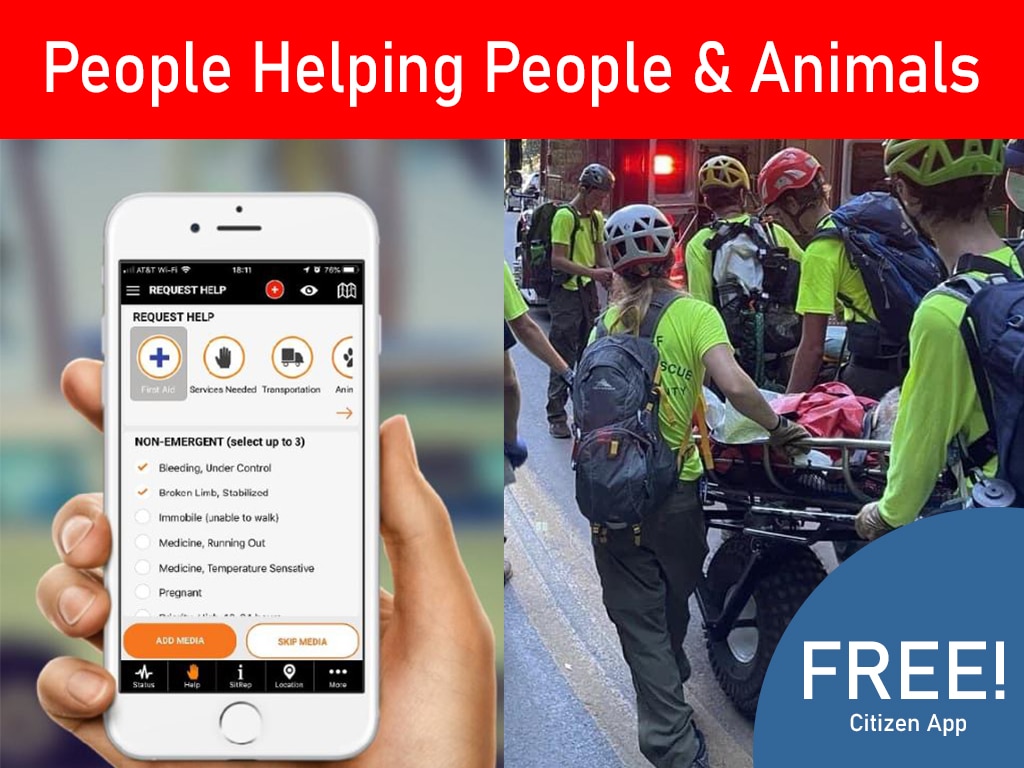
For a coordination platform such as PubSafe, this means organizing incident reporting, volunteer management, readiness information, and real-time response updates in a way that supports responsible use. The goal is not to collect everything indefinitely. It is to help the right people use the right information at the right time, while reducing unnecessary exposure for affected communities and response teams.
Start With a Practical Data Inventory
Before choosing tools or tightening access, list the information your team collects, creates, receives, and shares during a response. A practical inventory turns an abstract security concern into decisions that coordinators can explain to volunteers and partners. It also prevents teams from treating every record as equally urgent or equally sensitive.
Start with four useful categories:
- Volunteer data: names, contact details, availability, training status, assignments, and emergency contacts.
- Incident data: field reports, requests for assistance, photographs, observations, and information about affected people.
- Location data: addresses, facility details, responder positions, meeting points, and locations associated with vulnerable people or active incidents.
- Partner data: contact information, resource inventories, operating schedules, referral details, and information shared by agencies, nonprofits, or community groups.
This inventory should include information stored in response platforms, spreadsheets, email, messaging apps, paper forms, and personal devices. If a team member uses it to make an assignment or decide where help is needed, it belongs in the conversation. Domestic Preparedness describes protecting volunteer information as a critical component of field operations. For CERT coordinators, this makes protecting volunteer data in disaster response part of operational readiness, not an administrative afterthought.
Classify information by sensitivity and operational need
Next, classify each data type using two questions: What harm could result from inappropriate disclosure or alteration? and Who needs this information to perform a specific role? A public volunteer recruitment notice does not need the same handling as a roster containing personal contact details. A general shelter status may be broadly shareable, while an exact location tied to an active incident may require restricted circulation.
CISA identifies unauthorized access to sensitive location and incident data as a primary cybersecurity concern. That does not mean withholding useful information from everyone. It means identifying the smallest practical audience, the operational purpose, and the point at which information should be reviewed or withdrawn. Classification labels can be simple, such as public, internal, restricted, or highly sensitive, provided the team agrees on what each label means.
Collect the minimum, retain with purpose
For every field, ask whether it is necessary for response coordination, volunteer safety, resource delivery, or follow-up. If the team cannot identify a current purpose, do not collect it by default. Set a review date for records that may become obsolete, and define who decides whether they should be retained, archived, or deleted. Keep operational records usable for the people who need them, while avoiding indefinite accumulation of personal or location information.
Finally, discuss community impact before introducing a new data practice. Ethical disaster data management includes considering how data use affects the affected community. Ask whether collection could expose a vulnerable household, discourage volunteers from participating, or create confusion if a record is inaccurate. A clear inventory helps leaders make those tradeoffs deliberately and communicate them honestly to volunteers and partners.
How Can NGOs and CERT Teams Control Access Without Slowing Response?
Access control works best when it follows the way a response team actually operates. A volunteer collecting welfare checks does not need the same information as an incident lead, logistics coordinator, or partner agency. Give each person the smallest set of permissions needed for the current assignment, then make those permissions easy to review and change. This least-necessary approach supports disaster response data security without forcing every decision through one administrator.
Assign roles, owners, and authentication requirements
Define roles before the next emergency. A CERT coordinator might manage member records and task assignments. An incident lead might access active reports and operational maps. A data steward should own decisions about sensitive datasets, including who may view, edit, export, or share them. The role should follow the work, not the person’s seniority.
Require individual accounts and dependable authentication. Shared logins make it difficult to know who viewed a record or changed a location. They also make offboarding risky because one forgotten password can preserve access for multiple people. Keep permissions tied to named users, and review them when someone changes duties, leaves the organization, or pauses volunteer service.
Make partner sharing explicit
Collaboration should not depend on informal promises or a broad “everyone can see everything” setting. Before sharing information with a hospital, municipality, mutual-aid group, or neighboring CERT, document what may be shared. For what purpose, for how long, and who is responsible for protecting it. Formal sharing agreements create a common operating boundary while leaving room for timely coordination.
The CDC’s One CDC Data Platform illustrates this pattern by separating platform access from dataset access, assigning data stewards to designate available datasets, and tracking and auditing use. Its approach also incorporates formal agreements that set parameters around access and data use. These are general governance practices, not a claim that every nonprofit needs the same platform or regulatory framework. They offer a useful model for making responsibility visible. CDC guidance on platform and data access provides the underlying example.
Prepare exceptions, audit trails, and offboarding
Emergencies sometimes require urgent access. Define an exception process in advance: identify who can approve it. Limit the permission to the necessary records and time window, record the reason, and review the decision afterward. A controlled exception is faster and safer than improvising a permanent permission change during a crisis.
Review audit trails after exercises and significant incidents. Look for unusual downloads, access outside a person’s assignment, or sharing with an unapproved partner. Use those findings to improve roles and training, not simply to assign blame. When a deployment ends, remove partner access promptly, recover organization-owned devices, revoke tokens, and confirm that exported files are deleted or returned under the agreement.
For teams evaluating a broader coordination layer, see secure disaster response data management alongside your access and sharing procedures.
Build Secure Field Workflows for Incident and Location Data
Field teams need information quickly, but speed should not mean sending every detail to every person. A practical workflow separates what responders need to act from what should remain restricted. Start with a consistent incident report that captures the essentials: what happened, when and where it happened. The immediate need, the source of the report, and the next verification step. This gives incident leads a dependable record without encouraging volunteers to collect unnecessary personal information. For more guidance, review PubSafe’s approach to structured incident reporting.
Use location precision that matches the decision
Location data can help direct resources, but precise coordinates may expose a survivor, vulnerable household, shelter, or volunteer. Ask what level of precision the next decision requires. A response team may need an exact point, while a public update may need only a neighborhood, service area, or general map region. Keep restricted location details in the appropriate team channel, and remove identifying details before sharing a public summary.
Apply the same distinction to incident information. Public messages can describe verified needs, service availability, and safety instructions. Restricted records may contain names, phone numbers, medical details, photographs, access information, or unverified reports. Label these categories in plain language so a volunteer does not have to interpret a complex policy while working under pressure. Incident databases often contain highly sensitive personally identifiable information, so limiting unnecessary exposure is a core part of responsible response operations (CISA guidance).
Verify before sharing, then document the handoff
Build verification into the workflow rather than treating it as an optional final check. Record who submitted the report, who confirmed it, what evidence was used, and when the information was last reviewed. If a report cannot be confirmed, mark it as unverified and share it only with people who can assess it. This protects the public from rumor while preserving a useful lead for trained responders.
Define partner channels before an incident. Agree on which organization owns each type of report, what information may cross organizational boundaries, and how partners should handle corrections or withdrawal requests. Incident management depends on real-time awareness and secure coordination of field resources, while trust in data handling supports effective partnerships during disasters. PubSafe’s overview of how PubSafe supports coordinated response provides additional context for connecting reporting, volunteers, and response teams.
Finally, train volunteers with short, realistic exercises. Practice submitting a report, choosing a location level, identifying restricted details, checking a source, and escalating uncertainty. Revisit the workflow after exercises and real incidents. CISA describes cybersecurity resilience as a layered effort involving physical, operational, and network protections. And field training is the operational layer that helps people apply the other safeguards consistently (CISA guidance).
What Should a Disaster Data Recovery Plan Include?
A recovery plan should help an NGO or CERT restore the information and processes people need to coordinate safely after a system failure, cyberattack, or physical disruption. It should sit alongside the organization’s broader continuity plan, not operate as a separate technical document. Ready.gov recommends developing an information technology disaster recovery plan in conjunction with a business continuity plan, so recovery decisions reflect real operational priorities.
For community response teams, that means protecting more than files. The plan should address volunteer rosters, incident reports, contact details, location information, partner updates, and the communication channels used to make decisions. Ready.gov identifies hardware failure, human error, hacking, and malware as potential causes of data loss or corruption. A useful plan anticipates each risk without assuming that one tool can solve every failure.
- Map recovery to continuity needs. Begin with a business impact analysis. Identify the functions that must continue, such as checking volunteer availability, receiving field reports, confirming resource needs, or communicating with partner organizations. Then define which systems and data support each function. Ready.gov recommends setting priorities and recovery time objectives during the business impact analysis, with IT recovery timed to the business process that depends on it. Use Ready.gov’s recovery-plan guidance as a starting point for documenting these dependencies.
- Back up essential data and define restoration ownership. Decide what must be backed up, how often, where copies are stored, and who can restore them. The plan should include a data backup and restoration process for electronic information. Keep the instructions understandable to the people who may act during a stressful incident, and identify an alternate owner in case the primary administrator is unavailable.
- Set recovery priorities and incident-response steps. Restore the information needed for life-safety decisions and team coordination before lower-priority records. Include procedures for suspected malware, compromised accounts, accidental deletion, and corrupted files. Malware can freeze access to critical emergency data when it is needed most. So the recovery plan should specify who isolates the affected system, who confirms the incident, and how trusted data is restored.
- Prepare a communications fallback. Document how leaders, volunteers, and partners will coordinate if the primary platform, internet connection, power supply, or device network is unavailable. This may include pre-agreed phone trees, radio procedures, printed emergency contacts, or designated meeting points. PubSafe is a cloud-based coordination platform and is not an offline system. So teams should maintain separate fallback procedures rather than treating PubSafe as a substitute for disconnected communications.
- Test, review, and learn. Run practical exercises that include a lost device, unavailable system, accidental data change, and malware scenario. Confirm that backups can actually be restored, that people know their roles, and that partners understand the fallback process. After each exercise or real incident, record what failed, what caused delay, and what should change. Update the plan when systems, volunteers, vendors, or response responsibilities change.
Turn Security Practices Into Team Habits
Security is most reliable when it is part of the response routine, not a separate project assigned to one technical person. NGOs and CERT teams can make safer decisions under pressure by agreeing in advance on who may collect, view, share, and review information. That clarity helps volunteers and partner organizations coordinate without guessing about sensitive data.
Start with onboarding. Every volunteer and partner should receive a short explanation of what information the team handles, why some details are restricted, and how to report suspected exposure. Training should cover practical behaviors, such as checking recipients before sharing an incident update, avoiding unnecessary personal details, and asking a coordinator when the correct audience is unclear. Security awareness training is especially important during data collection, when volunteers may be working quickly in unfamiliar environments (Domestic Preparedness).
Assign ownership by role rather than relying on informal trust. A data steward or designated coordinator can approve access, answer escalation questions, and review whether information is being used as intended. This creates accountability while keeping routine decisions close to the people who understand the operation. CDC guidance describes data stewards tracking and auditing access, a useful governance model for response teams even when their systems and structure differ.
Team habits that support secure coordination
- Volunteer and partner onboarding: Give every new participant a brief data-handling orientation and a clear reporting route. People can contribute quickly while understanding what must remain restricted.
- Role ownership: Name a data steward to approve access, answer questions, and review use. Decisions are consistent, visible, and easier to escalate during an incident.
- Short recurring training: Practice recipient checks, minimum-necessary sharing, and suspected-exposure reporting. Good decisions become repeatable when volunteers are operating under pressure.
- Access reviews: Review participant roles and data access after assignments change or a response ends. Former partners and inactive volunteers do not retain unnecessary access.
- After-action review: Discuss near misses, unclear decisions, and successful safeguards without blame. The next response benefits from lessons while preserving trust among partners.
Use a simple cadence. Review access when a person joins, changes roles, or leaves. After each exercise or response, record what information was shared, where confusion occurred, and what the team should change. Include the affected community in governance discussions, because ethical data management considers how data use may affect people experiencing the disaster (Domestic Preparedness).
Frequently Asked Questions
Why is data security important in disaster response?
Secure data handling protects people, supports accurate relief decisions, and preserves trust between NGOs, CERT teams, volunteers, and partner organizations. Data is essential to emergency planning and disaster operations, while incident records may contain highly sensitive personally identifiable information. Protecting it helps teams share what responders need without exposing people to avoidable harm. Domestic Preparedness explains the role of data in disaster operations, and CISA identifies the sensitivity of incident information.
What sensitive information should NGOs and CERT teams protect?
Start with volunteer contact details, identities, schedules, medical or accessibility information, incident reports, precise locations, and information received from affected residents or partner agencies. Classify each category by the harm that could result from exposure and by who needs it to perform a specific role. Location data deserves particular care because unauthorized access can create direct safety risks. Share the least amount necessary, and avoid placing restricted details in public channels.
How can teams protect data without slowing collaboration?
Use role-based access, clear sharing rules, strong authentication, and a named person responsible for reviewing permissions. Create separate channels or views for public updates, operational information, and restricted records. Partners should understand what they may access, why they may use it, and when access ends. Access tracking and audit trails help leaders investigate problems and reinforce accountability. Formal data-sharing agreements can also define access and use while keeping coordination practical. CDC guidance describes separating platform access from dataset access.
What belongs in a disaster data recovery plan?
Include a business impact analysis, recovery priorities, incident response procedures, backup and restoration steps, named responsibilities, and communication methods if primary systems fail. Set recovery objectives around the response functions that depend on each system, then test the plan with realistic scenarios, including malware, hardware failure, human error, and lost connectivity. Ready.gov recommends developing an IT disaster recovery plan alongside the business continuity plan and maintaining a plan for backing up and restoring electronic information: Ready.gov recovery planning guidance.
Contact us about secure disaster response coordination
Clear data practices help NGOs and CERT teams share what responders need while respecting volunteer, incident, location, and partner information. If your team is evaluating a practical coordination approach for disaster response, Contact PubSafe to discuss how your organization can support trusted collaboration.