A resident reports a washed-out road. A volunteer team requests a new assignment. A shelter needs additional supplies. Dispatch is receiving calls from multiple neighborhoods at once. The question of what is response in disaster management becomes very real at this moment: it is the organized action that turns incoming information into life-safety decisions, coordinated resources, and help delivered where it is needed.
What Is Response in Disaster Management?
Response is the phase of disaster management in which agencies, nonprofits, volunteers, and community partners act to protect life, reduce suffering, secure property, and stabilize conditions during and immediately after an emergency. It begins when a threat is imminent or an incident occurs, and it continues until immediate hazards are controlled and the operation can transition into sustained recovery.
Response is not simply sending people into the field. It is a disciplined operational process: receive reports, verify conditions, establish priorities, assign resources, communicate decisions, document actions, and adjust as the situation changes. During a wildfire, that may mean issuing evacuation alerts and tracking road closures. Following a tornado, it may mean conducting damage assessments, opening a shelter, coordinating spontaneous volunteers, and identifying residents who need welfare checks.
The response phase often overlaps with preparedness and recovery. Teams rely on plans, training records, contact lists, mutual-aid relationships, and resource inventories built before an event. At the same time, early response decisions can shape recovery outcomes. Accurate damage reports, completed work orders, and documented assistance needs become essential records once the urgent life-safety period has passed.
The Purpose of Disaster Response
The central purpose of response is to protect people and animals while creating enough order for the community to move forward. Incident leaders must make decisions with incomplete information, changing weather, limited personnel, and competing requests for help. A good response system does not promise perfect information. It helps leaders recognize what is known, what needs verification, and what action cannot wait.
Life safety is usually the first priority. This includes evacuations, rescues, medical support, sheltering, welfare checks, and hazard warnings. The next priorities commonly include incident stabilization and property protection. Stabilization may involve closing unsafe roads, establishing traffic control, supporting utility operations, controlling access to damaged areas, or coordinating debris removal that blocks emergency routes.
These priorities vary by incident. A small localized flood may require rapid sandbag distribution and door-to-door outreach. A regional hurricane can require multi-day coordination across shelters, volunteer organizations, public works, law enforcement, health services, and state partners. The principle remains the same: resources should be assigned according to verified need, operational priorities, and responder safety.
How a Response Operation Works
Build a Common Operating Picture
Every effective response starts by collecting and organizing information. Calls to dispatch, field observations, citizen reports, weather updates, social media monitoring, partner agency messages, and damage assessments may all contain useful details. Without a shared process, however, those details become disconnected emails, paper notes, group texts, and spreadsheets that few people can reliably act on.
A common operating picture brings those inputs into one view. It should show active incidents, reported hazards, assistance needs, responder locations, available resources, assigned missions, and changing conditions. Mapping matters because location affects almost every operational decision. A report of a downed power line has a different urgency when it is beside a shelter entrance, blocking an evacuation route, or located in an otherwise inaccessible area.
Information must also be validated. Community reports are valuable local intelligence, but they may be incomplete, duplicated, or outdated. Teams need a process to triage submissions, confirm critical details, and record the status of each request. Treating every report as equally urgent can overwhelm operations. Ignoring unverified reports can leave serious needs undiscovered. The right approach is structured intake and clear escalation rules.
Set Priorities and Assign Work
Once leaders understand the situation, they establish objectives for the operational period. Objectives convert a broad emergency into manageable work. For example, an incident team may prioritize opening a warming center, checking vulnerable residents in a defined area, clearing access to a medical facility, and publishing updated public guidance.
Those objectives then become assignments. A work order or mission should identify the task, location, urgency, responsible team, safety requirements, needed equipment, and completion standard. This sounds basic, but a vague request such as “check on this neighborhood” produces uneven results. A clear assignment gives field teams the information they need and gives command staff a way to track progress.
Resource matching is a major part of response management. The closest available person is not always the right resource. A task may require a certified volunteer, a trained damage assessor, a vehicle with specific capabilities, or coordination with a partner agency. Maintaining current records for certifications, training, availability, and contact information allows coordinators to assign people safely and appropriately.
Communicate Across Teams and With the Public
Response communication must serve different audiences without creating confusion. Field personnel need current assignments, safety updates, and a reliable way to report results. Command staff need operational status and unmet needs. Partner organizations need clear coordination points. Residents need timely, practical instructions they can trust.
Public alerts should tell people what is happening, who is affected, what action to take, and where to find verified updates. Messages should be accessible and specific. “Avoid the area” is less useful than identifying the affected roads, the expected duration, and safe alternatives when those details are available.
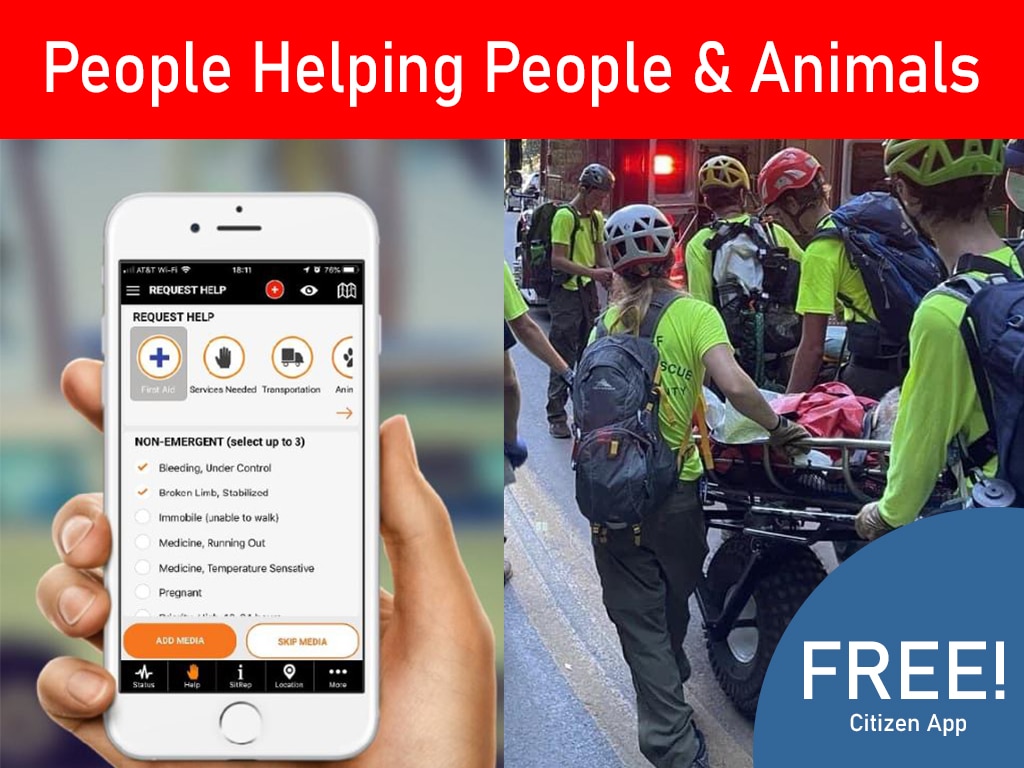
Two-way communication is equally important. Residents often see localized flooding, damaged infrastructure, isolated neighbors, or animal welfare needs before formal assessment teams arrive. A secure citizen reporting channel gives the public a meaningful role while routing observations into an organized review process. It expands situational awareness without asking residents to self-deploy into unsafe conditions.
Track Execution and Adapt
Disaster response is dynamic. A completed task may expose another need. A closed road may alter evacuation plans. A surge of help requests may require the team to open another operational period or request mutual aid. Leaders need status updates that distinguish assigned work, work in progress, completed work, deferred requests, and requests requiring escalation.
Documentation is not administrative overhead. It supports accountability, reimbursement, handoffs between shifts, responder safety, and better decisions. It also protects the organization from relying on memory after a long and demanding operational period. When teams can see who did what, where, and when, they can avoid duplicated efforts and identify gaps before they become failures.
Common Response Failures and Their Operational Cost
Many response problems begin with fragmented tools. Intake may occur in one system, volunteer tracking in another, mapping in a third, and field updates in private text-message threads. Staff then spend valuable time reconciling records instead of coordinating missions.
Another common failure is accepting volunteers without verifying qualifications, availability, or supervision requirements. Spontaneous volunteers can be a major asset, especially during large community events, but unmanaged deployment can create safety and liability concerns. A responsible operation matches volunteers to suitable roles, provides clear check-in procedures, and maintains accountability from assignment through demobilization.
Overcommunication can also be as damaging as undercommunication. Repeated messages with conflicting instructions erode trust. On the other hand, waiting for every detail before communicating can leave residents exposed to preventable danger. Teams need approved message workflows, designated communicators, and an understanding of when preliminary guidance is necessary.
What Effective Response Looks Like
An effective response is measured by more than the number of calls answered or volunteers mobilized. It shows up in outcomes: people receive credible direction, urgent needs are identified and addressed, resources are used safely, field teams know their assignments, and leaders can explain the status of the operation at any point.
It also leaves usable records behind. After-action review should examine response times, assignment completion, unmet needs, resource shortages, communication gaps, and recurring reports by location. These insights strengthen the next preparedness cycle. If the same neighborhoods repeatedly report drainage failures or lack transportation during evacuations, the organization has identified a planning issue, not just an isolated incident.
Building a More Coordinated Response Before Disaster Strikes
Response capability is built before the first alert is issued. Organizations need current contact directories, trained and credentialed personnel, role-based access to sensitive information, preconfigured incident workflows, and a way to collect community reports without losing control of the operational picture.
A purpose-built platform such as PubSafe can bring volunteer management, dispatch activity, help requests, work orders, alerts, training records, and live mapping into a single operational environment. That structure helps emergency managers and community organizations move from scattered reports to accountable action while giving residents a safe channel to share what they see.
The goal is not to replace professional judgment with software. It is to give experienced people cleaner information, clearer workflows, and more time to protect their communities. When the next report comes in, the strongest response begins with a simple promise kept: someone sees the need, someone owns the task, and help can move with purpose.