
When a siren sounds or an alert reaches a phone, not everyone receives the same warning in the same way. A message that depends on hearing, fast reading, or fluency in one language can leave neighbors without the information they need to make a safe decision.
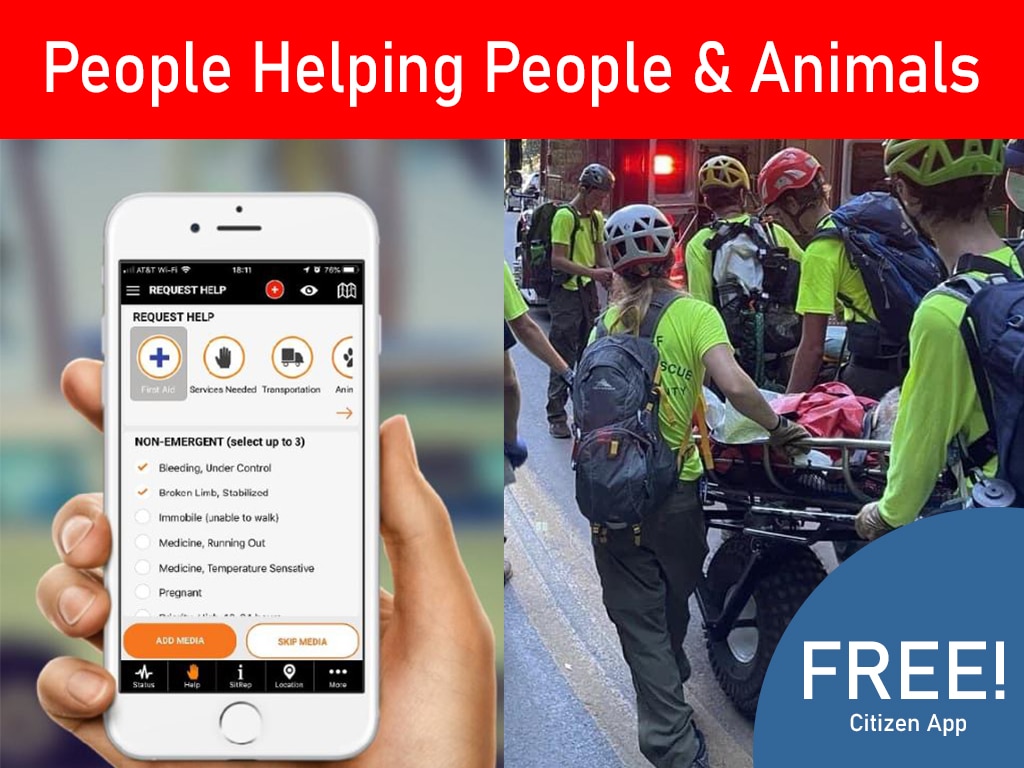
Thank you for reading this post, don't forget to install the free PubSafe mobile app and subscribe!
Ready.gov recommends building accessibility into emergency planning, websites, alerts, and public education materials. The practical starting point is to define what inclusive communication covers, then connect those principles to the people, channels, and response decisions in your community.
What Is Accessible Emergency Communication?
Accessible emergency communication means making warnings, instructions, and public safety information understandable and usable for everyone. Including people with disabilities and limited language proficiency, through coordinated visual, auditory, and tactile alerts, plain language, and translated content.
Accessible emergency communication gives every person a fair opportunity to receive, understand, and act on critical information. It accounts for disability, language proficiency, and different ways people access information, so an alert is not considered successful merely because it was sent.
It includes more than an emergency text or siren. Warnings, evacuation instructions, public education materials, emergency websites, and updates during response should be understandable and usable by the whole community. That may require plain language, translated content, captions, screen-reader-friendly pages, audio, visual signals, or tactile alerts, depending on the audience and situation.
The goal is not to create a separate system for every group. It is to build multiple, dependable ways to communicate the same essential message. A resident who is Deaf may need a visual or vibrating alert instead of an audible warning. Someone with limited English proficiency may need a translated message and a trusted community liaison. A person using assistive technology must be able to navigate the emergency website and understand its instructions.
Accessibility also belongs throughout the emergency planning cycle, not just at the moment a disaster occurs. Communities should make preparedness education accessible, test alert formats before an incident, and maintain communication methods that work during real-time response. Reviewing messages with people who have different access needs can reveal barriers that planners may otherwise miss.
Why Inclusive Emergency Alerts Matter During a Disaster
During a disaster, an alert is only useful when people can receive it, understand it, and act on it in time. Accessible emergency communication gives vulnerable populations the information they need to make safer decisions. Whether that means evacuating, sheltering in place, avoiding a hazard, or checking on someone nearby. Delayed or inaccessible information can turn a manageable emergency into a more dangerous situation.
People do not all receive warnings in the same way. A siren may not reach someone who is deaf or hard of hearing. A text-heavy website may create barriers for someone using a screen reader. A message written only in English may not be clear to a resident with limited English proficiency. Inclusive alerting accounts for these differences before an emergency occurs, rather than expecting people to overcome them during a crisis. Ready.gov recommends multi-channel alerts that can include visual, auditory, and tactile components, improving the likelihood that a warning is both seen and understood.
Clarity matters as much as speed
Sending an alert quickly is important, but speed cannot compensate for confusing language. Emergency messages should state what is happening, where it is happening, what people should do, and when they should do it. Use short sentences, familiar words, and a direct call to action. Avoid unexplained acronyms, technical terms, and instructions that require readers to interpret a complicated sequence.
This approach supports people with sensory or cognitive impairments while making messages easier for everyone to follow under stress. Clear and urgent communication also helps local safety coordinators, CERT teams, and community leaders coordinate a consistent response across channels.
How to Make Emergency Alerts Truly Accessible
Effective alerts do more than make noise. They give people clear, usable information through the channels and formats they can access, even when stress, distance, disability, or language barriers affect how they receive a warning. An accessible emergency communication plan should combine several methods rather than depend on a single siren, text message, website, or broadcast.
Use a mix of visual, auditory, and tactile signals. Pair spoken announcements and audible tones with high-contrast visual alerts, captions, vibration-based notifications, and other cues. This redundancy helps ensure that a person who cannot hear an alarm. See a flashing notification, or use one particular device still has another way to recognize the warning. A mass notification system can help coordinate these channels so the same urgent information reaches people consistently.
| Alert format | Best for reaching | Example |
|---|---|---|
| Audible (sirens, voice) | People who can hear and focus on sound | Outdoor siren and broadcast announcement |
| Visual (text, captions, flashing) | People who are deaf or hard of hearing | App push notification, screen caption, strobe light |
| Tactile (vibration) | People who cannot see or hear an alarm | Vibrating bed shaker, connected smoke alarm |
| Plain-language and translated | People with cognitive differences or limited English | Short translated instruction with simple symbols |
Write instructions people can act on quickly
Use plain language in every warning, alert, and instruction. Put the most important action first, such as where to go, what to avoid, or when to leave. Prefer familiar words over technical terms, explain unavoidable acronyms, and separate multiple actions into short paragraphs or bullet points. Include the location, hazard, timeframe, and source of the message when those details are known. Clear wording supports people with cognitive disabilities and helps everyone make decisions under pressure.
Plan for language access before an emergency
Translate alerts into the most commonly spoken languages in the jurisdiction, and identify community liaisons who can help review messages and reach residents through trusted networks. Visual symbols can reinforce translated text, but they should support, not replace, meaningful written or spoken instructions. Test each format and channel during drills, then use feedback from residents, CERT teams, and local partners to close gaps.
Reaching People Who Are Deaf or Hard of Hearing
A siren is not a complete emergency communication strategy. People who are Deaf or hard of hearing may need a warning that they can see. Feel, and read, especially when they are asleep, indoors, or away from a phone. Accessible emergency communication uses multiple alert paths so one missed signal does not become a missed chance to act.
Start with visual alerts. High-contrast notifications, flashing lights, and clearly displayed instructions can communicate urgency without relying on sound. Text messages and app push notifications add another direct channel, particularly when the message explains what is happening, where it applies, and what people should do next. Keep the wording plain and action-oriented. Avoid unexplained abbreviations or instructions that require a follow-up phone call.
Vibration adds an important tactile layer. Connected smoke and carbon monoxide detectors with visual and vibration alerts can provide redundancy for people who may not hear an alarm, as Ready.gov recommends. Wearable devices, vibrating bed shakers, and other alert accessories can extend that warning to different rooms and situations. Communities should ask residents which tools they rely on rather than assuming a single format will work for everyone.
Emergency managers should also test the full experience before an incident. Confirm that alerts display correctly on common devices, that links lead to readable instructions, and that updates reach people through both text and app channels. Include Deaf and hard-of-hearing residents in drills or feedback sessions. Their experience can reveal gaps that a checklist misses, from poor contrast to unclear escalation instructions.
Supporting People With Visual or Cognitive Impairments
Accessible emergency communication must account for how people receive, process, and act on information. A visual alert that works well for most residents may be unusable for someone who relies on assistive technology. While a dense paragraph can slow decision-making for a person with a cognitive impairment.
For people with visual impairments, provide emergency information in screen-reader accessible formats, along with braille and audio broadcasts when appropriate. Digital alerts should use meaningful headings, descriptive link text, sufficient contrast, and a logical reading order so assistive technology can interpret the content. Ready.gov recommends providing information through screen-reader accessible formats, braille, and audio, and ensuring websites with emergency information meet accessibility standards: Ready.gov guidance on people with disabilities.
Accessibility also applies to the destination, not just the initial notification. If an alert links to evacuation instructions, shelter information, or a recovery update, that page must be usable with assistive technology. Check mobile pages and emergency forms before an incident, because a technically valid link is not useful if residents cannot navigate or understand what it contains.
People with cognitive impairments may need a different kind of support. Use plain language, short sentences, and one clear action at a time. Put the immediate instruction first, state the location and timing plainly, and avoid unexplained acronyms, idioms, and unnecessary detail. Consistent wording and familiar visual cues can reduce confusion when stress is high. Include these communication needs in planning and exercises, rather than treating them as an afterthought.
Communicating With People Who Have Limited English Proficiency
During an emergency, a message is only useful when people can understand it quickly enough to act. Translation should therefore be part of the alert plan before an incident occurs. Not an improvised step after an evacuation order or severe weather warning has already been issued.
Translate alerts into the languages most commonly spoken in your jurisdiction. Use local demographic information, school and public health partners, and input from neighborhood organizations to determine which languages deserve priority. Translate the action first: where to go, what to avoid, when to leave, and how to request help. Keep sentences short, use familiar terms, and avoid idioms or technical emergency-management language that may not translate clearly.
The Federal Emergency Management Agency recommends combining translated messages with community liaisons and visual symbols. Liaisons can help emergency managers understand how different communities receive information, identify trusted messengers, review translations for local clarity, and share alerts through established networks. They may include bilingual staff, faith leaders, cultural organizations, school representatives, or trained CERT volunteers.
Visual communication adds another layer of understanding. Pair translated text with recognizable symbols, consistent color cues, and simple illustrations that reinforce the required action. Do not rely on color alone, and test symbols with people who will use them. A pictogram that seems obvious to an emergency coordinator may be unfamiliar in another cultural context.
Document these decisions in an emergency communication plan, including approved translations, reviewer contacts, liaison responsibilities, and backup channels. Review the plan regularly as community language needs change.
How PubSafe Helps Communities Send Clear, Inclusive Alerts
Inclusive emergency communication depends on more than sending one message and hoping everyone receives it. Communities need practical ways to reach residents, volunteers, response teams, and partner organizations through the channels they already use. PubSafe provides a low-cost, flexible platform for coordinating those messages as conditions change.
Its communication tools support 1-to-1 chat, team messaging, and mass broadcasts. That range helps emergency managers match the message to the situation. A coordinator can have a direct conversation with an individual, share operational information with a CERT team. Or distribute an urgent community-wide alert without relying on a single channel.
PubSafe also supports polygon-based group messaging, allowing authorized users to target alerts to a defined neighborhood or other geographic area. This neighborhood-level approach makes messages more relevant and reduces the risk of overwhelming people with warnings that do not apply to them. More granular messaging can improve accessibility because recipients can focus on clear instructions for their location and circumstances.
For organizations that must coordinate across roles, PubSafe provides real-time collaboration for NGOs, CERT teams, and local governments. Teams can share updates, organize response activity, and keep communication connected as an incident develops. Learn more about how PubSafe works and its role as a disaster response platform.
Frequently Asked Questions
What does accessible emergency communication mean?
It means making emergency warnings, instructions, and updates usable by everyone, including people with disabilities and people who speak limited English. Effective communication considers how people receive information, how quickly they can understand it, and whether they can act on it.
How can emergency alerts be made more accessible?
Use more than one delivery method, such as visual notifications, audio, vibration, and text that works with assistive technology. Write in plain language, provide translations for commonly spoken languages, and repeat critical instructions across channels so one missed alert does not become a missed warning.
What strategies help people with visual impairments receive emergency information?
Provide screen-reader-friendly digital content, accessible websites, audio announcements, and braille when appropriate. Keep the message structure simple, identify the hazard and location clearly, and state the required action without relying on color, images, or visual formatting alone.
How can communities reach people who are deaf or hard of hearing?
Pair audible warnings with visible and tactile options, including text alerts, flashing signals, and vibration-enabled devices. Make sure updates remain available after the initial warning, since people may need time to confirm what happened and what action is required.
How can emergency managers communicate with people who have limited English proficiency?
Translate alerts into the most commonly spoken languages in the jurisdiction, and use community liaisons to review outreach methods and build trust. Visual symbols can reinforce translated text, but messages should still use short, plain-language instructions that are easy to interpret.
Contact us to make emergency alerts more inclusive
Clear, accessible communication helps communities reach more people with information they can understand and use during a disaster. PubSafe can help you explore practical ways to support inclusive alerts across your community, including communication that is easier to follow for people with different access needs. Contact PubSafe to see how the platform can support your emergency communication goals.