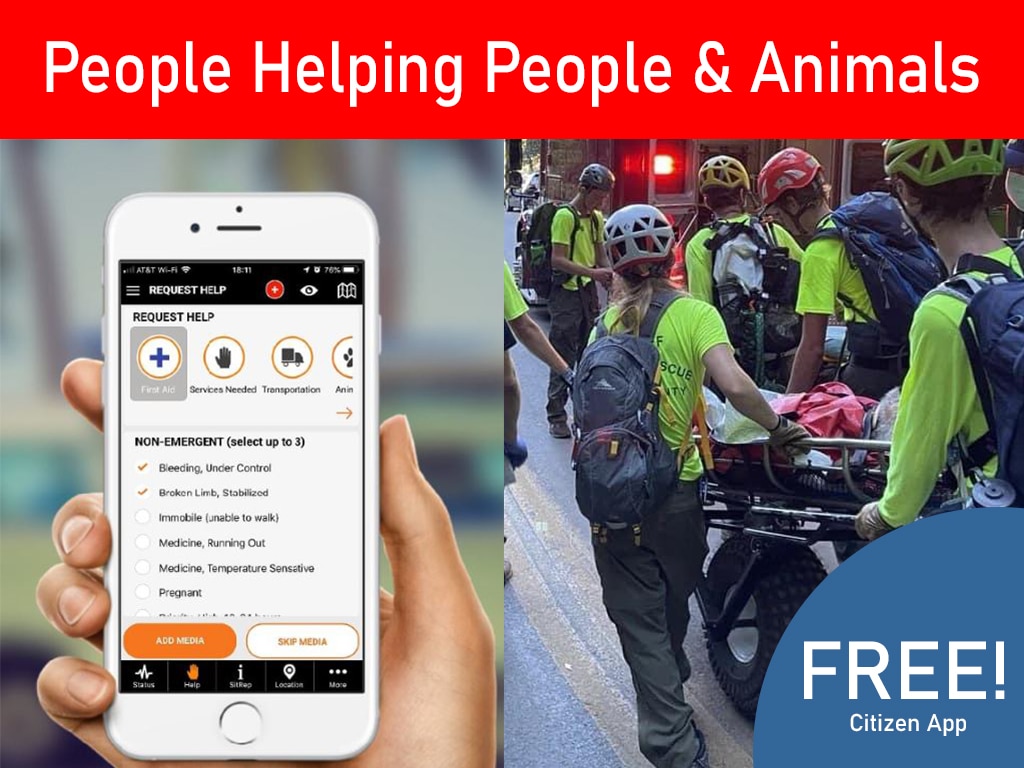
A spontaneous volunteer arriving at a shelter, distribution site, or debris-removal operation may be ready to help within minutes. But willingness alone is not an assignment qualification. A disciplined disaster volunteer onboarding process gives incident leaders the information, permissions, training, and accountability needed to put people to work safely without slowing the mission.
For emergency managers, CERT leaders, NGOs, and volunteer coordinators, onboarding is not administrative overhead. It is a field-safety and coordination function. When volunteer records live in paper forms, inboxes, and disconnected spreadsheets, teams lose time confirming who is available, who is trained, and who has been cleared for sensitive duties. During a fast-moving event, those gaps can affect both responders and residents seeking help.
Start the Disaster Volunteer Onboarding Process Before Impact
The best time to build onboarding workflows is blue-sky operations, not the first operational period of an emergency. Pre-registering volunteers gives organizations time to validate information, deliver baseline training, and identify the capabilities available across the community.
Start with a consistent application that captures the information your organization will actually use in the field. This generally includes contact details, emergency contacts, availability, relevant skills, languages spoken, certifications, physical limitations or accommodation needs, preferred assignments, and prior disaster-response experience. Keep the form focused. Asking for information that does not support safety, placement, or accountability can discourage participation and creates unnecessary data-handling responsibility.
Volunteer categories should also be established before activation. A trained shelter volunteer, a certified chainsaw operator, a radio communicator, an animal-care volunteer, and an unaffiliated resident offering general labor should not enter the same workflow. Separate role tracks make it easier to set training requirements, supervision levels, and assignment limits.
Pre-registration does not eliminate the need for check-in during an incident. It gives the operations team a verified starting point. Availability changes, credentials expire, and conditions on the ground may require reassessment.
Define What “Cleared to Deploy” Means
A volunteer record is not operationally useful simply because it exists. Organizations need a clear status model that shows where each person is in the onboarding path and what they are authorized to do.
A practical status flow may move from applicant to pending review, approved, trained, credentialed, active, deployed, demobilized, or inactive. The exact labels can vary, but each status should have an owner and a documented rule for moving forward. For example, a volunteer may be approved for general support after completing orientation, while deployment to a shelter requires additional background screening and shelter-specific training.
This distinction matters because not every mission has the same risk profile. A volunteer distributing water at a public point of distribution may need a basic safety briefing and supervisor check-in. A volunteer handling client information, entering damaged homes, driving organizational vehicles, or working near hazardous debris may require additional verification, documented training, insurance review, or direct supervision.
Avoid treating screening as an all-or-nothing decision. Some organizations need formal background checks for specific roles. Others may rely on credential validation, partner-agency rosters, references, or limited assignments under close supervision. The right standard depends on the duty, the population served, local policy, and the level of access involved. What matters is that the standard is consistent and visible to the people making assignments.
Build an Orientation That Prepares People for Reality
Orientation should answer the questions volunteers will face before they arrive at an assignment: Who is in charge? How do I receive tasks? What hazards should I report? When do I stop work? Where do I check out?
A strong orientation is short enough to complete before deployment but specific enough to establish operating discipline. It should cover incident command structure, communications channels, personal protective equipment expectations, accountability procedures, documentation requirements, reporting hazards and injuries, and respectful interaction with survivors. Volunteers should understand that they do not self-deploy, freelancing is not permitted, and changing conditions may require an assignment to pause or end.
For organizations that work with vulnerable populations, add clear expectations for privacy, photography, social media, and handling personal information. A volunteer who means well can still expose sensitive details by posting a shelter location, photographing a client intake area, or sharing an address in an unapproved group chat.
Training records should be tied directly to permissions. If a course expires or a required acknowledgement is missing, the system should flag the limitation before a coordinator assigns the person to a restricted role. This is more dependable than relying on memory during a crowded shift change.
Match Skills to Missions, Not Just Open Shifts
Volunteer coordination often becomes a race to fill positions. Yet the fastest assignment is not always the safest or most effective assignment. A better approach is to define each mission by the skills, credentials, location, shift time, supervisor, safety requirements, and reporting expectations it requires.
Then match volunteers against those conditions. A bilingual volunteer may be especially valuable at a community resource center. Someone with animal-handling experience may support pet shelter operations. A volunteer with logistics experience may be better placed at a staging area than at a public-facing intake table. Skill matching also helps prevent highly trained people from being used only for general labor when specialized needs are building elsewhere.
Every assignment needs a clear supervisor. Volunteers should know who can redirect their work, approve a break, respond to a safety concern, and document hours. For high-volume operations, team leads can manage small groups while a volunteer coordinator maintains the broader roster and status picture.
Use Check-In and Check-Out to Maintain Accountability
Onboarding continues after approval. Every operational shift should begin with check-in and end with check-out. This is how leaders know who is currently on site, who has received a briefing, and who may still be working when conditions deteriorate or evacuation becomes necessary.
At check-in, confirm identity, current contact information, assignment, and fitness for duty. Provide the day’s safety message, operational objectives, work location, supervisor, and reporting instructions. If conditions have changed since the volunteer last served, the briefing should reflect that change rather than repeating a generic orientation.
At check-out, capture hours, completed work, issues encountered, equipment returned, injuries or near misses, and availability for the next shift. These records support reimbursement documentation, volunteer recognition, after-action reporting, and future planning. More immediately, they allow the next operational period to begin with an accurate view of staffing and unfinished work.
Digital check-in is especially useful when multiple sites are active. Coordinators should be able to see deployment status without calling every site or searching through handwritten rosters. A shared operations portal can connect volunteer profiles, qualifications, assignments, work orders, incident reports, and live mapping so leaders have a current view of people and missions in one place.
Protect Volunteer and Resident Information
Disaster work involves sensitive information even when volunteers are performing basic support tasks. Volunteer records can include phone numbers, emergency contacts, training history, background-check status, and availability. Resident requests may include addresses, health concerns, mobility needs, or details about damaged property.
Access should follow the role. A team lead may need to see a volunteer’s name, contact method, assignment, and relevant qualifications, but not every administrative detail. Likewise, volunteers should receive the information necessary to complete a mission, not unrestricted access to resident records or the overall incident database.
Set clear rules for storage, retention, exports, and personal-device use. Shared spreadsheets and informal text chains may feel convenient during response, but they make permission control and record recovery difficult. Secure, role-based access helps preserve trust with both volunteers and the community.
Plan for Spontaneous Volunteers Without Losing Control
Even organizations with strong pre-registration programs will receive offers of help after a disaster. Turning people away without direction can push them toward unsafe self-deployment. Accepting everyone without structure can create its own safety and accountability problems.
Create a separate intake path for spontaneous volunteers. Collect essential information, explain the current operational need, provide a brief safety orientation, and assign only work that matches their level of clearance and supervision. If no safe role is available, provide a clear next step, such as a future shift, a partner organization, or a community recovery activity that does not require incident-site access.
PubSafe can help organizations maintain this structure by keeping volunteer profiles, certifications, training, dispatch activity, help requests, work orders, and operational mapping within one coordinated workspace. The goal is not to make volunteerism bureaucratic. It is to make every offer of help easier to place, track, and protect.
A prepared onboarding process gives volunteers something valuable before they ever report for duty: confidence that their time will be used well. When people understand their role, their supervisor, and the safety boundaries of the mission, they can focus on what brought them there – helping people, animals, and communities recover.