A missed shift at a food distribution site is inconvenient. A missed shift at a shelter, damage-assessment operation, or disaster call center can leave residents without support and incident leaders without critical field information. The best volunteer scheduling tools do more than fill open time slots. They help organizations place qualified people where they are needed, confirm who arrived, and maintain an accountable operational record.
For emergency management agencies, CERT programs, nonprofits, and community response groups, the right choice depends on the mission. A simple sign-up tool may work for a one-day cleanup event. A hurricane activation, wildfire evacuation, or long-term recovery effort requires deeper visibility into credentials, assignments, communications, and changing conditions.
What the Best Volunteer Scheduling Tools Must Handle
Volunteer scheduling is often treated as a calendar problem. In public safety operations, it is a readiness and coordination problem. Coordinators need to know not only who selected a shift, but whether that person is trained for the assignment, reachable during an activation, and checked in at the correct location.
Look for tools that support role-based shifts, capacity limits, automated confirmations and reminders, and a clear view of vacancies. Mobile access matters when volunteers are away from desks or when conditions change quickly. A useful system should also preserve a record of hours, assignments, attendance, and communications for reporting, reimbursement support, recognition, and after-action review.
The highest-stakes operations need more. Consider whether the platform can connect scheduling to volunteer profiles, certifications, training, incident tasks, work orders, field reporting, mapping, and resident requests. If those records live in separate systems, the coordination team must spend valuable time reconciling information instead of directing the response.
10 Best Volunteer Scheduling Tools for Response
1. PubSafe
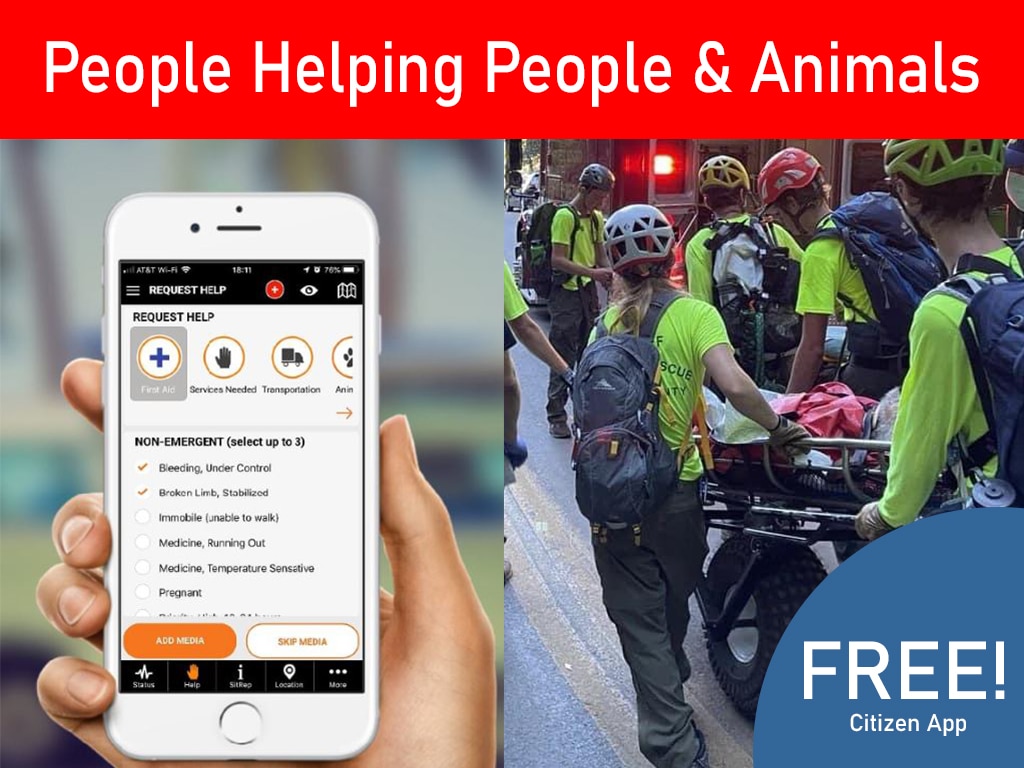
PubSafe is built for organizations that need to coordinate volunteers within a broader disaster-response operation. Its scheduling value is tied to an all-in-one operational picture: volunteer and member records, certifications, training, help requests, dispatch activity, work orders, alerts, and live mapping can be managed in the same environment.
This approach is particularly suited to emergency-management departments, CERT teams, NGOs, and community leaders managing blue-sky readiness as well as gray-sky incidents. Rather than treating volunteers as a separate program, teams can connect people to missions and community needs as they develop. The trade-off is that this level of operational coordination may be more system than a small group needs for a single annual event.
2. Better Impact
Better Impact’s Volunteer Impact platform is a strong fit for established volunteer programs that need structured intake, volunteer profiles, opportunity management, and detailed scheduling. It is commonly considered by organizations with recurring programs and substantial administrative requirements.
Its strength is volunteer lifecycle management, from application and orientation through service tracking. Emergency organizations should confirm how easily they can adapt schedules, communications, and reporting during a rapidly changing activation. A platform optimized for planned programs may require careful configuration for incident-driven work.
3. VolunteerHub
VolunteerHub is designed around volunteer recruitment, registration, communication, and scheduling. It can be a practical option for nonprofits and civic organizations running many opportunities across multiple locations.
The platform is worth considering when public-facing sign-up and volunteer engagement are primary concerns. For disaster response, assess whether it supports the specific approval workflows, qualification checks, and operational integrations your organization requires before assigning people to sensitive roles.
4. Volgistics
Volgistics has long been used by volunteer organizations that need dependable scheduling, service-hour records, and administrative controls. It is especially relevant for programs with recurring shifts and a stable volunteer base, such as community services, shelters, and support organizations.
The system’s structured approach can reduce the manual work of managing calendars and attendance. Its limitation is contextual: teams that require incident mapping, citizen-generated reports, or dispatch-linked assignments may need additional systems to create a full operational picture.
5. SignUpGenius
SignUpGenius is familiar to many community groups because it makes basic sign-up pages fast to create and easy to share. It can work well for donation sorting, community events, neighborhood cleanup days, and other low-complexity assignments.
For an emergency activation, its simplicity becomes both its advantage and its constraint. It can fill a short-term need quickly, but it is not designed to be a source of record for training status, field accountability, sensitive information, or multi-agency coordination.
6. WhenToHelp
WhenToHelp focuses on availability collection and scheduling for groups that need to organize recurring shifts. Programs with predictable service calendars may appreciate a system that helps coordinators identify who can work and communicate schedules clearly.
This is a sensible option when scheduling itself is the central problem. Organizations should plan for companion processes if they also need volunteer credential management, task tracking, field reports, or a centralized incident log.
7. Galaxy Digital
Galaxy Digital provides volunteer management tools that can support opportunity posting, registration, engagement, and impact reporting. It may suit municipal volunteer programs and community organizations looking to build ongoing participation beyond a single emergency.
Its community-facing orientation can be valuable for recruiting residents into preparedness and service efforts. Response leaders should evaluate how the platform handles urgent changes, permission levels, and deployment-specific qualifications when choosing it for disaster operations.
8. Civic Champs
Civic Champs is geared toward volunteer engagement and impact measurement, with tools that can support volunteer check-in and service tracking. Organizations that place high value on documenting outcomes and maintaining a positive volunteer experience may find it compelling.
That focus makes sense for sustained community programs and partner-led events. During complex incidents, coordinators should determine whether the platform provides enough command-level visibility or whether it needs to sit alongside a dedicated emergency operations system.
9. Rosterfy
Rosterfy supports volunteer program management at scale, including recruitment, communications, scheduling, and reporting. It can be a fit for organizations that coordinate large volunteer populations across campaigns, venues, or distributed service programs.
For a major planned event or a mature nonprofit operation, scale is a meaningful benefit. Public safety buyers should examine data governance, emergency workflows, and how quickly field supervisors can make and communicate assignment changes during an incident.
10. GivePulse
GivePulse combines volunteer opportunities, participation tracking, and community engagement. It can help organizations connect with schools, civic groups, and residents who are looking for meaningful service opportunities.
It is particularly useful where partnership building and volunteer discovery are priorities. For emergency response, make sure its scheduling workflow fits the organization’s requirements for approval, operational accountability, and rapid reassignment.
How to Choose Without Creating Another Silo
Before comparing feature grids, identify the operational decision the system must support. Is the goal to fill 40 shifts for a community event? Maintain a trained reserve force? Deploy volunteers to neighborhood damage assessments while tracking incoming resident needs? Those are different use cases, and they demand different levels of control.
A practical evaluation should test four scenarios: a volunteer signs up for an open shift, a supervisor verifies that person is qualified, conditions force a last-minute reassignment, and leadership needs an accurate record of who served where. If the process breaks in any one of those moments, the platform may add administrative burden during the very period it is supposed to reduce it.
Security deserves the same scrutiny. Volunteer records may include contact details, availability, training history, and operational assignments. Ask how roles and permissions are managed, how data is retained, and whether the system can support the organization’s policies for sensitive information. A public-facing sign-up experience should not expose internal operational details.
Also involve the people who will use the system under pressure. Volunteer coordinators need simple roster controls. Field supervisors need quick check-in and assignment visibility. Incident leaders need confidence that staffing information reflects reality, not a spreadsheet updated hours earlier. A tool that satisfies only one of these groups can create blind spots for the others.
The best choice is the one that fits your mission before, during, and after an activation. Build the workflow around qualified people, verified assignments, and clear communication. When an incident changes the plan, your team should be able to redirect effort quickly while volunteers remain connected to the purpose that brought them forward: helping people, animals, and their community.