A flooded roadway, a welfare-check request, and a report of downed power lines may arrive within minutes of one another. Creating disaster response work orders is the moment those reports become accountable action – with a defined mission, the right people, a known location, and a record leaders can rely on as conditions change.
A work order is more than a task ticket. During emergency operations, it is the operational handoff between intake, command, dispatch, field teams, and the community member waiting for help. If that handoff is incomplete or buried in texts and spreadsheets, a response can be delayed even when capable people and resources are available.
Why disaster work orders need a different standard
Routine maintenance work orders can often wait for clarification. Disaster assignments usually cannot. Information may be partial, the scene may be unsafe, and priorities can shift before a team reaches the address. That makes structure essential, but it does not mean forcing every incident into a rigid form.
A strong disaster work order gives responders enough direction to act safely while preserving room for field judgment. It captures what is known, identifies what still needs confirmation, and makes the next decision visible to the people responsible for it.
The standard should be clear: anyone opening the assignment should understand the mission, urgency, location, hazards, assigned resources, and required outcome without searching through a message thread. Command staff should be able to see its status without calling the field team for every update.
Creating disaster response work orders from verified needs
The work order process begins before an assignment is created. Emergency operations centers, volunteer groups, and NGO teams often receive reports through phone calls, radio traffic, social media, partner agencies, and residents. These channels produce valuable local intelligence, but they also produce duplicates, rumors, and requests that lack enough detail for dispatch.
Use a defined intake process to capture the report source, time received, contact information, exact or approximate location, nature of the need, and immediate safety concerns. A report from a resident should be treated seriously, but it should not automatically become a field mission. Triage protects both the public and responders.
For example, a resident report of a blocked driveway may be a low-priority debris assessment. That same report becomes more urgent if the household includes a person dependent on medical equipment, if emergency access is blocked, or if the debris involves energized lines. The work order should reflect the verified priority and the reason behind it.
Separate the report from the mission
Keeping the original report connected to the work order preserves context and accountability. It also prevents field teams from receiving a stripped-down assignment that omits a critical detail mentioned during intake.
At the same time, the mission record should be clear and actionable. “Help needed at residence” is not a dispatchable work order. “Conduct welfare check; resident reports no power and oxygen concentrator battery nearing depletion; coordinate medical transport if required” gives a team a defined purpose.
When details are uncertain, label them as unverified rather than presenting them as fact. This small distinction helps supervisors make better risk decisions and helps responders know what to confirm on arrival.
What every emergency work order should contain
The exact fields depend on the incident, organizational policy, and whether the work involves trained staff, volunteers, or partner agencies. Still, each operational work order needs a consistent core record.
Start with a unique work order number and a short, plain-language mission title. Include the operational period, date and time created, priority level, location, reporting party, and assigned unit or team. If an address is unavailable, capture usable map coordinates, landmarks, or a safe meeting point.
The mission description should state the requested action and the conditions known at the time of assignment. Add relevant hazards such as floodwater, damaged structures, traffic exposure, animals, hazardous materials, electrical risk, or security concerns. If a responder needs a certification, specialized equipment, or law-enforcement support, make that requirement visible before dispatch.
Define the completion standard as well. Some work orders close when a damage assessment is submitted. Others require a photo, resident contact attempt, resource delivery confirmation, escalation to another agency, or supervisor approval. Without a clear completion standard, teams may report a task as done while command still lacks the information needed to make the next decision.
Sensitive information requires special handling. Medical details, personal contact information, access codes, and information about vulnerable residents should be available only to people with a legitimate operational need. A shared spreadsheet or open group chat is rarely an appropriate system of record for this work.
Assign for capability, not simply availability
The nearest available person is not always the right resource. A debris assessment can be assigned differently than a welfare check, animal evacuation, shelter support task, or damage documentation mission. The work order should help coordinators match the assignment to qualifications, role permissions, equipment, and local knowledge.
This is especially important for volunteer organizations. Volunteers are a force multiplier when they are assigned within their training and authority. They should not be sent into flood zones, unstable structures, traffic control, or medical situations without the required preparation, supervision, and approval.
Before dispatching, confirm who is leading the assignment, who is participating, how the team will communicate, and when they are expected to check in. A simple status progression – assigned, en route, on scene, pending, completed, or unable to complete – creates accountability without adding unnecessary administrative burden.
There are trade-offs. Requiring extensive approvals for every low-risk task slows response. Allowing unrestricted self-dispatch creates duplication and can place people in unsafe areas. The right workflow uses risk, priority, and mission type to determine how much review an assignment needs.
Keep work orders connected to the operational picture
A work order should not disappear once it is assigned. Leaders need to see where teams are operating, which requests remain open, what resources are committed, and where patterns are emerging. Mapping active work orders alongside incoming reports can reveal a cluster of unmet needs, a road access problem, or an area requiring additional assessment.
Field updates matter just as much as initial details. A team may find that a reported tree obstruction is actually a utility emergency, that a resident has already received assistance, or that several nearby homes have similar needs. The work order should allow responders to update status, add notes, attach documentation where appropriate, and request escalation from the field.
This creates a reliable feedback loop. Intake informs dispatch. Dispatch informs field action. Field action improves situational awareness. Command can then redirect resources based on current conditions rather than assumptions made hours earlier.
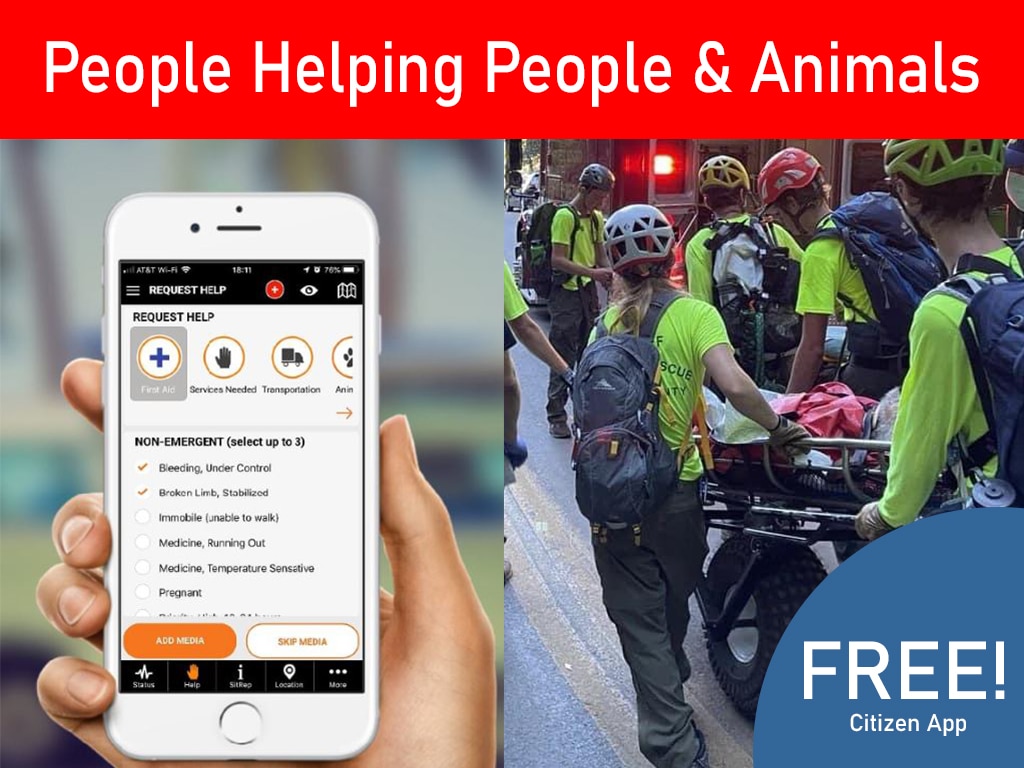
PubSafe supports this workflow by bringing help requests, dispatch activity, work orders, trained personnel records, and operational mapping into one secure cloud-based environment. A resident using the free citizen app can contribute a local observation, while authorized coordinators determine whether that report requires verification, a work order, or another response path.
Build closure into the assignment, not after it
Closing a disaster work order is not merely changing a status to complete. The closeout record should show what was done, by whom, when, and with what result. If the mission could not be completed, document why: unsafe conditions, no contact, inaccessible location, insufficient resources, duplicate request, or referral to another agency.
That record protects the organization and supports continuity between operational periods. A new shift should not have to reconstruct whether a resident was contacted or whether a field team returned equipment. Clear closeout also helps with reimbursement documentation, incident reporting, after-action review, and future preparedness planning.
Supervisors should review exceptions, overdue assignments, and repeat requests. Repeated welfare-check requests in one neighborhood may indicate a communication gap. A high number of unable-to-complete work orders may signal access issues, an unrealistic task design, or a need for different resources.
Prepare the work order process before the next incident
The best time to decide which fields, priorities, permissions, and status rules matter is before gray-sky operations begin. Build work order templates for recurring missions such as damage assessment, welfare checks, supply delivery, debris assessment, animal support, shelter support, and volunteer check-in. Train staff and volunteers on the difference between receiving a report, creating a mission, accepting an assignment, and closing the record.
Then test the workflow during exercises. Ask whether a night-shift dispatcher can create a usable assignment in under a few minutes, whether a field supervisor can see hazards on a mobile device, and whether command can identify stalled work without calling every team. The answers will expose gaps before they affect real people.
A well-built work order does not make a disaster predictable. It gives every responder a clearer path to serve the person, family, neighborhood, or animal waiting on the other end of the request.