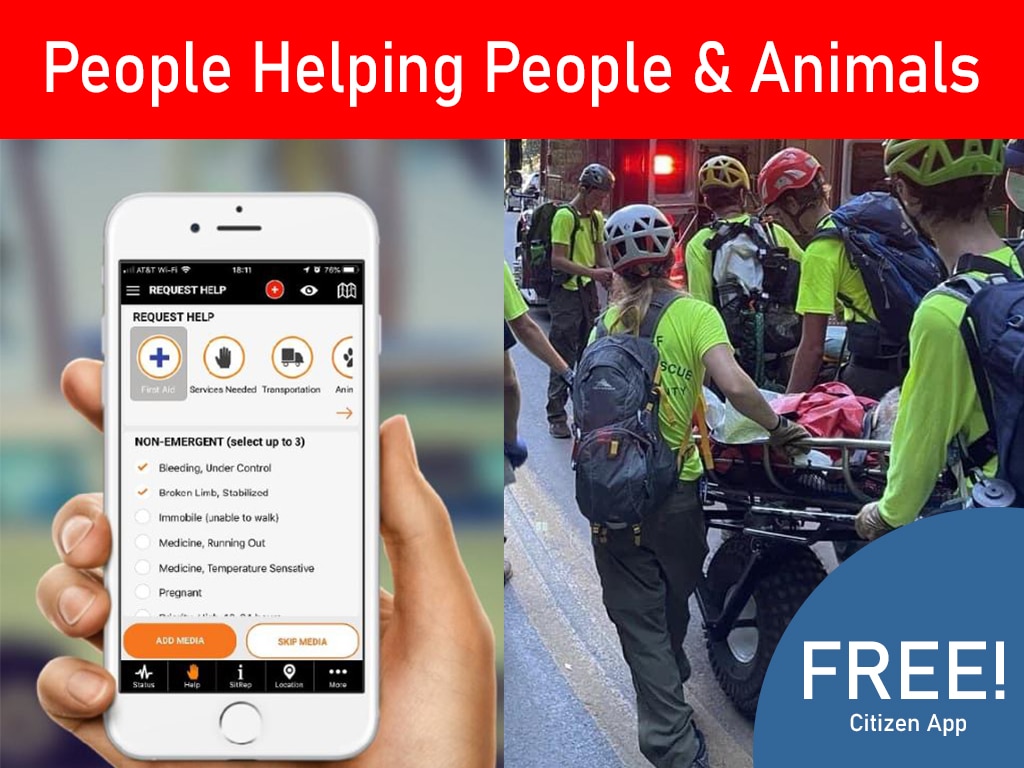
Completing a CERT training course is an empowering experience. You learn how to put out small fires, provide basic medical aid, and conduct light search and rescue. You’re ready to help. But when a real emergency happens, that desire to help can quickly turn into frustration if you can’t coordinate with your team. How do you know where to go? Who needs assistance? What hazards have already been identified? This is the critical gap that technology is now filling. The most effective CERT incident management tools for local emergency teams are designed to answer these questions, giving your team the real-time situational awareness needed to turn training into effective, life-saving action.
Key Takeaways
- Embrace established frameworks: Relying on proven structures like the Incident Management System (IMS) and the four pillars of emergency management gives your team a clear playbook. This ensures you can operate efficiently and coordinate effectively with professional agencies during a crisis.
- Use a single source of truth: A centralized platform cuts through the confusion of an emergency by giving everyone access to the same real-time information. This allows you to coordinate volunteers, track incidents, and share data with other agencies without missing a beat.
- Train like you respond: Technology is useless without practice, so make hands-on training a regular habit for your team. Consistent drills using your tools build the muscle memory needed to define roles, standardize reporting, and act with confidence when it matters most.
What is a CERT Team and Why Are They Essential?
If you’ve ever wondered who steps in during the critical moments after a disaster strikes but before professional help arrives, the answer is often a CERT team. CERT stands for Community Emergency Response Team, a program that provides training to volunteers on how to prepare for and respond to local emergencies. Think of them as organized, trained neighbors helping neighbors when it matters most. These teams are essential because they empower everyday citizens with the skills to handle immediate needs, from light search and rescue to basic medical aid, creating a more resilient community from the ground up.
The core idea behind CERT is that a well-prepared community is its own best asset. When a major event like a flood or tornado overwhelms professional responders, trained volunteers can manage the situation on the ground, relaying critical information and providing immediate assistance. They become a vital force multiplier, extending the reach of first responders and ensuring that help gets to where it’s needed faster. By learning how PubSafe works, you can see how technology connects these dedicated volunteers with the broader emergency response network, making their efforts even more effective. A Community Emergency Response Team is more than just a group of volunteers; it’s a structured part of a community’s safety net.
How CERT supports your community
CERTs are trained to handle a wide range of tasks that are crucial in the immediate aftermath of an emergency. When professional responders are spread thin, CERT volunteers can step in to manage emergency communications, assist in the search for missing persons, and help run temporary shelters for people and their pets. They are also equipped to provide triage and basic medical care to the injured, suppress small fires, and conduct initial damage assessments. This hands-on support not only saves lives but also brings a sense of order to a chaotic situation, giving your community a fighting chance while waiting for additional resources to arrive. Effective volunteer coordination during emergencies is key to their success.
Partnering with professional first responders
CERTs don’t replace professional first responders; they work alongside them as a crucial support system. By taking on less complex but equally important tasks, CERT volunteers allow firefighters, police, and paramedics to focus on the most critical and life-threatening incidents. This partnership makes the entire emergency response more efficient. For example, a CERT team can manage traffic control at a safe distance from an incident or document damage street by street, freeing up law enforcement and fire crews for more intensive work. This collaborative approach is fundamental to modern emergency management, and tools that support effective team management are essential for coordinating these efforts seamlessly.
What Are the 5 Components of the Incident Management System (IMS)?
When an emergency hits, the last thing you want is confusion about who’s doing what. The Incident Management System (IMS) is a standardized framework that prevents that chaos. Think of it as a universal playbook that allows your CERT team to work seamlessly with firefighters, NGOs, and other agencies. It’s designed to scale for any incident, from a localized water main break to a region-wide hurricane. This approach is used across the country, so when you understand it, you’re speaking the same language as professional responders.
IMS breaks down the massive job of emergency response into five core functions. By assigning teams to each area, you ensure that every critical task is covered, from on-the-ground rescue to tracking expenses for reimbursement later. Understanding these five components is the first step to running a smooth, effective, and safe operation within your emergency management platform. It gives your team a clear structure to follow, which helps everyone stay focused and organized, even when things feel overwhelming.
Command
The Command section sets the direction for the entire response. It’s led by a single Incident Commander (IC) who has the authority and responsibility to make final decisions and establish clear objectives. This structure eliminates confusion and allows for quick, decisive action when every second matters. The IC doesn’t do everything themselves; instead, they delegate tasks to the other four sections. For a CERT team, this means having one designated leader who communicates with professional first responders and directs the team’s efforts, ensuring everyone is working toward the same goals. A clear command structure is the foundation of a coordinated response.
Operations
This is where the action happens. The Operations section is the “boots on the ground” component, responsible for carrying out the plan created by Command and Planning. This includes all tactical, hands-on work like light search and rescue, providing medical aid, managing traffic, or staffing shelters. For CERTs, this is the core of your work in the community. To be effective, the Operations team needs clear tasks and real-time information about the situation. This is why effective volunteer coordination is so critical, ensuring the right people with the right skills are sent where they are needed most.
Planning
The Planning section acts as the nerve center of the incident response. This team is responsible for collecting and analyzing information from all sources to create the Incident Action Plan (IAP), which is the roadmap for the entire operation. They track the status of resources, document the situation as it evolves, and anticipate what might be needed next. For a CERT team, this could involve gathering damage reports from neighbors or using a platform to report an incident with photos and location data. This information is vital for helping Command make informed decisions and for keeping the IAP relevant as conditions change.
Logistics
No response can succeed without supplies. The Logistics section is the support engine that keeps the operation running. Their job is to get the right resources, services, and materials to the right people at the right time. This includes everything from food, water, and medical supplies for responders to equipment like radios, generators, and shelter materials. Logistics handles ordering, tracking, and distributing all these critical items. A well-organized logistics team ensures that the Operations section has what it needs to do its job safely and effectively. Understanding how PubSafe works can show how a platform helps track and request these resources efficiently.
Finance and Administration
While it might not seem as urgent as search and rescue, the Finance and Administration section is crucial for a sustainable response. This team handles all financial and administrative aspects of the incident, including tracking personnel hours, procuring equipment, and documenting all costs. This meticulous record-keeping is essential for accountability and, importantly, for securing reimbursement from agencies like FEMA after a disaster. For any CERT or NGO, proper financial tracking ensures your organization can recover costs and continue its mission. The first step is often a simple organization registration to establish your team within a response system.
What Are the 4 Pillars of Emergency Management?
To effectively manage any crisis, emergency professionals rely on a time-tested framework built on four key pillars: Mitigation, Preparedness, Response, and Recovery. Think of these as the four phases of a disaster lifecycle. They provide a structured approach that helps communities reduce harm, get ready for the worst, act decisively during a crisis, and rebuild afterward. For CERT teams, understanding this framework is crucial because it clarifies your role and shows how your efforts fit into the bigger picture of community safety.
Each pillar represents a different stage of disaster management, and your team’s activities will likely shift depending on which phase you’re in. Sometimes you’ll focus on educating your neighbors about risks, and other times you’ll be directly involved in the hands-on work of a response. By organizing your training and operations around these four pillars, you can ensure your team is a well-rounded, effective force for good. This structure helps everyone, from individual volunteers to government agencies, speak the same language and work toward the same goals. A solid understanding of this framework is the first step in moving from a group of concerned citizens to a coordinated and capable response team.
Mitigation
Mitigation is all about preventing future emergencies or minimizing their effects. These are the proactive steps you take long before a disaster strikes. It’s about asking, “What can we do now to make things less severe later?” This could involve anything from promoting stronger building codes in an earthquake-prone area to clearing flammable brush around homes to reduce wildfire risk. For a CERT team, mitigation often involves public education. You might help your neighbors identify potential hazards in their homes or use PubSafe’s public map to document and report community risks like a blocked drainage ditch that could cause flooding. Every small action taken here can make a huge difference when a crisis hits.
Preparedness
While mitigation aims to reduce a hazard’s impact, preparedness focuses on getting ready to respond. This is the planning and training phase. It’s where you build the skills, create the plans, and gather the supplies you’ll need when an emergency happens. For your CERT team, this means conducting drills, practicing first aid, and ensuring every member has a go-bag. It also involves establishing a clear communication plan and organizing your volunteer roster. Effective volunteer coordination during the preparedness phase ensures that when the call comes, everyone knows their role and is ready to act, turning chaos into a coordinated effort.
Response
Response is the hands-on phase that happens immediately during and after a disaster. This is where your training gets put into action. Response activities include things like light search and rescue, administering first aid, extinguishing small fires, and assisting professional first responders. A key part of an effective response is clear, real-time communication. This is when you’ll be reporting an incident with accurate details, assessing damage, and relaying critical information to emergency operations centers. The goal is to protect lives, property, and the environment by making smart, swift decisions based on the best available information.
Recovery
Recovery is the long-term process of getting a community back on its feet. This phase begins after the immediate danger has passed but can last for months or even years. Recovery isn’t just about rebuilding roads and buildings; it’s also about restoring the social and economic fabric of the community. CERT teams play a vital role here by helping with damage assessments, staffing volunteer reception centers, or organizing community cleanup events. Effective team management is critical during this phase to sustain volunteer efforts and ensure resources are directed where they’re needed most for the long haul.
What Core Tools Do CERT Teams Use?
CERT teams use a variety of tools to manage and respond to emergencies effectively. These tools help them gather information, coordinate efforts, and provide aid to those in need. Here are some of the core tools that CERT teams use:
Incident reporting and tracking
Incident reporting and tracking tools are essential for CERT teams to document and manage incidents effectively. These tools help in maintaining a clear record of incidents, which is crucial for analysis and future preparedness. According to the “CERT Basic Training” manual, “effective incident reporting allows teams to assess the impact of their response and improve future operations” (FEMA, 2021).
Volunteer and team management
CERT teams rely on volunteers to carry out their mission. Volunteer and team management tools help to organize and coordinate these volunteers, ensuring that they are deployed to where they are needed most. These tools can also be used to track volunteer hours, training, and certifications.
Damage assessment
After a disaster, it is important to assess the damage to property and infrastructure. Damage assessment tools help CERT teams to quickly and accurately assess the extent of the damage, which is essential for planning and recovery efforts.
Communication and coordination
Effective communication is critical during an emergency. CERT teams use a variety of communication tools, such as two-way radios, cell phones, and social media, to stay in touch with each other and with other emergency responders. These tools help to ensure that everyone is on the same page and that resources are being used effectively. For teams coordinating with government agencies, government communication tools provide the reliable link needed to share critical updates.
How Modern Tools Improve Emergency Response
When a disaster strikes, clear communication can be the difference between chaos and a coordinated response. Traditional methods like radio and phone trees often create information bottlenecks, leaving teams in the dark. Modern incident management tools cut through the noise by creating a shared, real-time view of the situation for everyone involved. They don’t replace the critical judgment of responders on the ground; they empower it with better, faster information. Here’s how these tools are changing the game for CERT teams and their partners.
Share real-time data with local agencies
During an emergency, different agencies can feel like they’re operating in separate worlds. A CERT team might identify a hazard that the local fire department doesn’t know about yet. Digital platforms break down these silos. When a volunteer reports a downed power line or a flooded street, that information can instantly populate a public map that all responding agencies can access. This shared situational awareness means everyone is working from the same playbook. Instead of relying on delayed radio updates, a public works crew can see the blocked road in real time and reroute, saving precious minutes and resources.
Connect citizens, NGOs, and public safety
Effective disaster response is a team sport, and the team includes everyone from trained professionals to concerned citizens. Modern tools serve as the digital meeting point for all these groups. A resident can use an app to report that their elderly neighbor needs assistance, while an NGO can monitor these requests to direct their efforts. This seamless connection makes volunteer coordination much more efficient. CERT teams can see where citizens need help and where other volunteer groups are active, allowing them to fill gaps and support professional first responders without duplicating efforts. It turns a scattered group of helpers into a coordinated force for good.
Create a single source of truth
In the fog of a crisis, rumors and outdated information spread quickly. A single, reliable source of truth is essential for effective command and control. An incident management platform acts as this central repository. Every report, resource request, and team assignment is logged in one place, creating a clear and verified operational picture. This is crucial for resource management, as it allows leaders to see exactly what people and equipment are available and deploy them where they’ll have the most impact. With a unified platform for team management, you can stop wasting time verifying conflicting reports and focus on making decisive, informed choices.
How to Train Your CERT Team on New Tools
Adopting new technology is a game-changer for any CERT, but a tool is only as good as the team using it. When the pressure is on, you don’t want your volunteers fumbling with an app or unsure of the right protocol. That’s why effective training is non-negotiable. It builds the confidence and muscle memory your team needs to act decisively during an emergency. A structured training plan ensures everyone, from new recruits to seasoned veterans, understands their role and how to use the tools at their disposal. By breaking the process down into manageable steps, you can get your entire team comfortable and proficient with new systems like PubSafe, turning powerful software into a real-world asset for your community. The goal is to make using your tools feel like second nature, so your team can focus on what truly matters: helping people.
Start with FEMA’s basic training
Before you introduce any new technology, make sure your team has a solid foundation. The best place to start is with the official Community Emergency Response Team (CERT) program offered by FEMA. This basic training covers essential skills like disaster preparedness, fire safety, and medical operations. It gives every member a shared understanding of emergency response principles. Once your team completes this training, you can register your CERT with FEMA to gain official recognition and access to additional resources. This foundational knowledge provides the perfect context for learning how a digital tool can make these standard procedures faster, safer, and more effective.
Get hands-on with your tools
You can’t learn to swim by reading a book, and you can’t master an emergency response tool by looking at screenshots. Your team needs to get their hands on the technology and use it. Regular drills and exercises are critical for building proficiency. Instead of just talking about how to report damage, have your team members install the free app and practice submitting mock incident reports. Have them explore the public map and filter for different event types. This hands-on practice helps everyone get comfortable with the interface and workflows, so when a real incident occurs, they can act without hesitation.
Use online modules and guides
Training doesn’t always have to happen in a classroom. Many excellent resources are available online, allowing your team members to learn at their own pace. FEMA offers free independent study courses, including an introduction to CERT (IS-317) and a program manager course (IS-315). These modules are a great way to reinforce core concepts. Additionally, platforms like PubSafe provide their own tutorials and guides that walk you through specific features. Encourage your team to use these resources to answer their questions and refresh their knowledge whenever they need to. This approach makes training more accessible and less of a burden on everyone’s schedule.
Run drills with your incident management tools
Once your team is familiar with the basic features, it’s time to practice using the tool to manage a full-scale simulated incident. This goes beyond practicing a single task. Design a drill that requires your team to use the platform for the entire response lifecycle. For example, a scenario could involve receiving an initial report, using the platform for volunteer coordination, assigning teams to perform damage assessments, and sending out status updates to the entire group. Running these integrated drills helps your team see how different features work together and solidifies their understanding of the complete operational workflow.
Align training with local protocols
Your CERT does not operate in a bubble. It’s a vital part of a larger community response effort that includes professional first responders like police and fire departments. Your training must reflect this. Work with your local emergency management agency to understand their protocols and chain of command. Then, tailor your drills to practice how your team will share information and coordinate with these agencies. Training should cover how data from your incident management tool is passed to officials and what kind of support they expect from your CERT. Understanding how PubSafe works with different stakeholders ensures your team acts as a capable and integrated partner during a crisis.
Common Challenges When Adopting New Tools
Switching to a new incident management tool can feel like a huge step forward for your CERT team. Modern platforms offer incredible advantages for coordination and response. But let’s be real, the transition isn’t always a walk in the park. It’s completely normal to hit a few bumps along the way. Being aware of these common hurdles is the first step to clearing them successfully.
Most of the challenges you’ll face fall into a few key areas: getting the new tech to work with your old systems, helping your team adjust to a new way of doing things, stretching a tight budget, and making sense of all the new information your tools will provide. It might sound like a lot, but with a little planning, you can manage these issues and get your team up and running smoothly. The key is to anticipate these challenges so you can create a rollout plan that addresses them from the start, ensuring your team can fully benefit from the new technology without getting bogged down by the process of adopting it.
Integrating with existing systems
One of the first hurdles you might encounter is making your new tool work with the systems you already have in place. It’s rare for a team to start with a completely blank slate. You likely have established workflows and other software you rely on. According to the National Institute of Standards and Technology, integrating new tools often requires significant adjustments to both technology and processes. The goal is to ensure your new incident management platform can communicate with your existing systems to avoid creating data silos or disrupting your operations. A smooth integration prevents you from having to manually enter the same information in multiple places, saving valuable time during an emergency.
Overcoming resistance to change
Technology is only one part of the equation; the human element is just as important. It’s natural for people to feel hesitant about change. Team members might be comfortable with the old way of doing things or worry that a new tool will be too complicated to learn. A study on organizational change highlights that this resistance often comes from a fear of the unknown or a lack of understanding about the new tool’s benefits. The best way to get everyone on board is through clear communication and hands-on training. When your team understands why the change is happening and feels confident using the new tool, they are much more likely to embrace it.
Working with limited resources
For many CERT teams and non-profits, the budget is always a top concern. Limited resources can make it difficult to invest in new technology, which can leave teams relying on outdated or inefficient methods. The Center for Internet Security (CIS) notes that budget constraints are a major factor preventing organizations from adopting more effective tools. This is where you have to get strategic. Look for platforms that offer scalable pricing or free versions for core functionalities. For example, PubSafe allows organizations to register for free and provides a free app for citizens and volunteers, making modern tools accessible without a hefty price tag.
Avoiding data overload
Modern tools can gather a massive amount of information, from citizen reports to real-time volunteer locations. While this data is powerful, it can also be overwhelming. When your team is swamped with information, it becomes difficult to identify what’s most important and decide where to act first. Research in the International Journal of Information Management points out that an influx of data can make it hard to prioritize incidents effectively. To prevent this, your team needs clear protocols for managing information. A good incident management tool will help by filtering, organizing, and visualizing data on a public map, turning a flood of information into clear, actionable intelligence.
Best Practices for Using Incident Management Tools
Having the right tools is a great first step, but how you use them during a crisis is what truly matters. The most effective CERT teams don’t just react; they operate from a foundation of established procedures and clear expectations. When stress is high and every second counts, you won’t have time to figure out who’s in charge or what information to share. By building solid habits before an emergency, you ensure your team can act decisively and efficiently when your community needs you most. These practices are about making your tools an extension of your team’s skills, not just another piece of software to manage.
Define roles before an incident
When an incident unfolds, the last thing you want is confusion about who is doing what. Establishing a clear chain of command ahead of time is essential for making quick decisions and coordinating efforts effectively. This means assigning an Incident Commander and defining the responsibilities for every member of your team. Who is responsible for communications? Who handles logistics? Knowing the answers before a crisis hits prevents delays and ensures everyone can focus on their specific tasks. Modern platforms allow you to pre-configure your team management structure, so when an incident is declared, everyone automatically knows their role and what they need to do. This preparation turns a group of volunteers into a coordinated response force.
Standardize your reporting process
Consistent communication is the backbone of a successful response. When everyone reports information in a different way, it creates a confusing and incomplete picture of the situation. By standardizing your reporting process, you ensure that all team members collect and share information using the same format. This makes it easier for leadership to understand what’s happening on the ground and make informed decisions. Using tools with structured forms for reporting an incident is a great way to enforce this standard. It guides team members to capture critical details like location, incident type, and resource needs, ensuring no vital information is missed, even in a high-stress environment.
Create backup communication plans
Your primary communication tool might be fantastic, but you can’t assume it will always be available. Power outages, network congestion, and damaged infrastructure can disrupt digital communications when you need them most. A key principle for any Community Emergency Response Team (CERT) is the ability to operate even when official systems are down. Your team needs a layered communication plan. This includes a primary method, like your incident management app; a secondary method, like a group text or radio channel; and even a tertiary, non-technical plan, like using runners for a specific location. Make sure everyone is trained on this plan so you can switch between systems without missing a beat.
Review and improve after every incident
The response isn’t truly over until you’ve learned from it. After every drill or real-world event, your team should conduct an after-action review to discuss what went well and what could be done better. The goal isn’t to assign blame but to identify opportunities for growth. Were the roles clear? Did the reporting process work as intended? Were there any issues with your communication tools? The lessons learned from these reviews are invaluable. They should be used to refine your procedures, update your training programs, and make your team stronger and more resilient for the next event. This continuous cycle of action and reflection is what builds a truly expert response team.
How PubSafe Equips Your CERT Team
Knowing the frameworks is one thing, but putting them into practice during a crisis requires the right tools. PubSafe was built to bridge that gap, bringing all the essential functions your CERT team needs into a single, easy-to-use platform. Instead of juggling different apps for communication, volunteer tracking, and reporting, you can manage everything in one place. This helps your team stay organized, informed, and effective when your community needs you most. Let’s look at a few ways PubSafe specifically supports your team’s operations.
Coordinate in real time
During an emergency, clear and immediate communication can make all the difference. PubSafe’s disaster response platform gives your team a dedicated channel for real-time coordination. You can send instant messages to individuals, create group chats for specific tasks, and push out critical alerts to everyone at once. This eliminates confusion and ensures every team member, whether at the command post or in the field, is working with the most current information. When everyone is on the same page, your team can respond faster and more cohesively to changing conditions on the ground.
Manage and deploy volunteers
One of the biggest challenges for any CERT leader is organizing volunteers effectively. PubSafe simplifies volunteer coordination with a centralized system for managing your team. You can easily track who is available, what their certified skills are, and where they’ve been assigned. This visibility allows you to deploy the right people to the right places without wasting precious time. Whether you need to dispatch a team for light search and rescue or set up a distribution point, you can quickly mobilize your resources and ensure tasks are covered efficiently.
Report incidents and map data
Effective response relies on accurate situational awareness. With PubSafe, your team members can report an incident directly from their phones, documenting everything from downed trees to flooded roads in real time. This information is instantly plotted on a shared, interactive map, creating a live picture of what’s happening across your operational area. This visual data helps command staff make better strategic decisions and allows field teams to understand the conditions they’re heading into. After the event, this data provides an invaluable record for after-action reports and future planning.
Related Articles
- What Is A CERT Team & How To Contact Yours
- Disaster Response Platform | Community‑Driven Emergency Coordination | PubSafe
- Effective Hurricane Response Strategies For CERTs And NGOs
Frequently Asked Questions
Why is the Incident Management System (IMS) so important for a small volunteer team? Think of IMS as a simple organizational chart that prevents chaos. Even on a small team, you need a designated leader to make final calls and communicate with other agencies. IMS provides that clear structure. It ensures that while some people are focused on the hands-on work (Operations), someone else is thinking about supplies (Logistics). It’s not about creating bureaucracy; it’s about making sure every critical job is covered so your team can act quickly and safely without confusion.
My team is small. Do we really need to focus on all four pillars of emergency management? Absolutely, but you don’t have to do it all at once. The four pillars (Mitigation, Preparedness, Response, and Recovery) give your team a balanced framework for your activities throughout the year. You can dedicate one quarter to preparedness drills and another to mitigation projects, like educating neighbors on creating defensible space. Viewing them as distinct phases helps you organize your efforts and ensures your team is building a well-rounded skill set, making you more effective in the long run.
What’s the most important first step when introducing a new tool to my team? Before you even open the app, make sure everyone has a solid foundation in emergency response principles. The best way to do this is by having your team complete FEMA’s basic CERT training. This course gives everyone a shared vocabulary and understanding of their roles. Once your team knows the “why” behind tasks like damage assessment or search and rescue, learning a tool that makes those tasks easier becomes much more intuitive.
We have a very limited budget. How can our team get access to modern response tools? This is a really common concern for volunteer teams, and many developers understand that. You don’t always have to pay a high price for powerful software. Look for platforms designed with community organizations in mind. For instance, PubSafe allows organizations to register for free and provides a free app for all your members and citizen volunteers. This approach makes professional-grade coordination tools accessible, allowing you to improve your response without straining your finances.
How is using a platform like PubSafe different from just using a group chat or text message? A group chat is great for simple conversation, but it falls short during a real emergency. A dedicated platform like PubSafe creates a single source of truth. Instead of scrolling through a long text thread, you can see incidents plotted on a map, manage volunteer assignments, and track resource needs all in one place. It turns scattered messages into organized, actionable information, giving your team a complete operational picture that a simple group chat cannot provide.