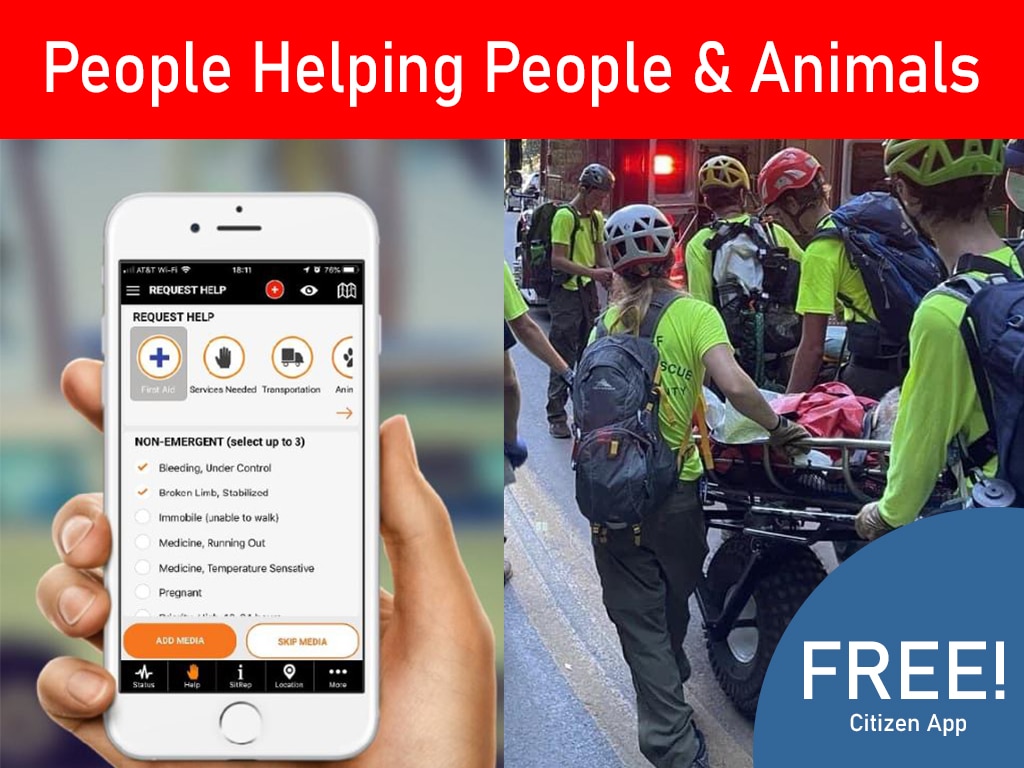
In the past, disaster response coordination relied on paper maps, clipboards, and crackly radios. While these tools have their place, modern emergencies demand a more sophisticated approach. Today’s most effective CERTs leverage technology to gain a real-time understanding of the situation on the ground. They can report incidents instantly, track volunteer locations on a digital map, and communicate securely with team members and professional agencies. This entire ecosystem is powered by a CERT operations management system for local disaster response. This article will walk you through the components of such a system and explain how it transforms your team’s ability to respond quickly, safely, and strategically.
Key Takeaways
- CERTs empower neighbors to help neighbors: The program provides everyday people with practical skills for disaster response, creating a vital support system that can act immediately after an event when professional responders are stretched thin.
- A structured plan is essential for success: Effective CERT operations rely on a clear framework like the Incident Command System (ICS) and modern technology. Using a unified platform for communication, mapping, and resource tracking prevents confusion and ensures seamless coordination.
- Readiness requires ongoing practice: Being prepared is not a one-time event. Consistent training, drills, and simulations are crucial for volunteers to master their skills and learn to use their team’s technology, making the response safe and effective when it counts.
What Is a CERT and Why Does It Matter?
Have you ever wondered what you could do to help if a disaster struck your town? That’s where CERT comes in. CERT stands for Community Emergency Response Team, a program that trains everyday people in disaster preparedness and response skills. Think of it as a way for neighbors to help neighbors, creating a stronger, more resilient community from the ground up. When professional responders are stretched thin, trained volunteers can make a world of difference. This program doesn’t just prepare you for the worst; it empowers you to be a part of the solution, providing critical support when and where it’s needed most.
CERT’s Role in Your Community
During a large-scale emergency, professional responders are often overwhelmed. CERT volunteers step in to bridge the gap. By handling tasks like light search and rescue, basic first aid, or managing a volunteer check-in station, they allow firefighters and paramedics to focus on the most critical, life-threatening situations. The FEMA program is designed so that volunteers learn essential skills to help themselves, their families, and their neighbors first. This grassroots approach ensures that immediate help is available right in your neighborhood, often long before outside assistance can arrive.
Where CERT Fits in the Big Picture
While CERT is community-focused, it’s part of a much larger, national framework. Since its start in 1993, the program has expanded to all 50 states, numerous tribal lands, and U.S. territories. This growth is possible because CERT offers a consistent, nationwide approach to volunteer training and organization. Professional emergency managers know they can rely on CERT teams because they all share a common foundation of skills and operational standards. This standardized structure makes integrating volunteer efforts into the official response seamless and effective, turning a collection of willing helpers into a coordinated force for good.
Adapting to Local Needs and Hazards
One of the smartest things about the CERT program is its flexibility. While the core training is standardized, each local team adapts its focus to the specific hazards of its area. A CERT in Florida might have extra training on hurricane preparedness, while a team in California focuses on earthquake safety. This adaptability is key to building a true “Culture of Preparedness” across the United States. The goal isn’t just to have a plan; it’s to make communities fundamentally stronger and more self-sufficient, ready to face whatever challenges come their way with confidence and skill.
How a CERT Operations Management System Works
A well-run CERT operation doesn’t happen by accident. It relies on a structured system that allows volunteers and professional responders to work together smoothly, even in the most chaotic situations. Think of it as the organizational backbone that turns a group of willing volunteers into an effective response force. This system ensures that everyone knows their role, communication flows clearly, and resources are used where they’re needed most. It’s built on established principles of emergency management, adapted for the specific needs of community-based teams.
Having a solid operations management system in place gives everyone involved a sense of confidence and purpose. When things get hectic, you don’t have to guess what to do next. Instead, you can fall back on a proven framework that guides your actions. This structure is what allows CERTs to operate safely and make a real impact during a crisis, providing critical support until professional help is fully available. It’s about being prepared not just with supplies, but with a plan.
Understanding the Incident Command System (ICS)
At the heart of any organized emergency response is an emergency management platform built on the Incident Command System (ICS). This is the standardized, on-scene management framework used by agencies across the country. For CERTs, using ICS means you’re speaking the same language as the fire department, police, and other professional responders you’ll be working with. It provides a clear command structure, so everyone knows who is in charge and what their specific job is. This system is flexible enough to scale from a small, localized incident to a large-scale disaster, ensuring that your team can integrate seamlessly into the broader response effort without causing confusion. It’s the playbook that keeps everyone on the same page.
Communicating Between Volunteers and Pros
When a disaster strikes, clear communication is everything. A CERT operations management system establishes reliable channels for information to flow between team members, leaders, and professional agencies. This prevents dangerous information gaps and ensures everyone has the most current picture of the situation. Having clear communication channels is fundamental for successful incident management. This involves using standardized language (no jargon), designated radio channels, and modern digital platforms that allow for real-time updates. A reliable government communication system helps bridge the gap between volunteer teams and official agencies. Effective communication means volunteer efforts are coordinated, not duplicated, and that professional responders can trust the information coming from CERTs in the field.
Deploying and Tracking Resources
Getting the right people and tools to the right place at the right time is a huge part of any successful response. This is where effective resource management comes in. A good system allows CERT leaders to track their most valuable assets: their volunteers. It helps you know who is available, what their skills are (like medical training or search and rescue), and where they have been deployed. It also includes tracking physical equipment, from first aid kits to communication devices. By keeping a clear inventory of your resources and their status, you can make smart, strategic decisions that maximize your team’s impact and prevent volunteers from becoming overwhelmed or working in unsafe conditions.
Keeping Operations Consistent with Standard Procedures
It might sound a bit formal, but having Standard Operating Procedures (SOPs) is a game-changer for a CERT. These are pre-agreed upon guidelines that detail how your team will handle common tasks, from setting up a command post to conducting a light search and rescue operation. Following SOPs ensures that every team member performs their duties consistently and safely, which is critical when you’re working under pressure. The CERT Basic Training Manual emphasizes that these procedures help everyone understand their roles and responsibilities. This consistency builds trust, not only within the team but also with the professional agencies you support. It shows that your CERT is trained, organized, and ready to contribute effectively.
What Does a CERT Volunteer Do?
CERT volunteers are your neighbors, friends, and coworkers who have stepped up to learn how to respond when a disaster strikes. They are trained to provide immediate assistance in their communities, filling the critical gap between an emergency event and the arrival of professional responders. Their work is hands-on, community-focused, and incredibly important. Let’s look at what that involves.
Defining Volunteer Roles and Responsibilities
CERT volunteers are trained community members who prepare for and respond to local emergencies. Their main goal is to help themselves, their families, and their neighbors in the immediate aftermath of a disaster when professional services might be overwhelmed. Think of them as the first line of support on the ground. They aren’t first responders in the official sense, but they provide crucial assistance until help arrives. A key part of their role is effective volunteer coordination, ensuring that efforts are organized and impactful. By taking care of immediate needs, they help build a stronger, more resilient community from the ground up.
Core Skills: Search and Rescue, Medical Aid, and Fire Safety
The CERT program equips volunteers with a practical, hands-on skill set. The training focuses on three core areas. First is fire safety, where you learn how to use a fire extinguisher and safely shut off utilities. Next is light search and rescue, which teaches you how to safely search for and rescue individuals who might be trapped in a lightly damaged structure. Finally, you’ll learn disaster medical operations. This includes basic first aid, how to quickly assess injuries to prioritize care (triage), and how to treat common issues like bleeding and shock. These skills are invaluable not just in a large-scale disaster, but for everyday emergencies, too. Part of using these skills effectively is knowing how to communicate what you see, which includes reporting an incident accurately.
Getting the Call: How Volunteers Are Activated
CERT volunteers don’t self-deploy. Instead, they are activated by their sponsoring organization, which is usually a local fire department or office of emergency management. When a disaster occurs, professional responders are often stretched thin. CERTs are called upon to act as a force multiplier, handling tasks that allow police, fire, and medical professionals to focus on the most critical, life-threatening situations. This could mean setting up a medical treatment area, conducting initial damage assessments, or managing other volunteers. Modern platforms provide the tools for efficient team management, making it easier for leaders to deploy and track volunteers where they are needed most, ensuring a coordinated and effective response.
The Technology Behind a Modern CERT Operation
When you picture a disaster response team, you might imagine volunteers with clipboards and walkie-talkies. While those tools still have their place, today’s most effective Community Emergency Response Teams (CERTs) are powered by sophisticated technology. The right digital tools are no longer a luxury; they are essential for coordinating efforts, sharing information instantly, and making smart decisions when every second counts. From reporting incidents in the field to managing volunteers from a command center, technology is the connective tissue of a modern CERT operation.
Tools for Real-Time Reporting and Assessment
During an emergency, the situation on the ground can change in an instant. That’s why modern CERTs rely on tools that provide real-time information. Instead of waiting for reports to come in, volunteers can use mobile apps to immediately report an incident, complete with photos, location data, and damage assessments.
This flow of live data gives command centers a clear and current picture of what’s happening. According to FEMA, the ability to collect and share information quickly is fundamental to assessing a situation accurately. This allows leaders to prioritize tasks, deploy teams where they’re needed most, and get ahead of developing problems. It’s about replacing guesswork with facts, which ultimately helps save lives and property.
Using GIS Mapping for Situational Awareness
Seeing a list of incidents is one thing, but seeing them on a map is another. Geographic Information Systems (GIS) are a game-changer for situational awareness. This technology takes all the incoming data, like incident reports and resource locations, and plots it on a map. This gives everyone, from team leaders to individual volunteers, a visual understanding of the emergency’s scope.
With a clear map, CERTs can identify hotspots, see which areas are cut off, and plan the safest routes for their teams. As NOAA has noted, GIS technology is crucial for analyzing spatial information and allocating resources effectively. Instead of just reacting, teams can strategize. You can see this in action on a public map, which turns complex data into an intuitive visual guide for response efforts.
Platforms for Mass Notification and Communication
Getting the right message to the right people at the right time is one of the biggest challenges in any disaster. Modern CERTs use mass notification platforms to cut through the noise. These systems can send critical alerts and updates to volunteers and community members through text messages, emails, and in-app notifications. This ensures everyone receives consistent, authoritative information.
These platforms aren’t just for one-way communication. They also allow for two-way dialogue, helping coordinators confirm that volunteers are safe or have received their assignments. The International Association of Emergency Managers (IAEM) highlights these systems as essential for keeping the public informed and safe. A unified communication platform prevents confusion and ensures the entire team is on the same page.
Software for Volunteer and Team Coordination
A CERT is only as effective as its ability to organize its people. Managing dozens or even hundreds of volunteers with different skills and availability can quickly become a logistical nightmare. That’s where specialized software for volunteer coordination comes in. These tools help leaders track who is available, what certifications they hold, and what assignments they’ve been given.
This level of organization ensures that you send a volunteer with medical training to a first-aid station, not to direct traffic. As the National Voluntary Organizations Active in Disaster (NVOAD) points out, effective coordination software streamlines operations and makes the entire response more efficient. It helps turn a group of willing individuals into a cohesive and powerful team.
How PubSafe Supports CERT Operations
PubSafe brings all of these critical technologies together into a single, integrated platform. Instead of juggling separate apps for reporting, mapping, and communicating, CERTs can manage their entire operation from one place. The platform provides the tools for team management, real-time incident reporting, GIS mapping, and secure communication, ensuring every member is connected and informed.
By unifying these functions, PubSafe helps CERTs work more efficiently with public safety agencies, NGOs, and other partners. It creates a common operational picture, so everyone involved in the response is working with the same information. This seamless integration is what makes the platform such a valuable resource for any CERT looking to enhance its capabilities. Your organization can register to start building a more connected and resilient response effort.
Get CERT-Ready: Training and Preparedness
Becoming an effective CERT volunteer is about more than just good intentions; it’s about having the right skills and training before a disaster strikes. Preparedness isn’t a one-time event but a continuous cycle of learning, practicing, and refining your abilities. When you join a Community Emergency Response Team, you commit to getting ready to help your community safely and effectively. This readiness is built on a solid foundation of standardized training, hands-on practice, and a clear understanding of the tools and protocols you’ll use in an emergency.
The journey to becoming a capable CERT member involves several key steps. It starts with a core curriculum that gives you the essential knowledge to handle various disaster scenarios. From there, you’ll participate in drills and simulations to put that knowledge into action. You’ll also get familiar with the technology and communication procedures that make a coordinated response possible. This training doesn’t just prepare you for a crisis; it empowers you with life-saving skills that strengthen your entire community. Let’s walk through what it takes to get CERT-ready.
The CERT Basic Training Curriculum
The heart of your preparation is the CERT Basic Training curriculum. This program is designed to give you the foundational skills you need to respond to emergencies in your area. Think of it as a comprehensive toolkit for disaster readiness. The course is typically taught by local first responders and experienced volunteers who know your community’s specific risks.
You’ll learn a range of practical skills, including fire safety and how to use a fire extinguisher, light search and rescue techniques, and disaster medical operations for treating injuries when professional help is delayed. The training also covers disaster psychology to help you support your neighbors and yourself during a stressful event. It’s all about equipping you with the confidence and competence to take action and make a real difference when it matters most.
Practicing with Drills and Simulations
Classroom learning is essential, but putting your skills to the test is where you truly get prepared. CERT teams regularly conduct drills and simulations that mimic real-life emergencies. These exercises are your chance to practice everything you’ve learned, from triaging patients to conducting a grid search, in a controlled and safe environment. The most effective drills are tailored to local hazards, whether that’s practicing your response to a hurricane, tornado, or wildfire.
These simulations are also the perfect opportunity to practice using your team’s operational tools. For instance, a drill might involve using a platform like PubSafe to practice reporting incidents, requesting resources, and tracking team member locations on a map. This hands-on experience ensures that when a real event occurs, using the technology is second nature, allowing your team to focus on the mission without fumbling with the tools.
Training for Tech and Protocols
In a modern CERT operation, effective response hinges on clear communication and seamless coordination. That’s why training extends beyond physical skills to include technology and operational protocols. Volunteers learn to work within the Incident Command System (ICS), the same framework used by professional responders, which ensures everyone speaks the same language and understands the chain of command. This standardized approach is critical for integrating CERT efforts with police, fire, and EMS.
Training also covers the specific software your team uses for communication and coordination. You’ll learn how to use apps to receive alerts, communicate your status, and provide damage assessments. For example, knowing exactly how to report an incident with accurate details and photos through a platform like PubSafe can provide critical, real-time information to the emergency operations center, helping leaders make better decisions.
Developing Skills and Engaging the Community
CERT training does more than just prepare you for disasters; it turns you into a community asset. The skills you learn, like basic first aid and fire safety, are valuable in everyday life, not just during a large-scale emergency. As a trained volunteer, you become a resource for your neighbors, sharing preparedness tips and helping to build a culture of resilience on your block. This grassroots engagement is what makes the CERT program so powerful.
Ultimately, the goal is to create a network of prepared citizens who can support each other. Strong volunteer coordination and community engagement are the cornerstones of a successful CERT program. By developing your skills and actively participating in your team, you contribute to a safer, more connected community that is ready to face any challenge together.
How CERT Coordinates with Professional Responders
A common misconception is that CERT volunteers act as freelance first responders. In reality, their greatest strength lies in their ability to work with professional emergency services, not in place of them. This partnership is built on a foundation of standardized training and clear communication channels. When CERTs and professional responders are in sync, the entire community response becomes faster, smarter, and more effective. Here’s how that crucial coordination happens on the ground.
Bridging the Gap Between Citizens and Public Safety
CERT volunteers act as a critical link between the public and professional responders. In the immediate aftermath of a disaster, they can perform initial size-ups, conduct light search and rescue, and provide basic medical aid to neighbors. This allows them to gather and report an incident with valuable on-the-ground details. By handling these initial, less complex tasks, CERTs free up firefighters, paramedics, and law enforcement to concentrate their efforts on the most life-threatening and technical situations. This division of labor ensures that professional resources are used where they can have the greatest impact, making the overall response more efficient.
Sharing Information Under a Unified Command
Effective coordination depends on everyone speaking the same language. CERTs are trained to operate within the Incident Command System (ICS), the same management framework used by professional agencies across the country. This shared structure ensures that communication is clear and roles are well-defined. When a CERT team provides updates, it’s done in a format that professional commanders understand and can act on immediately. Using a platform that supports this structure, like PubSafe, creates a common operational picture where everyone sees the same real-time data on a public map, eliminating confusion and speeding up decision-making.
Collaborating with NGOs and Government Agencies
The response ecosystem extends beyond just fire and police. CERTs often work alongside non-governmental organizations (NGOs) like the American Red Cross and other community-based groups. This collaboration is essential for tasks like setting up shelters, managing donation centers, and distributing essential supplies to affected residents. Effective volunteer coordination is key to making sure the right people are in the right places without duplicating efforts. A shared platform allows different organizations to see resource needs and volunteer availability in one place, creating a more unified and powerful community-wide effort.
How to Support Pros Without Overstepping
A core principle of CERT training is knowing your limits. Volunteers are taught to prioritize their own safety and to never take on tasks beyond their training. Their role is to provide immediate assistance and then support professional responders once they arrive on the scene. This means following directions, providing accurate information, and handing off tasks when instructed. This discipline builds trust and ensures a smooth integration into the larger response effort. Clear team management tools help define these roles and responsibilities, so every volunteer knows exactly how they can contribute safely and effectively.
Common Challenges for CERT Teams (and How to Solve Them)
Even the most dedicated CERT teams run into roadblocks. It’s just the nature of emergency response. The key is to anticipate these hurdles and have a plan in place before a crisis hits. From tangled communication lines to stretched resources, these common challenges are manageable with the right strategies and tools. By addressing these issues proactively, your team can operate more smoothly and effectively, ensuring you’re always ready to support your community when it matters most. Let’s walk through some of the biggest obstacles CERTs face and discuss practical ways to solve them.
Overcoming Communication Breakdowns
When an emergency unfolds, clear communication is everything. Yet, it’s often the first thing to break down. Mixed messages, unclear roles, and spotty channels can create confusion when every second counts. As FEMA often emphasizes, consistent drills and clear protocols are essential for team coordination. The solution starts with establishing and practicing standardized communication plans. Make sure every volunteer knows who to report to and what channel to use. Using a unified platform for team management also helps by creating a single source of truth, so everyone from field volunteers to the command post is on the same page. Regular training ensures these protocols become second nature.
Tackling Tech and Connectivity Issues
In a disaster, your tech is your lifeline, but it can also be a major point of failure. Dropped calls, dead batteries, and unreliable networks are common frustrations. Many teams work with outdated equipment that isn’t up to the task. A report from the National Institute of Standards and Technology highlights how these tech gaps can hinder response efforts. To get ahead of this, conduct regular technology assessments to identify weak spots in your toolkit. Investing in robust, modern communication systems is crucial. A platform like PubSafe, which is designed for low-connectivity environments, ensures your team can keep reporting incidents and coordinating efforts even when traditional networks are down.
Coordinating Limited Resources Under Pressure
CERT teams are known for doing a lot with a little, but managing limited resources during a high-pressure event can be incredibly stressful. Deciding where to send your volunteers, how to distribute supplies, and what tasks to prioritize requires a clear, real-time view of the situation. As a guide from the National Volunteer Organizations Active in Disaster (NVOAD) points out, effective resource management is vital for maximizing your impact. The best approach is to plan ahead. Use pre-disaster planning to map out your available resources and create protocols for allocation. A dedicated operations platform can give you a live overview of your personnel and assets, helping you make smarter, faster decisions under pressure.
Maintaining Public Trust and Engagement
Your team’s effectiveness depends heavily on the community’s trust. When people believe in your mission and your ability to help, they are more likely to follow guidance and offer support. A survey by the American Red Cross found that public trust directly correlates with community cooperation during disasters. Building this trust is an ongoing effort that requires transparency and consistent engagement. Keep your community informed about your training, preparedness efforts, and activities. Use social media, local newsletters, and community events to stay visible. Tools like a public map that show real-time response activities can also foster transparency and confidence in your team’s work.
Strategies to Overcome These Obstacles
Addressing these challenges isn’t about finding a single magic bullet; it’s about building a resilient operational framework. The solution lies in a combination of proactive strategies. As experts in emergency management suggest, continuous improvement is key. This means committing to regular training and simulations to sharpen communication and coordination skills. It also involves investing in reliable technology that connects your team and simplifies resource management. Finally, fostering strong community relationships through transparent communication builds the trust you need to operate effectively. By integrating these practices, your CERT can become a more cohesive and powerful force for good in your community.
Build a More Resilient Community with CERT
When a disaster hits, the strength of a community is truly tested. The Community Emergency Response Team (CERT) program is one of the most effective ways to prepare your neighborhood for the unexpected. At its core, CERT is about empowering people by teaching them about disaster preparedness for the specific hazards that could happen where they live. This training, outlined by FEMA’s CERT program, gives volunteers the confidence and skills to take action when it matters most.
Trained CERT volunteers also become a powerful support system for professional emergency services. When volunteers can handle more straightforward tasks, it frees up firefighters and paramedics to focus on the most life-threatening situations. This teamwork makes the entire response more effective and efficient. Effective volunteer coordination is the key that makes this collaboration work, ensuring everyone knows their role and can contribute safely.
Ultimately, the goal is to build what the El Paso Office of Emergency Management calls a stronger and safer community. It’s about creating a culture of preparedness, where being ready for an emergency is second nature. By getting involved with CERT, you are not just learning a few new skills; you are actively contributing to a network of neighbors helping neighbors. This collective effort builds a foundation of resilience that can help your community stand strong through any challenge. If your team is ready to get organized, you can start by completing an organization registration to get connected.
Related Articles
Frequently Asked Questions
I’m not a firefighter or a medic. Can I really be useful on a CERT? Absolutely. The CERT program was designed for everyday people, not professional responders. The training gives you all the foundational skills you need, like basic first aid, how to use a fire extinguisher, and light search and rescue techniques. Your role is to provide immediate help to your neighbors and support the professionals when they arrive, not to take their place.
How do CERTs work with professional responders without getting in the way? It all comes down to training and trust. CERT volunteers are taught to operate within the Incident Command System (ICS), which is the same organizational framework that professional agencies use. This means we speak the same language and understand the chain of command. Our job is to handle initial tasks and provide accurate information, which allows professional responders to focus on the most critical situations. We support their efforts and follow their lead.
Isn’t it just chaos during a disaster? How does a CERT stay organized? While it can look chaotic from the outside, a well-run CERT operates with a clear structure. We use the Incident Command System (ICS) to establish clear roles and leadership, so everyone knows their job and who to report to. We also rely on Standard Operating Procedures (SOPs), which are pre-established guidelines for handling common tasks safely and consistently. This framework is what turns a group of volunteers into an effective, coordinated team.
Our team still uses paper forms and radios. Why should we consider a digital platform? Paper and radios are reliable backups, but a modern digital platform offers huge advantages. It provides a single, real-time map of the situation, so leaders can see where incidents are happening and deploy teams more strategically. It also streamlines communication, ensuring everyone gets the same information instantly. This helps you manage volunteers and resources far more efficiently, replacing guesswork with clear, actionable data.
What’s the first step if I want to get involved with my local CERT? The best way to start is to find your local CERT program. A quick online search for your city or county name along with the word “CERT” will usually point you in the right direction. These programs are typically sponsored by a local fire department or office of emergency management, and their website will have details on upcoming basic training courses you can join.