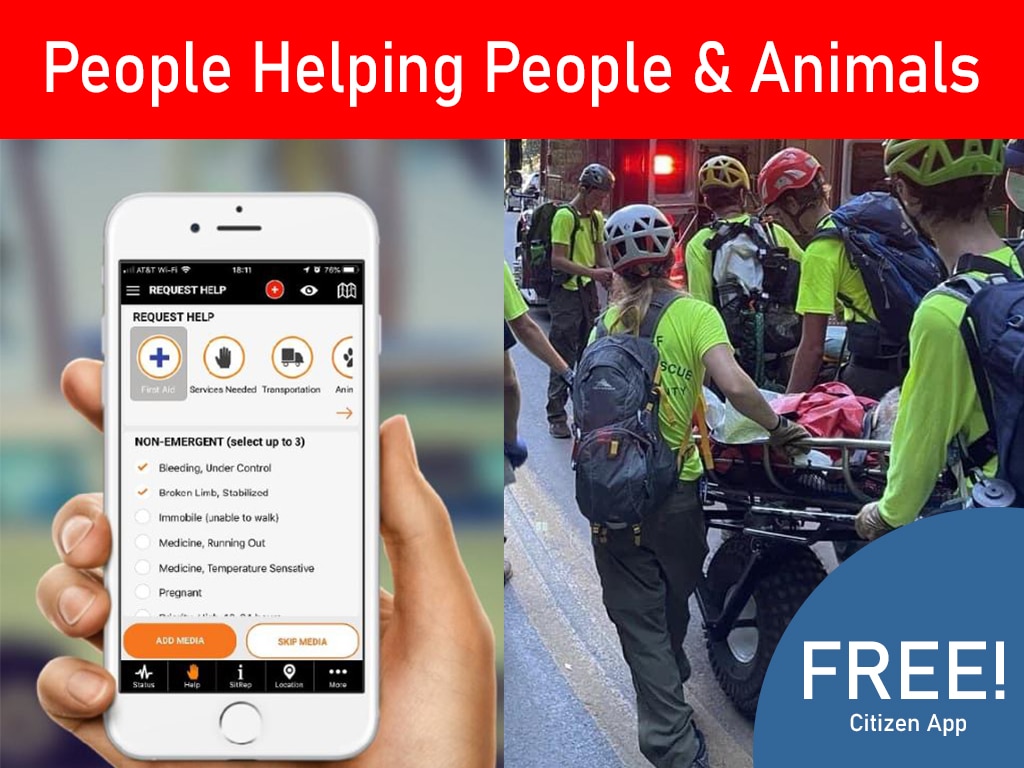
Managing a Community Emergency Response Team often means juggling spreadsheets, endless group texts, and paper sign-in sheets, especially when you can least afford the chaos. You have a team of dedicated, trained individuals ready to help, but in the critical moments after a disaster, can you deploy them effectively? This gap between willingness and operational readiness is where many teams falter. The manual methods that seem sufficient during drills can quickly become a liability, leading to communication breakdowns and wasted skills. The solution is a system designed for the unique pressures of a crisis. This guide explores how CERT volunteer tracking software for emergency preparedness groups transforms your team from a collection of volunteers into a coordinated, life-saving force.
Key Takeaways
- Ditch manual tracking for a single source of truth: Spreadsheets and group texts create confusion and slow your response. Centralized software gives you a clear, real-time view of your team, ensuring everyone is coordinated and working with the same information during a crisis.
- Focus on features that support your team in the field: The best software is intuitive and accessible on a mobile device. Prioritize tools that offer real-time communication, skill and certification tracking, and simple incident reporting so your volunteers can act quickly and safely.
- A successful rollout requires training and practice: The software is only effective if your team knows how to use it under pressure. Invest in thorough onboarding, run realistic drills to build muscle memory, and listen to volunteer feedback to ensure the platform becomes a reliable part of your response plan.
What is a CERT Team?
If you’ve ever wondered how you can help your community during an emergency, you’ve probably heard of CERTs. CERT stands for Community Emergency Response Team, a program that trains everyday people in basic disaster response skills. Think of it as a neighborhood watch for emergencies. These volunteer teams are educated on how to prepare for and respond to the specific hazards their area might face, from wildfires to floods.
The idea is simple: when a disaster strikes, professional first responders can be spread thin. CERTs step in to handle immediate, on-the-ground needs, creating a stronger and more resilient community. They are the helping hands that show up for their neighbors, equipped with the training to make a real difference when it matters most.
How CERTs Support Community Emergency Response
CERT volunteers are a force multiplier for professional emergency services. By handling less complex but vital tasks, they allow firefighters, paramedics, and police to focus on the most critical incidents. A trained CERT member can perform light search and rescue, provide basic medical aid, manage traffic, or help organize spontaneous volunteers at a shelter. This support is crucial in the first few hours after a disaster when official help may not have arrived yet. Because they live in the areas they serve, CERTs can often self-activate and begin providing aid almost immediately, making the overall response faster and more effective.
Why Tracking Volunteers is Critical During a Disaster
Having a team of trained volunteers is one thing; deploying them effectively during a crisis is another. This is where tracking becomes essential. In the chaos of an emergency, you need to know who is available, what their specific skills are, and where they can be safely deployed. A mass notification system is a great start, but true volunteer coordination goes deeper. It involves matching a volunteer with a nursing background to a medical tent or sending a volunteer with search-and-rescue training to a designated grid. Without a clear system, you risk confusion, inefficient resource allocation, and even putting volunteers in harm’s way. Effective tracking ensures every volunteer’s contribution counts.
Common Challenges for CERTs Without Tracking Software
Community Emergency Response Teams are the backbone of neighborhood resilience, but even the most dedicated teams can be held back by outdated tools. If you’re managing your team with paper forms, spreadsheets, and group texts, you’ve likely felt the friction. These manual methods aren’t just inconvenient; they create significant hurdles that can impact your team’s speed, safety, and overall effectiveness during a crisis. When disaster strikes, you need systems that work as hard as your volunteers do. Relying on pen and paper can lead to dangerous gaps in coordination, wasted skills, and an administrative nightmare that pulls your focus away from the mission at hand.
From chaotic communication to the struggle of matching the right person to the right task, these challenges are common. The good news is that they are also solvable. Understanding these pain points is the first step toward finding a system that empowers your team to respond with the full force of its training and talent. Let’s look at the four biggest challenges CERTs face when they operate without dedicated tracking software.
Gaps in Coordination and Communication
When a disaster strikes, clear communication is everything. Without a centralized platform, CERTs often find themselves wrestling with tangled communication lines. You might have some volunteers on the radio, others in a text thread, and a few who only got a verbal briefing. This disjointed approach leads to information silos and dangerous gaps in awareness. Inefficient communication can cause critical delays and a misallocation of resources when every second counts. A volunteer might not receive an updated assignment, or a team leader might be unaware of a new hazard. This lack of a single source of truth makes it incredibly difficult to coordinate efforts, leaving teams to act on incomplete or outdated information.
Matching Skills to Needs in Real Time
Your CERT team is full of talented people with diverse skills, from first aid and search and rescue to logistics and technical expertise. The challenge is deploying those skills effectively in a fast-moving emergency. When you’re relying on a static spreadsheet or a paper sign-in sheet, you lose the ability to dynamically match volunteers to the most urgent needs. A report from the National Volunteer Organizations Active in Disaster highlights that this inability to quickly assess and deploy skills leads to inefficiencies. You might have a registered nurse directing traffic while a medical station is short-staffed. Good software allows you to see who has what skills and where they are, so you can put the right people in the right places instantly.
Overwhelming Data and Record-Keeping
During an emergency response, you are flooded with data: volunteer check-ins, damage assessments, resource requests, and incident reports. Trying to manage this with clipboards and paper forms is a recipe for chaos. Manual record-keeping is prone to errors, data loss, and makes it nearly impossible to access critical information quickly. Imagine trying to find a specific volunteer’s emergency contact on a smudged paper form in the middle of the night. This information overload doesn’t just create administrative headaches; it can stall your entire operation. It also makes post-event reporting for reimbursement or future planning a monumental task, as you try to piece together what happened from a pile of disorganized papers.
Maintaining Volunteer Accountability
Knowing where your volunteers are and what they are doing is fundamental to both safety and effectiveness. Without a tracking system, maintaining accountability is a huge challenge. It’s difficult to confirm if a volunteer has safely checked in or out of a scene, which creates a significant liability. Beyond safety, a lack of tracking impacts morale. Volunteers want to know their efforts are valued, but it’s hard to recognize their contributions if you can’t accurately track their hours and assignments. As the National Fire Protection Association found, this can hurt volunteer retention. When volunteers feel their work is unseen or their safety is an afterthought, they are less likely to return for the next call.
What to Look for in CERT Volunteer Tracking Software
Choosing the right software for your CERT team isn’t just about getting organized; it’s about making your response faster, safer, and more effective when it matters most. The best tools are designed with the chaos of an emergency in mind, giving you a clear line of sight into your operations and helping you manage your most valuable asset: your volunteers. When you’re evaluating different options, it can feel like comparing apples and oranges. To simplify the process, focus on the core features that directly address the unique challenges of disaster response, from mobilizing quickly to keeping everyone safe in the field.
A great platform will feel like a natural extension of your team, not another complicated system to manage. It should streamline everything from initial volunteer sign-ups to real-time field communication and post-incident reporting. Think of it as your digital command center, connecting every member of your team and giving you the information you need to make smart decisions under pressure. This isn’t just about replacing spreadsheets; it’s about adopting a system that enhances your team’s capabilities. As you explore your options, look for a solution that offers a comprehensive set of tools built specifically for emergency response. Here are the key features every CERT leader should look for in volunteer tracking software.
Volunteer Registration and Profiles
Your volunteer management process starts with a simple, accessible registration system. Since CERTs are made up of community members with varying technical skills, the sign-up process should be straightforward and easy to complete. Once a volunteer is registered, the software should create a detailed profile that houses all their essential information, including contact details, emergency contacts, and any special considerations. This digital file cabinet is the foundation for effective team management. It ensures you have accurate, up-to-date information for every team member, which is the first step in building a coordinated and ready team.
Skill and Certification Tracking
CERT volunteers come to the table with a wide range of skills, from basic first aid and fire safety to search and rescue training. Your software needs a dedicated feature for tracking these skills and certifications. This allows you to quickly identify who has the right training for a specific task, whether you need someone with CPR certification or a volunteer trained in traffic control. The system should also let you track expiration dates, so you can proactively notify volunteers when they need to renew their credentials. This ensures you can confidently deploy qualified personnel and maintain a high standard of readiness across your entire team.
Real-Time Communication Tools
When a disaster strikes, you need to reach your team instantly. Relying on phone trees or messy group text chains just won’t cut it. Look for software with built-in, real-time communication tools like push notifications and secure messaging. These features allow you to send urgent alerts, deployment requests, and critical updates to your entire team or specific groups with a single click. A government emergency communication system extends these capabilities to ensure seamless coordination between your CERT team and official agencies. Effective volunteer coordination during emergencies depends on clear and immediate communication, and the right software makes that possible, ensuring everyone stays informed and safe.
Geolocation and Team Visibility
Knowing where your volunteers are in the field is essential for both safety and strategic deployment. Software with geolocation capabilities gives you a real-time view of your team members on a map, creating a common operational picture for everyone. This visibility allows you to direct volunteers to incident sites, reassign teams based on changing needs, and confirm that everyone is accounted for. By looking at a public map, you can see where help is needed and where your assets are, which is critical for making informed decisions during a fast-moving event.
Mobile Access for Field Teams
Your volunteers are active in the community, not sitting behind a desk. For any tracking software to be effective, it must have a powerful and intuitive mobile app. Team members should be able to use their phones to receive alerts, update their availability, report incidents, and access critical documents from the field. A clunky or confusing mobile experience will only create frustration and slow down your response. Before committing to a platform, make sure you can install the free app and test its functionality to ensure it’s something your team can realistically use during a high-stress situation.
Incident Reporting and Documentation
CERT volunteers act as crucial eyes and ears on the ground, and their observations need to be captured accurately. Your software should make it easy for team members to document their activities and report an incident directly from their mobile devices. Look for features that allow for structured reports, photo uploads, and detailed notes. This information is invaluable for tracking the response effort, allocating resources, and conducting thorough after-action reviews. Good documentation not only helps during the event but also provides the data needed to improve your team’s performance in the future.
Volunteer Scheduling and Availability
Knowing who is available to respond is a fundamental challenge for any volunteer organization. The right software solves this by allowing volunteers to set and update their availability in real time. It should also include scheduling tools that help you assign roles and shifts for both planned events, like drills, and emergency deployments. This eliminates the frantic, last-minute scramble to find available personnel. Instead, you can quickly see who is ready to go and build a response team with confidence, ensuring you always have the coverage you need.
Integration with Other Emergency Systems
Your CERT team operates within a larger network of public safety agencies, NGOs, and local government. The most effective software will integrate with these external systems, breaking down information silos and fostering a truly collaborative response. An emergency management platform connects your volunteer operations with the broader public safety ecosystem. When your platform can share data seamlessly, it helps create a unified command structure where everyone is working from the same playbook. This level of integration is key to understanding how PubSafe works to connect all stakeholders, from individual citizens to official agencies, for a more coordinated and powerful community response.
How Volunteer Tracking Software Improves Coordination
When an emergency hits, a coordinated response can make all the difference. This is where dedicated software truly shines, transforming a group of willing volunteers into a cohesive and effective force. Instead of scrambling with spreadsheets and phone trees, you can use a single platform to manage your entire operation. This shift allows you to move faster, make smarter decisions, and keep your team members safe and accountable. By bringing everything from volunteer skills to real-time incident data into one place, you can focus on what matters most: helping your community.
Deploy Volunteers Faster and More Effectively
During a crisis, every second counts. Volunteer tracking software lets you see who is available and qualified at a glance, so you can deploy them where they are needed most. Instead of losing precious time trying to figure out who has medical training or who is closest to an incident, you can filter and assign volunteers in moments. Having a centralized system allows for the rapid mobilization of your team, ensuring the right people get to the right place at the right time. This efficiency means help arrives sooner and your team can make a bigger impact from the very start of a response effort.
Get a Centralized View of Your Teams
Imagine having a complete picture of your entire volunteer force on one screen. That’s the power of a centralized tracking system. You can see every volunteer’s skills, certifications, availability, and current assignment. This holistic view is essential for effective team management, especially in large-scale operations. A centralized platform allows coordinators to visualize team strengths and weaknesses, which makes planning and resource allocation much simpler. You can quickly identify gaps in your response and move people around to cover them, ensuring your team operates as a single, coordinated unit.
Make Data-Driven Decisions During an Incident
Good decisions are based on good information. Volunteer tracking software provides a steady stream of real-time data that helps leaders make informed choices under pressure. You can see how many volunteers are active, where they are located, and what tasks they are completing. This level of insight is critical for adapting to the fluid nature of an emergency. Using real-time data analytics can inform leaders about volunteer performance and resource needs, allowing for timely adjustments to your strategy. With clear data, you can move beyond guesswork and lead your team with confidence.
Strengthen Team Accountability
Accountability is the bedrock of a strong team, and tracking software helps build it. When volunteer activities and hours are clearly recorded, it creates a transparent environment where everyone understands their role and contribution. This isn’t about micromanaging; it’s about recognizing effort and ensuring tasks are completed. When volunteers can see their impact and receive feedback, it enhances their commitment and personal responsibility. This clear record-keeping also simplifies post-incident reporting and helps demonstrate your team’s value to community stakeholders, making your volunteer coordination efforts more sustainable.
Popular Volunteer Tracking Software for CERT Teams
Choosing the right software for your CERT team can feel like a big decision, but it doesn’t have to be complicated. The best tool is the one that fits your team’s specific workflow, size, and budget. Some teams need a comprehensive platform designed for large-scale disaster response, while others might prioritize a simple, user-friendly interface for managing local events. The key is to find a solution that makes coordination easier, not harder.
To help you get started, I’ve put together a list of popular volunteer tracking software options that are well-suited for CERT teams. Each of these platforms offers a unique set of features designed to streamline everything from volunteer registration to in-field communication. As you review them, think about your team’s biggest challenges. Are you struggling with real-time communication, scheduling, or documenting volunteer hours? Pinpointing your primary needs will help you identify which software is the perfect match for your organization. Let’s look at some of the top contenders.
PubSafe
If your team needs a platform built specifically for the chaos of an emergency, PubSafe is an excellent choice. It was designed from the ground up for public safety and disaster response, so its features directly address the critical needs of CERTs. The platform excels at real-time coordination, allowing you to manage volunteers, track team locations on a map, and handle incident reporting all in one place. What makes it stand out is its ability to connect everyone involved in a response, from individual citizen volunteers and CERTs to NGOs and government agencies. This integrated approach to team management ensures seamless communication and helps you deploy the right people with the right skills exactly where they are needed most.
VolunteerLocal
For teams that want to simplify the sign-up and scheduling process, VolunteerLocal offers a straightforward, user-friendly solution. This platform is particularly good at managing event-based volunteering, making it easy to create custom sign-up forms and organize shifts. While it may not have the deep, disaster-specific features of other platforms, its strength lies in its simplicity. If you find that your biggest headache is just getting volunteers registered and assigned to tasks without a lot of administrative overhead, VolunteerLocal can help you get organized quickly. It’s a great tool for streamlining the front-end of volunteer management so you can focus more on the mission itself.
Galaxy Digital
Galaxy Digital provides a comprehensive suite of tools that goes beyond basic volunteer tracking. This platform is designed to help you manage the entire volunteer lifecycle, from recruitment and onboarding to tracking hours and generating detailed reports. For CERT teams, its communication features are especially valuable, ensuring that every volunteer stays informed with timely updates and instructions. If your organization is focused on building a long-term, engaged volunteer community and needs robust reporting to demonstrate impact to stakeholders or for grant applications, Galaxy Digital offers the features to support those goals. It’s a powerful choice for managing larger, more complex volunteer programs.
Volgistics
When detailed record-keeping is a top priority, Volgistics is a name that often comes up. This software is a powerhouse for tracking volunteer data, from hours and schedules to specific assignments and achievements. It allows for highly detailed reporting, which is incredibly useful for internal reviews, recognizing volunteer contributions, and maintaining compliance records. For CERT teams that need to meticulously document every aspect of their operations, Volgistics provides the structure to do so effectively. The interface is data-focused, making it a solid option for administrators who need to manage and report on a large volume of volunteer information with precision.
Better Impact
Better Impact is designed to help you not only manage your volunteers but also keep them engaged and connected to your mission. The software offers a balanced set of features for scheduling, communication, and tracking volunteer contributions. For CERT teams, this platform can help streamline daily operations while also building a stronger, more committed team. It provides volunteers with their own portal to view schedules, log hours, and receive updates, which fosters a sense of ownership and accountability. If you’re looking for a well-rounded tool that supports both administrators and volunteers, Better Impact is a strong contender that can adapt to a variety of team needs.
How to Choose the Right Software for Your CERT Team
Selecting the right software is a significant step for any CERT team. The platform you choose will become the central hub for your operations, so it’s worth taking the time to find the perfect fit. Instead of just picking the first option you see, think about your team’s specific needs now and in the future. Consider how your volunteers will interact with the tool and how it will support your coordinators during a high-stress event. To help you make a confident decision, let’s walk through the four most important questions to ask when evaluating your options.
Is it Easy for Volunteers and Coordinators to Use?
If your software is clunky or confusing, your volunteers won’t use it. The best platform is one that feels natural from the moment you log in. Your team members, who have varying levels of tech comfort, should be able to sign up, update their profiles, and find assignments without needing a lengthy manual. A complicated system creates a barrier to participation and can lead to frustration and disengagement, which is the last thing you want during an emergency. Look for software that is intuitive and user-friendly, allowing your team to focus on the mission, not on figuring out the technology. A simple interface and clear workflows are signs of a well-designed platform.
How Secure is Your Team’s Data?
Your volunteer management software will hold a lot of sensitive information, from volunteers’ personal contact details to their certifications and home addresses. Protecting this data is not just a best practice; it’s a fundamental responsibility. Volunteers need to trust that their information is safe with your organization. When evaluating software, ask about its security measures. You should look for a platform with robust security features, including data encryption, secure user authentication, and compliance with privacy regulations. A transparent privacy policy is also a must. Never compromise on security; the trust of your team depends on it.
Can the Software Scale with Your Team?
Your CERT team might be small today, but what about during a large-scale disaster or a few years from now? The software you choose should be able to support your growth. A scalable platform can handle an increasing number of volunteers and a higher volume of activity without slowing down or crashing. It should also offer the flexibility to grow with your organization as your needs become more complex. Think about whether the software can support multiple teams, different roles and permissions, or integrations with other systems. Choosing a scalable solution like PubSafe’s team management platform saves you from having to switch systems down the road, which can be a disruptive and costly process.
Does it Fit Your Organization’s Budget?
For most CERTs and non-profits, budget is a major consideration. While it’s tempting to go for the cheapest option, it’s more important to find the best value. When you’re comparing prices, look beyond the monthly subscription fee. Make sure you evaluate the total cost of ownership, which includes potential fees for setup, training, customer support, or adding more volunteers. Some platforms offer free tiers or special discounts for non-profit organizations, so be sure to ask. The goal is to find a sustainable solution that meets your team’s critical needs without straining your financial resources. A good platform is an investment in your team’s effectiveness and safety.
How to Successfully Implement Your Tracking Software
Choosing your CERT software is a great first step, but the real work begins with implementation. A new tool is only as good as the team using it, and a thoughtful rollout can mean the difference between a chaotic response and a coordinated one. Getting your team comfortable and proficient with the software before a disaster strikes is the key to making it an invaluable asset. This isn’t just about technology; it’s about people. You’re introducing a new way of working during high-stress situations, so taking the time to manage that change is critical for buy-in and success.
By focusing on training, data accuracy, and practice, you can ensure your new platform becomes a seamless part of your emergency operations. The goal is to build confidence and muscle memory so that when an incident occurs, your team can act decisively instead of fumbling with an unfamiliar app. A successful implementation transforms the software from a simple database into the central nervous system of your response effort. This process shows you exactly how PubSafe works to integrate technology into your response plan, turning a piece of software into a powerful command center for your team. A well-executed plan ensures everyone, from leadership to field volunteers, understands their role and how the software supports them.
Onboard and Train Your Team Thoroughly
You can’t just hand your team new software and expect them to master it overnight. A thorough onboarding and training plan is non-negotiable. Your training should cover everyone, from coordinators who manage the backend to volunteers who will use the app in the field. Create different training sessions based on roles, combining hands-on practice with clear instruction. FEMA’s training approach is a great model to follow, incorporating practical exercises and even “Train-the-Trainer” sessions so your team leads can onboard new members. Make training an ongoing part of your team’s schedule, not just a one-time event. This ensures everyone stays sharp and new volunteers get up to speed quickly, which is essential for effective team management.
Keep Volunteer Records Up to Date
Outdated volunteer records are a significant liability during an emergency. Imagine trying to deploy a volunteer with a critical medical certification, only to find their contact number is wrong or their certification has expired. Accurate, current data is the foundation of effective volunteer deployment. Make it a habit to regularly review and update volunteer profiles, including contact information, skills, and certifications. Encourage volunteers to take ownership of their own data by showing them how to update their profiles within the software. A platform that simplifies organization registration and profile management makes this process much easier for everyone involved, ensuring you can always find the right person for the right task.
Run Drills Using the New Software
The middle of a crisis is the worst time to learn how to use your tools. Regular drills are essential for building proficiency and confidence with your tracking software. These exercises should be as realistic as possible, simulating the types of events your community is likely to face. Practice the entire workflow: have volunteers report an incident through the app, use the software to deploy a team to a specific location, and practice sending status updates. These drills build muscle memory and help you identify weak spots in your process or software configuration. Using tools like a public map during a drill can also help your team visualize the scenario and practice coordinating movements in real time.
Build a Feedback Loop for Improvement
Your software implementation doesn’t end after the initial rollout. To ensure the tool remains effective, you need to create a continuous feedback loop. Your volunteers in the field are the best source of information on what’s working and what isn’t. Establish a simple process for them to share their thoughts, whether it’s through regular meetings, a dedicated email address, or a suggestion form. Listen to their feedback and be willing to adjust your processes or software settings. This collaborative approach not only improves your operational effectiveness but also makes your volunteers feel heard and valued, which is a cornerstone of successful volunteer coordination.
Common Implementation Mistakes to Avoid
Adopting new software is a huge step forward for any CERT team, but the real work begins after you’ve made your choice. A successful rollout is about more than just installing an app; it’s about integrating a new tool into your team’s culture and workflow. By being mindful of a few common hurdles, you can ensure a smooth transition and get the most out of your new system from day one. Let’s walk through some of the most frequent mistakes and how you can steer clear of them.
Skipping User Training
It’s easy to assume that intuitive software doesn’t require training, but this is a major oversight. One of the quickest ways to sink a new tool is by failing to provide adequate training for your volunteers. Without a proper introduction, team members can become frustrated trying to figure things out on their own, leading to low adoption rates and disengagement. Even the most user-friendly platform has features and workflows that need explaining. Set aside dedicated time to walk everyone through the software, from basic profile setup to advanced functions like incident reporting. This investment ensures your volunteers feel confident and capable, turning the software into a trusted asset rather than a confusing chore.
Overcomplicating Your Setup
When you get a powerful new tool, the temptation is to turn on every single feature at once. However, overcomplicating the initial setup can overwhelm your team and make the software seem more difficult than it is. It’s better to keep the configuration as simple as possible at the start. Focus on the core functionalities your team absolutely needs, like volunteer registration and communication. Once everyone is comfortable with the basics, you can gradually introduce more advanced features. Think of it as a phased rollout. This approach makes the learning curve much more manageable and helps build momentum for wider adoption across your team.
Neglecting Data Privacy
Your volunteers trust you with their personal information, including contact details, certifications, and availability. Data privacy is a critical concern, and failing to protect this sensitive data can damage trust and expose your organization to risk. Before you even start onboarding volunteers, make sure you understand your responsibilities regarding data protection. Choose a platform like PubSafe that prioritizes security, and be transparent with your team about how their information is stored and used. Implementing strong privacy practices isn’t just about compliance; it’s about showing your volunteers that you value and respect them, which is fundamental to building a strong, cohesive team.
Failing to Integrate with Other Tools
Your volunteer tracking software doesn’t exist in a vacuum. Your CERT team likely uses other tools for communication, reporting, or broader emergency management. A common mistake is choosing a system that doesn’t connect with your existing technology, creating inefficient data silos. This forces you to manually transfer information between systems, which is time-consuming and prone to error. Look for software that offers integrations to help streamline operations. When your volunteer platform can communicate with your other tools, you create a seamless workflow that saves time and ensures everyone is working with the most current information, which is essential during a fast-moving emergency.
Ignoring Volunteer Feedback
The people using the software every day are your best source of information on what’s working and what isn’t. Ignoring their input is a missed opportunity to improve your processes and the tool itself. Collecting and acting on volunteer feedback is essential for long-term success. If volunteers find a feature confusing or have an idea for a better workflow, listen to them. Create a simple, clear channel for them to share their thoughts, whether it’s a suggestion form, a dedicated email address, or a regular agenda item in team meetings. Acting on this feedback shows your volunteers they are heard and valued, which fosters a culture of collaboration and continuous improvement.
Is Your CERT Team Ready for the Next Emergency?
When a disaster strikes, there’s no time to figure things out on the fly. True readiness for a CERT team goes far beyond having a list of volunteers. It’s about having a living, breathing system that ensures your team can act decisively and effectively when every second counts. Ask yourself: if an emergency happened right now, would your team be a well-oiled machine or a group of well-intentioned individuals scrambling to connect?
Preparedness starts with ensuring your volunteers have the right training and skills. But skills get rusty without practice. Regular drills are essential for building the muscle memory and teamwork needed to perform under pressure. This is how you build a genuine culture of preparedness, where every member knows their role and trusts the person next to them.
The real test of readiness is how your team functions when professional responders are overwhelmed. CERT volunteers are trained to handle crucial tasks, freeing up firefighters and paramedics for the most critical jobs. This often means your members need to “self-activate” in their own neighborhoods. How do you coordinate that? How do you know who is where, what skills they have, and what needs they are addressing? This is where having a solid system for team management becomes non-negotiable. It’s the bridge between being trained and being truly operational. Without it, you’re leaving your community’s safety to chance.
Related Articles
- Civilian Crisis Response: Empowering Volunteers in Emergencies | PubSafe
- 4 Best Search And Rescue Dispatch Software (2026)
- Volunteer Coordination During Emergencies: How Communities, NGOs, And Responders Work Together
Frequently Asked Questions
We’re a small CERT team. Can’t we just manage with spreadsheets and group texts? I completely understand why that seems like the easiest route. For day-to-day planning, those tools can work just fine. The problem arises during an actual emergency when things get chaotic. Spreadsheets aren’t updated in real time, and group texts quickly become a tangled mess of missed messages and outdated information. A dedicated platform gives you a single, reliable source of truth, so you can see who is available, what skills they have, and where they are in moments, which is something a spreadsheet just can’t do under pressure.
My volunteers aren’t very tech-savvy. How can I get them to use new software? This is a super common and valid concern. The key is to focus on two things: choosing the right tool and providing great training. When you’re evaluating software, prioritize a simple and intuitive interface that doesn’t require a technical background to use. Then, instead of just sending an email with a link, hold a hands-on training session. Walk everyone through the process of signing up, updating their availability, and reporting an incident. When people feel confident using the tool in a low-stress setting, they’ll be much more likely to rely on it during a real event.
How does tracking software actually improve volunteer safety? This is one of the most important benefits. Safety comes from accountability and awareness. Software with geolocation allows your team leaders to see where volunteers are in the field, ensuring no one is sent into a known hazardous area alone and that teams don’t accidentally overlap efforts. It also creates a clear digital check-in and check-out process, so you always know who is active on a scene and can confirm they’ve returned safely. This creates a safety net that is nearly impossible to manage with paper and pen.
Is this kind of software expensive? We’re a non-profit with a tight budget. Budget is always a major factor, and it’s smart to be mindful of costs. While some platforms have significant price tags, many offer special pricing, discounts, or even free versions for non-profits and public safety organizations. Instead of looking only at the price, consider the value it provides. A good platform is an investment in your team’s effectiveness, safety, and organization. The time saved and the risks avoided during a single event can often make the cost well worth it.
What’s the first step we should take after choosing a software platform? Your first step shouldn’t be to just import all your data and hope for the best. The most critical first step is to plan your training. Before you even ask your whole team to sign up, get your leadership and coordinators comfortable with the system. Have them practice creating mock events and assigning roles. Once your leaders are confident, you can create a simple, clear training plan to roll out to the rest of your volunteers. A thoughtful implementation makes all the difference.