
During a fast-moving incident, a volunteer organization cannot afford to search through old spreadsheets, personal phones, and informal group chats for the right person. Reliable contact records should show who is available, what role they serve, and how they should be reached, while respecting consent and privacy.
Why Contact Readiness Matters for Volunteer Nonprofits
Emergency contact management software for nonprofits helps organizations keep role-based contact records organized, maintain communication lists, and establish repeatable review practices. PubSafe connects organization and team management with incident coordination, giving authorized leaders a practical way to keep people, responsibilities, and response information aligned without replacing public emergency services.
A contact list is part of an operating plan, not merely a directory. It should help a coordinator identify who can be reached, who has a defined responsibility. And which response partners may need to be contacted when normal routines are disrupted. That distinction matters for community CERT teams, faith-based relief groups, and nonprofits that depend on volunteers who may work different schedules.
Preparedness guidance for community-based organizations recommends keeping current contacts for leadership, staff, volunteers, vendors, and local emergency response agencies. Church Mutual’s emergency contacts checklist also emphasizes maintaining secure copies that are available from appropriate mobile devices and locations.
Contact readiness is useful in ordinary operations as well as emergencies. A team leader may need to find a trained volunteer for a site check, confirm who can transport supplies, or reach an external partner. A current record reduces avoidable searching and gives the organization a shared reference point when leadership, assignments, or availability change.
What Should Emergency Contact Management Software for Nonprofits Organize?
The best contact record answers three questions quickly: who is this person, what can they do, and how can the organization reach them now? Build records for practical use during routine operations and a fast-moving incident, rather than treating them as static name fields.
Identity and organizational role
Start with the person’s full name, preferred name, organization, team, and current role. For a volunteer, identify the response group or unit they belong to. A label such as logistics lead, first-aid volunteer, communications support, or team supervisor gives a coordinator useful context before making contact.
Record the relationship to the organization as well, such as staff member, volunteer, board leader, vendor, or partner agency. Keep internal members distinct from external response contacts. This structure helps leaders understand whether a person can make an internal decision, perform a field task, provide a service, or coordinate with another organization.
Primary and backup communication channels
List a primary phone number and email address, then add backup channels only when they are genuinely available. A backup may be a second phone number, alternate email, radio identifier, or designated team contact. Label each channel clearly and note relevant limits, such as work-hour availability or a preference for text messages.
Emergency services, utility companies, and partner agencies can sit within the same operational framework, but they should be identified as external contacts. The National Council on Aging preparedness guidance recommends connecting emergency contacts with reporting, evacuation, and shelter-in-place procedures.
Availability, capability, and update history
Record availability windows, geographic coverage, transportation access, relevant skills, certifications, equipment, and authorization limits. These fields help a coordinator decide who should be contacted for a specific assignment without assuming every volunteer can perform every task. Add a last-confirmed date, the person responsible for verification, and notes that require follow-up.
PubSafe’s organization and team-management approach can give response leaders more context than a standalone address book. Review how PubSafe works to see how coordinated information can support a broader emergency workflow.
How Should Teams Build Role-Based Communication Paths?
Role-based communication helps a nonprofit send the right information to people responsible for acting on it. The objective is not to notify everyone about everything. It is to clarify ownership, reduce conflicting messages, and give each group a practical path from notification to action.
Begin by mapping responsibilities to communication groups. A leadership group may receive decisions and escalation notices. A field team may need assignment details and safety updates. A volunteer coordinator may need availability responses, while an external partner may need a concise status report. Use the smallest audience that can act on the message, then define who can escalate when circumstances change.
- Define the action owner. Name the person or team responsible for incident assessment, leadership decisions, volunteer coordination, facility checks, family or client communication, and liaison work with response agencies. Assign a backup for every critical role. A role should describe an action, such as “confirm site status,” rather than only a title such as “operations.”
- Map a primary and alternate channel. Decide which channel fits each role and message type. A phone call may suit an urgent decision between leaders, while email may suit a detailed operational update. Document where volunteers should look for instructions and how they can acknowledge receipt.
- Set activation rules. Write down who can activate the response, which groups are contacted first, and what belongs in the first message. Triggers may include a facility closure, reported hazard, or request from a designated incident lead. Do not imply that any platform guarantees delivery. Recipients still need a way to confirm, escalate, or seek clarification.
- Send focused updates. Keep updates consistent. Include what happened, what is known, what action is needed, who owns that action, and when the next update is expected. Send role-specific instructions instead of forwarding every internal discussion to the full volunteer list.
- Log outcomes. Record when updates were issued, which roles acknowledged them, what actions were completed, and what remained unresolved. An after-action record exposes gaps in contact data, backup assignments, and channel selection before the next incident.
Clear roles turn a contact list into an operating process. PubSafe’s disaster response platform is designed around organization, team, incident, and coordination workflows. Evaluate any tool against the roles and actions your nonprofit actually needs.
How Do Consent and Privacy Shape Contact Records?
Contact information becomes more sensitive when it is connected to a person’s response role, availability, location, or ability to help during an incident. Nonprofits should treat contact management as an operational responsibility. The aim is to make useful information available to the right people for the right purpose, without making every detail visible to everyone.
Collect information for a defined purpose
Before adding a field, ask how it supports preparedness or response. A team may need a phone number for activation, an email address for routine notices, or a role designation for assigning responsibilities. That does not mean every coordinator needs access to every personal detail. Keep records focused on the organization’s stated workflow and explain how information will be used.
Record consent and sharing scope
Consent should be understandable and connected to a specific use. When someone joins a volunteer-led response group, explain which information may be shared with team leaders, dispatchers, or other authorized members. Give people a way to review whether their contact details, availability, or other sensitive fields remain accurate and appropriate to share.
Revisit sharing scope when a person changes roles, leaves the organization, or no longer participates in response activities. PubSafe describes privacy-controlled information sharing as a way for users to set the scope of their data sharing. Read more about organization registration and access before deciding how your nonprofit will manage membership and permissions.
Align access with operational need
Privacy depends on more than a consent statement. Decide which roles can view, update, or distribute contact records, then remove access when responsibilities change. Keep member vetting and permission reviews as organizational responsibilities. A platform may provide an access gate or organizational workflow, but the nonprofit remains responsible for its own membership standards and decisions.
Use an emergency coordination platform to make these decisions visible in the workflow. Keep access aligned with operational need, document changes, and review whether sharing still matches the purpose for which the information was collected. Avoid placing sensitive personal details in broad group messages when a narrower channel will do.
For a broader look at volunteer operations, compare this contact workflow with PubSafe’s volunteer management software for nonprofits and CERTs. Contact readiness should strengthen volunteer coordination, not create a separate information silo.
How Often Should a Nonprofit Review Volunteer Contacts?
There is no single review interval for every volunteer organization. The right cadence depends on volunteer turnover, seasonal activity, the sensitivity of the work, and how quickly teams may need to mobilize. Treat the list as an operational resource. The National Council on Aging recommends maintaining an updated emergency contact list as part of an emergency action plan.
A practical maintenance cycle combines event-triggered updates with scheduled reviews and live tests:
- Update after a known change. When a volunteer joins, leaves, changes roles, changes phone numbers, or changes availability, update the record rather than waiting for a calendar review. Apply the same rule to team leaders, vendors, utility contacts, and response agencies.
- Run recurring reviews based on risk. Set a rhythm the organization can consistently complete. Higher-turnover teams may need more frequent reviews, while smaller stable groups may use a less frequent schedule. Assign an owner and record unresolved items.
- Test each communication path. Periodically verify phone numbers, email addresses, text routes, and role-based contact paths. A populated field is not necessarily an operationally ready field. Document bounced emails, disconnected numbers, and unavailable alternates.
- Control backup copies. Keep a secure digital version accessible from appropriate devices and locations. Retain physical copies where they remain useful, as recommended in the Church Mutual key contacts checklist. Control access to every copy and remove obsolete versions.
- Refresh after drills and incidents. Use after-action reviews to capture failed contact attempts, unclear responsibilities, and outdated escalation paths. Make those updates part of closing the exercise or incident.
Use incident reporting as another maintenance signal. If a response exposes a missing role, outdated number, or unclear escalation path, record the lesson and assign an owner. PubSafe’s incident reporting workflow can help organizations think about how information moves from an initial report toward resolution.
Choosing Emergency Contact Management Software for Nonprofits
The right tool should do more than store names and phone numbers. It should help authorized people understand who is available, what role each person holds, and how a contact record connects to the response process. Use the comparison below to evaluate operational fit without assuming that one platform serves every nonprofit equally.
Review PubSafe’s public map and its organization workflows as examples of how contact information can fit into a wider response picture. If your team needs a coordinated operating layer rather than a contact database alone, compare the full workflow with the organization’s requirements.
Contact PubSafe if your organization wants to discuss how its contact and team-management needs fit within a broader emergency coordination workflow.
A Practical Rollout Plan for Volunteer Organizations
A successful rollout starts with ownership, not software. Name one person to maintain the contact process and one backup who can act when that person is unavailable. Then inventory current records, emergency action plans, team rosters, and communication channels. Identify duplicates, missing details, outdated numbers, and contacts who should no longer have access.
Start with a focused pilot
Choose one response team, program, or geographic area for the first pass. Define the minimum record fields, the roles that need access, and the communication paths that must be tested. A focused pilot makes it easier to find confusing fields and unclear ownership before the organization imports every contact.
Train for ordinary and urgent days
Show coordinators how to add a contact, update a role, record an availability change, and remove access. Practice a simple scenario, such as a facility closure or volunteer activation. Training should explain what belongs in a contact record, what belongs in an incident report, and when a matter must be escalated to public emergency services.
Measure readiness, not database size
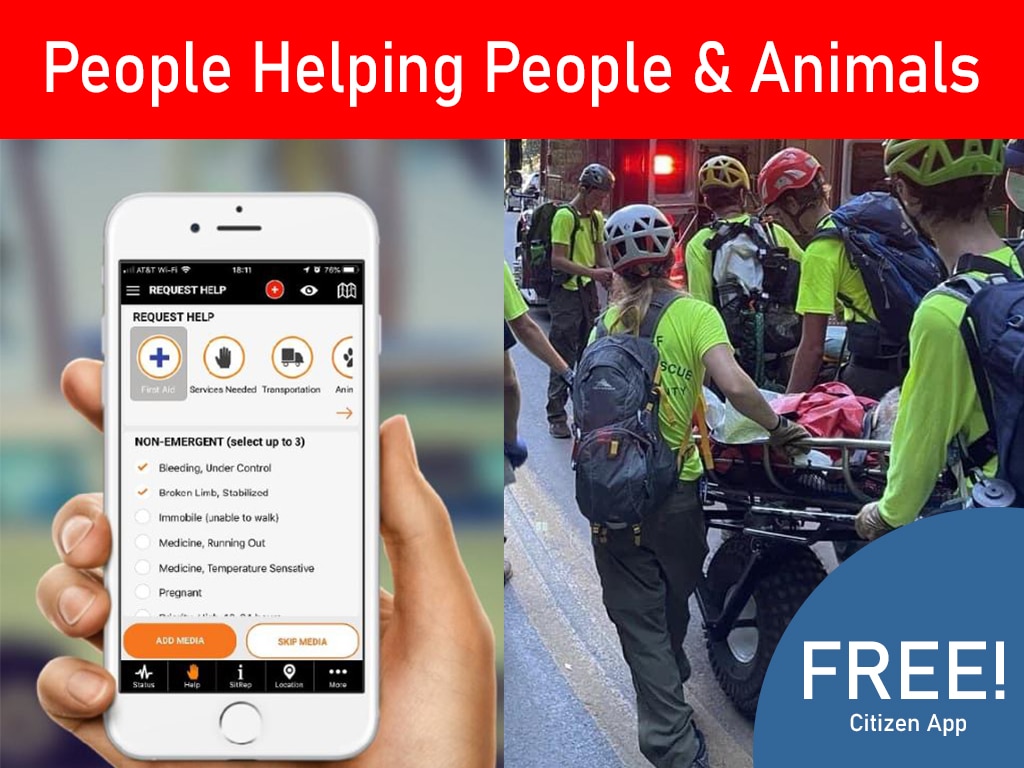
After the pilot, check whether leaders can find the right role, use the approved channel, identify a backup, and record the outcome. Track unresolved data issues and assign owners. Expand only when the organization can maintain the process consistently. The free PubSafe app is another way individual users can access PubSafe’s community response ecosystem, but organizations should choose tools and permissions that fit their own operating plan.
Frequently Asked Questions
What should an emergency contact record include?
Include a person’s identity, organization, team, role, primary contact channel, backup channel, availability, relevant capabilities, authorization context, and last-confirmed date. Keep external response partners in the same operational framework, but label them clearly. Collect only the details your nonprofit has a defined reason to use.
How often should a nonprofit update its emergency contact list?
Update a record whenever a person joins, leaves, changes roles, changes contact details, or changes availability. Also schedule recurring reviews based on turnover and operational risk, then test communication paths after drills and incidents. The best cadence is one the organization can assign, complete, and document consistently.
How can nonprofits protect volunteer contact information?
Explain how information will be used, record consent, limit visibility by operational role, and remove access when responsibilities change. Keep digital and physical copies controlled, avoid unnecessary sensitive fields, and give volunteers a way to review important details. A platform’s controls do not replace the nonprofit’s own membership and permission decisions.
Can emergency contact management software support role-based response?
Yes, when the system connects contact records with teams, responsibilities, communication paths, and incident workflows. PubSafe positions its platform around organization and team management, incident reporting, and emergency coordination. Evaluate the actual workflow, permissions, and maintenance process rather than assuming that a contact database alone supports response.
Ready to Strengthen Your Volunteer Response Workflow?
Accurate contact records are the foundation of a dependable volunteer response process. When roles, consent, communication paths, and update ownership are clear, leaders can spend less time searching and more time coordinating the work in front of them. PubSafe brings organization and team management into a broader community disaster response platform for nonprofits, CERT teams, and other public safety groups.
Review the PubSafe coordination model, then decide which records, permissions, and response workflows your organization needs to improve first.
Contact PubSafe to discuss your organization’s emergency contact and volunteer coordination needs.