Flooding is the most common and costly natural disaster in the United States. It’s a sobering fact. FEMA estimates that every state is affected, and changing weather patterns mean even areas that have never flooded are now at risk. While official guidance like Ready.gov’s Flood Hazard Information Sheet is essential, it’s just the beginning. Real flood preparedness involves more than just your own household. This guide provides a checklist for your personal safety and explains how tools like PubSafe can help your entire community stay connected and safe when it matters most.
What Are the Different Types of Floods?
Not all floods are alike. Understanding the type of flood threat in your area helps you prepare appropriately:
- Flash floods: Occur within 6 hours of heavy rainfall, dam failure, or a sudden ice jam break. They are the deadliest type of flood in the U.S., killing more people per year than any other weather-related hazard. Flash floods can sweep through canyons, riverbeds, and urban streets with little warning.
- River floods: Result from prolonged rainfall or snowmelt causing rivers to overflow their banks. These events typically develop over days or weeks, allowing more time for warning and preparation.
- Coastal floods: Caused by storm surge from hurricanes or tropical storms, or by king tides. Sea level rise is increasing the frequency of coastal flooding in many U.S. cities.
- Urban floods: Occur when stormwater drainage systems are overwhelmed by heavy rainfall. Can happen in any city, including areas far from rivers or coasts.
Understanding Flood Alerts and Terminology
When floodwaters threaten, official alerts are your first line of defense. But the specific language used can be confusing. Knowing the difference between a “watch” and a “warning,” or what a “100-year flood” actually means, is critical. This knowledge helps you understand your risk level and take the right actions to protect yourself, your family, and your property. Let’s break down the key terms you’ll hear from emergency officials.
Flood Watch vs. Flood Warning
It’s easy to mix these two up, but the distinction is vital. According to NYC Emergency Management, “A Flash Flood Watch means flash flooding is possible. A Flash Flood Warning means flash flooding is happening or will happen very soon.” Think of a “watch” as a heads-up to prepare. Conditions are favorable for flooding, so you should monitor the situation, review your emergency plan, and make sure your go-bag is ready. A “warning,” on the other hand, is a call for immediate action. When a warning is issued, it means flooding is imminent or already occurring. You need to move to higher ground immediately and follow any evacuation orders. Real-time alerts from platforms like PubSafe can help disseminate these critical updates, showing active warnings on a public map for all to see.
The “100-Year Flood” Explained
You’ve probably heard the term “100-year flood,” but it doesn’t mean a flood will only happen once a century. The U.S. Geological Survey clarifies, “The term ‘100-year flood’ is used in an attempt to simplify the definition of a flood that statistically has a 1-percent chance of occurring in any given year.” It’s a term of probability, not a timetable. This means you could experience a 100-year flood two years in a row, or even twice in the same year. As weather patterns change, many communities are finding that floods of this magnitude are happening more frequently than historical data would suggest. Relying on this term can create a false sense of security, so it’s always best to be prepared for flooding, even if you live outside a designated high-risk zone.
Coastal Flooding and Storm Surge
For communities along the coast, the greatest threat from a hurricane or strong storm is often not the wind, but the water. This is known as storm surge, a phenomenon where powerful storms push ocean water inland. According to NYC Emergency Management, this surge “can be over 30 feet high and travel miles inland, causing major damage.” The sheer force of this water can demolish buildings, destroy critical infrastructure like roads and bridges, and completely reshape a coastline. It moves with incredible power, carrying debris that acts like battering rams against any structure in its path.
The danger doesn’t end when the surge recedes. The saltwater left behind can contaminate freshwater supplies, kill vegetation, and make agricultural land unusable for years. Responding to such widespread devastation requires immense coordination between government agencies, first responders, and non-profit organizations. Effective team management is essential for everything from search and rescue to distributing aid. Having a common operational picture where all responding groups can share information and track resources is key to a successful and efficient response effort in the chaotic aftermath of a major coastal flood.
Flash Floods
Flash floods are exactly what they sound like: sudden and incredibly fast. They are the most dangerous and deadly type of flood, happening with little to no warning. As noted by NYC Emergency Management, “Flash floods happen quickly from heavy rain and are the deadliest type of flood linked to thunderstorms, causing over 140 deaths each year.” They can occur in any part of the country, turning a dry creek bed into a raging torrent or a quiet urban street into a dangerous canal in a matter of minutes. The speed at which they develop leaves little time for people to react and move to safety.
The most important rule in a flash flood is “Turn Around, Don’t Drown.” It’s a simple phrase that saves lives. It only takes six inches of moving water to knock an adult off their feet, and just one to two feet can sweep a vehicle away. You can’t tell the depth of the water or how fast it’s moving just by looking at it. This is where community-sourced information becomes a powerful tool. By using an app to report an incident like a rapidly flooding roadway, you can provide a real-time warning to others in your community and help first responders understand where the most critical dangers are located.
Other Flood Causes
While we often associate flooding with massive storms or overflowing rivers, it can also originate from failures in our own infrastructure. These man-made floods can be just as destructive and dangerous, happening with little warning and often in areas that residents consider safe from natural flooding.
Broken Water Pipes and Sewer Backups
Not all floodwater comes from the sky. As NYC Emergency Management points out, “Flooding can also be caused by blocked storm drains, broken water pipes, and sewer backups, which can be unhealthy.” A major water main break can release millions of gallons of water, flooding streets and basements in minutes. When a sewer system backs up, the situation becomes even more hazardous. The floodwater is contaminated with waste, bacteria, and other dangerous materials, posing a significant health risk to anyone who comes into contact with it. These incidents highlight the vulnerability of aging infrastructure and can happen anywhere, at any time, regardless of the weather. This is why it’s important for every community organization to be part of a connected response network that can handle any type of emergency.
Your Flood Preparedness Checklist
- Know your flood zone. FEMA’s Flood Map Service Center (msc.fema.gov) allows you to look up the flood zone designation for any address. Properties in Special Flood Hazard Areas (SFHAs) have the highest risk.
- Purchase flood insurance. Standard homeowners and renters insurance does NOT cover flood damage. Purchase separately through FEMA’s National Flood Insurance Program (NFIP) or a private insurer. Note the 30-day waiting period before coverage takes effect.
- Elevate utilities and appliances. Move electrical panels, HVAC systems, water heaters, and major appliances to upper floors or elevated platforms. Install check valves in plumbing to prevent floodwater from backing up into the house.
- Prepare an emergency kit. Include water (one gallon per person per day for at least 3 days), non-perishable food, medications, important documents in waterproof containers, flashlights, and a battery-powered radio.
- Know your evacuation routes. Identify multiple routes out of your area in case some roads are flooded. Know the location of your local emergency shelter.
- Sign up for emergency alerts. The National Weather Service issues Flood Watches (conditions favorable for flooding) and Flood Warnings (flooding is occurring or imminent).
Create a Family Emergency Plan
When an emergency strikes, stress and panic can make it hard to think clearly. That’s why having a family emergency plan is one of the most important steps you can take. Your plan is your roadmap for what to do, where to go, and how to communicate when a flood is imminent. Sit down with your family and decide on two meeting places: one just outside your home for sudden emergencies and another outside your neighborhood in case you can’t return. You should also choose an out-of-state friend or relative as a central contact person for everyone to check in with. Make sure everyone, including children, has this contact information saved in their phones or written down. Your plan should also account for anyone with special needs, such as older adults or individuals with disabilities who might require extra help to evacuate safely.
Include Arrangements for Pets
Your pets are part of the family, so they need to be part of your emergency plan. Not all emergency shelters accept animals, so you need to figure out a safe place for them ahead of time. Research pet-friendly hotels or motels along your evacuation route or arrange to stay with friends or family who can accommodate your furry, feathered, or scaled companions. Pack a separate emergency kit for your pets that includes several days’ worth of food and water, medications, veterinary records in a waterproof bag, a crate or carrier, extra leashes, and a favorite toy to reduce their stress. Having a plan in place ensures you won’t have to make an impossible choice during an evacuation.
Sign Up for Emergency Alerts
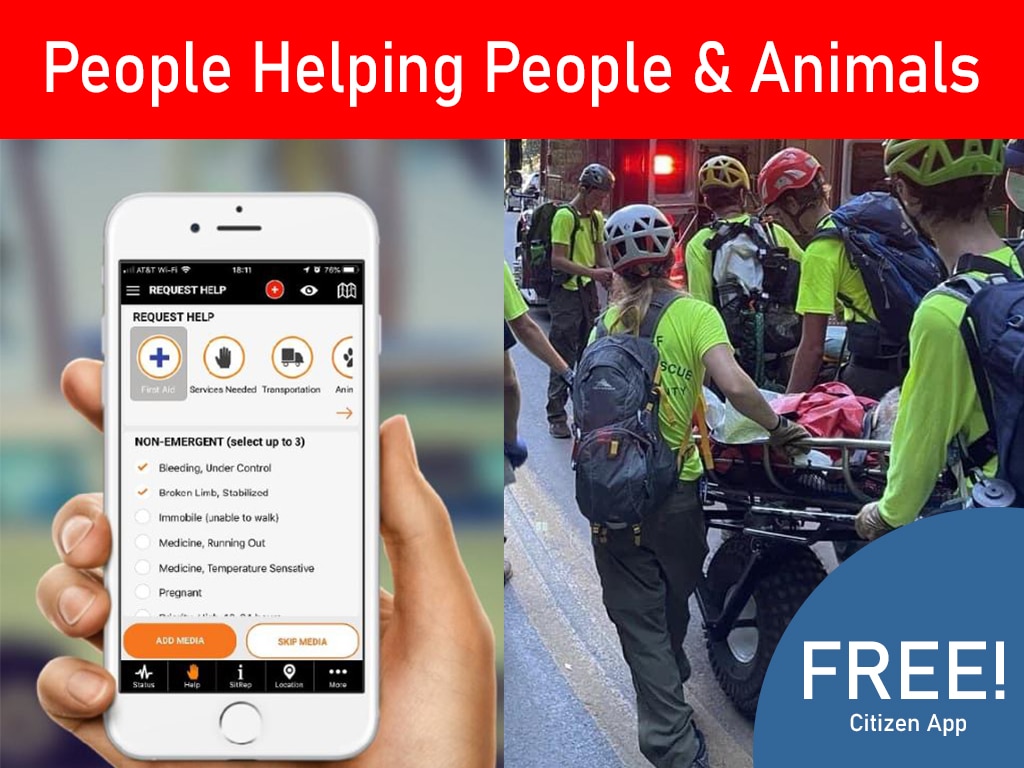
Timely information can save lives. Make sure you can receive official notifications about developing flood situations. You can get alerts from your local community, the Emergency Alert System (EAS), and NOAA Weather Radio. However, these official channels often provide broad warnings. For a more detailed, real-time view of what’s happening on the ground, community-based platforms can be incredibly useful. With the PubSafe app, for example, you can see a public map of user-reported issues like flooded streets, downed trees, or local hazards. This allows you and your neighbors to share critical information and make safer decisions together. You can install the free app to stay connected to your community before, during, and after an event.
NOAA Weather Radio and EAS
While your smartphone is a great tool, you can’t rely on it alone. Cell towers and internet service can fail during a major storm. That’s where the NOAA Weather Radio and the Emergency Alert System (EAS) come in. The NOAA Weather Radio is a nationwide network that broadcasts weather warnings directly from the National Weather Service, 24/7. The EAS is the national system that interrupts television and radio broadcasts with urgent public safety information. To receive these alerts when the power is out, you need a battery-powered or hand-crank radio. It’s a low-tech device that remains one of the most reliable ways to get life-saving information during a disaster.
Document Your Belongings
This might feel like a chore, but documenting your property now will be a massive help if you ever need to file an insurance claim. The easiest way to do this is to simply walk through your home with your smartphone and record a video. Open closets, drawers, and cabinets, and narrate what you’re seeing, noting makes, models, or other important details for valuable items. Once you’re done, upload the video to a secure cloud storage service. Do the same for your important documents: scan your insurance policies, deeds, birth certificates, and passports, and save digital copies online. This ensures you can access everything you need to start the recovery process, even if the physical copies are lost or destroyed.
How to Stay Safe When a Flood Hits
- If told to evacuate, evacuate immediately. Do not wait to see if the water will rise to your home.
- Never drive through floodwater. Six inches of water can knock a person down. One foot can carry away a small vehicle. Two feet can carry away most vehicles. “Turn Around, Don’t Drown” is the National Weather Service’s most important flood safety message.
- If trapped in a submerged vehicle, wait for pressure to equalize, then open a window or door and swim to safety.
- If caught outside with no escape, move to high ground. Avoid drainage channels, streams, and low-lying areas.
- Do not walk in moving water. Use a stick to check firmness of ground before each step.
“Turn Around, Don’t Drown”: Driving Safety
The National Weather Service has a simple, life-saving message: “Turn Around, Don’t Drown.” It’s a stark reminder that vehicles offer a false sense of security in a flood. It takes surprisingly little water to create a deadly situation. Just six inches of moving water is enough to knock an adult off their feet, and a mere foot of water can carry away a small car. If the water reaches two feet, it can sweep away most vehicles, including SUVs and trucks. The single most important decision you can make when you see a flooded road is to turn around and find an alternate route. It’s a choice that could save your life and the lives of your passengers.
Why You Can’t Judge Water Depth
One of the biggest dangers of floodwater is that it’s impossible to know what you’re driving into. The water is often murky, hiding washed-out sections of road, debris, or even deep sinkholes that have opened up beneath the surface. What looks like a shallow puddle could be several feet deep. According to the National Weather Service, more people die from flooding each year than from any other severe weather hazard, and many of these deaths are preventable. They often happen when someone makes the tragic mistake of driving or walking into floodwaters, underestimating the power of the water and the hidden dangers it conceals. Don’t risk becoming a statistic; the only safe option is to stay out of the water.
Dangers of Downed Power Lines
Floodwaters introduce another lethal hazard: electricity. If you see downed power lines, stay as far away as possible and never attempt to go near them. Water is an excellent conductor of electricity, and the area around a downed line can be energized for a significant distance. You should also avoid standing water that may be in contact with underground power lines or other electrical equipment. If flooding has reached your home, avoid using electrical appliances or even plumbing, as these systems can become electrified. If you spot a downed power line or another immediate hazard, you can report the incident using the PubSafe app to warn others in your community and help alert response teams to the danger.
If You’re Trapped at Home
If you find yourself stuck at home during a flood, the first rule is to listen to the guidance of local authorities. If an evacuation order is issued, you need to leave immediately. However, if you are unable to leave, move to the highest level of your home. Do not climb into a closed attic, as you can become trapped by rising floodwaters. If necessary, get onto your roof as a last resort and signal for help. In a situation like this, being able to communicate your location is critical. Using an app like PubSafe allows you to mark your location with a request for assistance, making your status and position visible on a shared map for nearby volunteer teams and official rescuers who are coordinating response efforts.
If Your Vehicle is Caught in Water
Finding your car stuck in rising water is a terrifying experience. If your vehicle is caught in moving floodwater, official guidance from Ready.gov advises you to stay inside. The car can provide some protection from the force of the water and debris. However, if water begins to rise inside the vehicle, you need to get out and move to the roof. This makes you more visible to rescuers and gets you out of the immediate danger of being submerged. Once on the roof, signal for help. In this high-stakes scenario, being able to share your exact GPS coordinates can make all the difference. The PubSafe app allows you to send an alert with your location, ensuring that rescue teams can find you as quickly as possible, even if you’re in a remote or hard-to-see area.
Steps for Recovery After a Flood
- Do not return home until local authorities say it is safe
- Avoid floodwater — it may be contaminated with sewage, chemicals, or other hazardous materials
- Document all damage with photos before beginning cleanup and file your flood insurance claim immediately
- Check for structural damage before entering: cracks in foundations, warped floors, disconnected utilities
- Discard any food that has come into contact with floodwater, including canned goods with dented or damaged seals
- Beware of post-flood scams — unlicensed contractors and fraudulent disaster relief organizations often emerge after major flooding events
Prioritizing Safety Upon Re-entry
The immediate aftermath of a flood is often a mix of relief and anxiety. While you’ll be eager to return home and assess the damage, your safety and the safety of your family must come first. The environment inside and outside your home can be filled with hidden dangers that weren’t there before the water arrived. Before you even think about cleanup, you need to focus on a safe and methodical re-entry. This means waiting for the official all-clear from local authorities and then proceeding with extreme caution, treating your property like an unfamiliar and potentially hazardous zone. Every step you take should be deliberate and informed by an awareness of the new risks you face.
Electrical and Structural Hazards
Your first priority is to wait for local authorities to declare it’s safe to return. Once you get the green light, approach your home with caution. Before stepping inside, walk around the exterior to check for visible structural damage like cracks in the foundation, shifted walls, or a warped roofline. If you see major damage, do not enter. Inside, be aware that floodwaters can compromise floors and walls, making them unstable. One of the most immediate dangers is the electrical system. If you can safely access your main breaker or fuse box from a dry location, turn it off. If you have to enter standing water to access it, call an electrician for help. Never turn on lights or appliances until your home’s electrical system has been professionally inspected.
Dealing with Wildlife and Contaminants
Assume all floodwater is contaminated. It’s often a toxic soup of sewage, chemicals, gasoline, and other hazardous materials that have been washed out of drains, garages, and industrial areas. Direct contact can lead to skin rashes, infections, and serious illness. Beyond the water itself, be aware that displaced wildlife may have sought shelter in your home. Snakes, rodents, and insects can be hiding in debris piles or inside the house. Carefully inspect areas before reaching into them, and use a stick to poke at debris piles before handling them. Keeping children and pets away from the affected area is crucial until the entire property has been thoroughly cleaned and sanitized.
Safe Cleanup Practices
Once your home is confirmed to be structurally sound and free of electrical hazards, the difficult work of cleanup begins. This process is a marathon, not a sprint, and cutting corners can put your health and your home’s long-term safety at risk. The goal is not just to remove the water and mud, but to do so in a way that prevents further damage to the structure and protects you from the many health hazards left behind by the flood. Following proper procedures for wearing protective gear, pumping water, and using equipment like generators is non-negotiable for a safe and effective recovery.
Using Protective Gear
Never begin cleanup without the proper personal protective equipment (PPE). Flood debris can contain sharp objects, and the mud and water are filled with bacteria. At a minimum, you need heavy-duty work gloves, waterproof boots (preferably steel-toed), and safety glasses. To protect yourself from airborne contaminants like mold spores, which can begin to grow within 24-48 hours, wear an N95 respirator. Long sleeves and pants will help protect your skin from contact with contaminated materials. For organizations managing cleanup efforts, ensuring every person has the right gear is a critical part of volunteer coordination and a fundamental aspect of keeping your team safe during the response.
Pumping Out Basements Safely
If your basement is flooded, you might be tempted to pump it out as quickly as possible. Resist this urge. When the ground outside is saturated with water, it exerts immense pressure on your basement walls. If you pump the water out of the basement too quickly, the pressure from the outside will be greater than the pressure inside, which can cause the walls to bow inward or even collapse. The safe method is to pump the water out slowly and in stages. As a general rule, try to remove only about one-third of the water each day, allowing the groundwater levels outside to recede at a similar pace.
Generator Safety
Portable generators can be a lifesaver during a power outage, but they can also be deadly if used improperly. The primary danger is carbon monoxide (CO), an odorless, colorless gas produced by the generator’s engine. Never, under any circumstances, run a generator inside your home, garage, basement, or any enclosed or partially enclosed space. It must be operated outdoors, at least 20 feet away from doors, windows, and vents to prevent CO from entering your home. Keep the generator dry to avoid electrocution, and always follow the manufacturer’s instructions for safe operation. Proper generator use is a critical piece of post-flood safety.
Worker Safety During Flood Recovery
Whether they are paid professionals or volunteers, anyone helping with flood cleanup is a worker, and their safety is paramount. According to OSHA, employers and volunteer organizations have a duty to protect their teams from the numerous dangers present in a flood-damaged environment. This includes providing the necessary PPE, training workers on hazards like electrical risks and contaminated water, and ensuring they are physically able to handle the strenuous work. Effective team management during a disaster involves clear communication about safety protocols, assigning tasks based on skill level, and keeping track of everyone on-site to ensure they are safe and accounted for throughout the recovery operation.
How PubSafe Supports You During a Flood
Flooding events require real-time communication and coordination — precisely what PubSafe is built to provide. When floodwaters are rising, PubSafe enables community members to mark flooded road segments and hazardous areas in real time, helping neighbors and emergency responders avoid danger. PubSafe also supports evacuation coordination, helping communities organize carpooling and transportation assistance; post-flood welfare checks to ensure vulnerable residents are accounted for; and damage reporting to help emergency managers prioritize response resources.
In a major flood, 911 centers are overwhelmed, roads are impassable, and traditional communication channels may be down. PubSafe provides a resilient, community-powered alternative that keeps neighbors connected and informed. Connecting your neighborhood on PubSafe before the next flood is one of the most impactful preparedness steps your community can take.
Coordinating Your Team’s Response
When a flood hits, a coordinated response is your team’s most powerful tool. Whether you’re part of a formal CERT team or a neighborhood group, a shared plan is essential for effective action. The top priority is always safety. If authorities issue an evacuation order, your team should help spread the word and follow it immediately. Emphasize the “Turn Around, Don’t Drown” rule; it only takes a foot of water to sweep a small car away. Your goal is to help the community, not to add to the number of people needing rescue. A centralized platform is key for this. For example, PubSafe’s team management features allow you to see all your members on a live map, assign tasks, and share critical updates instantly. This keeps everyone informed about safe routes and priority areas, ensuring your response is both efficient and secure.
Reporting Incidents and Assessing Damage
After the immediate danger has passed, the recovery phase begins, which is all about careful assessment and documentation. Before starting any cleanup, thoroughly photograph all damage; this is crucial for your insurance claim. When authorities give the all-clear to return, proceed with caution. Check for structural damage like foundation cracks before you go inside. You’ll also need to be strict about food safety—throw away anything that came into contact with floodwater. It’s also a time to be vigilant against post-flood scams from fraudulent contractors. You can help your entire community recover more efficiently by centralizing information. Reporting incidents like blocked roads, downed power lines, or property damage on the PubSafe app helps create a real-time map of the situation. This collective data allows emergency managers to deploy resources effectively and helps everyone navigate the recovery landscape safely.
More Flood Preparedness Resources
- Ready.gov Floods page
- FEMA Flood Map Service Center: msc.fema.gov
- National Flood Insurance Program: floodsmart.gov
- NOAA Flood Safety: weather.gov/safety/flood
Download the Ready.gov Flood Hazard Information Sheet and check your flood zone today. Then join PubSafe and connect your neighborhood — because flood preparedness is a community effort.
National Disaster Assistance Helplines
After a flood, figuring out where to turn for help can feel overwhelming. Thankfully, several national organizations are ready to provide support. For immediate needs like shelter, food, and health services, the American Red Cross is a primary resource. When you’re ready to begin the financial recovery process, you can apply for federal aid through FEMA, which can help with temporary housing and essential home repairs. If you have a policy, you’ll also want to contact the National Flood Insurance Program to start your claim. Just as importantly, remember to care for your mental well-being. The Disaster Distress Helpline offers free, confidential, 24/7 crisis counseling for anyone experiencing emotional distress. These resources exist to help you, so don’t hesitate to reach out.
A Guide to the National Flood Insurance Program
The National Flood Insurance Program (NFIP) is FEMA’s primary tool for making flood insurance accessible to American property owners and renters. Created in 1968, the NFIP provides flood insurance to communities that have adopted and enforce floodplain management ordinances. If your community participates in the NFIP (most do), you can purchase flood insurance through an insurance agent even if private insurers do not offer coverage in your area.
Standard NFIP policies offer up to $250,000 in building coverage and $100,000 in contents coverage for residential properties. For higher-value properties, private flood insurance or excess flood insurance can supplement NFIP coverage. Renters can purchase contents-only NFIP policies — an important and underutilized option for apartment dwellers in flood-prone areas.
The NFIP’s Community Rating System (CRS) allows communities that go beyond minimum floodplain management requirements to earn premium discounts for their residents. Communities earn CRS points for activities like providing public information about flood hazards, implementing flood hazard mapping beyond FEMA minimums, and implementing flood damage reduction programs. Check your community’s CRS rating — if it participates, you may be eligible for significant premium discounts.
FEMA’s Risk Rating 2.0, implemented in 2021, significantly changed how NFIP premiums are calculated. Under the new methodology, premiums more accurately reflect a property’s specific flood risk rather than being based solely on flood zone designation. Some properties saw premium decreases under Risk Rating 2.0; others saw increases. Check with your insurance agent to understand how your specific premium is calculated and whether your flood risk has changed in recent years.
How to Protect Your Property from Flood Damage
Beyond purchasing flood insurance, homeowners and communities can take active steps to reduce flood damage. At the property level, these include: dry floodproofing (sealing the building envelope to prevent water entry, appropriate for commercial structures in shallow flood zones); wet floodproofing (allowing water to enter a structure while modifying the interior to minimize damage — used for enclosed areas below the base flood elevation); elevating the structure (the most effective mitigation measure for residential buildings, often required for substantially damaged or improved buildings in Special Flood Hazard Areas); and elevating utilities and mechanical systems above the base flood elevation.
FEMA’s Hazard Mitigation Grant Program (HMGP) and Flood Mitigation Assistance (FMA) program provide funding to states, territories, tribes, and local governments for pre-disaster mitigation projects, including home buyouts in the highest-risk flood zones, home elevations, and community floodproofing projects. These programs are funded after major disaster declarations and can provide significant financial assistance to flood-prone communities. Contact your local emergency management agency to learn about mitigation funding opportunities in your area.
Connect your neighborhood on PubSafe to coordinate mutual aid during flood events and share real-time information about flood levels, road conditions, and available resources. A connected neighborhood is a more resilient neighborhood — and in the aftermath of a flood, that connection can make a meaningful difference in how quickly your community recovers.
Pre-Flood Home Protection
Clearing Gutters and Moving Valuables
A little proactive work can go a long way in protecting your home from water damage. Start with the simple things, like clearing your gutters and drains. When they’re clogged with leaves and debris, rainwater can’t flow away from your house. Instead, it spills over the sides and pools around your foundation, where it can easily seep into your basement or crawlspace. Inside, take stock of your most important belongings. Move sentimental items, electronics, and essential documents to a higher floor or at least onto high shelves. This simple step ensures that even if water gets into the lowest level of your home, you can protect your valuables and keep them safe and dry.
Using Sandbags and Sump Pumps
If you live in an area prone to flooding, you might need to take more active measures. Having supplies like sandbags on hand can help you create a temporary barrier to divert low-level floodwater away from your home’s entry points. For a more automated defense, a sump pump is an excellent tool. Installed in your basement or crawlspace, it automatically pumps out water that collects there. Since power outages are common during severe storms, it’s crucial to have a sump pump with a battery backup. This ensures it will continue to manage water accumulation even if the electricity goes out, giving you a critical line of defense when you need it most.
Frequently Asked Questions
What is the single most important thing I can do to prepare for a flood? If you do only one thing, it should be to understand your specific risk and create a family emergency plan. Use FEMA’s maps to see your home’s flood zone, then sit down with your family to decide on evacuation routes, meeting places, and an out-of-state contact person. Knowing your risk and having a clear plan before a crisis removes the guesswork when stress is high.
I don’t live near a river or the coast. Do I really need to worry about flooding? Yes, you do. Many people mistakenly believe they are safe if they aren’t near a large body of water. However, flash floods from sudden, heavy rain can happen anywhere, and urban flooding is common when city storm drains get overwhelmed. Every state in the U.S. experiences flooding, so it’s a risk everyone should prepare for.
My homeowner’s insurance will cover flood damage, won’t it? This is a critical point: standard homeowner’s and renter’s insurance policies do not cover damage from flooding. You must purchase a separate flood insurance policy, which you can typically get through the National Flood Insurance Program (NFIP). Keep in mind that these policies usually have a 30-day waiting period, so you can’t wait until a storm is on the way to get covered.
How can an app like PubSafe actually help when my street is flooding? Think of it as a real-time safety map for your community. While official alerts tell you a flood is possible in your county, PubSafe allows you and your neighbors to report specific, immediate hazards like a washed-out road or a downed power line. This information appears on a map for everyone to see, helping you make safer decisions and giving first responders a clearer view of where help is needed most.
What is the biggest mistake people make during a flood? The most dangerous mistake is underestimating the power of water. Many preventable deaths happen when people try to drive or walk through flooded areas. It’s impossible to see how deep the water is or if the road underneath has been washed away. Just a foot of water can carry away a small car. The “Turn Around, Don’t Drown” rule is the most important advice to follow; it’s better to be late than to not arrive at all.
Key Takeaways
- Prepare before the storm: Your safety starts long before the rain does. Understand your specific flood risk using FEMA maps, secure a separate flood insurance policy, and create a detailed family emergency plan that includes your pets and important documents.
- Prioritize safety when water rises: The most critical rule is to never drive or walk through floodwaters, as their depth and current are deceptive. If you are told to evacuate, leave immediately; if you get trapped, move to the highest point of your home, but avoid closed attics.
- Leverage community for real-time awareness: Official alerts are essential, but community-powered platforms like PubSafe provide a live, ground-level view of the situation. Reporting local hazards like flooded roads helps your neighbors stay safe and allows response teams to coordinate more effectively.