Hurricanes are among the most powerful and destructive forces on Earth. These massive tropical cyclones bring sustained winds of 74 mph or greater, torrential rainfall, life-threatening storm surge, and the potential for inland flooding hundreds of miles from the coast. In the United States, hurricane season runs from June 1 through November 30, with peak activity from mid-August through mid-October. Millions of Americans from Texas to Maine live within reach of Atlantic and Gulf Coast hurricanes. Ready.gov’s Hurricane Hazard Information Sheet outlines what every at-risk household should know and do to prepare.
The Saffir-Simpson Scale: Understanding Hurricane Intensity
The Saffir-Simpson Hurricane Wind Scale classifies hurricanes into 5 categories based on sustained wind speed:
- Category 1 (74–95 mph): Some roof and siding damage. Tree damage and power outages likely.
- Category 2 (96–110 mph): Significant roof damage, tree uprooting. Nearly total power loss.
- Category 3 (111–129 mph): Devastating damage. Many structures lose roofing. Most areas uninhabitable for weeks.
- Category 4 (130–156 mph): Catastrophic damage. Most homes destroyed. Most areas uninhabitable for months.
- Category 5 (157+ mph): Total destruction. A high percentage of total roof failures and wall collapses.
However, wind category alone does not capture the full threat. Storm surge — the abnormal rise of water generated by a storm’s winds — is the leading cause of hurricane-related deaths. Even a Category 1 or 2 hurricane can generate catastrophic storm surge in low-lying coastal areas.
Before Hurricane Season: Year-Round Preparation
- Know your evacuation zone. Many coastal counties assign evacuation zones (A, B, C or 1, 2, 3) based on storm surge risk. Know which zone you are in and when you should leave.
- Build a hurricane supply kit. Include at least 7 days of water (1 gallon per person per day) and food, medications, first aid, flashlights, batteries, a battery-powered radio, cash, important documents in waterproof containers, and extra clothing and bedding.
- Harden your home. Install storm shutters or plywood panels on windows. Reinforce garage doors. Trim trees and shrubs. Ensure your roof is properly secured with hurricane straps.
- Review your insurance. Confirm your homeowners policy includes wind damage coverage. Purchase separate flood insurance. Note that flood insurance requires a 30-day waiting period.
- Plan for your pets. Most public emergency shelters do not accept pets. Identify pet-friendly hotels or pet evacuation shelters in advance.
- Learn your community’s shelters and evacuation routes. Memorize at least two routes out of your area.
When a Hurricane Is Approaching
- Hurricane Watch: Hurricane conditions possible within 48 hours. Begin your preparation now.
- Hurricane Warning: Hurricane conditions expected within 36 hours. Complete preparation immediately. Evacuate if ordered or if you are in an area vulnerable to storm surge.
If local authorities order an evacuation, leave immediately. Do not wait to see if the storm track shifts. Storm surge can begin rising hours before a hurricane makes landfall, cutting off escape routes. The roads will be congested — leave early.
If You Must Shelter in Place
- Fill your bathtub with water (for sanitation use)
- Charge all devices and portable power banks
- Move to the safest interior room on the lowest livable floor (not the basement if flooding is possible)
- Stay away from windows and glass doors
- If the storm’s eye passes over you, do not go outside — the other eyewall is coming
After the Hurricane
- Do not return home until local authorities give the all-clear
- Avoid downed power lines and standing water (which may be electrically charged)
- Use generators and gas-powered tools outdoors only — carbon monoxide poisoning is a major post-hurricane killer
- Document all damage before cleanup and file insurance claims promptly
- Be alert for price gouging and contractor fraud — report violations to your state attorney general
How PubSafe Supports Hurricane Preparedness and Response
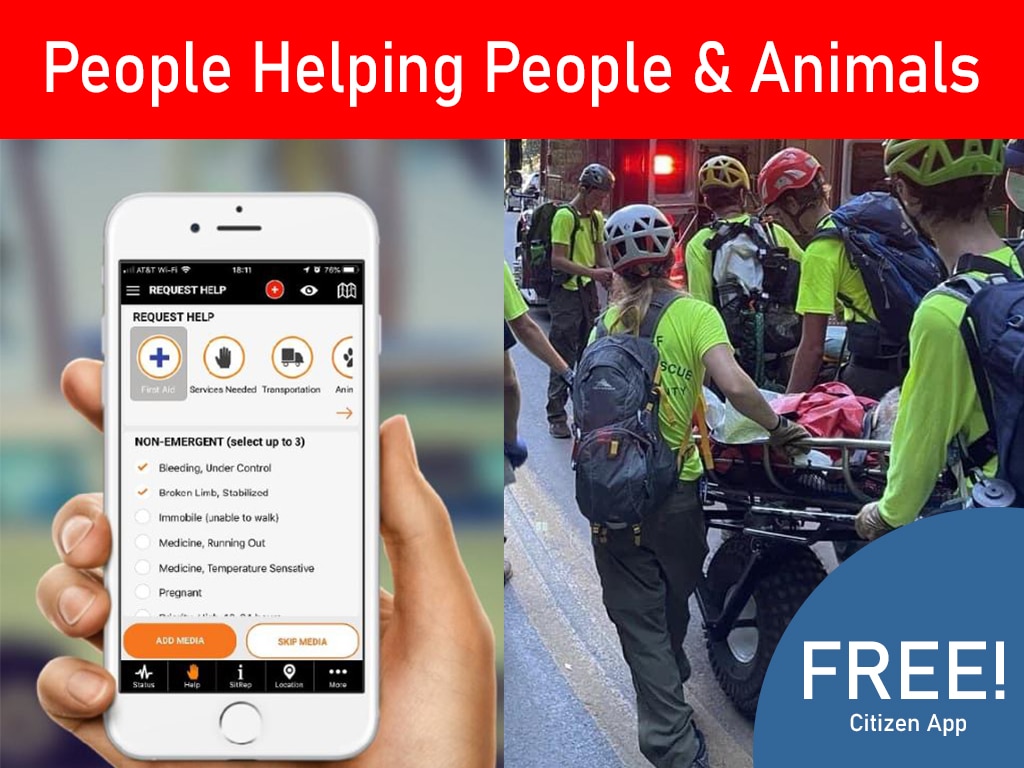
Hurricanes provide one of the longest lead times of any natural disaster — often 3–5 days of warning. This window is when PubSafe can help communities organize for maximum effectiveness. Before, during, and after a hurricane, PubSafe enables pre-storm coordination connecting neighbors who need evacuation help with those who have vehicles; real-time road and hazard reporting marking flooded roads, downed trees, and impassable routes; post-storm welfare checks systematically confirming that vulnerable community members are safe; and resource distribution coordination helping communities share food, water, shelter, and equipment in the post-storm period.
When phone lines are jammed and power is out, PubSafe’s resilient platform keeps communities connected. Download PubSafe now — before hurricane season — and connect your neighborhood, family members outside your area, and local emergency contacts. The time to prepare is before the storm is named.
Resources
- Ready.gov Hurricanes page
- National Hurricane Center: nhc.noaa.gov
- FEMA Flood Map Service Center: msc.fema.gov
Download the Ready.gov Hurricane Hazard Information Sheet today and start building your hurricane supply kit. Join PubSafe to connect your community before the next storm.
Hurricane Storm Surge: The Deadliest Threat
Of all the hazards associated with a hurricane, storm surge is the most dangerous and the one that is most consistently underestimated by the public. Storm surge is an abnormal rise of water generated by a storm’s winds pushing water toward the shore. In a major hurricane, storm surge can reach 20 feet or more in height and extend inland for several miles. The 2005 Hurricane Katrina caused storm surge of up to 27 feet along the Mississippi Gulf Coast — much of it more than 12 miles inland. The 2017 Hurricane Harvey and 2012 Hurricane Sandy both produced catastrophic storm surge flooding that extended well beyond the immediate coastline.
Storm surge is not the same as storm tide (which includes the astronomical tide) or inland flooding from hurricane rainfall. A Category 1 hurricane making landfall at the right location and angle can produce storm surge comparable to a much stronger hurricane that strikes a less surge-vulnerable coastline. This is why evacuation decisions should be based on storm surge risk maps, not just the wind category of the approaching storm.
NOAA’s National Hurricane Center publishes storm surge risk maps (P-Surge) as part of its official hurricane forecast products. Many coastal counties have developed storm surge inundation maps specific to their coastline geometry and the track and intensity of hypothetical storms. Know your local storm surge risk zone, and understand that if your zone is ordered to evacuate, the order is based on storm surge risk — not wind or rain.
Hurricane Season Preparedness: The Role of Technology
Modern hurricane forecasting is dramatically better than it was even 20 years ago. The National Hurricane Center now regularly achieves 3-day track forecasts that are more accurate than 1-day forecasts were in the 1990s. This gives residents significantly more lead time to prepare and evacuate. Key technology tools for hurricane preparedness and monitoring include:
- The FEMA app, which provides real-time weather alerts, shelter locations, and disaster assistance information
- The Red Cross Emergency app, which includes offline emergency guides for 35 different emergencies
- NOAA Weather Radio, which provides around-the-clock broadcasts from National Weather Service offices including live hurricane updates and local warnings
- The National Hurricane Center website (nhc.noaa.gov), which provides official forecast discussions, storm surge maps, wind probability products, and historical storm data
- PubSafe, which provides community-level communication infrastructure that complements official warning systems and enables neighbor-to-neighbor coordination before, during, and after the storm
The combination of excellent official forecasting tools, community communication platforms like PubSafe, and personal preparedness produces the best outcomes in hurricane scenarios. Build your technology toolkit before hurricane season begins — and make sure your household and neighborhood are connected before the first storm of the season forms.