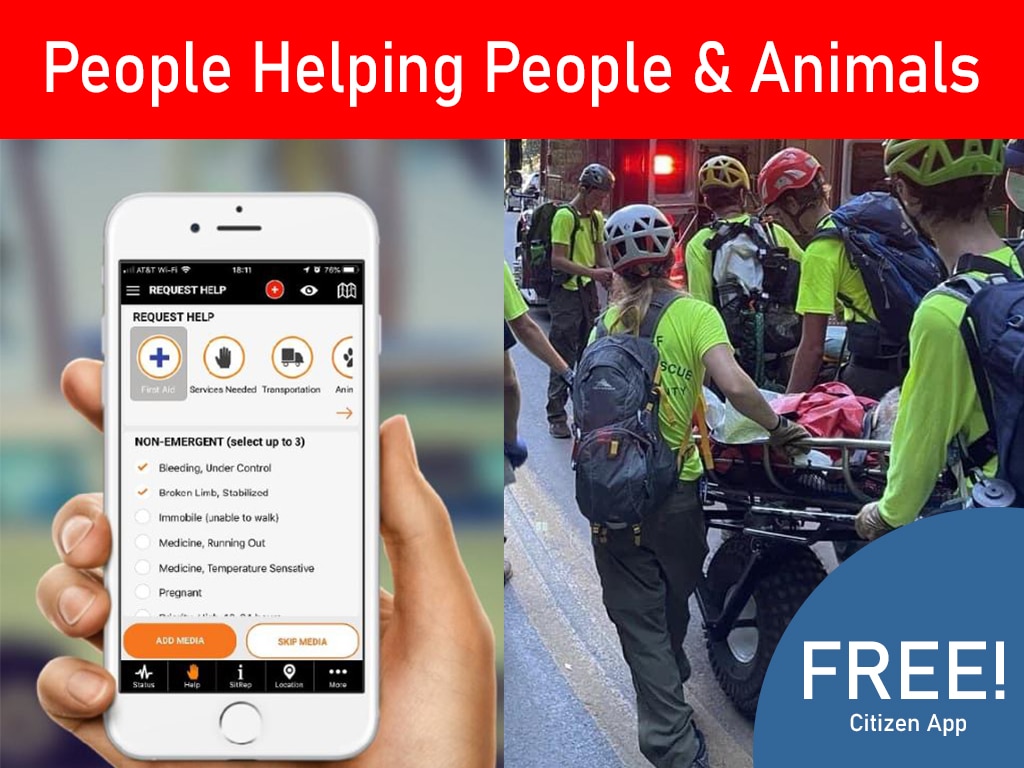
When a crisis strikes, a flood of different organizations arrives on the scene. Without a shared playbook, this can lead to confusion, duplicated efforts, and dangerous communication gaps. This is where a unified strategy becomes essential. The National Response Framework is what provides that strategy. It’s the common organizational structure that allows federal, state, and local partners to work together seamlessly. The National Response Framework is the shared language that gets everyone on the same page, uniting government and non-profits in a “whole community” approach toward one life-saving mission.
Key Takeaways
- The NRF unites everyone for a common goal: It’s a flexible guide that helps the entire community, from federal agencies to local volunteers, coordinate their efforts instead of operating under a rigid, top-down command.
- Disaster response is built from the ground up: The framework follows a tiered system where local teams are the first line of defense, with state and federal resources providing support only when an incident grows beyond local control.
- Preparation is a continuous cycle, not a one-time task: To align with the NRF, your organization should focus on building partnerships, practicing response plans, and establishing clear communication channels well before an emergency happens.
So, What Is the National Response Framework?
Think of the National Response Framework (NRF) as the nation’s playbook for emergencies. It’s not a rigid set of rules, but a guide that outlines how everyone, from federal agencies to local community groups, can work together when a disaster strikes. The NRF provides a consistent structure for managing any response, from a local flood to a national hurricane. It’s designed to be scalable, ensuring that response efforts are effective and well-coordinated to save lives and protect property. By establishing a common language, the NRF helps different organizations join forces without confusion, which is critical when time is of the essence.
How It Shapes Emergency Management
The National Response Framework is a core component of U.S. emergency management. Mandated by the Homeland Security Act of 2002, it’s a comprehensive guide for how the nation responds to all types of disasters. The framework is intentionally flexible, allowing communities to adapt its principles to their specific needs and the challenges of each incident. Built on the idea of shared responsibility, the NRF clarifies the roles of various partners to ensure support is delivered quickly and effectively to those who need it most. You can find the official frameworks for response on FEMA’s website.
A Guide to Coordinated Disaster Response
A key function of the NRF is helping different groups work together effectively during a crisis. It unites federal, state, local, and tribal governments with private companies and NGOs under a single, coordinated structure. This unified approach is essential for managing complex incidents involving multiple agencies. By providing a common operational picture and standardized processes, the NRF streamlines communication and resource management. This ensures efforts aren’t duplicated and that critical resources are deployed for the greatest impact, improving volunteer coordination across the board.
The Shift from National Response Plan to NRF
If you’ve been in emergency response for a while, you might remember the National Response Plan (NRP). The National Response Framework officially replaced the NRP on March 22, 2008. This change was more than a new name; it represented a shift in philosophy. The NRF places more emphasis on preparedness, community involvement, and a tiered response system that starts at the local level. Developed from lessons learned in past disasters, it’s designed as a more practical guide for everyone involved in emergency response, from government leaders to individual citizens.
From FRP and NRP to a Unified Framework
The journey to our current response structure began with earlier plans, like the Federal Response Plan (FRP) and its successor, the National Response Plan (NRP). While these were important steps, they were often seen as guides primarily for federal agencies, which sometimes created a disconnect with local and state efforts. The creation of the NRF was a deliberate move away from a top-down model toward a truly unified framework. It’s built on a “whole community” philosophy that empowers local response first and integrates all partners—from government to NGOs and citizens—into a cohesive team. This approach helps prevent the communication gaps and duplicated efforts seen in past disasters, ensuring a more agile and effective disaster response platform for everyone involved.
What Are the NRF’s Guiding Principles?
The National Response Framework isn’t just a set of rules; it’s a mindset built on five core principles. Think of these as the foundational pillars that ensure everyone, from federal agencies to local volunteers, can work together effectively when a disaster strikes. Understanding these principles helps clarify how a coordinated response is supposed to unfold and how your organization can find its place within the larger effort. They are designed to be simple, practical, and adaptable to any crisis.
Building Engaged Partnerships
No single person or group can handle a major disaster alone. The principle of engaged partnership means that leaders at all levels, from local community groups to federal agencies, must work together. This involves setting shared goals, combining resources, and maintaining open lines of communication before, during, and after an event. By forming these alliances, response efforts become more resilient and effective, preventing any one group from becoming overwhelmed. True partnership requires a commitment to collaboration, which is why platforms that facilitate organization registration and connection are so vital for building a unified front.
Understanding the Tiered Response
The NRF promotes a “start local” approach. A tiered response means that an incident is managed at the lowest possible level first, beginning with individuals and local authorities who are closest to the scene. If the situation becomes too large or complex for them to handle, they can request assistance from the next tier, such as the state government. Federal assistance is only brought in when the crisis exceeds state and local capabilities. This approach ensures that resources are used efficiently and that the response remains community-focused. It all starts with someone on the ground reporting an incident so the right local teams can act.
Keeping Operations Scalable and Flexible
Disasters are unpredictable. They can escalate or de-escalate in a matter of hours. Because of this, response operations must be scalable and flexible. This principle means that the systems and strategies in place can easily adapt to the changing scope of an incident. As a situation worsens, more resources and personnel can be mobilized. As it stabilizes, those same resources can be demobilized. This adaptability is key to an efficient response, allowing teams to use a real-time public map to assess needs and adjust their operations accordingly, ensuring help is directed where it’s needed most.
Achieving a Unified Command
When multiple organizations converge on a disaster scene, coordination is everything. Unified effort ensures everyone works toward the same objectives without creating a confusing or conflicting command structure. While each organization maintains its own leadership, they collaborate under a unified command system to make shared decisions. A huge part of this is clear communication, often using plain English instead of technical jargon to prevent misunderstandings. Effective team management tools are essential for maintaining this unity, allowing different groups to coordinate tasks and share information seamlessly while pursuing common goals.
Prioritizing a State of Readiness
A successful response begins long before a disaster occurs. Readiness to act is a collective responsibility that extends to everyone, including individuals, families, community groups, and all levels of government. This principle emphasizes the importance of proactive preparation, such as creating emergency plans, training volunteers, and stockpiling necessary supplies. When every part of the community is prepared, the entire response system functions more smoothly. Understanding how PubSafe works can help your community build this culture of readiness, connecting citizens and organizations so they are prepared to act together when the time comes.
Core Components of the NRF
The NRF is built on more than just principles; it has a practical structure that helps organize the chaos of a disaster. These core components are the gears that make the machine work, breaking down a massive response effort into manageable parts. They provide a clear roadmap for who does what, ensuring that critical needs are met quickly and efficiently. Let’s look at the key pieces that make up this framework.
Community Lifelines and Cascading Failures
When a disaster hits, what are the absolute essentials for a community to function? That’s the idea behind Community Lifelines. FEMA identifies seven lifelines: Safety & Security, Food/Water/Shelter, Health & Medical, Energy, Communications, Transportation, and Hazardous Materials. The NRF uses these to quickly assess what’s broken and prioritize action. A failure in one area, like a power outage (Energy), can cause a “cascading failure,” leading to breakdowns in communication systems and water treatment plants. Understanding these interdependencies helps responders anticipate problems before they spiral out of control. You can learn more about these critical systems directly from FEMA’s NRF guide.
The Three NRF Annexes
If the NRF is the main playbook, the annexes are the detailed chapters that explain specific plays. These documents provide the nitty-gritty details for how the response is carried out. They are broken down into three distinct types, each serving a unique purpose. Together, these annexes form a comprehensive library of procedures and best practices that guide responders through the complexities of any incident. They ensure that everyone involved has access to the information they need to perform their roles effectively.
Emergency Support Function (ESF) Annexes
The Emergency Support Function (ESF) Annexes are all about teamwork and specialization. They organize the capabilities of federal departments and agencies into 15 functional groups, each focused on a specific area of response, like transportation, public health, or firefighting. For example, the ESF #1 Annex details how the Department of Transportation coordinates road closures and evacuations. These annexes are the “who does what” guides, ensuring that when a state needs help with a specific problem, there’s a clear federal counterpart ready to provide support and resources.
Support Annexes
Some aspects of disaster response are universal, regardless of the specific crisis. That’s where the Support Annexes come in. They describe the essential, cross-cutting activities that are critical for managing almost any incident. This includes things like financial management, public affairs, and volunteer and donations management. Think of them as the standard operating procedures that keep the entire response effort running smoothly behind the scenes. They provide a consistent approach to common tasks, which helps all participating organizations work together more efficiently.
Incident Annexes
A hurricane response looks very different from a cyber-attack response. The Incident Annexes address this by providing specialized strategies for unique situations. These annexes outline the specific coordination, roles, and responsibilities required for different types of threats and hazards, from biological incidents to major oil spills. They ensure that responders have a tailored plan of action that accounts for the particular challenges of the event, allowing for a more focused and effective operation when facing complex or unusual circumstances.
Examples of Emergency Support Functions (ESFs)
The 15 Emergency Support Functions (ESFs) are the heart of the NRF’s operational structure. They are the practical application of the framework’s principles, assigning clear roles to federal agencies. For instance, ESF #2 (Communications) focuses on restoring communication infrastructure, while ESF #8 (Public Health and Medical Services) coordinates hospital care and medical supplies. ESF #9 is dedicated to Search and Rescue. For community-based organizations, understanding these functions helps clarify where your efforts fit in. Your volunteer team’s damage assessments or wellness checks directly support the goals of ESF #6 (Mass Care, Emergency Assistance, Housing, and Human Services), making your work a vital part of the national effort.
A Closer Look: ESF #7 (Logistics) and the GSA
Getting the right supplies to the right place at the right time is one of the biggest challenges in any disaster. This is the job of ESF #7: Logistics. This function is all about managing resources, from sourcing and transportation to distribution. The U.S. General Services Administration (GSA), alongside FEMA, plays a lead role here. The GSA uses its massive procurement and supply chain expertise to acquire everything from blankets and bottled water to temporary facilities and equipment. According to the GSA’s own documentation, they are a primary agency for this critical support function, ensuring responders on the ground have what they need to do their jobs.
The GSA Office of Mission Assurance
Within the GSA, a specific group spearheads these massive logistical efforts. The GSA’s Office of Mission Assurance is the central hub responsible for coordinating the agency’s response activities. This office ensures that the GSA is prepared to act and can effectively deploy its resources when a disaster is declared. They manage the flow of information and resources, working closely with FEMA and other federal partners to fulfill requests from state and local authorities. Their work is a perfect example of the NRF in action: a designated team with a clear mission, ready to support the larger response effort.
Who Are the Key Players in an NRF Response?
A successful disaster response isn’t the work of a single agency. The National Response Framework is built on the idea of a “whole community” approach, which means everyone has a part to play. It’s a collaborative effort that brings together government agencies, non-profits, private companies, and everyday citizens. Think of it as a team of teams, where each member has a specific role but everyone is working toward the same goal: helping people and communities recover. This structure is designed to be flexible, scaling up or down depending on the size of the incident.
The framework ensures that when a disaster strikes, we have a coordinated plan instead of disorganized chaos. It helps different groups, from local first responders to federal agencies, work together smoothly. The NRF provides the structure for everyone to develop community plans, build their capabilities, and respond effectively when things go wrong. This integration is critical for handling the complex, cascading failures that can ripple through supply chains and infrastructure. By defining these roles and responsibilities ahead of time, the NRF creates a unified and effective response system where communication and resources can flow to where they are needed most. This is exactly the kind of seamless coordination that platforms like PubSafe are built to support, connecting all the players in real time.
The Role of the Federal Government
When a disaster is too large for state or local authorities to handle on their own, the federal government steps in to provide support. This doesn’t mean they take over; instead, they act as a powerful partner, bringing significant resources, personnel, and technical expertise to the table. Agencies like the Federal Emergency Management Agency (FEMA) coordinate the federal response, ensuring that aid and support are delivered efficiently.
The NRF outlines how federal assets are integrated into the response effort without disrupting local command structures. The goal is to supplement, not supplant, the efforts already underway. This support can include everything from search and rescue teams and medical supplies to financial assistance for rebuilding critical infrastructure. By providing a clear structure, the NRF helps manage these complex, multi-agency operations.
Deploying Federal Resources like Urban Search & Rescue Teams
When a disaster is so massive that it overwhelms local and state responders, the federal government can deploy specialized resources, including Urban Search & Rescue (USAR) teams. These elite teams are trained to handle complex rescue operations in dangerous environments, like collapsed buildings after an earthquake or hurricane. They are strategically located across the country, ready to be mobilized when a crisis exceeds local capabilities. The National Response Framework provides the comprehensive approach that makes this possible, ensuring federal assets can be integrated quickly and effectively without disrupting the local incident command that’s already on the ground.
This process is a perfect example of the NRF’s “whole community” philosophy in action. Federal, state, and local partners must work together seamlessly, and the framework provides the shared playbook to make that happen. The NRF’s flexible structure allows specialized teams like USAR to be deployed rapidly, ensuring that critical skills and equipment get to where they are needed most. This adaptability is a core principle of the framework, allowing the response to scale up with federal support and then scale back down as the situation stabilizes, always keeping the effort unified and efficient.
Responsibilities of State and Local Governments
Local governments are the true first responders. When an incident occurs, your city or county’s emergency services, like police, fire, and EMS, are the first on the scene. They handle the vast majority of emergencies without outside help. Their deep knowledge of the local community, geography, and resources makes them the foundation of any effective response.
When an incident grows beyond what local teams can manage, they turn to the state for help. State governments provide the next level of support, deploying additional resources, personnel, and specialized equipment. They also act as a critical link, coordinating between their local jurisdictions and the federal government if the situation escalates further. This tiered approach ensures that help is always available from the most appropriate level.
Involving Tribal and Territorial Governments
The National Response Framework recognizes tribal and territorial governments as sovereign nations with their own authority and responsibility to protect their communities. They are not treated as subdivisions of states but as distinct government entities with a direct relationship with the federal government. This means they manage their own emergency response operations within their jurisdictions, just as states do.
During a large-scale disaster, tribal and territorial governments can request federal assistance directly and are integrated into the broader response structure as key partners. The NRF respects their unique cultures, laws, and governance structures, ensuring that response efforts are culturally sensitive and effective. This partnership is essential for a truly comprehensive national response that serves all communities.
How the Private Sector and NGOs Contribute
Private companies and non-governmental organizations (NGOs) are essential partners in disaster response. The private sector plays a huge role in community resilience by working to protect and restore critical infrastructure like power, communications, and supply chains. Businesses also provide essential goods and services that help communities get back on their feet.
At the same time, NGOs like the American Red Cross and local faith-based groups perform vital service missions. They are often on the ground providing shelter, food, and comfort to those affected. These groups are experts at coordinating volunteers and are skilled at reaching vulnerable populations with special needs. By having your organization register with response platforms, you can become a formal part of this life-saving network.
The Power of Community and Volunteer Groups
When disaster strikes, the most immediate help often comes from a neighbor. Community and volunteer groups are the heart of the whole community approach. This includes established organizations like Community Emergency Response Teams (CERT), neighborhood watch groups, and spontaneous volunteers who step up to help. These groups provide immediate, on-the-ground assistance, from checking on elderly neighbors to clearing debris and distributing supplies.
Their local knowledge is invaluable, as they often know exactly who needs help and where to find them. The NRF recognizes and integrates these grassroots efforts into the formal response structure, ensuring their safety and effectiveness. You can be part of this effort by getting trained, joining a local group, or using the PubSafe app to report incidents and stay informed.
Coordinating Volunteers and Donations
When a disaster hits, the desire to help is powerful. People show up with supplies, and volunteers arrive ready to work. While this generosity is the best of humanity on display, it can unintentionally create chaos. Unsolicited donations can clog supply routes, and spontaneous volunteers without direction can put themselves and others at risk. The NRF helps prevent this by empowering established NGOs and community groups to take the lead. Organizations like the American Red Cross and local CERT teams are experts at this. They know how to manage donations and direct help where it’s most effective. This is why effective volunteer coordination is so critical—it transforms a wave of goodwill into a focused, life-saving effort, ensuring every donation and hour of work makes a real difference.
How the NRF Integrates with Other Systems
The National Response Framework isn’t a standalone document that gets pulled off a shelf during a crisis. Think of it as a central hub that connects to several other critical systems and frameworks. This integration is what makes it so powerful. It ensures that everyone involved in a response is working from the same playbook, using the same language, and moving toward the same goals. By connecting with preparedness, mitigation, and incident management systems, the NRF creates a comprehensive and unified approach to handling emergencies. This interconnectedness is vital for a smooth and effective response, allowing different organizations and levels of government to collaborate effectively when it matters most.
Aligning with the National Preparedness Goal
The NRF is a direct line to achieving the National Preparedness Goal. The Goal defines what it means for the whole community to be prepared for all types of disasters and emergencies. It sets the vision for a secure and resilient nation. The NRF provides the roadmap for how we get there during an incident. It outlines how we integrate our collective capabilities, from federal agencies to local volunteer groups, to respond effectively. Essentially, the Goal is the “what,” and the NRF is the “how.” It translates the broad objectives of national preparedness into a concrete, actionable plan for a coordinated response.
Coordinating with the National Mitigation Framework
A successful response is only part of the emergency management cycle. The NRF also works hand-in-hand with the National Mitigation Framework to create stronger, more resilient communities. Mitigation is all about taking action before a disaster to reduce its potential impact. This could mean anything from strengthening building codes in an earthquake-prone area to restoring wetlands to absorb floodwaters. The NRF supports these efforts by ensuring that response and recovery operations consider opportunities to rebuild in a way that reduces future risk. This alignment helps break the cycle of damage and repair, building a safer future for everyone.
The NRF’s Place Among the Five National Frameworks
The National Response Framework is a key player, but it’s not the only one on the team. It’s one of five national frameworks that together cover the full spectrum of emergency management. These frameworks—Prevention, Protection, Mitigation, Response, and Recovery—each address a different phase of a potential crisis. This ensures a comprehensive approach to national preparedness. The NRF is the dedicated guide for the “Response” phase, outlining how we act when an incident is happening. This structure helps everyone understand their role not just during a disaster, but also before and after, creating a continuous cycle of readiness and resilience.
How the NRF and ICS Work Together
To ensure everyone is on the same page during a chaotic event, the NRF is built on the foundation of the National Incident Management System (NIMS). A key component of NIMS is the Incident Command System (ICS). ICS provides a standardized, on-scene management structure that is flexible enough for any incident, big or small. This common framework allows responders from different agencies and jurisdictions to integrate seamlessly into a single command structure. It establishes clear roles, responsibilities, and communication channels, which is essential for effective volunteer coordination and resource deployment. This shared language and structure prevent confusion and help teams work together efficiently.
Coordinating with Emergency Support Functions (ESFs)
When federal support is needed, the NRF organizes the response using a structure called Emergency Support Functions (ESFs). There are 15 ESFs, each one corresponding to a critical area of response, such as transportation, communications, public health, and search and rescue. A specific federal agency leads each ESF, coordinating with other federal, state, local, and private sector partners to provide the necessary resources and support. This system ensures that there’s a clear point of contact for different needs, preventing duplication of effort and making sure that aid gets to where it’s needed most in an organized and efficient manner.
Getting Your Organization Ready for an NRF Response
Getting your organization ready for a large-scale disaster response means aligning your plans with the National Response Framework. The NRF isn’t just a document to read; it’s a guide for action. Preparing involves more than just creating a plan on paper. It’s about building relationships, practicing your response, and establishing clear lines of communication long before an incident occurs. By taking these proactive steps, you ensure your team can integrate smoothly into the larger, multi-agency response effort when your community needs you most.
This preparation helps you manage chaos effectively, making your organization a reliable partner in the “whole community” approach to disaster management. The framework is designed to be flexible, but its success depends on every organization knowing its role and being ready to execute. The following steps will help you build the capabilities and connections necessary to be an effective part of any NRF response.
Build Strong Partnerships and Capabilities
The NRF is built on the idea that everyone has a role to play in disaster response. Start by connecting with other key players in your community, including local emergency managers, public safety agencies, other NGOs, and private sector businesses. Attend local preparedness meetings to introduce your organization and its capabilities. The goal is to build a network of trust and understanding before a crisis hits. You can also use technology to foster these connections. Platforms that allow for organization registration help you become part of a digital network, making it easier to coordinate with partners and share information when it matters most. These relationships are the foundation of a truly integrated response.
Create Your Communication Plan
During an emergency, clear and consistent communication is everything. The NRF relies on principles from the National Incident Management System (NIMS) to ensure everyone is speaking the same language. Your organization should adopt these standards. Establish protocols for how your team will communicate internally and with external partners, defining who is responsible for sharing information and what channels will be used. A unified platform can simplify this by providing a common operational picture for all stakeholders. Using tools that facilitate real-time incident reporting and status updates ensures that every group, from field volunteers to the command center, has access to the same accurate information.
Using Platforms like PubSafe for Real-Time Coordination
A communication plan is only as good as the tools you use to execute it. This is where modern technology steps in to bring the NRF’s principles to life. Platforms like PubSafe are designed to create the “common operational picture” that FEMA talks about, breaking down the communication silos that often hinder a response. Instead of relying on fragmented radio traffic and phone trees, these tools allow different organizations—from government agencies to local NGOs—to share information in real time on a single, interactive map. When a citizen reports a flooded road or a downed power line, that information can instantly be seen by every team in the area. This allows for smarter resource deployment and better volunteer coordination, ensuring help gets where it’s needed most, faster.
Put NRF Principles into Practice with Training
A plan is only as good as your team’s ability to execute it. Regular training and exercises are essential for building the muscle memory needed for a real event. Design drills that simulate realistic disaster scenarios and require your team to apply NRF principles. Practice working with your community partners during these exercises to identify gaps in your plan and areas for improvement in a low-stakes environment. The FEMA Emergency Management Institute offers courses on the NRF that can provide a strong foundation for your training programs. Consistent practice ensures your team is confident and prepared to act decisively and effectively when faced with a real emergency.
Set Up Mutual Aid Agreements
No single organization has all the resources it needs to handle a major disaster. Mutual aid agreements are formal arrangements with other agencies or groups to share resources, personnel, and equipment during an emergency. These agreements are a cornerstone of the NRF’s collaborative approach. Work with your partners to draft agreements that clearly outline the terms of assistance, including how resources will be requested and deployed. For NGOs and volunteer groups, this is especially important for effective volunteer coordination. Having these agreements in place beforehand eliminates confusion and delays, allowing for a faster and more efficient flow of critical support to affected areas.
Establish a Cycle of Continuous Improvement
Preparedness is not a one-time task; it’s an ongoing cycle. After every exercise or real-world response, conduct a thorough after-action review. This process involves gathering feedback from your team and partners to identify what went well and what could be improved. Use these lessons to update your plans, refine your communication protocols, and identify new training needs. This commitment to continuous improvement ensures your organization remains agile and effective. By regularly evaluating your performance and adapting your strategies, you build a more resilient organization that is better prepared for the challenges of the next disaster.
Related Articles
- Flood Emergency Response And Preparedness
- Disaster Response Platform | Community‑Driven Emergency Coordination | PubSafe
- Top Challenges In Disaster Response – Overcoming & Preparing
Frequently Asked Questions
How is the National Response Framework really different from the old National Response Plan? Think of it as a shift from a rigid, top-down instruction manual to a flexible, community-focused playbook. The old plan was very focused on what the federal government would do. The NRF, on the other hand, emphasizes that effective response starts at the local level. It’s built on the idea that everyone, from individual citizens to local non-profits and federal agencies, has a role to play and that a successful response depends on these partnerships.
My organization is small. How do we actually fit into such a large national plan? Your role is more important than you might think. The NRF is built on a tiered response, meaning that incidents are always handled at the most local level possible. Your community knowledge and on-the-ground resources are the foundation of any response. The framework is designed to support and amplify your efforts, not replace them. The best way to fit in is to connect with your local emergency management agency and other community partners before a disaster happens.
Is the NRF only for huge, national disasters like a major hurricane? Not at all. The principles of the NRF are designed to be scalable for any incident, no matter the size. Whether it’s a localized flash flood or a multi-state wildfire, the framework provides a common structure for different groups to work together effectively. This flexibility ensures that responders can use the same coordinated approach for a small event that they would for a large one, making collaboration much smoother when things get serious.
What’s the single most important first step my organization can take to align with the NRF? Start building relationships now. The core principle of the NRF is engaged partnership, and you can’t build a partnership in the middle of a crisis. Reach out to your local emergency management office, introduce your organization, and ask how you can be part of the community’s emergency plan. Getting to know the other players in your area is the most valuable preparation you can do.
Do we need to be experts in systems like ICS to participate in an NRF response? You don’t need to be an expert, but a basic understanding is incredibly helpful. The Incident Command System (ICS) is simply a standardized way to manage an incident to ensure everyone is working together safely and efficiently. Many communities offer introductory training. The most important thing is a willingness to coordinate and communicate clearly. The system is designed to help teams with different backgrounds and skill levels integrate smoothly.