Exploring the Role of Crowdsourced Technology in Enhancing Community Safety During Disasters
The Future of Emergency Management: Leveraging Citizen Crowdsourced Information
Defining Citizen Crowdsourcing in Modern Disaster Response
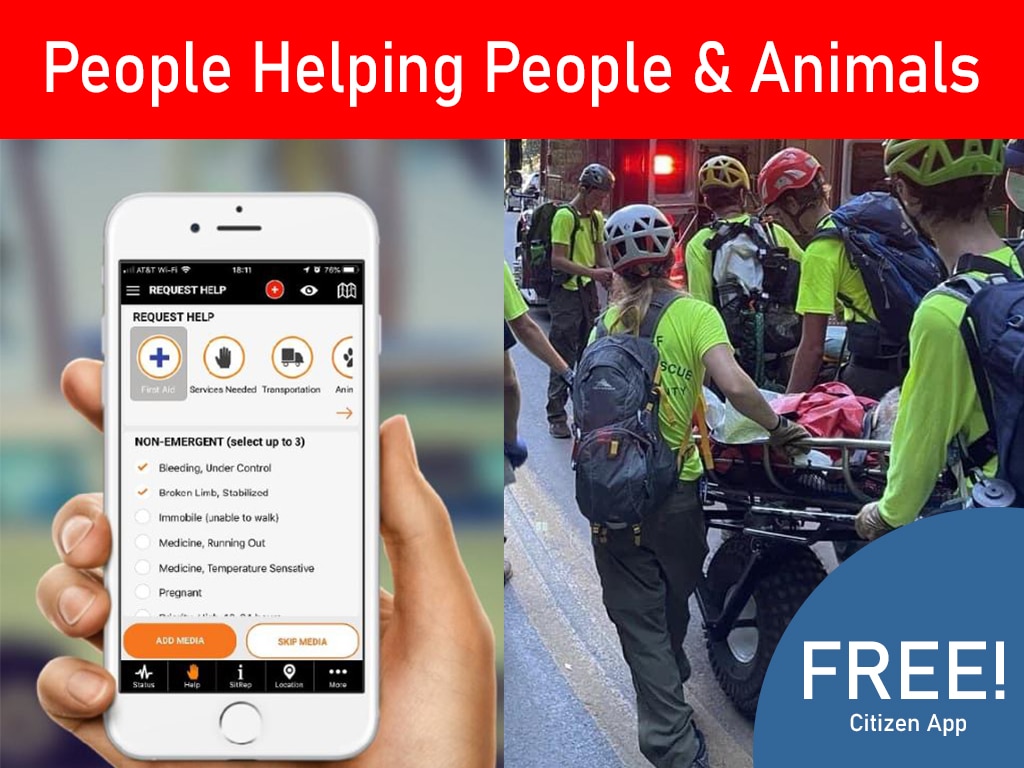
In the rapidly evolving landscape of emergency management, the integration of citizen crowdsourced information has transformed from a supplemental resource into a critical lifeline. As individuals leverage smartphones and social media to document crises in real-time, they generate a stream of high-velocity disaster data that traditional agencies simply cannot match in speed.
From Local Observations to Global Impact: What is Citizen Crowdsourcing?
Citizen crowdsourcing is the practice of gathering real-time data and resources from a large, distributed group of people—typically via digital platforms. Unlike traditional “top-down” communication, this model is participatory and decentralized. It taps into the lived experiences of those on the ground, providing a granular view of a crisis that official sensors or satellite imagery might miss.
Why Real-Time Data is the Lifeline of Emergency Management
In a disaster, seconds save lives. Situational awareness is the primary goal of any incident commander. Crowdsourced data provides:
-
Immediate Ground Truth: Knowing exactly where a tree is down or a levee has breached before a scout team arrives.
-
Resource Optimization: Directing assets to high-need “hotspots” identified by volume-based reporting.
-
Dynamic Adaptation: Adjusting recovery plans as local conditions change in real-time.
The Digital Ecosystem: How Crowdsourced Information Works
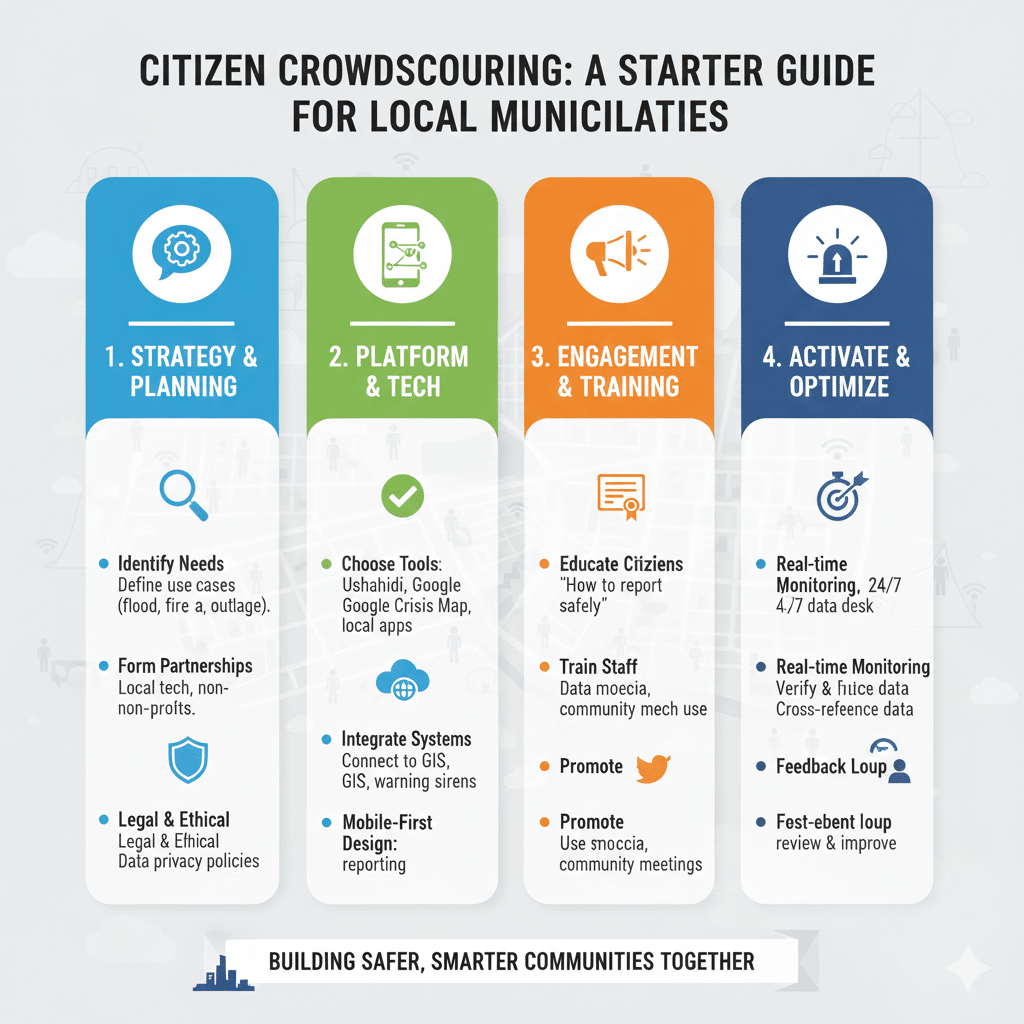
The bridge between a citizen’s observation and a responder’s action is the technology that facilitates the data flow.
Top Technology Platforms Powering Community-Led Response
Several specialized tools have redefined how we aggregate crisis data:
-
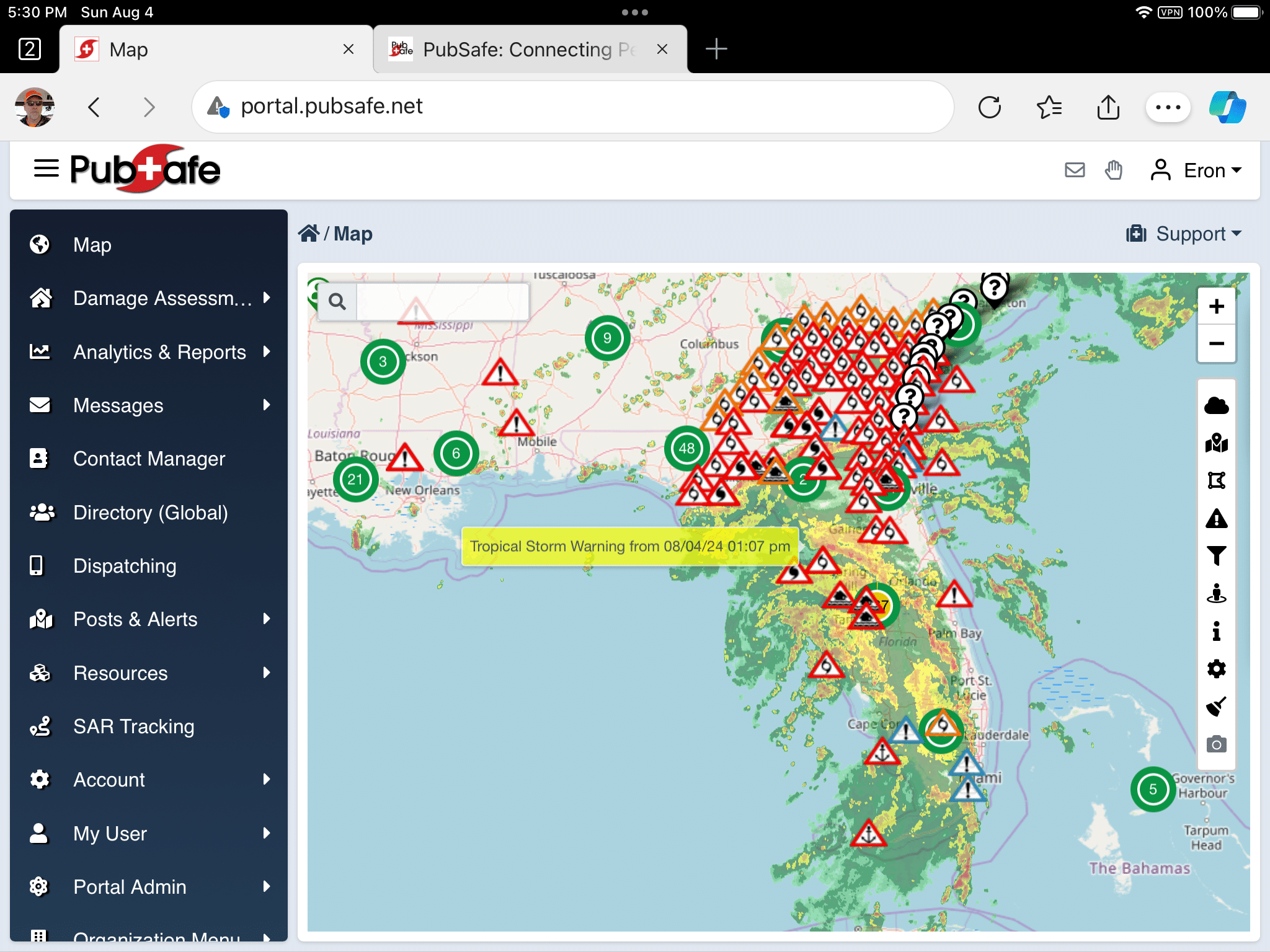
Ushahidi: An open-source platform that allows users to crowdmap incidents, providing a visual “heat map” of needs during a crisis.
-
Google Crisis Response: A suite of tools including Person Finder and Crisis Maps that consolidate data for public accessibility.
-
GIS Integration: Modern Geographic Information Systems now ingest social feeds to overlay citizen reports onto official flood or fire maps.
Leveraging Social Media: The Frontline of Crisis Communication
Social media is no longer just for networking; it is a vital sensor network. During events like Hurricane Sandy or the California wildfires, hashtags become digital beacons for help. Platforms like X (Twitter) and Facebook allow for:
-
Viral Dissemination: Rapidly spreading safety alerts.
-
Community Support: Organizing “civilian navies” or local food drives.
-
Trust Building: Direct engagement between government agencies and the public.
The Power of Participation: Key Benefits for Communities
Engaging citizens doesn’t just provide data; it builds community resilience.
Strengthening Resilience Through Enhanced Peer-to-Peer Communication
When traditional infrastructure fails, peer-to-peer networks step in. By sharing information on local apps or neighborhood groups, citizens can:
-
Identify vulnerable neighbors (elderly or disabled) who need immediate help.
-
Share locations of functioning resources like clean water or power strips.
-
Provide emotional support, reducing the psychological toll of the disaster.
Slashing Response Times: How Citizen Data Empowers First Responders
Crowdsourced data acts as a force multiplier. If dozens of residents report a gas leak via a localized app, dispatchers can escalate the call immediately. This proactive approach leads to:
-
Targeted Evacuations: Prioritizing neighborhoods based on real-time flooding reports.
-
Reduced Discovery Lag: Finding victims in “blind spots” where official communication is cut off.
Proven Success: Case Studies in Crowdsourced Emergency Aid
| Disaster Event | Platform Used | Key Outcome |
| Haiti Earthquake (2010) | Ushahidi / SMS | Mapped trapped victims and water needs for international aid teams. |
| Typhoon Haiyan (2013) | Social Media / Micro-mapping | Coordinated localized relief efforts when official channels were destroyed. |
| Hurricane Sandy (2012) | Instagram / Twitter | Identified fuel shortages and power outages across the NYC metro area. |
Turning Crisis into Knowledge: What Past Emergencies Taught Us
History shows that while the crowd is willing to help, they need a framework. The 2014 Ebola outbreak taught us that without a verification loop, crowdsourcing can accidentally spread fear and misinformation. The lesson is clear: Agencies must guide the crowd, not just listen to it.
Navigating the Risks: Challenges and Ethical Guardrails
Fact vs. Fiction: Strategies for Information Accuracy and Verification
The “fog of war” in a disaster often leads to the spread of unverified reports. To maintain data integrity, agencies should:
-
Triangulate Data: Confirm a report with at least two other independent sources.
-
Use Digital Volunteers: Empower “Vetted Crisis Mappers” to filter and verify incoming feeds.
Protecting the Vulnerable: Privacy and Ethical Data Standards
Sharing location data during a crisis can be dangerous. It is essential to implement:
-
Anonymization: Removing personal identifiers from public-facing maps.
-
Safe-Sharing Education: Teaching citizens what not to post (e.g., specific house numbers or photos of children).
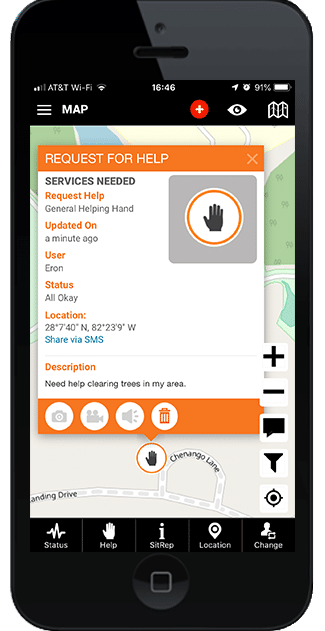
Future of Citizen Crowdsourced Information
Technological Advancements and Innovations
The future of citizen crowdsourced information looks promising as technology continues to evolve. Innovations such as artificial intelligence (AI) and machine learning can enhance data analysis, allowing for quicker processing of crowdsourced information. These technologies could help to filter out noise, prioritizing credible reports and immediately flagging urgent issues that require attention.
Additionally, advancements in mobile technology, including the proliferation of smartphones equipped with GPS and instant communication capabilities, empower more individuals to participate in crowdsourcing efforts. As communities become increasingly connected through technology, the potential for effective citizen involvement in emergency response will only grow.
Building Community Resilience
As citizen crowdsourced information becomes more prevalent, communities can build resilience against future disasters. By fostering a culture of collaboration and communication, citizens become better prepared for emergencies. Community drills and training could include simulations of crowdsourcing efforts, ensuring that more individuals are equipped to gather and relay information effectively when a crisis occurs.
Building these networks not only empowers citizens during emergencies but also strengthens community bonds, fostering a sense of shared responsibility. With increased awareness and education, communities can leverage the collective knowledge of their members to create safer environments and more effective emergency management strategies.
Conclusion
Summary of Key Points
Citizen crowdsourced information has emerged as a powerful tool in emergency response. By tapping into the experiences of individuals on the ground, emergency management can enhance communication, improve response times, and ultimately save lives. However, challenges such as information accuracy and privacy must be addressed to maximize the potential of this approach. As technology continues to advance, the future promises innovative ways to incorporate citizen involvement into emergency management strategies, building resilience within communities.
FAQs
1. What is citizen crowdsourcing?
Citizen crowdsourcing refers to the practice of gathering information from large groups of individuals, typically through digital platforms, to enhance decision-making during emergencies.
2. How does citizen crowdsourced information improve emergency response?
It enhances real-time communication, provides immediate insights from affected areas, and allows for more efficient resource allocation based on the needs identified by citizens.
3. What are some challenges of using citizen crowdsourced information?
Major challenges include ensuring the accuracy of the information, verifying reports, and addressing privacy and ethical concerns related to the data shared by individuals.
4. Can social media be trusted during emergencies?
While social media can provide rapid updates, it is crucial to have verification processes in place to filter out misinformation and ensure the credibility of the reports.
5. What role does technology play in citizen crowdsourcing?
Technology facilitates the collection, analysis, and dissemination of crowdsourced information, allowing for real-time updates and improved communication between citizens and emergency services.
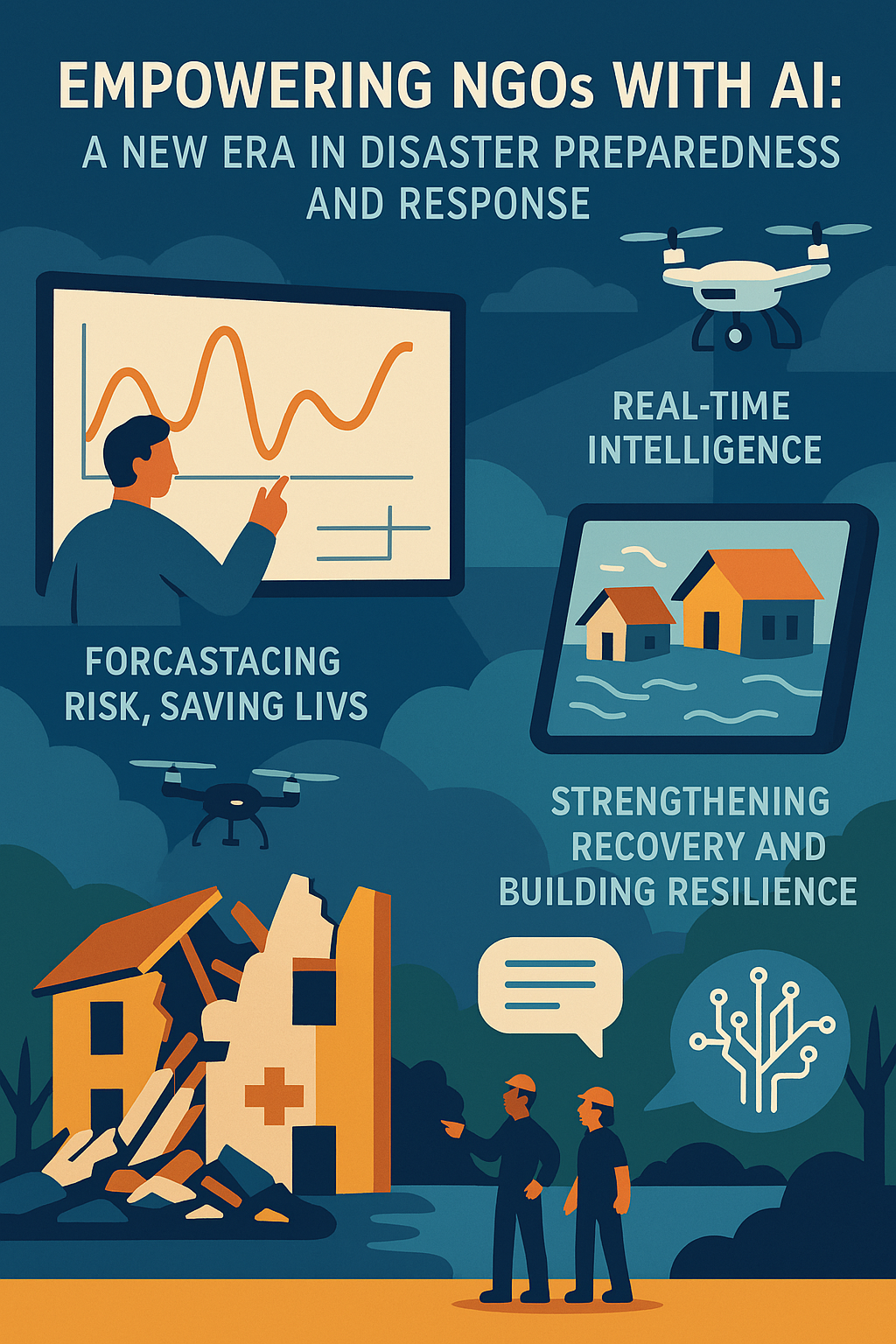
Get the PubSafe Mobile App