Thunderstorms are among the most common severe weather events in the United States, occurring in every state and causing billions of dollars in damage each year. The National Severe Storms Laboratory estimates there are about 100,000 thunderstorms annually in the U.S., with roughly 10% classified as severe — producing winds of 58 mph or greater, hail of 1 inch or larger, or tornadoes. Beyond the spectacle of thunder and lightning, these storms bring real hazards: lightning strikes, damaging winds, large hail, flash flooding, and the potential to spawn tornadoes. Ready.gov’s Thunderstorm and Lightning Hazard Information Sheet outlines what you need to know to stay safe.
Understanding Thunderstorm Hazards
Lightning
Lightning is the most dangerous individual hazard associated with thunderstorms. It strikes the United States about 25 million times per year and kills an average of 20–50 people annually — though many more are injured, often suffering long-term neurological damage. Lightning can strike miles from the nearest rain and can reach temperatures five times hotter than the surface of the sun (50,000°F).
Damaging Winds
Thunderstorms can produce straight-line winds exceeding 100 mph — often called derechos when associated with large organized storm systems. These can cause damage comparable to a tornado across a much wider geographic area.
Flash Flooding
Heavy thunderstorm rainfall can cause rapid flash flooding. Flash floods are the leading cause of weather-related deaths in the United States. The risk continues even after the storm passes, as water drains into streams and rivers for hours.
Before a Thunderstorm
- Know the warning signs. Towering cumulus clouds, dark green skies, and a loud roar are warning signs of dangerous thunderstorms. These clouds can develop rapidly, especially in summer afternoons.
- Monitor weather forecasts. Check NOAA Weather Radio and weather apps before outdoor activities. Have a lightning safety plan for outdoor events.
- Trim trees and secure objects. Branches and outdoor objects become projectiles in high winds. Trim dead or overhanging branches annually.
- Install surge protectors. Protect electronic equipment from power surges caused by nearby lightning strikes. Consider a whole-home surge protection device.
During a Thunderstorm: Lightning Safety
Ready.gov’s lightning safety guidance follows the 30-30 rule: if you can count 30 seconds or fewer between lightning and thunder, seek shelter immediately, and wait 30 minutes after the last thunder clap before resuming outdoor activities.
Safe shelters include substantial buildings with plumbing and wiring, or hard-topped metal vehicles with windows closed. Unsafe shelters include open-sided picnic shelters, gazebos, baseball dugouts, tents, and trees.
If caught outdoors with no shelter: avoid tall trees, hilltops, open fields, and water. Avoid metal fences, bleachers, and poles. If in a group, spread out. If you feel your skin tingle or hair stand on end (a sign lightning is about to strike), crouch down on the balls of your feet, feet together, hands on ears, head down — do NOT lie flat.
After a Thunderstorm
- Check for damage to your home: roof, windows, gutters, and outdoor electrical equipment
- Report downed trees, power lines, and flooding to local authorities
- Be aware of continued flash flooding risk even after the storm passes
- If lightning strike victims need help, call 911 — lightning strike survivors do not carry an electrical charge and are safe to assist
How PubSafe Supports Thunderstorm Safety
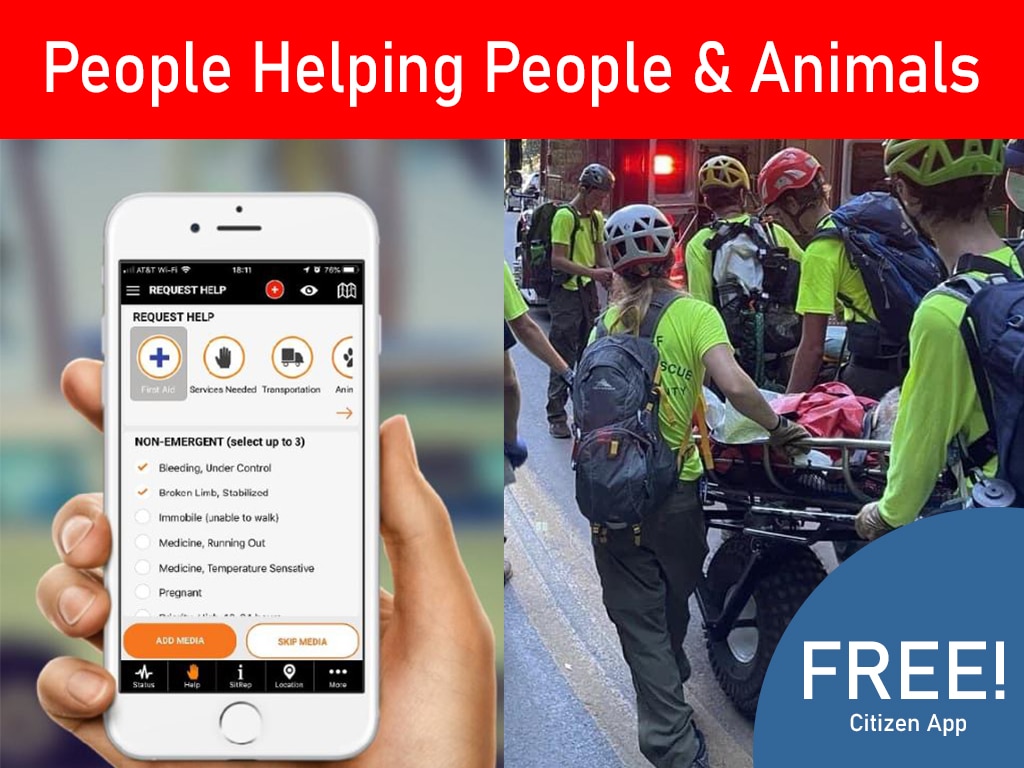
Thunderstorms can be severe and fast-moving. PubSafe provides a community communication platform that helps residents share real-time storm damage reports to help neighbors and responders navigate safely, coordinate welfare checks for elderly neighbors or those with mobility limitations stranded by flooding or fallen trees, share the location of open shelters during extended severe weather events, and communicate when power is restored or roads are cleared in specific neighborhoods. Severe thunderstorm events often cause scattered, localized damage that is difficult for official emergency managers to map quickly. PubSafe’s community reporting fills that gap, giving first responders real-time ground truth about where help is needed.
Resources
- Ready.gov Thunderstorms page
- NOAA Lightning Safety: weather.gov/safety/lightning
- National Severe Storms Laboratory: nssl.noaa.gov
Download the Ready.gov Thunderstorm and Lightning Hazard Information Sheet and connect your community on PubSafe.
Severe Thunderstorm Watches and Warnings: Understanding the Difference
The National Weather Service (NWS) issues three primary alert products for thunderstorm hazards, and understanding the distinction between them is critical for making good protective decisions:
A Severe Thunderstorm Watch means that conditions are favorable for severe thunderstorm development in the watch area. The watch area typically covers a large geographic region and may be in effect for several hours. During a watch, you should monitor weather conditions closely, ensure your shelter plans are in place, and be ready to take protective action immediately if a warning is issued.
A Severe Thunderstorm Warning means that a severe thunderstorm has been detected by radar or reported by a trained spotter, and is occurring or imminent in the warning area. Warning areas are smaller and more precisely targeted than watch areas. When a severe thunderstorm warning is issued, take shelter immediately — do not wait to see the storm. Move inside a substantial building, away from windows.
A Tornado Warning may be embedded in a severe thunderstorm situation and represents the highest level of urgency. If a tornado warning is issued, follow tornado protective action protocols (see our separate Tornado Preparedness guide).
The NWS also issues Special Weather Statements and Short Term Forecasts for less severe but still significant weather. Following the NWS on social media, using NOAA Weather Radio, and enabling Wireless Emergency Alerts on your smartphone ensures you receive these products when they matter.
Lightning Safety for Outdoor Events and Activities
Outdoor events — sporting events, festivals, concerts, outdoor workplaces, and recreational activities — require specific lightning safety planning. The National Lightning Safety Institute, the Lightning Safety Alliance, and the NWS all provide guidance for event organizers and participants. Key principles include: appointing a designated weather monitor for all outdoor events, with authority to suspend activities and direct participants to shelter; establishing a “30-30 rule” policy and communicating it to all participants before the event; identifying specific lightning-safe shelter locations that participants can reach within 30 seconds; having a written lightning safety plan that is reviewed before every outdoor event.
Outdoor workers face elevated lightning risk due to sustained exposure during all weather conditions. OSHA considers lightning a recognized occupational hazard and requires employers to protect workers from lightning hazards under the General Duty Clause. Industry-specific lightning safety guidelines have been developed for construction, agriculture, forestry, oil and gas extraction, golf course management, and other outdoor industries. Workers should feel empowered to seek shelter when lightning threatens — no job is worth your life.
Connect your community on PubSafe to share real-time severe thunderstorm observations, help neighbors navigate flooded roads after heavy rain, and coordinate welfare checks after damaging wind events. A thunderstorm-ready community uses every available tool to keep its members safe.
Taking the Next Step in Your Preparedness Journey
Preparedness is not a single action — it is an ongoing practice. Every time you review your emergency plan, check your supply kit, or connect a neighbor to a preparedness resource, you are building community resilience. The cumulative effect of thousands of individuals and families taking preparedness seriously is a community that absorbs shocks, recovers faster, and takes care of its most vulnerable members during the worst days.
Bookmark the relevant Ready.gov hazard page, download the Hazard Information Sheet, and share this article with your family, coworkers, and neighbors. Join the PubSafe network to stay connected with your community before, during, and after any emergency. Check your local emergency management agency’s website for preparedness resources specific to your region. And consider volunteering with local emergency response teams — CERT (Community Emergency Response Team), volunteer fire departments, and local emergency management councils all welcome community members who want to contribute to a more resilient community.
Emergency preparedness does not require perfection. Start where you are, with what you have. Each small step builds on the last, and the journey from being unprepared to being genuinely ready is shorter than most people think. Take one step today — for yourself, for your family, and for your community.