Winter storms are major public safety hazards that kill hundreds of Americans each year and cause billions of dollars in property damage. From blizzards that bury communities in several feet of snow, to ice storms that coat power lines and roads in inches of ice, to extreme cold events that push temperatures to dangerous lows, winter weather demands serious preparation. Ready.gov’s Winter Storm Hazard Information Sheet covers the full spectrum of winter weather hazards and the protective actions that save lives.
Types of Winter Weather Hazards
Blizzard
Officially defined as sustained or frequent gusting winds of 35 mph or greater, combined with snow reducing visibility to less than 1/4 mile for 3 or more hours. Blizzards can strand motorists, collapse roofs, disrupt heating systems, and create life-threatening conditions for anyone caught outdoors.
Ice Storm
Occurs when rain falls through a shallow freezing air layer and freezes on contact with surfaces. Even 1/4 inch of ice accumulation can make roads impassable and snap power lines. Ice storms are among the most damaging and disruptive of all winter weather events — they can cause widespread power outages lasting days or weeks.
Extreme Cold
Wind chill temperatures below -20°F can cause frostbite on exposed skin within 30 minutes. Hypothermia — a dangerous drop in core body temperature — can occur even at temperatures above freezing when combined with wet conditions and wind. Extreme cold is particularly dangerous for older adults, the very young, people who are homeless, and those with certain medical conditions.
Heavy Snow
Even without blizzard conditions, heavy snow can collapse roofs (especially flat or low-pitched roofs), block roads and driveways, and strand people in their homes for days. Roof collapse from snow load kills people every winter in the United States.
Before Winter: Preparation Steps
Prepare Your Home
- Service your heating system before winter. Have a licensed technician inspect and service furnaces, heat pumps, and boilers. Clean or replace filters.
- Have your chimney inspected and cleaned if you use a fireplace or wood stove.
- Insulate pipes that run along exterior walls or in unheated spaces to prevent freezing. Know where your water main shutoff is in case a pipe bursts.
- Weatherize your home: caulk and weatherstrip doors and windows, add insulation, install storm windows or apply plastic film to interior windows.
- Stock at least 3 days of food, water, and medications for your household, assuming you may be unable to leave for that period.
- Have an alternative heating source ready. If using an alternative heat source, ensure proper ventilation and have working carbon monoxide detectors.
Prepare Your Vehicle
- Winterize your vehicle: antifreeze, winter tires or all-season tires with adequate tread, windshield washer fluid rated for low temperatures, battery check
- Keep your gas tank at least half full in winter — fuel can freeze in lines, and you may need to run the engine for warmth if stranded
- Maintain a winter vehicle emergency kit: blanket, extra warm clothing, water, snack food, sand or kitty litter for traction, jumper cables, flashlight, ice scraper, and a small shovel
During a Winter Storm
- Stay indoors whenever possible. If you must go out, dress in layers with a moisture-wicking base layer, insulating middle layer, and wind/waterproof outer layer. Cover extremities.
- Avoid overexertion during snow shoveling — heart attacks are a leading cause of death during winter storms. Take frequent breaks and stay hydrated.
- If you lose power, seal off unused rooms and use blankets to retain heat. Open curtains on south-facing windows during the day for solar heat gain. Close them at night.
- Never use a gas oven for heating, and never use generators, camp stoves, or charcoal indoors.
- Check on neighbors, especially elderly and those living alone.
If You Are Stranded Outdoors or in Your Vehicle
- Stay with your vehicle — it provides shelter and is easier for rescuers to find
- Turn on hazard lights and run the engine sparingly for heat — clear the exhaust pipe before running the engine
- Move around periodically to maintain body heat
- Signal for help when you hear other vehicles or see a rescue team
Recognizing Cold-Related Illness
Frostbite: Numbness, white or grayish-yellow skin, skin that feels firm or waxy. Do not rub frostbitten areas. Warm with body heat or warm (not hot) water. Seek medical attention. Hypothermia: Uncontrollable shivering, memory loss, slurred speech, drowsiness, exhaustion. Get the person to a warm room, remove wet clothing, warm the center of the body first, give warm beverages (not alcohol). Get medical attention immediately.
How PubSafe Supports Winter Storm Community Response
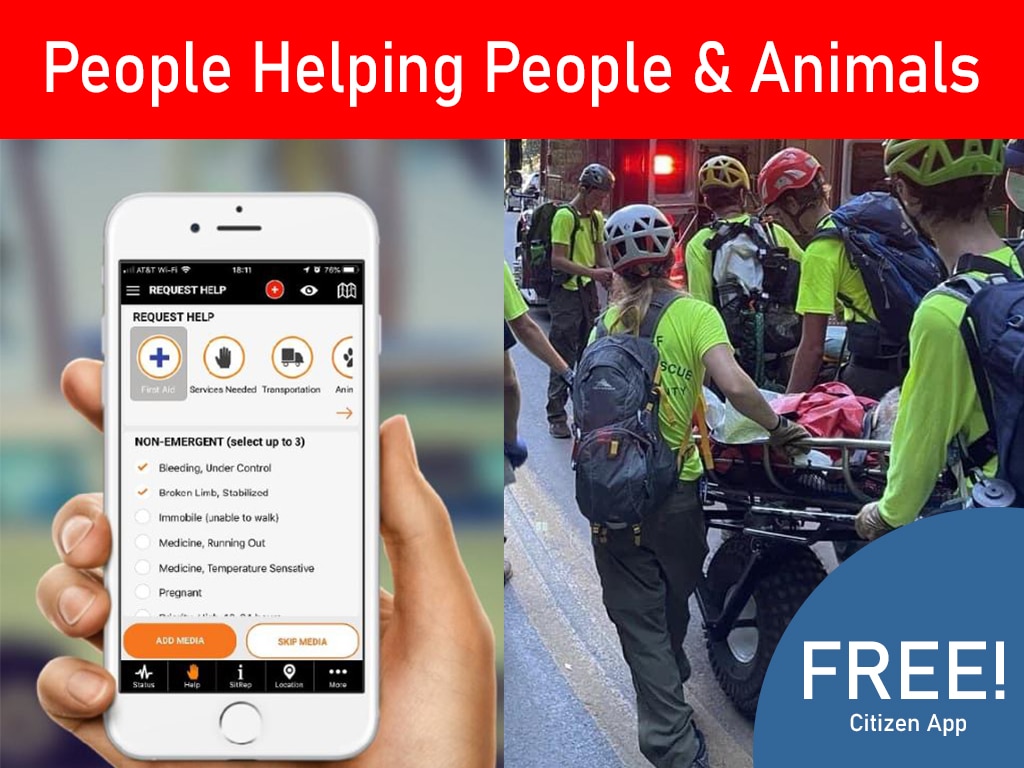
Winter storms strand people in their homes and on roadways, disrupt utility service, and make it difficult for emergency responders to reach those who need help. PubSafe helps communities manage winter emergencies by coordinating neighborhood welfare checks to check on elderly, disabled, and isolated community members; sharing real-time road conditions marking impassable roads, blocked intersections, and downed power lines; organizing community mutual aid to coordinate snow removal assistance, food sharing, and other neighbor support; and providing warming center information distributing locations of open warming shelters and resource distribution points.
In the 2021 Texas winter storm — which left millions without power and heat for days — communities with strong social networks and mutual aid capacity fared significantly better than isolated households. PubSafe is the platform that helps build that network before the storm. Download PubSafe now and connect your neighborhood — winter preparedness starts before the first flake falls.
Resources
- Ready.gov Winter Weather page
- NOAA Winter Weather Safety: weather.gov/safety/winter
- CDC Winter Weather: cdc.gov/disasters/winter
Download the Ready.gov Winter Storm Hazard Information Sheet, winterize your home and vehicle, and connect your neighborhood on PubSafe.
Winter Storm Preparedness for Businesses and Organizations
Winter storms impose significant operational challenges on businesses, nonprofits, healthcare facilities, schools, and government agencies. Snow, ice, and extreme cold can disrupt employee access, interrupt supply chains, damage facilities, and create liability exposure. Ready.gov and FEMA’s Ready Business program recommend that organizations incorporate winter storm scenarios into their business continuity plans with specific attention to:
Employee safety: Establish clear policies for when employees should stay home rather than risk dangerous road conditions. Develop remote work capabilities for essential functions that can be performed offsite. Train employees on winter driving safety and cold-weather health hazards. Have a clear communication plan for notifying employees of operational status changes during winter weather events.
Facility protection: Conduct annual pre-winter inspections of roofing systems, particularly flat roofs vulnerable to snow load accumulation. Know the snow load capacity of your facility and have a snow removal plan. Ensure heating systems are inspected and maintained before winter. Protect water pipes in unheated areas. Maintain backup power for critical systems.
Supply chain resilience: Winter storms regularly disrupt transportation networks, delaying deliveries of supplies, materials, and products. Maintain adequate inventory buffers to absorb weather-related delays. Identify alternative suppliers in geographic regions less likely to be simultaneously affected by winter storms. Build relationships with logistics providers who have robust winter operations capabilities.
Customer communication: Have a plan for communicating operational changes, closures, and delays to customers through multiple channels — website, social media, email, phone — recognizing that some customers may not have internet access during a power outage.
Ice Storm Preparedness and Recovery
Ice storms are among the most underestimated and damaging of all winter weather events. Unlike snow, which can be plowed and treated with de-icing materials relatively efficiently, ice accumulation on roads and walkways is extremely difficult to remove and can persist for days even when temperatures rise above freezing. The weight of ice on trees and power lines causes spectacular, widespread damage — a single significant ice storm can damage more trees and cause more power outage-hours than an entire year of other weather events combined.
Ready.gov recommends these specific ice storm preparedness steps:
- Purchase ice melt (calcium chloride or magnesium chloride, which work at lower temperatures than rock salt) before the winter season — stores often sell out after an ice storm warning
- Apply ice melt to walkways and steps proactively, before ice forms — it is far more effective as a preventive measure than as a treatment after ice has formed
- Identify fall hazard risks from ice on your property before ice events occur: sloped walkways, steps without handrails, parking areas without traction alternatives
- Be especially careful of black ice — a thin, nearly transparent coating of ice on pavement that is extremely slippery and often invisible until you step or drive on it. Black ice commonly forms on bridges, overpasses, shaded road sections, and areas with poor drainage
- Allow significant extra travel time and reduce speed dramatically in icy conditions — posted speed limits assume dry pavement; stopping distances on ice are dramatically longer
During extended ice events and the power outages they cause, community connection is critical. PubSafe helps communities coordinate welfare checks, share road condition reports, and organize mutual aid — ensuring that no neighbor is left isolated and without help during the winter’s most challenging weather events.